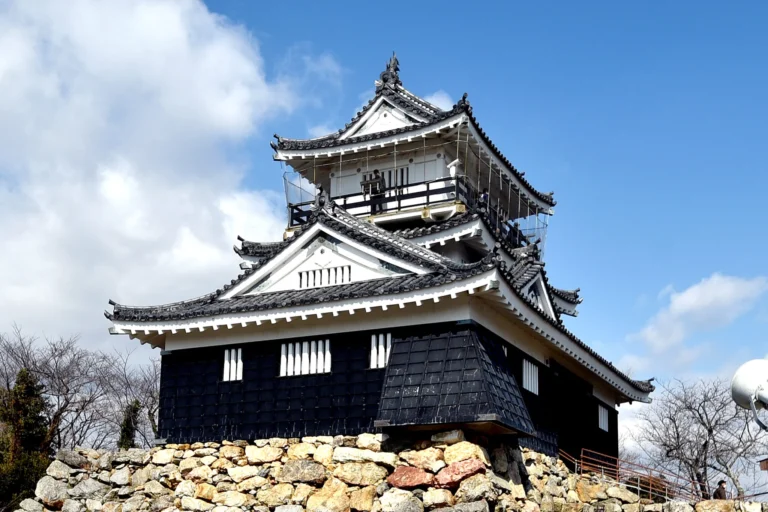
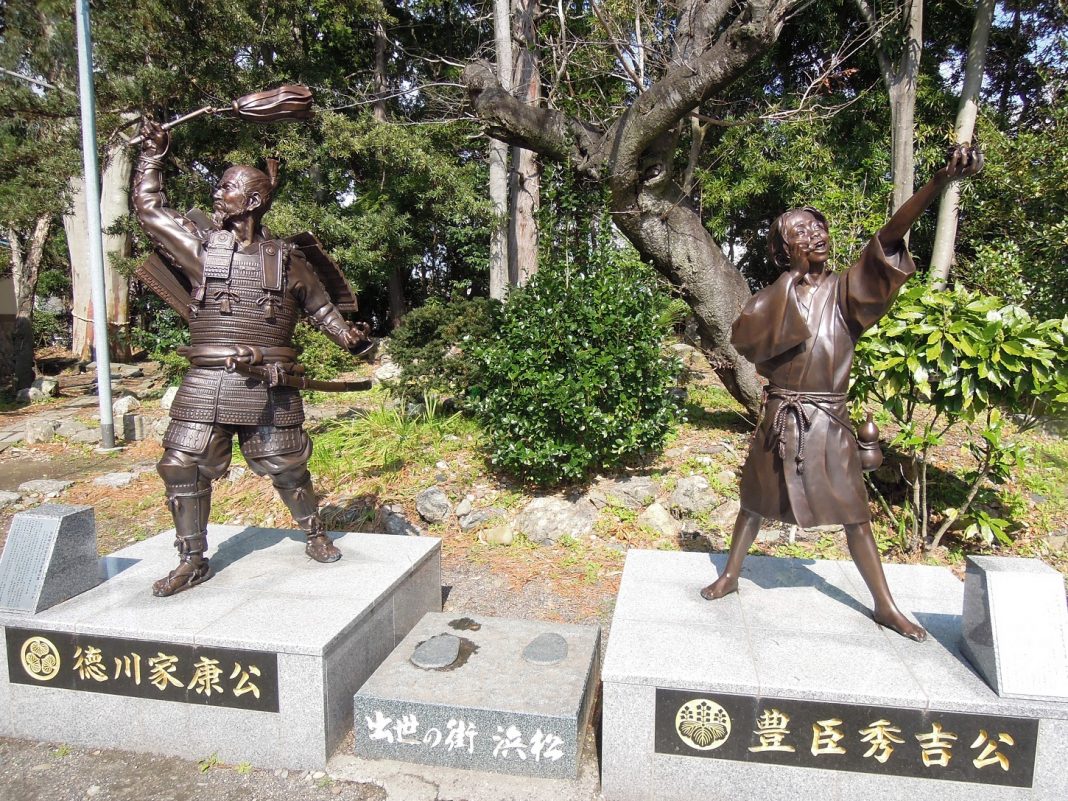
Hamamatsu Castle is conveniently located just a 15-minute walk from the north exit of Hamamatsu Station. If you have some spare time, we recommend taking a leisurely stroll along Ieyasu’s Promenade, which leads you to various sites related to the life of Tokugawa Ieyasu. From the ages of 29 to 45, Ieyasu resided in Hamamatsu Castle, which was later occupied by successive generations of daimyo (feudal lords) descended from those who had supported him prior to his rise to power. Many of these daimyo even attained the rank of roju (elder) during their tenure at the castle, hence the castle’s nickname “Promotion Castle” or “Shussejo” in Japanese.
Let us begin by looking at the life of Ieyasu and the period he spent at Hamamatsu Castle.
The life of Tokugawa Ieyasu
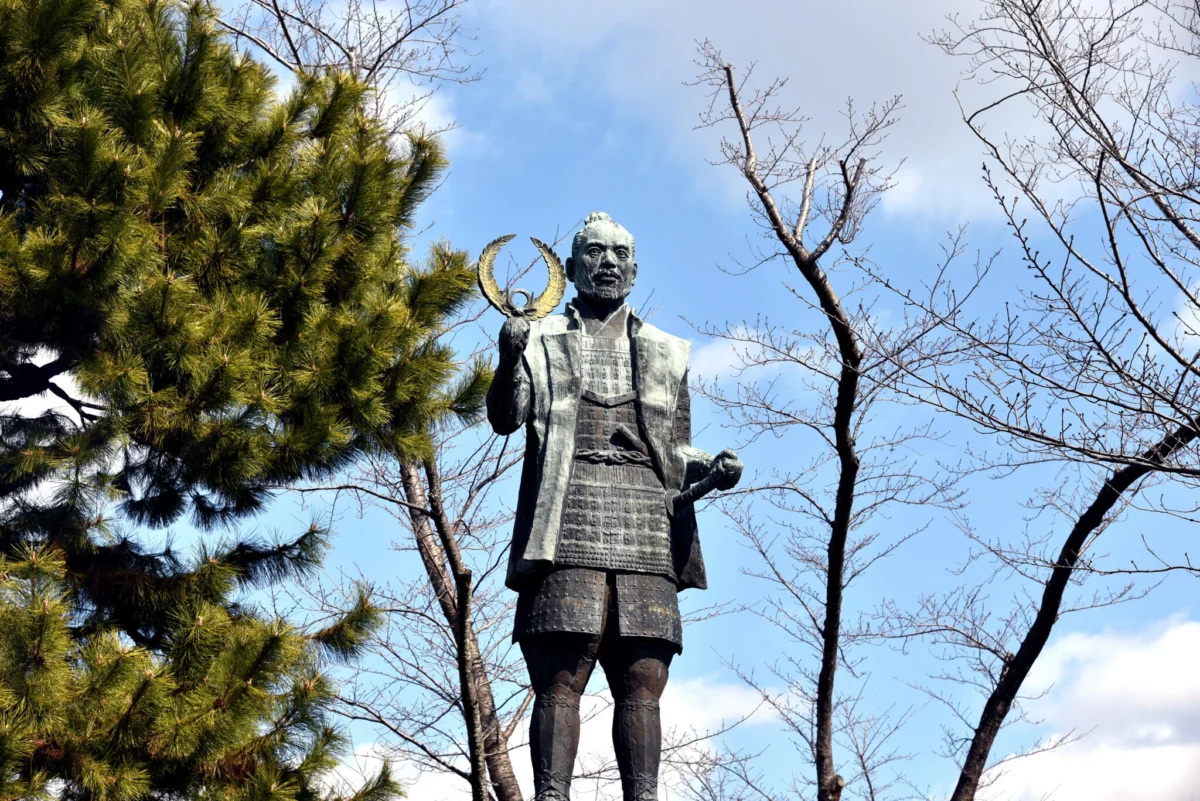
Tokugawa Ieyasu, the founder and first shogun of the Tokugawa shogunate, was born in 1542 as the eldest son of the lord of Okazaki Castle. At the age of seven, he was sent to Sunpu as a hostage of Imagawa Yoshimoto. Following Yoshimoto’s defeat by Oda Nobunaga at the Battle of Okehazama, Ieyasu returned to Okazaki Castle, formed an alliance with Nobunaga, and took the name Tokugawa Ieyasu at the age of 24.
In 1570, Ieyasu moved his base of operations to Hamamatsu and began constructing Hamamatsu Castle. He then engaged in a struggle with Takeda Shingen for control of Totomi Province, culminating in a crushing defeat by the Takeda army at the Battle of Mikatagahara in 1572. Despite this setback, Ieyasu would go on to become one of the most successful and influential figures in Japanese history, eventually achieving unification of the country and establishing a lasting peace.
The Battle of Mikatahara: Ieyasu’s greatest defeat
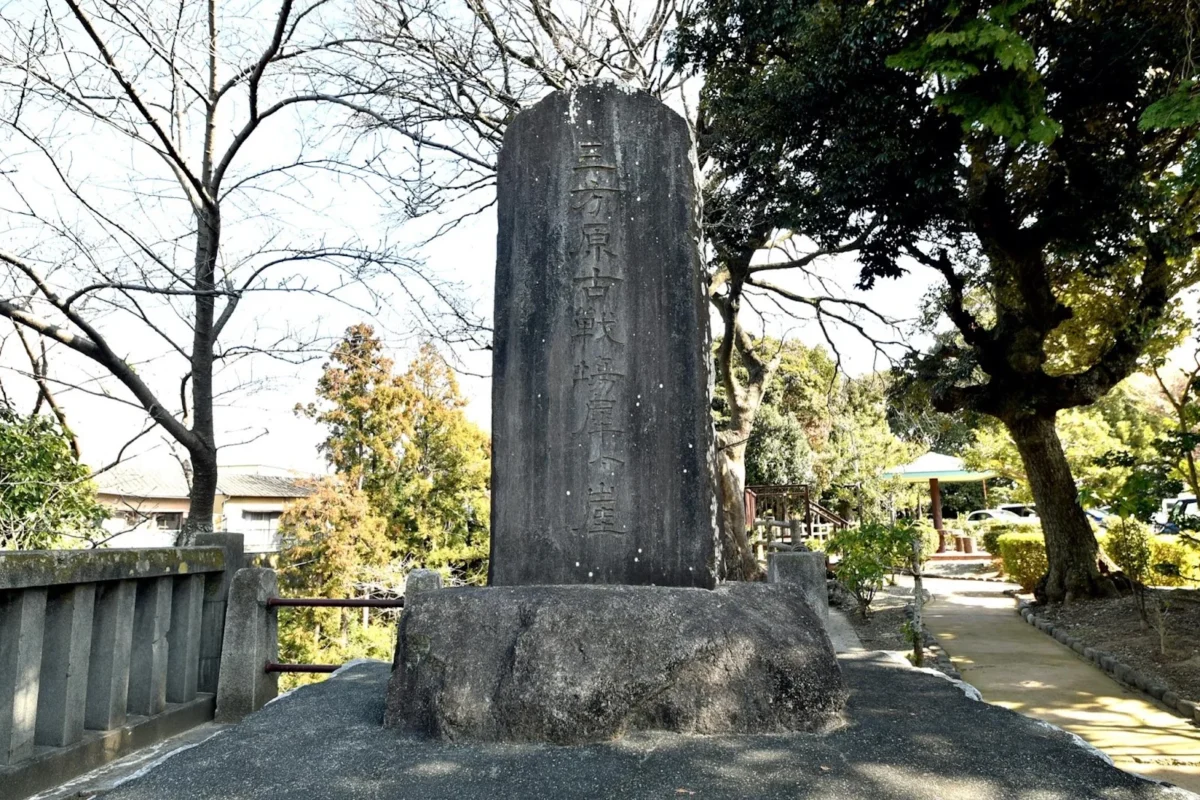
At the age of 31, in 1572, Ieyasu faced a significant challenge when Takeda Shingen and his army marched into Totomi Province on their way to the capital. Shingen had already seized control of the northern part of the province, and led his army of 27,000 men southward. Ieyasu, commanding a smaller force of 12,000 soldiers, moved towards Mikatahara to confront them. However, despite their efforts, the Tokugawa army was defeated by the larger Takeda army and its renowned cavalry. Ieyasu himself narrowly escaped death and fled to Hamamatsu Castle.
Surprise Attack at Saigagake
Following his defeat at the Battle of Mikatahara, Ieyasu retreated to Hamamatsu Castle and began planning a strategy to turn the tables on the Takeda army. He concocted a clever scheme to lure them to Saigagake cliff and then used a white cloth to make it appear as if a bridge had been erected across the chasm. To further confuse the enemy, he set Fusaiji Temple ablaze to create the impression that Hamamatsu Castle was on fire. The Takeda camp was then tricked into thinking that they were being attacked from behind, causing many men and horses to panic and fall to their deaths while crossing the fake bridge.
Despite his defeat at Mikatahara, Ieyasu’s reputation as a military strategist grew due to his bold resistance against Takeda Shingen, who was considered the most powerful warlord during the Warring States period. Three years later, the Oda and Tokugawa clans joined forces and defeated the Takeda army at Nagashino, gaining control of Totomi Province. Ieyasu later relocated his residence to Sunpu Castle in 1586. He then emerged victorious against the Western Army at the Battle of Sekigahara after Toyotomi Hideyoshi’s death. As a result, he was appointed shogun in 1603 and founded the Tokugawa shogunate, also known as the Edo shogunate.
Hamamatsu Castle – the “Promotion Castle” (Shussejo)
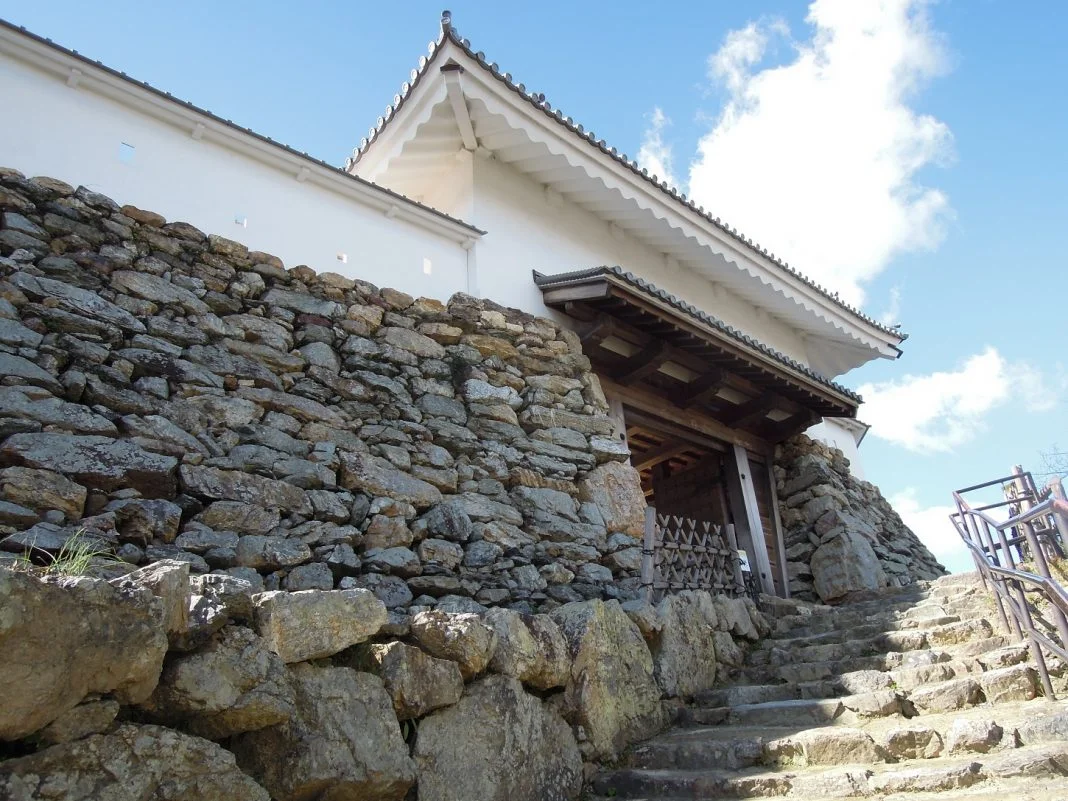
Understanding the historical background of the castle and its connection to Tokugawa Ieyasu can enhance one’s appreciation for the structure.
Hamamatsu Castle was built in the Teikaku style, with the main keep’s enclosure standing at the highest point of the Mikatahara Plateau. The honmaru, ninomaru, and sannomaru were arranged in a staircase pattern. The main keep was rebuilt in 1959, and the main gate was restored in 2014. The castle’s stone walls are also a notable feature, built in the nozurazumi style with natural stones piled on top of each other. Despite appearing unstable, the inside is packed with pebbles and gravel, making it very strong.
The castle is known for having ten wells, and the well in the foundation of the main keep was left intact during the castle’s reconstruction. This well can now be seen in the basement of the main keep. Only five castles in Japan still have a well in the basement of the main keep, including Iga Ueno Castle, Nagoya Castle, Matsue Castle, Kumamoto Castle, and Hamamatsu Castle. These unique features and historical connections make Hamamatsu Castle a fascinating destination for visitors interested in Japanese history and architecture.
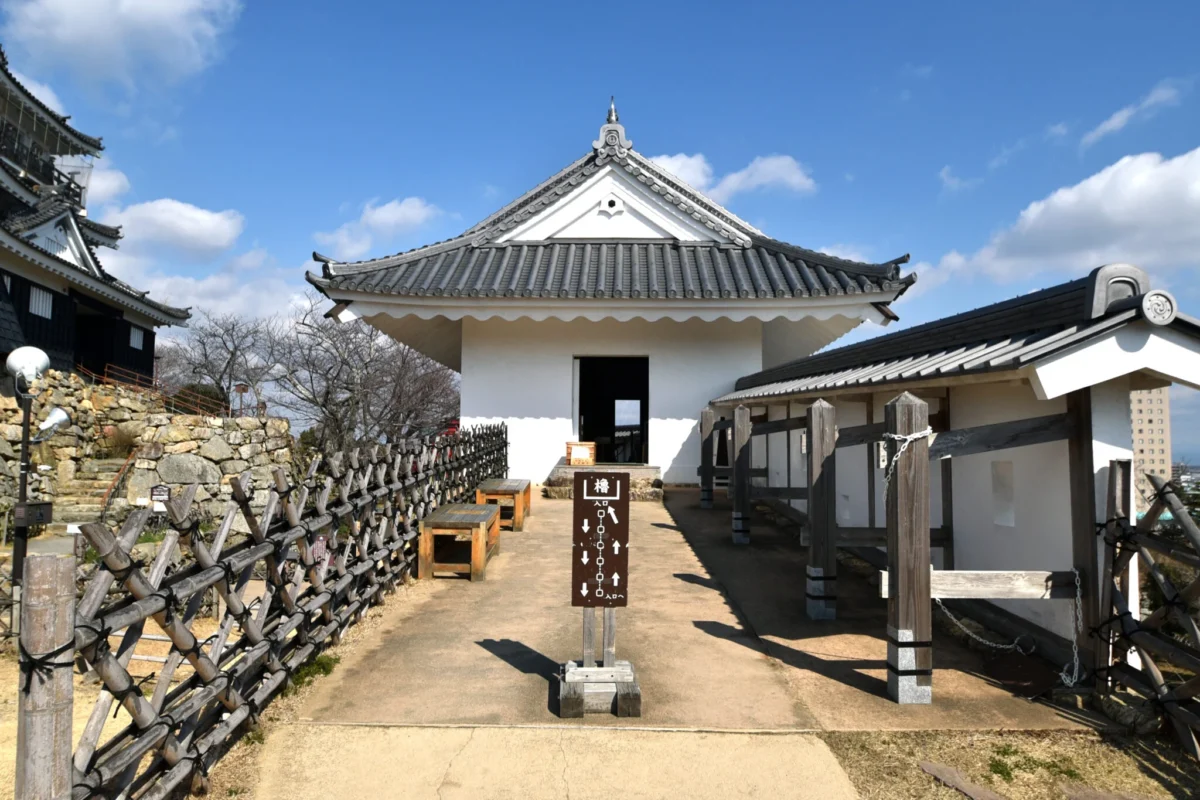
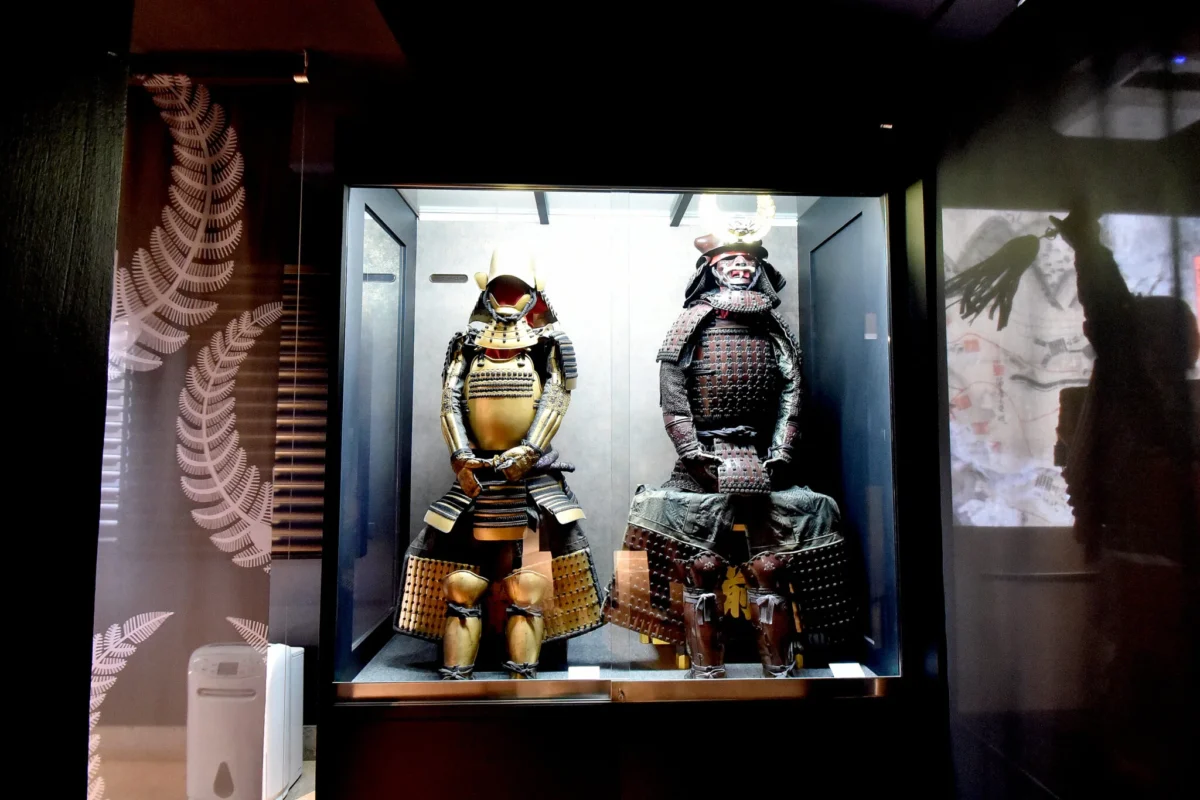
We can go inside the main keep and look at a lot of items on exhibition (It cost 200 Yen for one adult)


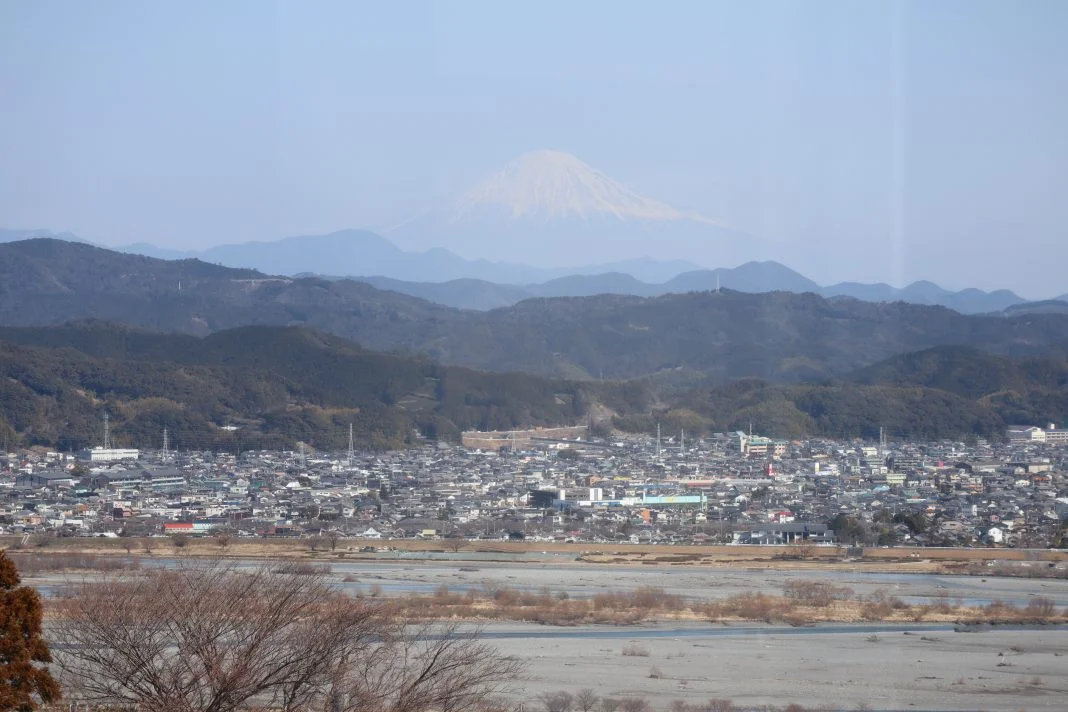
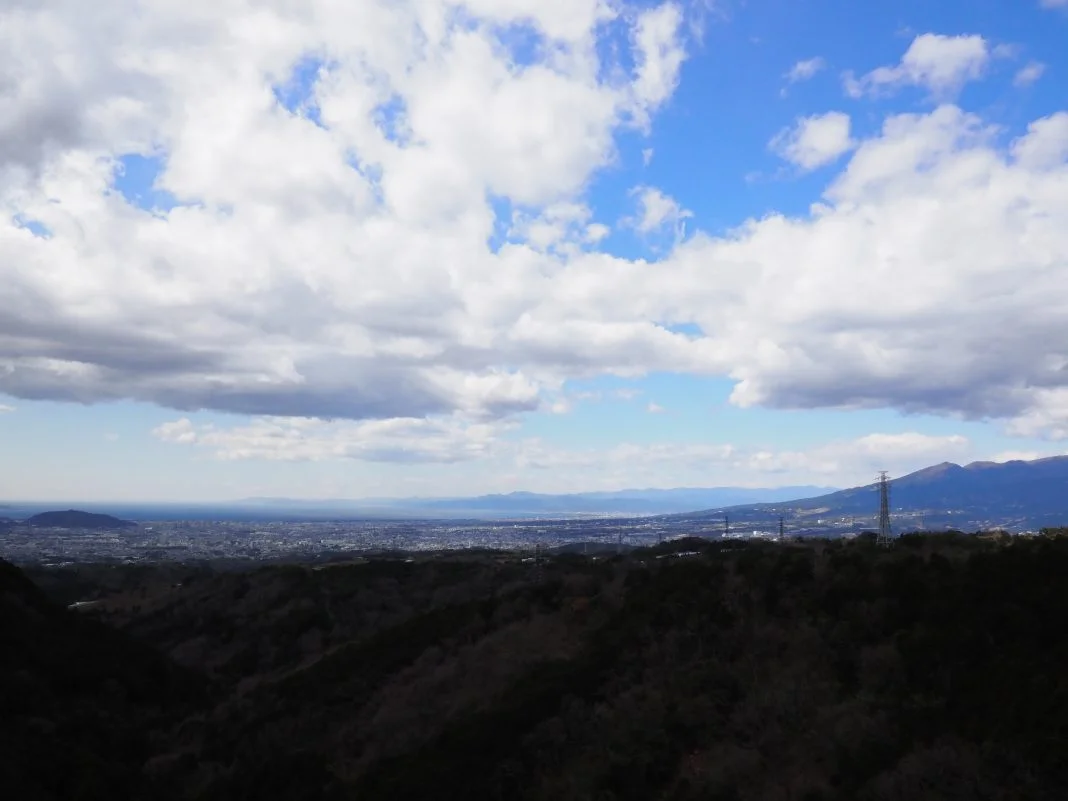
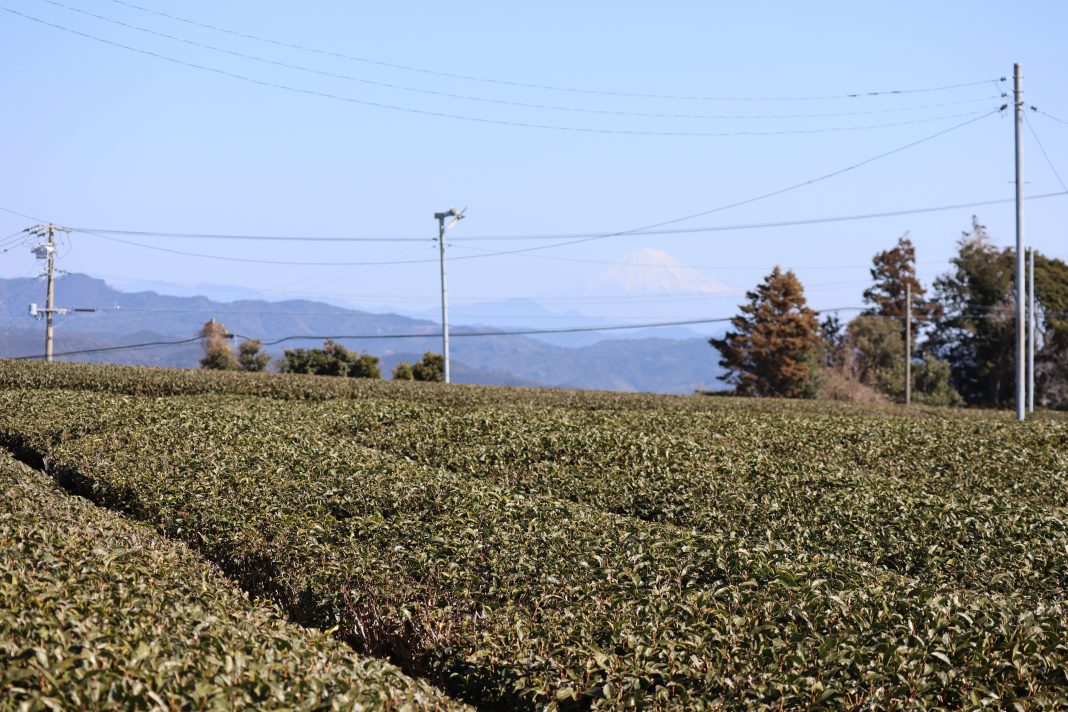
The Enshu Sea and Lake Hamana are clearly visible from the observation deck. On days with good weather, you can even see Mt. Fuji.
Highlights of Hamamatsu Castle Park
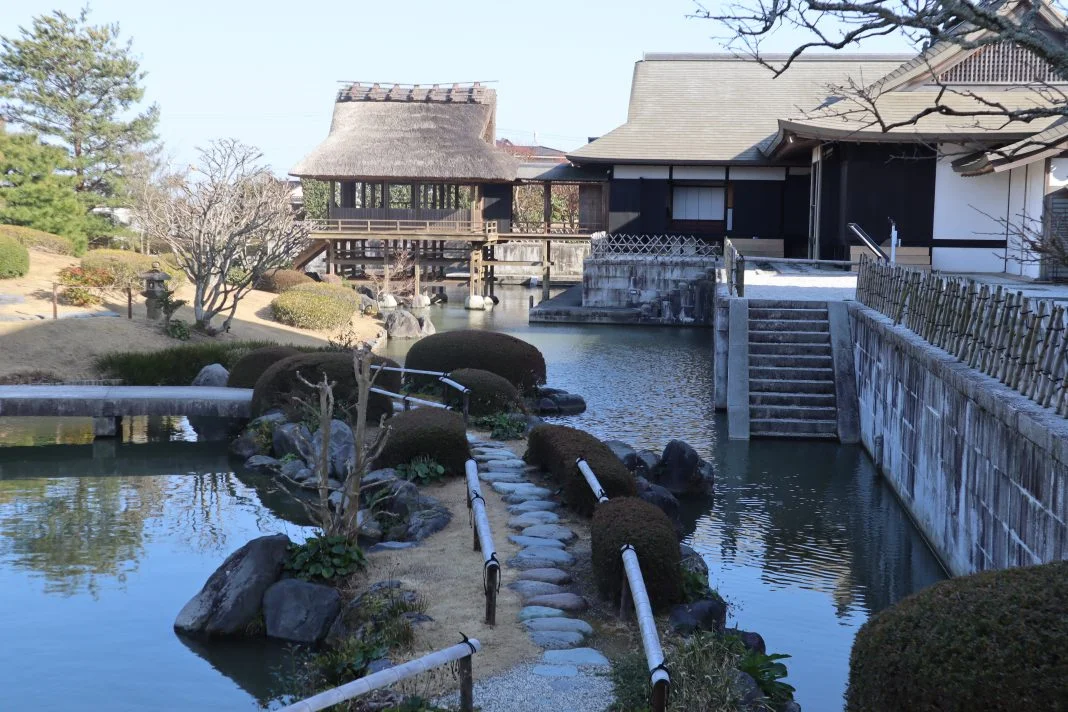
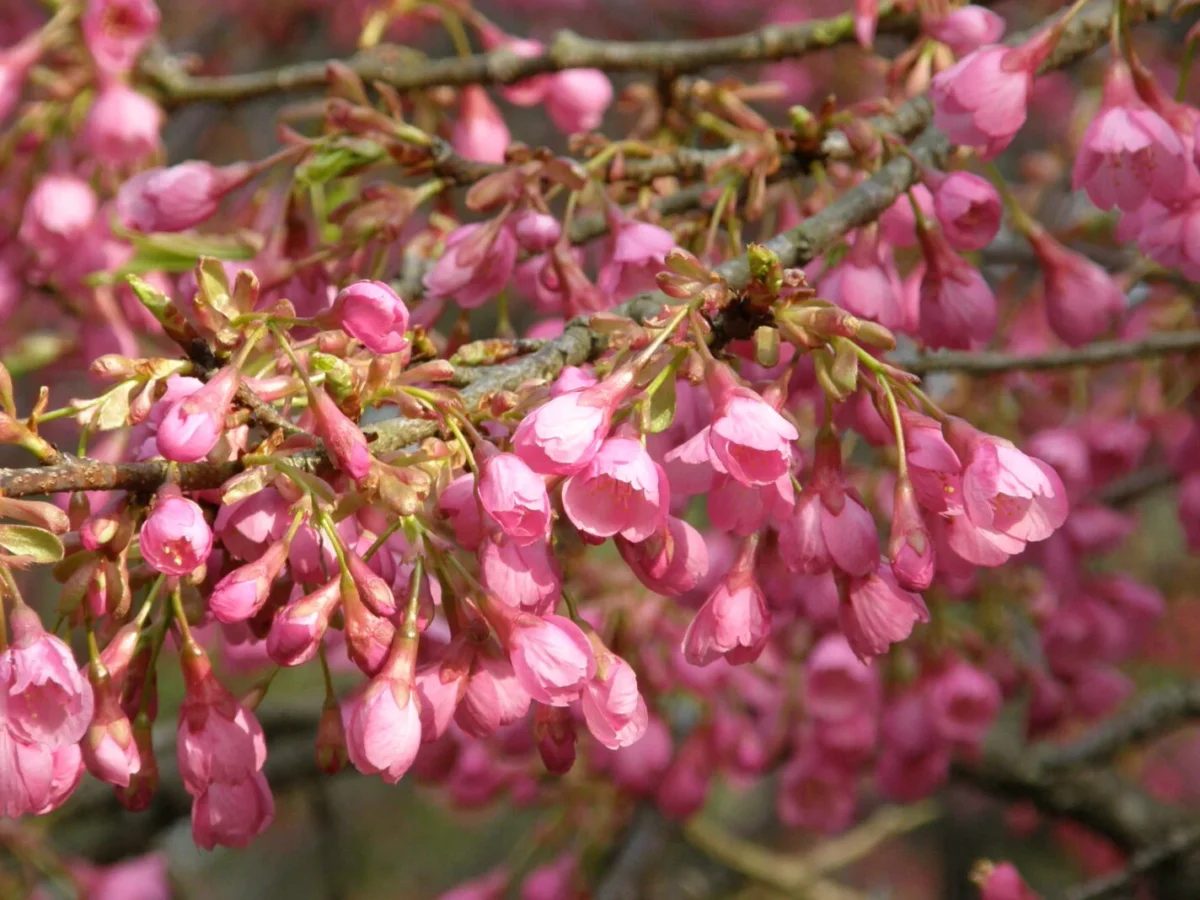
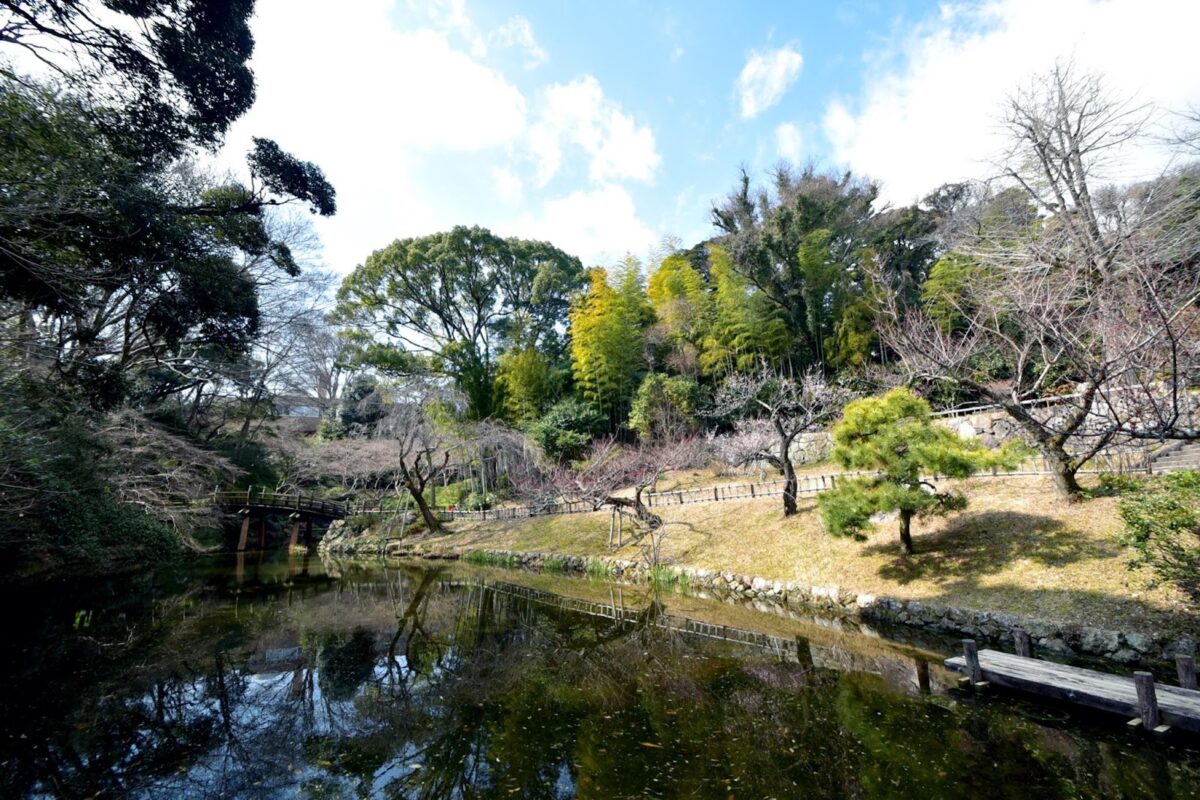
Hamamatsu Castle Park offers not only historical and architectural delights but also natural beauty and recreational opportunities. The Miyama-style Japanese walking garden is a peaceful retreat where visitors can enjoy the picturesque waterfall, pavilion, and pond. The park is particularly famous for its shidarezakura blossoms in the spring and momiji leaves in the fall, which draw large crowds of visitors seeking to enjoy the seasonal colors. Moreover, the stone stage is a perfect spot for picnics, and the central lawn regularly hosts various events such as concerts, festivals, and sports activities. With its combination of history, nature, and leisure activities, Hamamatsu Castle Park serves as an oasis for the city’s residents and a popular destination for tourists.























.jpg.webp)