Home Blog Page 13

Things to Do in Shizuoka, Japan -Explore Wonderful Nature of the Izu Peninsula’s West Coast with a Knowledgeable Local Guide

Izu & West Izu 101

-Geography & History

Seen on the UNESCO Global Geopark list, the Izu Peninsula is one of the world’s treasures. It has unique geographical features, and the residents embrace the conservation of biodiversity, local history, and culture.

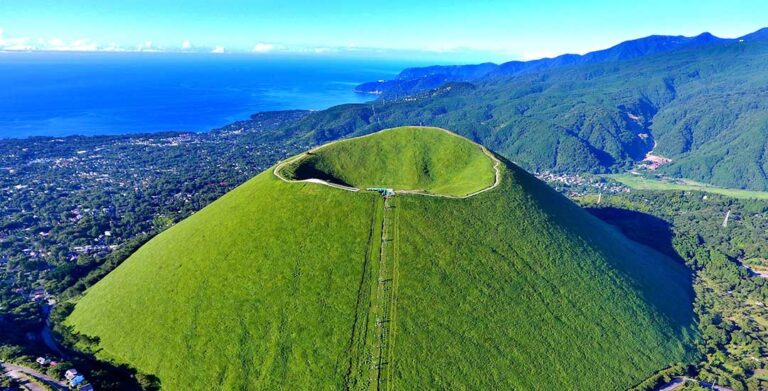
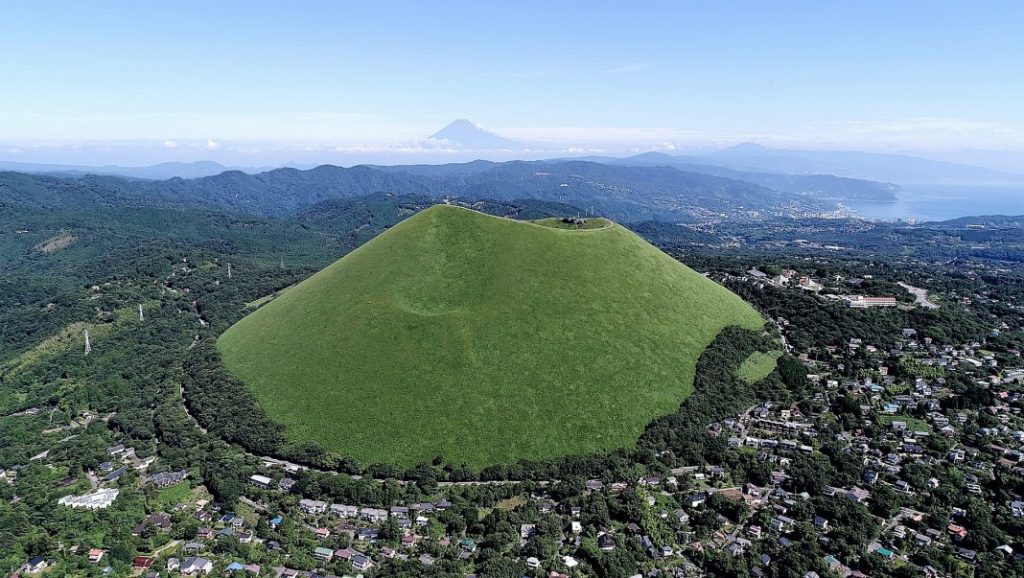
The geographical history of the Izu Peninsula started about 20 million years ago. It was a group of submarine volcanoes until about 600 thousand years ago when the movement of the Philippine Sea Plate caused those volcanoes to collide with Japan’s Honshu mainland. Thanks to these ancient volcanic activities, we are able to see many unique geographic features on display in the Izu Peninsula. We can appreciate beautiful scenery, relax in onsen (hot springs), taste delicacies, and enjoy outdoor activities. Isn’t it exciting to experience how nature blesses us with magnificent things?
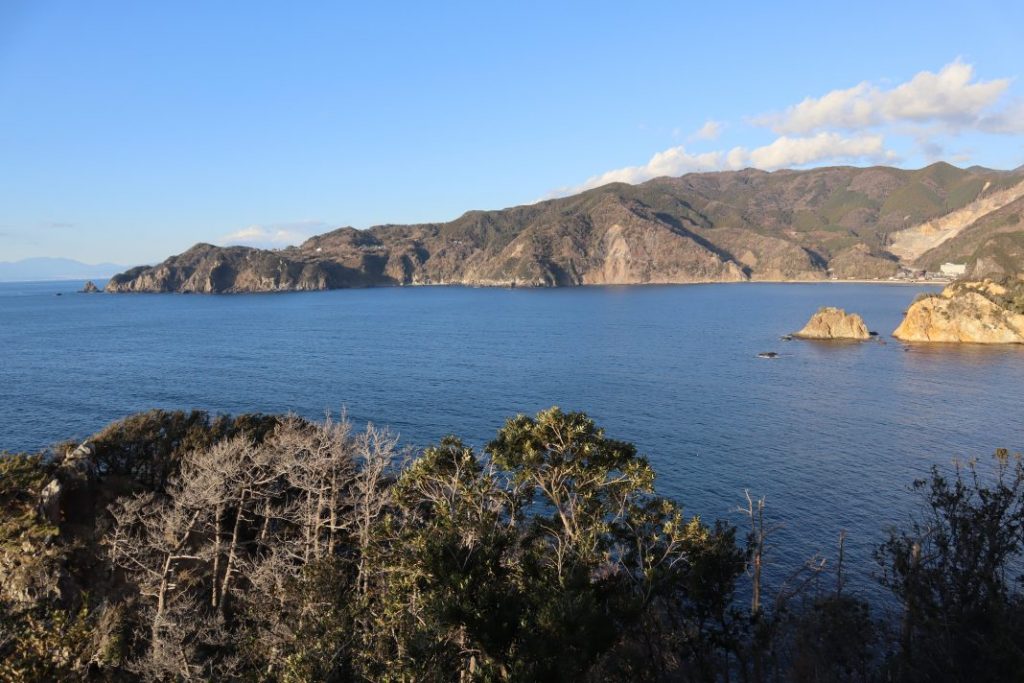
West Izu is especially famous for its dynamic coastline that enables you to enjoy scenic walking, sunset viewing, relaxing by the ocean, tasting local delicacies, and soaking in an onsen. If you are curious about local culture and history, it will also be interesting to explore 17th century buildings made with Namako walls as well as Ishibu rice terraces.

You can really see and experience the gifts of the volcanoes here in West Izu.

To get a brief summary of West Izu, please click here.

-Access To Western Izu

West Izu is a true hidden gem among hidden gems in terms of its natural wonders and access! If you can drive, it is convenient to rent a car at Shuzenji or Mishima. If you prefer to use local transportation, there are two main ways to reach West Izu.

By train and bus:

If you use the JR Tokaido Shinkansen bullet train, get off at JR Mishima Station (south exit), then catch the Tokai Bus Nishiizu Limited Express bus which runs twice a day. As of December, 2022, the first and second buses depart from the No. 4 bus stop at Mishima Station at 10:15 and 13:15 respectively. From there, it will take less than two hours to reach the Dogashima bus stop. No reservation required!

There are also 2-day or 3-day Tokai Bus tickets available for purchase at Mishima Station. To explore more of West Izu, check here.

By ferry and bus:

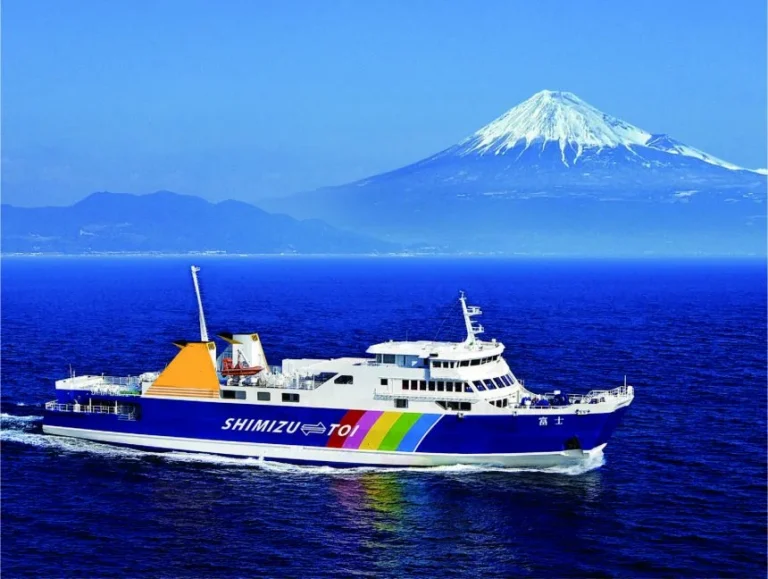
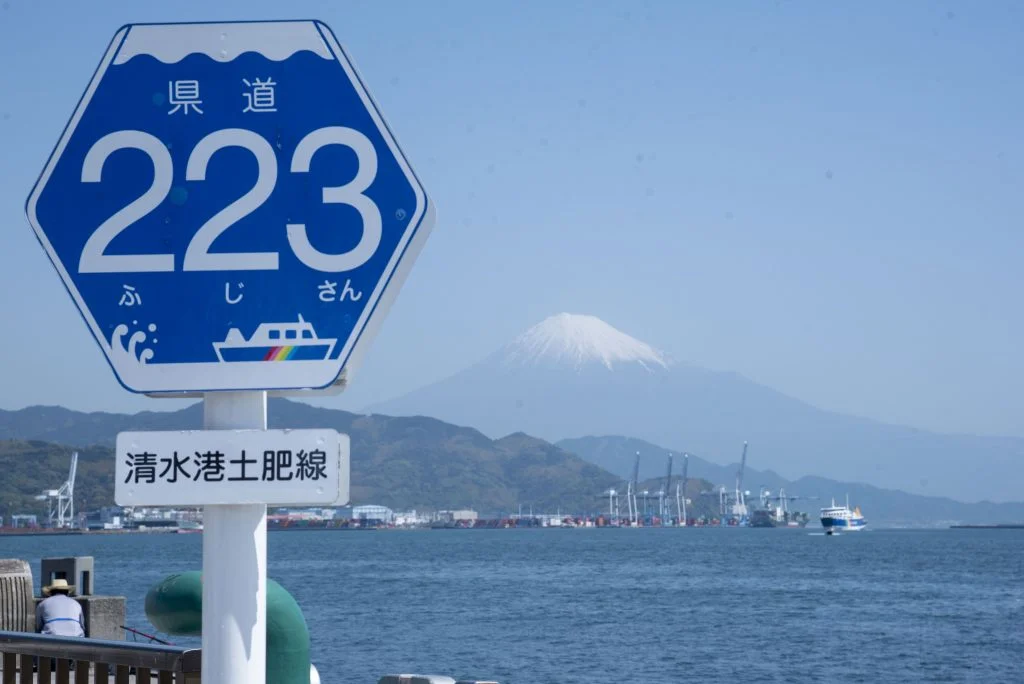
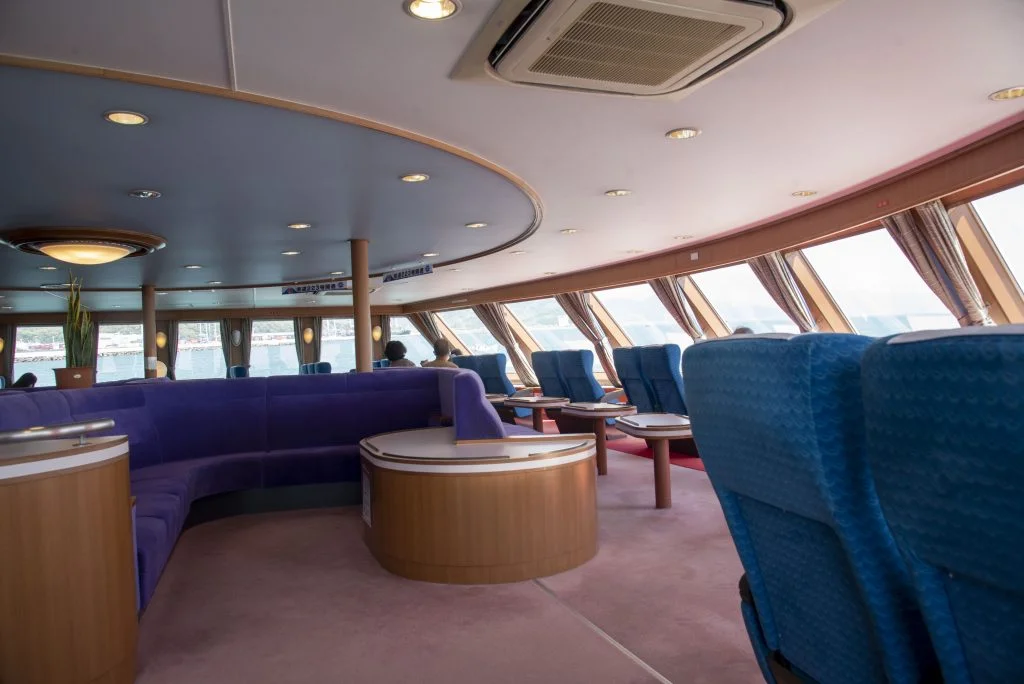
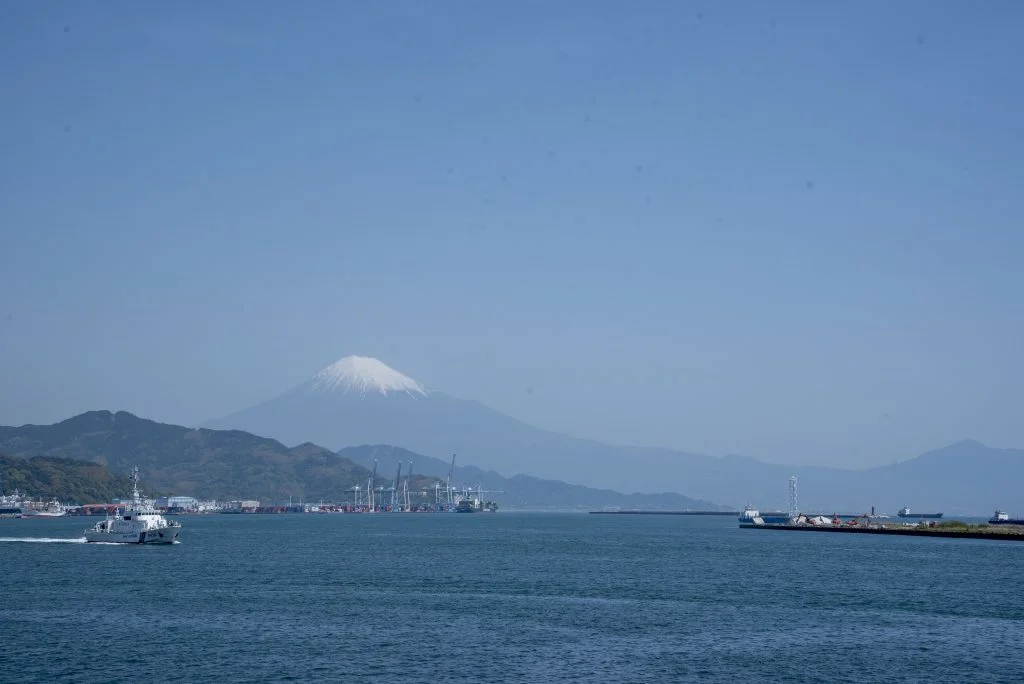
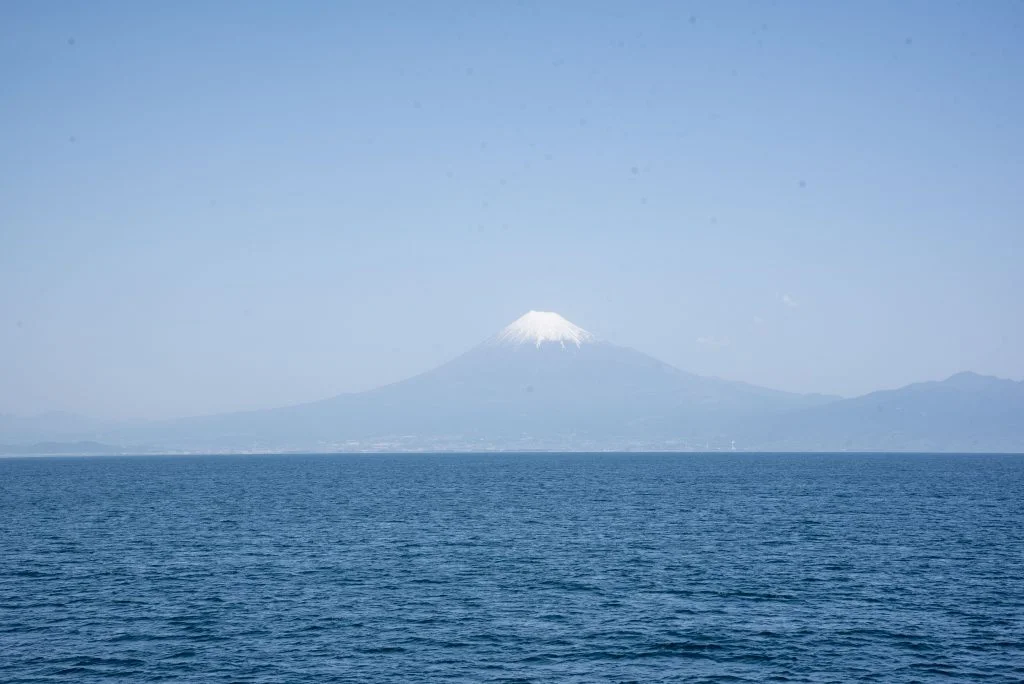
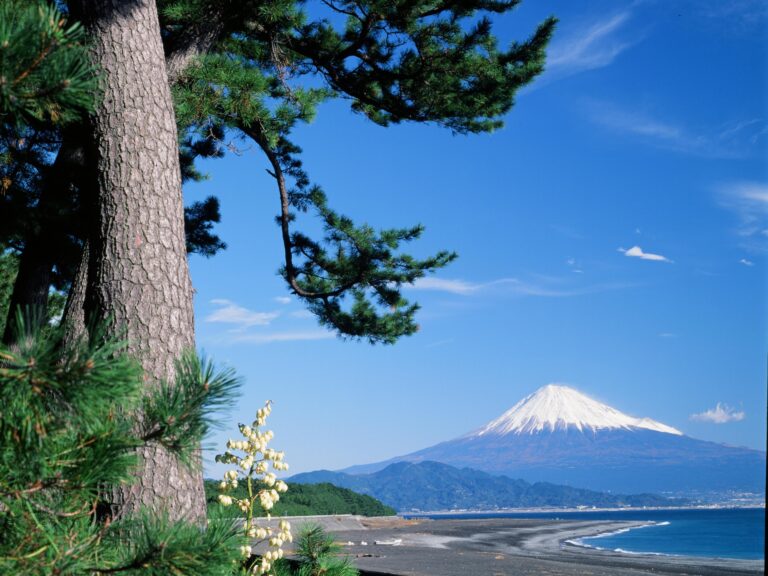
Taking a ferry across Suruga Bay to the Izu Peninsula makes your travel experience more unique, as you might be able to see Mt. Fuji towering over the bay. The ferry runs four times a day.

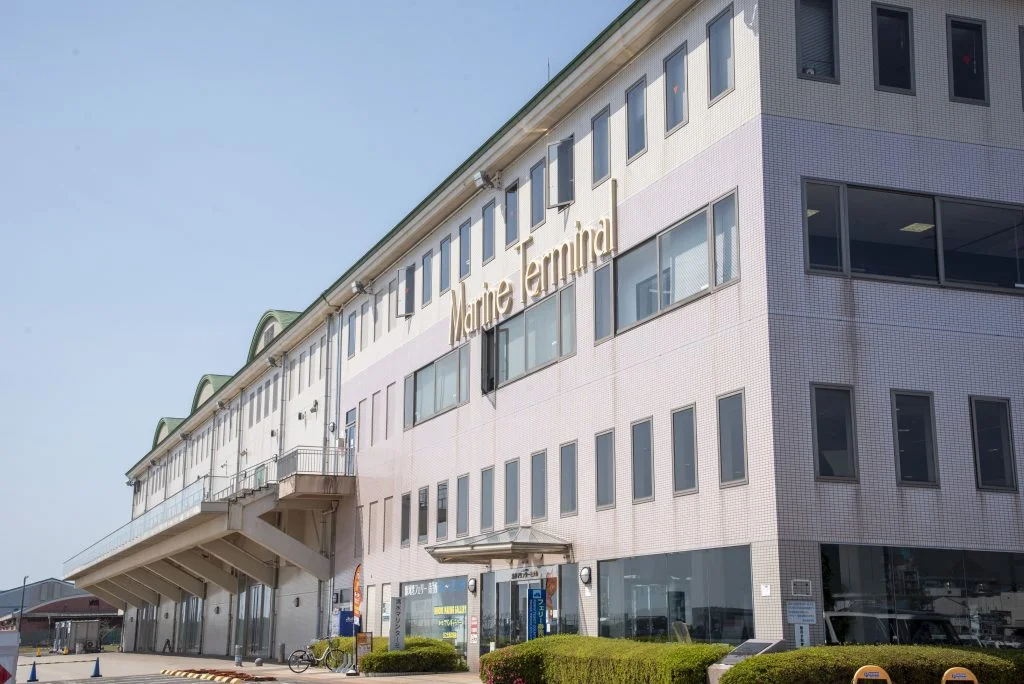
To take the ferry, you should get off the JR Tokaido Shinkansen at Shizuoka Station and transfer to the local JR train to Shimizu Station. Once you reach Shimizu Station, head to the Minato Exit (East exit), then hop on a free shuttle to Shimizu Port. While on the 70-minute ferry journey, just relax and enjoy the sea breeze and beautiful scenery. Please remember that the ferry operation is weather dependent.

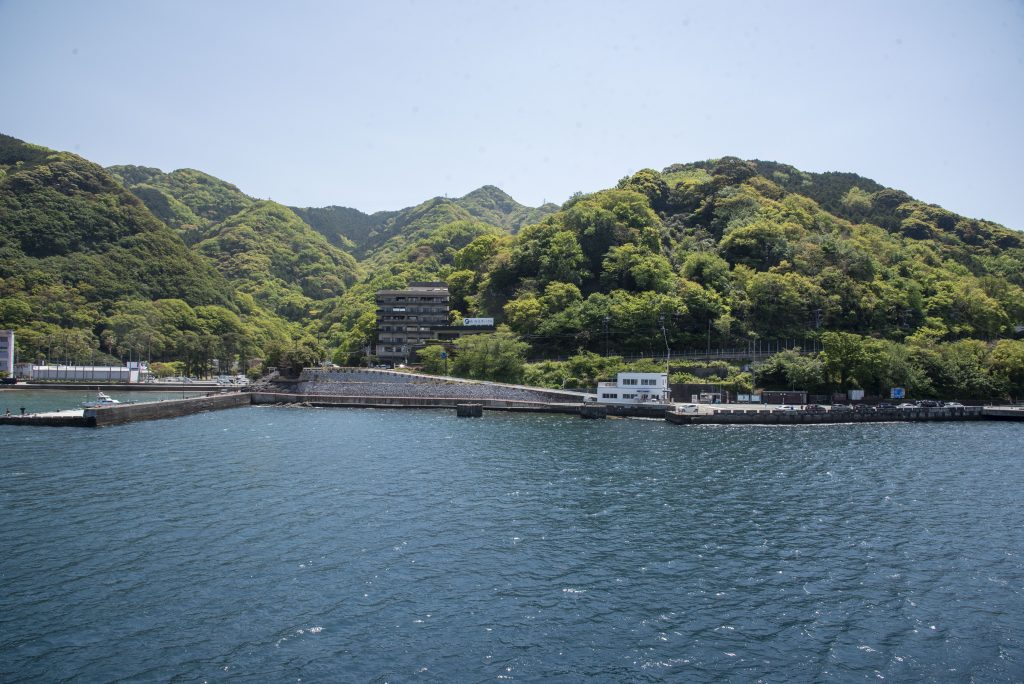
When you arrive at Toi Port (Toi-ko) of the Izu Peninsula, you are almost there. Get on a Tokai Bus from Toi-ko and ride for about 30 minutes to Dogashima. It’s a good idea to check the bus times beforehand just to be sure!
Activity Highlights – Soak in Nature!

This tour is a great fit for those who want to explore off the beaten path of Japan and have a uniquely tailored travel experience.

It starts and ends at the Nishiizu Town Tourism Association Office which is near the Dogashima bus stop. It’s approximately a 3.4 km (2.1mile) tour which includes bus and hiking. It’ll take about three hours.

On this tour, you’ll discover beautiful natural blessings from the volcanoes as well as local history, plants, and wildlife with your experienced local guide.

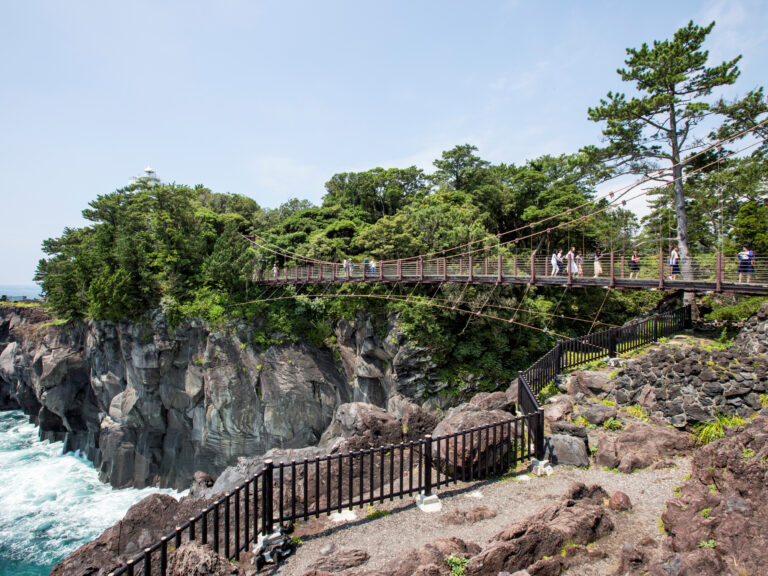
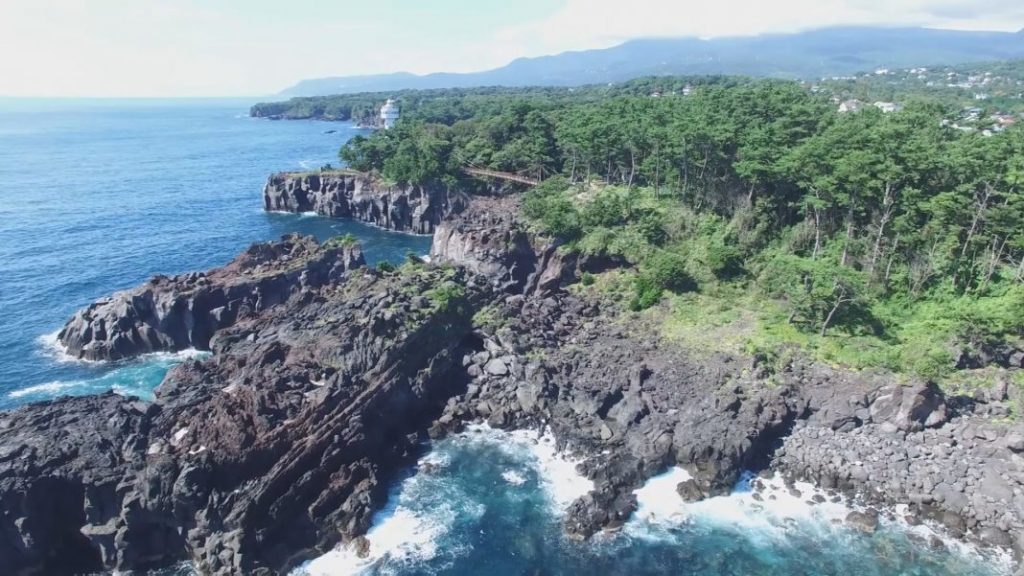
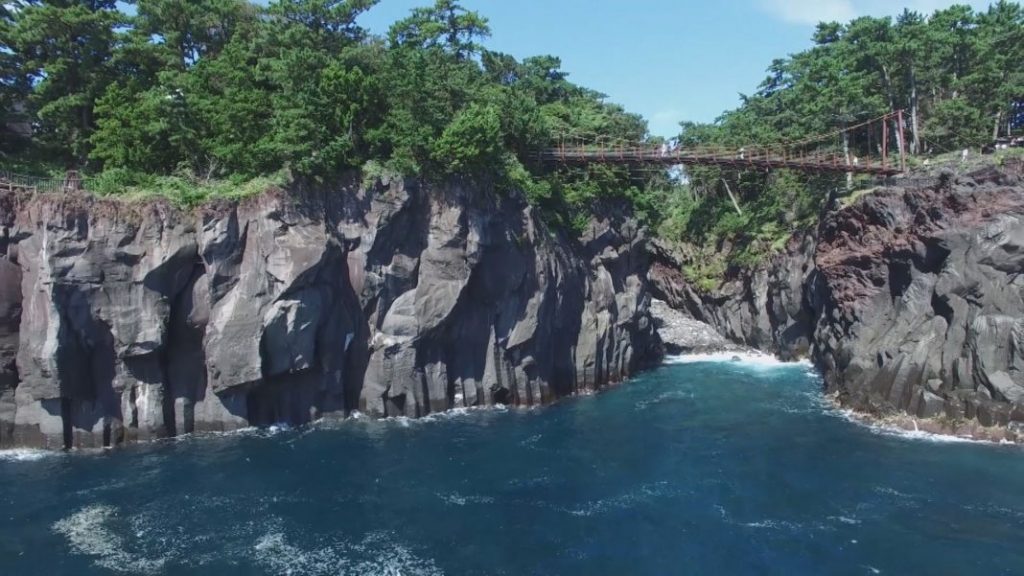
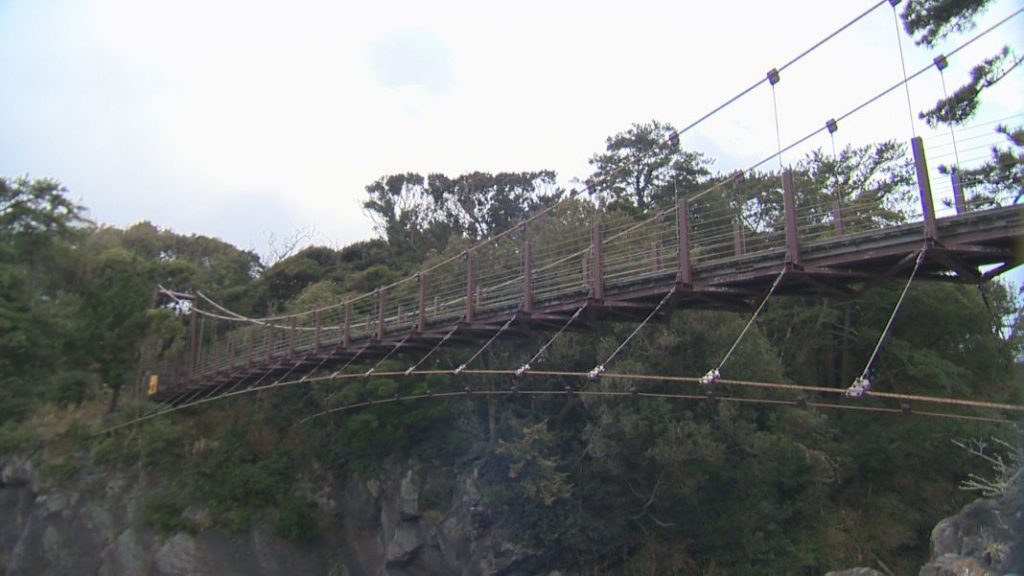
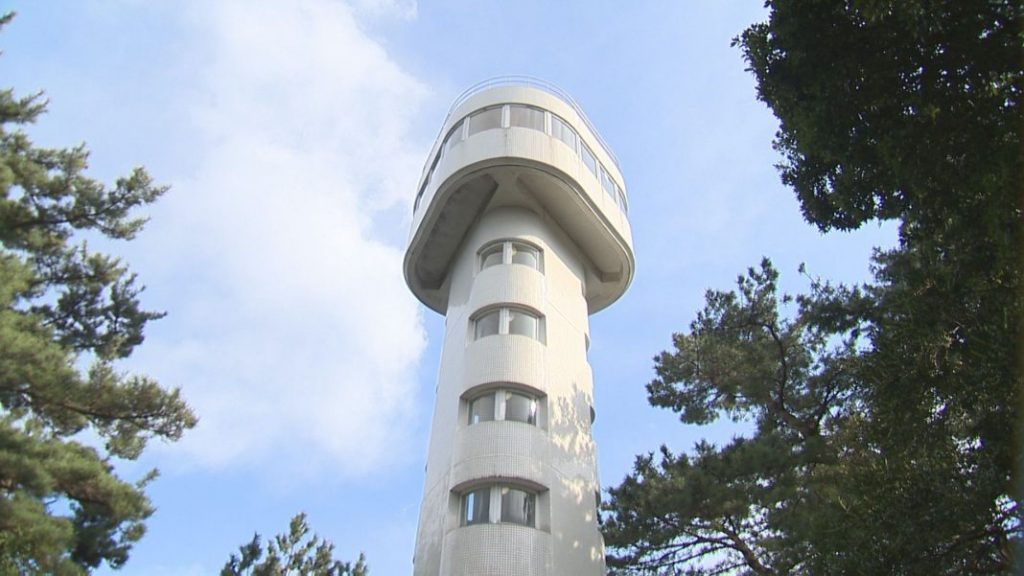
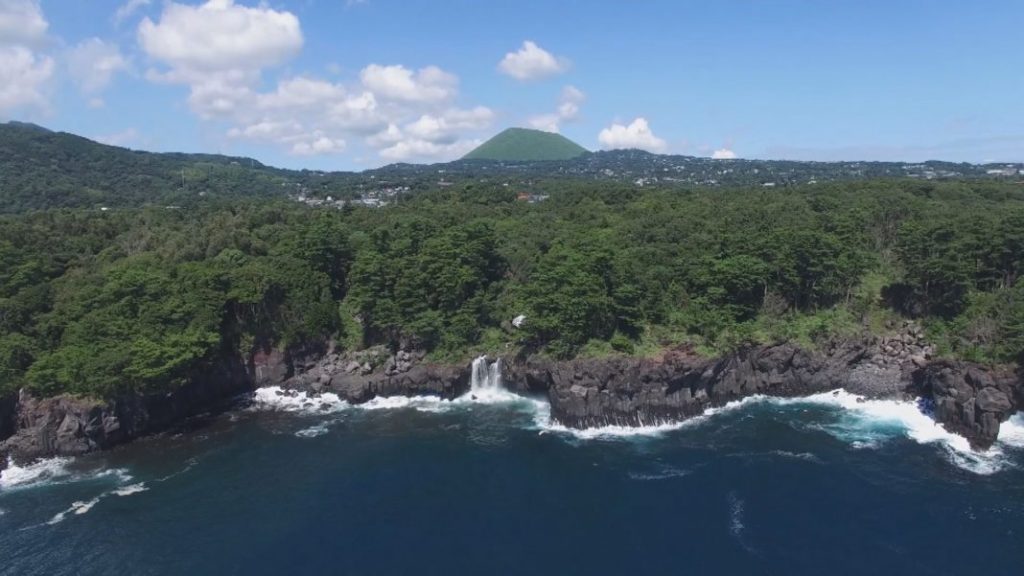
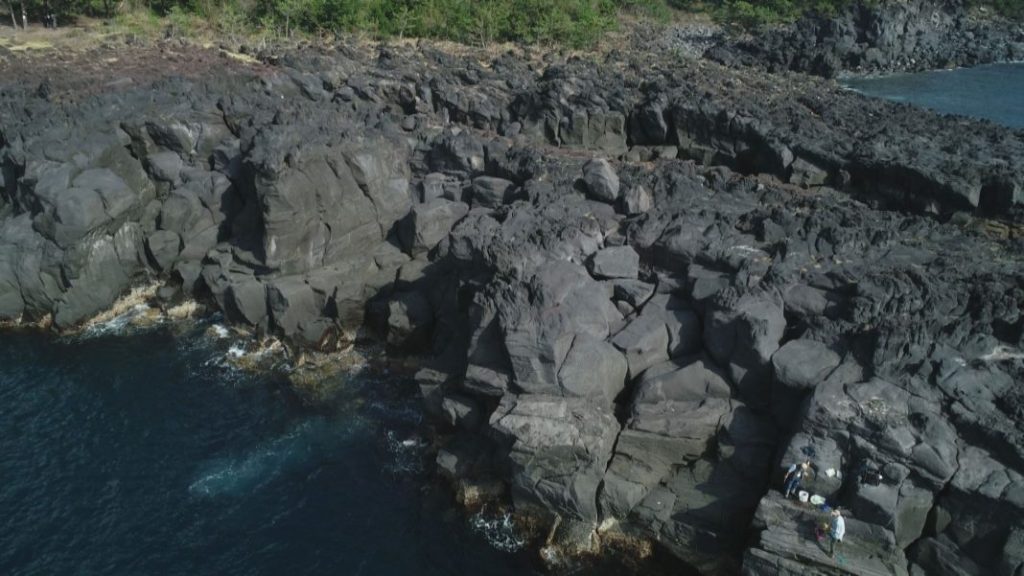
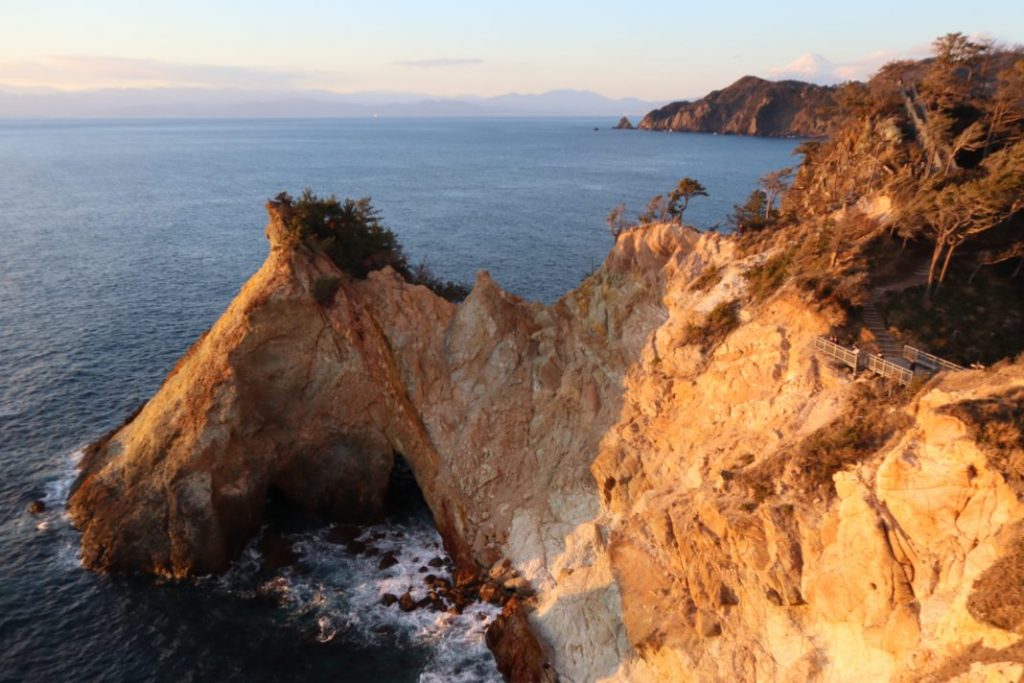
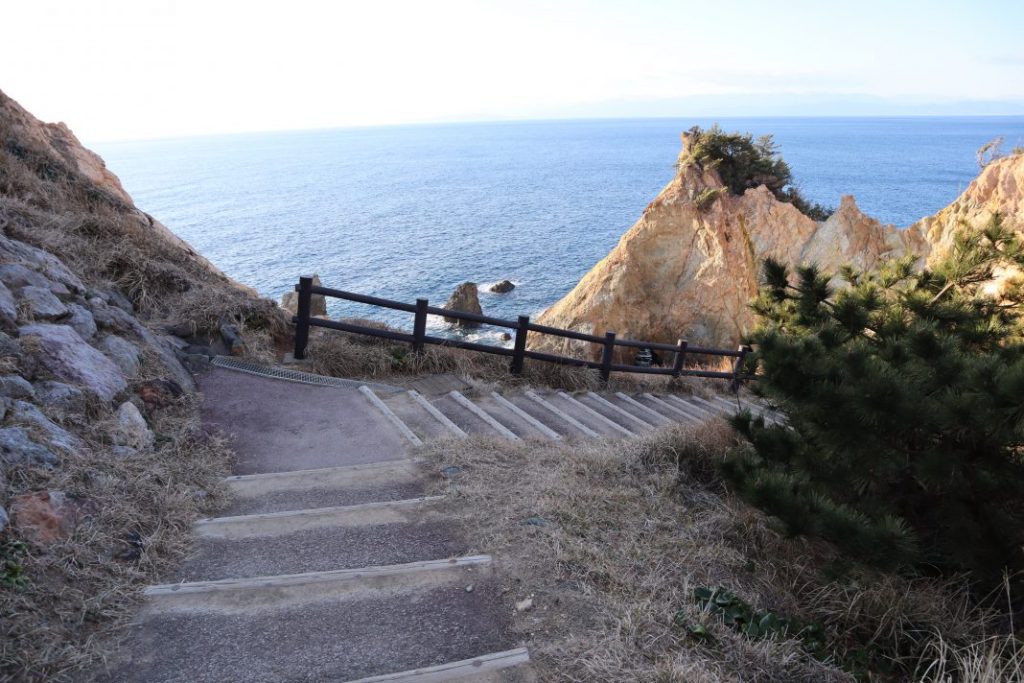
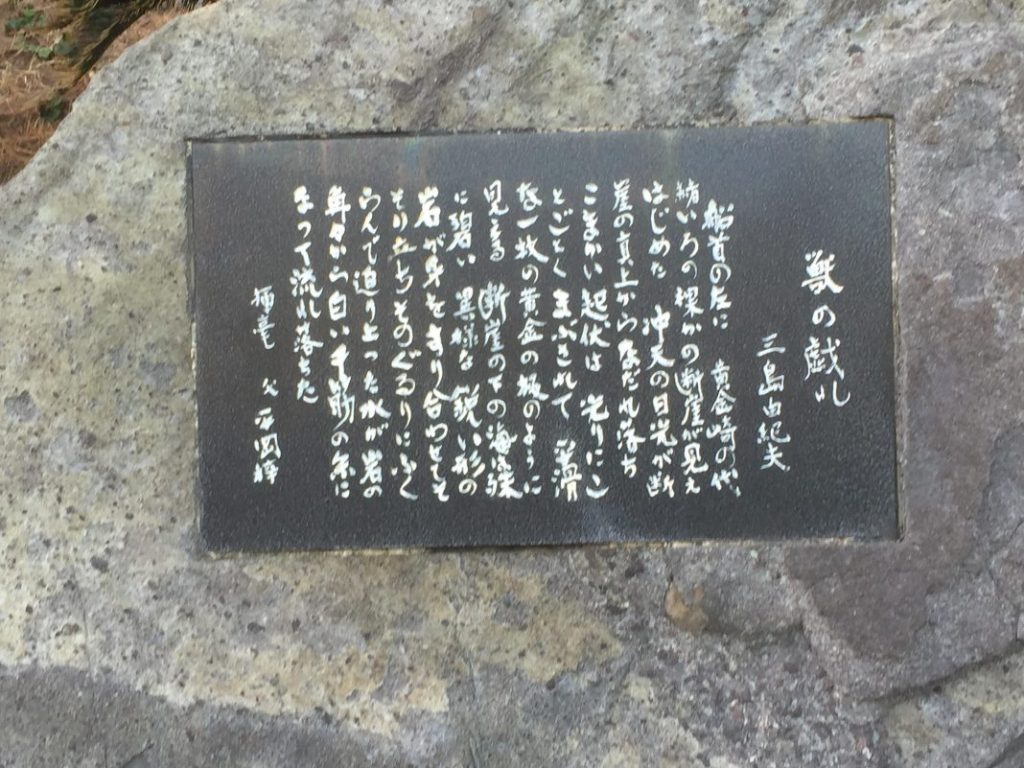
To begin, you will see Tago Fishing Port, which once prospered with bonito fishing. In the Tago Bay, you will find the unique landscape of reefs that were created as a result of volcanic eruptions. You will hike on the Tomyogasaki Promenade, where you’ll see the remains of the lighthouse from the 17th century and various rock formations such as sea caves, strata (rock layers), and underwater sediment flows one after another. They are truly natural works of art. Weather permitting, you can also see the Southern Alps and Mt. Fuji in the distance.

In the past, marine transportation in this area was extremely difficult and dangerous at night due to the many scattered reefs and complicated coastline. Therefore, the lighthouse was built to ensure safety. Local people stayed there at night and kept burning fish oil to warn the shipping vessels passing by.

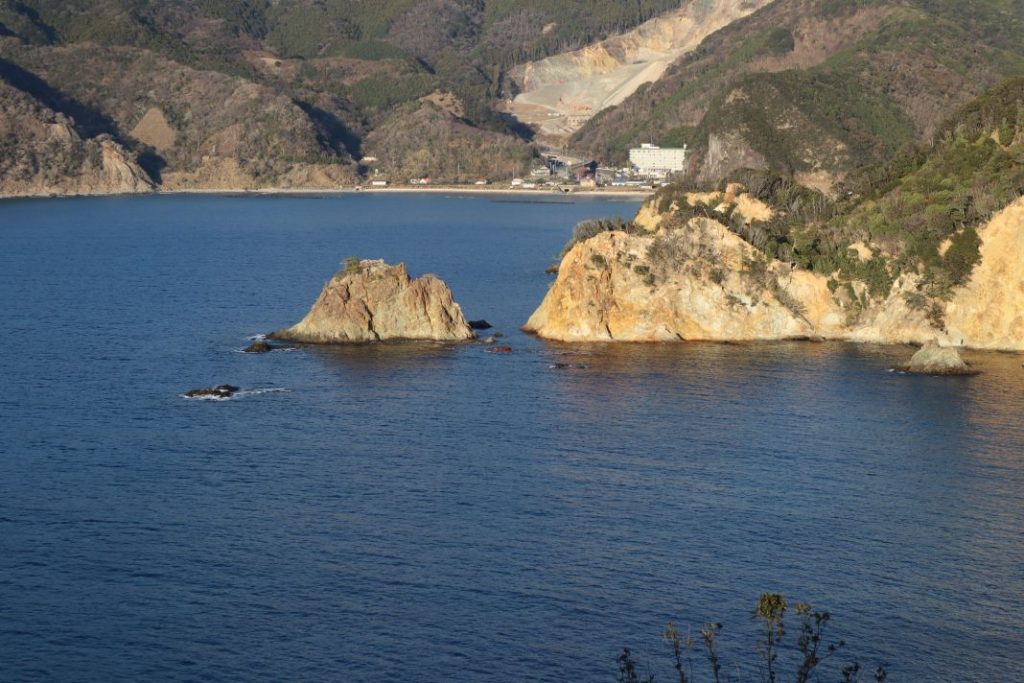
At the end point on the Ukishima coast, a spectacular view and a group of dikes will welcome you. A dike is a unique rock formation that was once magma which seeped into other rock layers. You can observe the dikes alongside a tunnel, which was the former path of magma from the submarine volcano. Each of the strangely shaped rocks towering over the coast was once a route of the magma.

This activity level is moderate. We recommend the tour for anyone who is able to comfortably climb stairs and is content to walk on unpaved and rocky roads.

Tips – Maximize Your Experience!

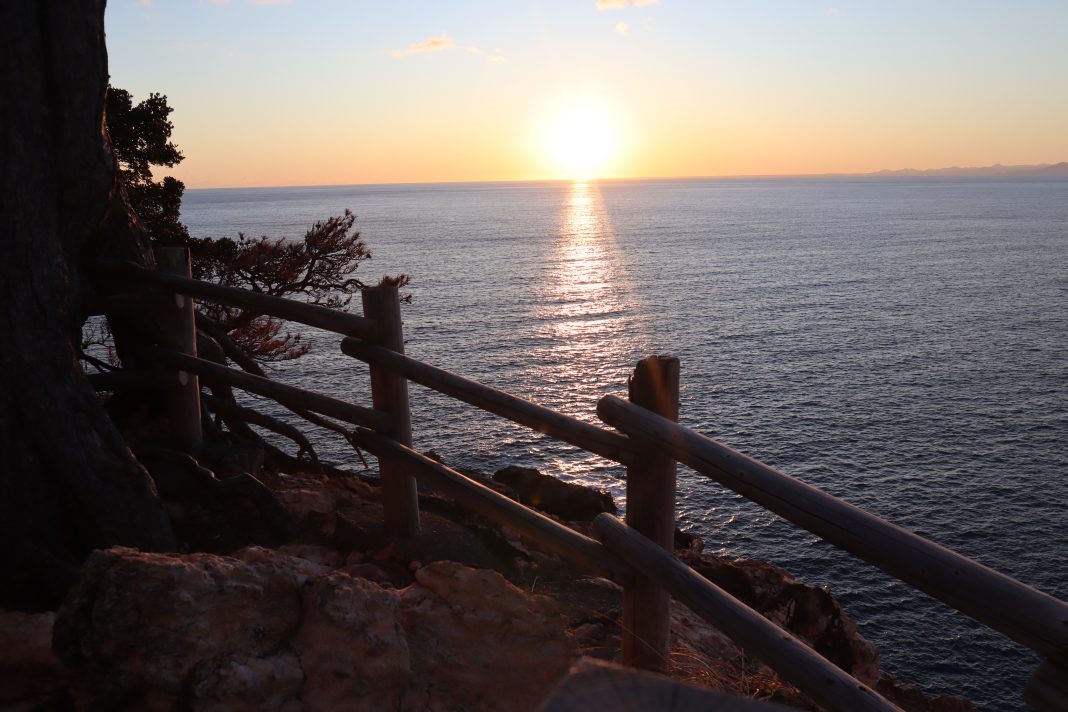
West Izu boasts beautiful sunsets and we were really touched to see the one pictured here. If you have enough time, we recommend that you stay overnight in this area!

How To Book

The tour needs to be booked one week in advance. If you would like to make a booking or learn more about the tour, please click here.

This tour is operated by the Izu Peninsula Geoguide Association. If you are interested in exploring other regions of the Izu Peninsula with a guide, please check this page.

Tracing the journey of water from Mt. Fuji

0

1 The secret of producing the finest wasabi

  Le secret de la naissance du meilleur wasabi

MT. FUJI, SHIZUOKA– Tracing the journey of water from the eastern foot of Mt. Fuji
LE MONT FUJI, SHIZUOKA–Le secret du meilleur wasabi, un voyage au fil de l’eau à l’est du mont Fuji

Wasabi is synonymous with Japanese cuisine. Gotemba Wasabi, a highly prized wasabi produced exclusively on the eastern foothills of Mt. Fuji, is revered as the finest. The secret to the quality of this wasabi lies within the spring water from Mt Fuji. This story traces the journey of that water.

Le mont Fuji,symbole du Japon.A son pied,élevé dans la partie est,se trouve un aliment d’une valeur inestimable.C’est le wasabi de Gotemba,wasabi de la plus haute qualité,épice indispensable à la cuisine japonaise.Mais comment expliquer l’existence d’un tel wasabi  dans cette région ? Le secret réside en fait dans l’eau du mont Fuji.Nous allons donc suivre cette eau « miraculeuse » au cours de ce voyage.

2 Mt. Fuji water is the key element for producing fine wasabi

  Un wasabi élevé uniquement par l’eau du mont Fuji

Gotemba wasabi is a variety of wasabi known as mazuma. It is highly sought after by top sushi chefs and is hard to come by, even locally.
Third-generation wasabi farmer Mr Takamichi Katsumata carefully tends to his wasabi fields that draw water from an abundant spring at the eastern foot of Mt Fuji.

Le wasabi de Gotemba est un wasabi d’une espèce appelée mazuna.Apprécié des meilleurs cuisiniers et chefs spécialistes en sushi,il est difficile de se le procurer même dans sa localité d’origine.
Située dans la zone est du pied du mont Fuji,la plantation de Takamichi Katsumata,troisième génération d’une famille de cultivateur de wasabi,est irriguée avec l’eau de source présente en abondance.

Mr. Katsumata:
I do not use any fertiliser. Wasabi grows by absorbing nutrients from the constantly flowing water from Mt. Fuji.

 Je ne mets aucun engrais.Je l’élève uniquement avec l’eau qui vient du mont Fuji. Le wasabi en absorbe les nutriments.

He takes great care to manage the water flow over the wasabi fields, ensuring an even distribution to each plant and clearing the fallen leaves and other debris.

M.Katsumata prend soin de gérer l’eau afin que celle-ci s’écoule uniformément,sans être génée par les feuilles mortes ou autres herbes.

3 To the source of this miraculous water – Mt. Fuji

  Direction le mont Fuji,à la recherche de l’eau ≪miraculeuse≫

To find the water that nurtures Gotemba wasabi, we take a guided hike on Mt Fuji with an experienced mountain guide, Mr Masaki Iwami.  

D’où vient donc cette eau nourricière du wasabi de Gotemba ?
Pour le savoir partons faire un trek privé au mont Fuji en compagnie d’un guide alpiniste très expérimenté !

Mt. Fuji is Japan’s tallest peak at 3776m.  Masaki leads us to Futatsuzuka on the eastern slope at an altitude of around 1800m.

Le mont Fuji,3776m d’altitude.L’endroit où nous emmène le guide Masaki Iwami est situé aux alentours des 1800m et s’appelle Futatsuzuka.

After emerging from the lower forested slopes, the wide open and barren scoria rock slopes appear with a cap of snow on the summit. Even if you don’t have the time or stamina to climb to the top, this is an easy hike to get up close to the grand mountain.

Après avoir traversé la zone forestière et gravi une pente déserte recouverte de cendres et terres volcaniques,apparait le sommet enneigé du mont Fuji.C’est un itinéraire pour débutants qui permet,même aux personnes qui ne peuvent monter jusqu’au sommet, de ressentir pleinement la nature grandiose.

It is estimated Mt. Fuji receives around 2.5 billion tonnes of precipitation annually. Strangely, there is not a single river or stream in sight.  Where does all this water go?

Les précipitations annuelles en pluie et en neige sur le mont Fuji sont estimées à environ 2,5 milliards de tonnes.Or,chose étrange,pas une seule rivière dans cette immensité ! Où va donc toute cette eau ?

CONTACT : FUJI SUNRISE http://fujiyama-irori.com/en/

[blogcard url=”http://fujiyama-irori.com/en/”]

4 The reason why Gotemba Wasabi is so delicious

  La raison de la saveur délicieuse du wasabi de Gotemba

The slopes and foothills of Mt. Fuji are like a giant filtration system. As the rain and snowmelt get absorbed into the minerally rich volcanic soils, the water seeps deep underground, taking as long as ten years before it emerges as nourishing spring water to nurture the production of Gotemba wasabi.  

La réponse se trouve au pied de la montagne.L’eau tombée sur le terrain volcanique très perméable du mont Fuji s’infiltre dans le sous-sol pour ressurgir à son pied après parfois plus de dix ans.Pendant toute cette durée,l’eau souterraine s’enrichit de nombreux minéraux provenant du sol spécifique de la zone est pour devenir une eau exceptionnelle qui élèvera à son tour le wasabi de Gotemba.

Gotemba City and Ricoh researched to discover the secret of Gotemba wasabi and found that allyl isothiocyanate, an organosulfur compound responsible for the pungent taste of mustard, radish, and wasabi is about three times higher than wasabi grown in other regions. Sulphate ions and magnesium abundant in the spring water are responsible for bringing out this pungent element, giving wasabi its ‘heat’.

Afin d’élucider le mystère de sa saveur,la ville de Gotemba et l’entreprise RICOH ont mené des recherches.On a ainsi constaté que le composant responsable du goût piquant (Isothiocyanate d’allyle) y était environ trois fois plus important que dans les wasabis des autres régions et ce,en raison de la richesse en ion sulfate et magnésium de l’eau.

5 A culinary masterpiece with Gotemba wasabi

  En garniture d’une assiette artistique

Maison KEI

Maison KEI is a French restaurant that was opened in Gotemba City in 2021 by restaurateur and top chef Kei Kobayashi. Recipient of three Michelin stars in France, Kobayashi and his head chef Mitsuyoshi Sato, who honed his skills as a sous chef in Paris, produce culinary delights using local Gotemba wasabi.

Maison KEI est un restaurant de cuisine française ouvert en 2021 à Gotemba par le chef Kei Kobayashi,cuisinier propriétaire du Restaurant KEI en France qui a obtenu trois étoiles au guide Michelin et la grande maison de pâtisserie japonaise Toraya.C’est Mitsuyoshi Satô,ancien sous-chef au restaurant à Paris,qui y déploie tout son talent.

Chef Sato:
Gotemba wasabi is fresh and sharp.

Le chef Mitsuyoshi Satô :
« Le wasabi de Gotemba est très frais et « incisif »,sans persistance en bouche. »

Gotemba wasabi will pair well with meat dishes such as wagyu beef and chicken.

Le wasabi est proposé en accompagnement des plats de viande,dans les menus avec boeuf japonais ou poulet local.

【Reservation】
Maison KEI  +81- 550-81-2231
Reservations are required for both lunch and dinner (accepted two months in advance) and can only be made by phone between 10:00-11:30 and 15:00-17:30.

【Réservation】
Maison KEI   +81-550-81-2231
Déjeuner et dîner uniquement sur réservation(possible à partir de deux mois à l’avance)
De 10 :00~11 :30 et de 15 :00~17 :30,seulement par téléphone.

6 Mt Fuji’s healing hot spring waters

  Onsen,l’eau thermale du mont Fuji

Mt. Fuji is easily accessible as a day trip from Tokyo but staying overnight offers an even more valuable experience.

L’aller-retour de Tokyo est possible dans la journée,mais passer une nuit sur place sera l’occasion d’enrichir votre voyage d’une nouvelle expérience.

Fuji Speedway Hotel

In 2022, an exciting new hotel opened right next to the Fuji Speedway, offering views of the race circuit under the backdrop of Mt Fuji. The hotel boasts an incredible motorsport museum to delight guests, but the real drawcard is the hot spring water that bubbles up from 1500 metres beneath the hotel.

En 2022,un hôtel original a ouvert à Oyamacho.Situé juste à côté de Fuji Speedway,on peut voir le circuit automobile ainsi que le mont Fuji de ses chambres.A l’intérieur,un musée consacré aux sports automobiles ravira également la clientèle.

The minerally rich spring water is said to be effective in beautifying the skin. Experience the warm onsen water of Mt Fuji with your whole body.

Sous l’hôtel,une source d’eau chaude jaillit d’une profondeur de 1.500m, riche en sulfate et à l’action bénéfique pour la beauté de la peau.Faites ainsi l’expérience d’une immersion totale dans l’eau « miraculeuse » du mont Fuji.

[blogcard url=”https://www.hyatt.com/en-US/hotel/japan/fuji-speedway-hotel/fswub”]

Your trip to Japan is sure to be memorable with a visit to the eastern foothills of Mt Fuji, a refreshing experience away from the hustle and bustle of the cities and busy tourist attractions.

Bien loin du tumulte des grandes villes et sites touristiques célèbres,la zone est du pied du mont Fuji donnera sans aucun doute une toute autre dimension à votre voyage au Japon.

Sumata Gorge and Oigawa Railway

Journey to Bridge of Dreams

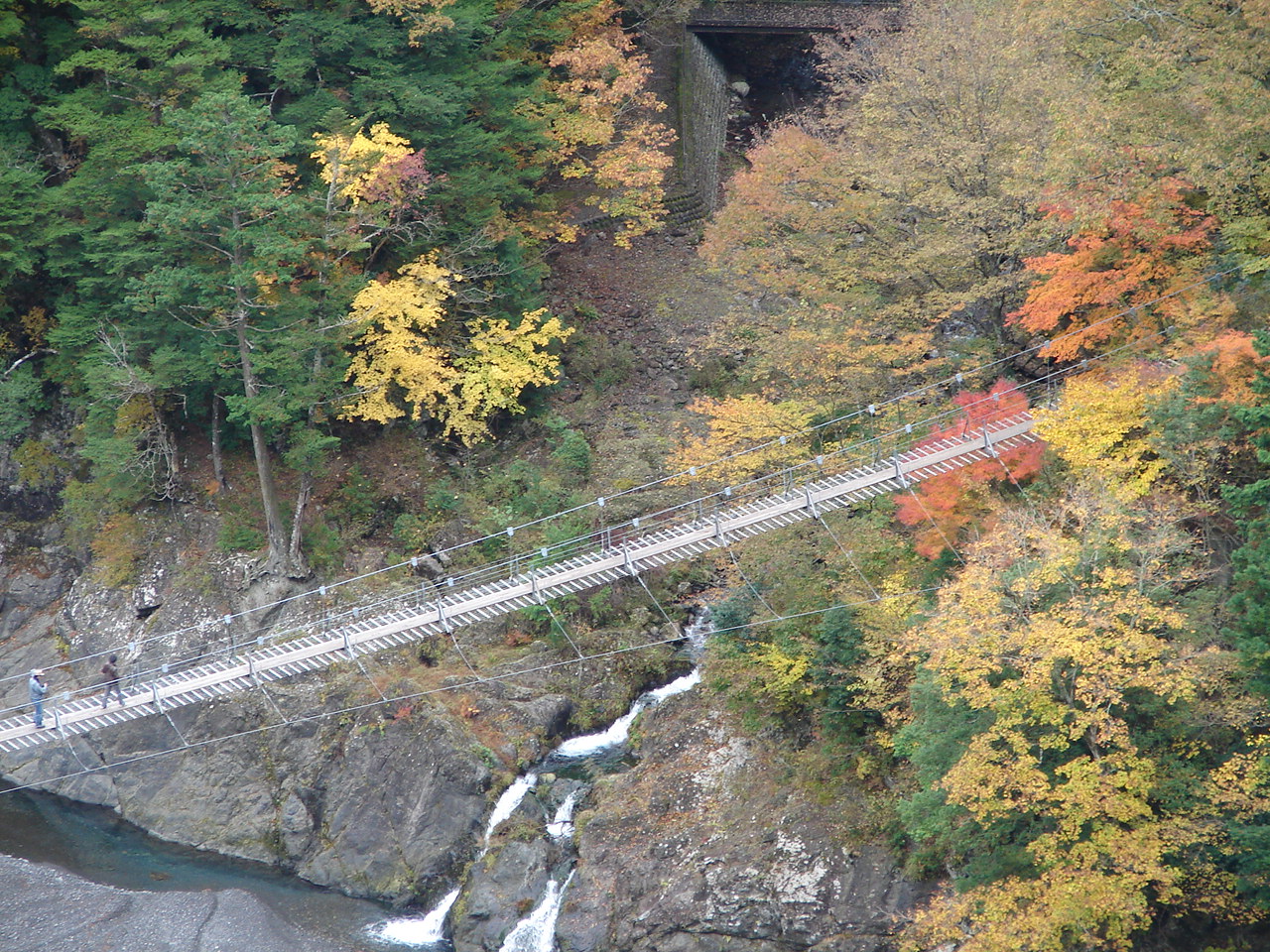
The Bridge of Dreams

Take a scenic train journey to visit one of the most famous suspension bridges in the world, enjoy some of Japan’s most pristine nature and soak in the local natural hot springs – a great adventure for the whole family.

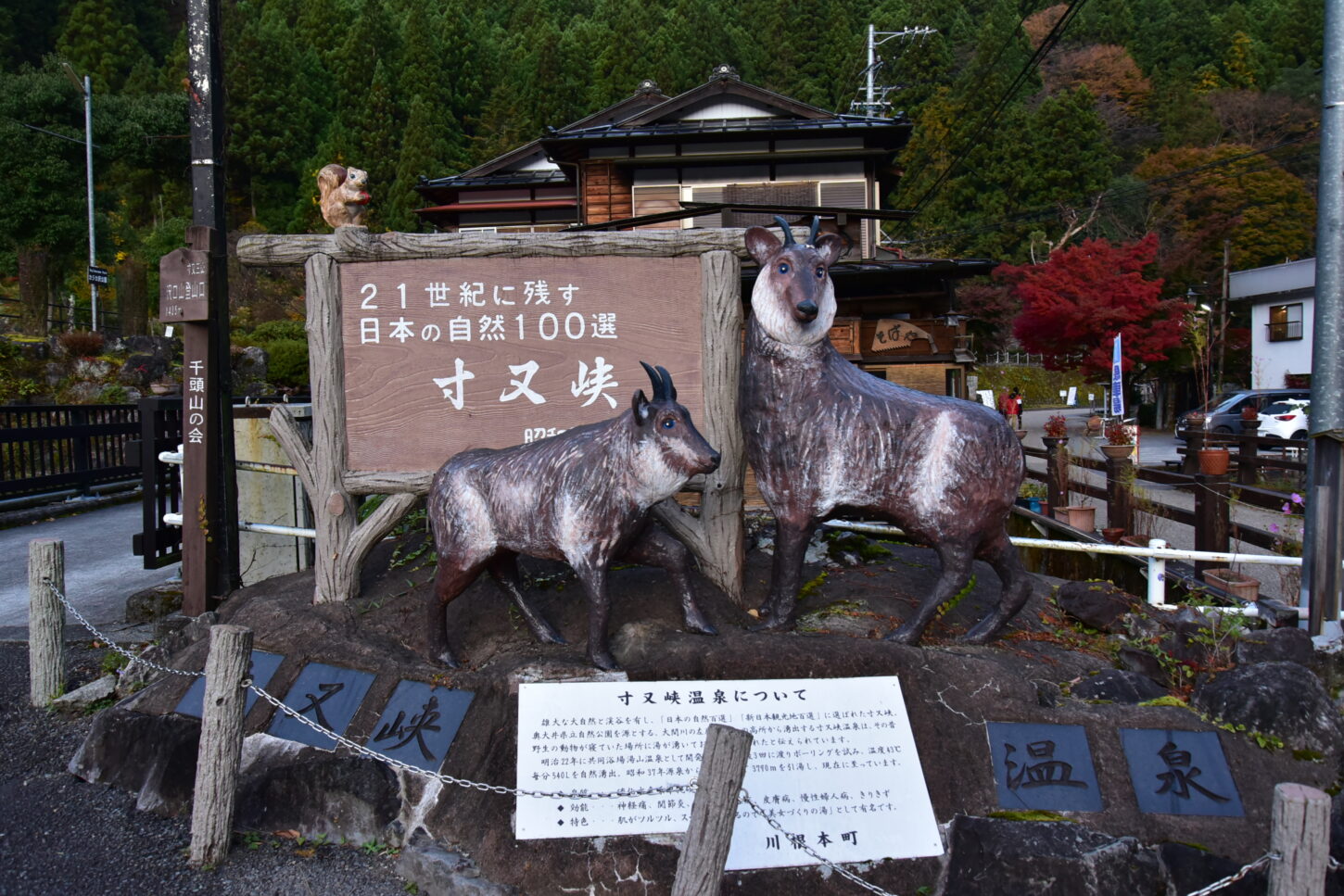
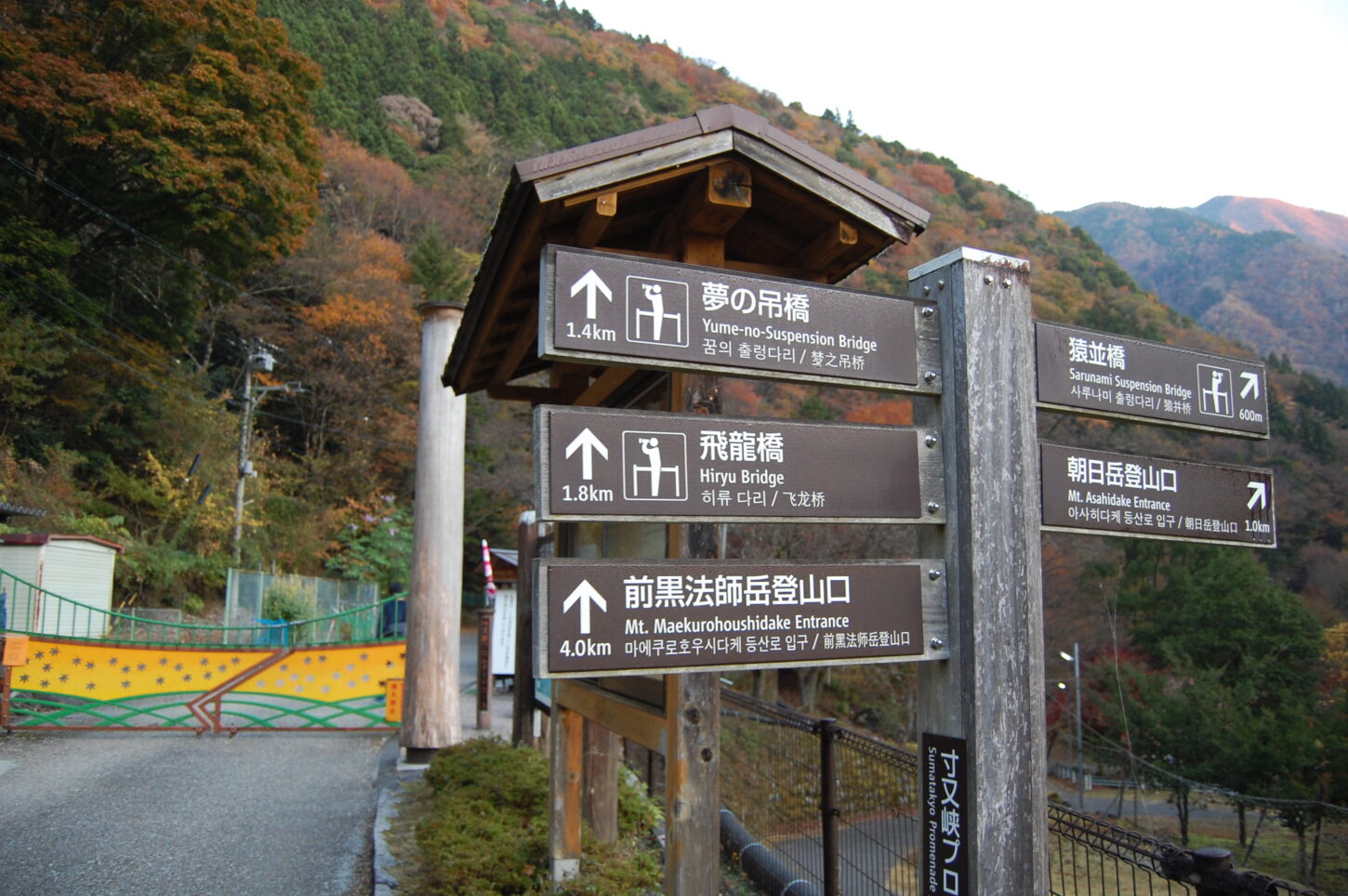
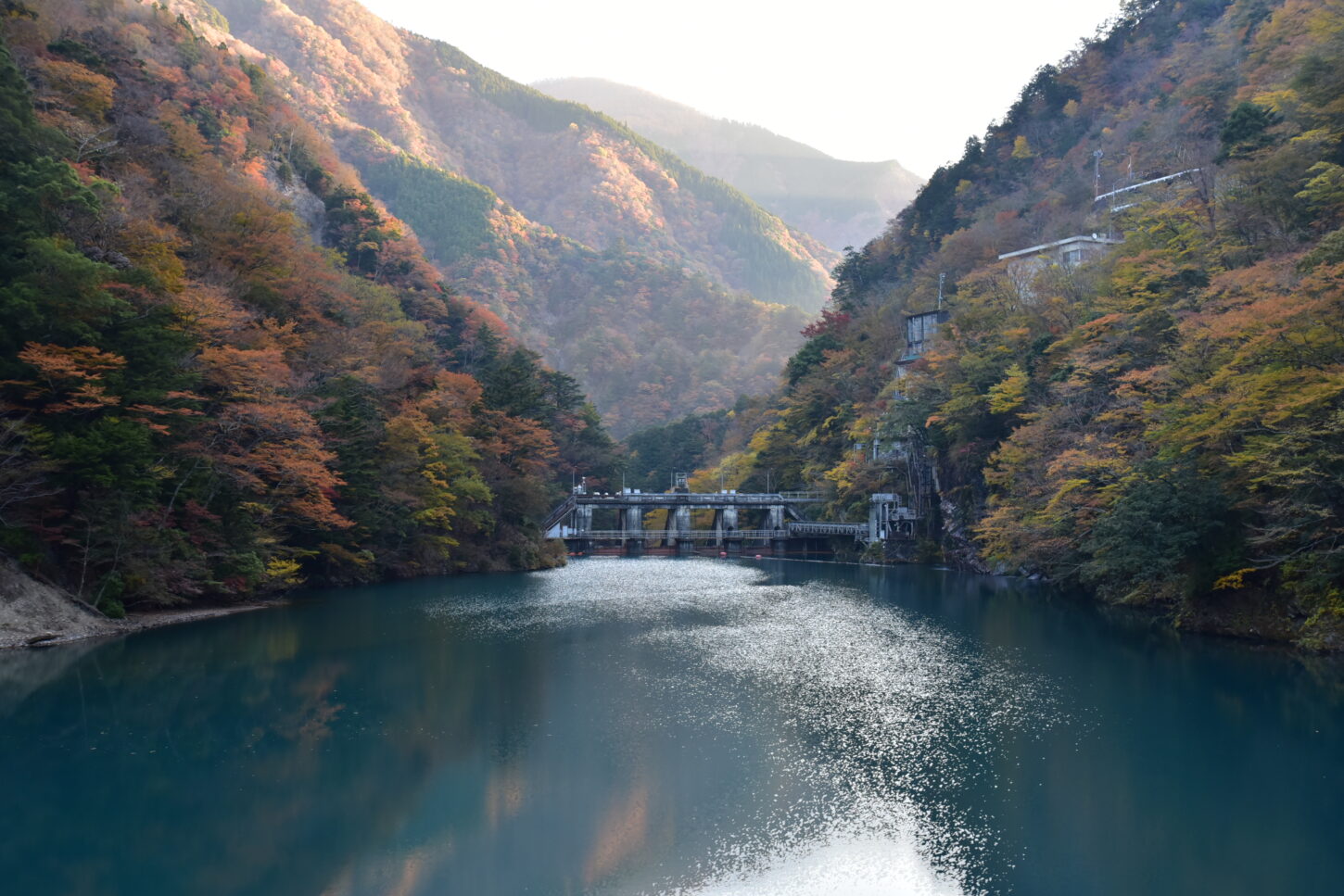
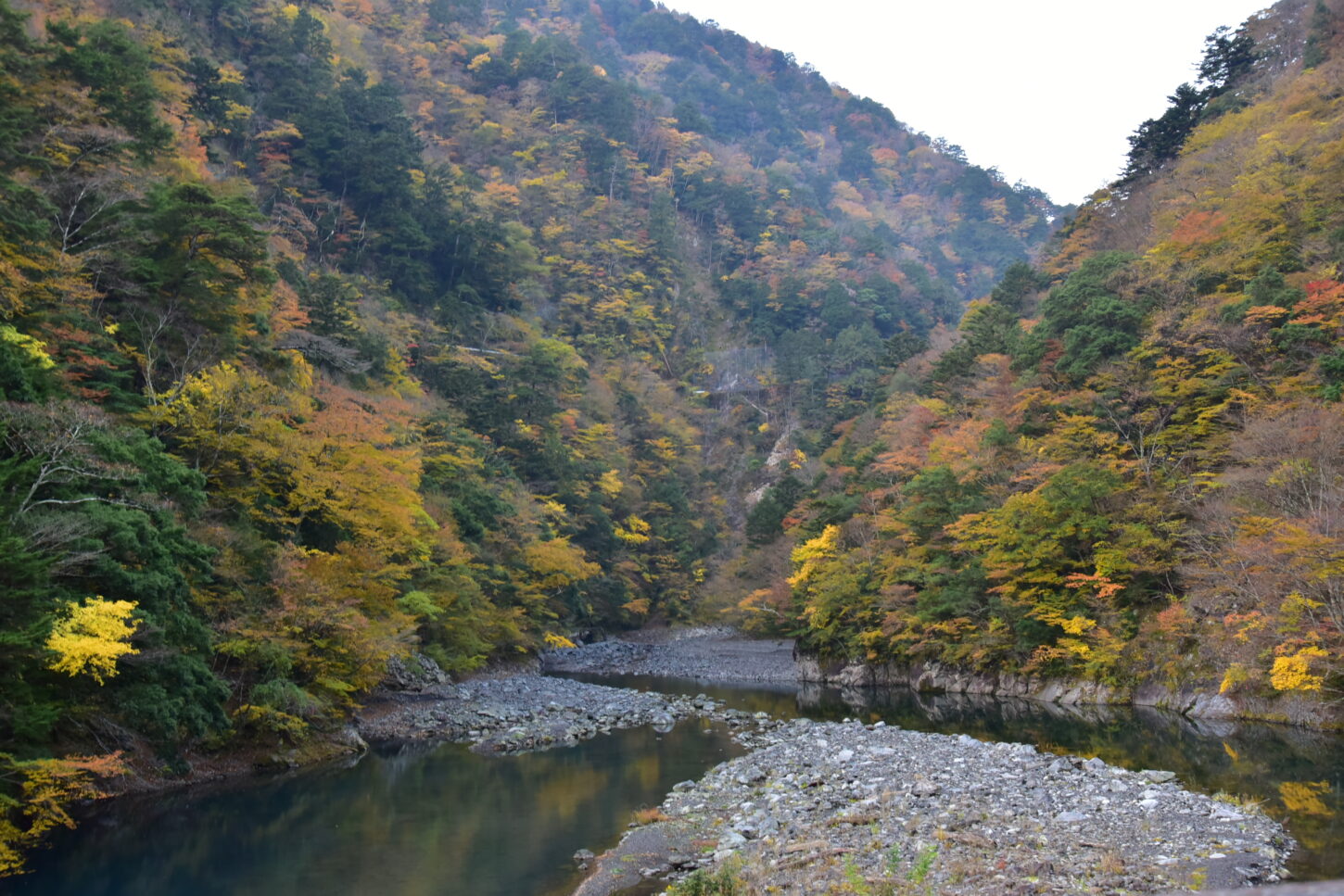
Travelling in Japan is often more about the journey than the destination. This is especially true when traveling to the small town of Kawane and Hot Spring village of Sumatakyo at the Southernmost foothills of the Japan Alps and in some of the World’s best Green Tea growing country.

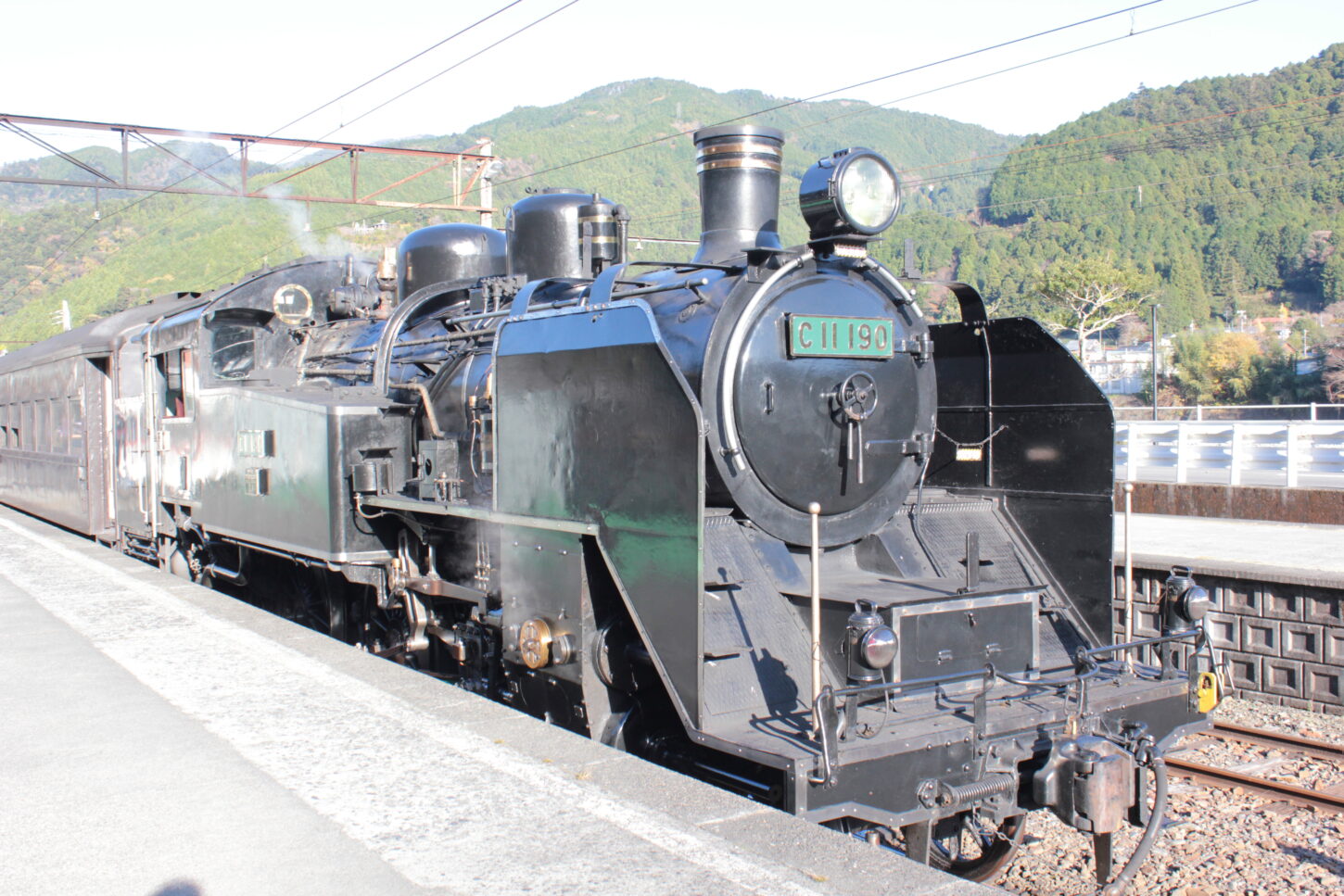
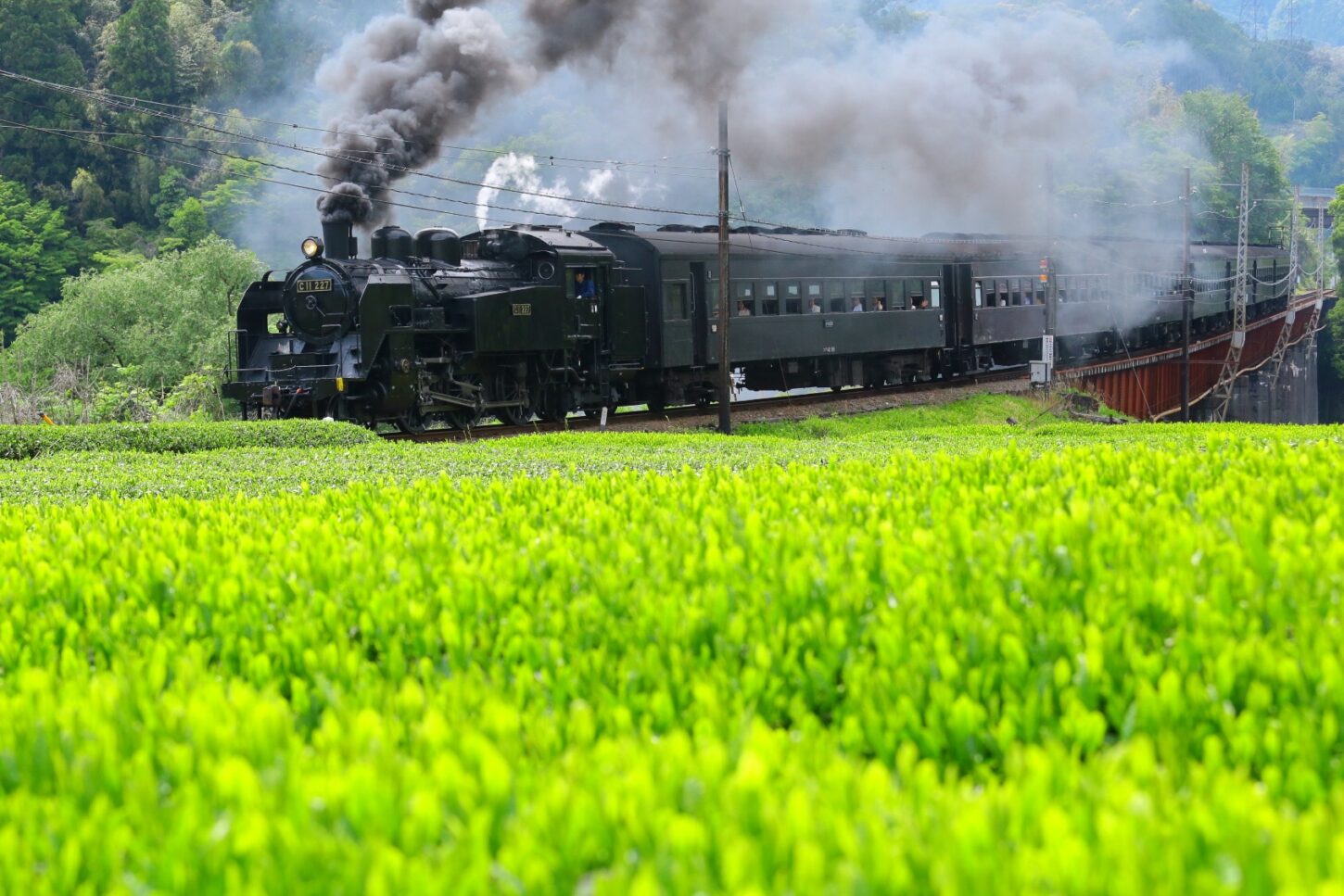
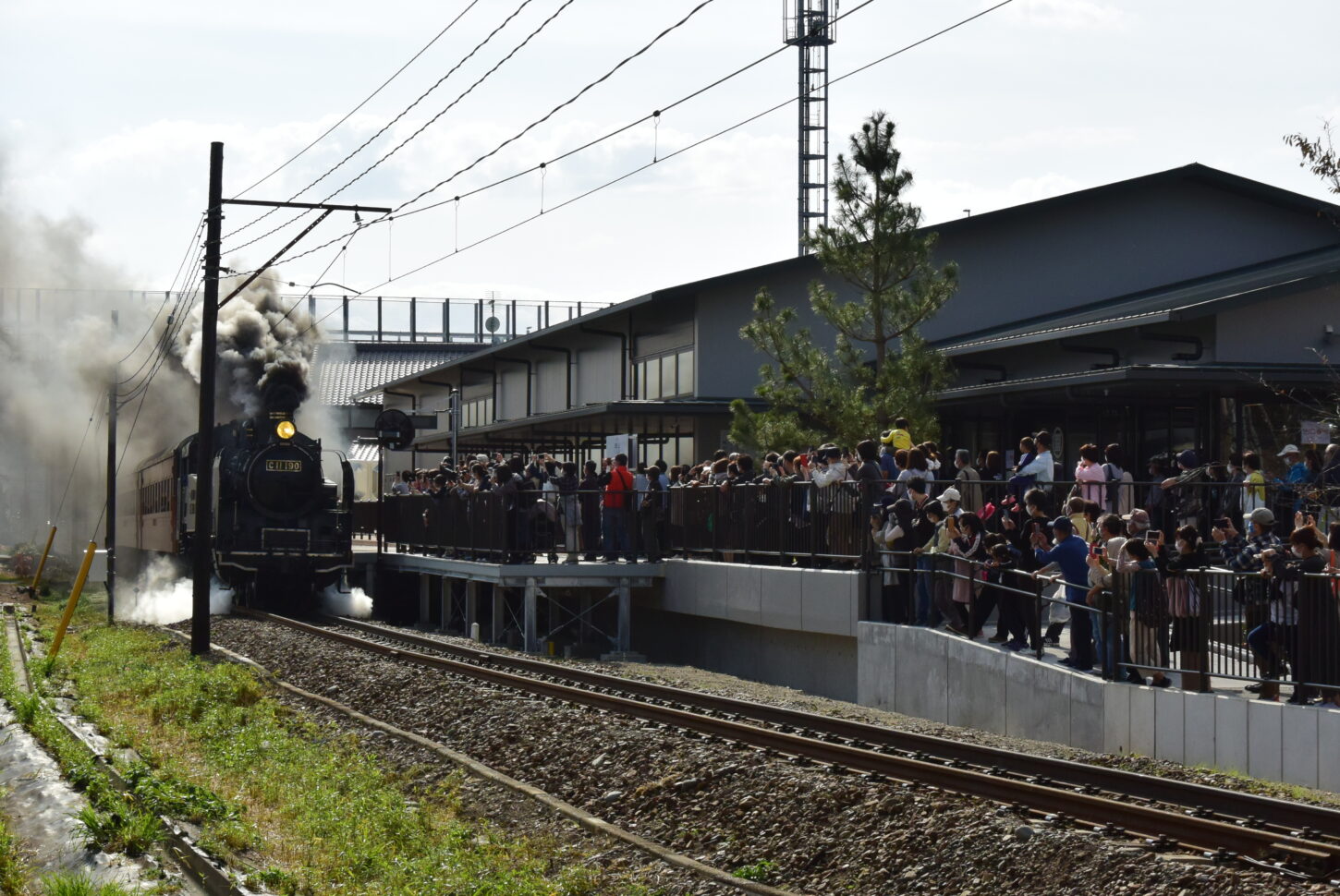
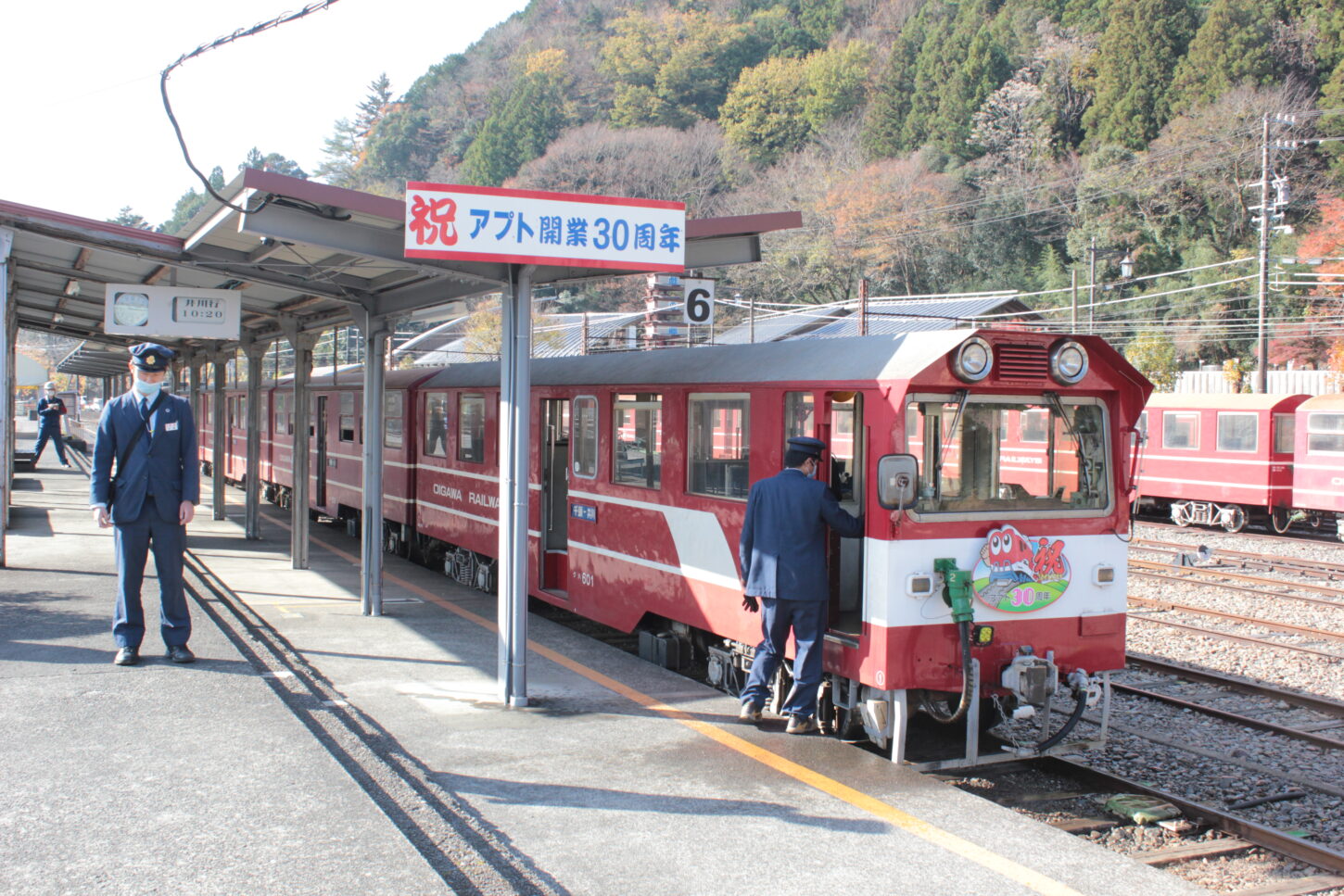
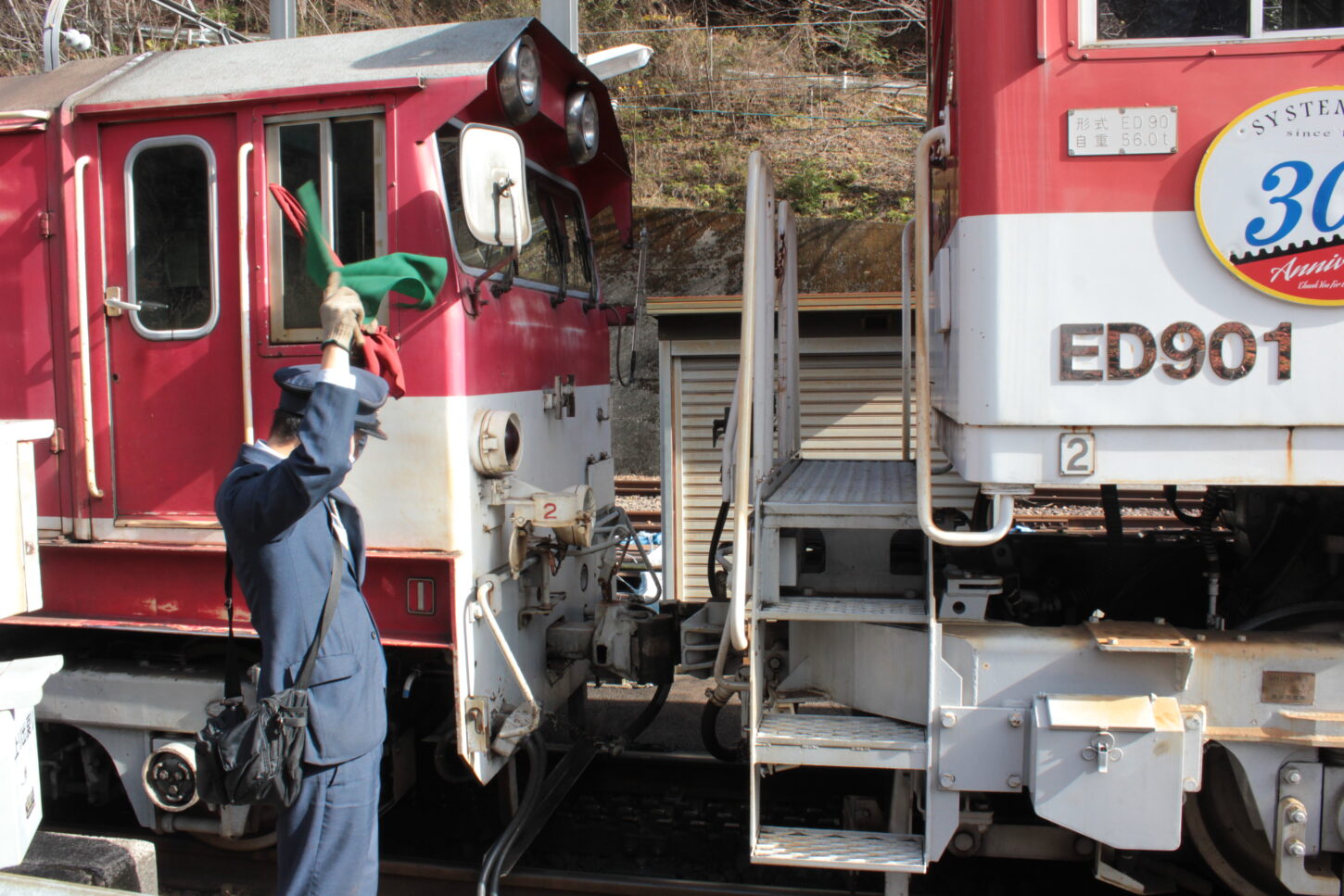
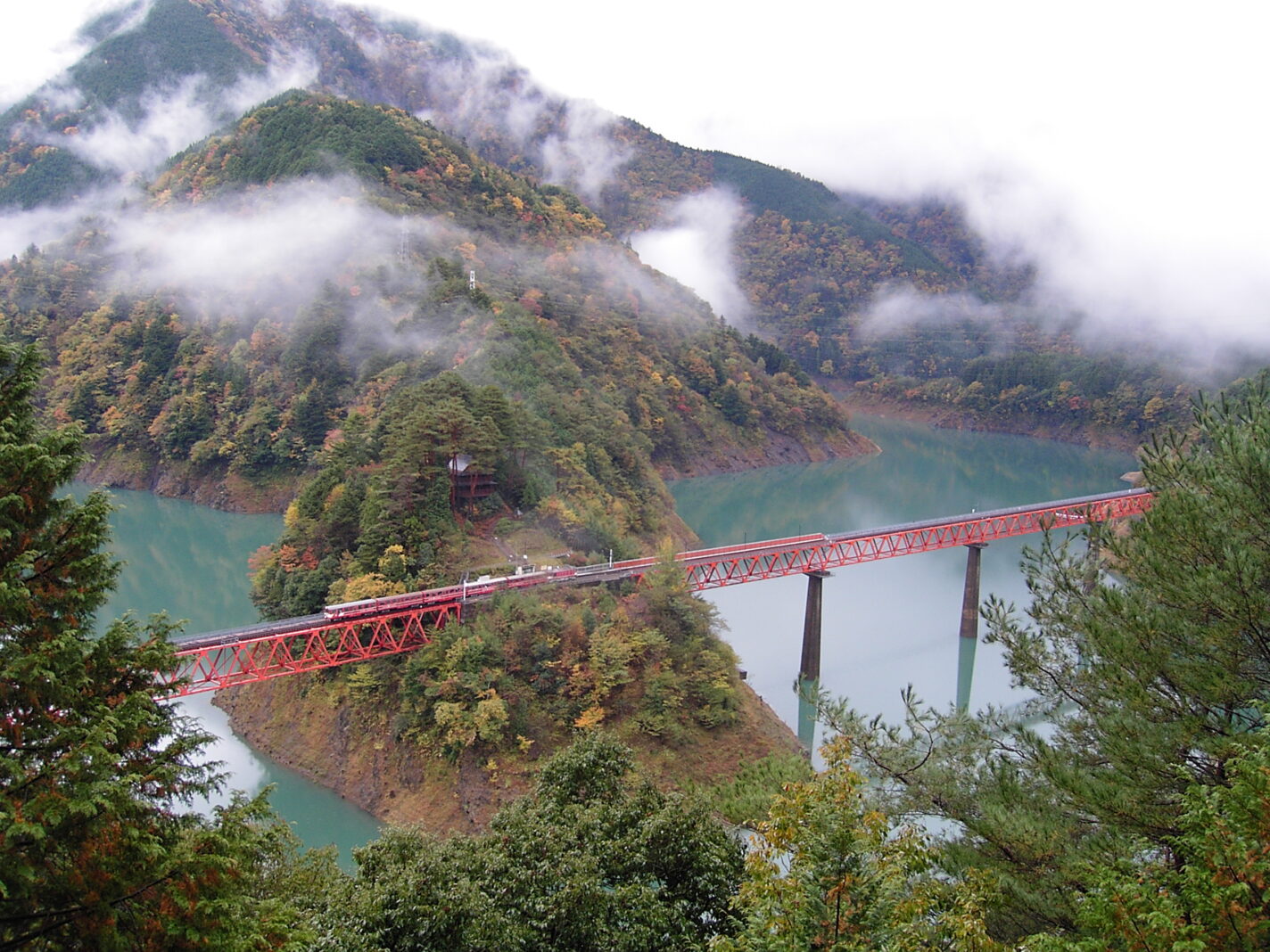
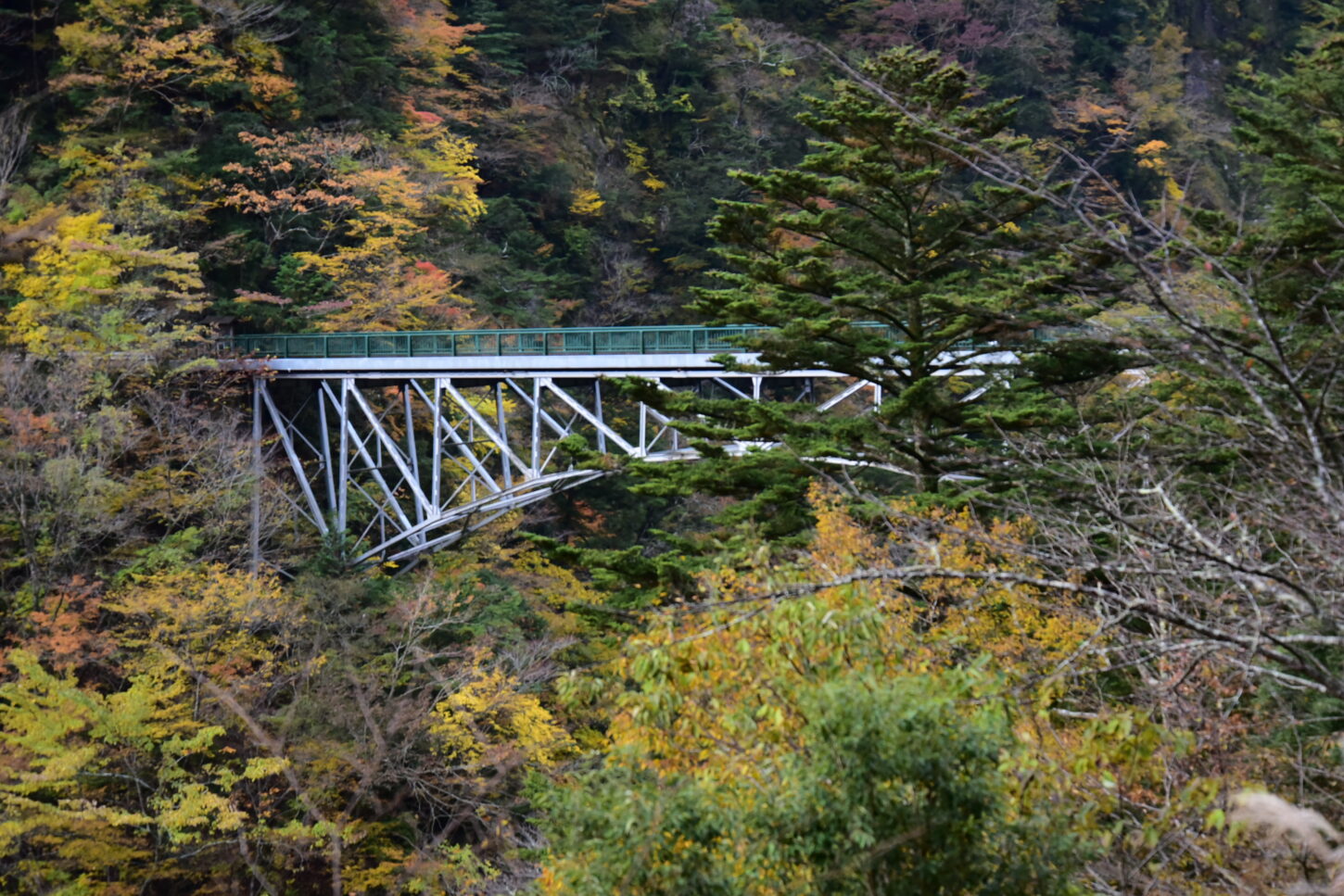
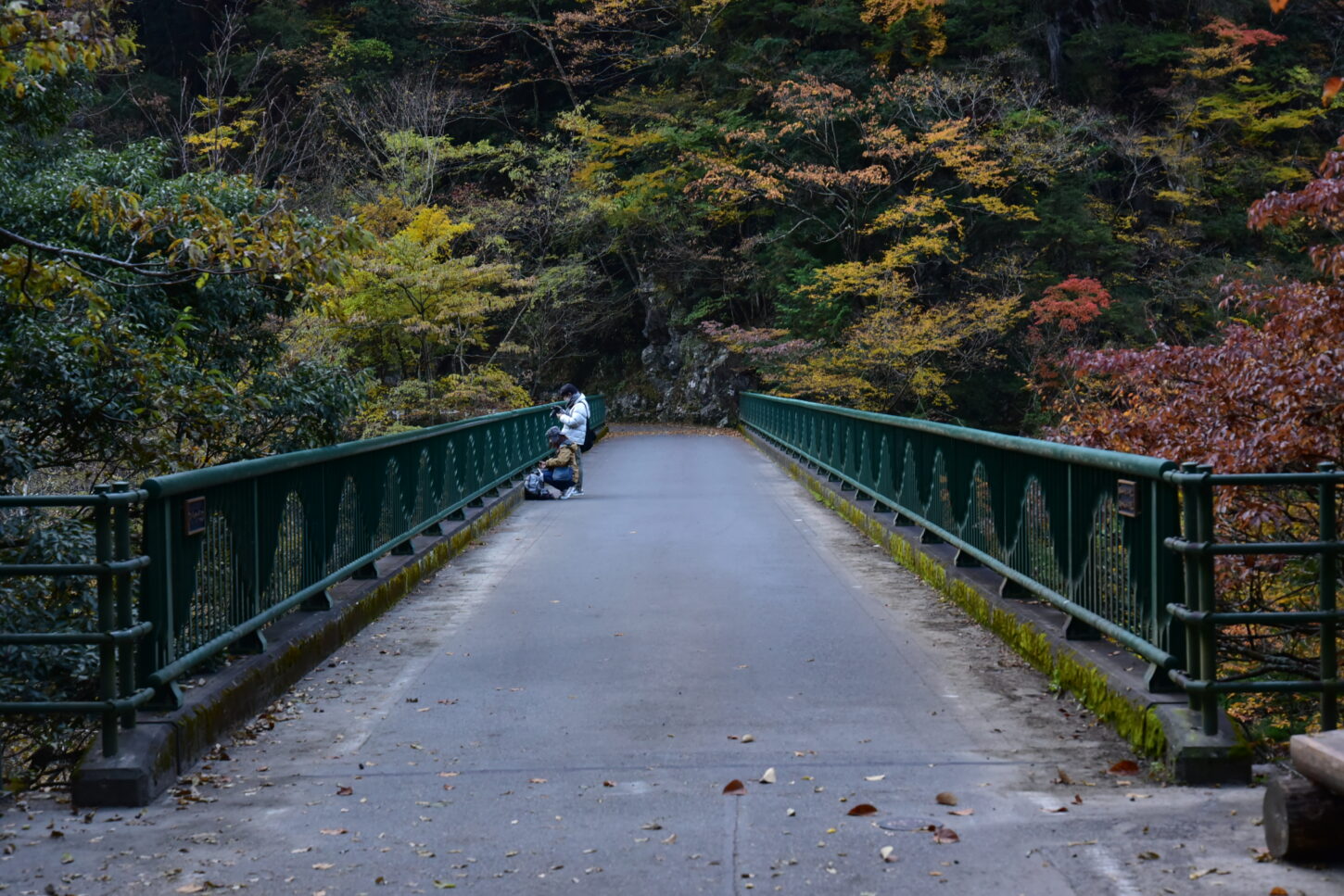
A journey into the heart of Shizuoka on the steam locomotives, staying at one of the many local inns (Minshuku) and visiting Sumata Gorge and the “the Bridge of Dreams” is one of the most unique experiences you can have in Japan.

Escape the pressures of everyday life and the crowds – jump on a classic steam locomotive, explore the green tea fields, soaking in a local hot spring and enjoying Japanese hospitality and genuine farm to table experience.

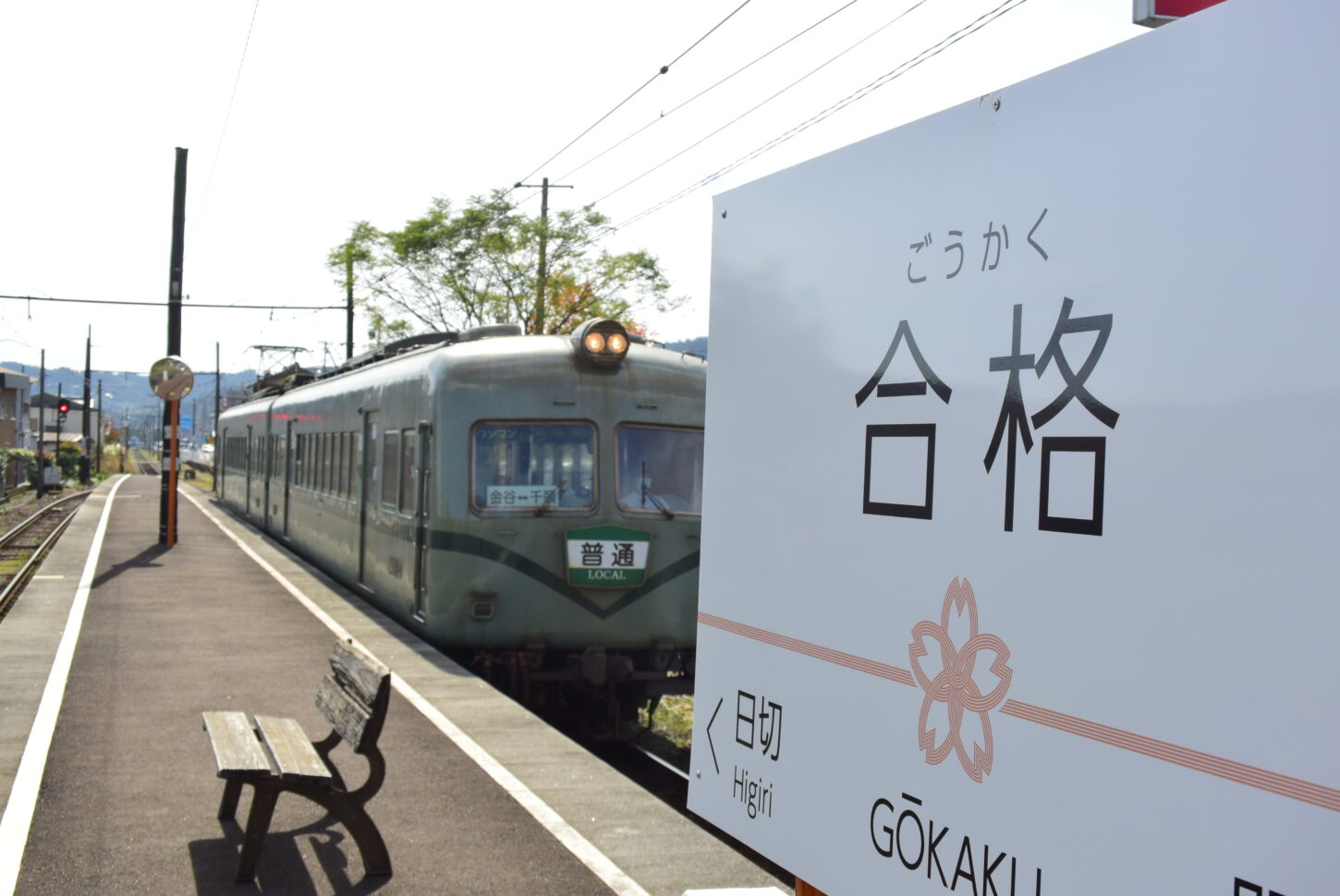
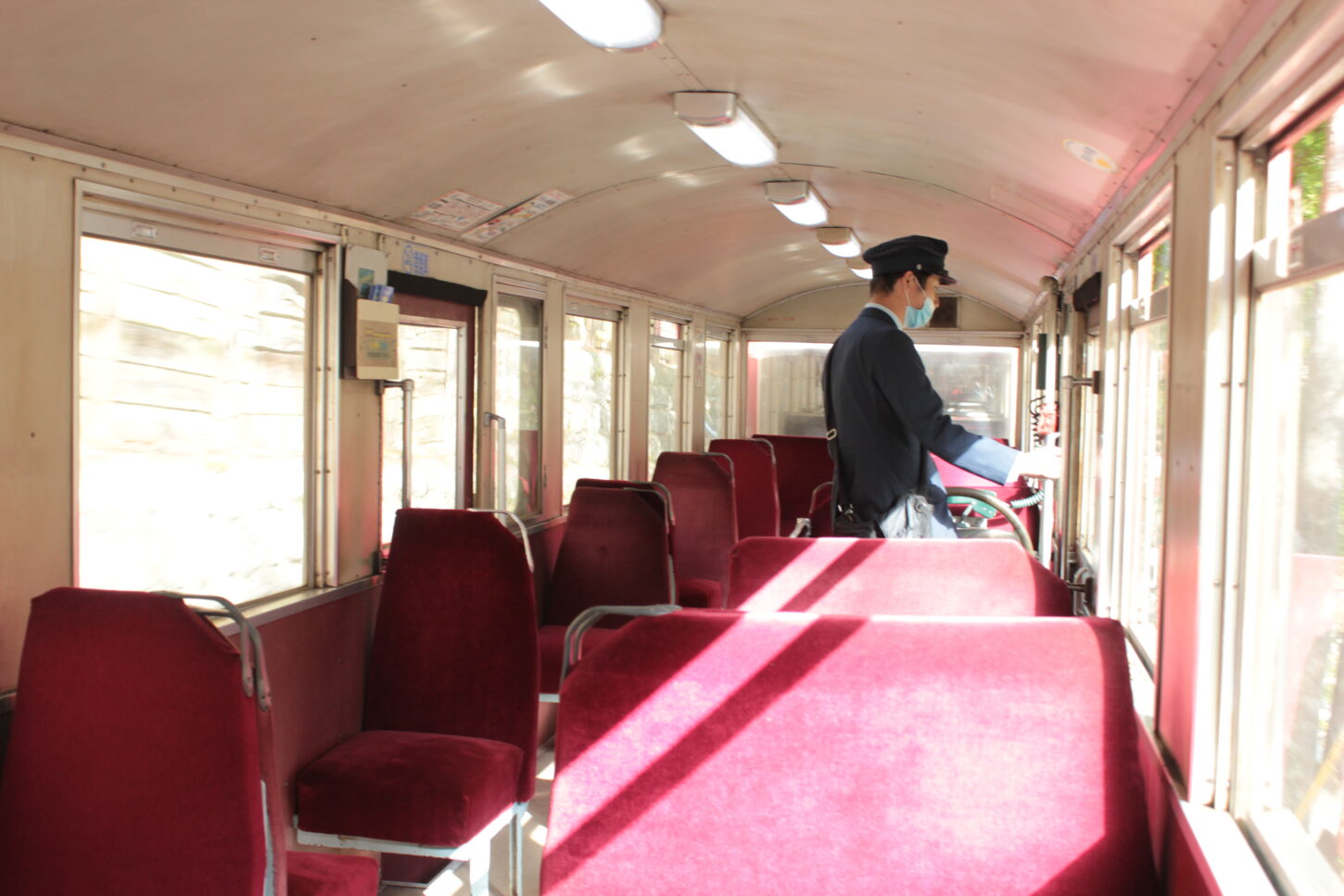
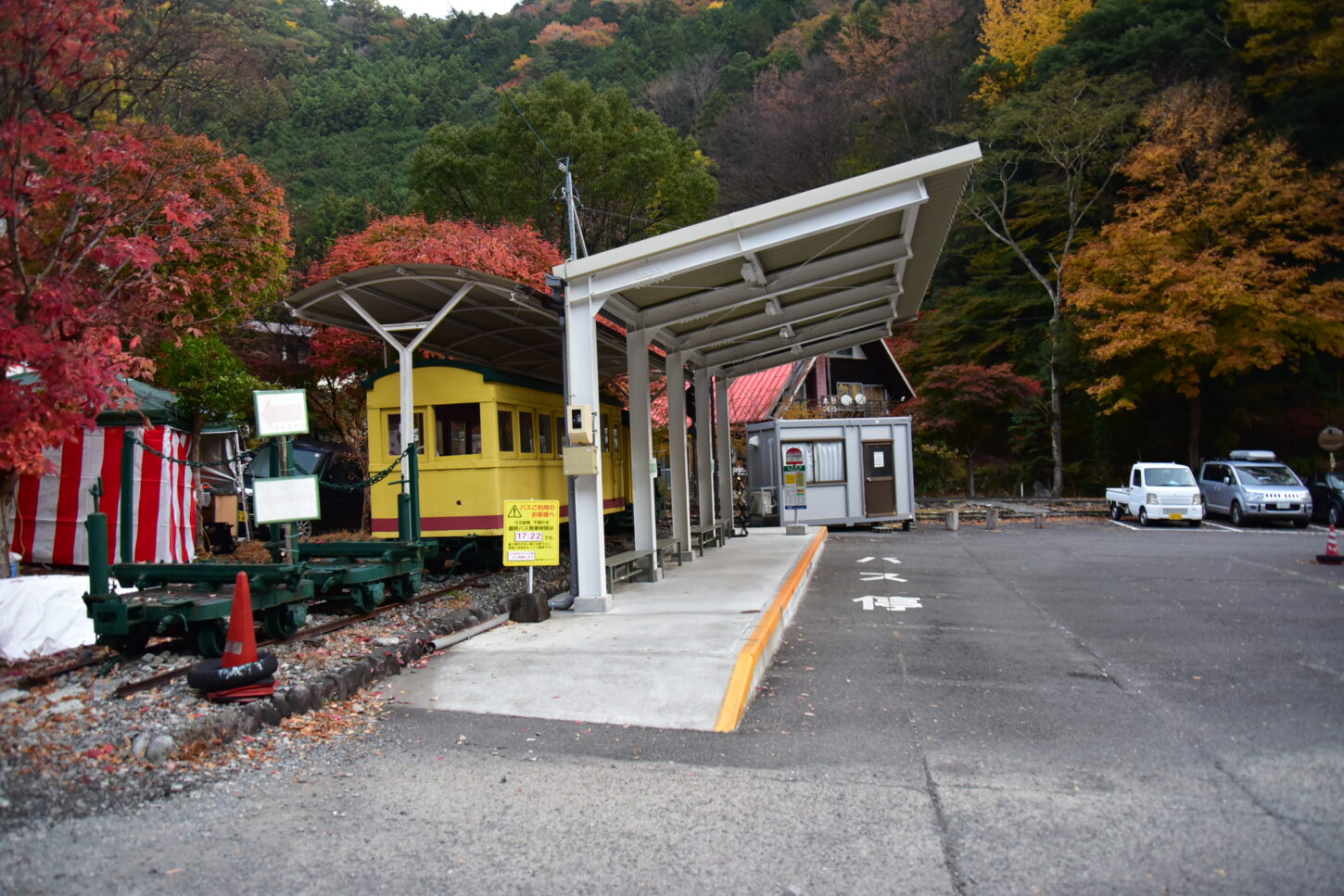
The journey begins at Shin-Kanaya Station – just 30 minutes from Shizuoka Station (or 15 mins from Kakegawa Station) on the Tokaido Line and it is a 90 minute journey that follows the river winding up into the misty Shizuoka hills with the journey ending at Senzu Station.

It is a simple train journey into nature that will take your breath away.

At Shin-Kanaya Station you can pick up an Oigawa Excursion Ticket – a 2-3 day ticket that can be used on the Main Line, the Ikawa Line, the Sumatakyo Bus Line and the Kanzo Bus Line giving you the freedom to jump on and off the train at anytime along the journey and enjoy the scenic stops along the way.

[blogcard url=”https://daitetsu.jp/en/ft_fare.html”]

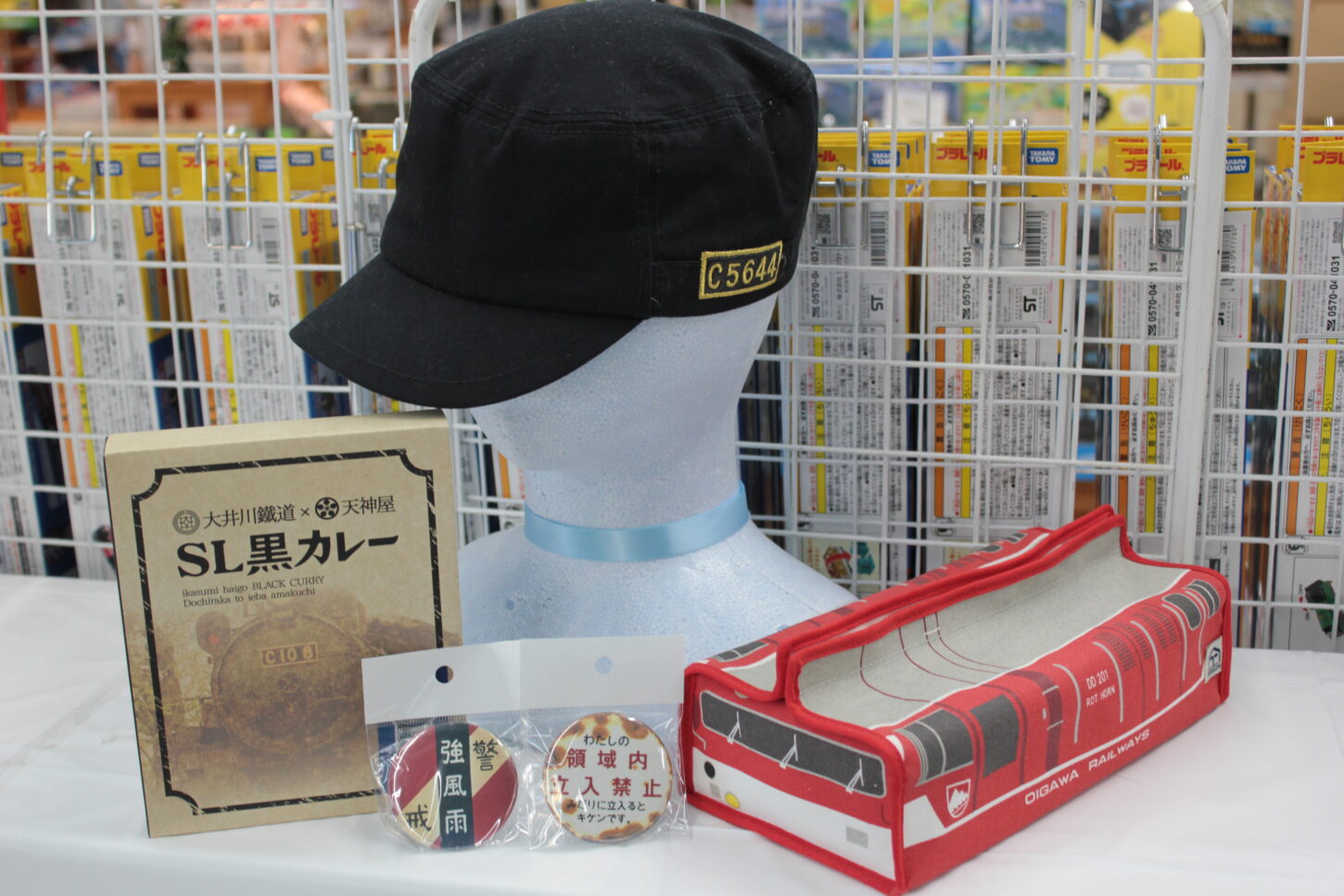
Also available in Summer time are the hugely popular Thomas the Tank Engine trains which will bring a smile to kids young and old.

On a 2 day 1 night schedule you will have the following options –

  • The Steam Locomotive OR Thomas the Tank Engine train journey from Shin-Kanaya Station up to Senzu Station (normal trains also available through the day)
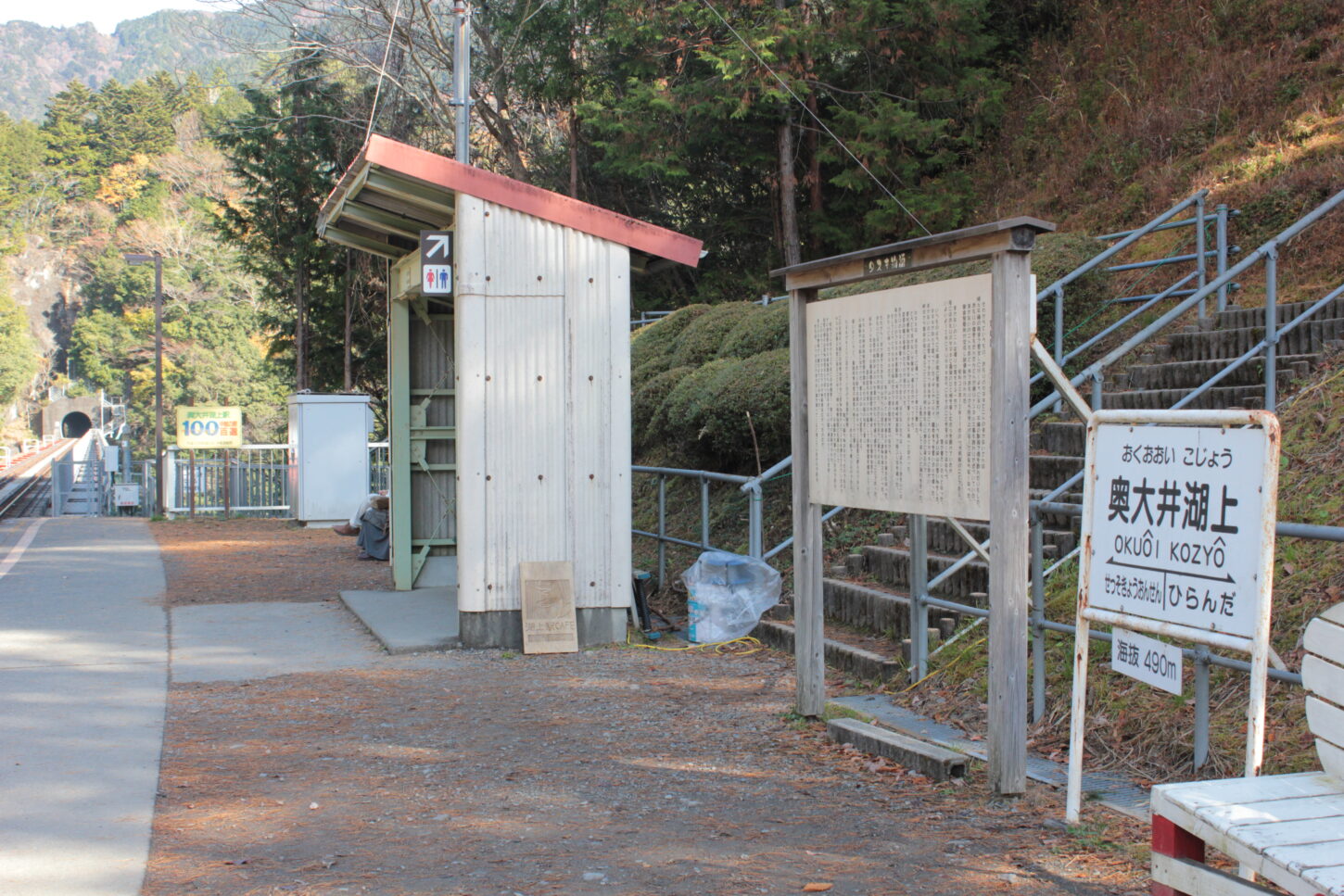
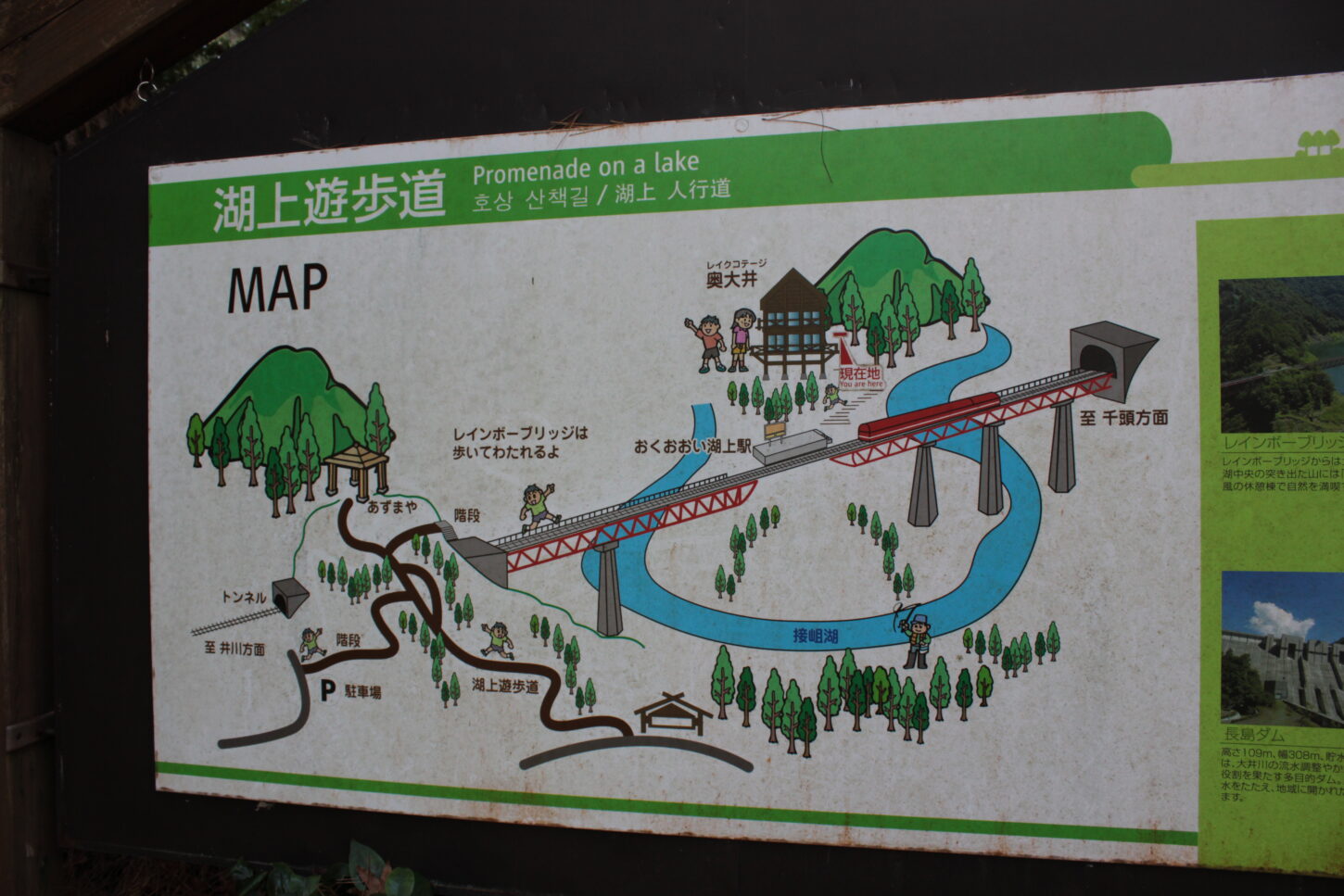
  • The Ikawa Line Train from Senzu Station up to Oku-Oi Kojo Station OR Bus from Okuizumi up to Sumatakyo Onsen and the hike up to the famous Bridge of Dreams

A 3 day / 2 night itinerary gives you flexibility to base plans around weather conditions, spend some time at the river and is recommended for hiking enthusiasts that would like to explore some of the many trails that head up into the Japanese Southern Alps.

The Oigawa Excursion Train Ticket is great value for 2 - 3 days unlimited travel around the area.
The Oigawa Excursion Train Ticket is great value for 2 – 3 days unlimited travel around the area.

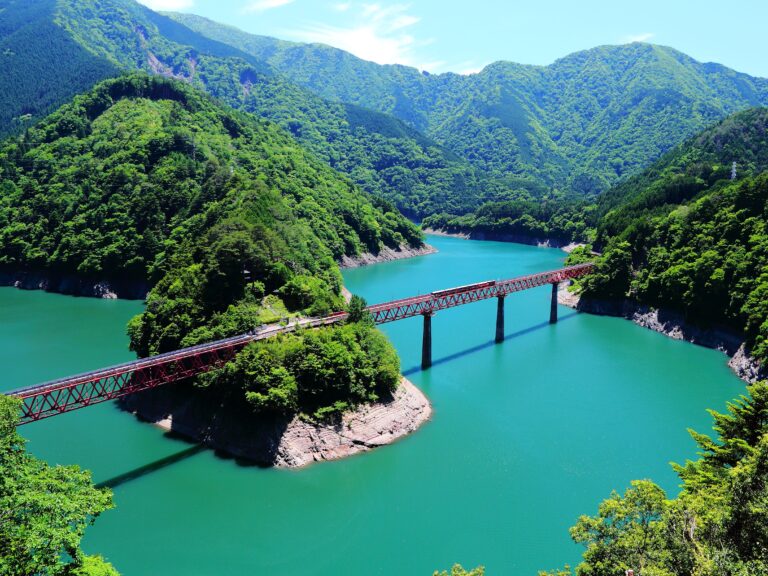
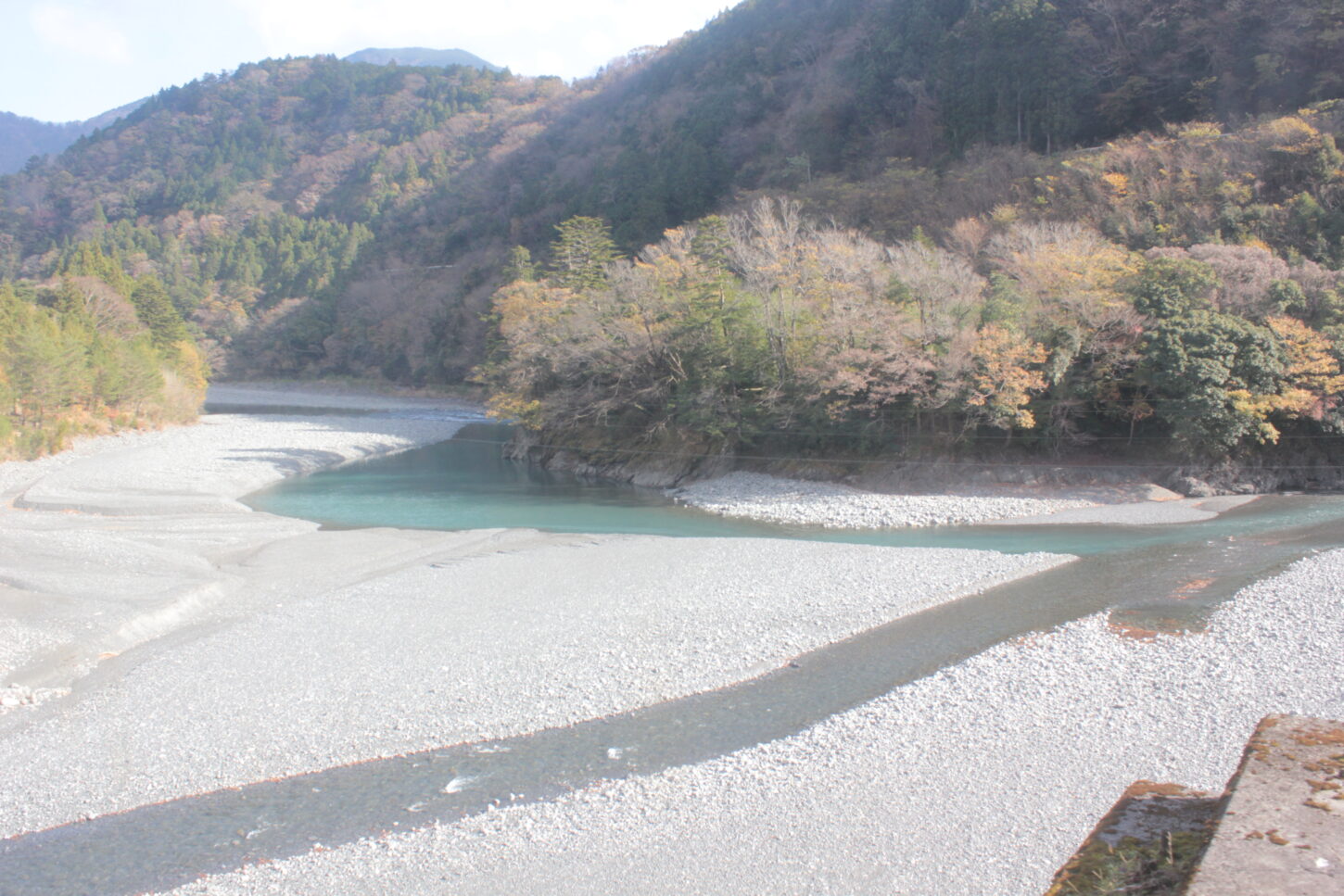
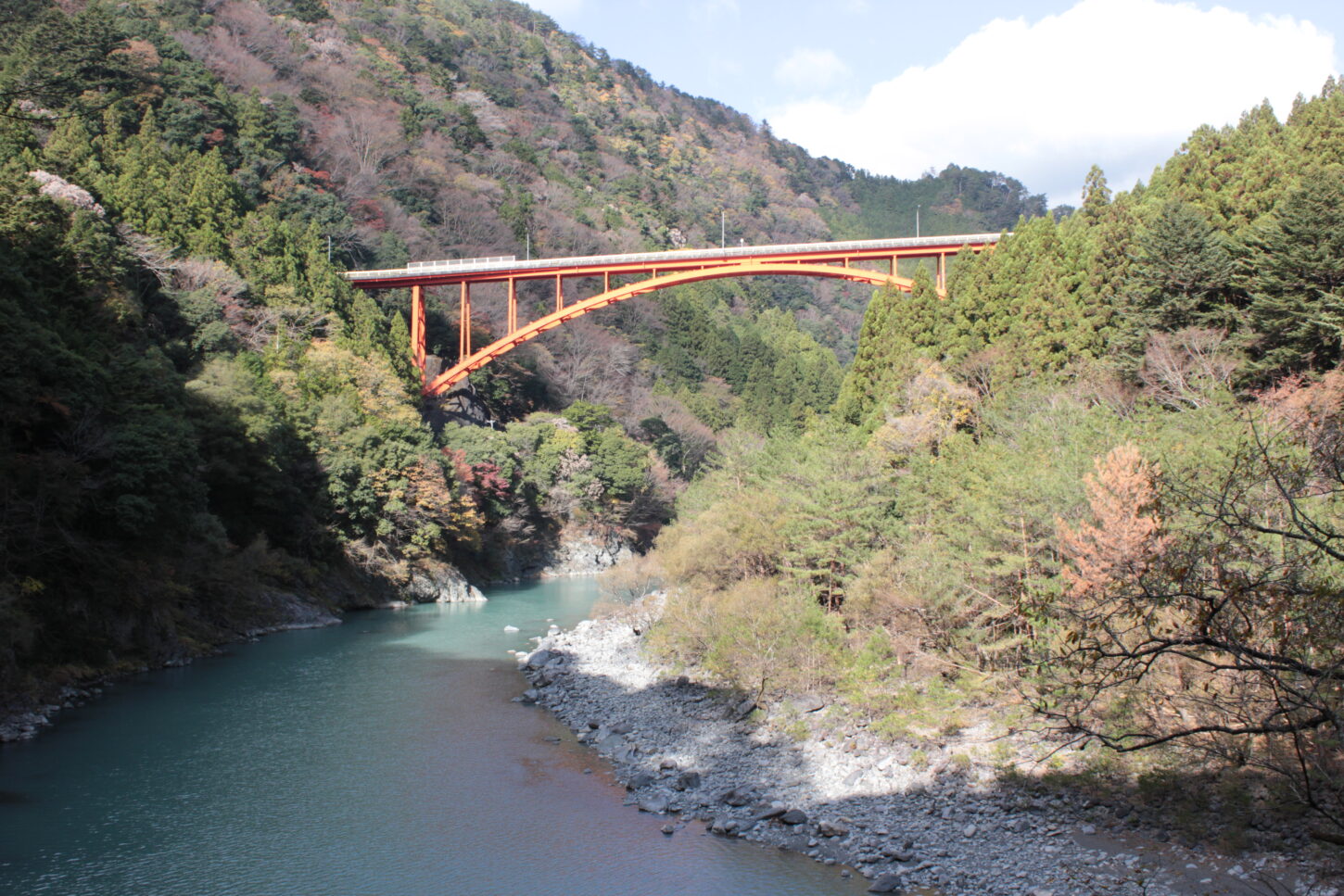
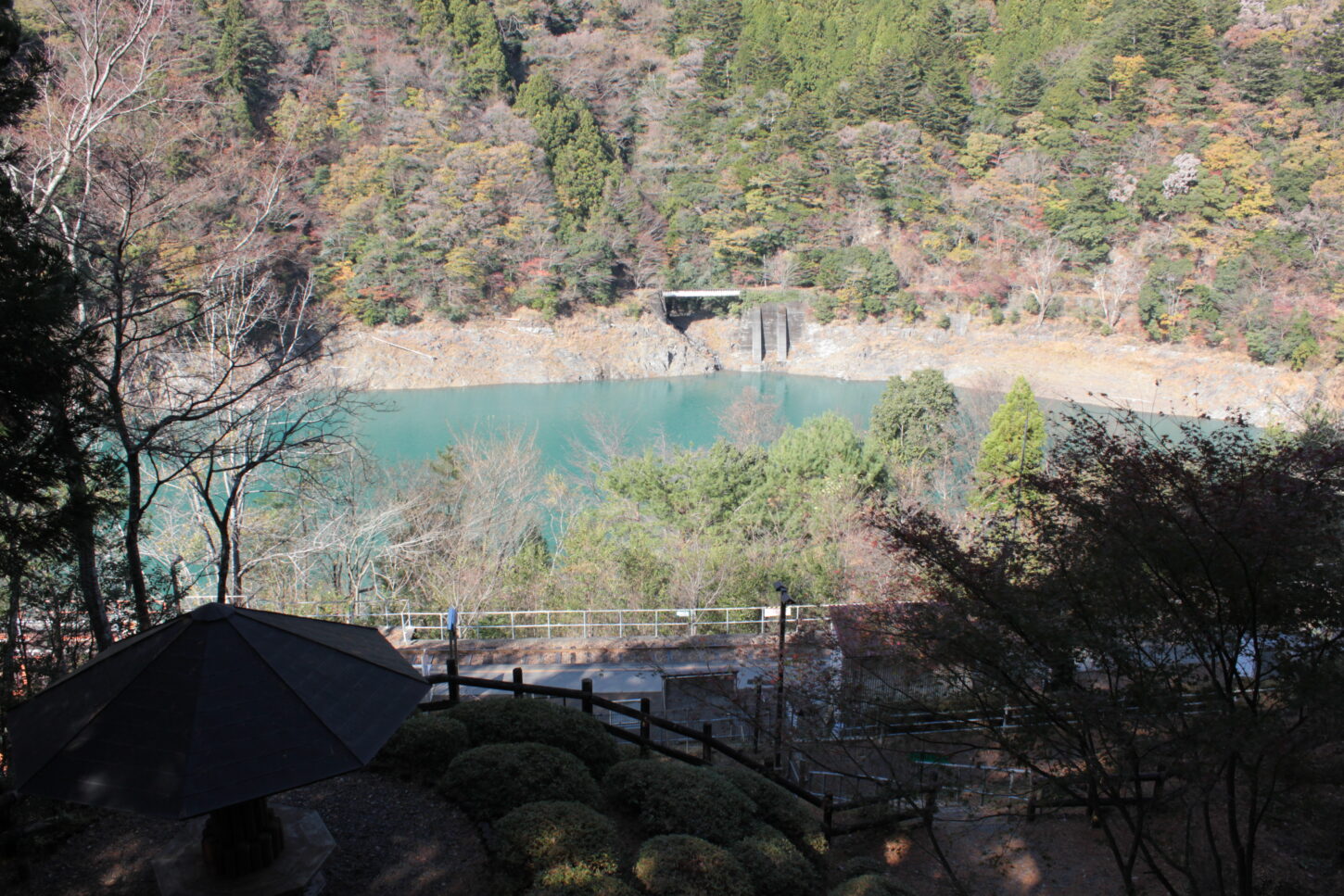
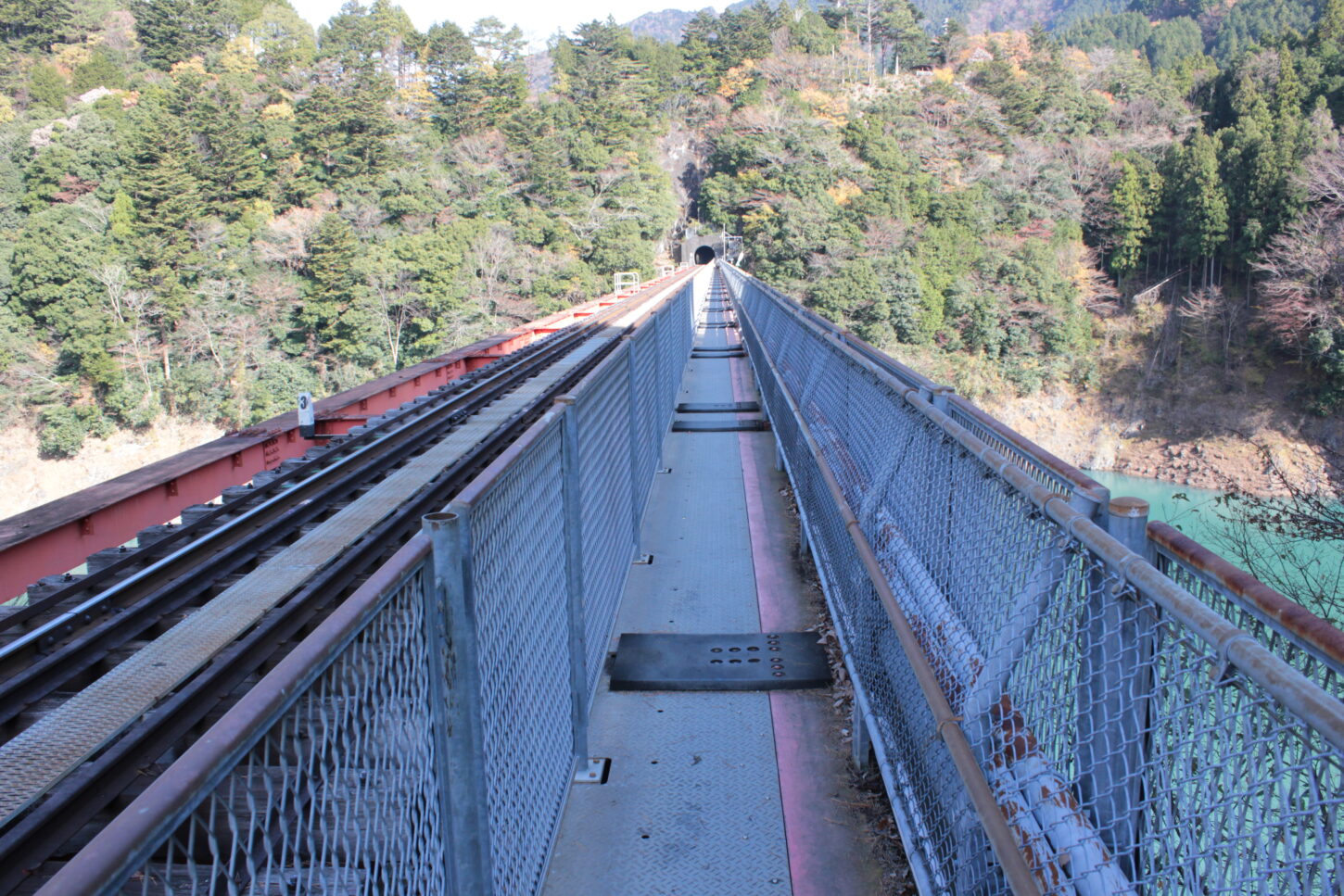
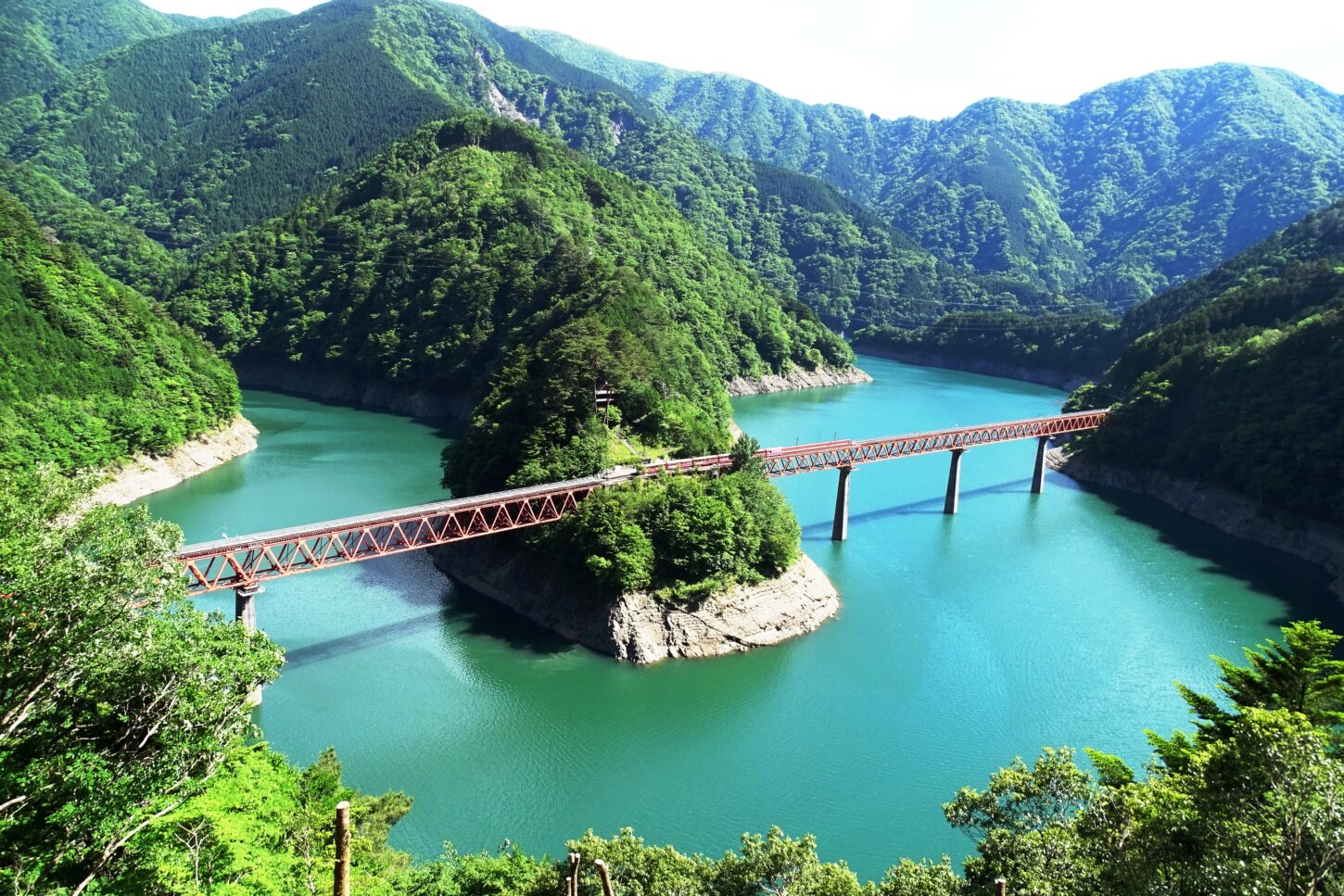
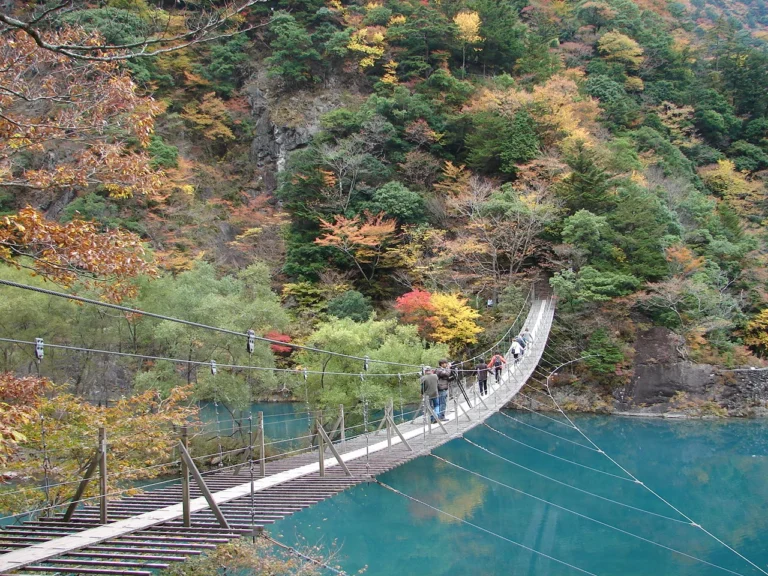
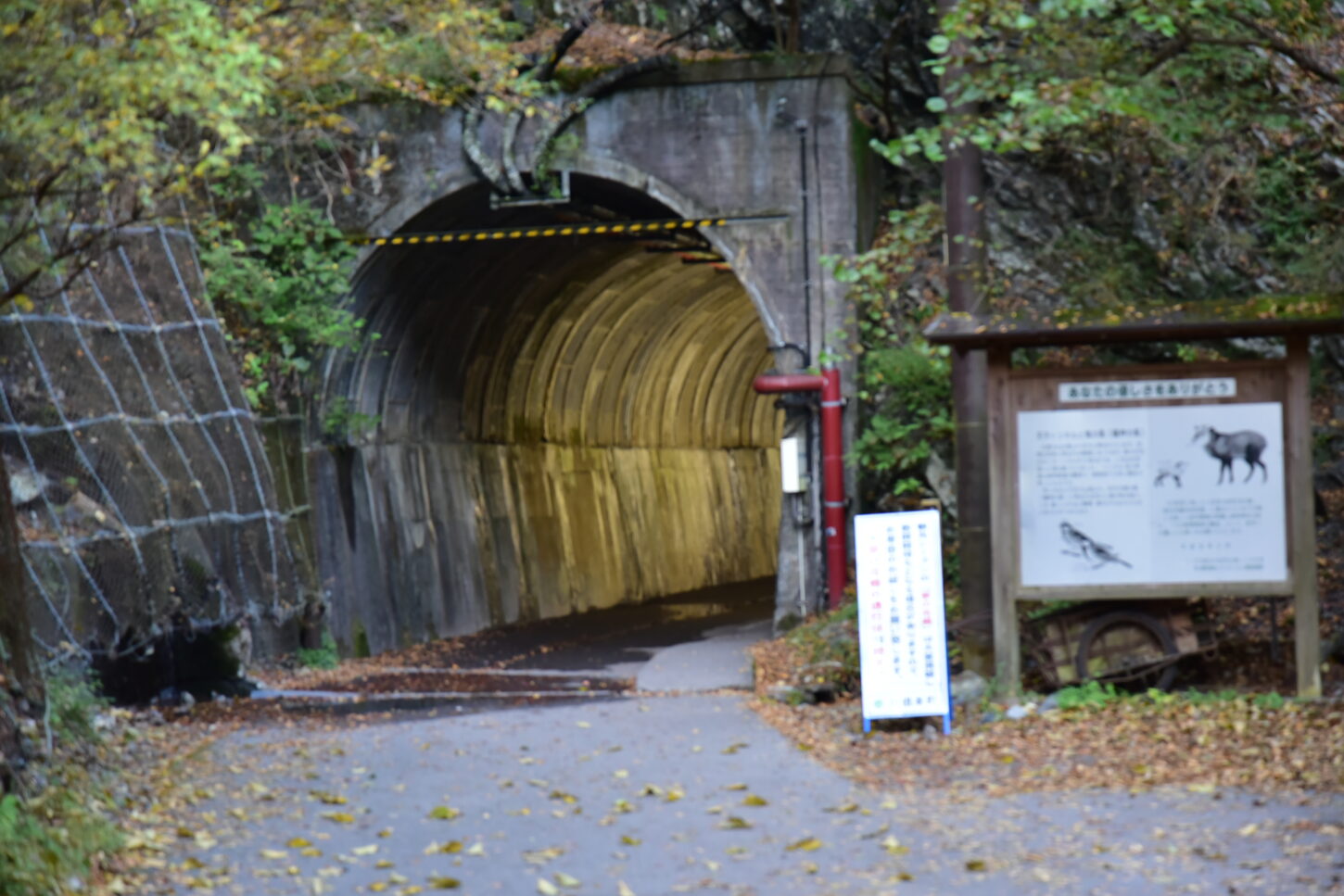
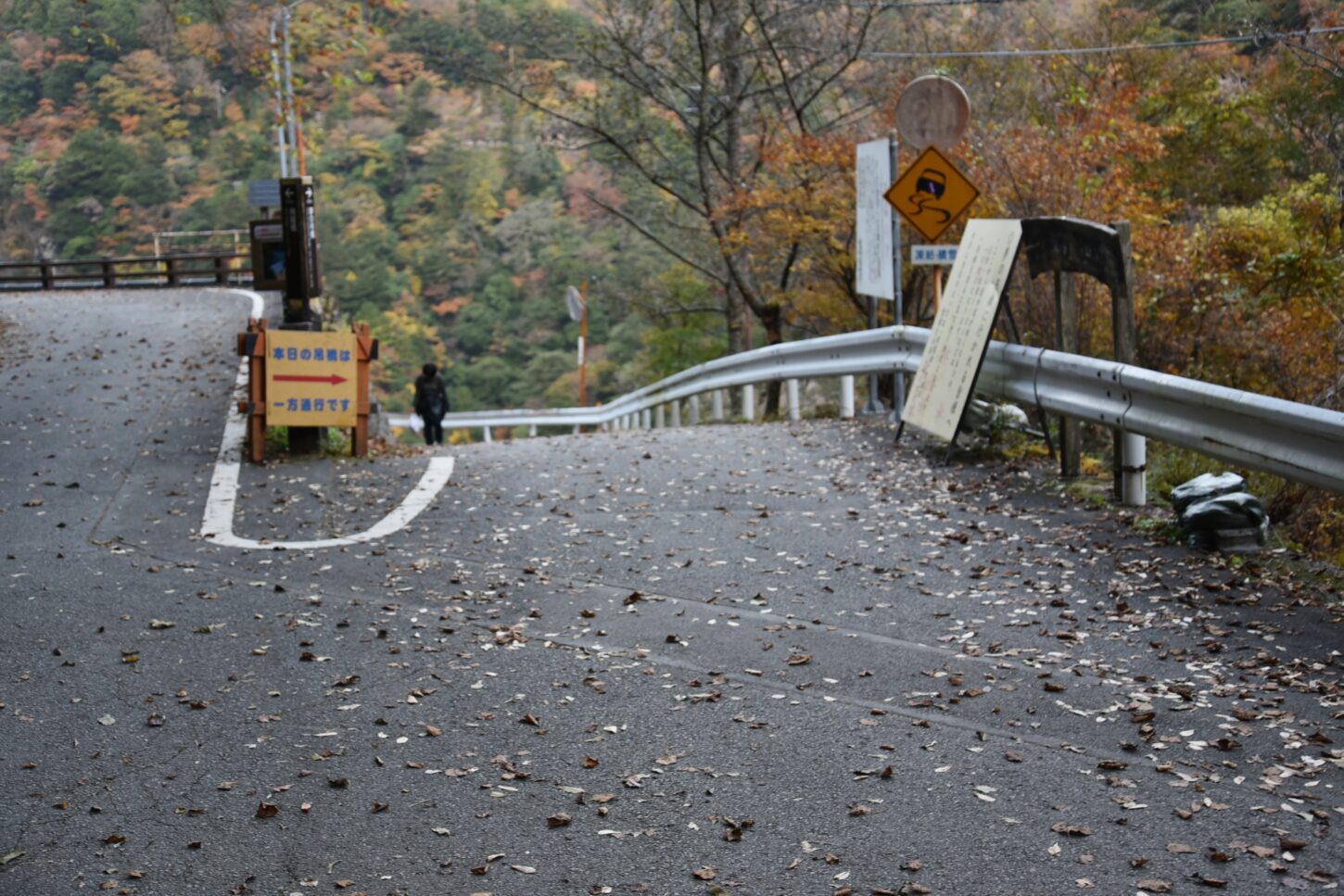
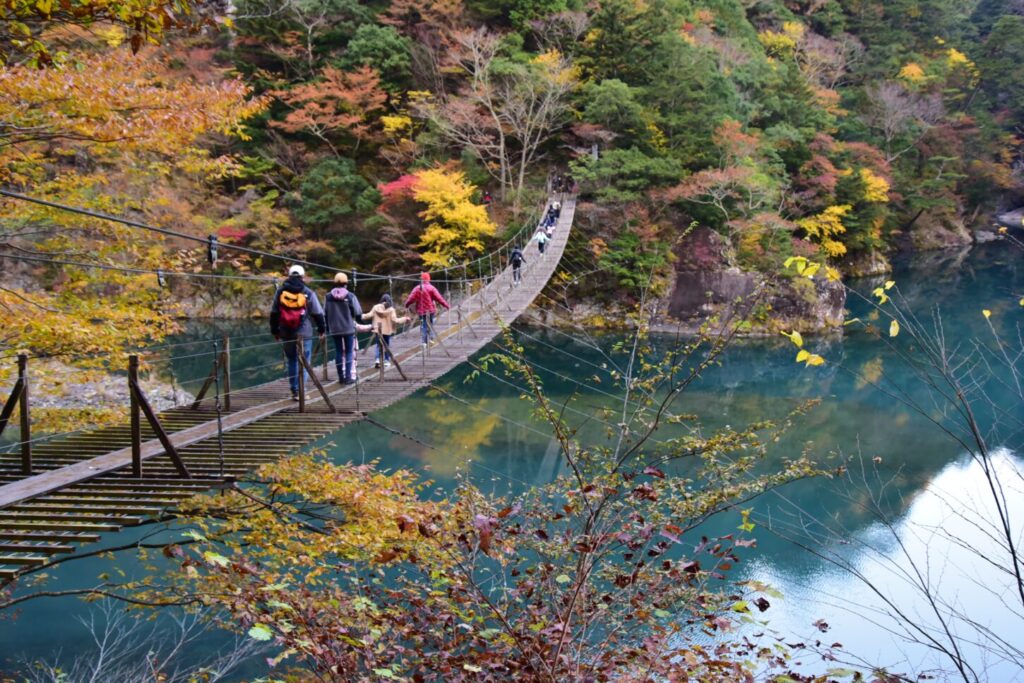
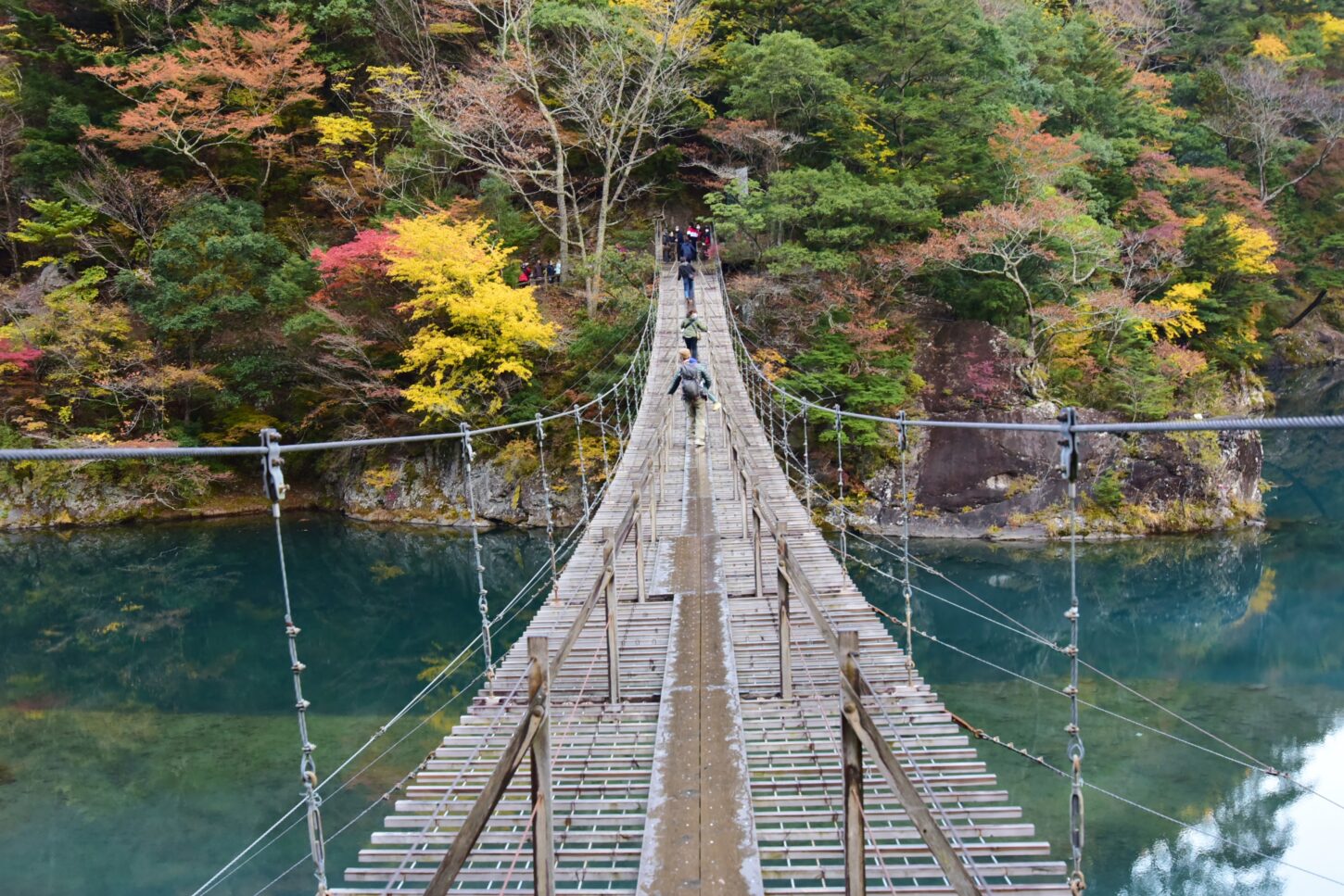
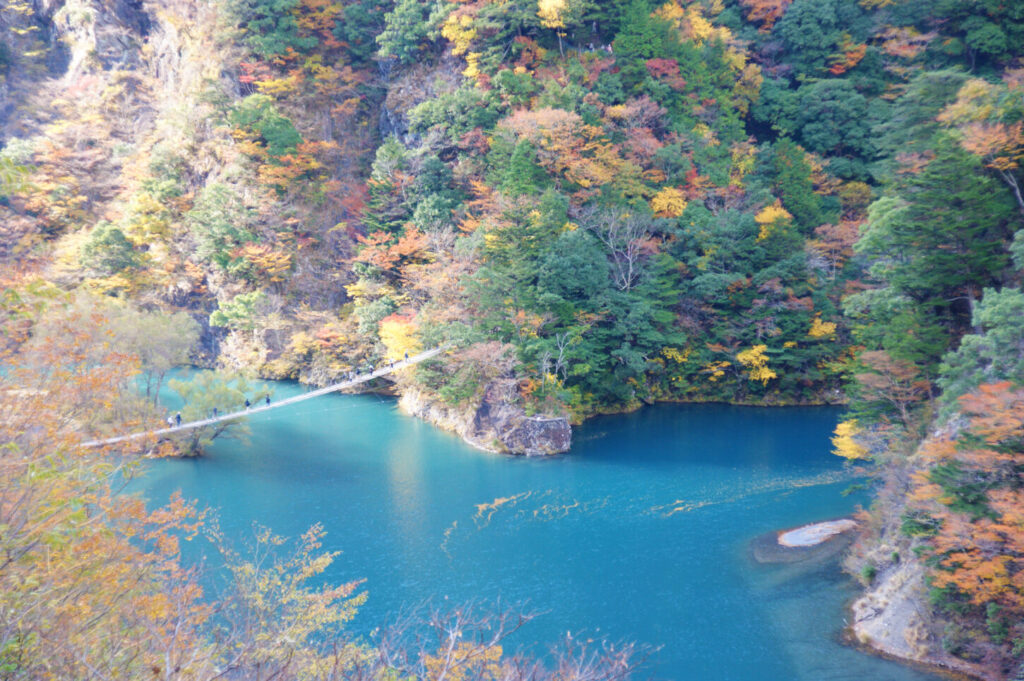
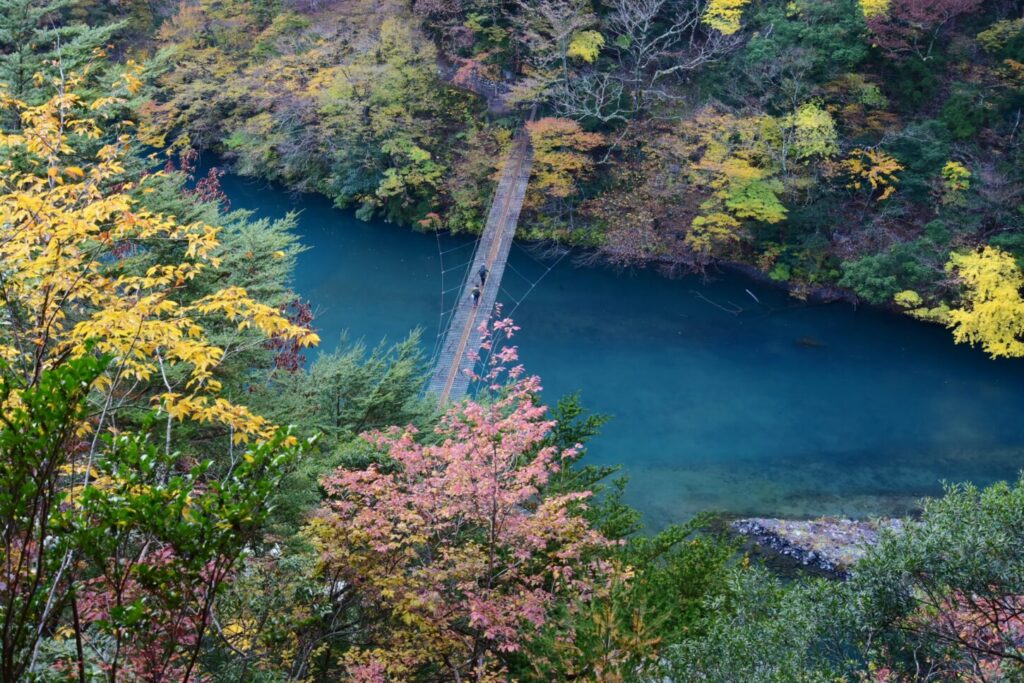
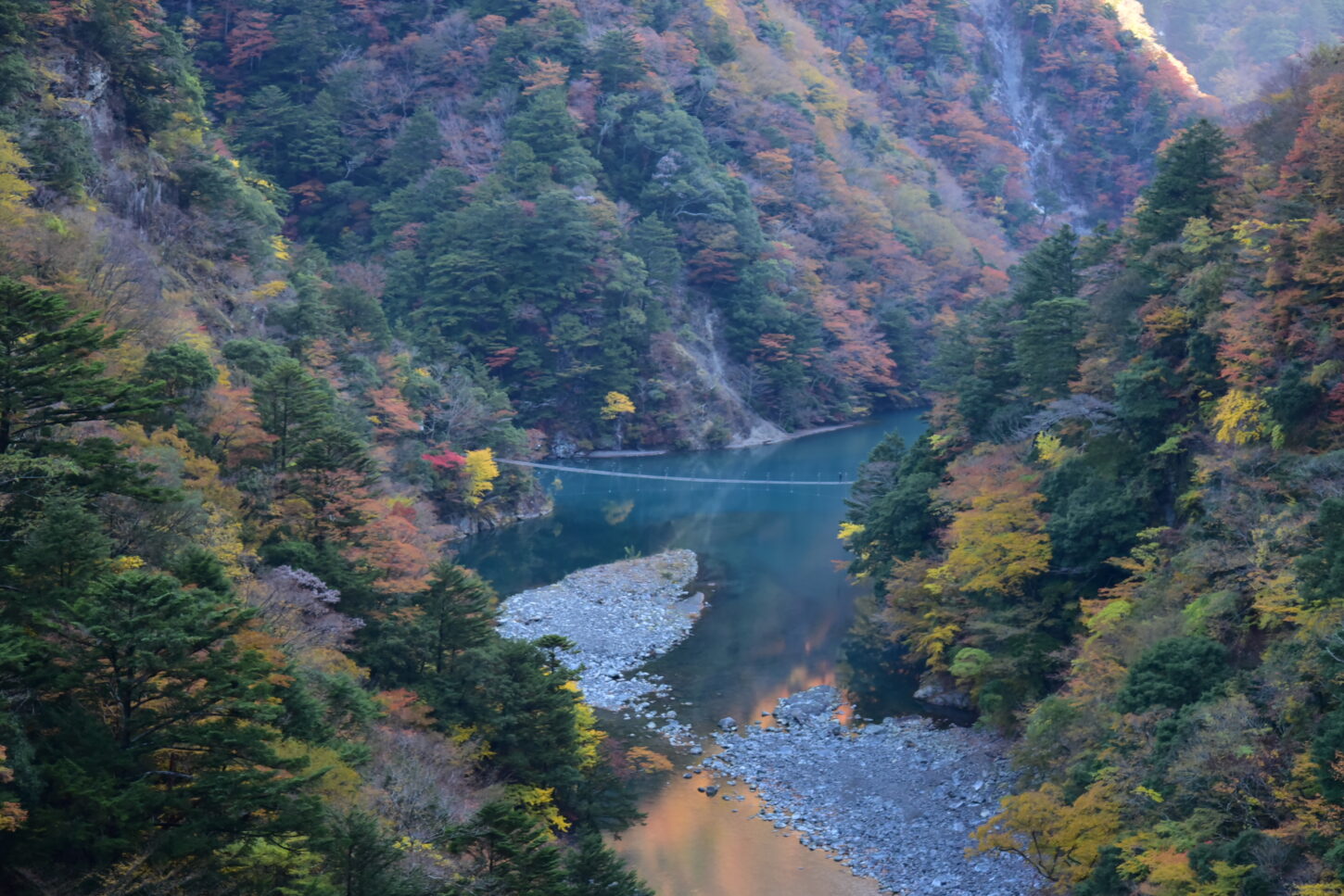
Topping off this journey, and waiting for you at the end, is the famous Bridge of Dreams swing bridge in the small hot spring village of Sumatakyo where you will marvel at the intense turquoise color of the water below and the surrounding green nature.

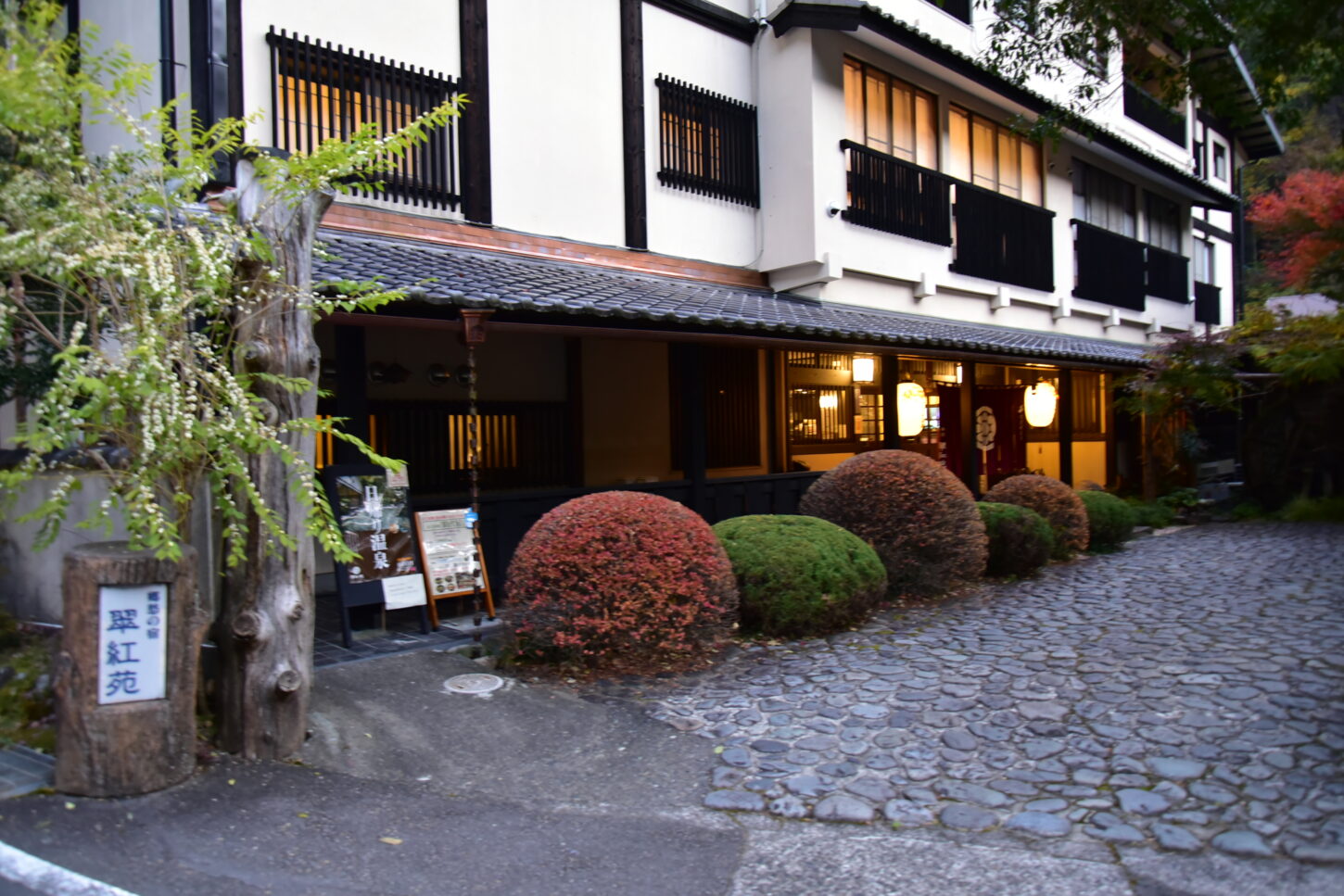
While in the Kawane area, the best experience that you can have is staying at one of the many local Japanese Inns that are doing their best to welcome overseas visitors with several different ‘Homestay Experiences’ ,many of which include a Farm to Table type option.

If you enjoy authentic home cooked Japanese food with locally sourced ingredients, this is an experience not to be missed!

Check this Oigawa Railway PDF for more details.

[blogcard url=”https://daitetsu.jp/pdf/guide_en_ol.pdf”]

For a more detailed itinerary, please check our Explore Shizuoka sample itinerary

Recommended Marine Activity in Shizuoka, Japan – Fishing Experiences for the Whole Family

Shimoda as a Fishing Destination

Shimoda is located at the bottom of the Izu Peninsula and it’s one of the closest tropical resort areas to Tokyo. It takes about 2.5-3 hours by bullet train and local/express train. The Izu Peninsula was once a volcanic island and a group of undersea volcanoes far south of mainland Japan. Formed by volcanic eruptions and tectonic movement, the peninsula has a dynamic topography that cannot be seen elsewhere. It was recognized as a UNESCO Global Geopark in 2018.

In addition to its volcanic features, Shimoda is famous for beautiful beaches. The area is blessed with rich fishing thanks to unique geographic features such as the nearby Suruga Bay (Japan’s deepest). From professional fishers, to beginners and families, Shimoda is a great place for fishing. You can enjoy on and offshore fishing all year round.

In July, Shimoda holds the International Marlin Fishing Tournament, which helps pass the tradition of catching marlin down to future generations.

Another blessing from the volcanic activity of the area is that there are many hot spring resorts around the peninsula. If you visit one of them after a long day of fishing, it will be a great way to relax and feel refreshed.

Fishing with Hyosukeya – a Great Marine Experience

This fishing excursion is offered by a local fishing inn called Hyosukeya, which has been in business for four generations!

The tour typically starts at 6:00 a.m. in front of the inn. The types of fish you can catch vary depending on season, but the captain loves to catch madai (red sea bream) and kue (longtooth grouper). Once your life jacket is on and you are ready, you’ll leave the coast and head out to sea. While going to the fishing point, you can enjoy feeling the fresh morning air. In the morning, you’ll get some practice by fishing for mackerel, which is the bait for your main targets.

The captain will assist you, depending on your needs. He warmly welcomes beginners, couples, families, and solo fishers. There is a fee per fishing rod, but you are able to share among your group members. Hyosukeya hopes to provide you with relaxing and exciting fishing experiences.

The tour starts at 6:00 a.m., so if you prefer to stay the night before, Hyosukeya provides a cozy room by the sea with extra costs.

About the Captain: Mr. Suzuki

Mr. Suzuki is a cheerful seaman who is the fourth generation owner of the inn. He has been working as a captain for over 25 years and has welcomed many visitors on his boat and at his inn. You’ll notice that there are many large fish prints and photos of his customers at the inn’s entrance. He continually strives to offer quality experiences to his guests.

He talks passionately about how the sea in Shimoda is rich in biodiversity, and thus he is able to have a wealth of fishing experiences. When he met a school of hammerhead sharks just tens of kilometers away from the peninsula, he was amazed that the ecosystem there worked in harmony.

He and his wife love to travel to beach resorts abroad, and have met kind locals during their travels. This experience motivates him to welcome visitors from abroad and assist them with having a great time in Japan.

In the future, he hopes to revitalize the Shimoda region by accepting more people from abroad and contributing to the municipality. Mr. Suzuki was born and raised in Shimoda and knows many local places. If you ask him where and what to eat, he will gladly share his recommendations!

How to Book a Plan

To book ‘Fishing Experiences for the whole family’ click here.

Why don’t you enjoy fishing in Shimoda?

Marine Activities in Shizuoka, Japan – Enjoy Sea Kayaking & Snorkeling at a Beautiful Beach

Beautiful Sotoura Beach in Shimoda and the Izu Peninsula

If you are looking for a place to enjoy marine activities, Shimoda is definitely one of the best spots for you.

Shimoda has the kind of beautiful, tropical beaches that you would imagine seeing at luxury resorts.

Shimoda is located at the lower tip of the Izu Peninsula. This region was once a volcanic island and group of undersea volcanoes south of mainland Japan. Formed by volcanic eruptions and tectonic movement, the entire peninsula has a dynamic topography that cannot be seen elsewhere. In fact, it was recognized as a UNESCO Global Geopark in 2018.

In addition, the sea is rich in marine life thanks to various features such as Suruga Bay (Japan’s deepest), good winds, strong tides, and more.

The tour starts at a rather calm beach called Sotoura, which stays shallow even off the shore. A kayaking instructor who loves Sotoura speaks proudly that this is a great place for kayaking, and you’ll realize why while paddling. He also adds that thanks to its location on the southeast of the Izu Peninsula, Sotoura tends to have more sun and less rain than other places.

Are you interested in joining the kayaking tour?

Sea Kayaking & Snorkeling – a Unique Marine Experience!

What is particularly special about this activity is the combination of sea kayaking and snorkeling! You will go to the snorkeling area by kayak. When you reach the destination, you will enjoy wonderful underwater sights. In this tour, a trained guide will lead and accompany you to and from the beach. So, even if you are a total beginner, you are more than welcome to join. The guide will help you have an exciting and safe experience.

This kayaking excursion begins with some safety guidance and mock paddling on the shore, if necessary. Once the safety preparation is done, you will head out to sea on your kayak. Take in the feeling of the fresh, beach air as you paddle over small waves on your route to the snorkeling point. Then, dive into the water and swim among schools of fish! If you are lucky, you might even be able to meet some sea turtles! After relishing in the underwater sea life, you’ll paddle back to the shore. There are also magnificent geological sites where you can see evidence of  past volcanic activity.

In spring and autumn, waves are a little bigger. Therefore, instead of regular kayaking and snorkeling, ‘Sport Kayaking’ is recommended to go across rough water and ride waves.

About the Instructor: Mr. Toshi Nagaoke and the “KAI’TO” Team

Attracted by the great marine environment of Shimoda, Toshi opened KAI’TO Sea Kayak School in 1990 to spread safe and joyful sea kayaking experiences in Japan.

Other than sea kayaking, he has a strong passion for outdoor activities and has numerous experiences in skiing, scuba diving, windsurfing, surf kayaking, and most recently, playing golf. While on his kayaking pursuits, he participated in the training courses at the American Canoe Association (ACA) and in 2000, he obtained its first certification given to a Japanese citizen. Thus, he is well trained to teach sea kayaking and to employ safety and rescue measures. His efforts led him to win 6th place in 2005 at a surf-kayak championship in Costa Rica, and 13th place in 2008 at a World Cup in Santa Cruz.

Similar to Toshi, his team members also love outdoor activities including sea kayaking, snowboarding and surfing. Some of them were once professional snowboarders! So Toshi is proud that all KAI’TO members have professionalism and knowledge about the local nature. They are able to take their guests to fun but safe sea kayaking and snorkeling locations. Of course, they are also fully trained to guide tours and have lots of experience in instructing all kinds of participants, including students on school trips.

Toshi’s next goal is to help revitalize the local community by accepting tourists, educating children to preserve marine environments, and conserving the area’s beautiful beaches. If you have time, you’ll probably find it quite interesting to talk with Toshi. He will gladly share his experiences and knowledge, from the history of sea kayaking, to the local marine environment.

How to Book a Plan

To book ‘Sea Kayaking & Snorkeling in Shimoda’ click here.

*Reconfirmation at least 3 days before the tour date is required for this activity.

Why don’t you explore beautiful beaches in Shimoda?

More Info.

[blogcard url=”https://exploreshizuoka.jp/en/inspirations/blog/meet-the-locals/reasons-to-travel-to-shizuoka-enjoy-green-tea-experiences-with-shizuoka-tea-farmers-to-learn-about-japanese-culture-and-life-in-tune-with-nature/“]
[blogcard url=”https://exploreshizuoka.jp/en/inspirations/blog/meet-the-locals/reasons-to-travel-to-shizuoka-enjoy-green-tea-experiences-with-shizuoka-tea-farmers-to-learn-about-japanese-culture-and-life-in-tune-with-nature/“]
[blogcard url=”https://exploreshizuoka.jp/en/inspirations/blog/meet-the-locals/reasons-to-travel-to-shizuoka-enjoy-green-tea-experiences-with-shizuoka-tea-farmers-to-learn-about-japanese-culture-and-life-in-tune-with-nature/“]

Things to Do in Shizuoka, Japan – Wellness Experience: Try Waterfall Meditation at the over 1,300-year-old Yusanji Temple. Purify Yourself and Find the New You!

Yusanji temple– where you can get energized!

Yusanji temple was built in the year 701 and has been well known as a temple for eye health since the 8th century. At that time, the 46th emperor recovered from an eye disease after using water from the Ruri waterfall to wash out his eyes. This waterfall is where you will try meditation. It will be a unique experience in a setting like no other! Since then, Yusanji has been a sacred place for emperors, lords and many others. They have donated numerous historic buildings to the temple grounds, and  many of these buildings are registered as national and prefectural cultural heritage properties. For example, the temple’s three-storied pagoda is one of the three famous pagodas of 16th century Japan.

In addition to the historic and cultural backgrounds, ample nature gives you a relaxing time. Take a deep breath while walking under the trees and spending your time with the soothing sounds of birds and the nearby creek.

What is Waterfall Meditation? – Wellness Experience

What is waterfall meditation or Takigyo in Japanese about? It is a part of the ascetic practices in Buddhism that lead to rebirth into a new self. The practice is done to better your life now as well as your future lives. This is based on the Buddhist principle ‘karma’. Briefly speaking, karma refers to an action which is driven by the idea that it will bring future consequences. So, the waterfall meditation is believed to be a way to reset regrettable behaviors.

To begin, change into your swimsuit and then put on a white cloth which is like a thin kimono. Once you are ready,  walk to the waterfall with the Buddhist monk while listening to the explanation about meditation. When you reach the waterfall, the meditation begins! Take off your sandals before getting into the water (as it is a sacred place), then, pray to the god called Fudo Myoo. Finally, move into the waterfall and pass under the hanging rope which is a boundary between the human world and the sacred world. Here, you can be connected to the god while hearing the Buddhist monk chant a sutra. You may try reciting the sutra in the waterfall as well. Feel the water coming down on your neck and empty your mind for a moment. If you feel that time is moving faster than usual, that is the moment when you are connected to the god! This is a great wellness experience too.

When I tried this waterfall meditation, the water felt cold at the beginning even though it was summer. However, I was gradually able to empty my mind and the time passed very quickly! After the experience, I felt a refreshing sensation like I had met a new me. I felt more motivated and livelier. It is difficult to find the proper words to describe the feelings, so if you are interested in this experience, why don’t you try it for yourself? Apart from the waterfall meditation, it was interesting to learn about Buddhist tenets and how they exist in our daily lives.

About the Buddhist monk: Mr.Kaiho

Mr. Kaiho inherited the temple from his father and became the head priest about 5 years ago. He wants to make the temple a place for everyone and has been developing the temple’s atmosphere under this aspiration. For example, he installed benches so that people can sit and relax or maybe have a nap. He also reinforced the embankment along the river so that kids can play in the water. Moreover, he plans to make the path wheelchair-friendly.

His aspiration is led by experiences from his time in college. He traveled around Japan (five times!) on his motorcycle, similar to his favorite historic figure: Kukai. Kukai was a monk who is known to have launched one of the sects of Buddhism which traveled throughout Japan.

While traveling, Mr. Kaiho met many people who helped him by providing food, accommodations, and fuel for his motorcycle, for example. He learned that he was alive because he was supported by others.

This experience compelled him to transform the temple for everyone.

With regard to the waterfall mediation, Mr. Kaiho explains that ascetic practice should be something that motivates people to grow and therefore creates a good cycle of making the practice routine. This is why he believes that something that is too hard or requires too much patience should not be an ascetic practice. That can hinder people from making it part of their daily routine and thus it’s hard to feel growth.

Under this belief, he welcomes anyone to try the experience and hopes to make them happier.

How to Book a Plan

To book ‘Waterfall Meditation’ click here.

Other activities operated by the same operator are:

Night spearfishing Experience on Lake Hamana

Make Your Very Own Bottle of Soy Sauce

The Traditional Dyeing Technique Hamamatsu Chusen Tour

Tokaido Guided Tour to the Land of Tokugawa Ieyasu (One-Day Tour)

Why don’t you try Waterfall Meditation and purify yourself?

Fuji City – The gateway to Mt. Fuji

0

Fuji City is easily accessible from the Tokaido Bullet train station of Shin-Fuji & is the gateway to many great Mt. Fuji experiences.

FROM THE SEA LEVEL TO THE SUMMIT

Fuji City (not to be confused with Fujinomiya) is the gate-way city to Mt Fuji and is a great place to go to enjoy stunning views of the mountain with lesser crowds.

Located on the banks of Fuji River, the town is bordered by Suruga Bay on the Pacific Ocean and is the third-largest resident dwelling city in Shizuoka Prefecture.

Though more known for its industrial pursuits Fuji City is also well known for its green tea cultivation.

The city is perhaps best known as the city with the best views of Mt. Fuji from the window of the Tokaido Bullet train as you whizz past on the way to Kyoto.

But, as with much of Japan, dig a little deeper and you will discover a relatively unknown gem to experience Japanese local, cultural life, beautiful nature, and fun outdoor activities.

INSTAGRAMABLE GREEN TEA FIELDS

Are you looking for the perfect Instagram photo to emphatically show people that you are in Japan?

What could be more iconic than Mt Fuji overlooking a perfectly symmetrical Green tea field?

Fuji City has a plethora of green tea available to taste and purchase, and ensure that you visit the famed Obuchi Sasaba and Imamiya Green Tea Plantations.

Obuchi Sasaba - Enjoy the view without power lines or any man-made objects obstructing
Enjoy the view without power lines or any manmade objects obstructing.

This tea plantation to the north of the city is famed for its rolling tea fields with its stunning backdrop of a snow-capped Mt Fuji. It hosts an annual tea festival during May.

TOKAIDO’S YOSHIWARA JUKU

In the 17th century, the Old Tokaido Highway became the most important thoroughfare for travelers connecting Edo (Tokyo) and Kyoto.

Hidari Fuji : Yoshiwara was depicted in one of Hiroshige’s famous Ukiyoe prints. Credit: MOA Museum of Art

The highway runs through Fuji City where the 14th post town of Yoshiwara is located. Yoshiwara is known for its view of Mt. Fuji and now remains as a quaint shopping street. You can still see some remnants of yesteryears and follow the footprints of ancient travelers.

To visit what remains of Yoshiwara Juku take a small detour from the Main Tokaido Train line at Yoshiwara Station and catch the Local Gakunan Train to Yoshiwara Honcho Station.

GET YOUR ADRENALINE PUMPING

If you’re looking to get out of the big city, away from the crowds and have a bit of a thrill seeking moment, did you know that you can do bungee jumping in Fuji City?!

Towering over the Sudo Valley, Bungy Japan has a jump of 54m high with stunning views of waterfalls and the city itself in the distance.

However, if leaping from great heights is not your thing, the area is stunning for it’s autumn koyo foliage, having a refreshing swim in the rivers during that intense summer heat, and simply just enjoying the beautiful natural scenery.

Camping is also possible in the area.

CYCLING & WALKING AROUND FUJI CITY

There are various cycling routes have been established through Fuji City which helps you to discover aspects of their rich history and culture.

At the Shin-Fuji Tourist Information Center, you can borrow a bike to leisurely take in the town’s sights.

A popular route takes you through Karigane Riverbank, arriving at Jissogi Temple where you can leave your bike, follow the temple path till you get to the start of the hiking path to Iwamotoyama Park.

Located on Mt Iwamoto, the park enjoys breathtaking views of not only Mt Fuji but surrounding Hakone, Suruga Bay, Izu Peninsula, and the Southern Alps.

It also has beautiful blooming ume, sakura trees, hydrangeas, azaleas depending on the season.

There are recommended courses to explore, with English maps available.

STRAIGHT FROM THE SEA

When you’re done cycling or walking around, head to Tagonoura Port to sample its famed Shirasu (whitebait / young sardines).

Caught from Suruga Bay during April – November, Shirasu is greatly enjoyed in a typical Shirasu-don where you can choose to have them raw or cooked on top of rice.

Shirasu_Tagonoura
Typically served lighltly boiled or row.

LEARN MORE about Fuji City

[blogcard url=”https://www.fujisan-kkb.jp/english/”]

LINKS – MAPS & BROCHURES

Explore Fuji

[blogcard url=”https://www.fujisan-kkb.jp/english/guide/pdf/guide_map_03.pdf”]

Cycling Fuji City

[blogcard url=”https://www.fujisan-kkb.jp/english/guide/pdf/guide_map_02.pdf”]

Fuji City Guide Map – Food and Fuji

[blogcard url=”https://www.fujisan-kkb.jp/english/guide/pdf/guide_map_04.pdf”]

Gakunan Railway

[blogcard url=”https://www.fujisan-kkb.jp/english/guide/pdf/guide_map_06.pdf”]

Fuji Area Traffic Map

[blogcard url=”https://www.fujisan-kkb.jp/english/guide/pdf/guide_map_01.pdf”]