Home Blog Page 14

Shuzenji – The hot spring town of your dreams

For centuries Shuzenji Onsen has been a place for refuge & reflection – it is still the perfect spot to take a moment to refresh your body, mind and spirit.

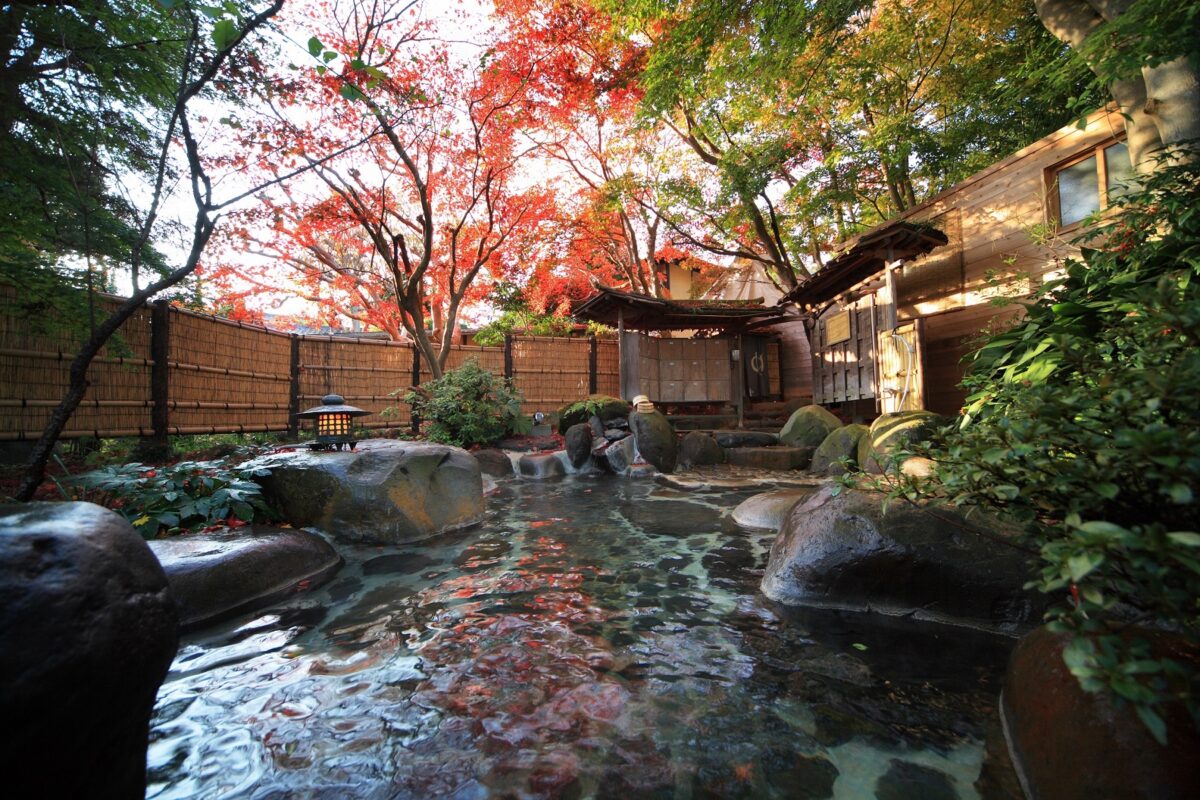
Arairyokan
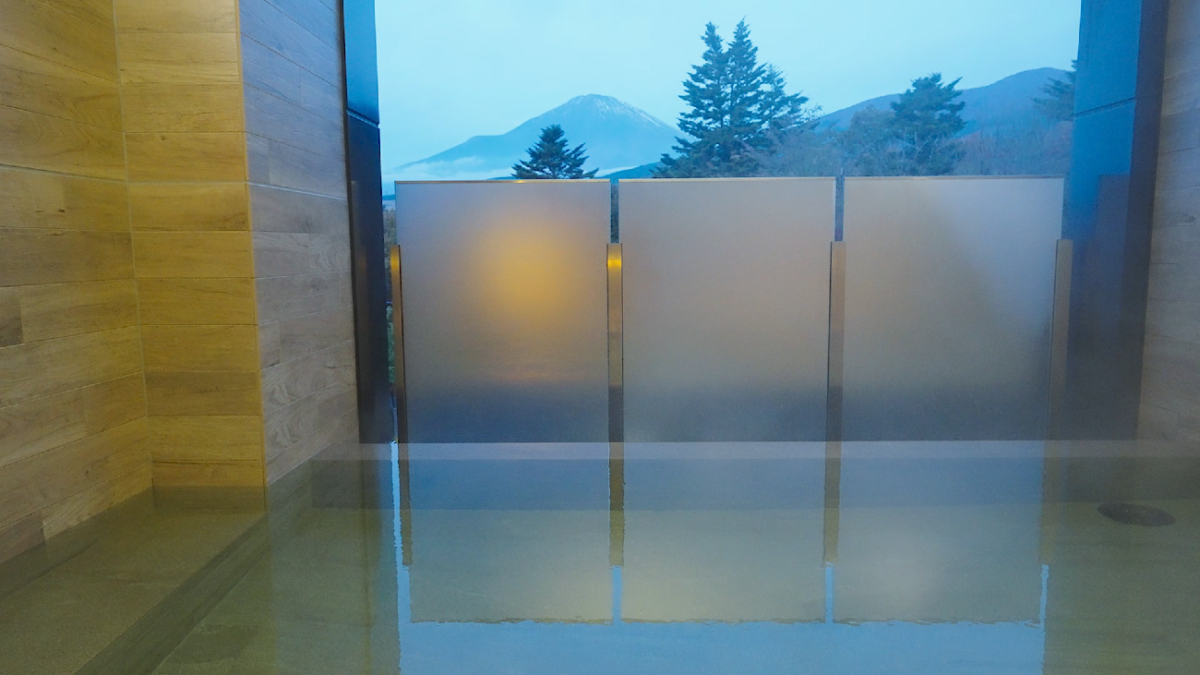
open-air bath at Arairyokan

ONSEN, BEAUTIFUL RYOKAN, JAPANESE HOSPITALITY AND TRANQUILITY

SHUZENJI – LITTLE KYOTO

Shuzenji is often referred to as ‘Little Kyoto’ due to the fact that it has the feeling of Old Town Kyoto with cobbled streets, centuries old ryokan and temples that date back more than 1200 years – it even has a bamboo grove.

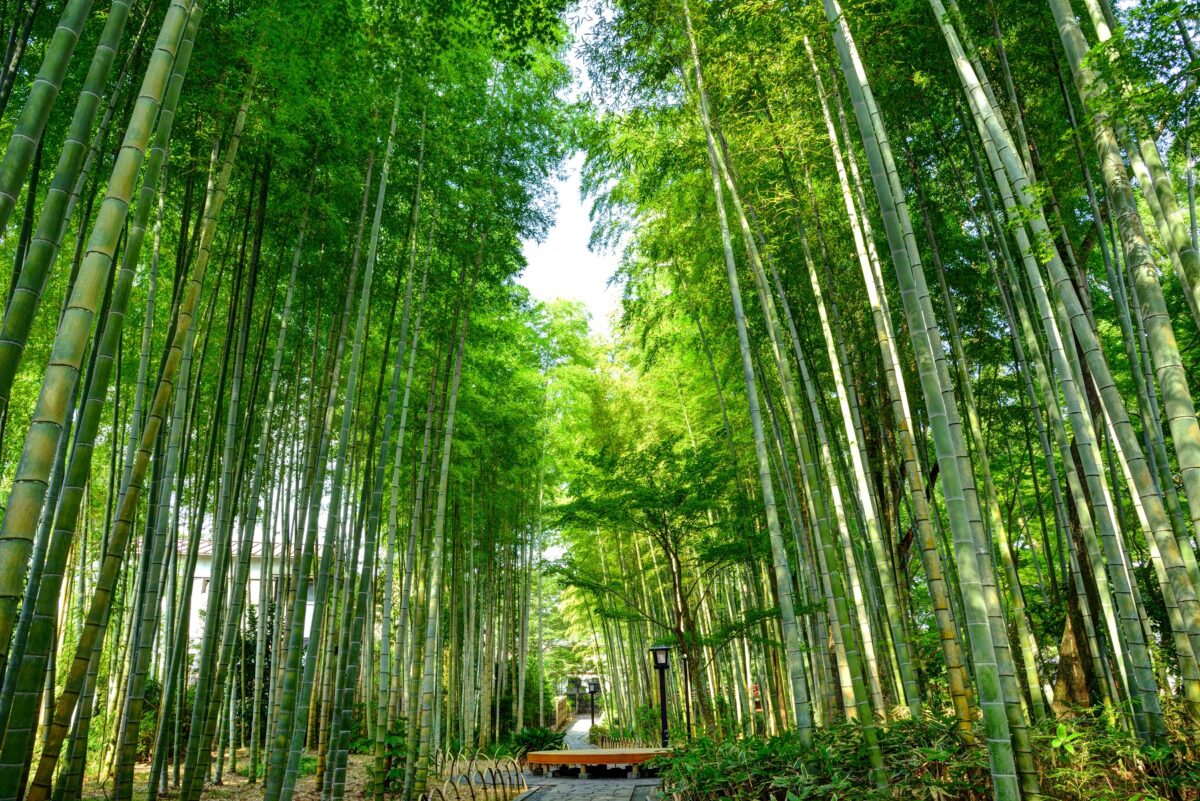
Bamboo Grove Path
Bamboo Grove Path – bamboo trees line both sides of the path

Shuzenji is much smaller and compact when compared with Kyoto, which makes it perfect for a slow quiet getaway.

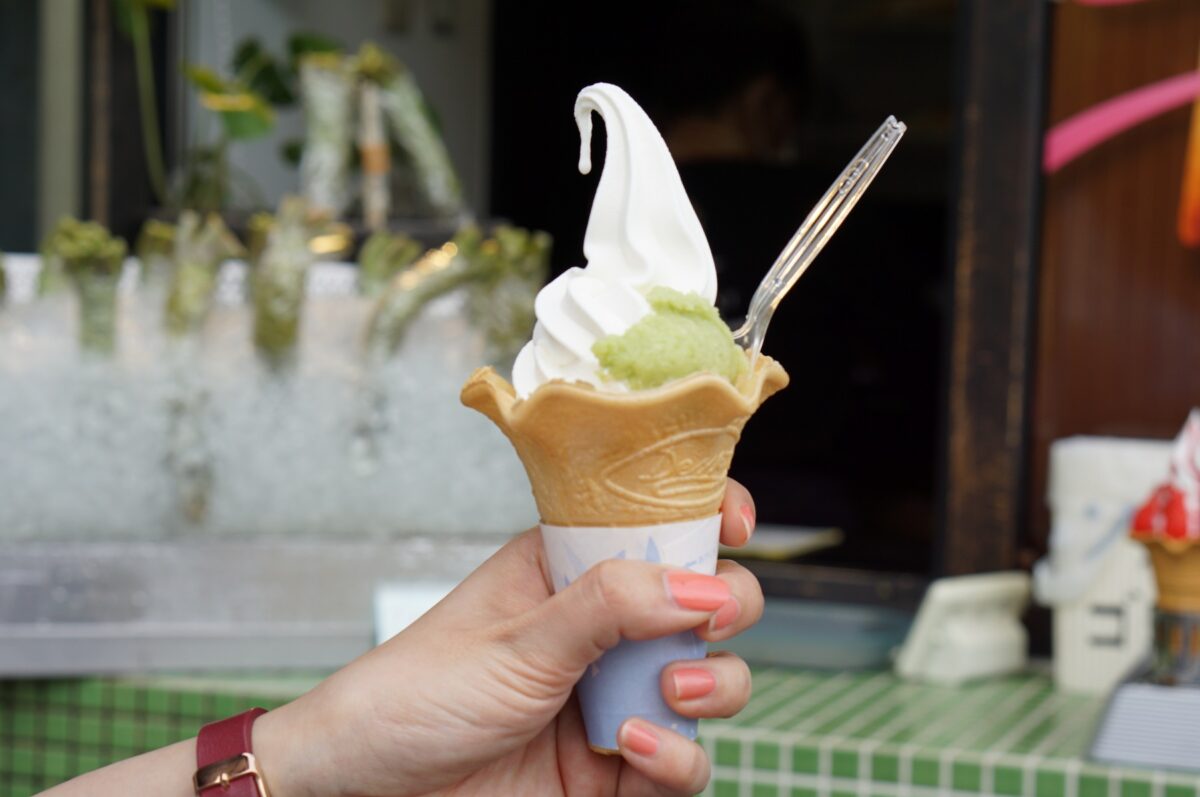
Spend a day wandering through the charming town area and bamboo grove, enjoy foot baths, wasabi soft ice cream.

wasabi soft ice cream

A PLACE OF REFUGE

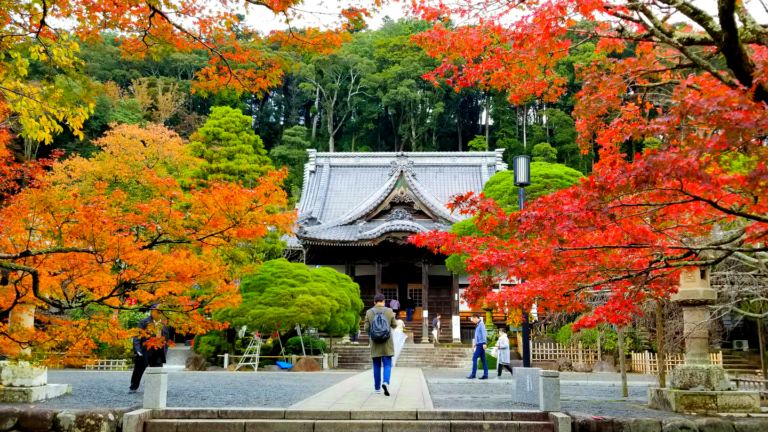
Although it does not share Kyoto’s historical relevance Shuzenji does have a unique and interesting history of its own.

The first prominent visitor to Shuzenji is Kobo Daishi – one of Japan’s most influential Zen Buddhist monks who founded the temples at Mount Koya in Wakayama.

Kobo Daishi is said to have visited in the 9th century and is said to have created the hot springs and established Shuzenji Temple.

In the early 13th century Kamakura period Minamoto Yoriie, who spent a very short time as Shogun of Japan, was exiled to Shuzenji.

JAPANESE ‘OMOTENASHI’

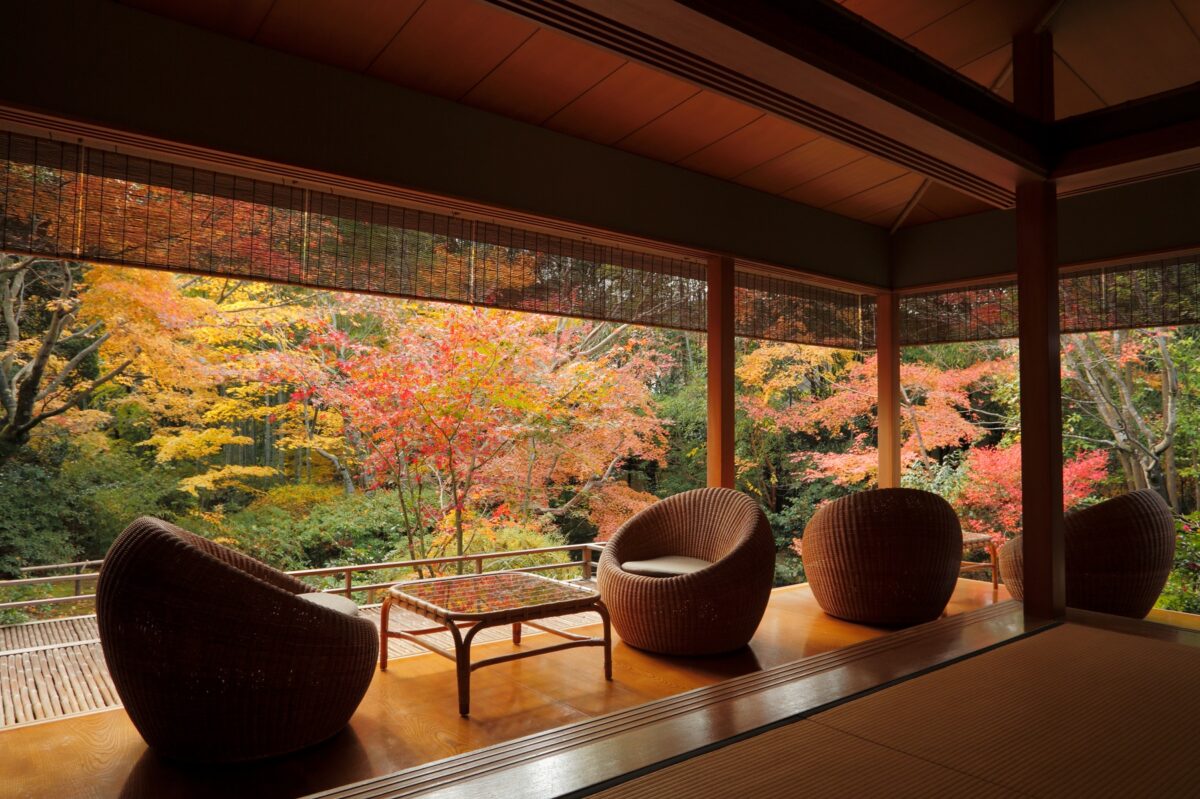
Yagyu-no-Sho
Yagyu-no-Sho – one of the traditional Japanese inns in Shuzenji

The word of Omotenashi is a term used to describe Japanese hospitality and the practice of ensuring that once visitors arrive at traditional Japanese inns they are so well looked after that they need not worry about anything except total relaxation.

The tradition of Omotenashi has been refined over centuries in Shuzenji and there is arguably no better place to experience the true meaning of the word than here.

There is a variety of accommodation here, from some of Japan’s most luxury and traditional ryokan to the cozy minshuku and new hostels.

The Shuzenji Omotenashi Ryokan experience and will make you feel like you are a million miles away from all your worries and stress.

LINKS AND INFORMATION

Check the Sample Itinerary

5 Famous Onsen Regions in Shizuoka, Japan

Shuzenji Onsen Website

Baird Brewery Gardens Shuzenji

Shizuoka City – A city loved by Japan’s most famous Samurai

0

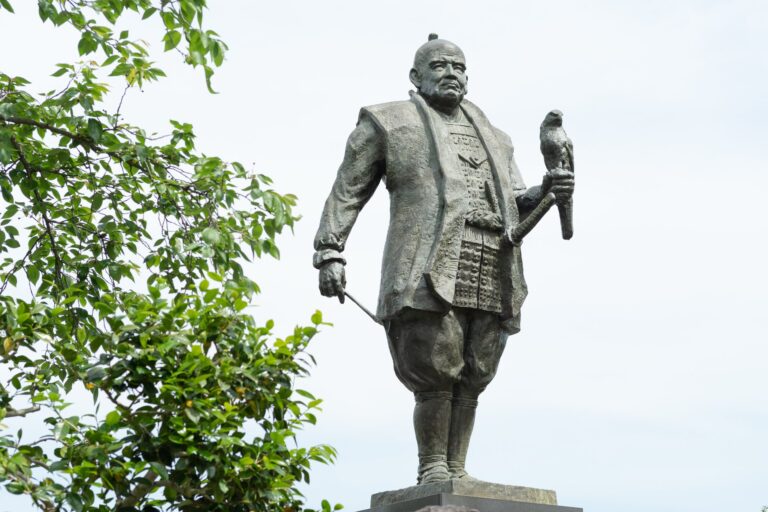
Japan’s most famous Samurai, Tokugawa Ieyasu, chose Shizuoka City to live out his twilight years – it is easy to see why.

SHIZUOKA – A CITY WITH A STORIED HISTORY

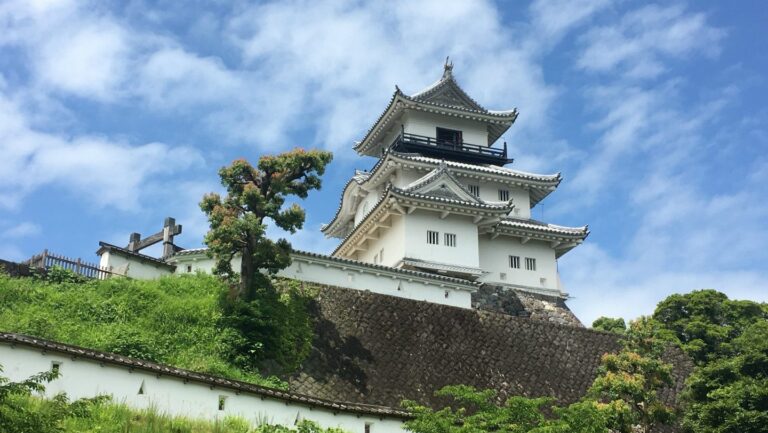
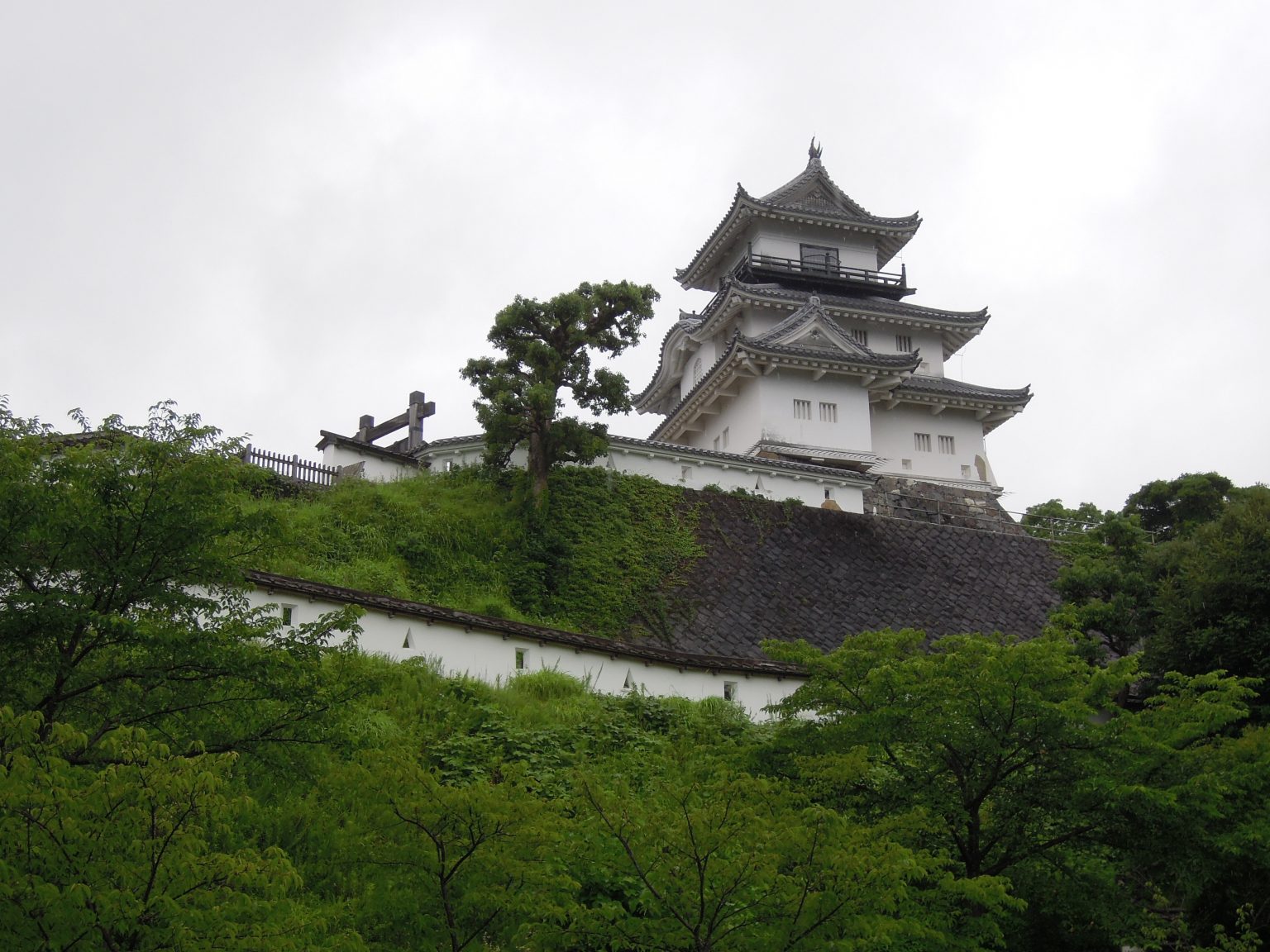
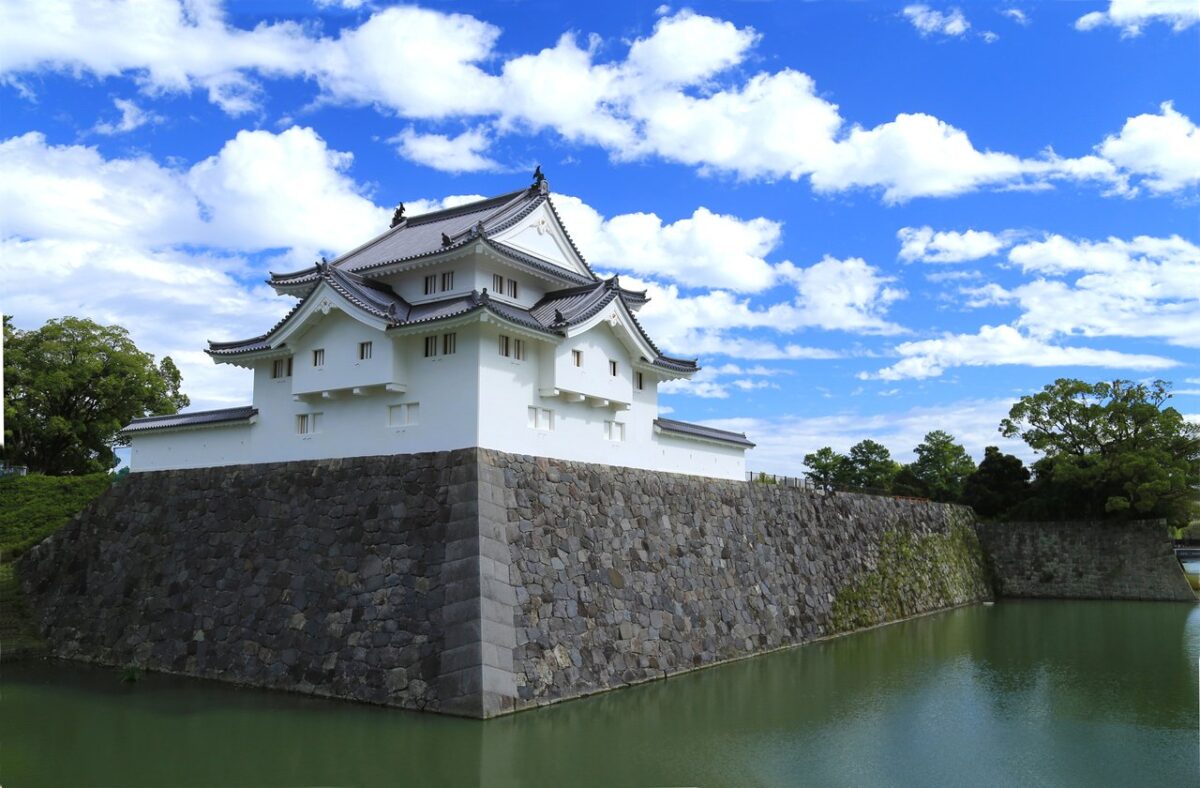
Sumpu Castle Park
Sumpu Castle Park is 15 minutes away on foot from JR Shizuoka Station.

In the middle of 16th, a young samurai by the name of Tokugawa Ieyasu was held as a captive in what was then called the Sumpu domain from the ages of 8 to 19.

In later years, Tokugawa went on to build Edo (modern day Tokyo) rise to the rank of Shogun and establish the Tokugawa Shogunate that went on to rule over Japan for more than 260 years.

Shortly after establishing the Tokugawa rule, Ieyasu passed the day to day operation to his son and “retired” from public life taking up residence at Sumpu Castle Park in Shizuoka continuing to pull the strings from the background.

REMAINS OF THE PAST

In the early 17th century, the new capital of Japan was established out of the swamp land that is now Tokyo.

Tokugawa Ieyasu had retired, however many of the most important decisions were made from Sumpu Castle in Shizuoka City.

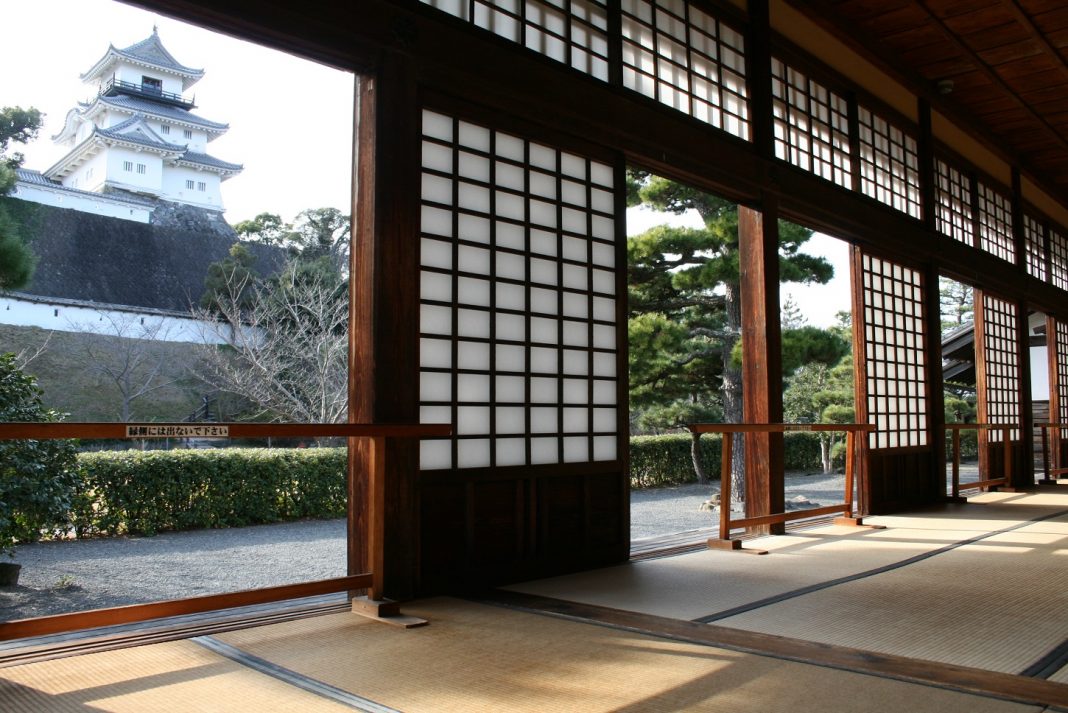
Although much of the original castle and many of the original buildings have been destroyed by various wars, fires and earthquakes over the years , there are some reconstructions and remains of the original castle that give you a good sense of what life was like more than 400 years ago when the Tokugawa ruled Japan.

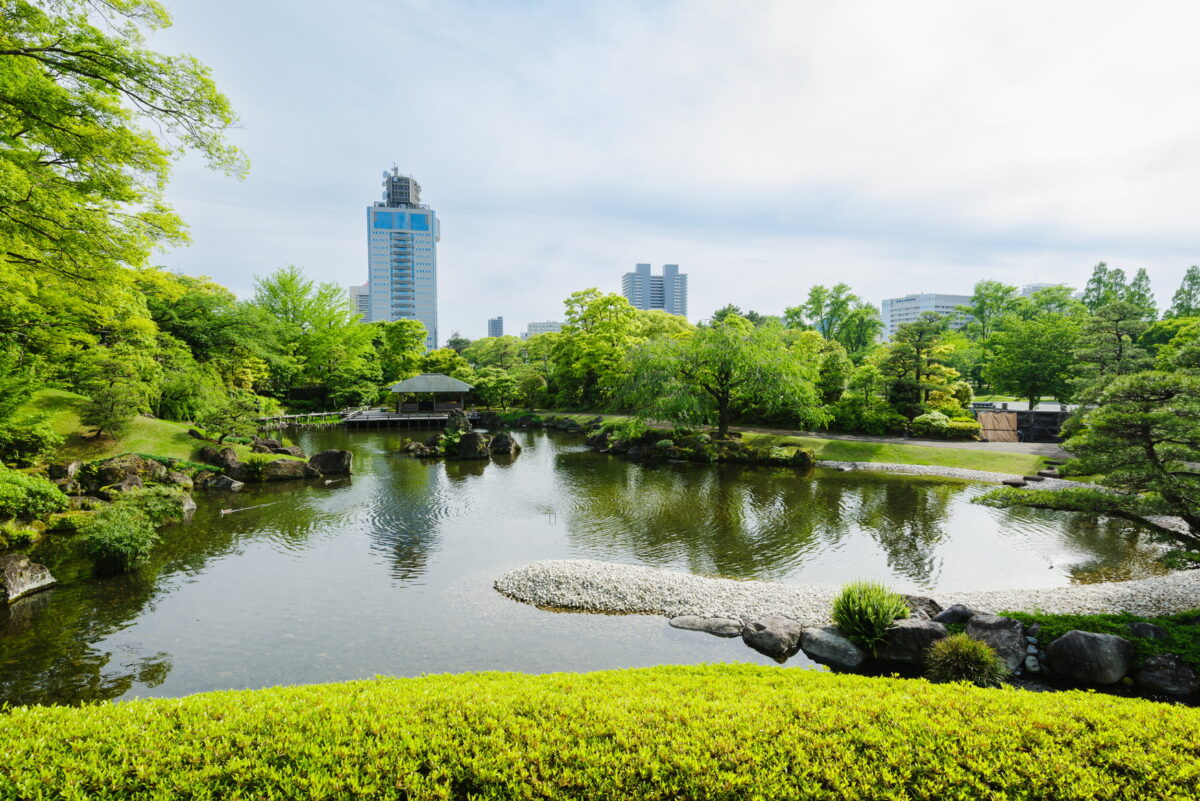
Momijiyama Garden
Momijiyama Garden in Sumpu Castle Park boasts beauty in every season.

Another great remnant of the past, easily accessible from Shizuoka Station, and worth a visit is Fugetsuro.

Sumpu Castle represents the beginning of the Tokugawa Shogunate and the early life of Tokugawa Ieyasu in the late 16th Century.

Fugetsuro represents the end of this period in Japanese history (the late 19th century) when the Tokugawa Shogunate returned power to the Emperor of Japan and the Meiji Period started.
Following this transition Tokugawa Yoshinobu, the last of the Tokugawa rulers, retired to Shizuoka.

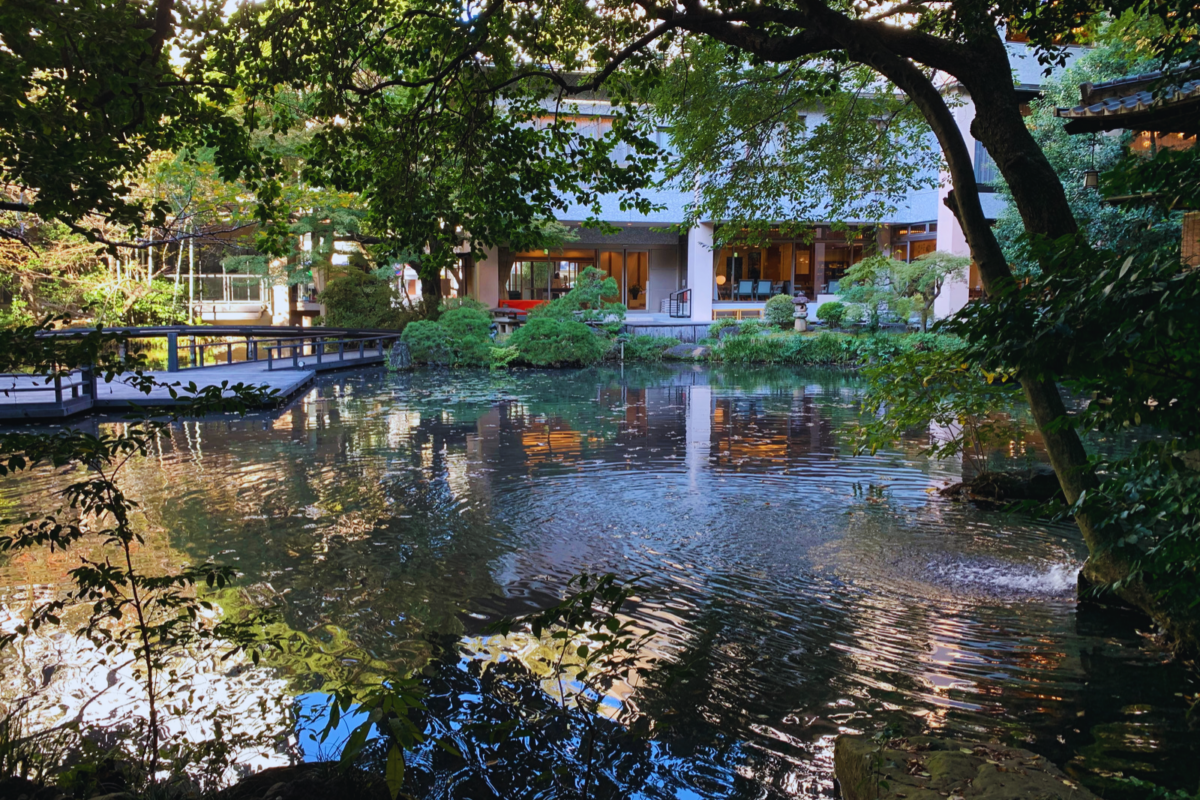
Fugetsuro
Fugetsuro – the last Shogun Tokugawa Yoshinobu spent his last years in Shizuoka City.

He built Fugetsuro as his residence and from there lived out the rest of his life peacefully enjoying pursuits such as hunting, sailing and riding his penny farthing bicycle.

Learn More Here

CAFES AND CRAFT BEER

In recent years many great cafes and craft beer bars have opened in Shizuoka City and the city has a very cosmopolitan feel.

If you are looking for a caffeine fix, it is now possible to pick up an espresso or soy latte at small hole in the wall cafes around the city that give you an alternative to Starbucks.

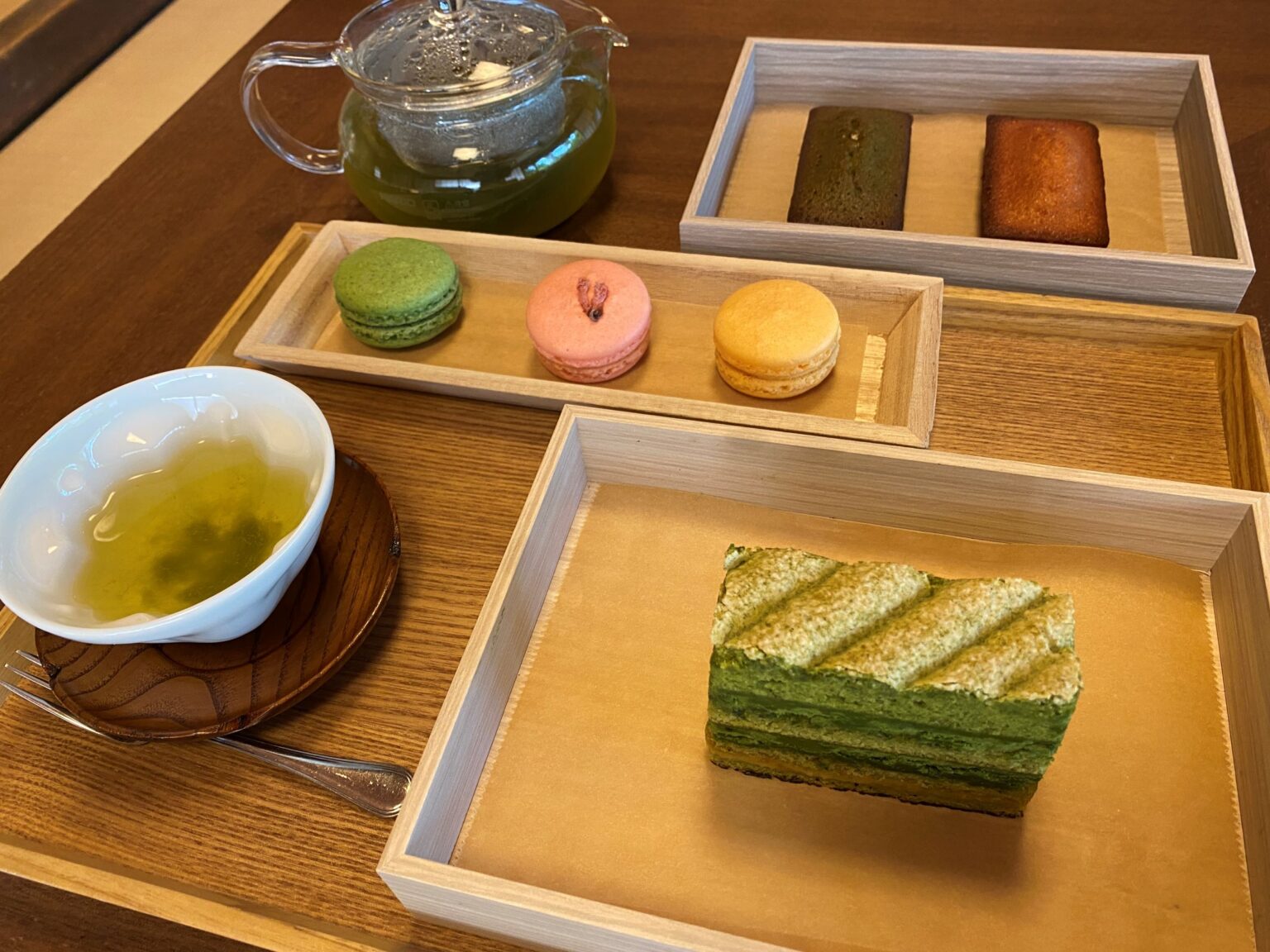
If you are looking for something a little different, try some of the green tea cafes that have popped up in the city where you are able to get a Matcha latte, green tea espresso, some green tea ice cream or shaved ice.

At night there are a number of great craft beer bars in and around Shizuoka Station that a range of beer brewed locally. There is a Craft Beer Map that helps you navigate to craft beer bars in the area.

SHIZUOKA STREET FOOD

Shizuoka is also famous for its street food and a local favorite spot to hang out is the Oden Alleys.

Oden is a type of hotpot that is popular in Japan, especially in the winter.

Oden in Shizuoka is known for its unique taste – simmering the different ingredients in a broth of beef tendons and bringing out more concentrated flavors. It is often servered with fish powder on top as well.

The Oden restaurants in Shizuoka are often hole in the wall places that only seat a few patrons. This creates a special atmosphere where after a few sakes everyone becomes your best friend and all language barriers disappear.

MORE INFO

Activities and experiences in and around Shizuoka City

Visit Suruga – Official Website

Things to Do in Shizuoka, Japan -Explore Wonderful Nature of the Izu Peninsula’s West Coast with a Knowledgeable Local Guide

Izu & West Izu 101

-Geography & History

Seen on the UNESCO Global Geopark list, the Izu Peninsula is one of the world’s treasures. It has unique geographical features, and the residents embrace the conservation of biodiversity, local history, and culture.

The geographical history of the Izu Peninsula started about 20 million years ago. It was a group of submarine volcanoes until about 600 thousand years ago when the movement of the Philippine Sea Plate caused those volcanoes to collide with Japan’s Honshu mainland. Thanks to these ancient volcanic activities, we are able to see many unique geographic features on display in the Izu Peninsula. We can appreciate beautiful scenery, relax in onsen (hot springs), taste delicacies, and enjoy outdoor activities. Isn’t it exciting to experience how nature blesses us with magnificent things?

West Izu is especially famous for its dynamic coastline that enables you to enjoy scenic walking, sunset viewing, relaxing by the ocean, tasting local delicacies, and soaking in an onsen. If you are curious about local culture and history, it will also be interesting to explore 17th century buildings made with Namako walls as well as Ishibu rice terraces.

You can really see and experience the gifts of the volcanoes here in West Izu.

To get a brief summary of West Izu, please click here.

-Access To Western Izu

West Izu is a true hidden gem among hidden gems in terms of its natural wonders and access! If you can drive, it is convenient to rent a car at Shuzenji or Mishima. If you prefer to use local transportation, there are two main ways to reach West Izu.

By train and bus:

If you use the JR Tokaido Shinkansen bullet train, get off at JR Mishima Station (south exit), then catch the Tokai Bus Nishiizu Limited Express bus which runs twice a day. As of December, 2022, the first and second buses depart from the No. 4 bus stop at Mishima Station at 10:15 and 13:15 respectively. From there, it will take less than two hours to reach the Dogashima bus stop. No reservation required!

There are also 2-day or 3-day Tokai Bus tickets available for purchase at Mishima Station. To explore more of West Izu, check here.

By ferry and bus:

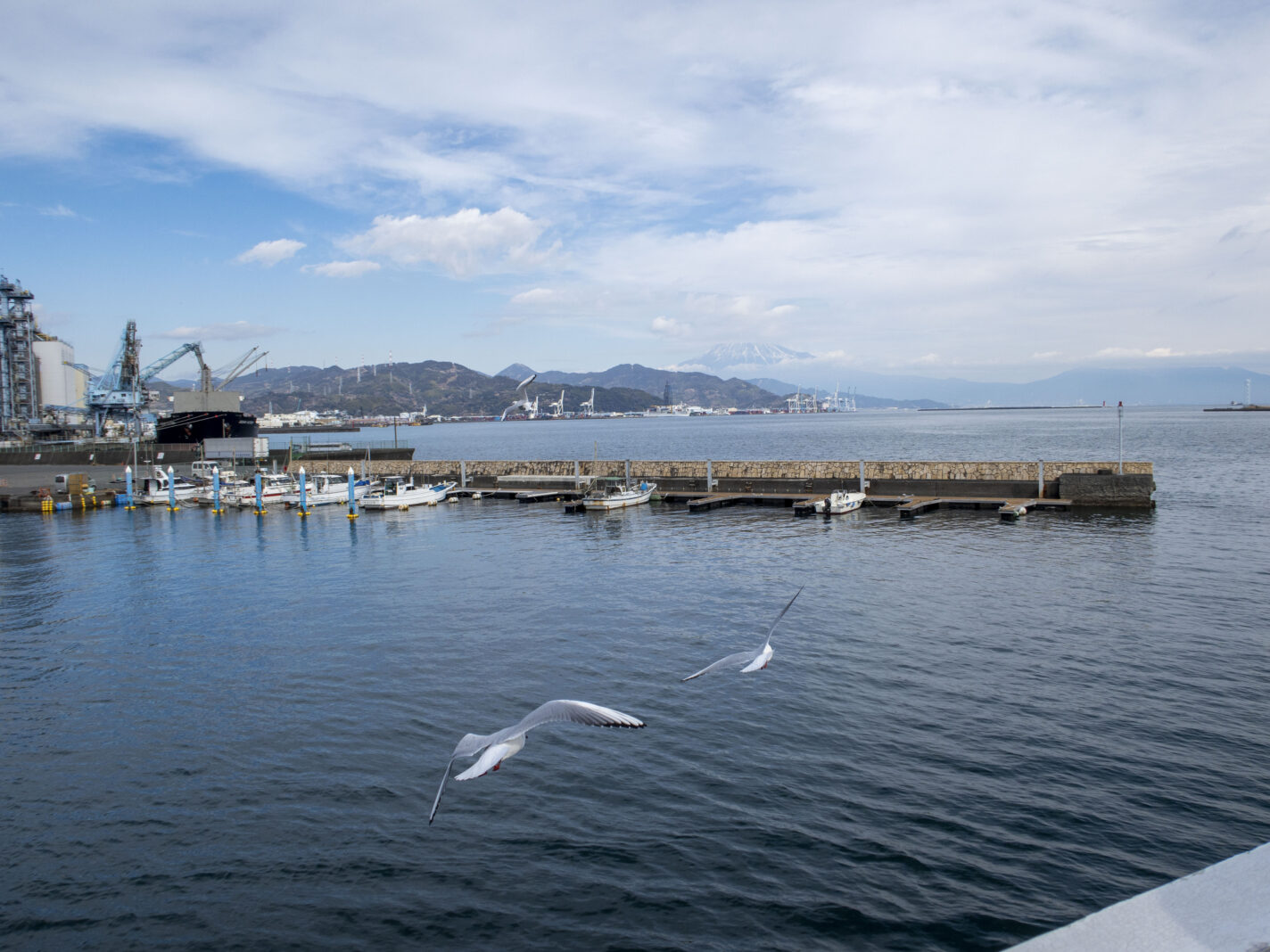
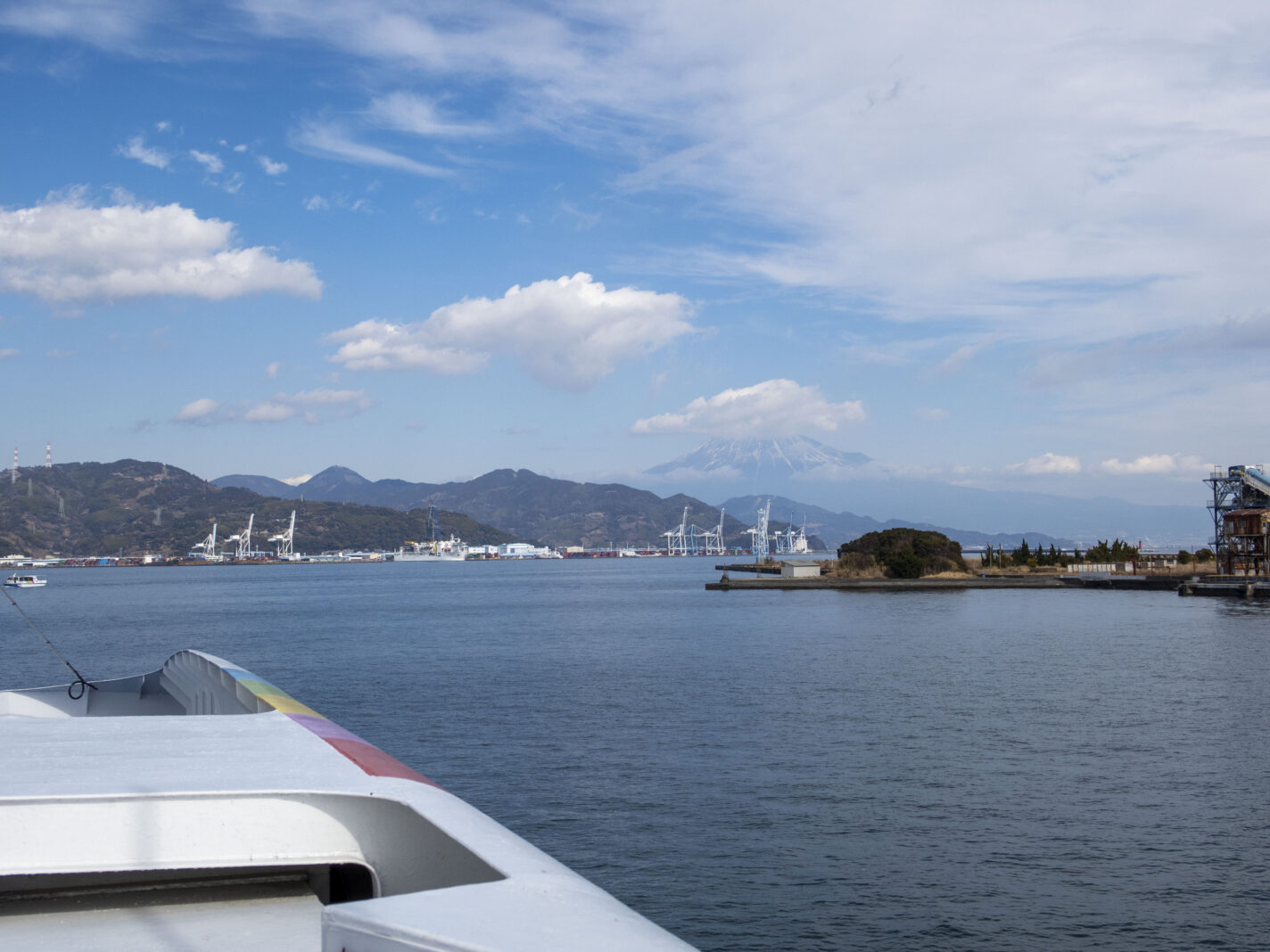
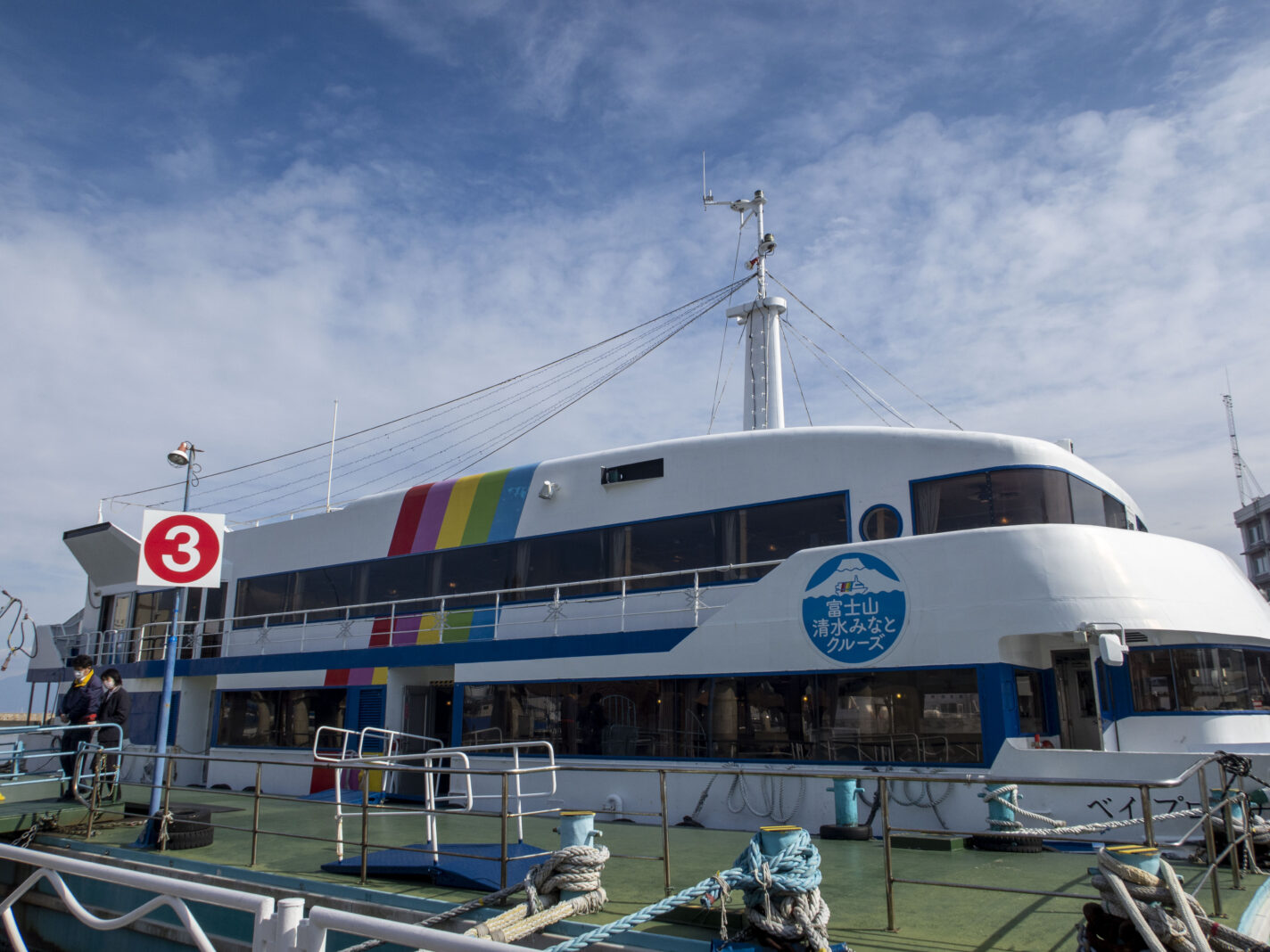
Taking a ferry across Suruga Bay to the Izu Peninsula makes your travel experience more unique, as you might be able to see Mt. Fuji towering over the bay. The ferry runs four times a day.

To take the ferry, you should get off the JR Tokaido Shinkansen at Shizuoka Station and transfer to the local JR train to Shimizu Station. Once you reach Shimizu Station, head to the Minato Exit (East exit), then hop on a free shuttle to Shimizu Port. While on the 70-minute ferry journey, just relax and enjoy the sea breeze and beautiful scenery. Please remember that the ferry operation is weather dependent.

When you arrive at Toi Port (Toi-ko) of the Izu Peninsula, you are almost there. Get on a Tokai Bus from Toi-ko and ride for about 30 minutes to Dogashima. It’s a good idea to check the bus times beforehand just to be sure!

Activity Highlights – Soak in Nature!

This tour is a great fit for those who want to explore off the beaten path of Japan and have a uniquely tailored travel experience.

It starts and ends at the Nishiizu Town Tourism Association Office which is near the Dogashima bus stop. It’s approximately a 3.4 km (2.1mile) tour which includes bus and hiking. It’ll take about three hours.

On this tour, you’ll discover beautiful natural blessings from the volcanoes as well as local history, plants, and wildlife with your experienced local guide.

To begin, you will see Tago Fishing Port, which once prospered with bonito fishing. In the Tago Bay, you will find the unique landscape of reefs that were created as a result of volcanic eruptions. You will hike on the Tomyogasaki Promenade, where you’ll see the remains of the lighthouse from the 17th century and various rock formations such as sea caves, strata (rock layers), and underwater sediment flows one after another. They are truly natural works of art. Weather permitting, you can also see the Southern Alps and Mt. Fuji in the distance.

In the past, marine transportation in this area was extremely difficult and dangerous at night due to the many scattered reefs and complicated coastline. Therefore, the lighthouse was built to ensure safety. Local people stayed there at night and kept burning fish oil to warn the shipping vessels passing by.

At the end point on the Ukishima coast, a spectacular view and a group of dikes will welcome you. A dike is a unique rock formation that was once magma which seeped into other rock layers. You can observe the dikes alongside a tunnel, which was the former path of magma from the submarine volcano. Each of the strangely shaped rocks towering over the coast was once a route of the magma.

This activity level is moderate. We recommend the tour for anyone who is able to comfortably climb stairs and is content to walk on unpaved and rocky roads.

Tips – Maximize Your Experience!

West Izu boasts beautiful sunsets and we were really touched to see the one pictured here. If you have enough time, we recommend that you stay overnight in this area!

How To Book

The tour needs to be booked one week in advance. If you would like to make a booking or learn more about the tour, please click here.

This tour is operated by the Izu Peninsula Geoguide Association. If you are interested in exploring other regions of the Izu Peninsula with a guide, please check this page.

Tracing the journey of water from Mt. Fuji

0

1 The secret of producing the finest wasabi

  Le secret de la naissance du meilleur wasabi

MT. FUJI, SHIZUOKA– Tracing the journey of water from the eastern foot of Mt. Fuji
LE MONT FUJI, SHIZUOKA–Le secret du meilleur wasabi, un voyage au fil de l’eau à l’est du mont Fuji

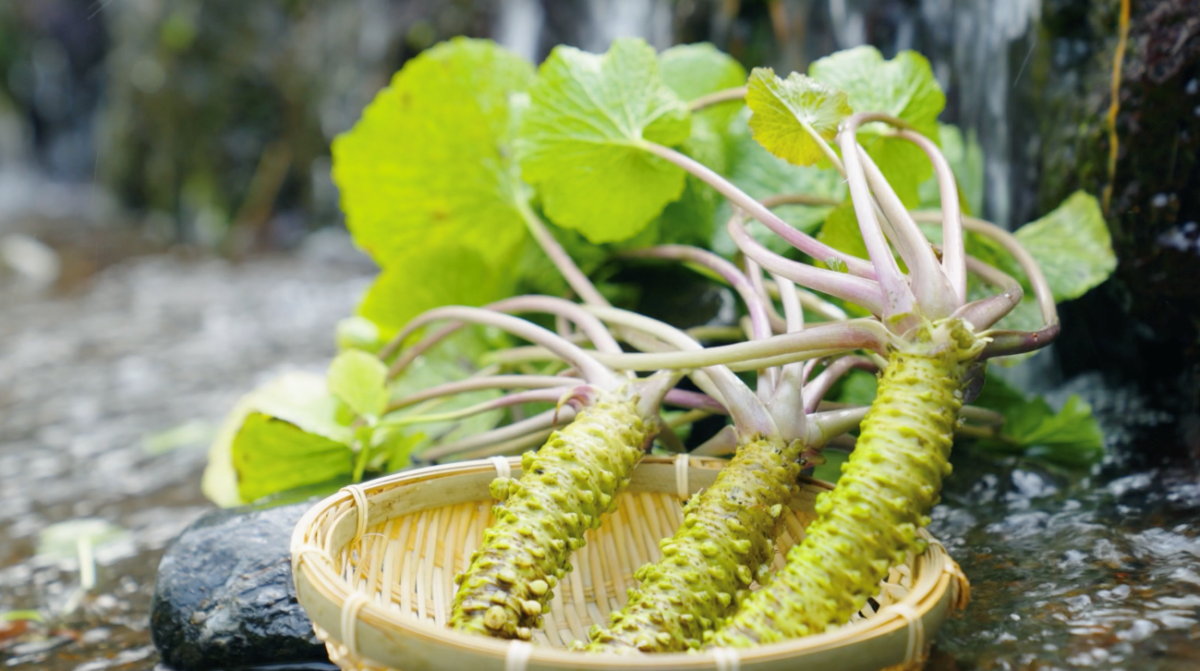
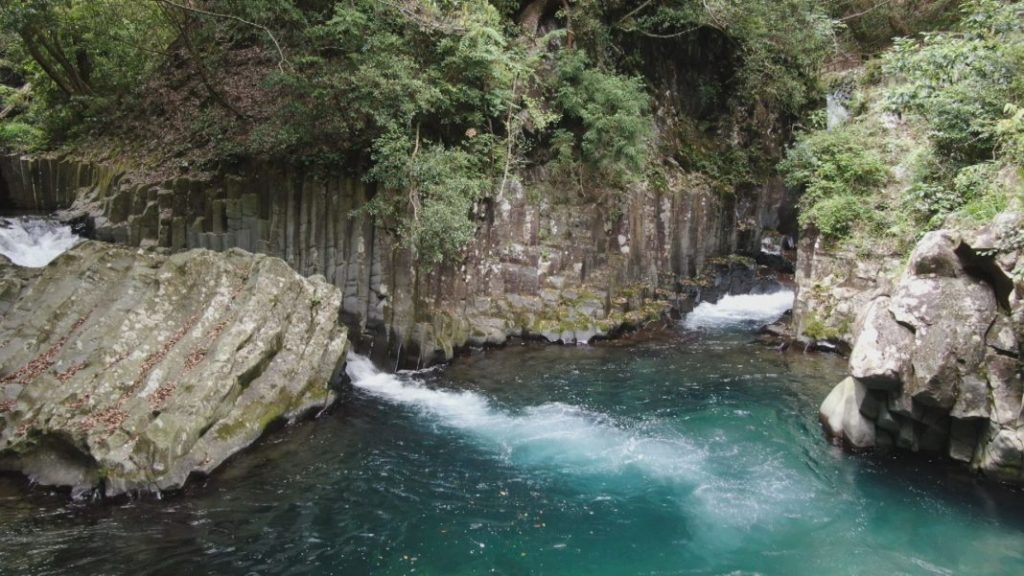
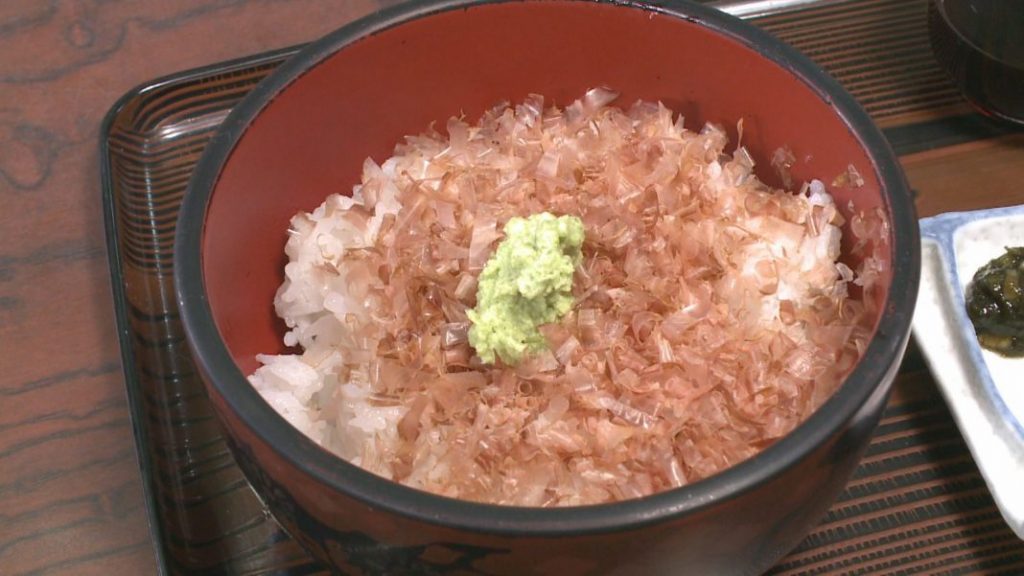
Wasabi is synonymous with Japanese cuisine. Gotemba Wasabi, a highly prized wasabi produced exclusively on the eastern foothills of Mt. Fuji, is revered as the finest. The secret to the quality of this wasabi lies within the spring water from Mt Fuji. This story traces the journey of that water.

Le mont Fuji,symbole du Japon.A son pied,élevé dans la partie est,se trouve un aliment d’une valeur inestimable.C’est le wasabi de Gotemba,wasabi de la plus haute qualité,épice indispensable à la cuisine japonaise.Mais comment expliquer l’existence d’un tel wasabi  dans cette région ? Le secret réside en fait dans l’eau du mont Fuji.Nous allons donc suivre cette eau « miraculeuse » au cours de ce voyage.

2 Mt. Fuji water is the key element for producing fine wasabi

  Un wasabi élevé uniquement par l’eau du mont Fuji

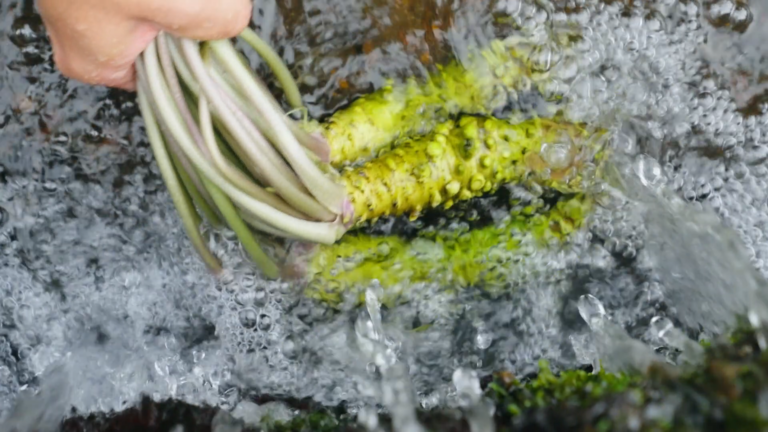
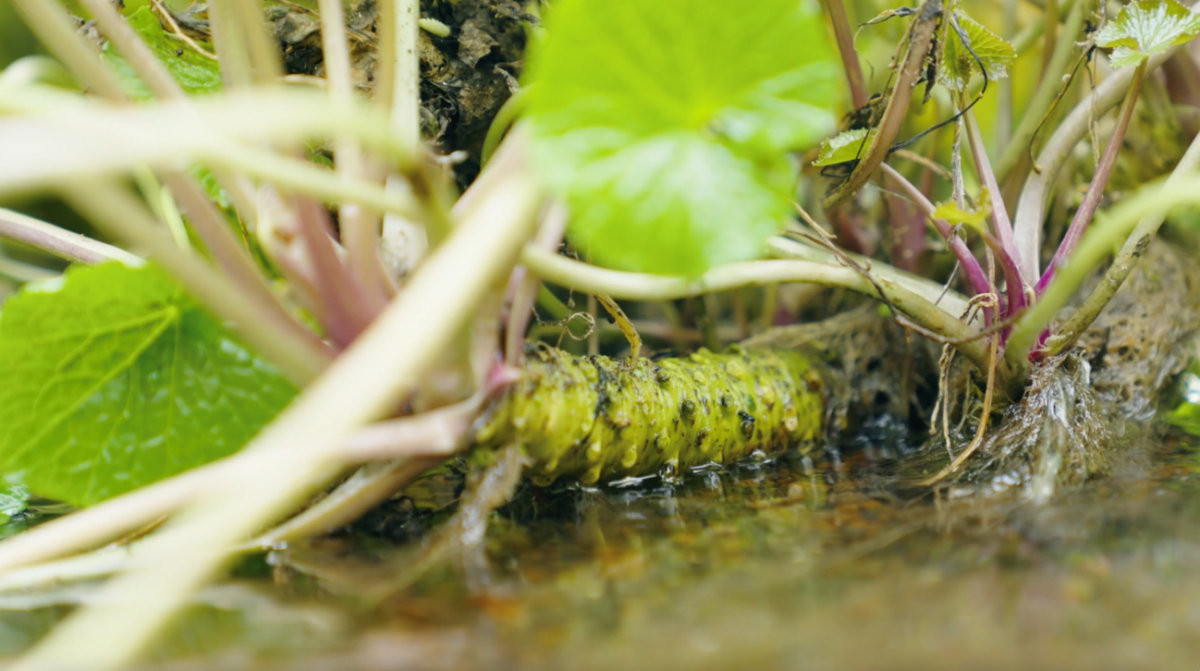
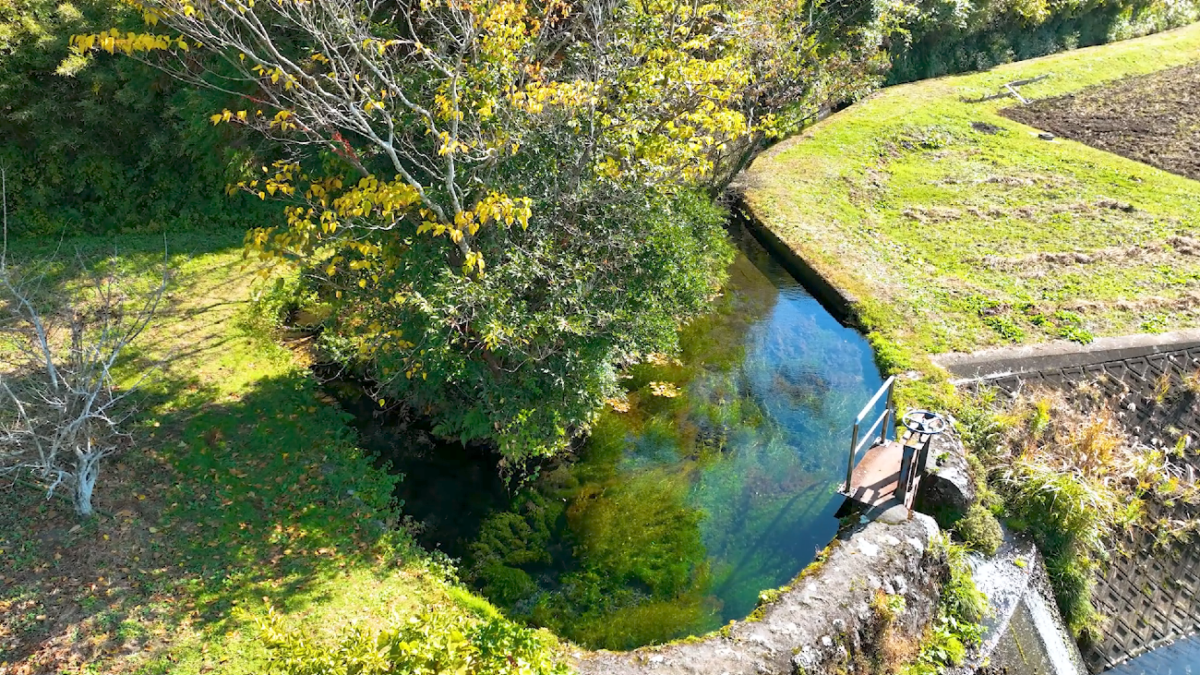
Gotemba wasabi is a variety of wasabi known as mazuma. It is highly sought after by top sushi chefs and is hard to come by, even locally.
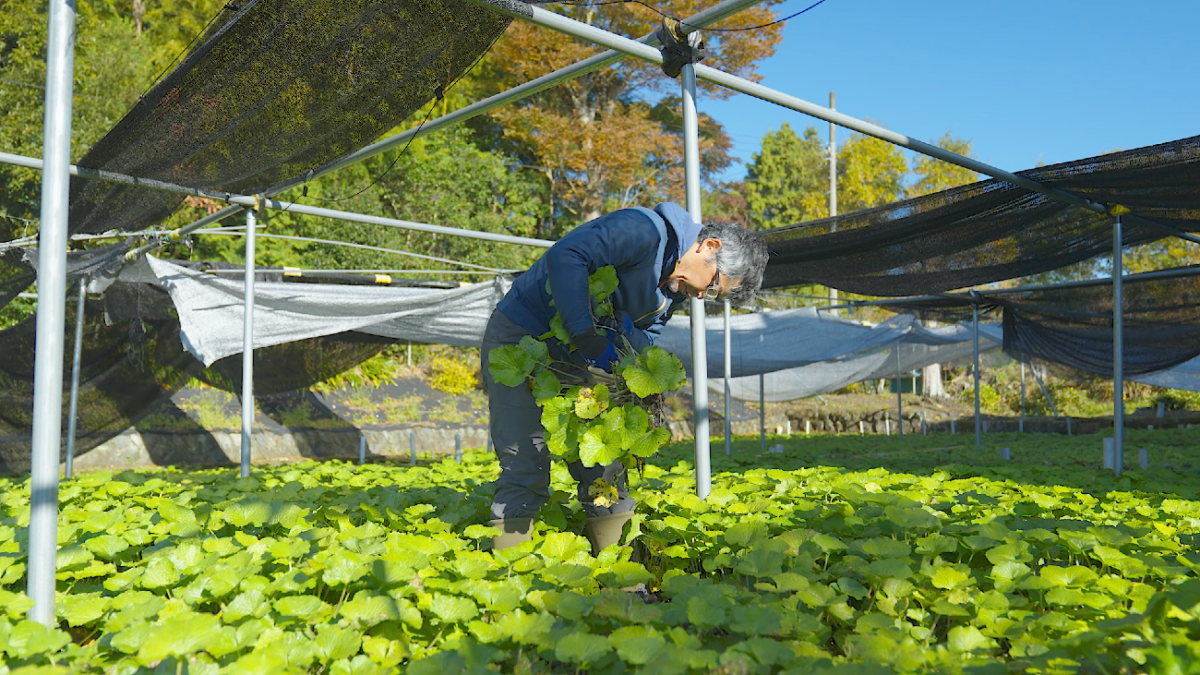
Third-generation wasabi farmer Mr Takamichi Katsumata carefully tends to his wasabi fields that draw water from an abundant spring at the eastern foot of Mt Fuji.

Le wasabi de Gotemba est un wasabi d’une espèce appelée mazuna.Apprécié des meilleurs cuisiniers et chefs spécialistes en sushi,il est difficile de se le procurer même dans sa localité d’origine.
Située dans la zone est du pied du mont Fuji,la plantation de Takamichi Katsumata,troisième génération d’une famille de cultivateur de wasabi,est irriguée avec l’eau de source présente en abondance.

Mr. Katsumata:
I do not use any fertiliser. Wasabi grows by absorbing nutrients from the constantly flowing water from Mt. Fuji.

 Je ne mets aucun engrais.Je l’élève uniquement avec l’eau qui vient du mont Fuji. Le wasabi en absorbe les nutriments.

He takes great care to manage the water flow over the wasabi fields, ensuring an even distribution to each plant and clearing the fallen leaves and other debris.

M.Katsumata prend soin de gérer l’eau afin que celle-ci s’écoule uniformément,sans être génée par les feuilles mortes ou autres herbes.

3 To the source of this miraculous water – Mt. Fuji

  Direction le mont Fuji,à la recherche de l’eau ≪miraculeuse≫

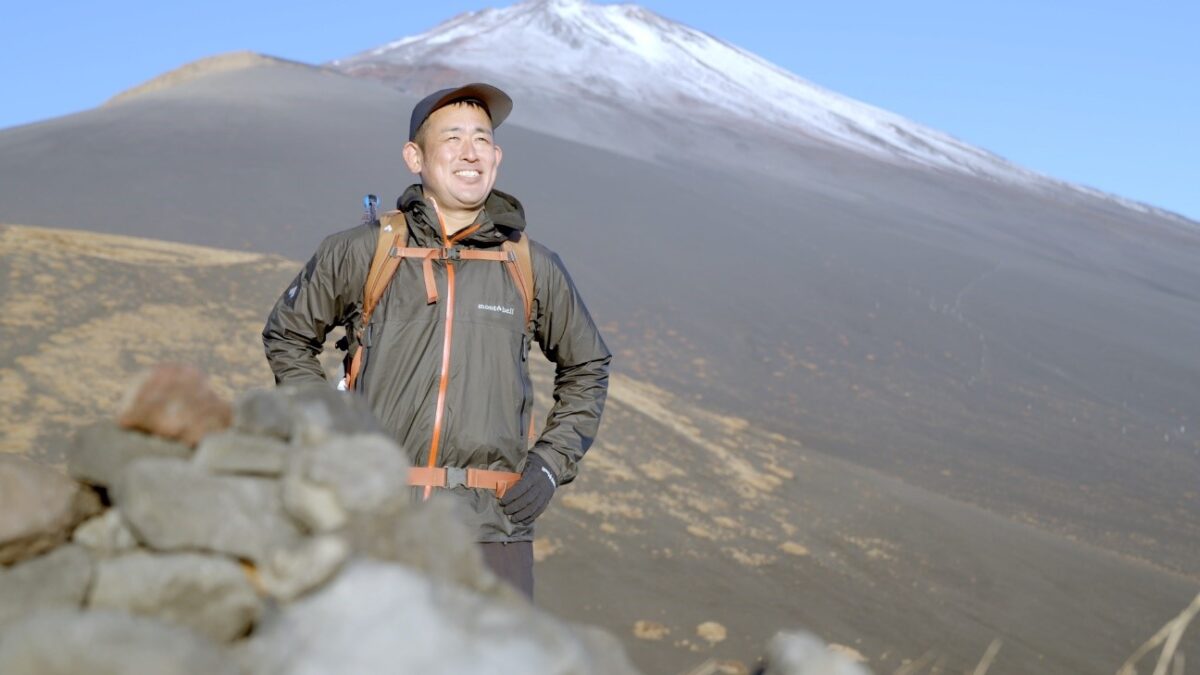
To find the water that nurtures Gotemba wasabi, we take a guided hike on Mt Fuji with an experienced mountain guide, Mr Masaki Iwami.  

D’où vient donc cette eau nourricière du wasabi de Gotemba ?
Pour le savoir partons faire un trek privé au mont Fuji en compagnie d’un guide alpiniste très expérimenté !

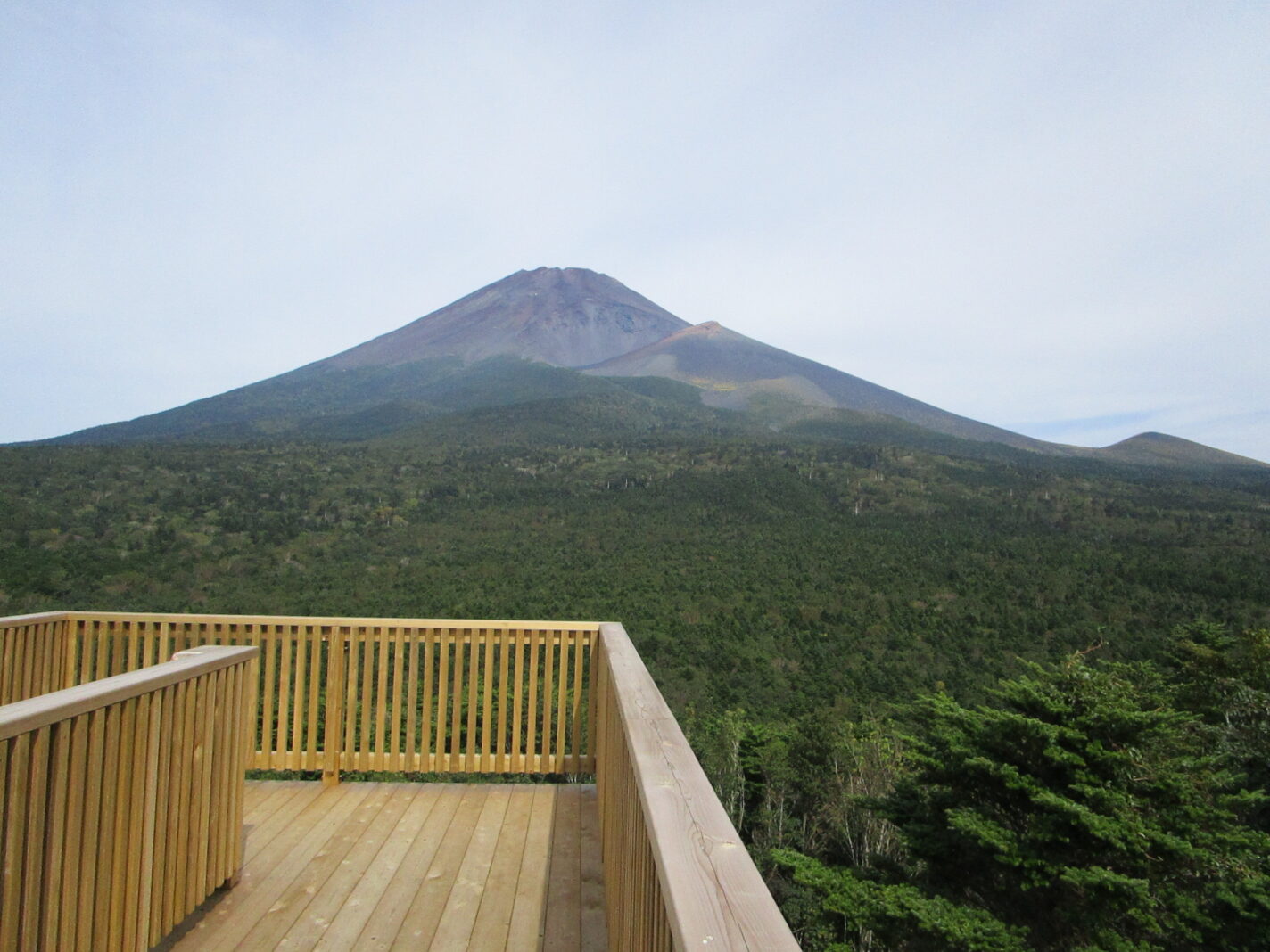
Mt. Fuji is Japan’s tallest peak at 3776m.  Masaki leads us to Futatsuzuka on the eastern slope at an altitude of around 1800m.

Le mont Fuji,3776m d’altitude.L’endroit où nous emmène le guide Masaki Iwami est situé aux alentours des 1800m et s’appelle Futatsuzuka.

After emerging from the lower forested slopes, the wide open and barren scoria rock slopes appear with a cap of snow on the summit. Even if you don’t have the time or stamina to climb to the top, this is an easy hike to get up close to the grand mountain.

Après avoir traversé la zone forestière et gravi une pente déserte recouverte de cendres et terres volcaniques,apparait le sommet enneigé du mont Fuji.C’est un itinéraire pour débutants qui permet,même aux personnes qui ne peuvent monter jusqu’au sommet, de ressentir pleinement la nature grandiose.

It is estimated Mt. Fuji receives around 2.5 billion tonnes of precipitation annually. Strangely, there is not a single river or stream in sight.  Where does all this water go?

Les précipitations annuelles en pluie et en neige sur le mont Fuji sont estimées à environ 2,5 milliards de tonnes.Or,chose étrange,pas une seule rivière dans cette immensité ! Où va donc toute cette eau ?

CONTACT : FUJI SUNRISE http://fujiyama-irori.com/en/

4 The reason why Gotemba Wasabi is so delicious

  La raison de la saveur délicieuse du wasabi de Gotemba

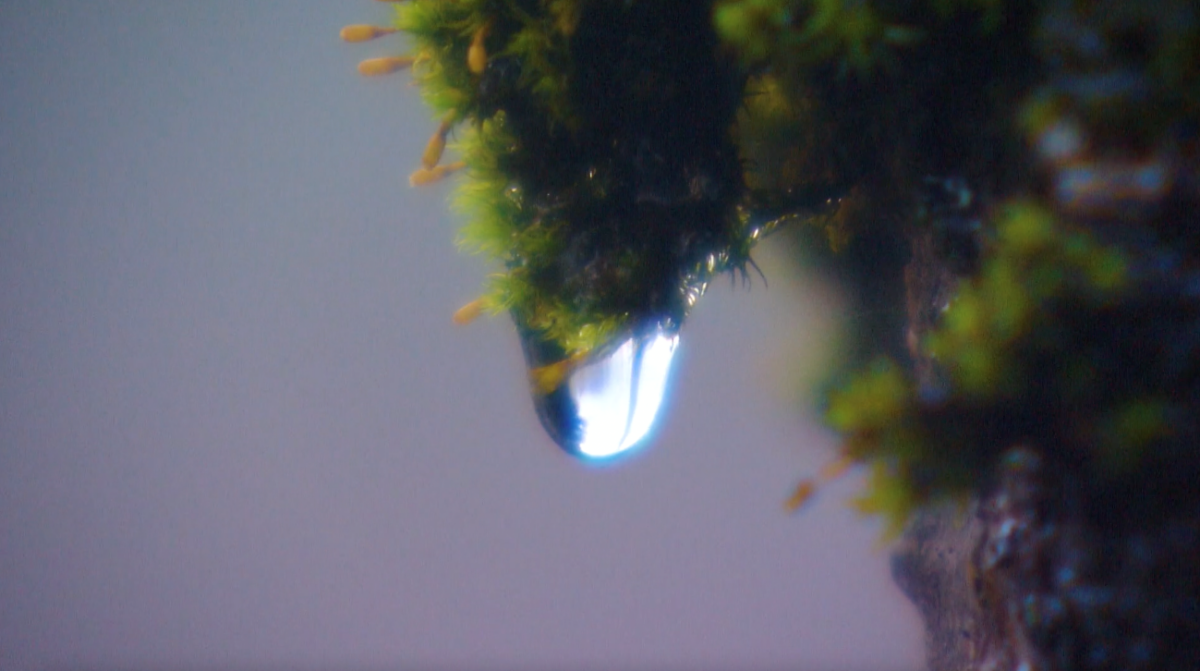
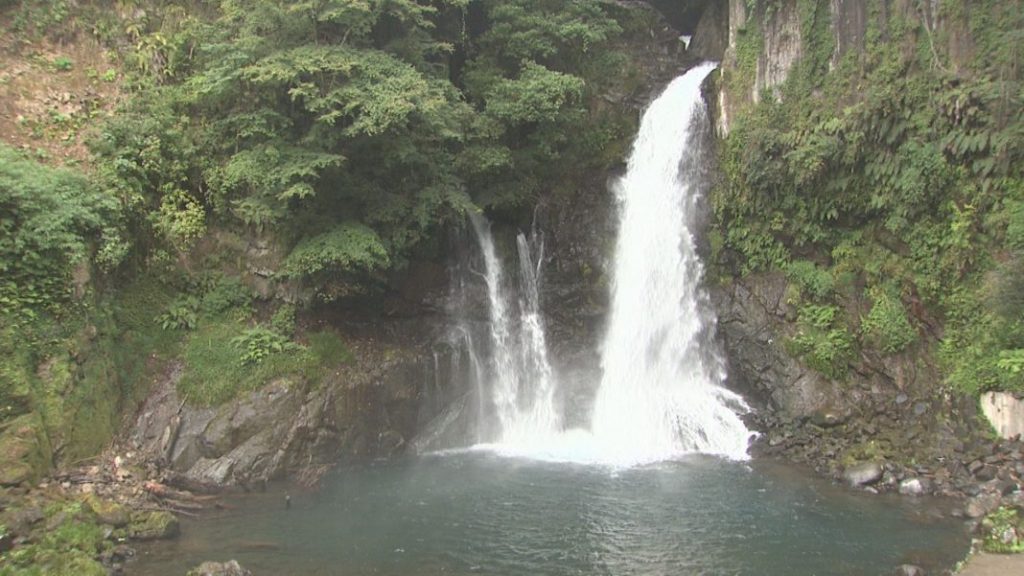
The slopes and foothills of Mt. Fuji are like a giant filtration system. As the rain and snowmelt get absorbed into the minerally rich volcanic soils, the water seeps deep underground, taking as long as ten years before it emerges as nourishing spring water to nurture the production of Gotemba wasabi.  

La réponse se trouve au pied de la montagne.L’eau tombée sur le terrain volcanique très perméable du mont Fuji s’infiltre dans le sous-sol pour ressurgir à son pied après parfois plus de dix ans.Pendant toute cette durée,l’eau souterraine s’enrichit de nombreux minéraux provenant du sol spécifique de la zone est pour devenir une eau exceptionnelle qui élèvera à son tour le wasabi de Gotemba.

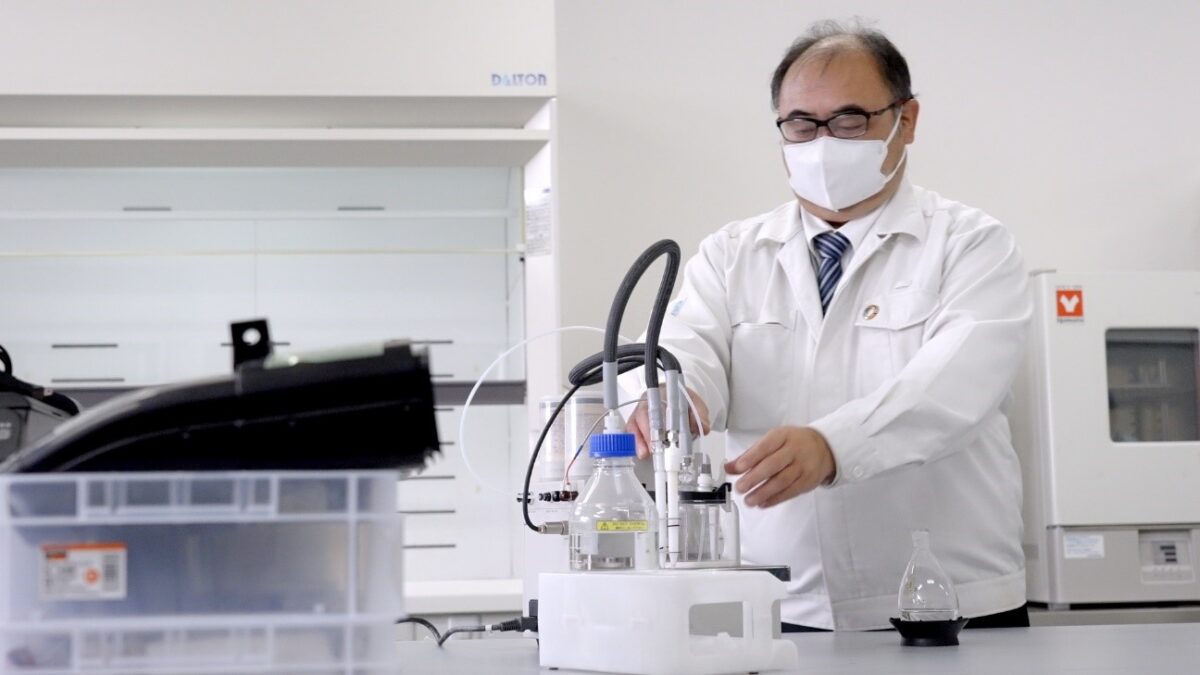
Gotemba City and Ricoh researched to discover the secret of Gotemba wasabi and found that allyl isothiocyanate, an organosulfur compound responsible for the pungent taste of mustard, radish, and wasabi is about three times higher than wasabi grown in other regions. Sulphate ions and magnesium abundant in the spring water are responsible for bringing out this pungent element, giving wasabi its ‘heat’.

Afin d’élucider le mystère de sa saveur,la ville de Gotemba et l’entreprise RICOH ont mené des recherches.On a ainsi constaté que le composant responsable du goût piquant (Isothiocyanate d’allyle) y était environ trois fois plus important que dans les wasabis des autres régions et ce,en raison de la richesse en ion sulfate et magnésium de l’eau.

5 A culinary masterpiece with Gotemba wasabi

  En garniture d’une assiette artistique

Maison KEI

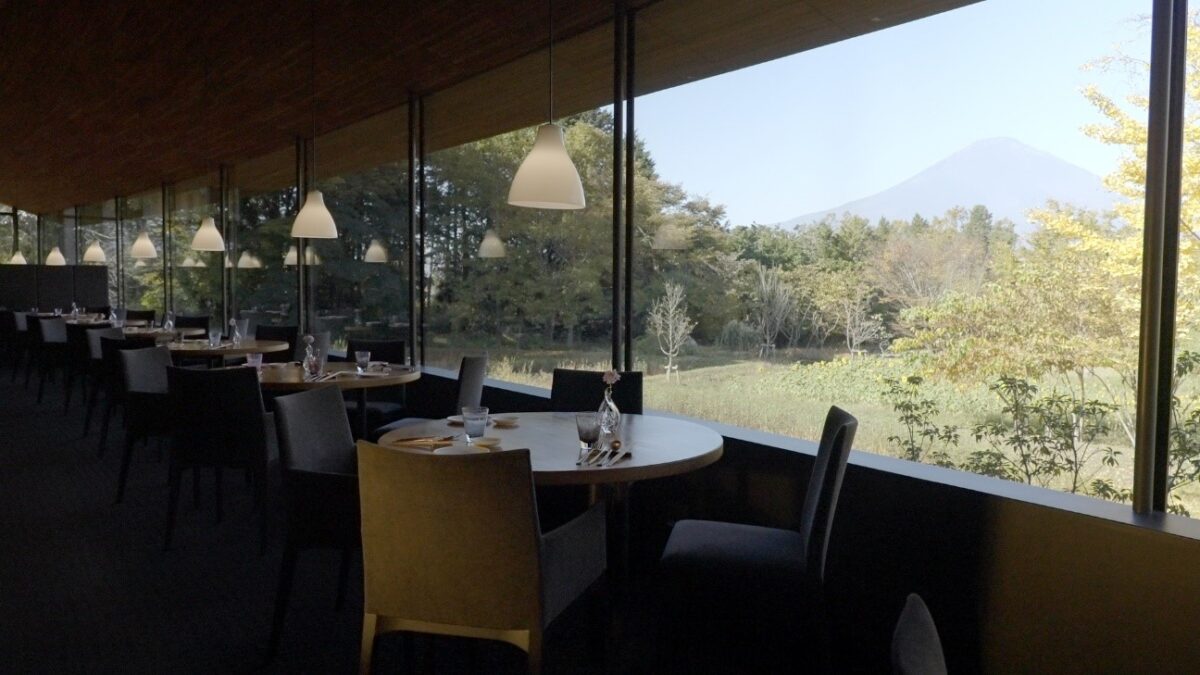
Maison KEI is a French restaurant that was opened in Gotemba City in 2021 by restaurateur and top chef Kei Kobayashi. Recipient of three Michelin stars in France, Kobayashi and his head chef Mitsuyoshi Sato, who honed his skills as a sous chef in Paris, produce culinary delights using local Gotemba wasabi.

Maison KEI est un restaurant de cuisine française ouvert en 2021 à Gotemba par le chef Kei Kobayashi,cuisinier propriétaire du Restaurant KEI en France qui a obtenu trois étoiles au guide Michelin et la grande maison de pâtisserie japonaise Toraya.C’est Mitsuyoshi Satô,ancien sous-chef au restaurant à Paris,qui y déploie tout son talent.

Chef Sato:
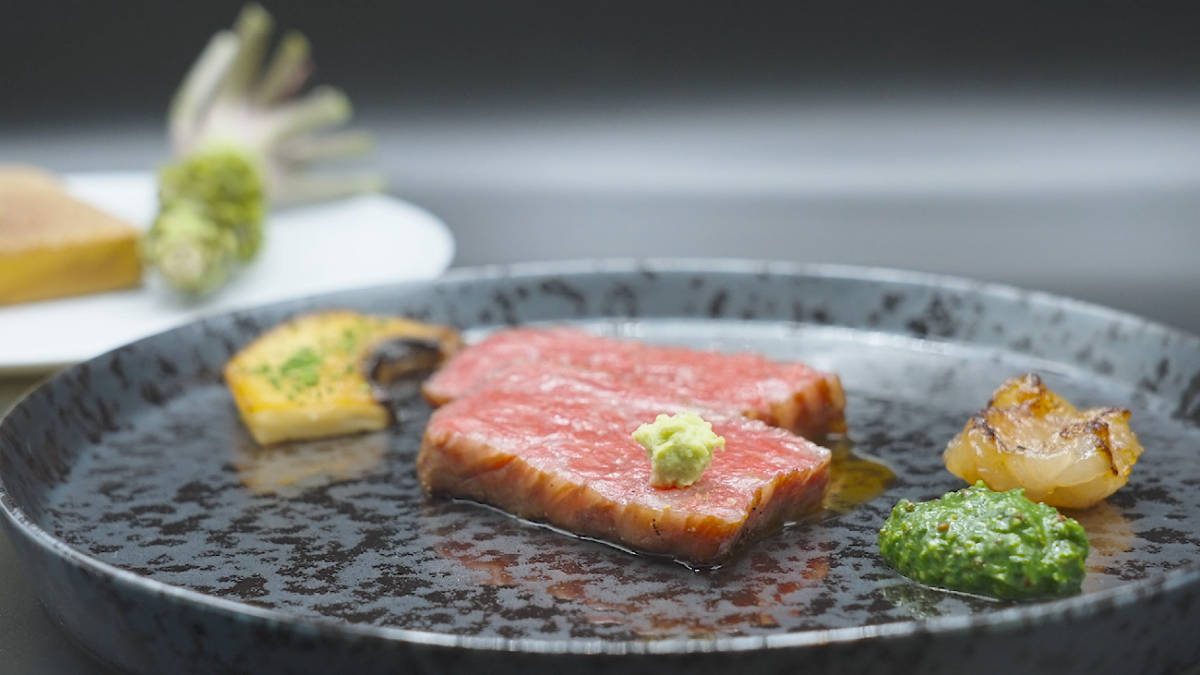
Gotemba wasabi is fresh and sharp.

Le chef Mitsuyoshi Satô :
« Le wasabi de Gotemba est très frais et « incisif »,sans persistance en bouche. »

Gotemba wasabi will pair well with meat dishes such as wagyu beef and chicken.

Le wasabi est proposé en accompagnement des plats de viande,dans les menus avec boeuf japonais ou poulet local.

【Reservation】
Maison KEI  +81- 550-81-2231
Reservations are required for both lunch and dinner (accepted two months in advance) and can only be made by phone between 10:00-11:30 and 15:00-17:30.

【Réservation】
Maison KEI   +81-550-81-2231
Déjeuner et dîner uniquement sur réservation(possible à partir de deux mois à l’avance)
De 10 :00~11 :30 et de 15 :00~17 :30,seulement par téléphone.

6 Mt Fuji’s healing hot spring waters

  Onsen,l’eau thermale du mont Fuji

Mt. Fuji is easily accessible as a day trip from Tokyo but staying overnight offers an even more valuable experience.

L’aller-retour de Tokyo est possible dans la journée,mais passer une nuit sur place sera l’occasion d’enrichir votre voyage d’une nouvelle expérience.

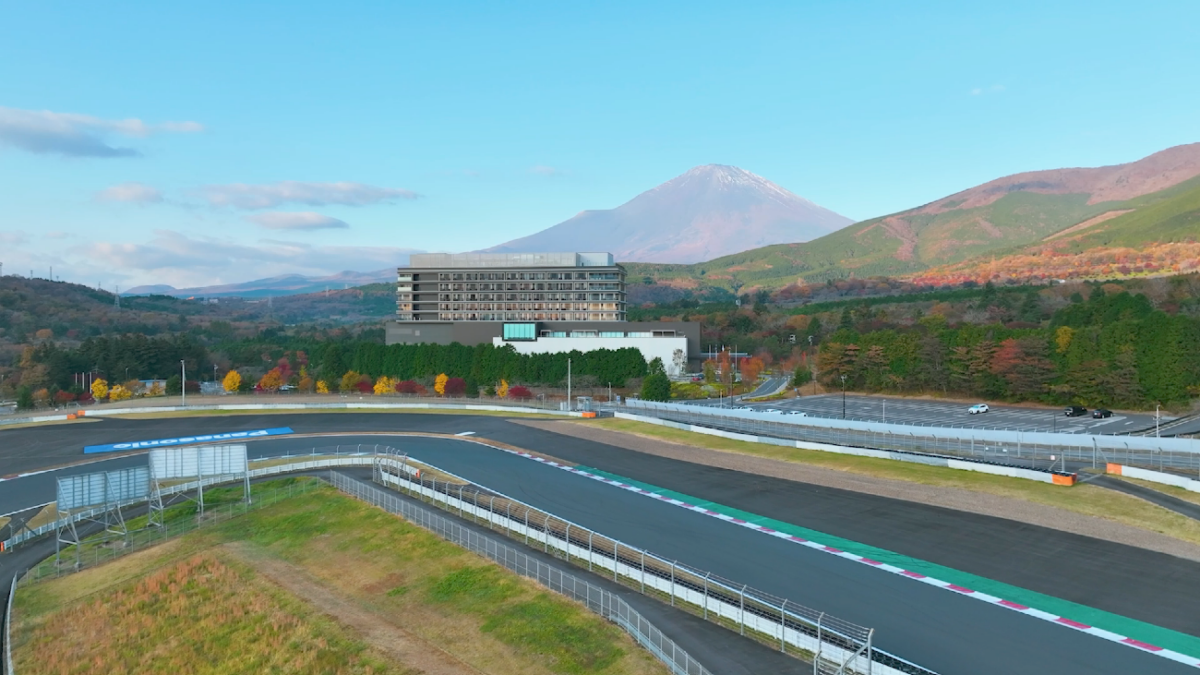
Fuji Speedway Hotel

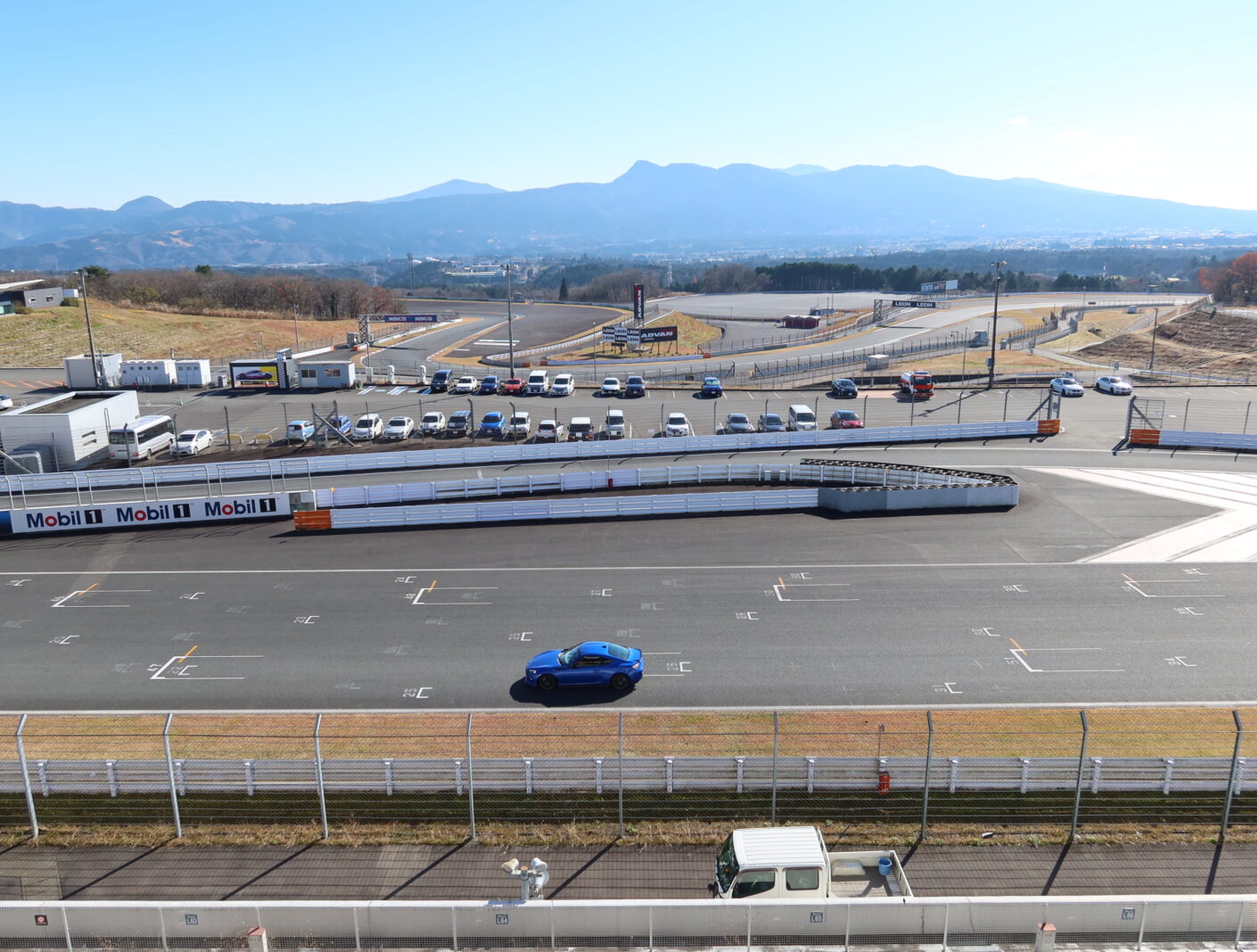
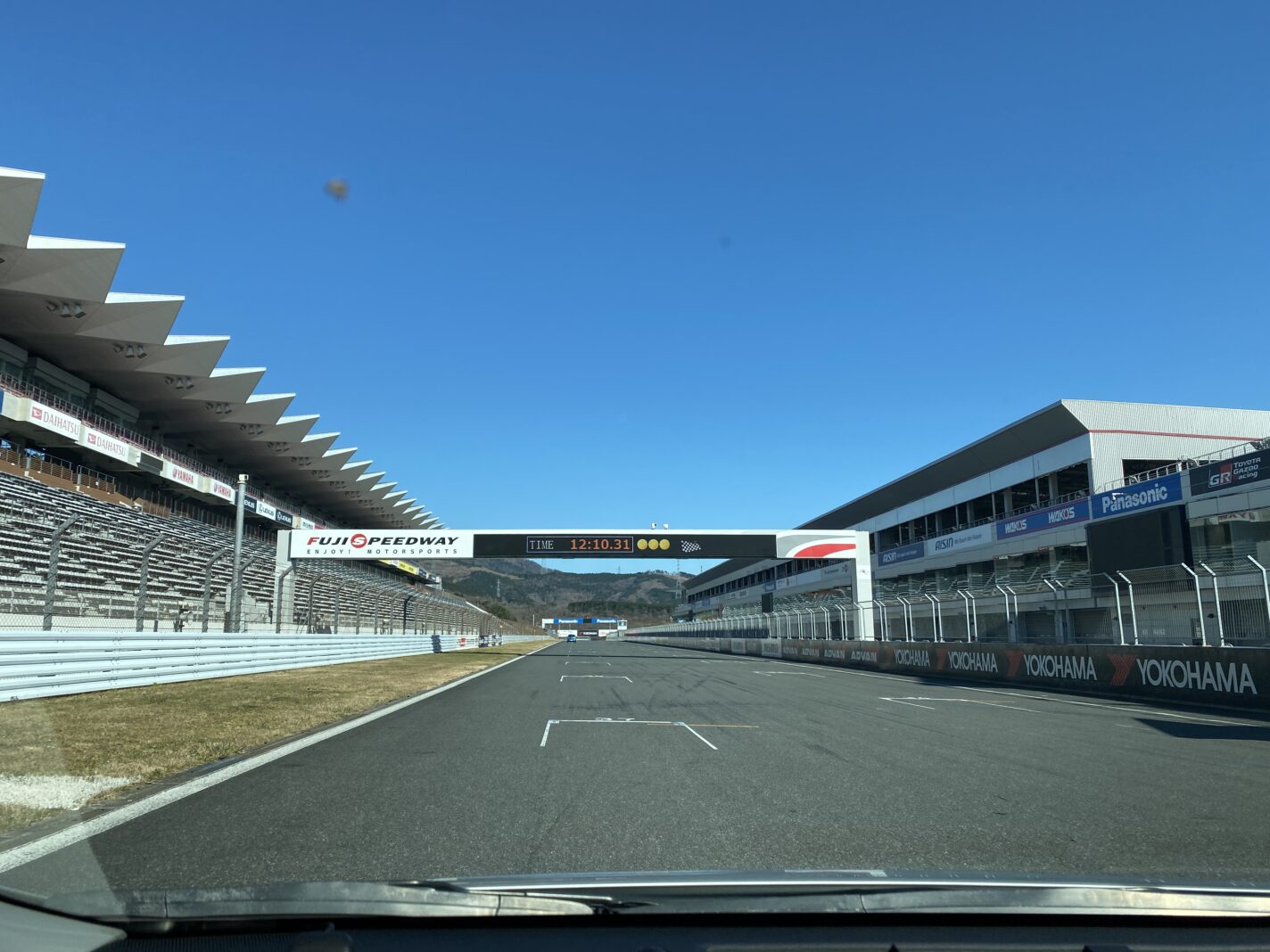
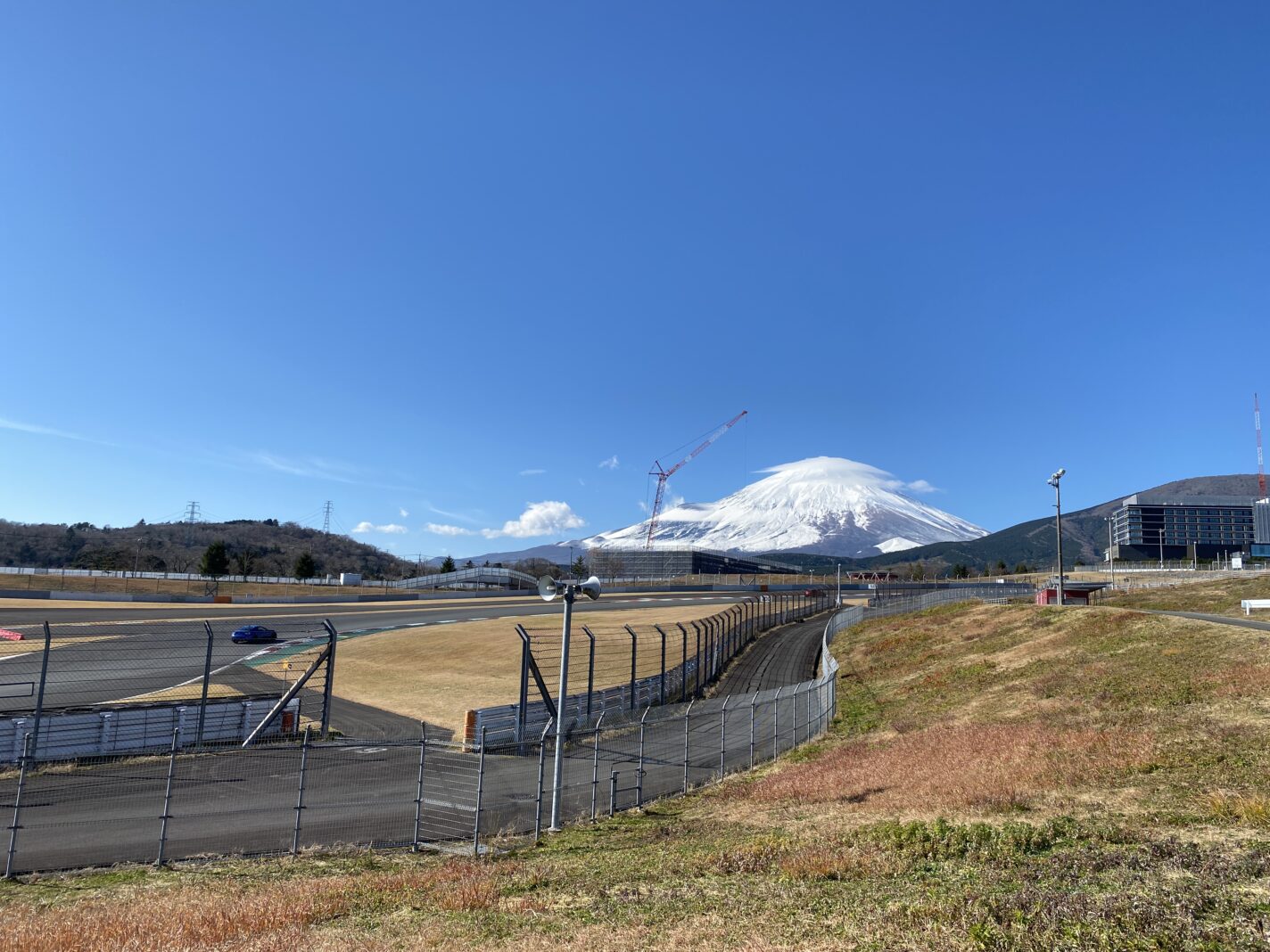
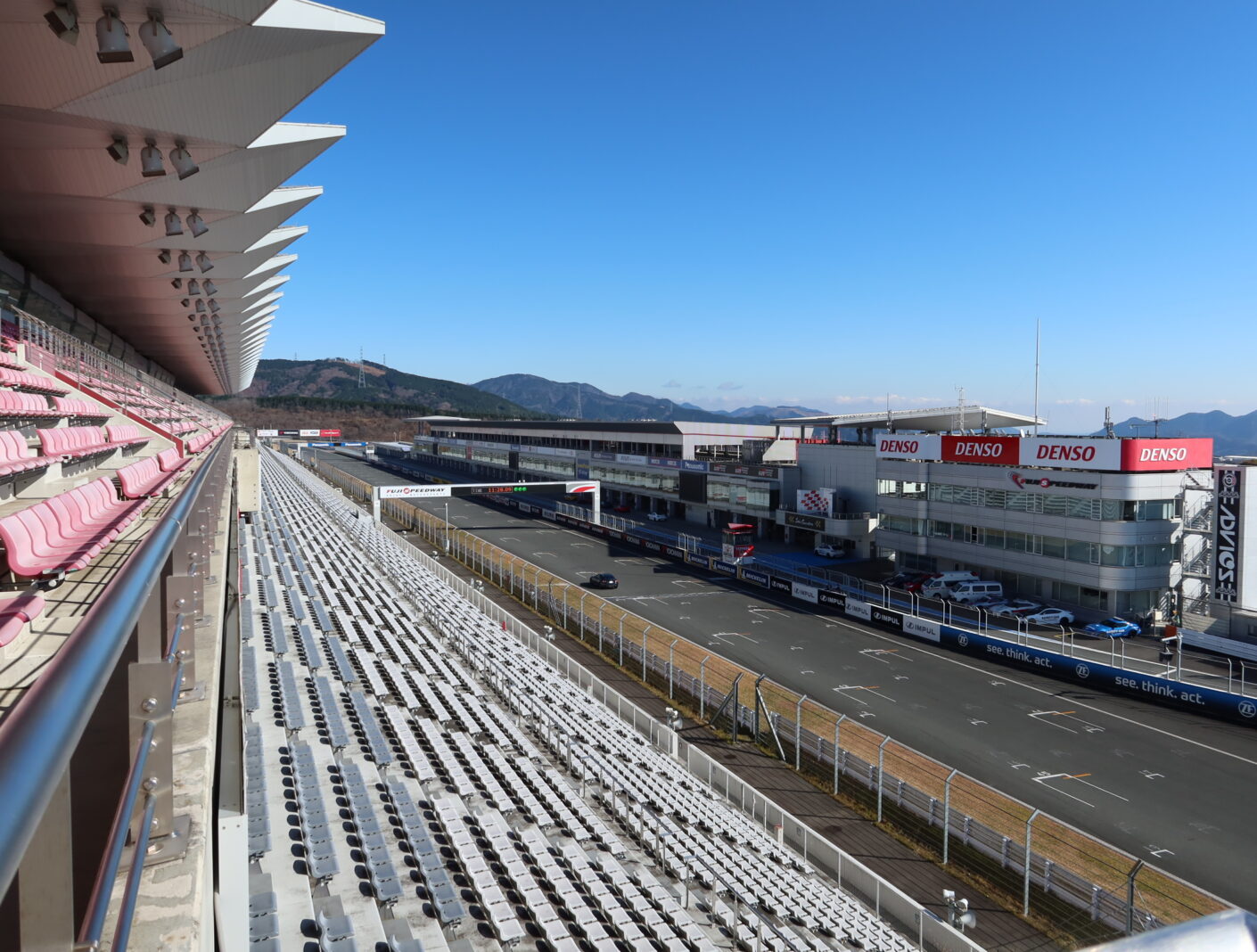
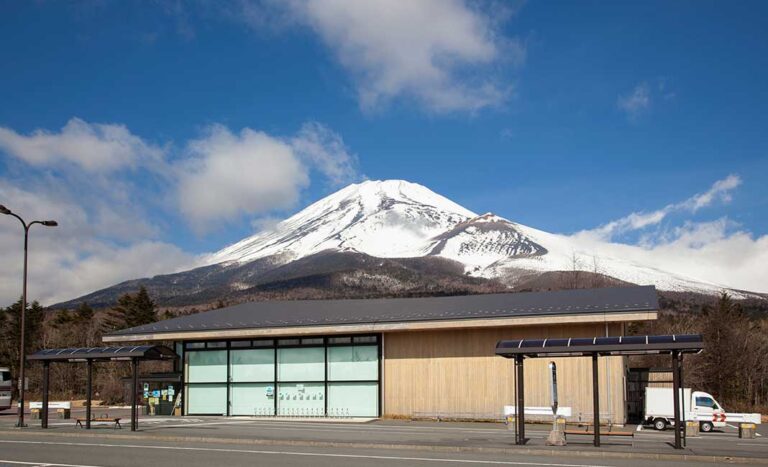
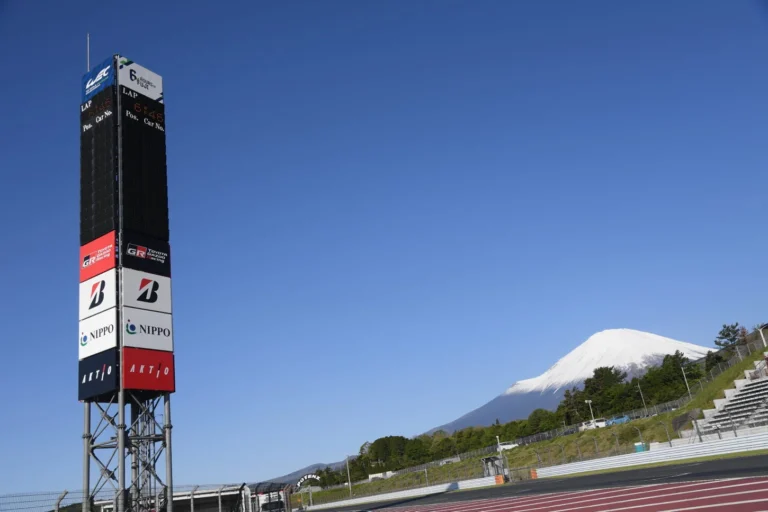
In 2022, an exciting new hotel opened right next to the Fuji Speedway, offering views of the race circuit under the backdrop of Mt Fuji. The hotel boasts an incredible motorsport museum to delight guests, but the real drawcard is the hot spring water that bubbles up from 1500 metres beneath the hotel.


En 2022,un hôtel original a ouvert à Oyamacho.Situé juste à côté de Fuji Speedway,on peut voir le circuit automobile ainsi que le mont Fuji de ses chambres.A l’intérieur,un musée consacré aux sports automobiles ravira également la clientèle.

The minerally rich spring water is said to be effective in beautifying the skin. Experience the warm onsen water of Mt Fuji with your whole body.

Sous l’hôtel,une source d’eau chaude jaillit d’une profondeur de 1.500m, riche en sulfate et à l’action bénéfique pour la beauté de la peau.Faites ainsi l’expérience d’une immersion totale dans l’eau « miraculeuse » du mont Fuji.

Your trip to Japan is sure to be memorable with a visit to the eastern foothills of Mt Fuji, a refreshing experience away from the hustle and bustle of the cities and busy tourist attractions.

Bien loin du tumulte des grandes villes et sites touristiques célèbres,la zone est du pied du mont Fuji donnera sans aucun doute une toute autre dimension à votre voyage au Japon.