Home Blog Page 3

Spotlight – Shizuoka Port Towns

0

ALL ALONG SURUGA BAY – YUI, SHIMIZU, MOCHIMUNE AND YAIZU

Hop off the Tokaido Bullet train at Shizuoka Station and take a day or two to explore one of Shizuoka’s port towns located on the shores of Suruga Bay.

YUI (Shizuoka City)

Yui is a charming Shizuoka port town located along the Tokaido Main Line.

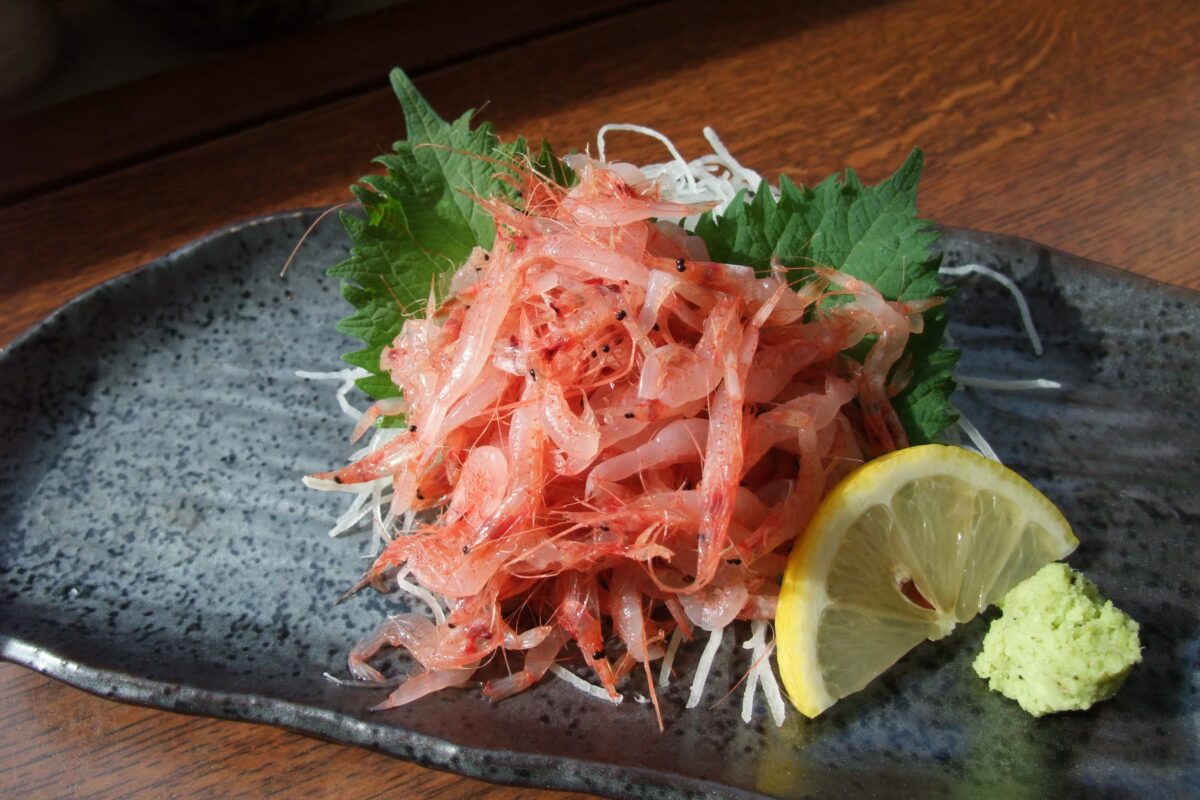
Famed for its delicious Sakura Ebi (cherry shrimp) that are harvested during late Spring (mid-March to early June) and Fall (late October to late December).

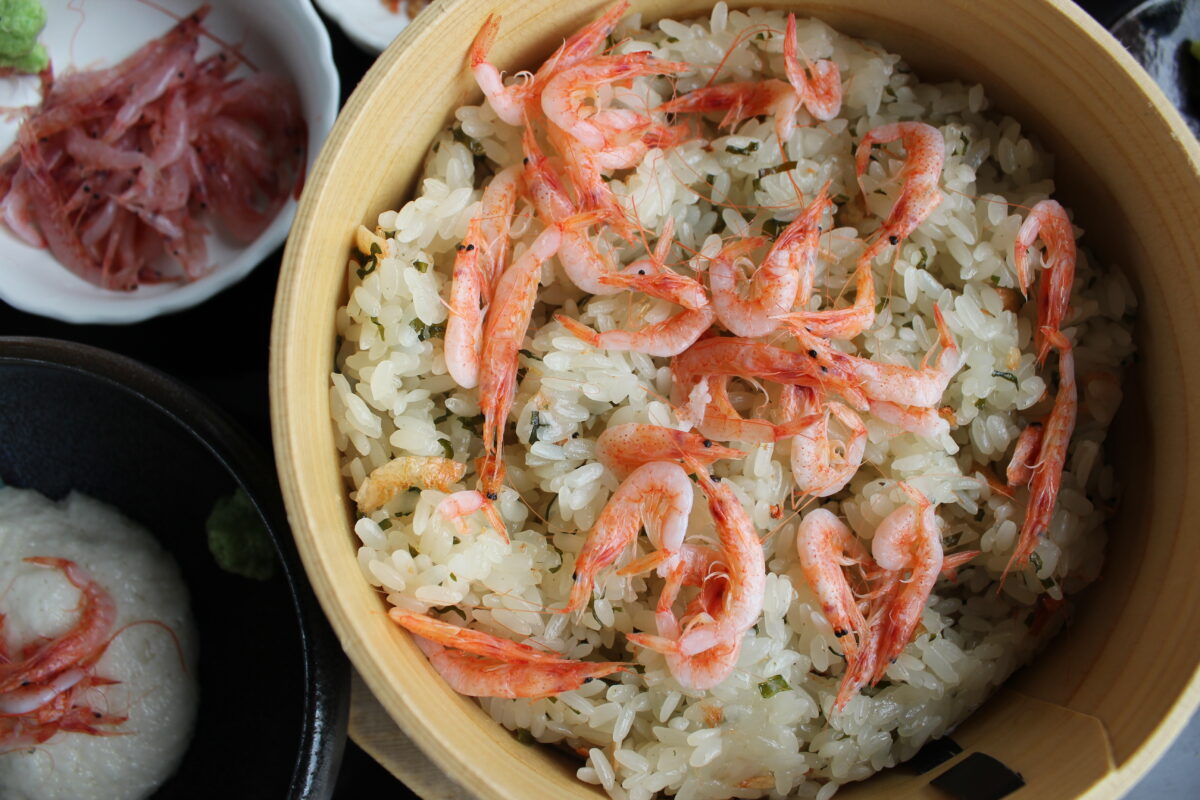
To savor the fresh catch, visit Hama no Kakiage-ya at Yui fishing port that offers raw and pot-boiled Sakura shrimp, and popular Kakiage Tempura. You can also visit one of many restaurants in the area for more Sakura Ebi dishes and other local delicacies.

Sakura Shrimp
Sakura Shrimp are called “Jewels of Suruga Bay”.
Sakura Shrimp
Raw, boiled or fried – Pick your favourite

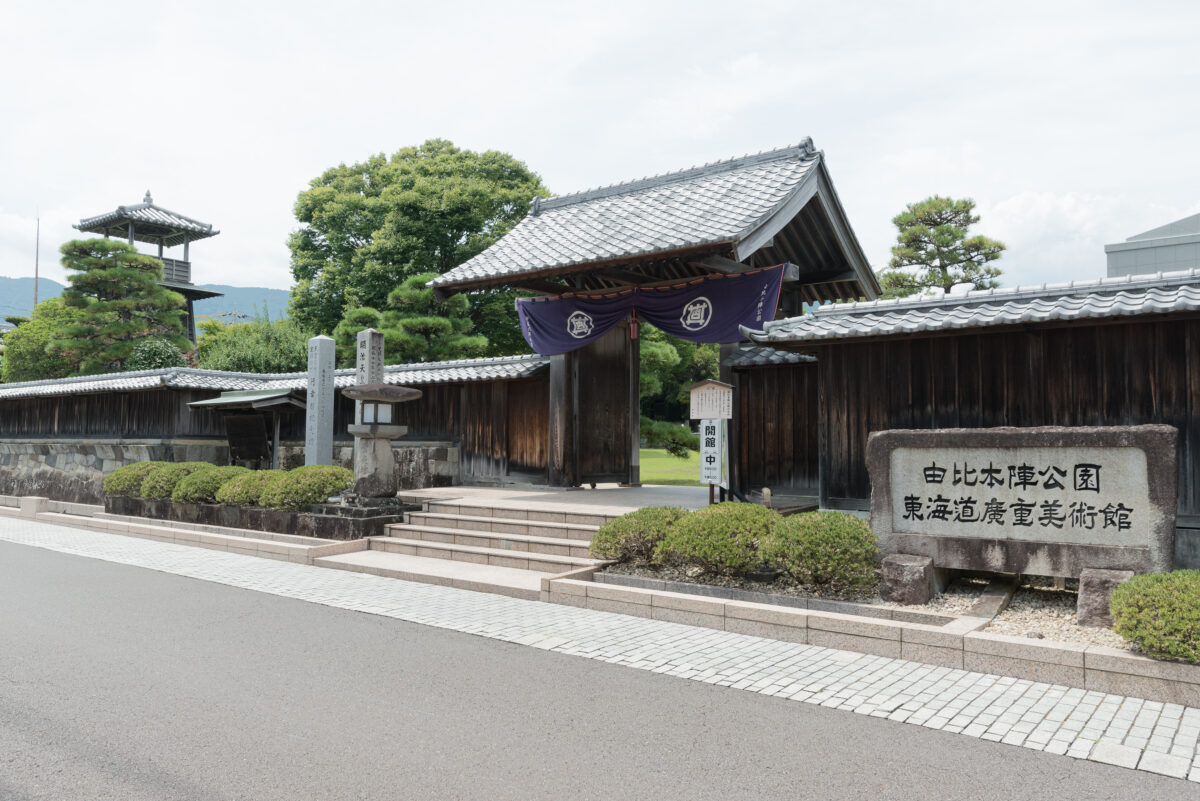
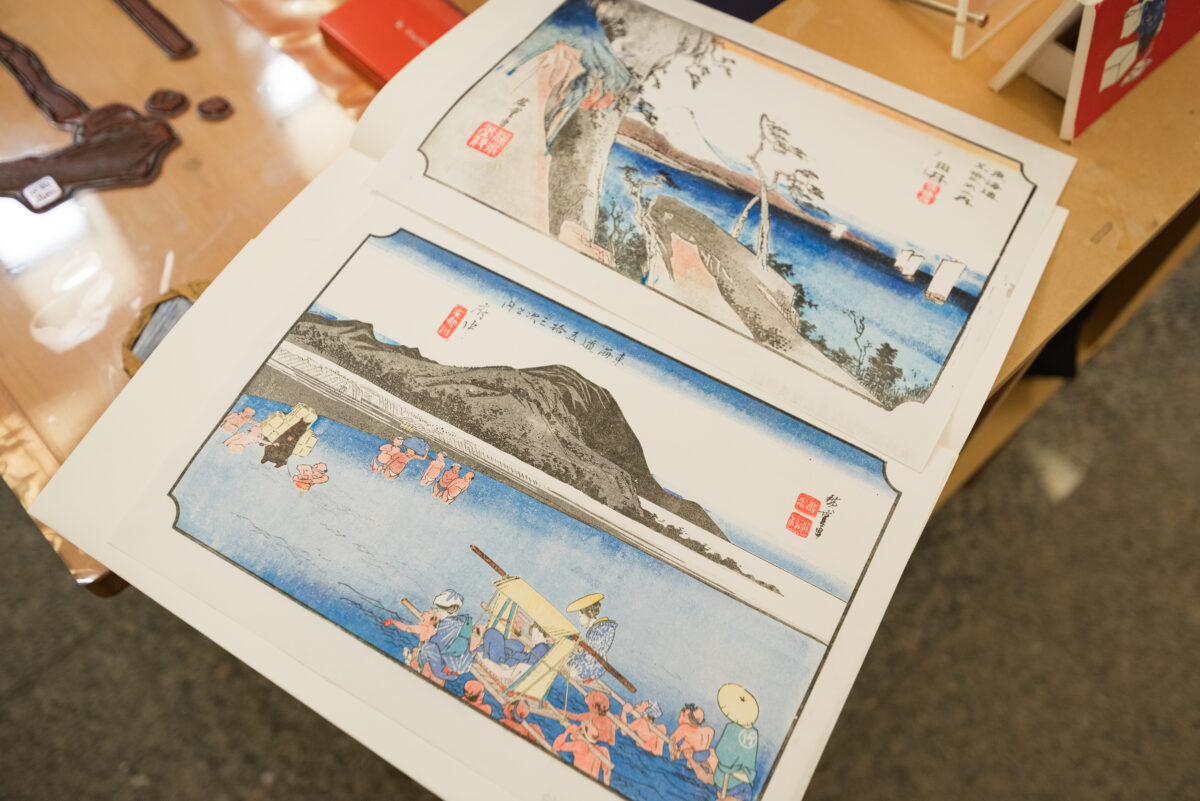
After your bellies are full, take a stroll through the many traditional houses lining the narrow streets. At Shizuoka City Tokaido Hiroshige Museum of Art, try the hands-on Ukiyo-e woodblock print workshop.

Yui Honjin Park
Yui Honjin Park is a landmark of Yui
Tokaido Hiroshige Museum of Art
Ukiyo-e workshop at Tokaido Hiroshige Museum of Art

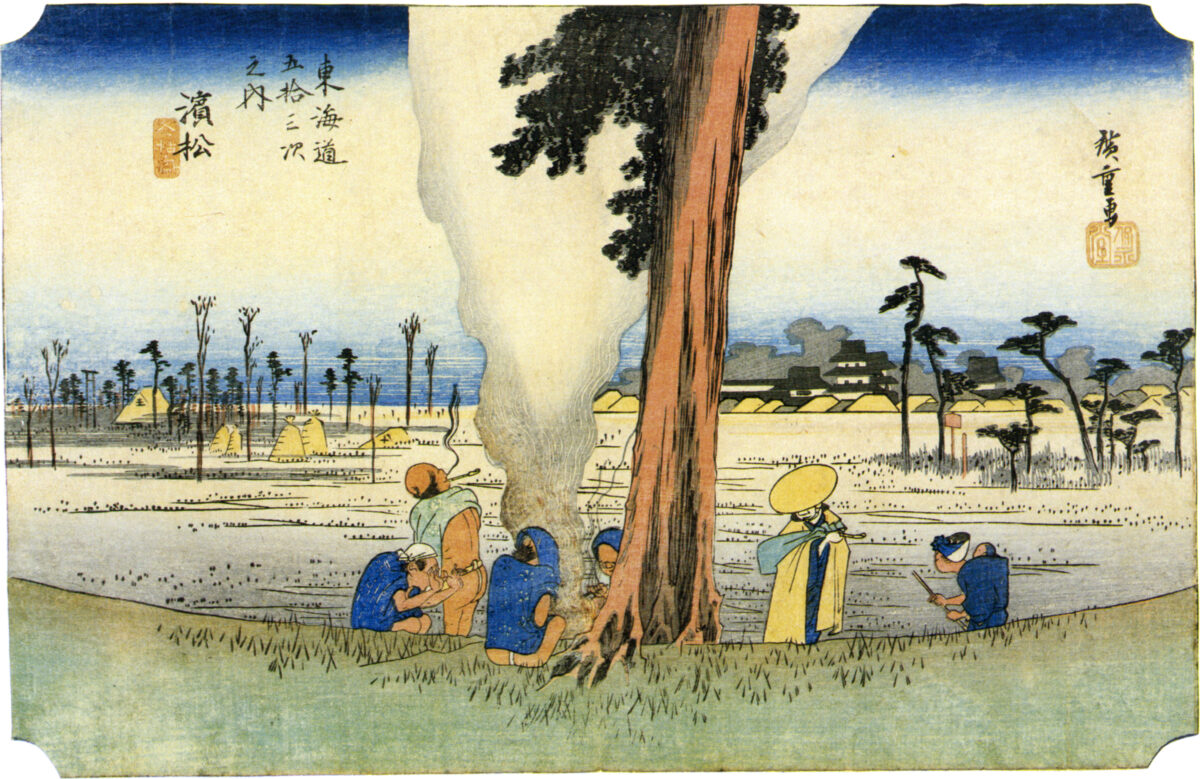
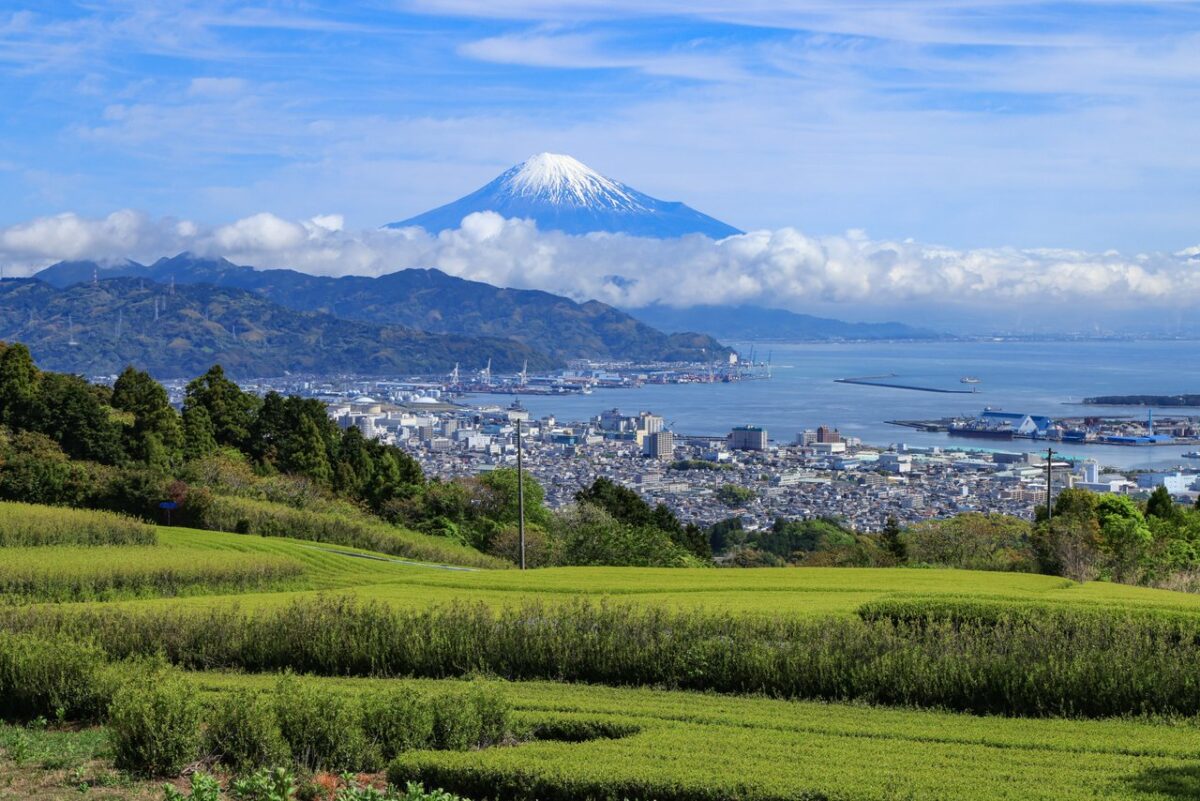
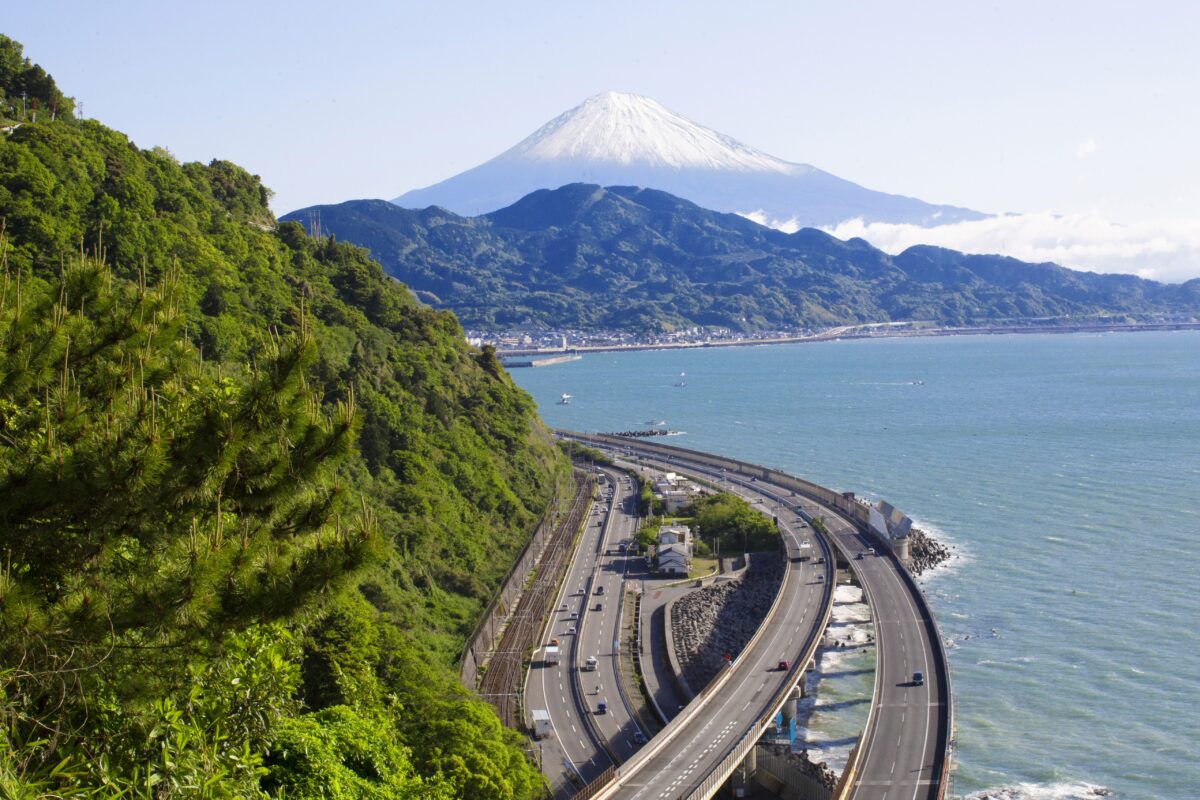
If you’re still up for some more sightseeing, head to Satta Pass to view Mt. Fuji in all her majesty and take in the famous scene from Hiroshige’s famous The Fifty-three Stations of the Tokaido.

Satta Pass
Satta Pass boasts the scenery that was depicted in Hiroshige’s Ukiyo-e series.

SHIMIZU (Shizuoka City)

Shimizu Port is known as one of Japan’s three most beautiful shipping ports and is the biggest Shizuoka port – the history of the port can be traced back to the 7th century.

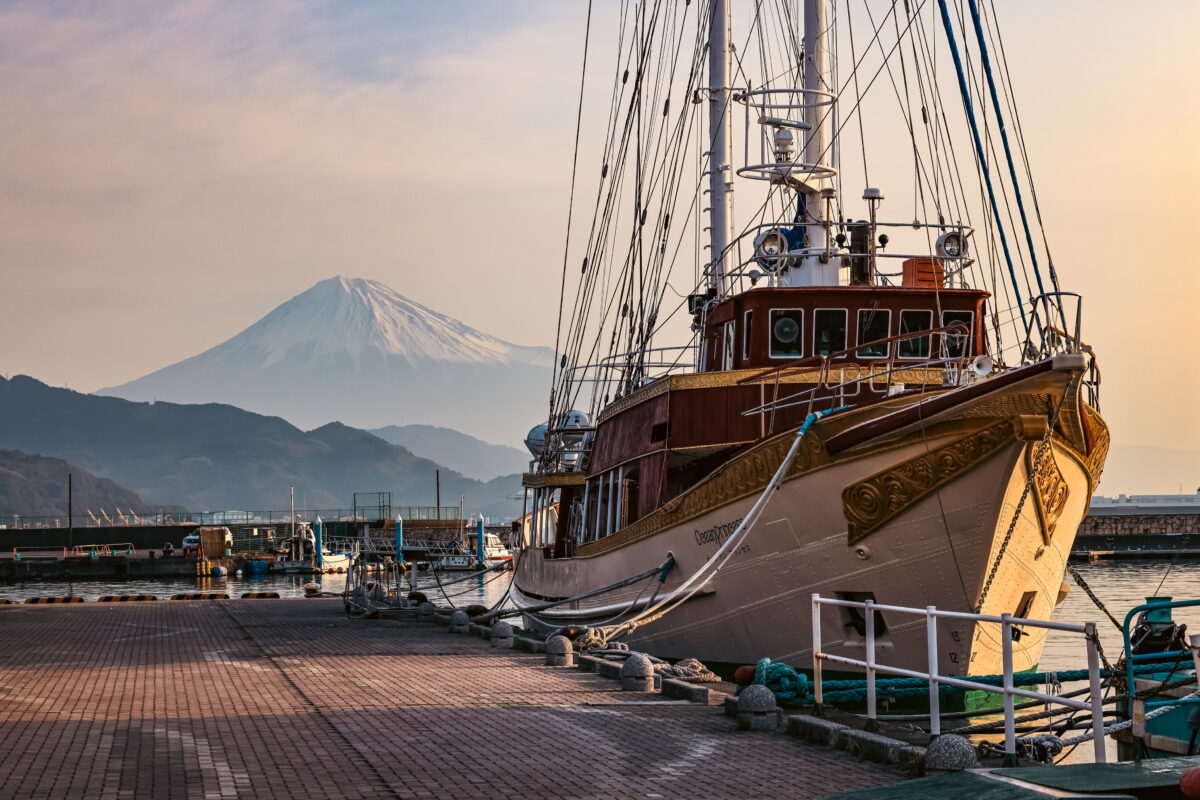
It is a popular destination for cruise ships as the gateway to Mt. Fuji, offering stunning views of the mountain as a majestic backdrop as you enter its waters.

Shimizu Port
Mt. Fuji seen from Shimizu Port on a clear day.

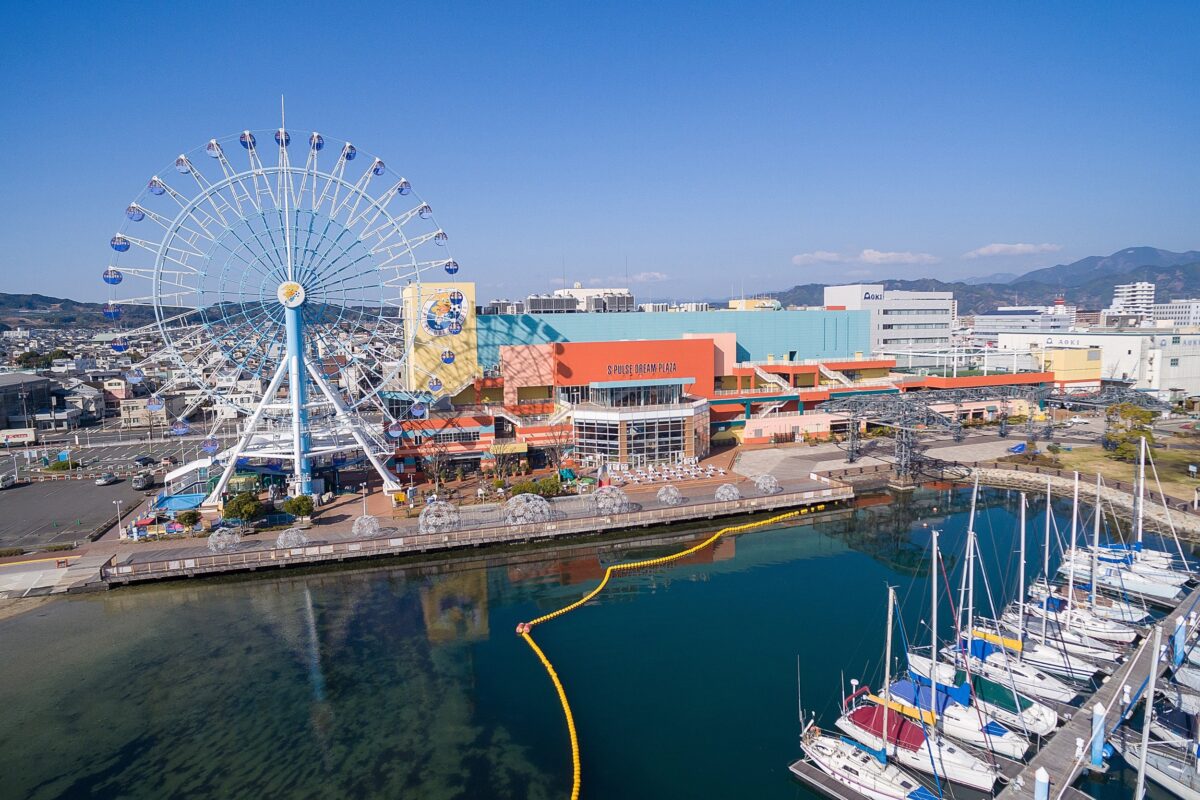
When you arrive, pop into the S-Pulse Dream Plaza which offers a movie theatre, restaurants, a mini amusement park, and a museum dedicated to all things sushi.

S-Pulse Dream Plaza
S-Pulse Dream Plaza
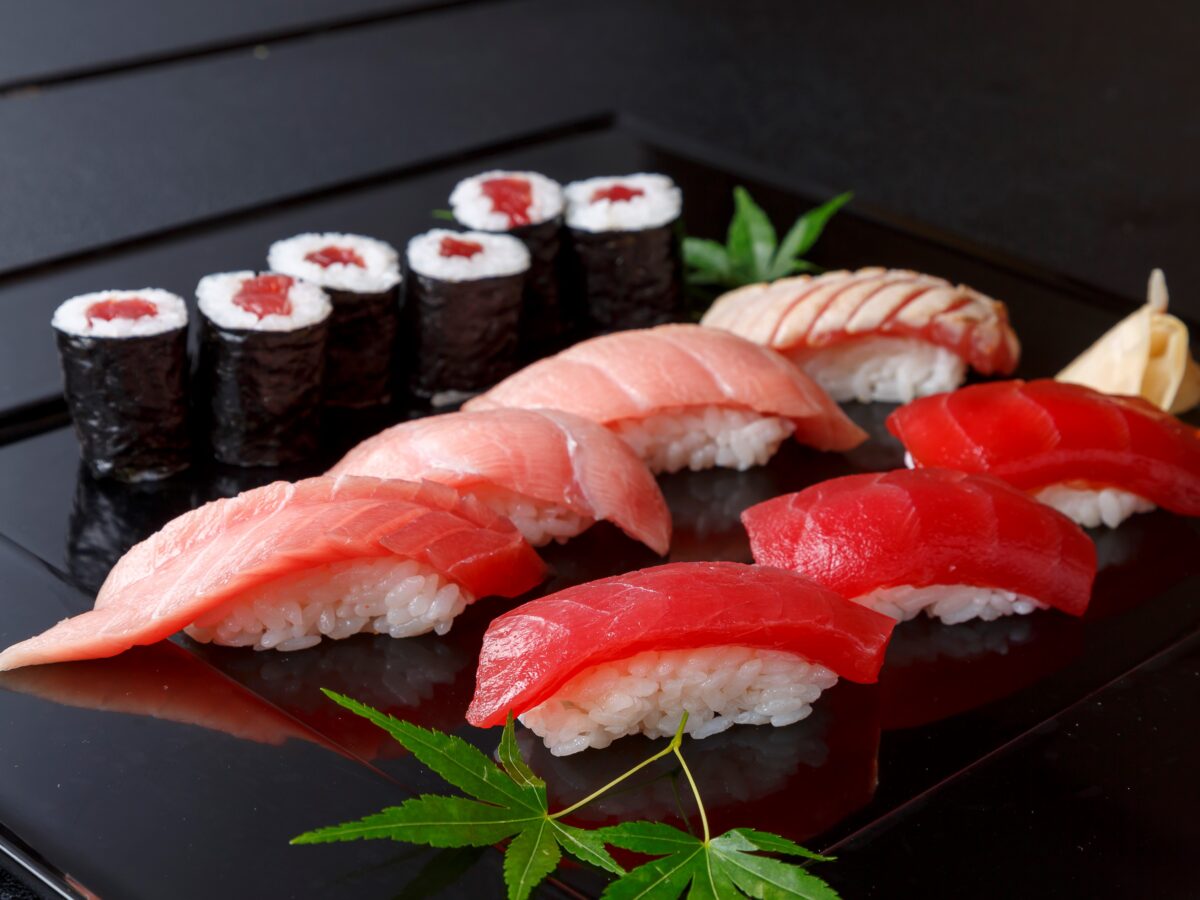
Shimizu Tuna
Savor some of the best Tuna in Japan

The sushi museum is a mecca to all and any information regarding sushi, as well as several sushi restaurants to ease your hunger.

However if you prefer an even more local experience, walk over to Kashi-no-Ichi Market, Shimizu Port’s fish market to select the freshest catch of the day.

MOCHIMUNE (Shizuoka City)

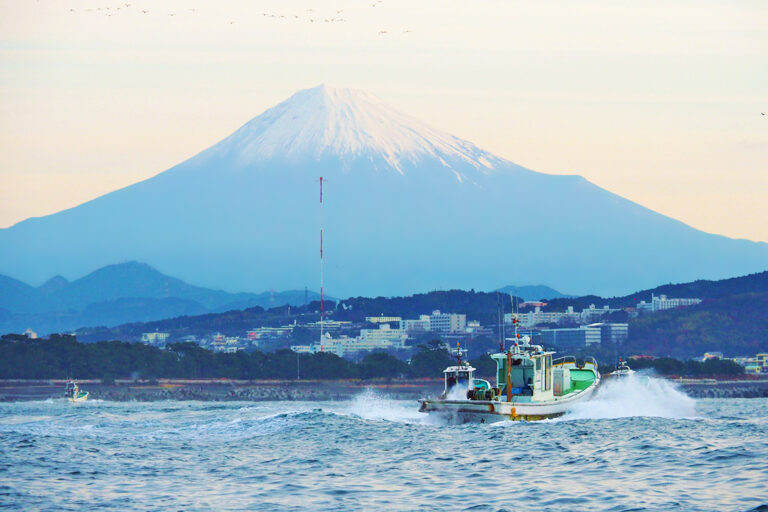
Located about 7mins train ride away from Shizuoka Station, the port town of Mochimune is famous for its extremely fresh Shirasu (whitebait) fished almost every day.

Mochimune Port
Fishing boats at Mochimune Port

The Mochimune beach facing Suruga Bay is a popular summer’s day trip. This quaint beach town has recently been a hot spot for those who are looking for more relaxed getaway from the cities, with local craft beer brewery, a unique gelato shop, many other dining spots.

[blogcard url=”https://www.visit-suruga.com/en/blog/mochimune/8]

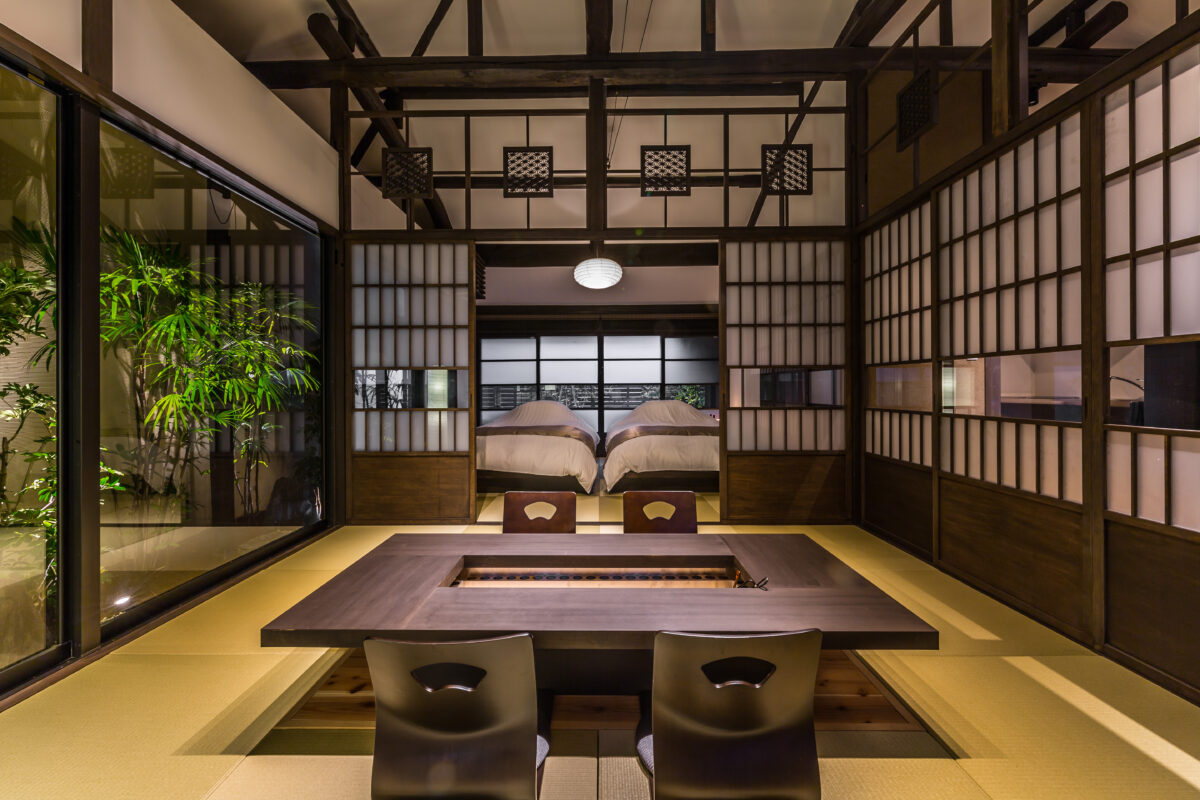
Stay nearby, in one of the eight stunning Nihon Iro renovated traditional Japanese homes, where you can relax on their beautiful tatami floors, zen like gardens and enjoy a delicious breakfast made by local mothers.

Nihon Iro
One of the houses at Nihon Iro.
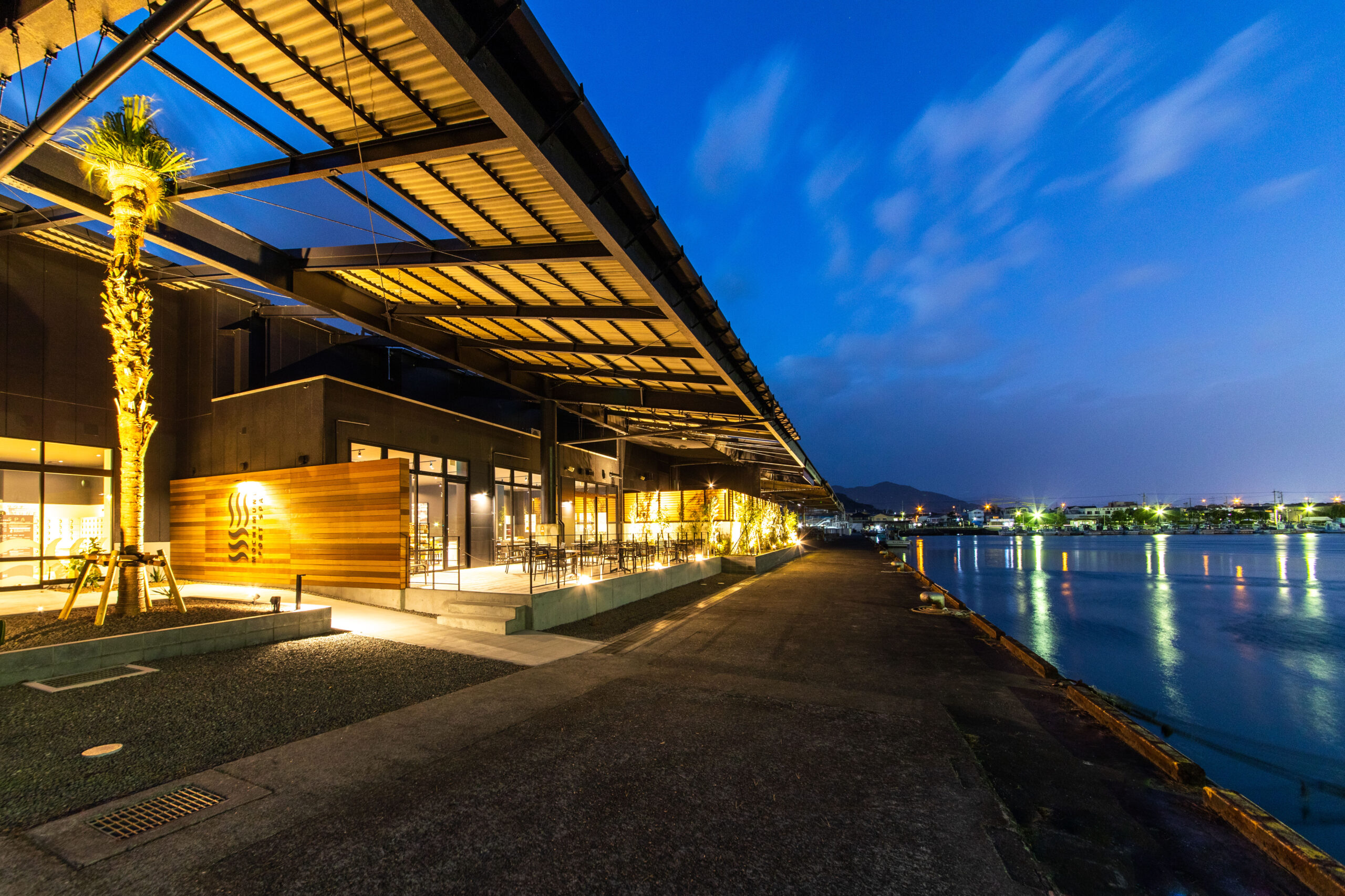
Mochimune Minato Onsen
Mochimune Minato Onsen is located right by the water

Relax the day away at Mochimune Minato Onsen, a former tuna factory refurbished into a relaxing public onsen with views of the local fishing port and Mt. Fuji from it’s open-air baths.

The onsen waters are drawn from 1,000m underground and are weak alkaline sodium/calcium chloride springs which provide a “cleansing effect” to the skin.

YAIZU (Yaizu City)

One of the most famous commercial fishing ports in Japan, Yaizu is well known for it’s delicious seafood produce.

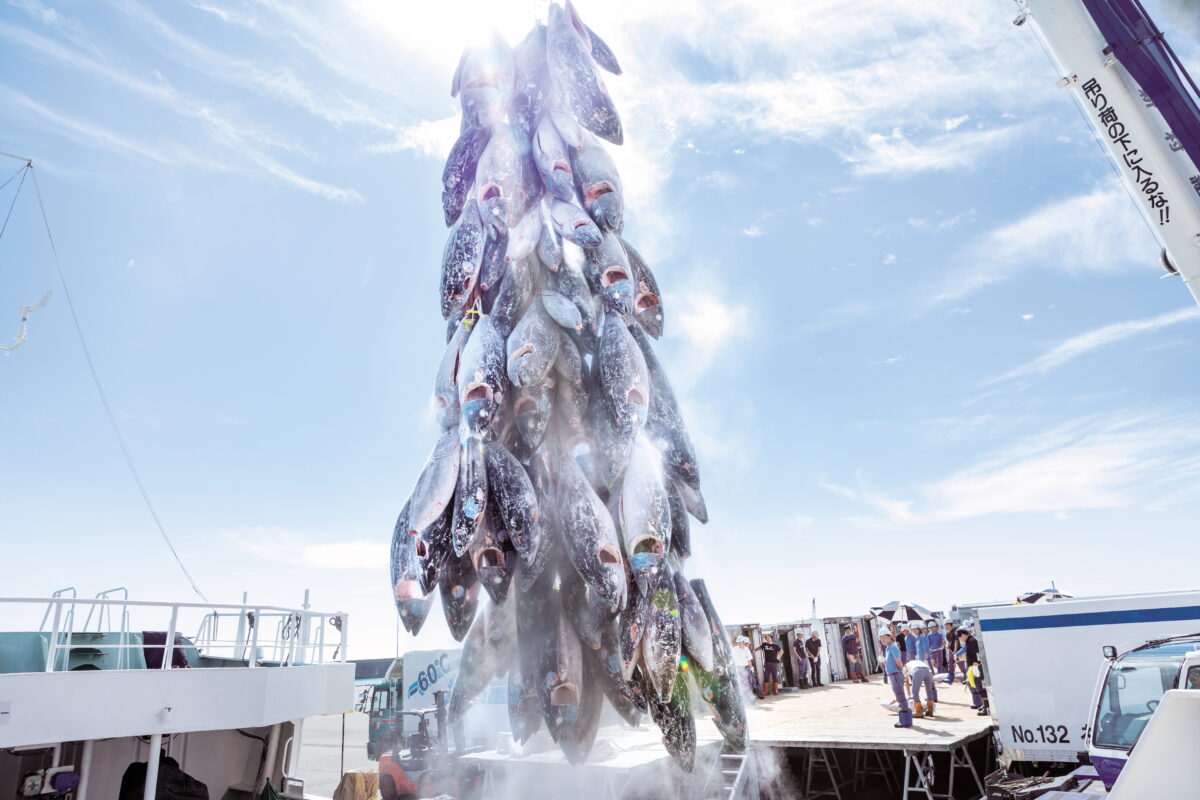
Tuna at Yaizu port
Tuna landed at Yaizu Port

Yaizu Sakana Center Fish Market is a popular spot where you can grab yourself a mini feast to taste all the amazing fresh seafood.

Yaizu Sakana Center
Yaizu Sakana Center
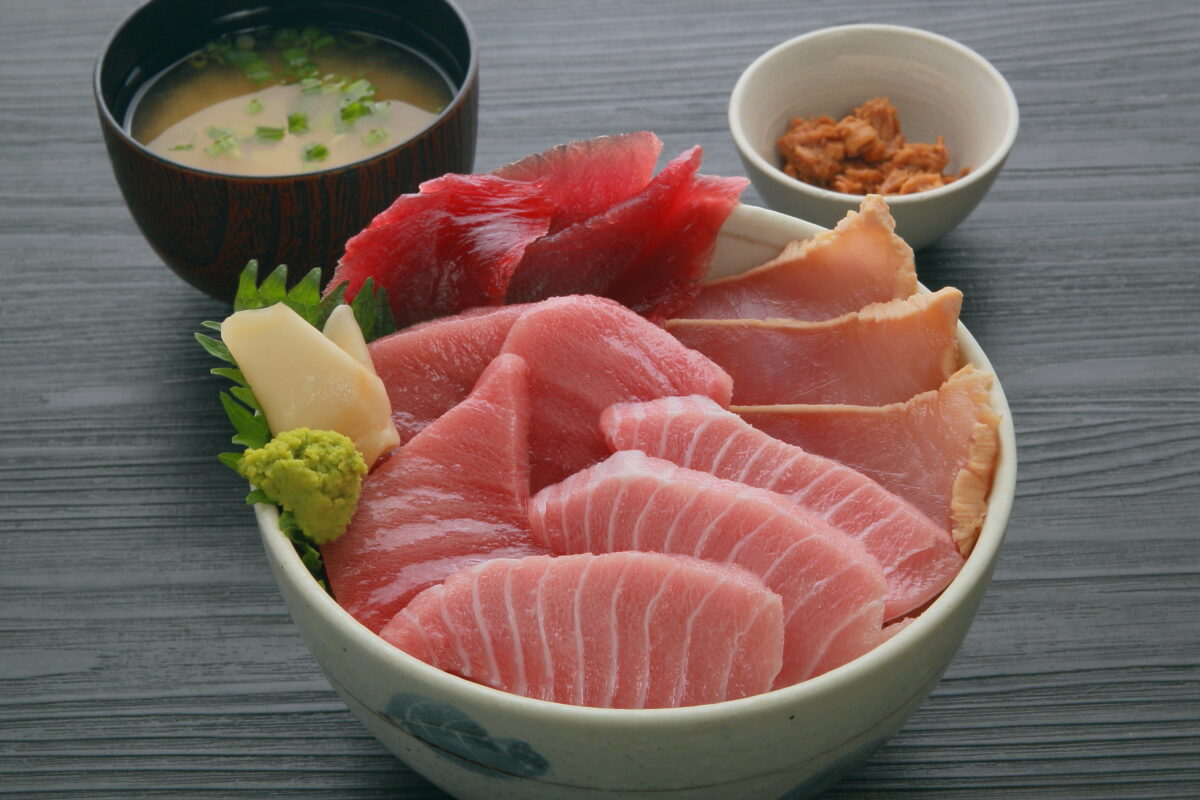
Tuna bowl
Tuna bowl is a popular menu item.

When you’ve had enough seafood, wander the city and explore Yaizu’s ancient history.

Yaizu Shrine is said to have been founded in the 5th century, enshrining the legendary Yamato Takeru. Since then, the shrine has been venerated especially by those involved in the fishing industry. Every summer on August 12 and 13, the shrine hosts a grand festival which is also known as “Ara Matsuri”, literally translates to harsh or rough festival, where dynamic Mikoshi (portable shrine) actions and parades will take place within the town’s limits.

Whilst you’re walking around, make sure to pick up some delicious homemade treats from Yuruk Bakeshop, and don’t forget to take home some Shizuoka green tea from 3rd generation family run Sanowa Tea.

FOLLOW IN THE FOOTSTEPS OF SHOGUN

0

Located smack bang in the middle of Japan, Shizuoka is home to Japan’s world-famous Shogun culture.
The most famous Shogun of all, Tokugawa Ieyasu, who shaped the nation through the 16th to 17th century, has strong roots here in Shizuoka.

Explore the influence of the mighty Shogun and immerse yourself in his footsteps.

Discover Mikkabi,
A Town with Shogun Stories

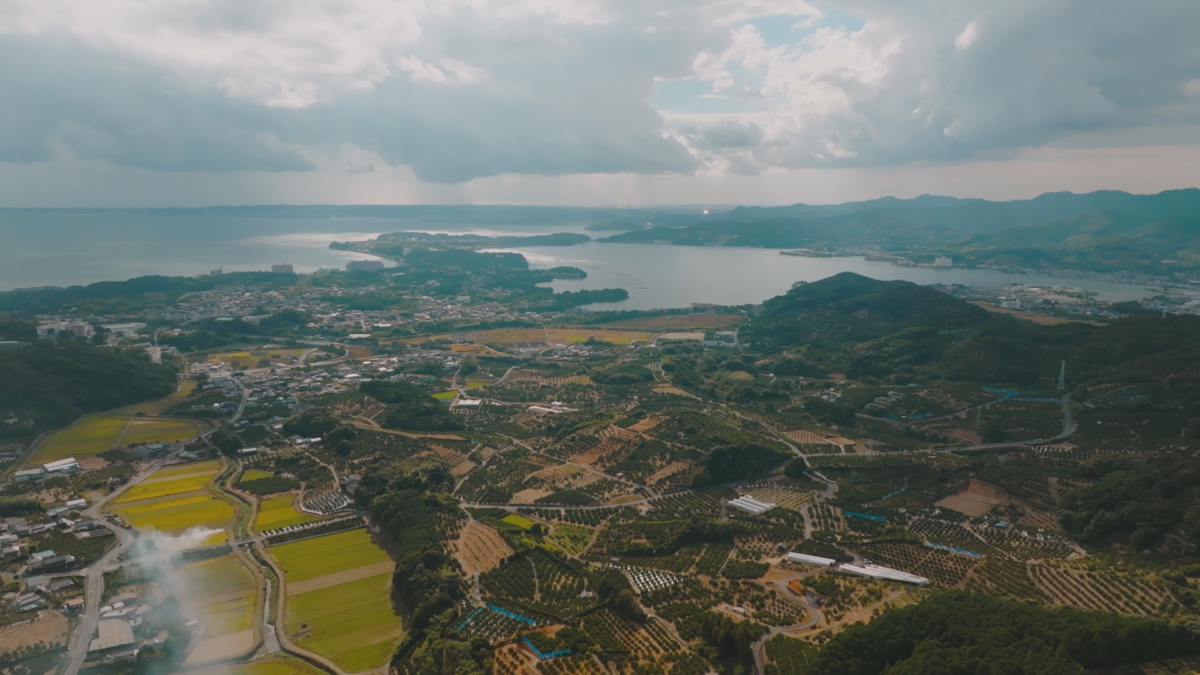
Mikkabi is tucked away at the idyllic northern shore of the picturesque Lake Hamana in Hamamatsu City.
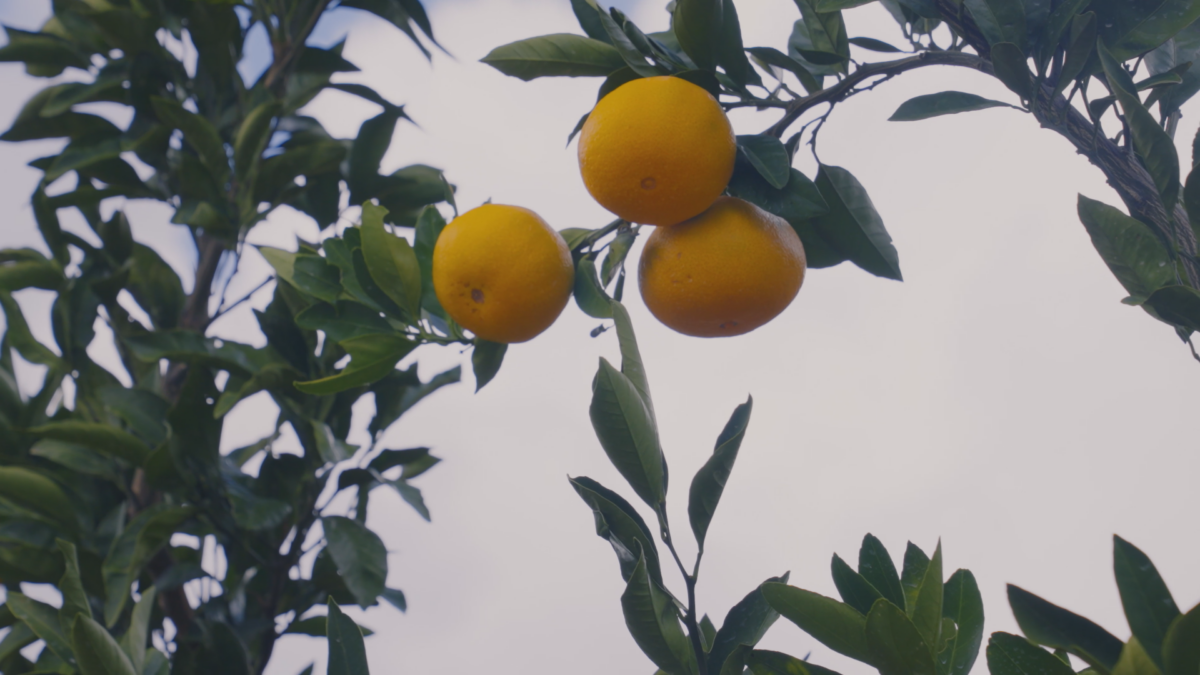
Famed for its delicious Mikkabi mandarin oranges, this sun-drenched town welcomes those who would like to delve deeper into the diverse array of charms in the Japanese countryside beyond the popular travel route.

Mikkabi’s contribution to Japan’s history is significant as Tokugawa Ieyasu spent his formative years in this region as a young man, which shaped the character of the man who would later unify Japan.

Shogun Ieyasu loved this region and bounty from Lake Hamana and its mountains.

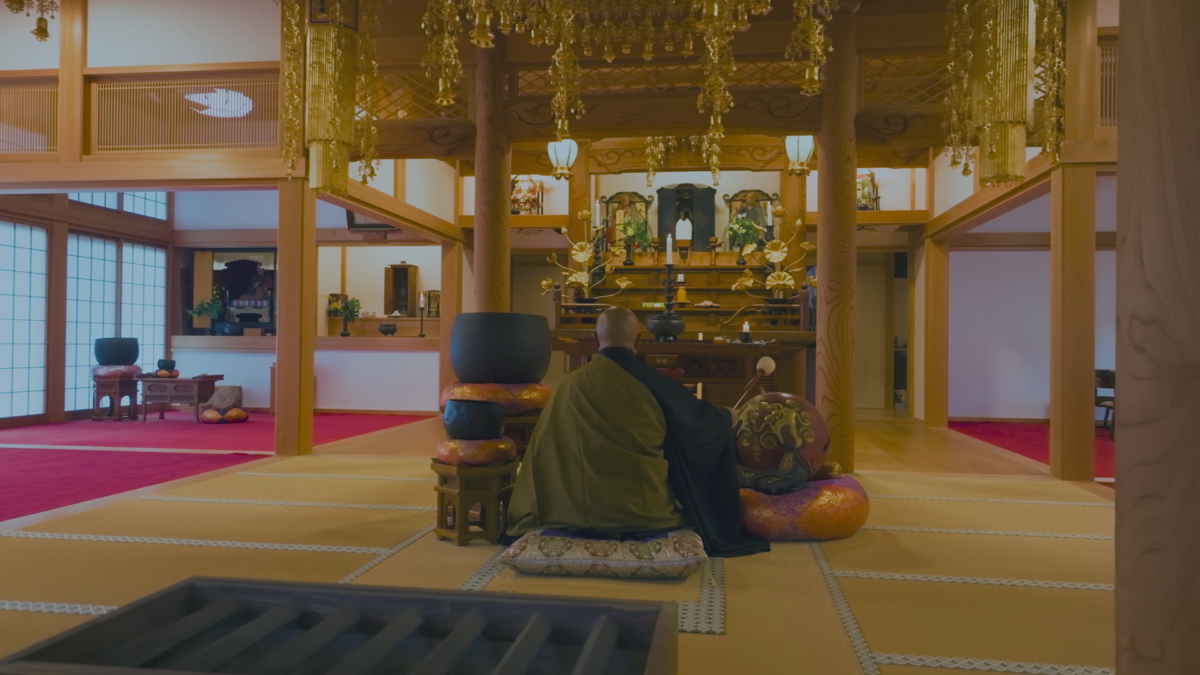
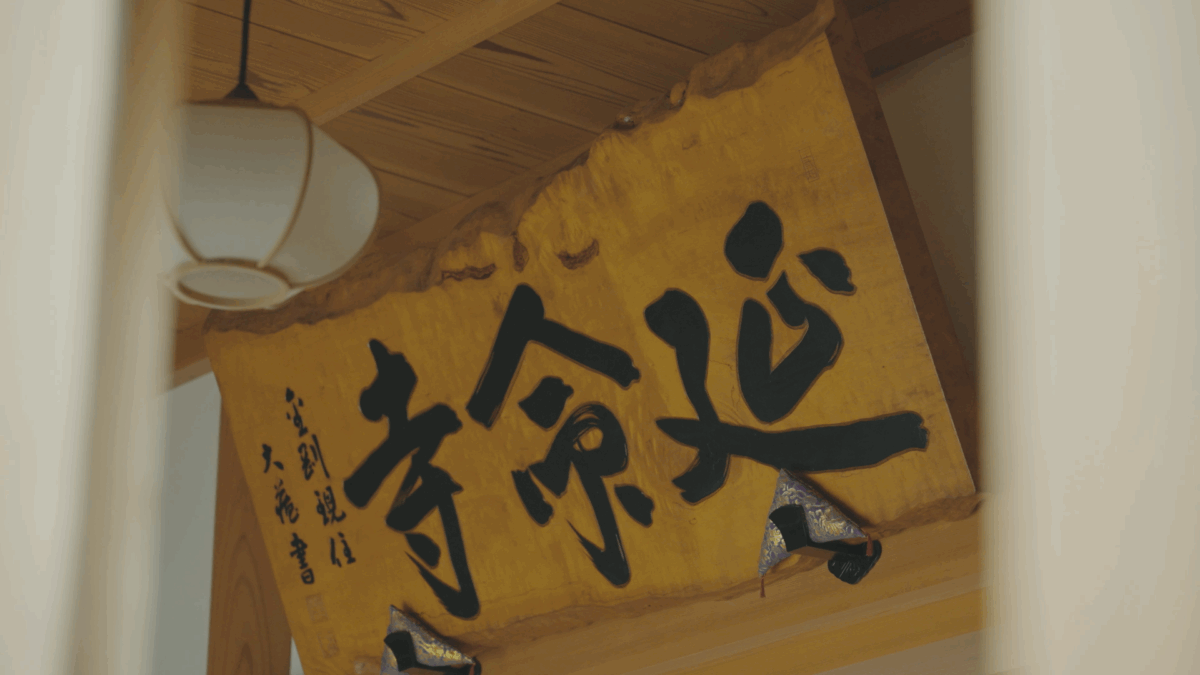
Enmeiji is a temple of the Soto Zen sect of Buddhism, founded in 1595.

Here, step back in time while tranquility fills the halls.

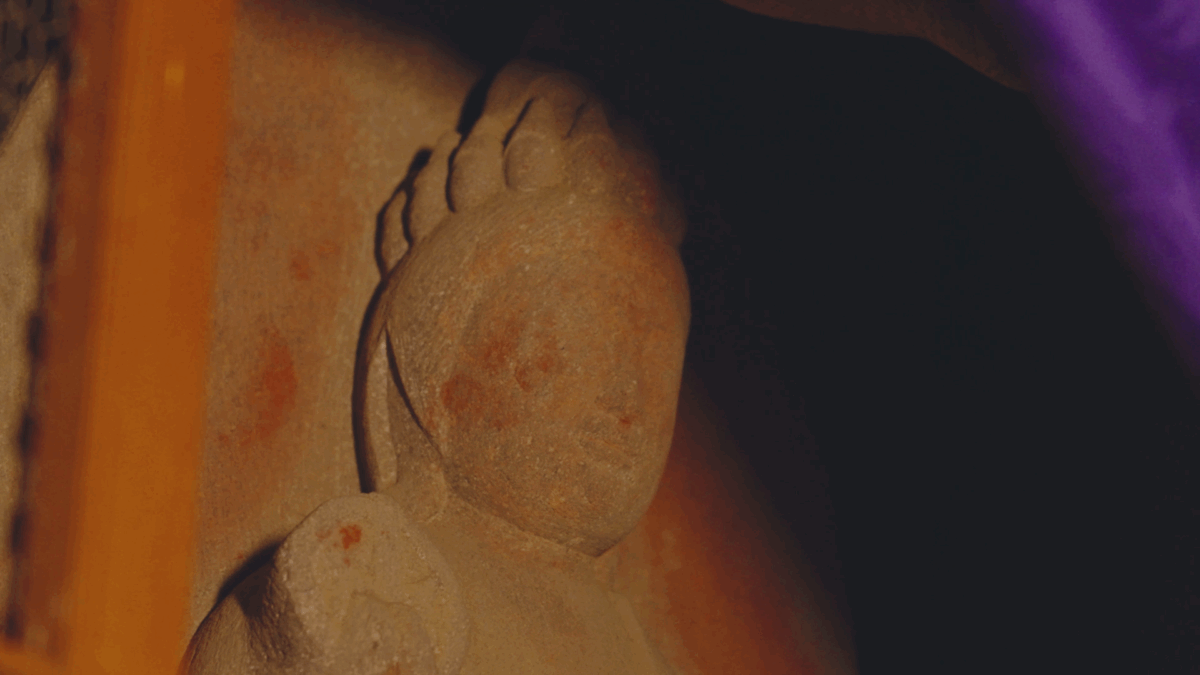
Meet the Kannon statue Shogun Ieyasu prayed to for victory in battle there.
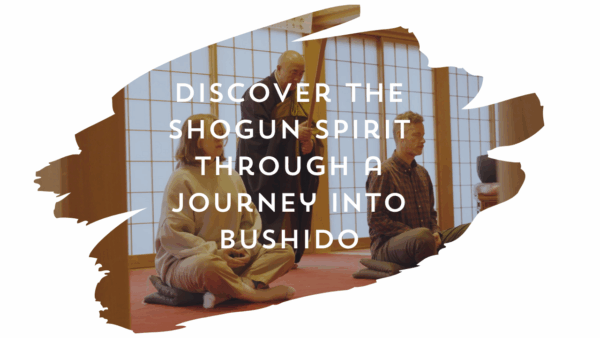
Guided by the welcoming head priest, focus on yourself in Zazen meditation and empty your mind for mindfulness.
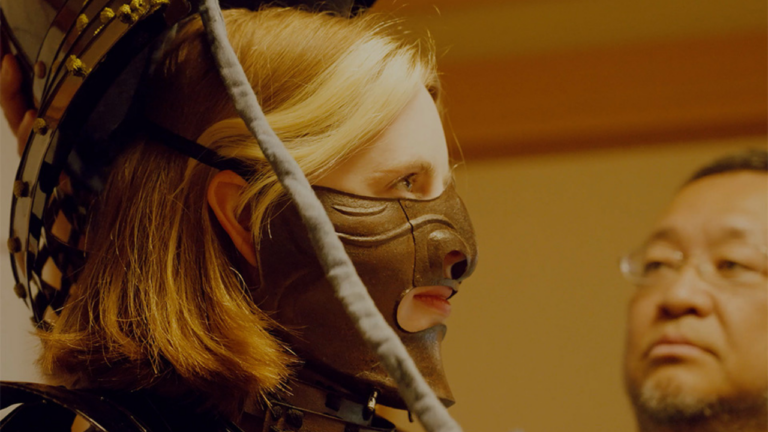
Try on genuine Shogun armor and imagine those bygone years.

Book your experience – A unique journey into the spirit of Bushido and Zen in the land of Tokugawa Ieyasu. Experience the minds of a samurai and a shogun through zazen, armor trial, and sword-drawing.

Tokaido Highway – Mariko Juku

0

MARIKO POST STATION

Highlights of the Area: Chojiya Restaurant, Craft Center, Utsunoya Pass

INTRODUCTION

The Old Tokaido Highway became firmly established in the early 17th century as the main thoroughfare for travelers between the new capital of Edo (Tokyo) and Kyoto.

The 20th Post Town of Mariko is a small village on the outskirts of Shizuoka City that is working hard to protect what remains of the Old Tokaido Highway and preserve the town’s heritage.

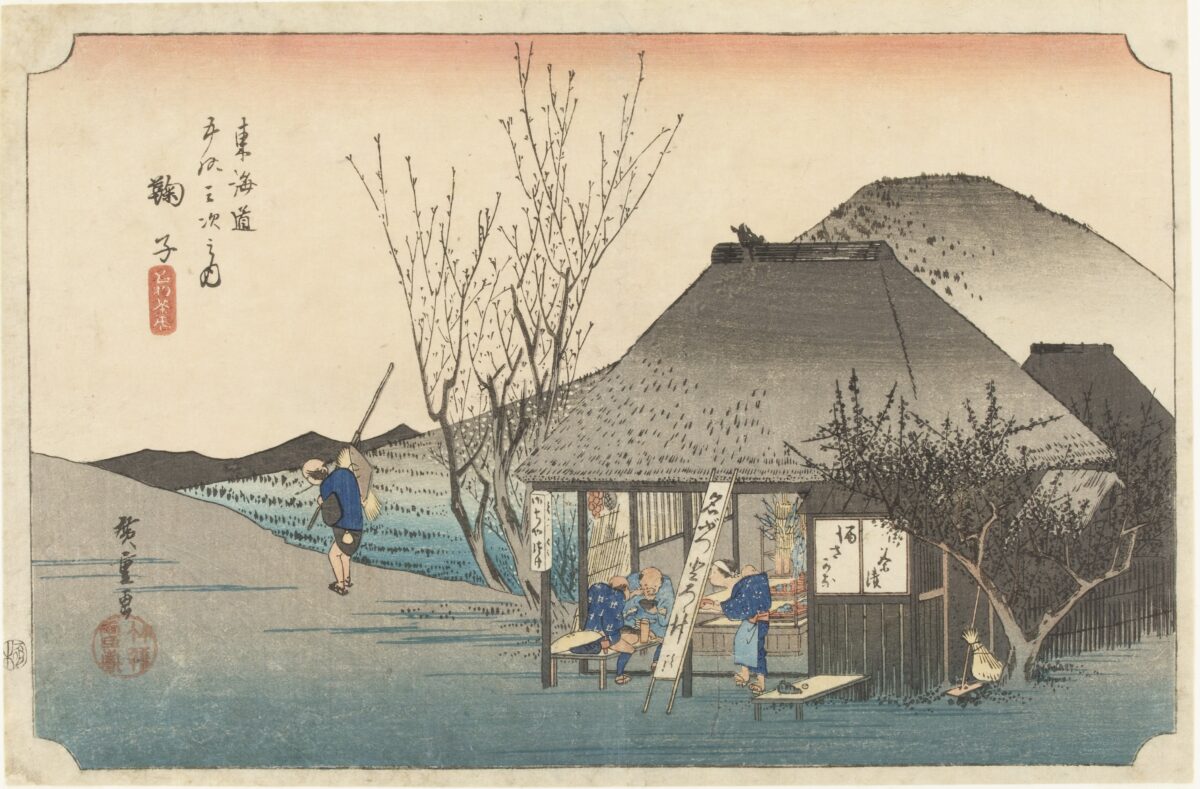
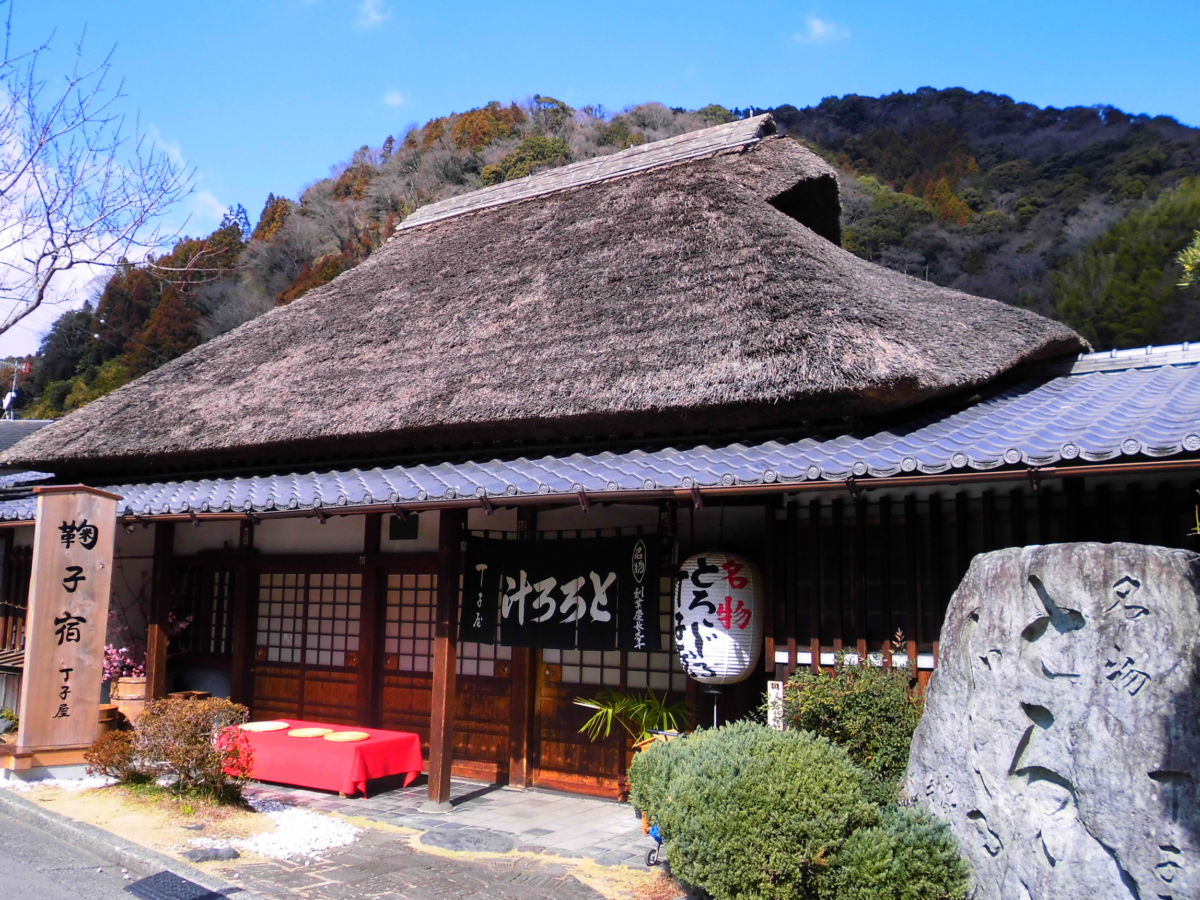
The town of Mariko is perhaps most famous for the iconic Chojiya Restaurant, established in 1596, that was immortalized in Hiroshige’s woodblock print image of the restaurant and its patrons.

Mariko Post Town on Tokaido
Mariko depicted in Utagawa Hiroshige’s “Fifty-three Stations on the Tokaido” 

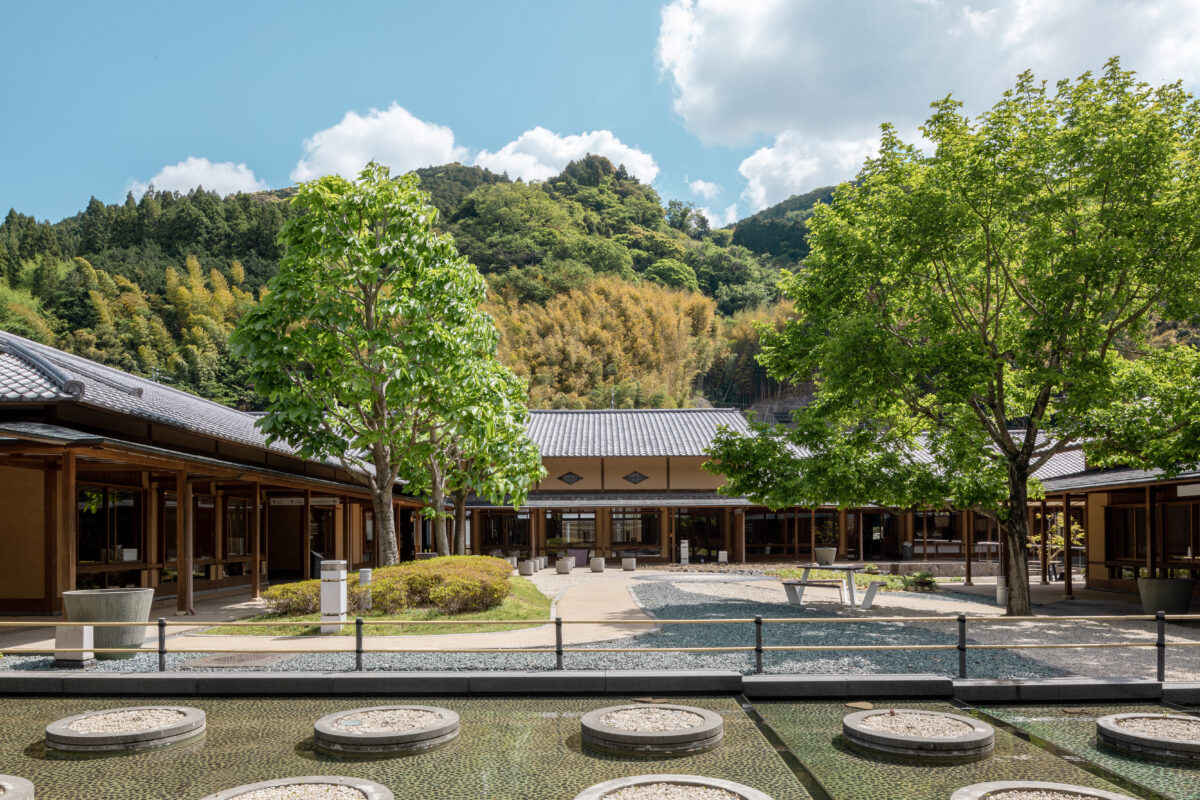
Close to Chojiya Restaurant is the Takumishuku Traditional Hand Craft Arts Center which preserves local handicraft traditions such as Suruga Bamboo Crafts.

For visitors with limited time, it is possible to do a half day tour to both Chojiya and Takumi Shuku, get a great insight into life during the time of the Tokaido Highway, and learn a new craft, and enjoy a new culinary experience.

For the more energetic visitors to Shizuoka that would like to stretch their legs and gain a deeper experience into what life would have been like on the Tokaido Highway 400 years ago, take a day to explore.

SUGGESTED ITINERARY

Take a bus or taxi to Takumi Shuku from Shizuoka Station on the Tokaido Main Line.

The Center opens at 10am and it is worth allocating at least a couple of hours to try some of the craft experiences on offer and grab a coffee at the cafe. For younger children, there is an indoor wooden playground featuring locally sourced timber.

Takumishuku is nestled in the idyllic outskirts of Shizuoka City.
Try a hands-on craft activity

From Takumishuku, the Chojiya Restaurant is within walking distance and it is a great place to enjoy the traditional mountain yam (Tororo) meal and view the small Tokaido themed gallery.

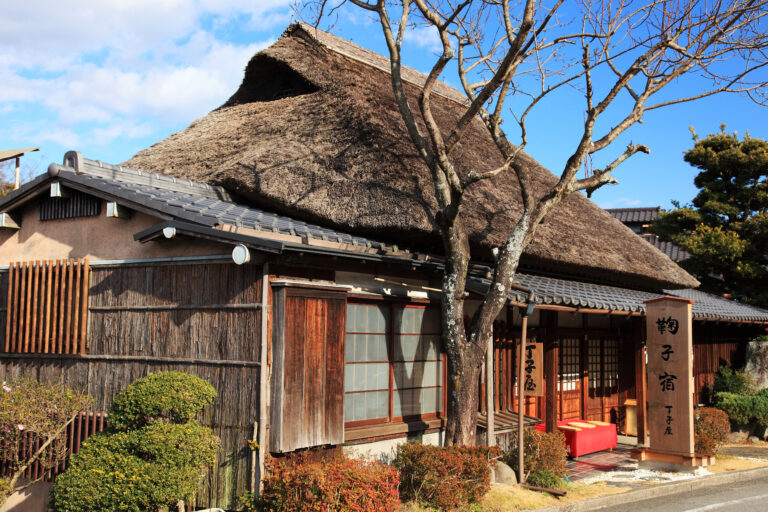
Traditional thatched building of Chojiya
Nutritious “Tororo” meal

For visitors that are interested in stretching their legs and exploring more of the Old Tokaido Highway, after enjoying a meal at Chojiya it is time to follow in the footsteps of past travelers and head to the infamous Utsunoya-toge Pass.

It’s a 3.5km walk to the Utsunoyatoge Rest Area (Shizuoka side) from the town of Mariko – it is a relatively uneventful walk so taking a taxi ride will save your legs for the rest of the trail and save some time.

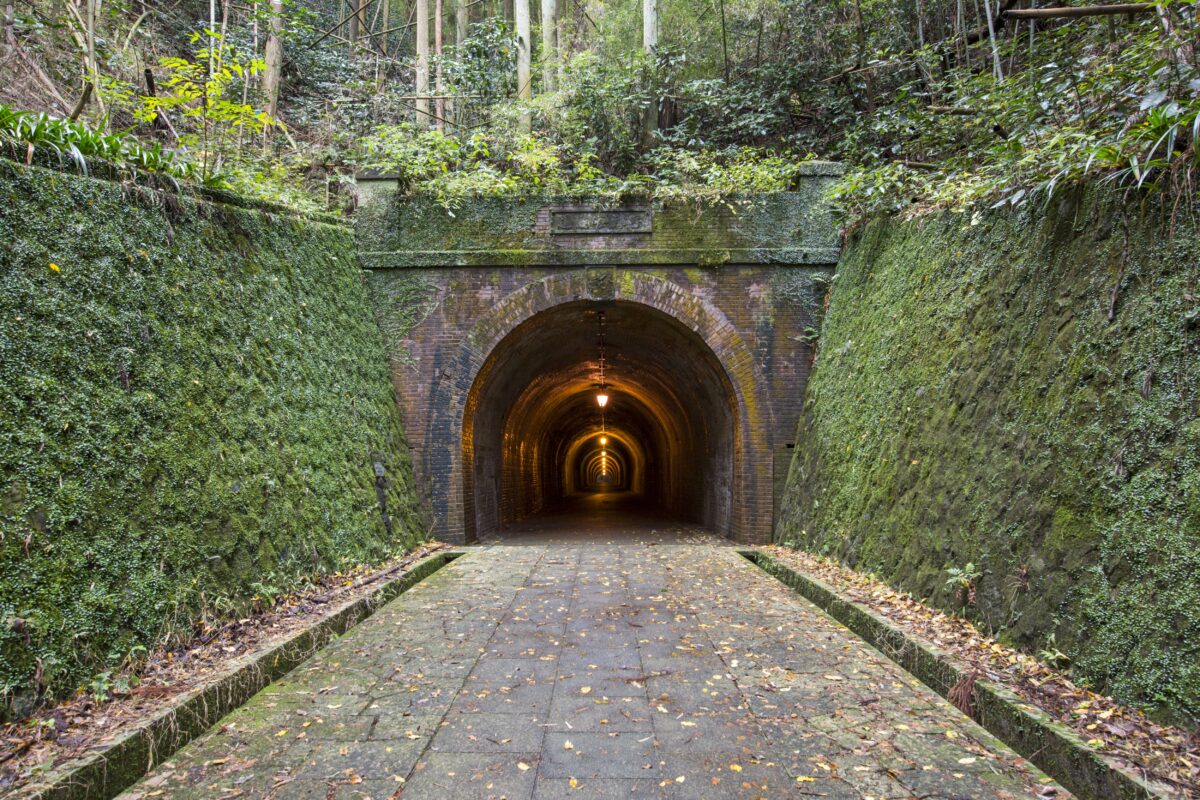
From there, make your way to the Utsunoya area that preserves the essence of a historic highway town. Make sure to visit the “Meiji Tunnel”, Japan’s first toll tunnel.

The brick-built Meiji Tunnel, exuding a nostalgic charm, has become a popular spot for hikers.

Before you realize the residential area gives way to mountains and nature and it becomes easier to get a picture of what traveling in this area would have been like during the peak of the Tokaido Highway.

A short walk from the Rest Area and you arrive at the Utsunoya Pass. You can then make a further hike on the ancient Tsuta no Hosomichi road back to the roadside station or take a bus to Shizuoka Station.

MORE INFORMATION

For more information on Tokaido related attractions in English check here.

[blogcard url=”http://www.shizuoka-tokaido.biz/en/map/pdf/map12en.pdf”]

Check Mariko Juku Area PDF

[blogcard url=”https://www.suruga-aind.biz/wp-content/themes/suruga-aind/en/navi/mariko/pamphlet_mariko_en.pdf”]

Tokaido tour in Shizuoka City

[blogcard url=”https://exploreshizuoka.jp/activities/places/2-days-1-night-tokaido-guided-tour-in-shizuoka-city/”]

More Travel ideas in Shizuoka City

Spotlight – Kanzanji Onsen

0

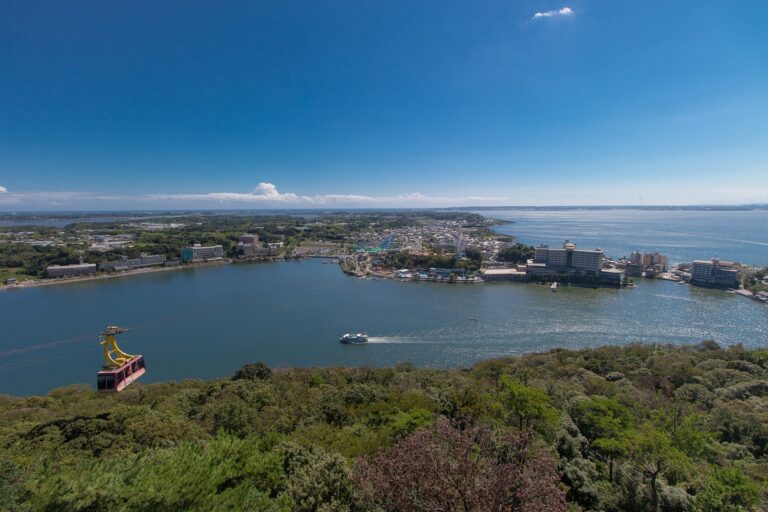
On the shores of Lake Hamana is the relaxed Hot Spring Town of Kanzanji.

LAKESIDE HOTSPRING RESORT

KANZANJI IS A RESORT TOWN PERFECTLY SET UP TO HELP YOU RELAX

ONSEN, KANZANJI TEMPLE, STUNNING SUNSETS, GREAT FOOD

Kanzanji Onsen located on the eastern shores of Lake Hamana is Shizuoka Prefecture’s largest onsen resort area – easily accessible from Hamamatsu Station.

Kanzanji became popular in the 1950’s when a hot spring was discovered and drilled.

Kanzanji features hotels and ryokan with hot spring baths, the Hamanako Pal Pal fun park, a ropeway up to Mt. Okusa Sightseeing Platform, Kanzanji Temple, Hamamatsu Zoological Gardens, Hamamatsu Flower Park and lots of places to pick your own fruit in season.

In summer, Kanzanji Onsen also draws wind surfers, sea kayakers and parasailing enthusiasts.

A PLACE TO FIND YOUR ZEN

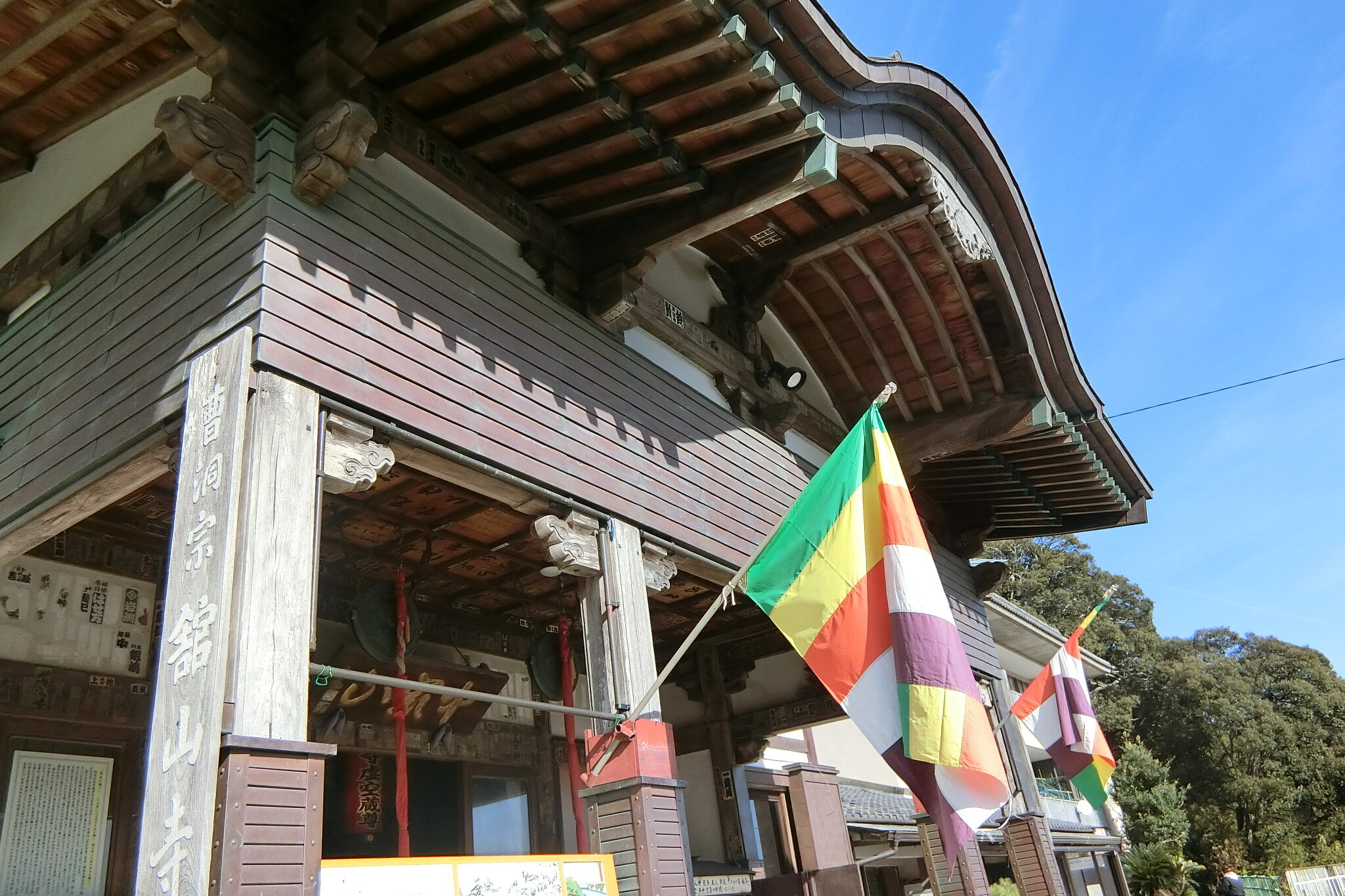
Kanzanji Temple

Kanzanji Temple is said to have been founded by famous Buddhist Monk Kobo Daishi (Kukai) in the 9th Century.

[blogcard url=”https://www.inhamamatsu.com/culture/kanzanji-temple.php”]

Kobo Daishi remains one of the most influential buddhist monks in Japanese history, famous for establishing the temples on Mt. Koya in Wakayama Prefecture.

Kanzanji Temple is located on Mt. Tateyama, a small hill on the coast of Lake Hamana.

Tateyama is only about 50m high so it is a great place to wander around – there are a number of attractions to discover.

Kanzanji Temple itself is a classic Buddhist temple and the centerpiece of Mt. Tateyama – other attractions include a 16m tall Kannon Statue and a shrine within a cave (Ana Daishi) in which it is said Kobo Daishi practiced.

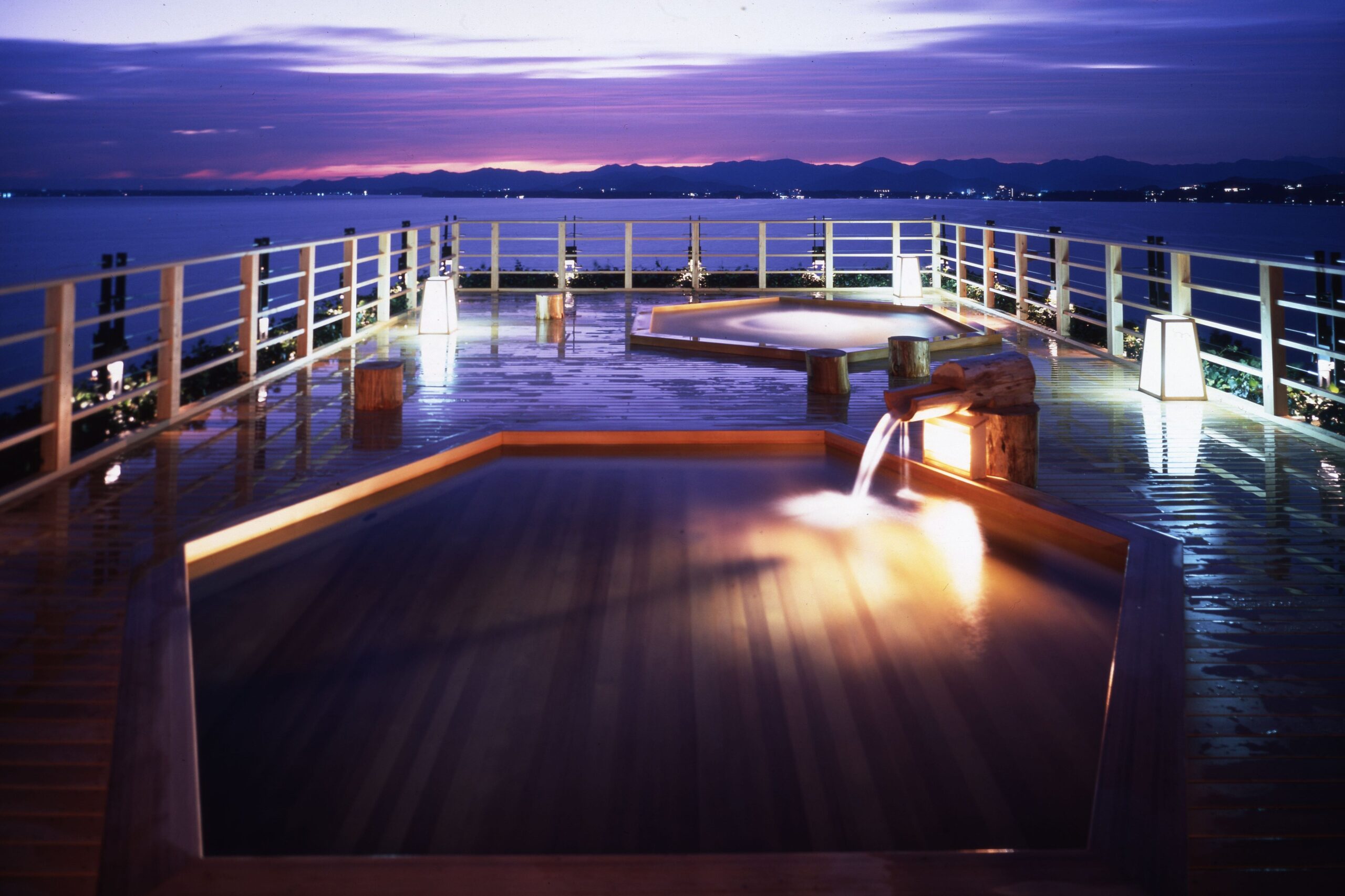
But perhaps the biggest attraction of Mt. Tateyama is the tranquility of walking through the woods and finding zen sitting on the coast and taking in a famous Lake Hamana Sunset.

Sunset from SAGO Royal Hotel

A PLACE TO STAY & PLAY OR CHILL

Like many Hot Spring Resorts in Japan, Kanzanji is set up to help you relax and forget about your daily life as soon as you arrive.

But comfortable rooms, fantastic food and great hot spring options are just the beginning to your stay in Kanzanji.

Kanzanji gives you the option to either stay indoors, soak away your worries or venture out to explore the local township and surrounding areas.

In the Kanzanji area Hamanako Pal Pal, a small amusement park with rides, has a pool in summer, a roller coaster and other attractions that the kids will love.

There is also a short cable car ride to Mt. Okusa Observatory which provides a great view of the lake.

If you want to get out on the water, Fantom Marine offers a number of great on water experiences such as parasailing, jet boat rides or sunset cruises.

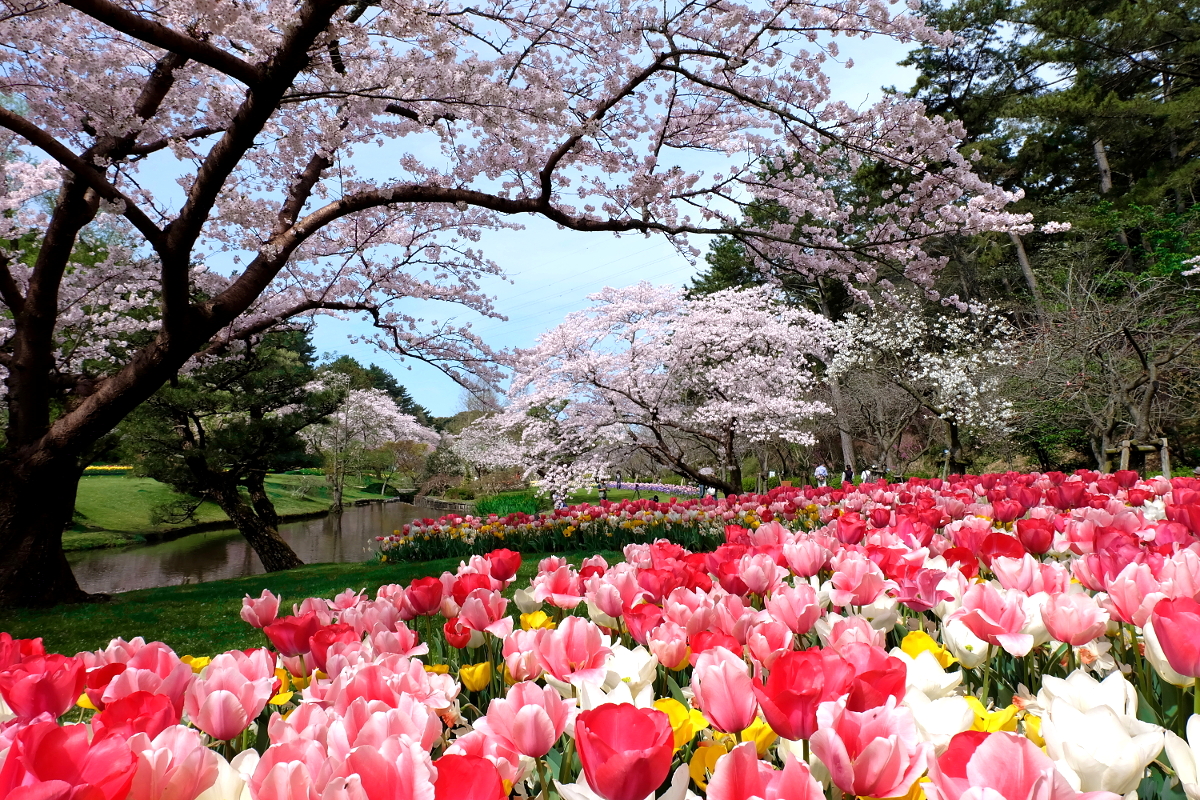
The Hamamatsu Flower Park is a 30,000 sq meter flower park, which is extremely popular with a wide range of different flowers blooming through the year.

Hamamatsu Flower Park

HOW TO GET THERE & AROUND

From Hamamatsu Station many of the Hotels in Kanzanji have free shuttle buses and this is possibly the best way to get there.

[blogcard url=”https://hamanako-tourism.com/en/sakura-quality/”]

If you have a car Kanzanji is easily accessible from the Tomei Expressway.

Lake Hamana prides itself on its cycling routes, aid stations and rental bike options. It is a great destination for all levels of cyclists and bikes are a great way to explore the area.

[blogcard url=”https://hamamatsu-daisuki.net/cycle/model_course.html”]

[blogcard url=”https://hamamatsu-daisuki.net/cycle/rental_bike.html”]

MORE INFORMATION

Check iN HAMAMATSU website for more information and community-based experiences in Hamamatsu area.

[blogcard url=”https://www.inhamamatsu.com/”]

Tokaido Highway – Kakegawa Juku

0

KAKEGAWA POST STATION

Highlights of the Area: KAKEGAWA CASTLE, NINOMARU TEA HOUSE & PALACE GROUNDS

INTRODUCTION

The town that grew around the Kakegawa Post Station was one of the most important on the Ancient Tokaido Highway.

In the early 17th century, the Old Tokaido Highway was firmly established as the main thoroughfare for travelers between the new capital of Edo (Tokyo) and Kyoto.

Kakegawa Castle had been built in the 15th century and had helped establish the town as an important stop on the “Shio no Michi” (Salt Road) used to transport salt from the ocean up into the Nagano region.

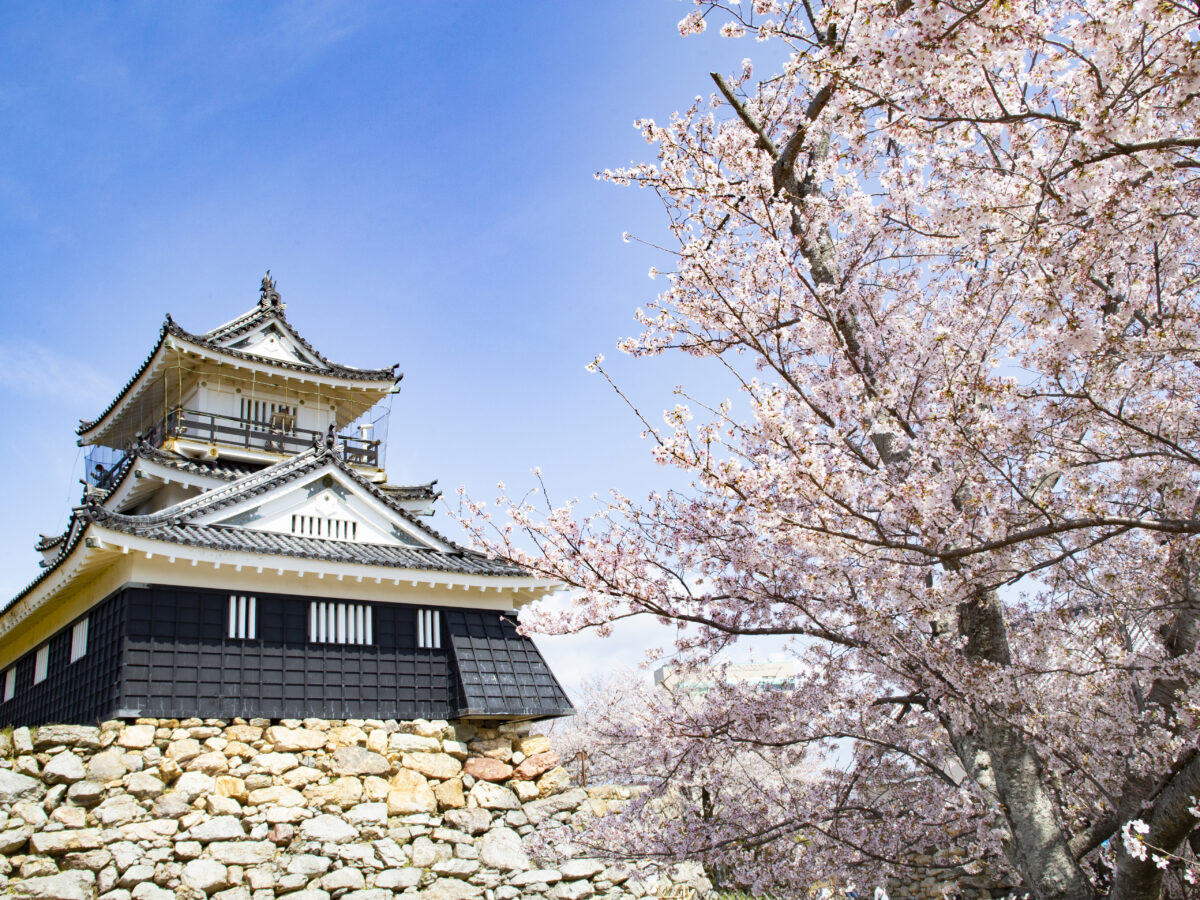
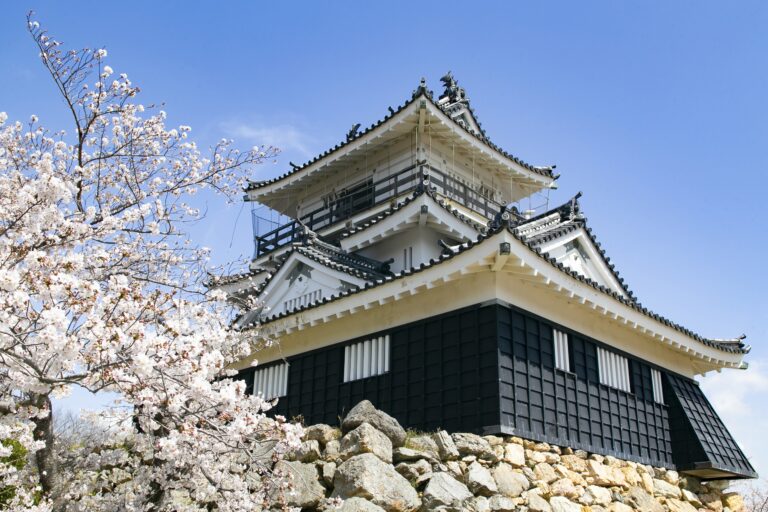
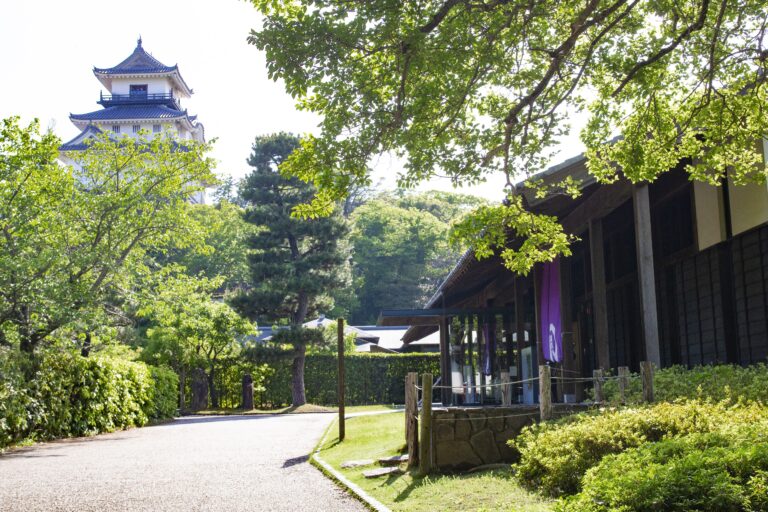
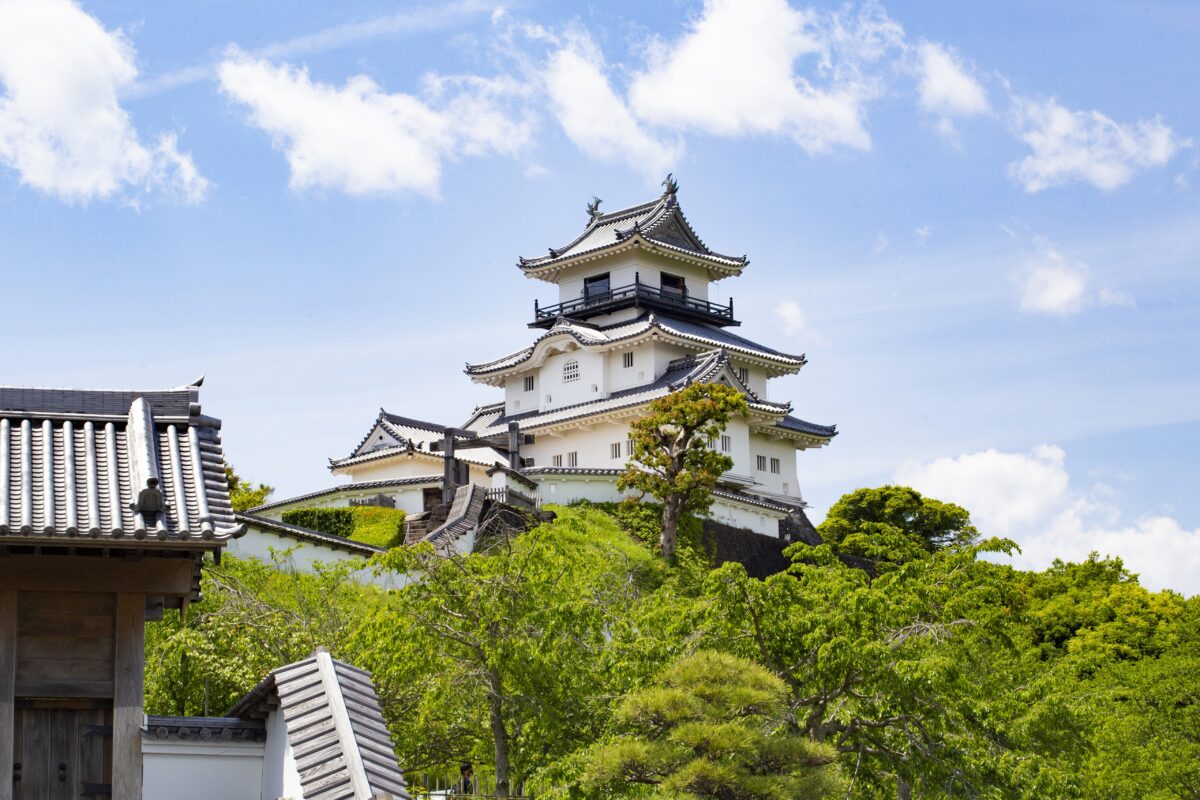
Kakegawa Castle – Japan’s First Restored Wooden Castle

Today a replica of Kakegawa Castle built in 1994 stands in place of the original.

It is notable as one of the only replica Japanese castles to have been reconstructed in wood using traditional building techniques.

During the peak of travel on the Ancient Tokaido Highway, Kakegawa was a bustling town and an important stop for merchants trading in salt and green tea. The town grew around this bustling trade.

Although not much remains of the original Kakegawa post town in Kakegawa exists today, if you spend a day in this charming castle town, there are a few ways that you can catch a glimpse of what life may have been like 400 years ago.

SUGGESTED ITINERARY

MORNING – CASTLE, TEA CEREMONY AND MUSEUMS

Upon arriving at Kakegawa Train Station in the morning be sure to pick up a Kakegawa Experience Day Passport at the South Exit Visitor Center and then take a walk up to the castle (about 10 mins from the station).

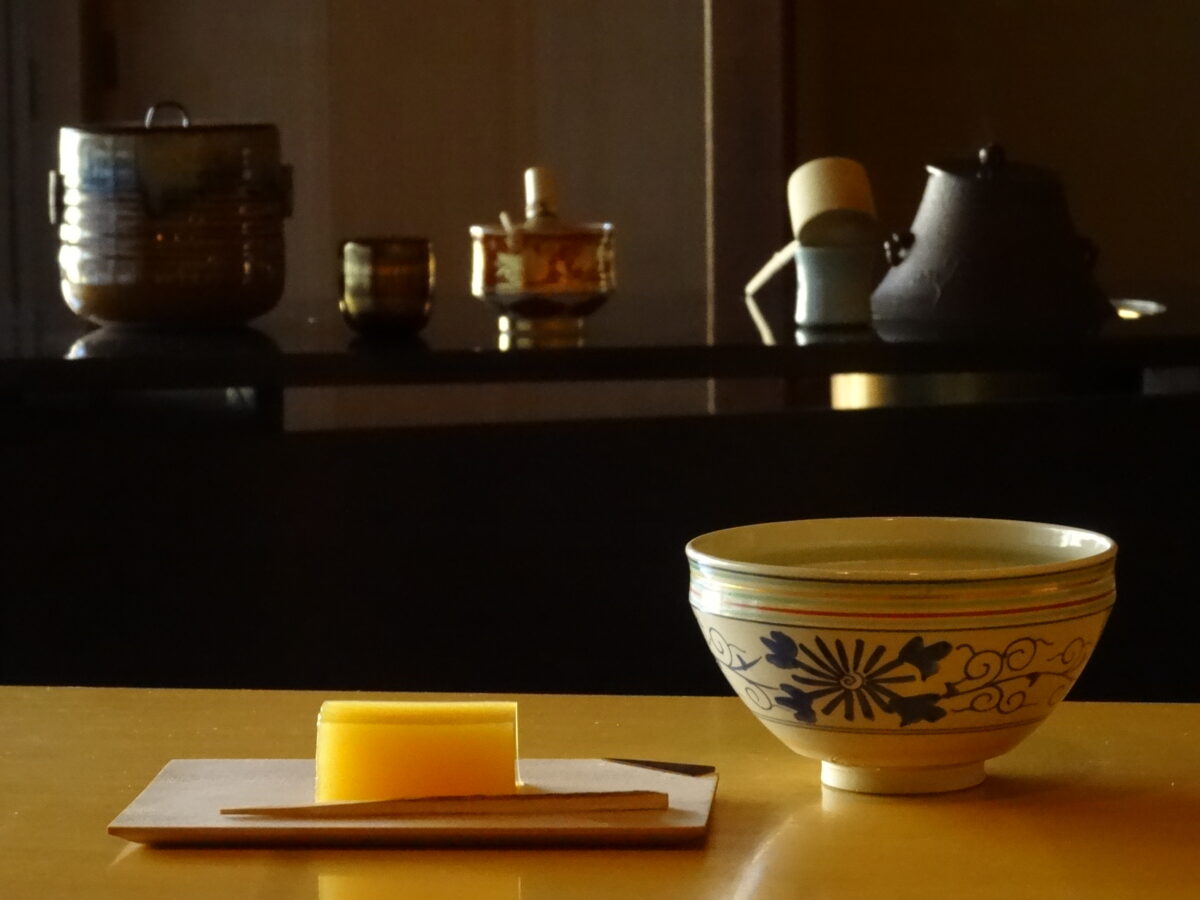
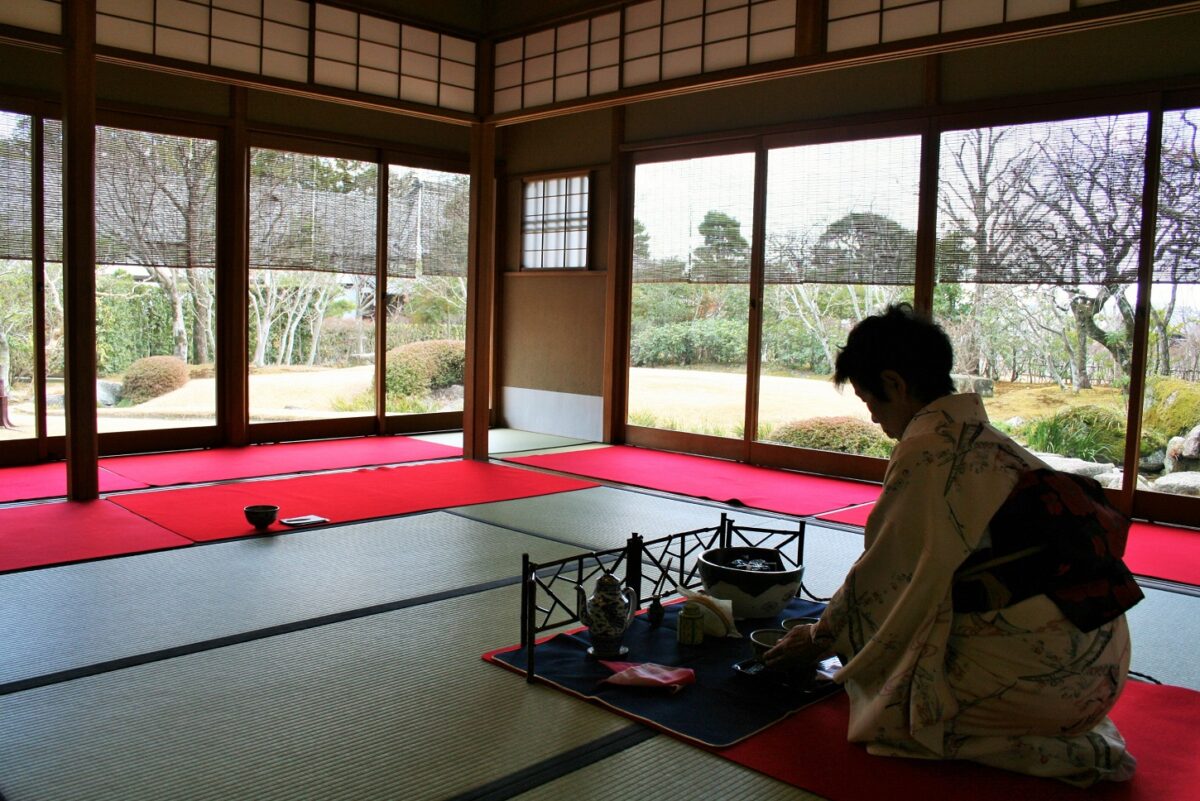
Start your morning with a traditional green tea ceremony experience at the Ninomaru Tea House.

Ninomaru Tea House
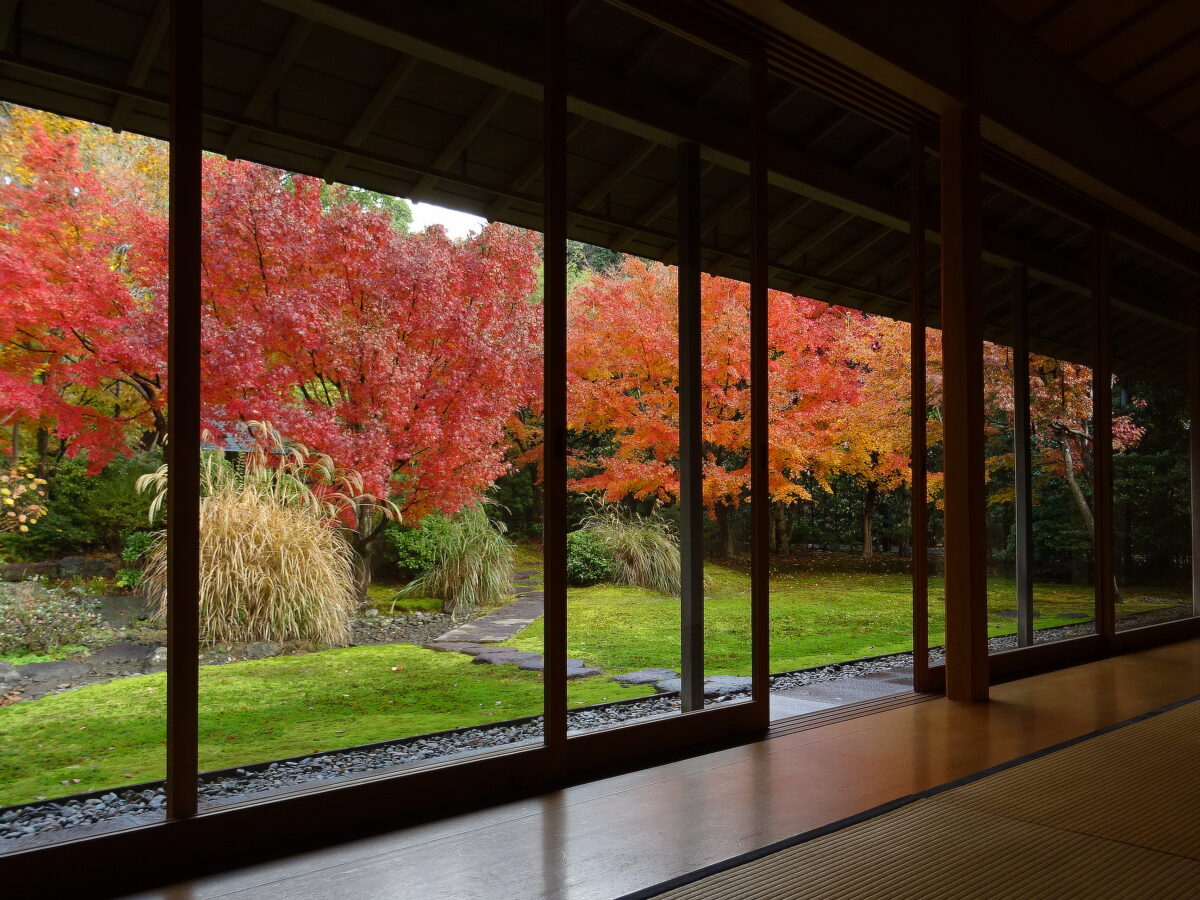
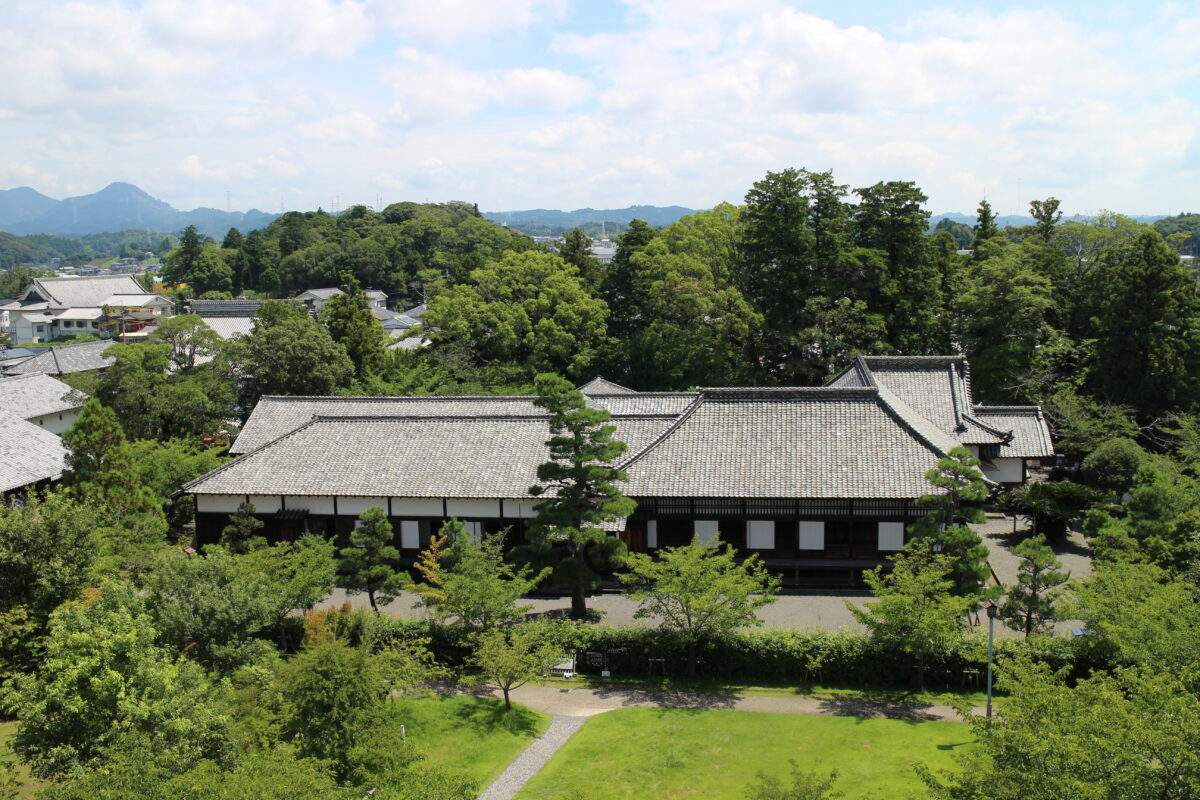
Ninomaru Palace – daimyo’s living quarters have been preserved and are open to the public.

Then spend the rest of the morning exploring the Castle and Ninomaru Palace where you will be able to see displays of Samurai armor, weaponry and other exhibitions that provide a glimpse into what life was like traveling on the Tokaido Road.

Be sure to visit the Kakegawa Ninomaru Museum, Take-No-Maru residence and Stained Glass museum while you are there to complete the experience.

AFTERNOON – SAMURAI ARMOR, GREEN TEA AND BIRD PARK

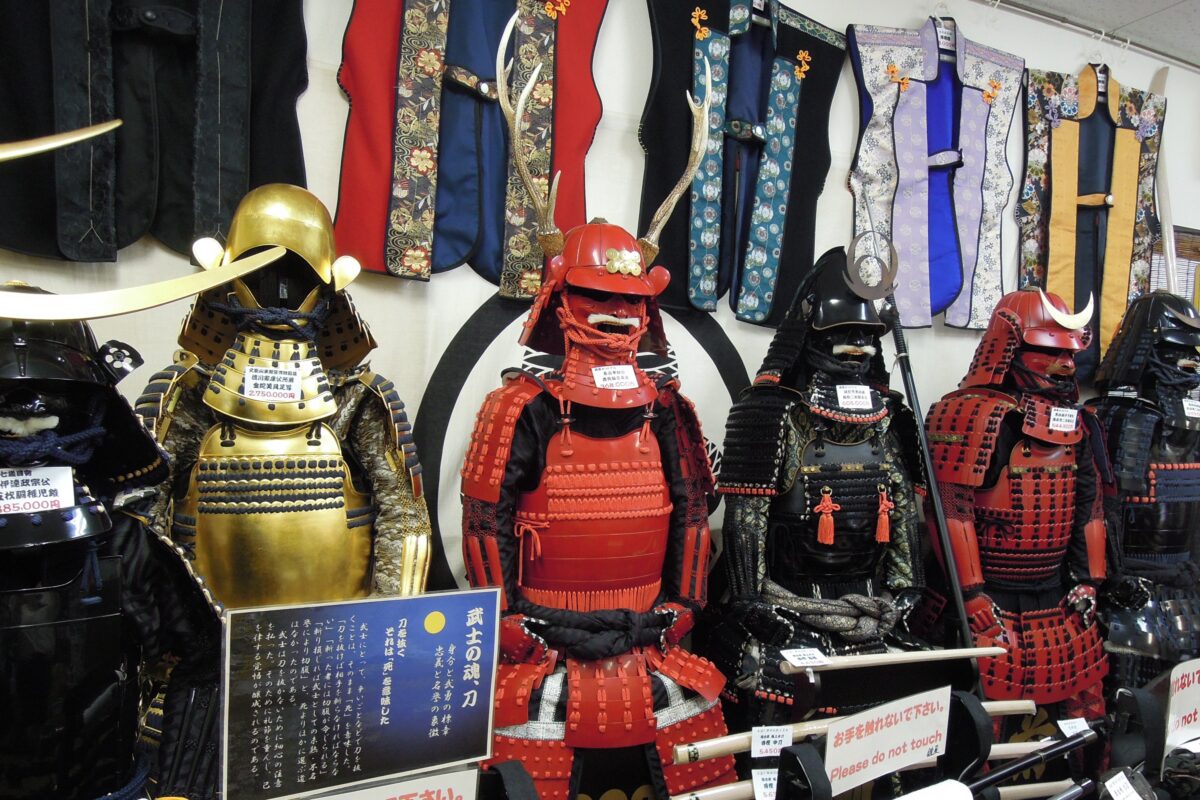
After Lunch at one of the restaurants close to the castle, pop into the Samurai outfitters shop Yoroiya across from the castle and get your photo taken wearing one of the replica samurai armers. *reservation required

Samurai armors on display at Yoroiya
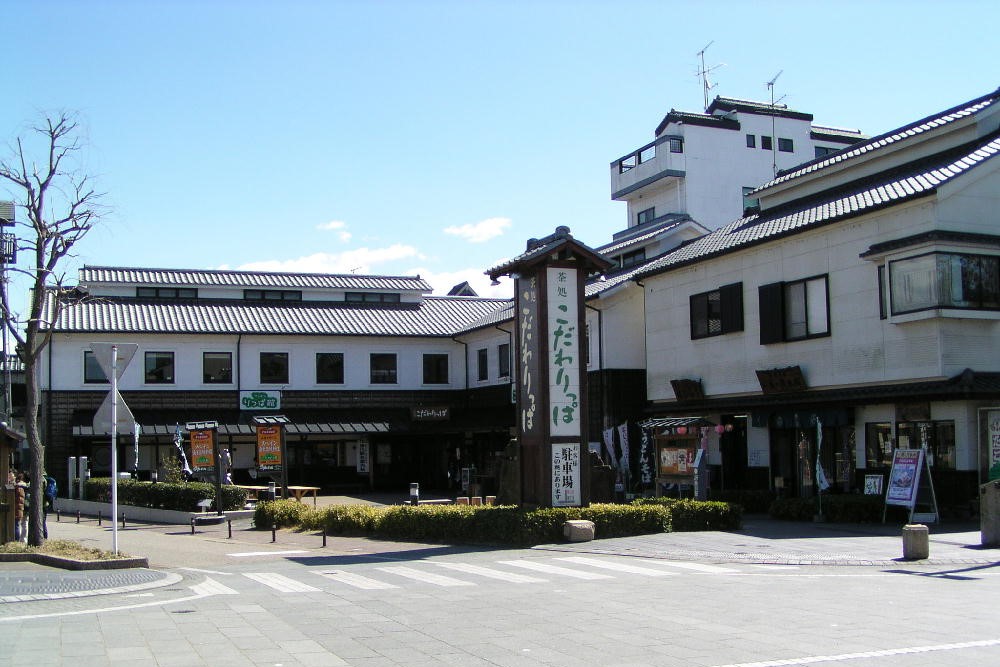
 You can find a wide range of teas and specialty items produced in Kakegawa at Kodawarippa

A trip to Kakegawa is not complete without trying some of the local Japanese sweets or buying some Kakegawa Green Tea from one of the local stores.

For a family fun, Kakegawa Flower and Bird Park (Kachoen) is a large flower and bird park just South of Kakegawa Station. It houses a large number of different birds including flamingoes, emu, penguins, colorful toucan and other exotic birds.

If you are still in the city in the evening make sure to visit the Honjin Dori food alley in the evening to experience local street food and meet some of the friendly locals.

Honjin Dori at night
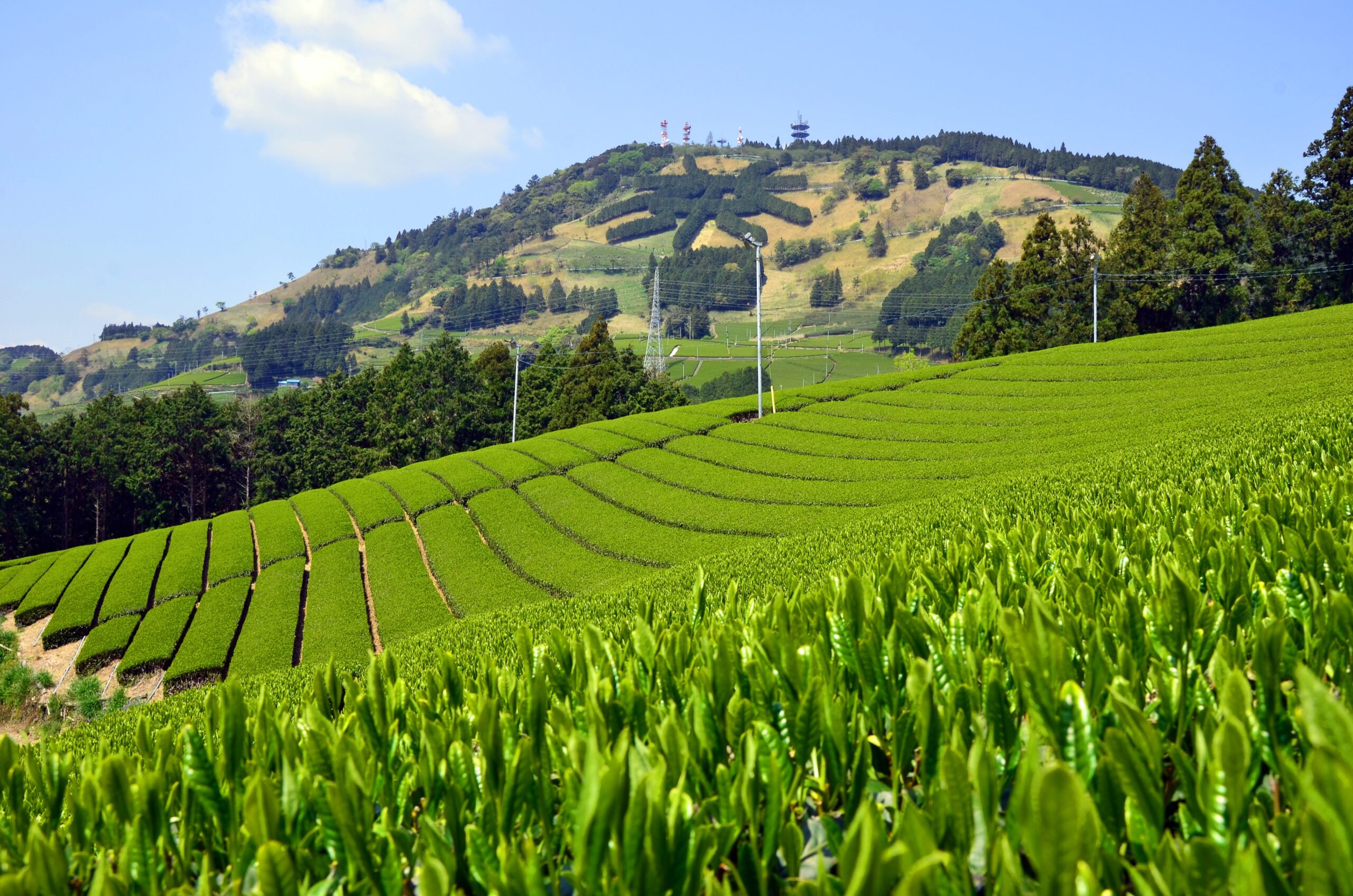
Kakegawa Tea Plantation
Kakegawa is known for its tea production

For a detailed map of Kakegawa and Tokaido Related attractions in English check www.shizuoka.biz

[blogcard url=”http://www.shizuoka-tokaido.biz/en/map/map17.html”]

MORE INFORMATION

Kakegawa City Official Tourism Webiste

[blogcard url=”https://www.bt-r.jp/kakegawa/english/”]

Activities in and around Kakegawa City

[blogcard url=”https://exploreshizuoka.jp/activities/activities-search/?geodir_search=1&stype=gd_place&s=+&snear=&snearest_station%5B%5D=Kakegawa+Station&sgeo_lat=&sgeo_lon=”]

Sumpu Castle – Home to Japan’s most famous Shogun

Explore Sumpu Castle, which had the largest keep in Japan and dates back nearly 500 years to the Warring States Period.

Ieyasu was the founder and first shōgun of the Tokugawa shogunate of Japan, which effectively ruled Japan from 1603 until the Meiji Restoration in 1868.

Ieyasu, who had spent part of his youth in Sumpu, present Shizuoka City as a hostage, eventually went on to build Sumpu Castle in 1585 and take up residence there for a number of years, preparing for the famous battle of Sekigahara in 1600. After this famous battle he established the longest period of peace and isolation in Japan’s history, known as the Edo period and created the city that is now known as Tokyo.

After creating Tokyo and establishing the Tokugawa Shogunate (which would rule Japan for 265 years) Ieyasu again returned to Sumpu Castle to retire until his death in 1616.

So it could be argued that Sumpu Castle is one of the most historically significant heritage sites in Japan – at least in terms of the past 500 years and the establishment of much of current-day rule of law.

Today, Sumpu Castle is surrounded by a beautiful park and sits in the centre of Shizuoka City. The keep of the castle was the largest in Japan, even bigger than its more famous cousin, Edo Castle.

However, because of war, fire and the castle changing hands over the centuries, many of the buildings have had to be recreated.

Sections made from wood, such as the East Gate that were destroyed in a 17th century fire, were reconstructed in 1996 to exact specifications, even using the original hinoki timber, along with beams made from entire tree trunks, as they were when the castle was originally constructed in 1589.

Other reconstruction projects in 1989 recreated the Tatsumi Yagura sections, so even visiting the castle today, one can still enjoy the atmosphere of the original design along with the smells of hinoki timber as if it were constructed yesterday.

Visiting the castle is easy. The Tokaido Shinkansen, which travels between Tokyo and Osaka, stops at Shizuoka Station, and the castle and surrounding attractions are a short 10-minute taxi ride or a leisurely 20-30 minute walk through parks and shops, making a great half-day excursion. See other attractions in Shizuoka city and plan to explore.

Information

Address: 1-1 Sumpujokoen, Aoi-ku, Shizuoka-shi, Shizuoka

Hours: 9:00-16:30 for charged facilities

Closure of the charged facilities: from December 29 to January 3 and Mondays (facilities are open if Monday is a national holiday)

For more Information check – Sumpu Castle Website

[blogcard url=”http://sumpu-castlepark.com/en/”]

5 Awesome Autumn Views of Mt. Fuji in Shizuoka

0

5 AUTUMN VIEWS OF MT. FUJI

Autumn is an amazing time to be in Shizuoka – enjoy blue sky days, crisp clear nights and fantastic views of Mt. Fuji from many different parts of Shizuoka.

Take in views of Mt. Fuji under November skies at these 5 great locations.

ASAGIRI PLAINS

ASAGIRI HIGHLANDS
Asagiri Plains is a popular destination for people looking to get active.

Fujinomiya City is the closest city to Mt. Fuji and offers stunning views of this majestic mountain.

[blogcard url=”https://exploreshizuoka.jp/en/inspirations/stories/spotlight/fujinomiya-the-closest-city-to-mt-fuji/”]

A popular spot in Fujinomiya to get a close up view of Mt. Fuji is Asagiri Plains which offers many activities to enjoy with an amazing backdrop.

Undoubtedly, the most popular of these events is paragliding.

Companies such as Sky Asagiri offer visitors an opportunity to view Mt. Fuji from a very unique angle as you glide through the air and ride the wind.

[blogcard url=”https://exploreshizuoka.jp/activities/places/mt-fuji-paragliding-experience/”]

Early Autumn is a great time to try paragliding as the winds are generally calm, the skies are often clear and during the day, it is still relatively warm.

Popular activities in the area include cycling, camping and golf. Renting a car or campervan and spending a couple of days exploring the area is an unforgettable experience.

SHIRAITO FALLS

SHIRAITO FALLS
Firery foilege can be enjoyed mid-Novemeber to late November at Shiraito Falls.

The popular Shiraito Falls is located close to the Asagiri area and offers an additional attraction to include in a Mt. Fuji Countryside itinerary.

From November, the leaves on the trees around the Shiraito Falls turns red, and Mt. Fuji gets its iconic snowcap. The Autumn blue skies offer spectacular views of the mountain and fiery colors of the Autumn leaves.

After visiting Shiraito Falls, join a cycling ecotour and jump on a bike and cycle through the local countryside to gain a better understanding of everyday life living with Mt. Fuji.

[blogcard url=”https://exploreshizuoka.jp/activities/places/village-cycling-ecotour-at-foot-of-mt-fuji/”]

During November, the waterfalls are illuminated at night as part of a special event every year.

LAKE TANUKI

LAKE TANUKI
Enjoy outdoor activities at Lake Tanuki in the crisp autumn air.

Lake Tanuki, also in the Asagiri area of Fujinomiya, is an extremely popular spot for people wanting to get up close and personal with Mt. Fuji.

The lake attracts photographers from all over the world to capture the ultimate Mt Fuji shot reflected off the calm waters of the lake.

The best time to view Mt. Fuji is at sunrise and it is well worth the effort to get up early. The lakeside campsite is the perfect place to stay in order to get the best view.

GOTEMBA

GOTEMBA
On a clear day in Gotemba, enjoy the skyline dominated by Mt. Fuji.

Jump on the Odakyu Romance Car train from Shinjuku early in the morning and you will be in Gotemba early enough to get morning views of Mt. Fuji.

There are plenty of activities to enjoy in Gotemba to make it worth a 1 day or 2 day trip and Autumn is a great time to visit.

[blogcard url=”https://exploreshizuoka.jp/en/travel-ideas/model-course2/”]

Activities such as horseback riding, mountain biking, golf and cycling or shopping, hot springs or gourmet Italian dining are all great options in Gotemba that also offer magnificent views of Mt. Fuji.

Some of the best places to view Mt. Fuji in Gotemba include – Fuji Heiwa (peace) Park, Gotemba Outlet Mall, Tokinosumika, Restaurante Italiano Sakurakagami or on one of the many golf courses in the area.

SATTA PASS

SATTA PASS
The same view was depicted in one of Hiroshige’s woodblock prints.

The view of Mt. Fuji from Satta Pass was made famous by the woodblock print artists Ando Hiroshige who created prints of the 53 Post Stations on the Old Tokaido Highway.

[blogcard url=”https://exploreshizuoka.jp/en/see-and-do/tokaido-highway/”]

Today the Viewing deck of Sata Pass is accessible from either Okitsu on the JR Tokaido Train line (16 mins from Shizuoka Station) – it is a pleasant, and well sign posted 45 minute walk or 10 minute taxi ride.

[blogcard url=”https://exploreshizuoka.jp/en/stations/shizuoka-station/”]

The clear blue Autumn skies are a great time to get the best views of Mt. Fuji and replicate the famous view that was capture by Hiroshige nearly 200 years ago.

Tokaido Highway – Shimada and Kanaya Juku

0

SHIMADA JUKU AND KANAYA JUKU

Highlights of the area: OI RIVER, SHIMADA CITY MUSEUM, KAWAGOSHI RUINS, GREEN TEA MUSEUM, RETRO TRAINS

INTRODUCTION

The Old Tokaido Highway became firmly established in the early 17th century as the main thoroughfare for travelers between the new capital of Edo (Tokyo) and Kyoto.

The 23rd and 24th Post Town on the Old Tokaido Highway were Shimada and Kanaya Juku, located on the side banks of the sometimes treacherous Oi River and followed by the challenging Nissaka Pass section of the journey.

Shimada Tokaido
Oi River depicted in The Fifty-Three Stations of the Tokaido by the renowned Ukiyoe artist Hiroshige Utagawa

The Tokugawa Shogunate had forbidden a bridge being built across the Oi River and, as seen in Hiroshige’s classic woodblock print, travelers on the Tokaido Road had to pay to hire porters and get carried through the river.

The Oi River was is said to be one of the hardest sections to pass on the Tokaido Highway along with Hakone Hachiri, and travelers often got stuck there for days waiting for safe crossing of the river.

These two post towns, therefore prospered with over 1,000 buildings including three honjin (high-class lodging facility) and about 50 hatago accommodations each.

From Kanaya Juku, the hike to Nissaka Juku is a great day hike for visitors who like to be active and enjoy a challenging walk – the trail from Kanaya to Nissaka Juku over the Nissaka Pass was also one of the most difficult parts of the original Tokaido Highway.

SUGGESTED ITINERARY

The following itinerary focuses on the area between Shimada and Kanaya Juku and is for those who still want to experience the Tokaido Highway without as many hills.

Use this MAP as a guide for your journey from Shimada Juku to Kanaya Juku.

MORNING – MIGHTY OI RIVER AND KAWAGOSHI CULTURE

At Shimada Station North Exit you can rent a bicycle for the day at the bicycle parking area – this is a great option to help you get around.

This area north of Shimada Station is a nice place to find a coffee or green tea – head up to Obi-Dori Street and see where the famous Obi Festival is held every 3 years.

From there cycle down to the historical Horai Bridge, world’s longest wooden pedestrian bridge, and over the Oi River to the green tea fields on the other side – on a clear day there should be a view of Mt. Fuji.

Horai Bridge
The 897.4-meter-long Horai Bridge

Shimada City Museum
A photo spot at the Shimada City Museum

Cycle back over Horai Bridge and head toward the Kawagoshi Ruins and old Shimada town area. Explore the remnants of the Old Tokaido Road – in late March the cherry blossoms in this area are highly recommended.

Make sure to visit Shimada City Museum that showcases the fascinating history of Oi River and its Kawagoshi (river-crossing) culture and try the soba at Sobagen.

AFTERNOON – COBBLE STONE PATH AND GREEN TEA

After lunch, head back to Shimada Station and take the train to Kanaya Station and take some time to walk up and check out the remaining Tokaido Road leading to Nissaka Juku. Take a break with green tea sweets at Ishidatami-chaya EN that stands by the restored cobble stone path.

Ishidatami-chaya
Ishidatami-chaya EN – A Kominka style cafe

If you have a spare time, travel further to Tea Museum, Shizuoka to learn all about tea. Here, you can also try a traditional tea ceremony.

Alternatively, take a short train ride to Shin-Kanaya Station to check out steam trains and Thomas the Tank Engine trains.

Traditional tea ceremony at Tea Museum, Shizuoka

Shin-Kanaya Station
Enjoy the retro atmosphere at Shin-Kanaya Station

MORE INFORMATION

Shimada City Official Tourism Website

[blogcard url=”https://shimada-ta.jp/city/toppage.php?lan=1″]

Map of Shimada and Kanaya Juku and Tokaido related attractions in English

[blogcard url=”http://www.shizuoka-tokaido.biz/en/map/map15.html”]

Bridge of Dreams

Take a journey on a steam locomotive deep into the forest covered mountains of Kawane, Shizuoka – discover turquoise waters nestled amongst a canvas of green in one of the most epic valleys in Japan.

Bridge of Dreams in Sumatakyo located in Kawanehon-cho is an 8-meter-high, 90-meter-long suspension bridge over the Oma Dam Lake. The emerald green lake viewed from the bridge and the rich nature of the Southern Alps are breathtaking.

When you arrive at the parking lot of Sumatakyo, the entrance of the hike to the bridge, there is a small cluster of shops and eateries. Scrumptious soba awaits. Right opposite is a classic local Japanese onsen, where you can refresh and recover tired muscles before moving on your expedition to the bridge.

Suikouen – A local Japanese ryokan

To the bridge, pass through the gate and walk along on the Sumatakyo Promenade Course (90 minutes).

As you walk, you will see a tunnel. Once you pass through the tunnel, there is a junction that takes you to either Bridge of Dreams or Hiryu Bridge. To reach Bridge of Dreams, take the right-side route.

Junction – take right side route toward the Bridge of Dreams

So far, we have been hiking up a gentle path, but the path ahead from the junction continues downhill. If you continue further along, our destination, Bridge of Dreams, will finally come into view.

Bridge of Dreams

The mystical sight of the suspension bridge surrounded by the beautiful lake and mountain greenery is so spectacular that you will forget that you have come a long way.

There is an old saying that if you wish for love near the center of the bridge, your wish will come true, making the bridge a popular “power spot” among young women and couples. In autumn, the leaves of the trees turn red and yellow, and you can enjoy the beautiful autumn colors.

Bridge of Dreams from the front

During busy times such as the autumn foliage season, there can be a long waiting line to cross the suspension bridge, so it would be wise to check the latest information in advance.

There are three bridges in Sumatakyo that visitors can enjoy at once, including the Sannami Bridge, Bridge of Dreams and Hiryu Bridge. As you continue walking along the stream of the Sumata River on the right, you will see the Sannami Bridge far below. At 96 meters, this suspension bridge is the longest of the three bridges. Only four people can cross at a time, making it a thrilling experience. The Sannami Bridge can be reached from Green Shower Road, so if you have time to spare, please visit here as well.

Learn more about Kawane Area.

ACCESS TO SUMATAKYO

  1. From Tokyo or Osaka, take the Tokaido-Sanyo Shinkansen (bullet train) to Shizuoka Station.
  2. From Shizuoka Station take the local train to Kanaya Station. Then ride the Oigawa Railway and transfer at Ieyama Station to the bus bound for Senzu Station.
  3. From Senzu Station it is a 45 minute bus ride up to Sumatakyo Village

5 Souvenirs to Bring Home from Shizuoka, Japan

0

MEET LOCAL CRAFTSMEN THAT HAVE REFINED THEIR SKILLS OVER GENERATIONS AND RETURN FROM YOUR TRIP TO SHIZUOKA WITH SOME SPECIAL HAND MADE SOUVENIRS.

When you visit Shizuoka, there are opportunities for you to hand-craft your own unique souvenirs to take home from your Japan trip.

JAPANESE INDIGO DYEING – Mishima Station

Shoaizome Koharaya
Hands-on ‘JAPAN BLUE INDIGO” dyeing expereince

Indigo dyeing is a fabric or thread coloring technique that had its heyday during the Edo Period of Japan (1603-1868).

The process results in a color known as Japan blue that many of us may remember from the beautiful color of the jersey that the Japan National Soccer team wore during the 2022 Soccer World Cup. 

In the city of Gotemba, you can visit one of the few remaining ateliers, Shoaizome Koharaya, where the visitors can experience the traditional way of indigo dyeing and learn about the history of this unique traditional process.

While the experience includes dyeing your own fabric to take back home with you, the atelier also features a showroom where visitors can buy the clothes masterfully dyed by the master and his son.

[blogcard url=”https://exploreshizuoka.jp/activities/places/learn-japan-blue-indigoand-make-it-by-yourself/”]

MATCHA CALLIGRAPHY – Shizuoka Station

Matcha Calligraphy
Matcha Calligraphy – Enjoy the aroma and vibrant color

As the bitter-sweet aroma of matcha fills the air, clear your mind and put the matcha-soaked brush to paper with this uniquely Japanese experience, MatchaSho®.

This extremely unique experience, replacing traditional ink with matcha in the practice of Zen Japanese Calligraphy, is produced by a Shizuoka-based Shodoka (calligrapher), Shoran.

After the session, you will have a hanging scroll with your own writing on to take home – What would you like to write?

[blogcard url=”https://exploreshizuoka.jp/activities/places/experience-mindfullness-and-tranquility-with-matcha-calligraphy/”]

SURUGA BAMBOO WARE – Shizuoka Station

Suruga Bamboo Ware
intricately designed Suruga Takesensujizaiku

Japanese Bamboo lattice ware has been produced in Japan for more than 2,000 years dating back to the Yayoi Period.

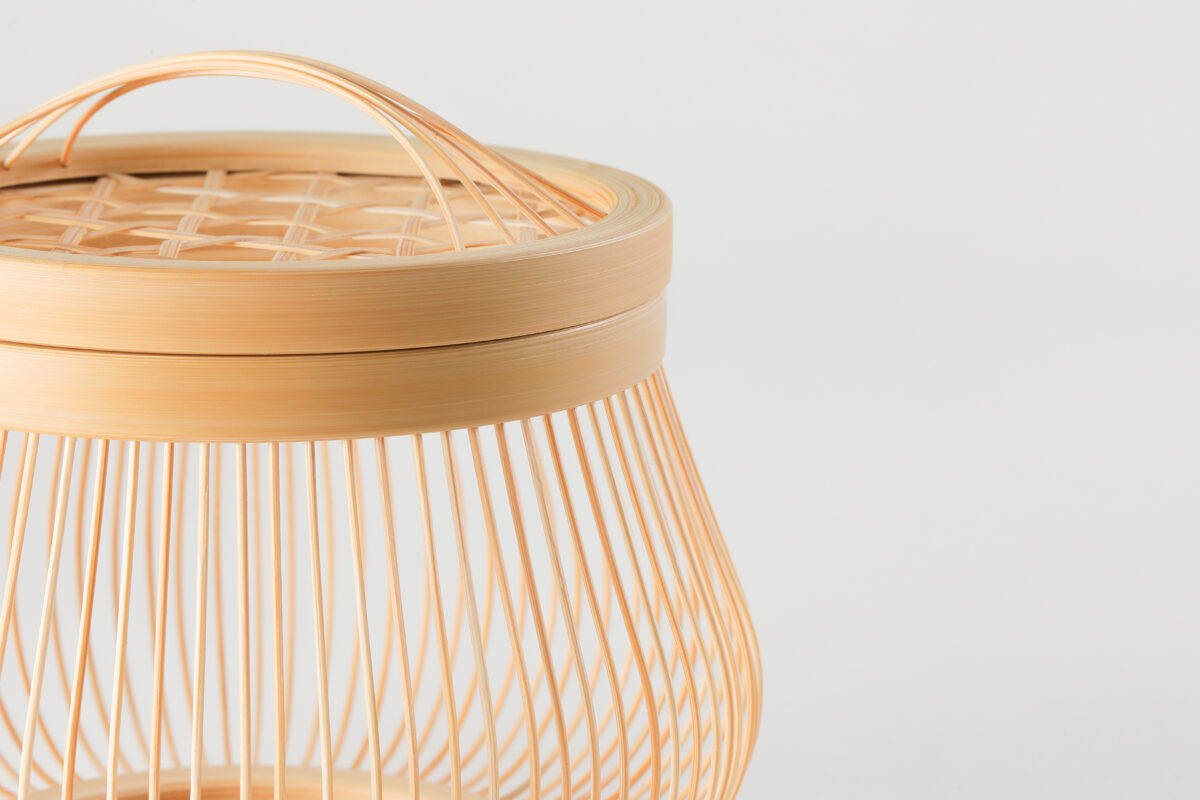
Referred to in Japan as ‘Takezaiku’ – Suruga Takesensujizaiku is a style of bamboo craft work that was developed in Shizuoka which involves splitting the bamboo extremely thin.

Suruga Bamboo Ware products became especially popular around the time Tokugawa Ieyasu was at Sumpu Castle.

The techniques used to create elegant flower vases, sweet containers and lampshades have been handed down over generations and can take up to 10 years to master.

Visitors to Shizuoka that would like to try their hands at creating Suruga Bamboo Ware can visit Takumishuku.

[blogcard url=”https://takumishuku.jp/”]

LOCAL SAKE – Hamamatsu Station

Hananomai
Sake from Hananomai Brewery in Hamamatsu City

Nihonshu (Sake) is an iconic Japanese drink that makes for a great souvenir to take back for family and friends back home.

Visit Hananomai Brewery in Hamamatsu and take the brewery tour to meet the local craftsmen and learn how they produce their sake so that you can impress your friends when you give them their souvenir from your trip to Shizuoka.

Established in 1864, the brewery has stayed true to its values by only making sake crafted from 100% locally produced Shizuoka rice.

[blogcard url=”https://www.inhamamatsu.com/culture/hananomai.php”]

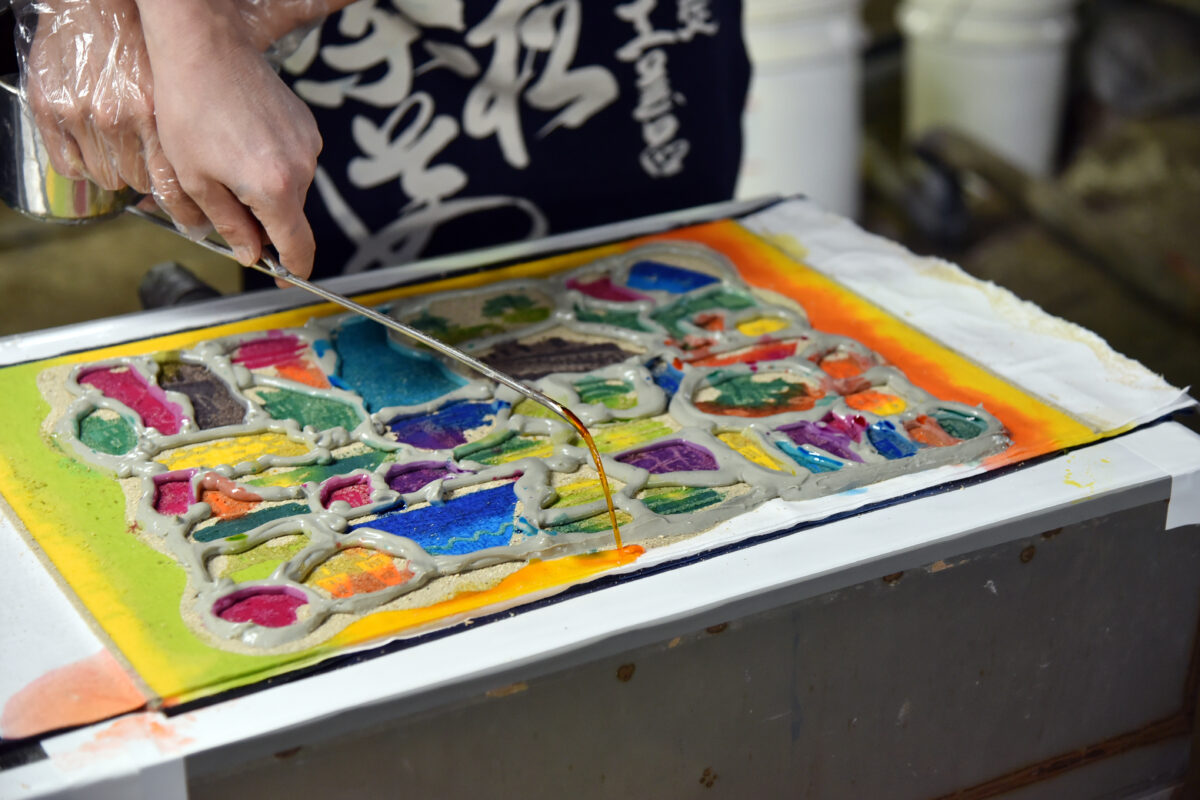
HAMAMATSU CHUSEN TENUGUI – Hamamatsu Station

Hamamatsu Chusen Tenugui
Shizuoka-inspired design on the Tenugui

If you have been to Japan you will no doubt have seen the intricately designed thin cloth towels called Tenugui that are sold at various souvenir stores around the country.

One of the processes for dyeing tenugui is called ‘Chusen’ in Japanese and the fablic is often used to create the iconic Summer Yukata that are often worn at festivals.

Despite modern technology and mass production taking over, there are still factories in Hamamatsu City that produce these dyed products using techniques that haven’t changed for hundreds of years.

Visitors can observe the authentic dyeing craftsmanship and a hands-on experience dyeing your own special ‘Tenugui’ (Hand Towel) at the factory.

[blogcard url=”https://exploreshizuoka.jp/activities/places/the-traditional-dyeing-technique-hamamatsu-chosen-tour/”]