Tokugawa Yoshinobu returned power to the Emperor without a fight. What did Yoshinobu, the last shogun, think about in Shizuoka and what did he bring to the city?
Introduction
Tokugawa Yoshinobu, the last shogun, was the one to close the curtain on the Edo shogunate, which was reputed to be an exceptionally long period of government even by world standards. Yoshinobu, who was the 15th shogun, returned power to the Emperor peacefully without a fight. With the so-called “Taisei Hokan” (transfer of power back to the Emperor), Tokugawa Yoshinobu drew the curtain on the 260-year Tokugawa shogunate and chose to put down the sword, ending the samurai government that existed for nearly 700 years since the founding of the Kamakura shogunate. His decision would eventually open the door to a new era for the country of Japan.
Adventure and interactive activities to visit places associated with Tokugawa Yoshinobu
Learn about the character of Tokugawa Yoshinobu at his residence, Fugetsuro
Why did Yoshinobu, the 15th shogun, return power to the Emperor without fighting?
This is considered one of the greatest mysteries of the Edo shogunate.
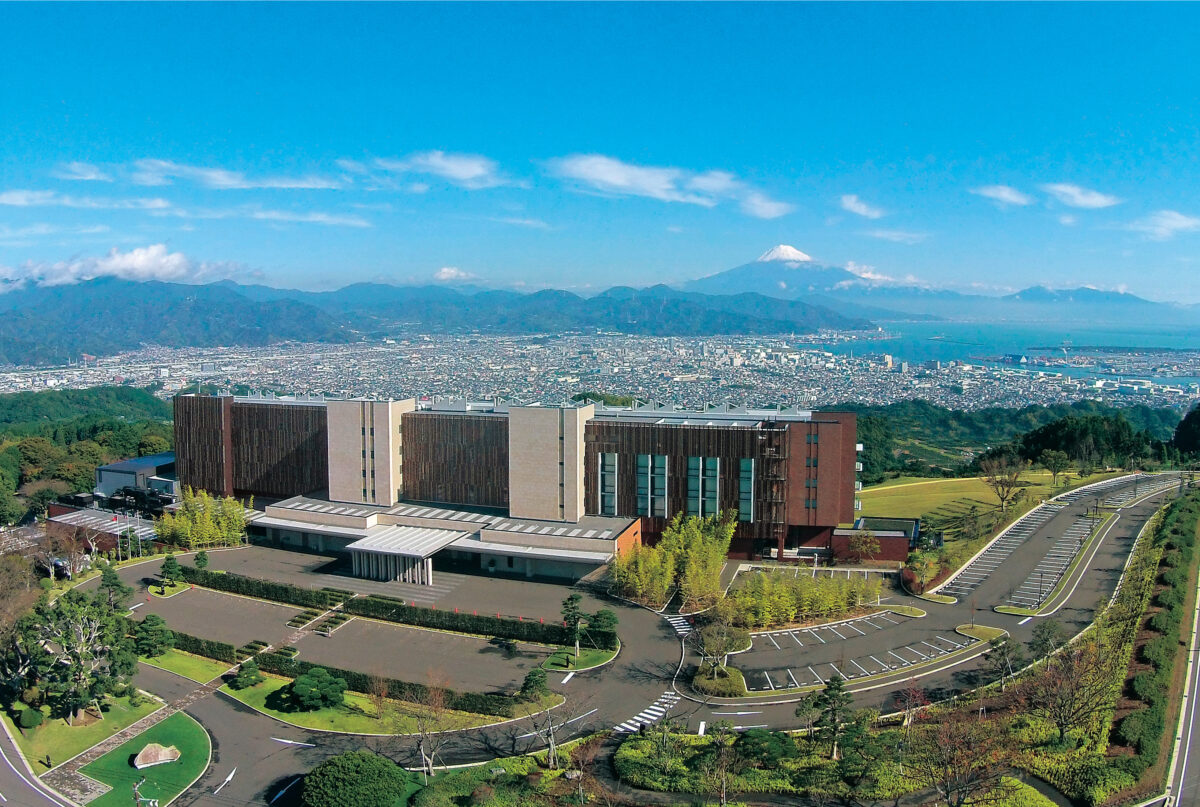
Fugetsuro, the residence where Yoshinobu spent about 20 years after the Taisei Hokan, still has a beautiful garden and is now used as a traditional Japanese restaurant, wedding hall, and event hall.
The chairman of Fugetsuro describes the character of Yoshinobu as follows. “He never in his life spoke of the reasons for his great historical decision of returning the power without a fight. Yoshinobu kept all politics out of his life and devoted himself to his hobbies and was well-liked by the citizens of Shizuoka. I feel that he was a wise and brilliant ruler who paved the way for the modernization of Japan, despite the turbulent times at the end of the Edo period.”
There are many stories that are not mentioned in the history books, both in the city of Shizuoka and in Fugetsuro, and these give us a sense of the warmth of Yoshinobu as a human being.
Without Yoshinobu, tea in Shizuoka would not be what it is today!?
Shizuoka is a major producer of tea known throughout Japan. There are many tea-producing regions throughout the prefecture, each producing distinctive teas depending on the climate.
Tea, now the face of Shizuoka, is very closely associated with Yoshinobu.
At the beginning of the Meiji Era, Yoshinobu was placed under house arrest in Shizuoka and spent about 20 years in the area. When Yoshinobu moved to Shizuoka, some 300 vassals who served as Yoshinobu’s bodyguards lost their status and property, and became unemployed as soon as they arrived there.
After much consideration, they decided to replace the sword with a hoe to grow tea.
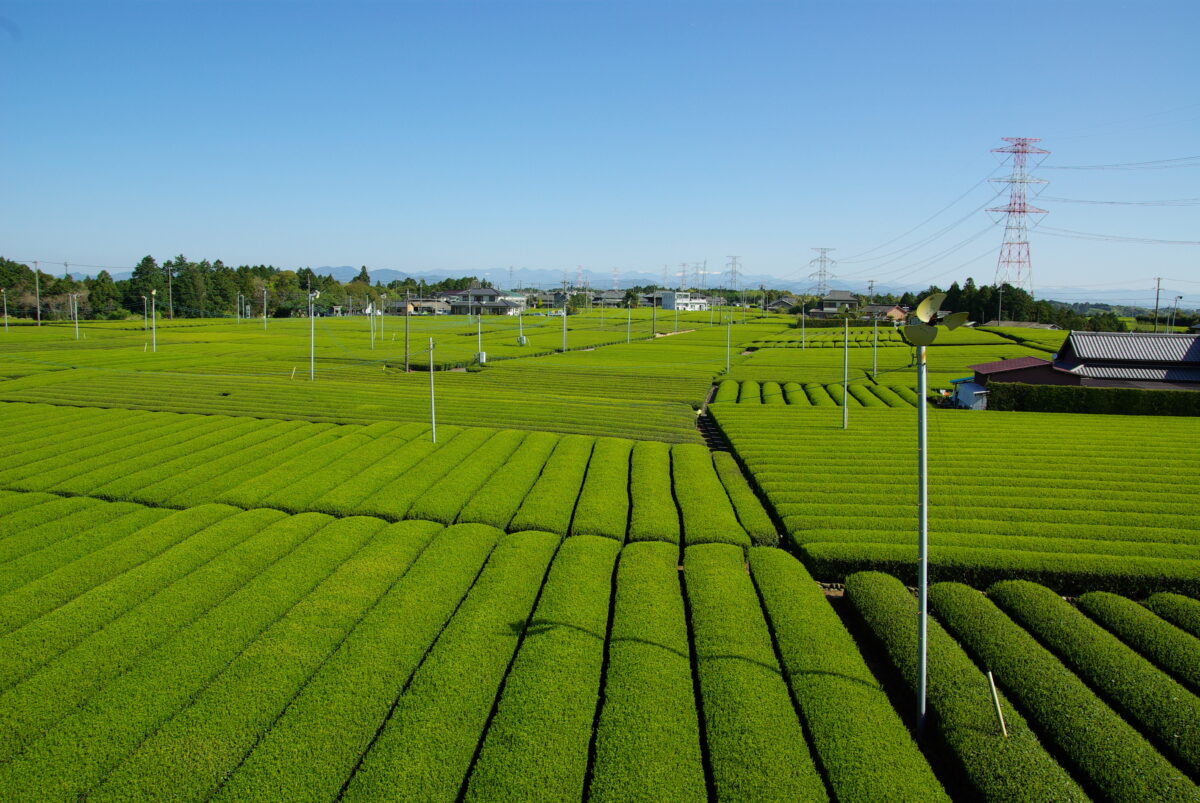
These samurai-turned-farmers pioneered the Makinohara Plateau, and tea became Shizuoka’s leading agricultural product.
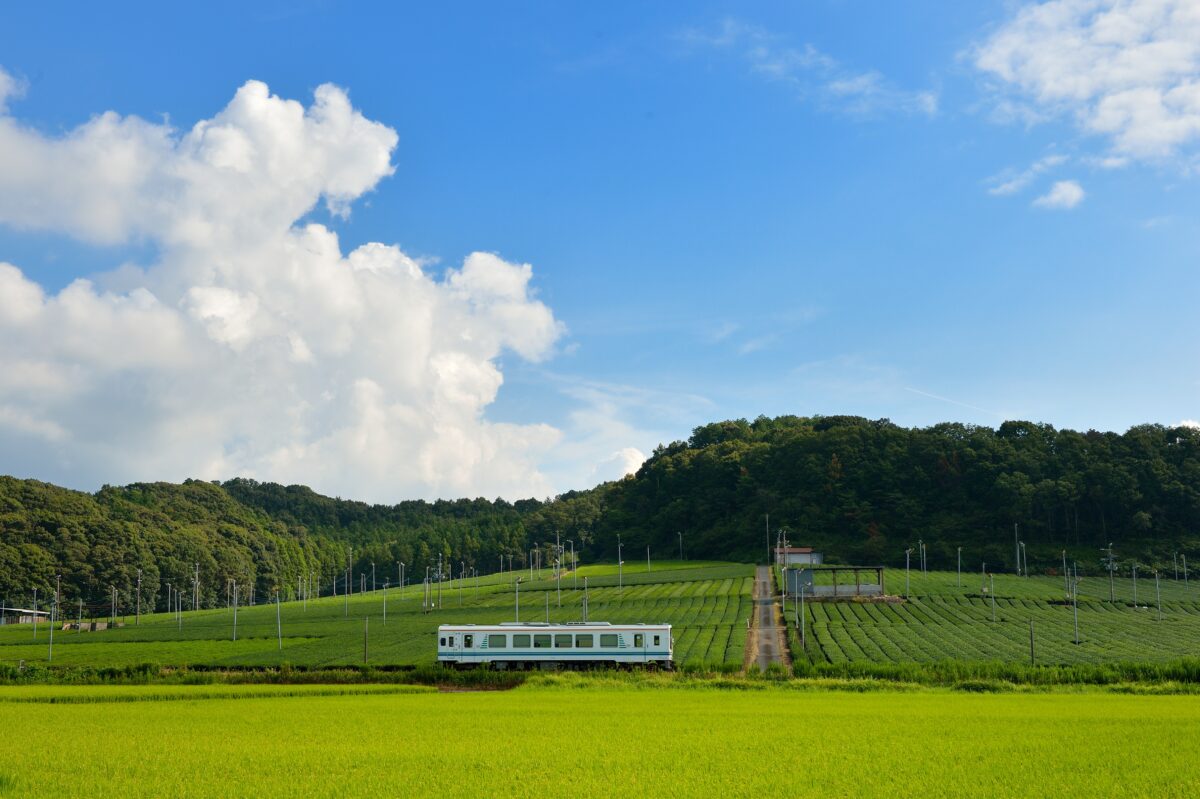
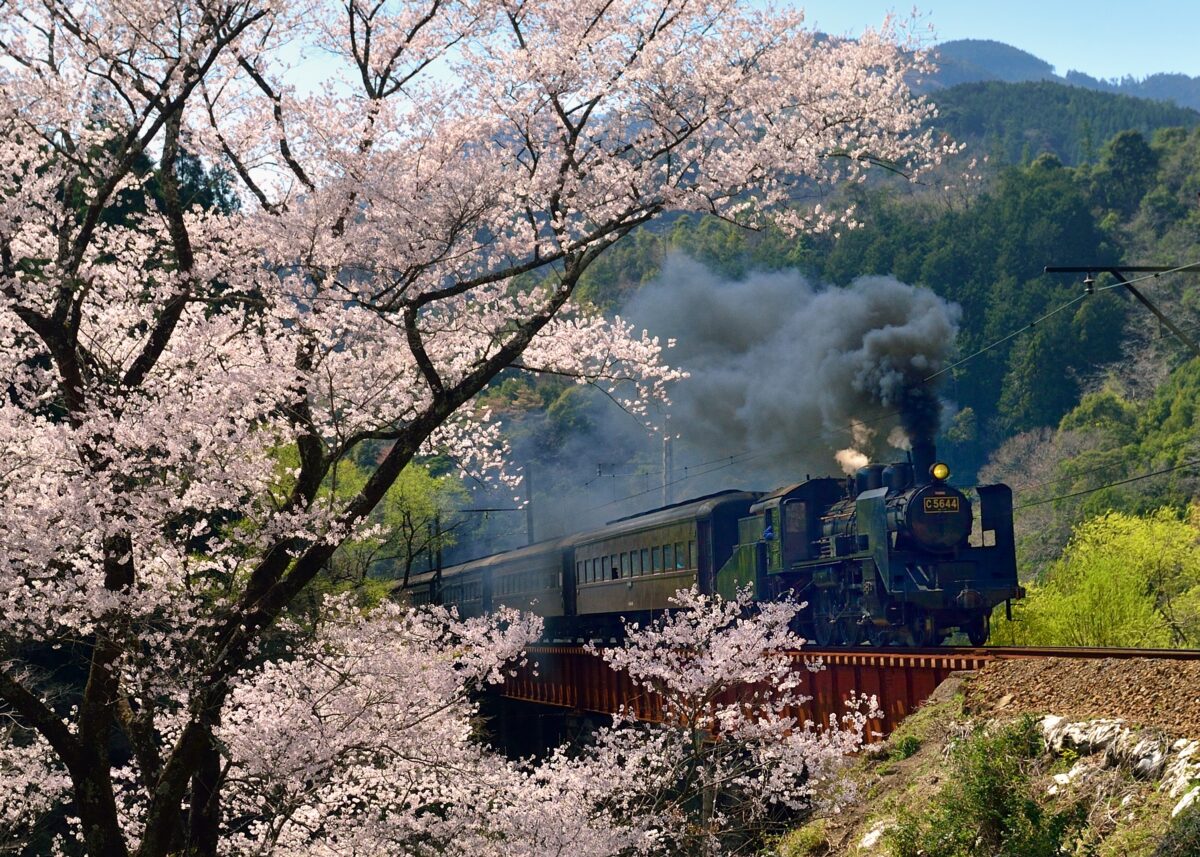
In the Kawane region that is famous for its Kawane-cha (green tea), the Oigawa Railway’s steam locomotive runs through the tea plantations. Visitors can enjoy a spectacular view of the tea plantations from the windows of the train.
A culture of enjoying tea developed at the same time as the production of tea.
There are teashops in the prefecture that offer new ways to enjoy tea, such as drinks and sweets made with tea, in addition to the more conventional ways of drinking tea. Another attraction is the calligraphy experience, in which participants write their own names in Japanese kanji characters using matcha green tea under the guidance of a professional instructor. Visitors can experience the art culture that combines traditional Japanese calligraphy and tea ceremony, and take home a one-of-a-kind souvenir.
Yoshinobu, a man of many interests
Tea was not the only thing that Yoshinobu brought to Shizuoka. He was known as a man of many interests, and led a life devoted to photography, oil painting, poetry, hunting, net casting, noh singing, and many other hobbies.
Known for his love of new things, Yoshinobu was also the first person to ride a bicycle in Shizuoka. According to the diaries kept by the stewards of Tokugawa Yoshinobu, he rode his bicycle across the Abe River to Mariko. In Mariko, there is an old restaurant called “Chojiya,” which has been in business for 400 years, and you can enjoy its famous tororo jiru (Japanese wild yam soup). Perhaps Yoshinobu, who took great care of his health, may have eaten it as well.
Why not try the local specialties in an old private house that takes you back in time to the Tokaido route during the Edo period?
Yoshinobu was also a foodie
“Yoshinobu would have enjoyed all the delicacies of Shizuoka,” explains the chairman of Fugetsuro.
Soba, one of Shizuoka’s signature traditional dishes, was also one of Yoshinobu’s favorite meals. It is said that Tokugawa Ieyasu brought the culture of soba noodles from Shizuoka to Edo, and later, Yoshinobu brought it back to Shizuoka from Edo.
Summary
Tokugawa Yoshinobu spent his life working for Japan as a shogun and quietly watched over the country after the Taisei Hokan.
Yoshinobu left the following words. “Lord Ieyasu established the shogunate to rule Japan. I became a shogun to bury that shogunate.”
After moving to Shizuoka, Yoshinobu never again entered the political arena, even after being released from house arrest. While Ieyasu vowed to make his subjects happy, Yoshinobu watched over the future of Japan, protected peace, and wished for the development of the nation from Shizuoka that was one step removed from Tokyo.
Tokugawa Ieyasu, who was defeated by Takeda’s army, gained strength in Hamamatsu and would eventually unify the country as the most famous shogun. What did the land of Hamamatsu provide Ieyasu?
Introduction
The Sengoku period was a time when powerful warring feudal lords ruled the country. Ieyasu, who was steadily improving his military and intellectual prowess while competing with neighboring feudal lords and being supported by his vassals, finally took over the country and ended the warring age that continued through the Onin War. However, the journey to that point was extremely challenging: his early childhood, when he was only three years old and spent time as a prisoner after he was separated from his mother; his adolescence, when he lived in Hamamatsu from the age of 29 to 45; and his later years until his death. Ieyasu, who spent about one-third of his life in Shizuoka, also chose the area as his final resting place. Let’s unravel the charms of Shizuoka that Ieyasu loved so much.
Adventure and interactive activities to visit places associated with Tokugawa Ieyasu
Ieyasu and Hamamatsu
During the time Ieyasu spent in Hamamatsu from the ages of 29 to 45, he experienced his greatest defeat at the Battle of Mikatagahara. He was attacked by the Takeda clan and fled back to Hamamatsu Castle, but in an attempt to take revenge, he made a desperate attack on the Takeda clan who were camped at Saigagake with only a handful of men. Although the soldiers of the Takeda clan were pushed to the bottom of the cliff and severely damaged, it was not enough to overturn the defeat, and Ieyasu suffered a humiliating defeat. Ieyasu was devastated by the large number of casualties, including many powerful vassals who died in place of Ieyasu.
Ieyasu left the following words.
“Winning isn’t always a good thing, and losing is important, too.” Ieyasu would use this experience in Hamamatsu as a lesson for his life and would go on to lay the foundations for the unification of Japan.
Bountiful Lake Hamana and Ieyasu Hamamatsu, where Ieyasu spent 17 years of his life, is known for its rich agriculture, including fruits, vegetables, and flowers, as it is one of the sunniest cities in Japan.
Lake Hamana, the symbol of Hamamatsu, is connected to the Enshu Sea and is a brackish lake with seawater from the Pacific Ocean flowing in. Rich in nutrients and biodiversity, the area has a thriving natural fishing industry, as well as farmed eels, seaweed, oysters, and soft-shelled turtles.
The “kaki-kaba don” is a special dish filled with fresh oysters, a typical winter specialty of the region, seasoned with the sauce of the famous broiled eel, along with local ingredients such as seaweed from Lake Hamana, onions from Enshu, and tangerines also from Enshu.
Lake Hamana, where the waves are calm, offers a variety of marine activities in summer in addition to swimming.
Among them, pedal SUP (stand-up paddleboard) is available at Lake Okuhamana, where legend has it that Ieyasu took a boat and escaped from his pursuers by taking a route on the sea.
Paragliding is also a great way to see Lake Okuhamana from above, where one can also enjoy the view of Lake Hamana. The spectacular view of the lake and the sky may make you feel like Ieyasu who unified the entire country.
Tours of the paragliding grounds are also available, so those who do not wish to fly or children under the weight limit can also enjoy the spectacular scenery. The monorail travels up the slope of the mountain, allowing visitors to arrive in only 10 minutes where it would take an hour on foot. Depending on the time of year, sunset plans are also available, allowing you to enjoy the fantastic view of the setting sun reflected on the surface of Lake Hamana.
The head of the Mikkabicho Tourist Association had the following to say: “There are many legends associated with Tokugawa Ieyasu at Lake Okuhamana in Mikkabicho. There are good reasons to believe that Ieyasu took the sea route to successfully escape his pursuers, and it is very interesting to trace the route from the perspective of what Ieyasu was thinking at the time. Enjoying Lake Okuhamana from the air and sea is like reliving history, and it is full of historical romanticism.”
Indeed, Lake Hamanako is said to have played an important role in transporting rations and arms to the Hamamatsu Castle at that time, and the area possessed overwhelming convenience in terms of waterways and overland routes. It was an important lake that supported the rapid progress of Tokugawa Ieyasu, who would later become the ruler of Japan.
Summary
Hamamatsu was a land of many hardships, with many days spent in battle. Ieyasu was able to unify the country thanks to the support of his vassals and the days he spent here. Even after the death of Ieyasu, who fulfilled his dream of unifying Japan, the Edo shogunate continued for more than 260 years, maintaining an era of peace and tranquility for a long period, which is said to be unprecedented in the world.
Ieyasu, who vowed to live a long life and make his subjects happy, achieved the peaceful happiness not only of his own subjects, but also of future generations.
Shizuoka offers an amazing range of experiences for all cycling levels throughout the Prefecture – here are 6 to check out.
CYCLING IN SHIZUOKA
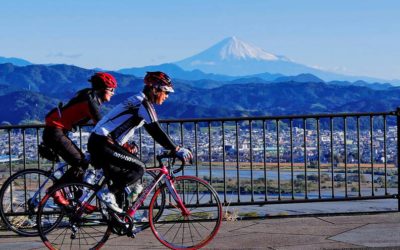
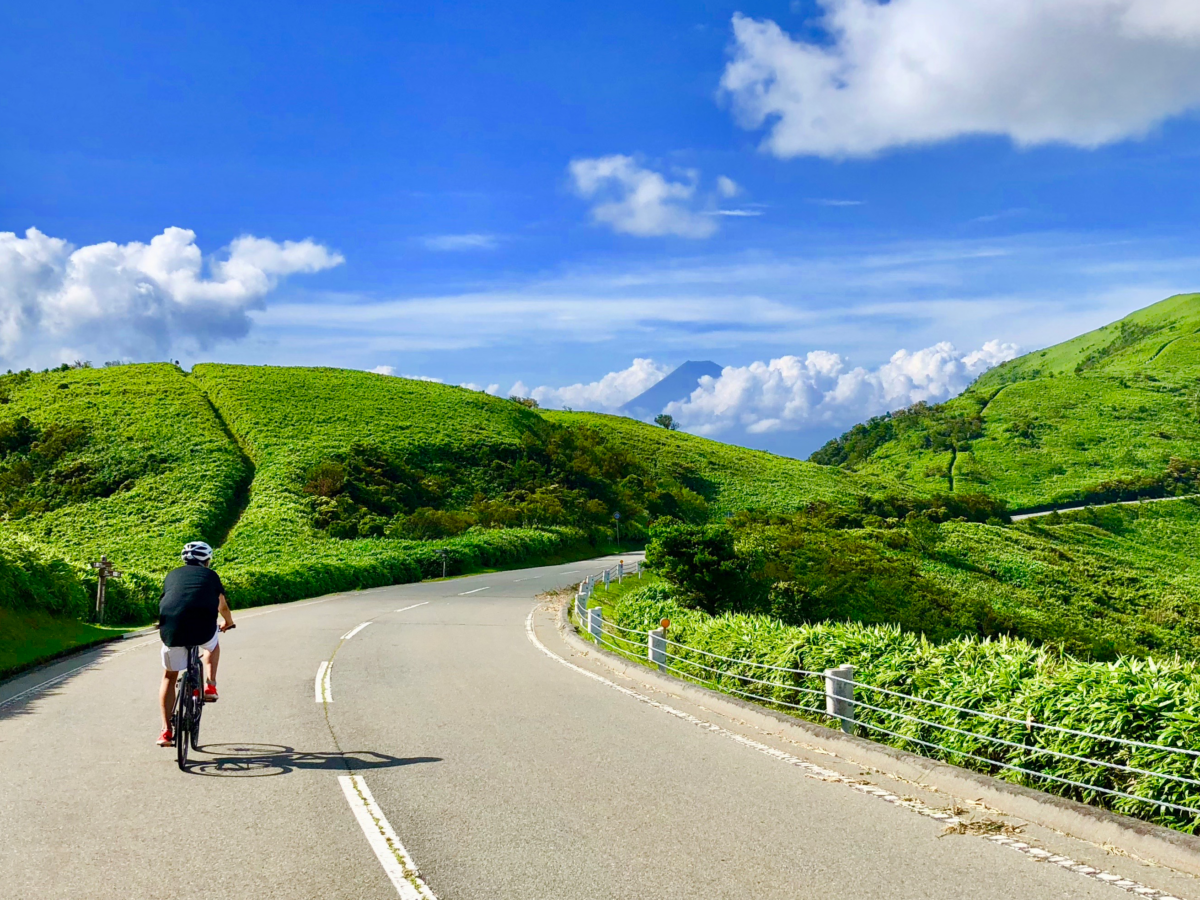
Cycling through rice paddies, green tea fields or along the coast are great options for cycling in Japan – quite often with Mt. Fuji as your backdrop making for outstanding cycling experiences.
KAKEGAWA
Kakegawa Castle – Japan’s First Restored Wooden Castle
The Kakegawa & Kikugawa areas are perhaps best known for the production of some of the best green tea in the World.
As one of the 6 stations on the JR Tokaido Bullet train line in Shizuoka, this quaint castle town is a very convenient starting point for any cycling adventure in the Prefecture.
After starting your day by sampling some of the local green tea and visiting Kakegawa Castle & some of the other attractions there are a number of different routes available for all levels of cyclists.
Head up into the green tea fields in the mountains, cruise down to Omaezaki and ride along the coast or follow the Old Tokaido Highway and visit some of the shrines in Fukuroi.
Take the local JR Tokaido Line from Kakegawa Station 3 stops to Shimada Station to take a journey following the Oigawa (Oi River) up into the foothills of Japan’s Southern Alps.
Ride from Shimada Station over the Horai Bridge to Shin Kanaya Station cross back over the river and follow it upstream into the mountains to Senzu Station in Kawane Honcho.
This is a popular cycling route especially in Late March / Early April when the cherry blossoms are in bloom, or again in November when the hills are ablaze with Reds, Yellows, and Brown from the Fall leaves.
All along the way, there are restaurants, cafes, and hot springs so that you can take your time and enjoy the journey.
Stay with one of the locals and enjoy a farm-to-table experience and stay a couple of days to explore Sumatakyo Onsen and Ikawa Lake Area – for serious cyclists there are some challenging rides once you get up into the mountains.
IZU PENINSULA
Nishi-izu skyline – the wonderful cycling route
The Izu Peninsula is arguably Shizuoka’s most popular cycling destination.
You can cruise along the coast and enjoy stunning views of the rugged coastline, enjoy amazing sunsets and catch amazing views of Mt. Fuji across Suruga Bay.
Or you can head inland and challenge some of the mountains and hills that rise from sea level up to 1,400 meters.
The Makinohara Plains is one of the major producing areas of green tea. It stretches from Shimada Station down to the ocean covering more than 12,000 acres (5,000 hectares).
By their very definition the Makinohara Plains are fairly level so even for beginners the cycling does not present too many challenges.
Cycling through the endless green tea fields all the way down to Sagara Sun Beach on the coastline is a great Shizuoka experience.
Spend a couple of days near the beach and then cycle down the coast to your next destination.
LAKE HAMANA
Sunset at Bentenjima beach park
Take the local JR Tokaido line from Hamamatsu Station to Maisaka or Araimachi Stations to get to the Brackish Lake Hamana.
Take the local JR Tokaido line from Shin-fuji station to Fujinomiya – the closest city to Mt. Fuji.
Once you are in Fujinomiya you are spoiled for choice as a cyclist.
For those that are up for the challenge, and enjoy the pain, jump in the saddle and head straight to the Fujinomiya 5th Station via the Fujisan Skyline Road (opened from May to October) – a grueling 5 hour ride to an elevation of 2,400m.
Minamoto no Yoritomo, who was exiled to Izu Province in Shizuoka, raised an army, won a turn-around victory against the Taira clan, and became the first shogun of Kamakura. How did he gain power in Izu Province?
Introduction
Minamoto no Yoritomo was a military commander from the late Heian period to the early Kamakura period, and became the first shogun of the Kamakura shogunate. His father, Yoshitomo, was defeated in the Heiji Rebellion against Taira no Kiyomori, but by a strange fate, he escaped execution, and the young Yoritomo, who was only 14 years old, was exiled to Hirugakojima in Izu Province, where he spent 20 years until he raised his army.
In 1193, Minamoto no Yoritomo, who became the Seii Taishogun (commander-in-chief against barbarians), held the Fuji no Makigari hunting event, a large-scale military exercise that included hunting at the foot of the beautiful and majestic Mt. Fuji. Hunting was not only meaningful to the warriors of that time just for the sake of hunting, but it was also a sacred event to worship the mountain gods. The Fuji no Makigari was also a festival to receive special blessings from the mountain gods for the establishment of the Kamakura shogunate. On that special stage, Yoritomo demonstrated his formidable power as the supreme authority.
Yoritomo rose from exile (as a criminal) to the head of the samurai government. Behind this glory were the days spent in Izu.
Adventure and interactive activities to visit places associated with Minamoto no Yoritomo
Days spent in Izu
Hirugakojima, where Yoritomo was exiled, is located in present-day Izunokuni City.
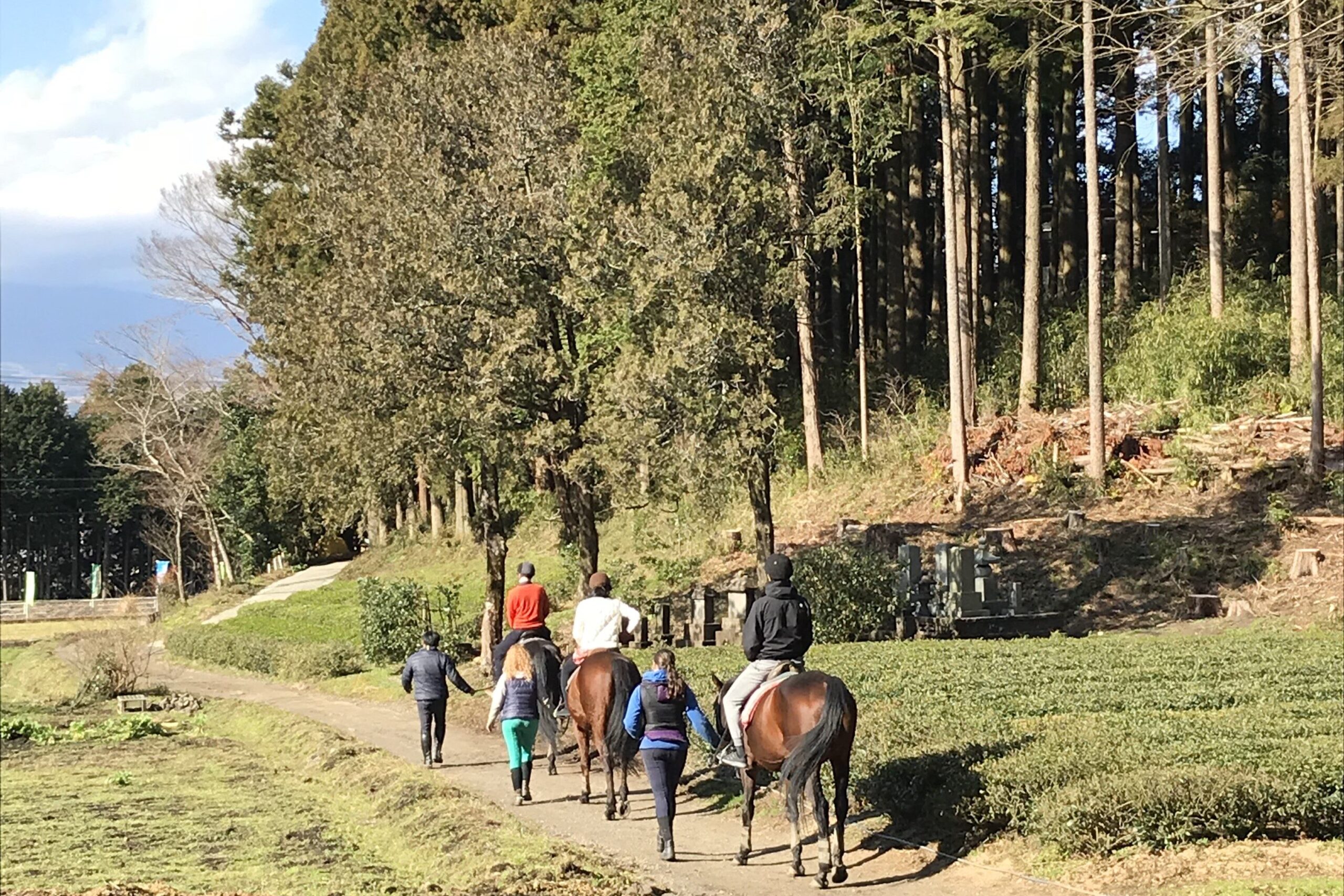
Although Yoritomo came to the region as an exile (a criminal), he was not cut off from the outside world. He received support from his nursing mother and her relatives, and spent his days training himself in horseback riding and hunting, which were essential activities for a samurai.
Izu is blessed with scenic nature, including Suruga Bay and the mountains of the Izu Peninsula, and has a mild climate throughout the year. Just as Yoritomo once rode his horse through Izu’s wilderness, cycling around the Izu Peninsula is a popular activity today.
Meeting with his wife, Hojo Masako
It was in this area that Yoritomo met Hojo Masako, who would eventually become his wife. Masako’s father, Hojo Tokimasa, was very much against this marriage, but eventually approved. Tokimasa later became a backer of Yoritomo and fought alongside him when he defeated the Taira clan, while Masako led the Kamakura shogunate after Yoritomo’s death, contributing greatly to Yoritomo’s military campaigns and the establishment of the Kamakura shogunate.
The Izuyama Shrine is famous as the place where Yoritomo and Masako were married. Many military commanders have prayed at this shrine since the Kamakura period for the longevity of their military fortunes and for their victory in battle. Even today, many worshippers visit the shrine to be blessed by its divine virtues.
The chief priest of Izuyama Shrine recounts the fate of Minamoto no Yoritomo as follows. “Minamoto no Yoritomo was in danger of being killed by the Taira clan at any time, which at the time had the upper hand over the Minamoto clan in terms of strength. Yoritomo was brought into this world by gods’ will, met Masako, rose to power, and raised his army.”
Yoritomo raises an army
The Taira clan won the Heiji Rebellion and took political power, but dissatisfaction toward the Taira clan gradually began to smolder, and resistance against them grew. Although Prince Mochihito issued a decree to oust the Taira clan, Yoritomo decided to raise an army in the face of Prince Mochihito’s defeat and the resulting danger to his own safety.
20 years after his arrival in Izu as an exile, he declared the day of the annual festival of Mishima Taisha Shrine to be “the flag-raising day for the revival of the Minamoto clan,” and on August 17, 1180 (Jisho 4), he raised an army to overthrow the Taira clan at Nirayama in Izu Province.
At Mishima Taisha Shrine, where Yoritomo prayed for 100 days before raising his flag, visitors are greeted by the beautiful seasonal flowers and the distinctive faces of each season.
In Mishima, underground water from Mt. Fuji gushes out everywhere and flows through the city, and the city has been selected as one of the “100 Selected Water Spots” in the country. A stroll along the Genbe River, the symbol of the city, will give you a sense of the beauty of Japan. Because the area is blessed with underground water from Mt. Fuji and high-quality soil, it is a treasure trove of gourmet foods, including vegetables, fruits, and many other specialties. The eels, which are especially delicious when exposed to underground water pumped up from the ground, are extremely popular among fans who come from all over Japan to enjoy them.
In Izunokuni City, there is also a place associated with Yoritomo called “Honjin.” It is said that Yoritomo stayed and bathed here during the Bunji period (around 1187), and you can enjoy the thousand-year-old history of Kona Onsen, including the outdoor bath where Minamoto no Yoritomo’s sitting rock remains, and the mysterious atmosphere of the cave bath.
The stone quarry inside the building, which is said to have been donated as a stone for building the Edo Castle, is a one-of-a-kind space. You can see it when staying overnight.
Yoritomo’s military action in Izu marked the beginning of the transition to the Kamakura period, the era of the samurai.
Summary
The beautiful nature and shrines of Izu soothed the broken heart of Yoritomo, who had lost his parents and siblings, and nurtured his strong desire to overthrow the Taira clan. With the support of Masako and the Hojo family, he demonstrated exceptional political skills, united the lower-ranking vassals of the eastern provinces and the Minamoto clan, and brought about the downfall of the Taira clan, laying the foundation for a samurai government that lasted until the Edo period. His ability to capture the hearts and minds of people and his skill as a politician can be attributed to his 20 years of exile in Izu.
Izu, which can be said to have established the foundation of the Kamakura shogunate, is a very rare place where the history of Japan is encapsulated.
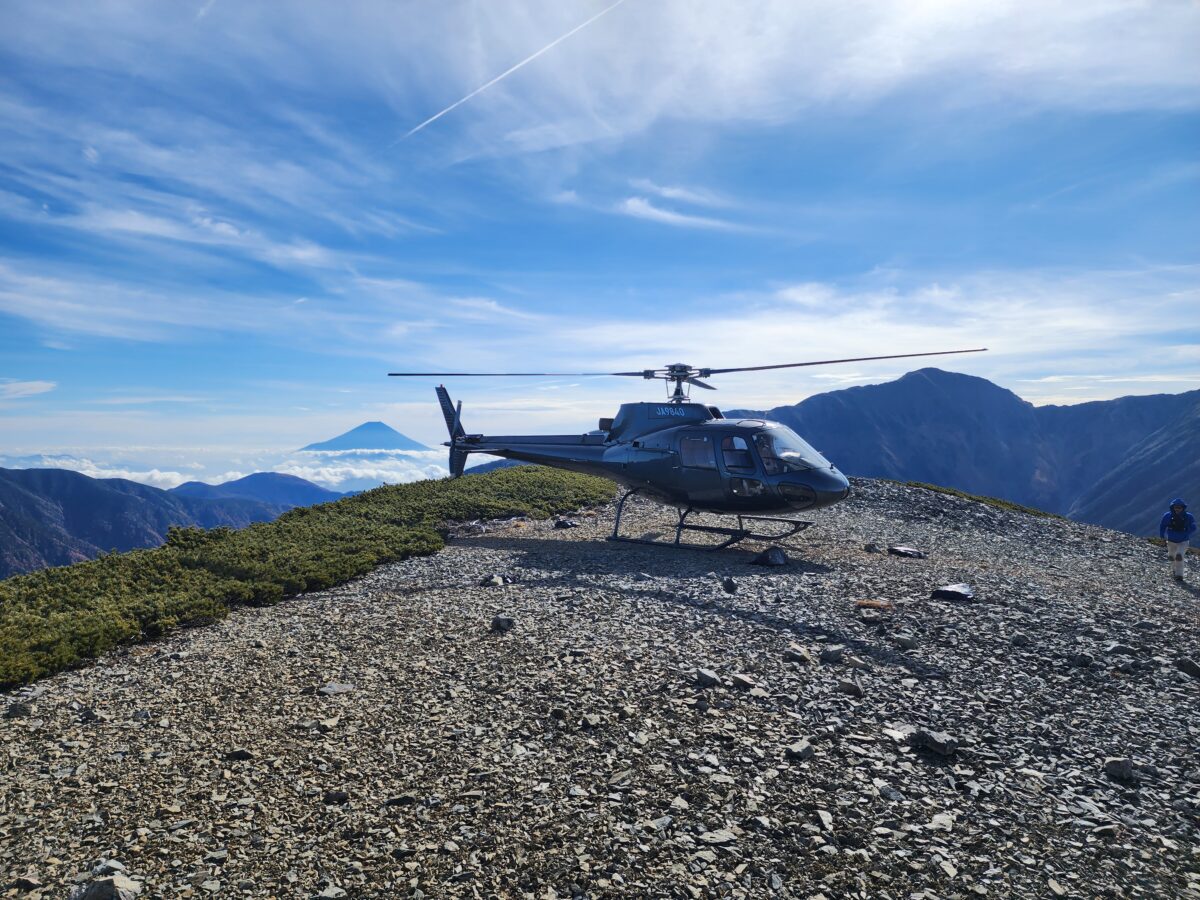
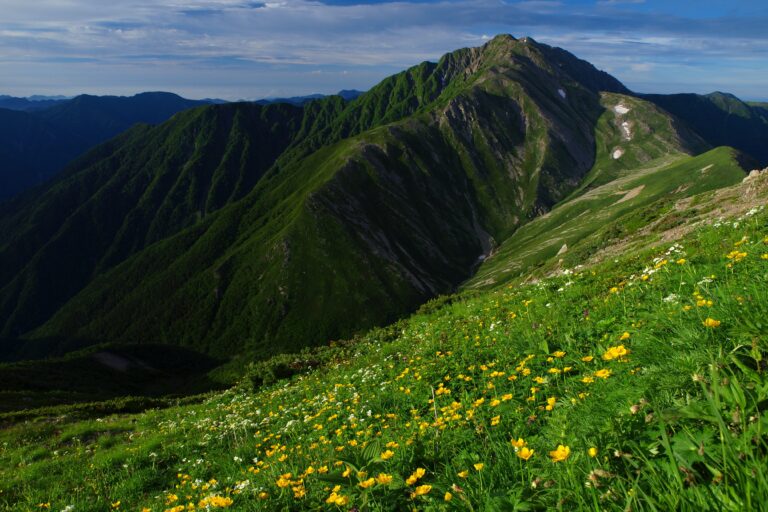
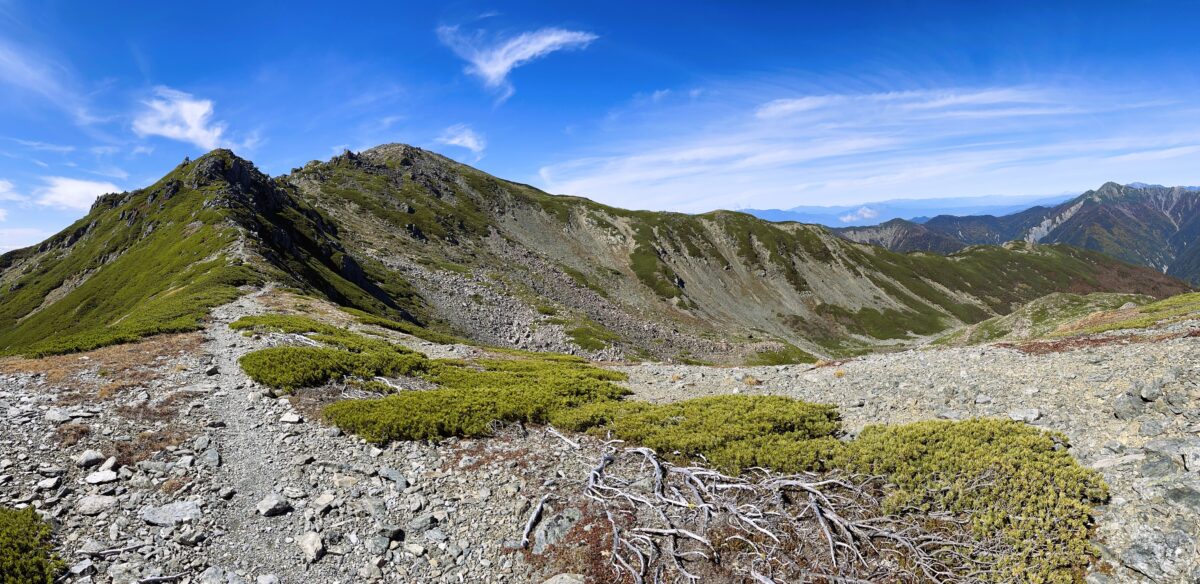
The Shizuoka Minami Alps are the Southern most mountains in the Japanese Alps mountain range and stretch into the top half of Shizuoka Prefecture.
Traveling North from either Shizuoka or Kakegawa stations you very quickly find yourself in the mountains.
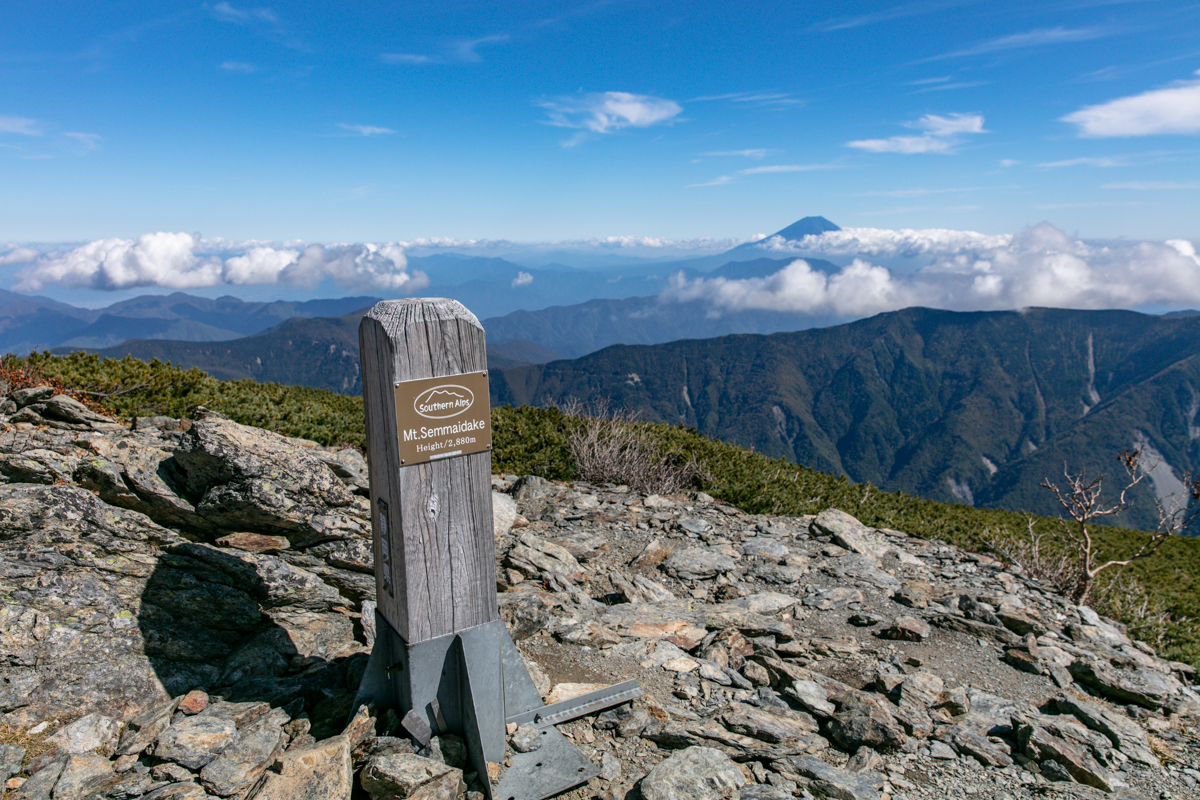
These mountains are the foothills of what are known of as the ‘Minami Alps’ – the Southern most mountain range of the Japan Alps – also known as the Akaishi Mountains.
The Southern Alps mountain range contains 10 of the top 100 peaks of Japan and is known as a challenging mountain range for climbers.
The foothills of these impressive mountains though is easily accessible from Shizuoka and are waiting to be explored.
CRUISE AROUND LAKE IKAWA
Lake IKAWA and Akaishi-Maru
One of the best places to explore the foothills of the Southern Alps is Lake Ikawa which offers a range of different activities and attractions.
Perhaps most popular amongst them is the free 40 minute ride on the Akaishi-Maru sightseeing boat that tracks across the lake.
The Akaishi-maru operate in Summer and Autumn and is especially popular during the autumn leaves season for visitors to enjoy the spectacular colours of the changing leaves in November.
OLD RAILWAY HIKING COURSE
Old Railway Hiking
Hiking around Lake Ikawa is especially popular for all ages as it is a relatively flat route and offers some spectacular views of the lake and mountains.
Hop off the Ikawa Line train at Ikawa Station and you have the choice of hopping on the boat to Ikawa Hon Mura or follow the trail from Ikawa dam along the abandoned railway line.
This leisurely walk takes a little under 2 hours one way and if you don’t want to do the return journey a one way trip on the boat takes 15 minutes- 4 trips per day.
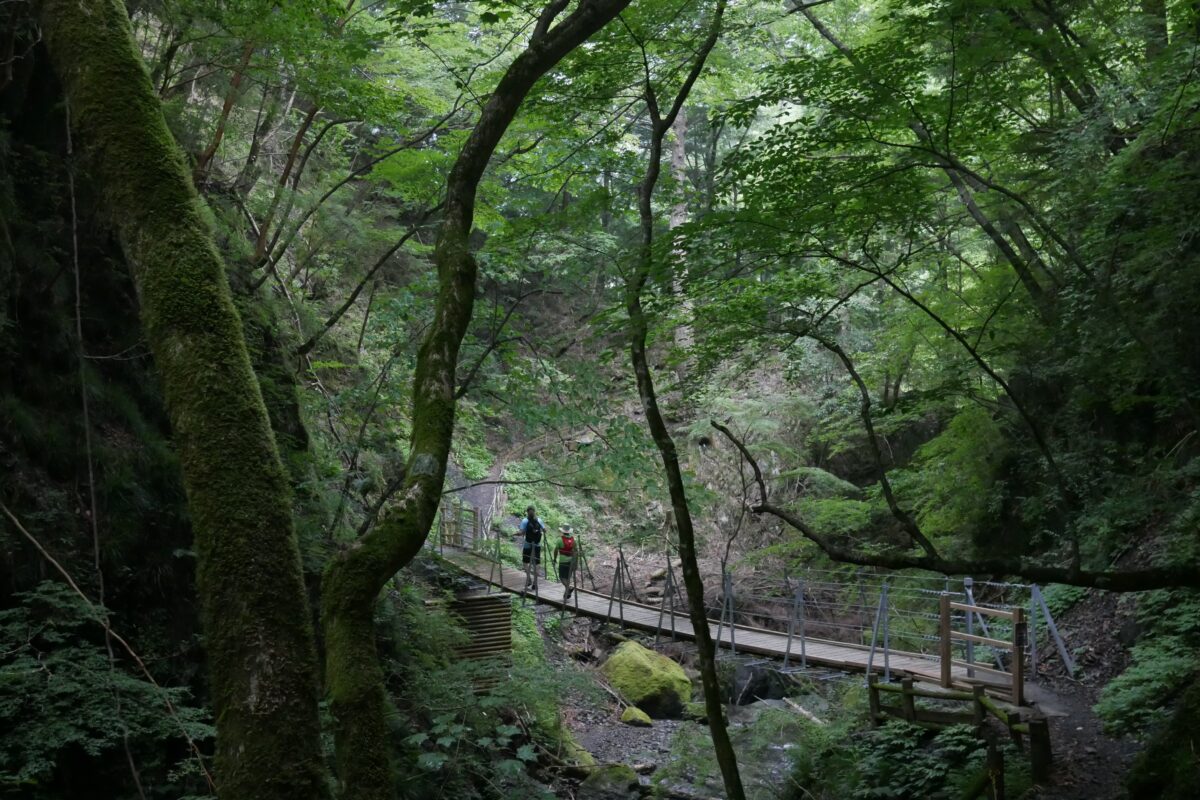
In addition to the abandoned railway there is also a suspension bridge over the lake and a 11 meter high buddha statue.
When you arrive at Ikawa Honmura there are a couple of restaurants, souvenir shops, a number of accommodation options, camp ground and hot springs.
CROSS A SUSPENSION BRIDGE OF DREAMS
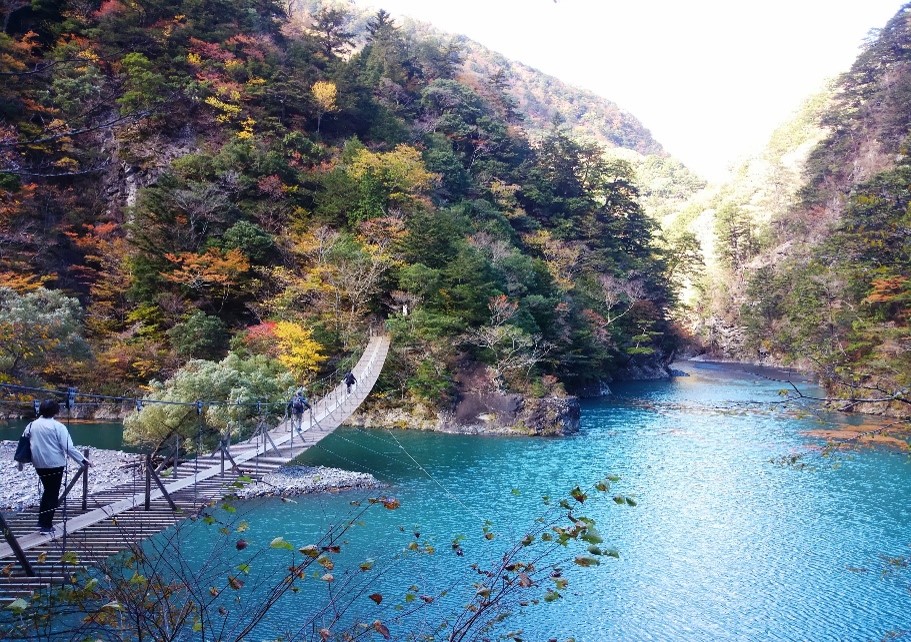
Bridge of Dreams suspension Bridge
There are two famous ‘Bridge of Dreams’ suspension bridges in this area of Shizuoka.
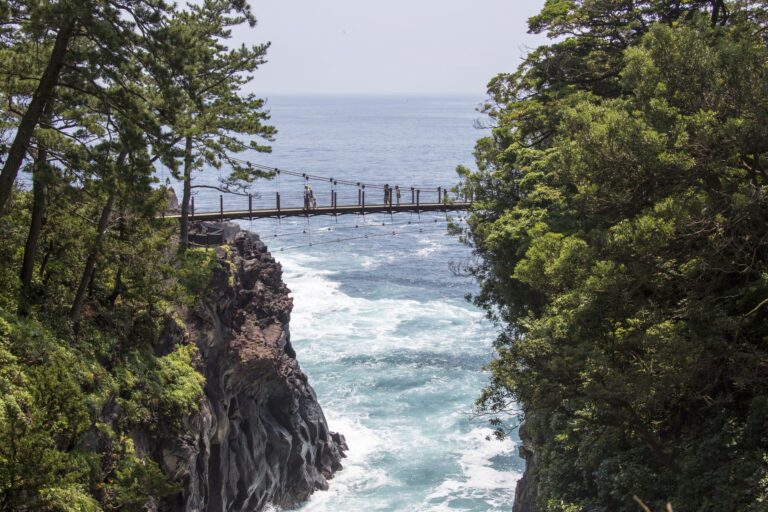
The most famous is the Sumatakyo Onsen area Bridge of Dreams suspension bridge which is often shown in many Shizuoka tourism promotions.
The lesser known of the two is the suspension bridge in Lake Ikawa which is part of the Ikawa Lake hiking route.
SOAK IN RELAXING SUMATAKYO ONSEN BATHS
Sumatakyo Onsen – Suikoen
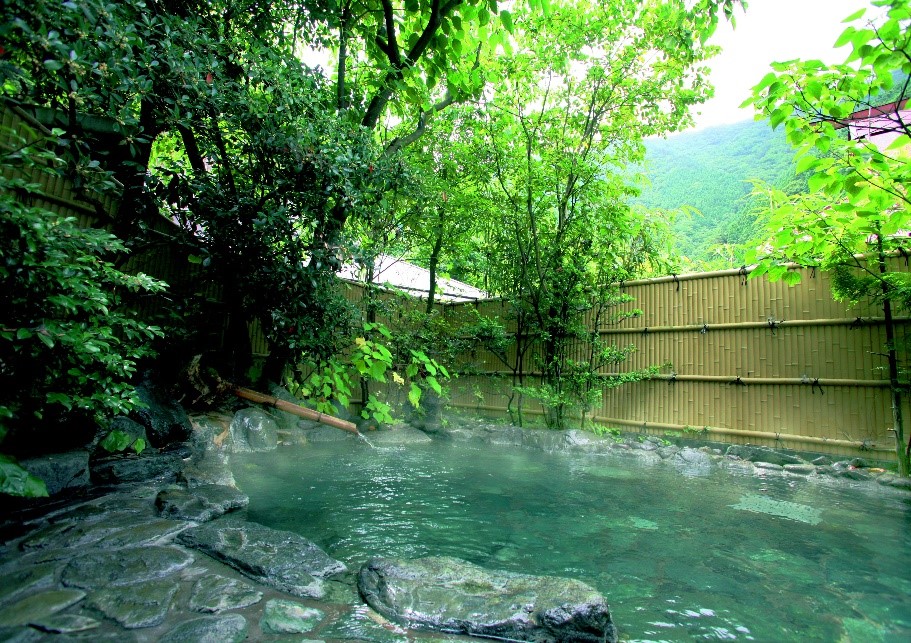
The Minami Alps are a great source of Onsen water and the areas around Ikawa, Sumatakyo all the way along the Oi River provide numerous Hot Spring options to help weary hikers and travelers.
Especially in the Autumn months, when the leaves are changing, these outdoor hot spring baths are a great way to soak away your worries and refresh mind, body and soul.
Many of the hot spring baths are accessible for an on the day visit but the best way to get the most out of them is to spend the night and enjoy some of the local hospitality.
A morning onsen is a great way to start the day.
VISIT OKUOIKOJO STATION
Okuoikojo Station
Okuoikojo Station translate directly as The Station on Lake in Okuoi and it is argueably one of the most picturesque train stations in all of Japan.
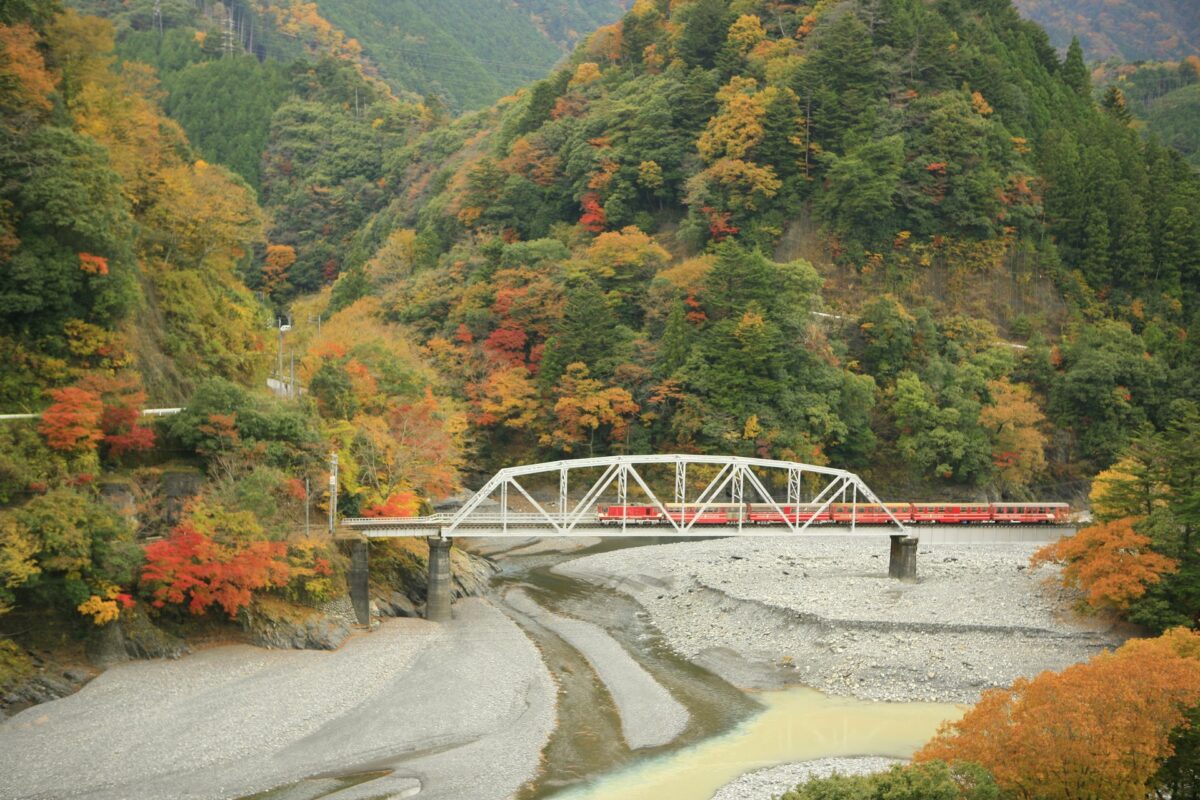
Take the Ikawa Railway Line ABT train (the steepest railway in Japan) from Senzu Station toward Ikawa Station and the train crosses over this bridge and stop briefly at the Okuoikojo Station in the middle of the lake.
If you want to get a photo of the station you can hop off and take the 15 minute walk up the road to get a birds eye view of this spectacular spot.
HIKING IN THE MINAMI ALPS
Minami Alps
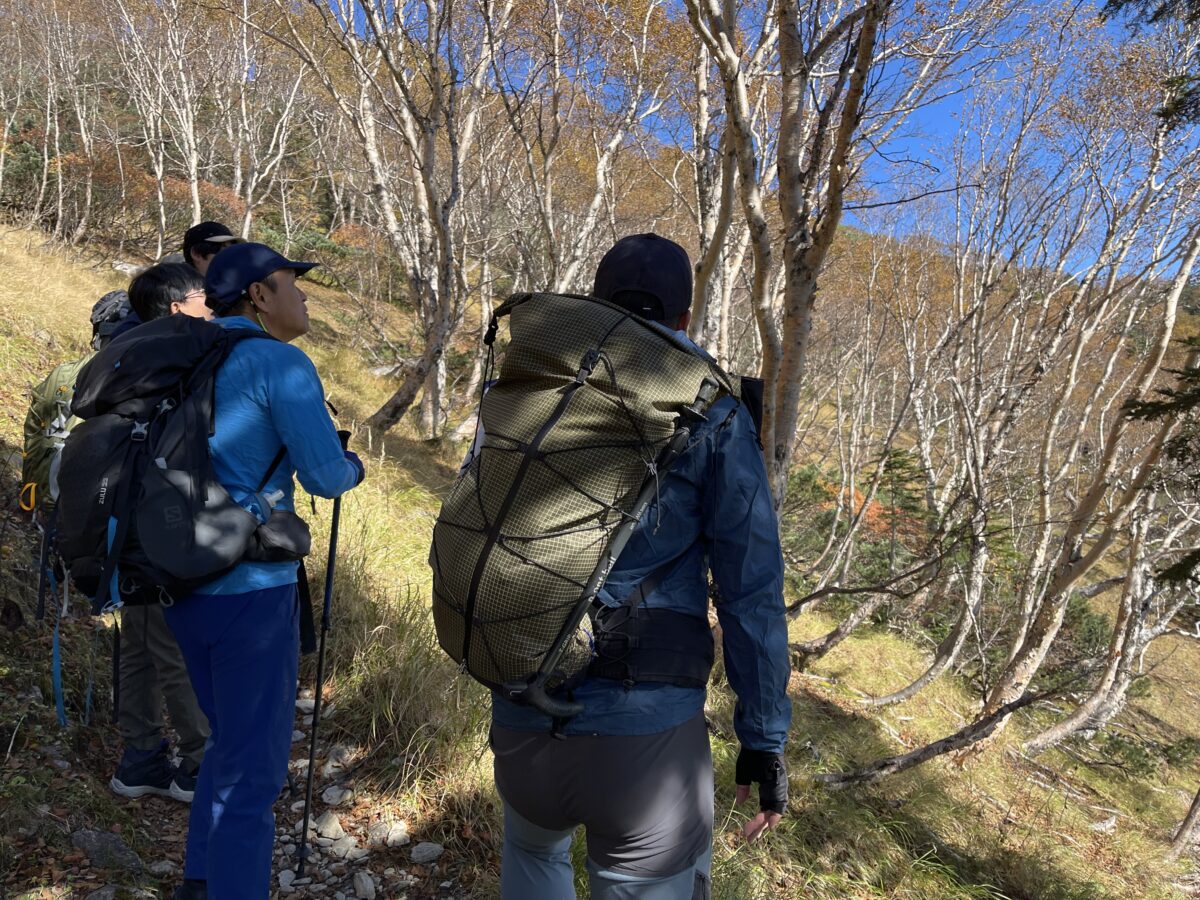
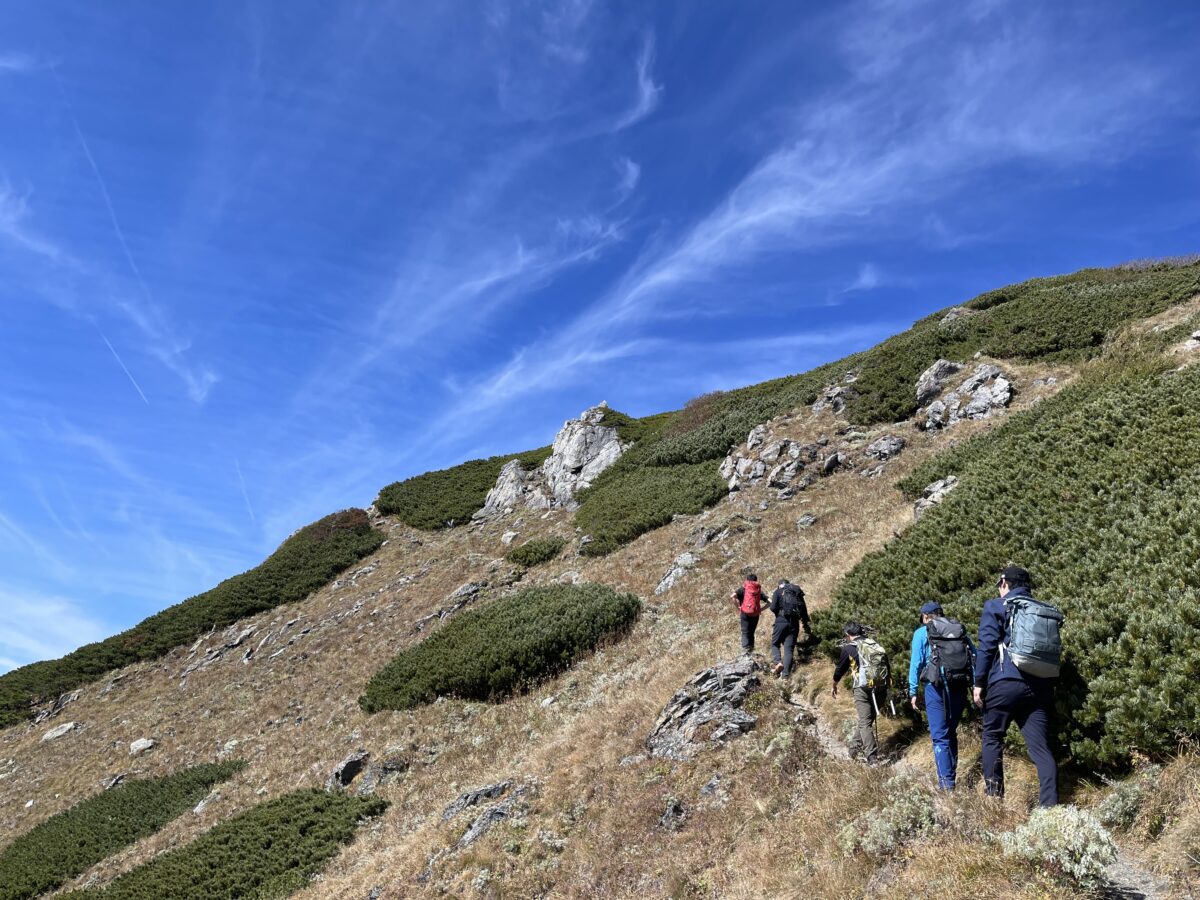
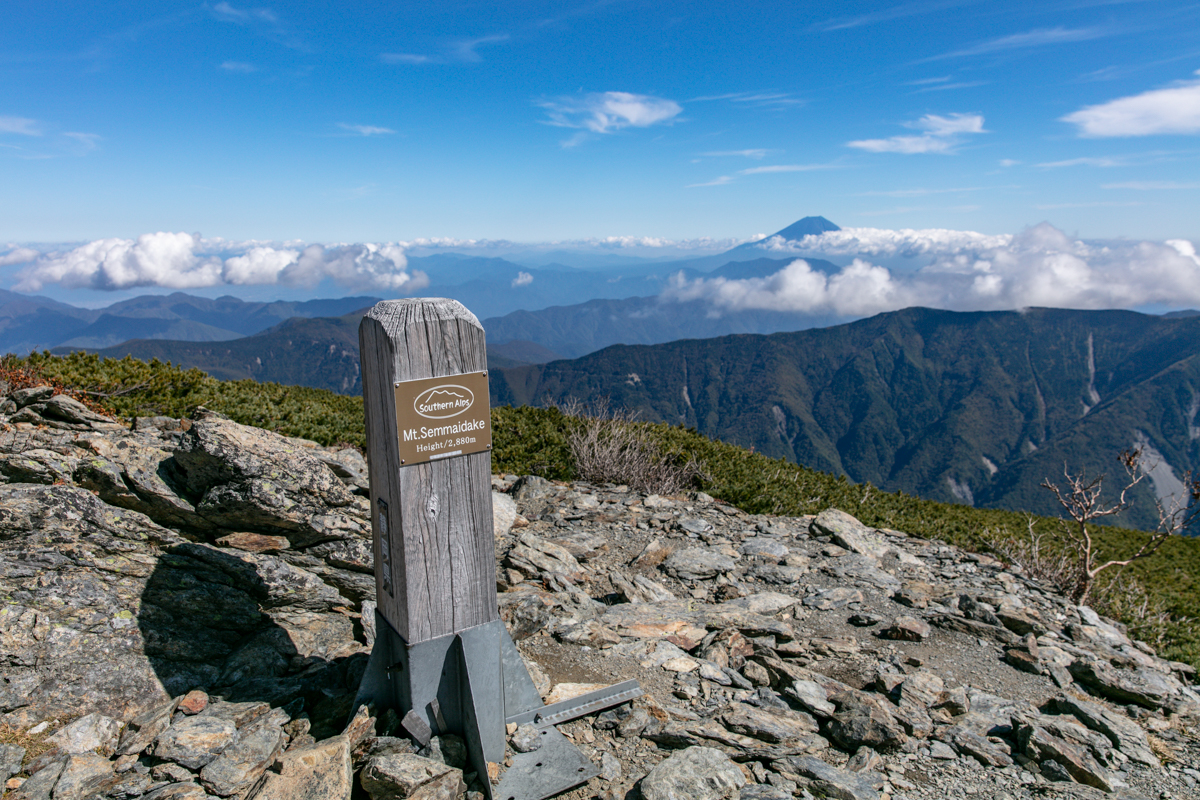
There is not a lot of English information on hiking in this area of Shizuoka but from Lake Ikawa there are hiking trails to Nanatsu Toge 七つ峠 (1553m) Yanbushi Toge 山伏 (2014m) that reward hikers with great views of Mt.Fuji on a good day.
Follow the Oi River up to Hatanagi Lake and deeper into the Minami Alps and there are more challenging trails to some of the bigger mountains in the Akaishi mountain Range but you will need climbing permits to attempt any of the peaks from here.
Everyone knows that sweets are essential at your travel destination! In Shizuoka Prefecture, there are many stores throughout the region where you can enjoy or purchase cute and delicious sweets made from locally produced fresh fruits such as strawberries, mandarin oranges, and melons, as well as tea, as souvenirs. Here, we will introduce some of the best sweets that Shizuoka Prefecture has to offer, including strawberry parfaits, tarts filled with greenhouse melons, parfaits made with unagi pie, a popular souvenir unique to Shizuoka Prefecture, pancakes made with rich red bean paste from a long-established Japanese confectionery store, and daifuku, a popular Japanese sweet, filled with whole mandarin oranges.
○Izu Area IJP -Izu’s signature pudding-
Pudding is all the buzz in the Izu Peninsula right now! In addition to the popular “Numazu Deep Sea Pudding” from Numazu City and “Atami Pudding” from Atami City, there are many other stores in the 13 cities and towns throughout the Izu Peninsula where you can enjoy special puddings made with local ingredients. Whether it’s a souvenir for your friends or a treat for yourself, let’s eat up Izu’s delicious pudding!
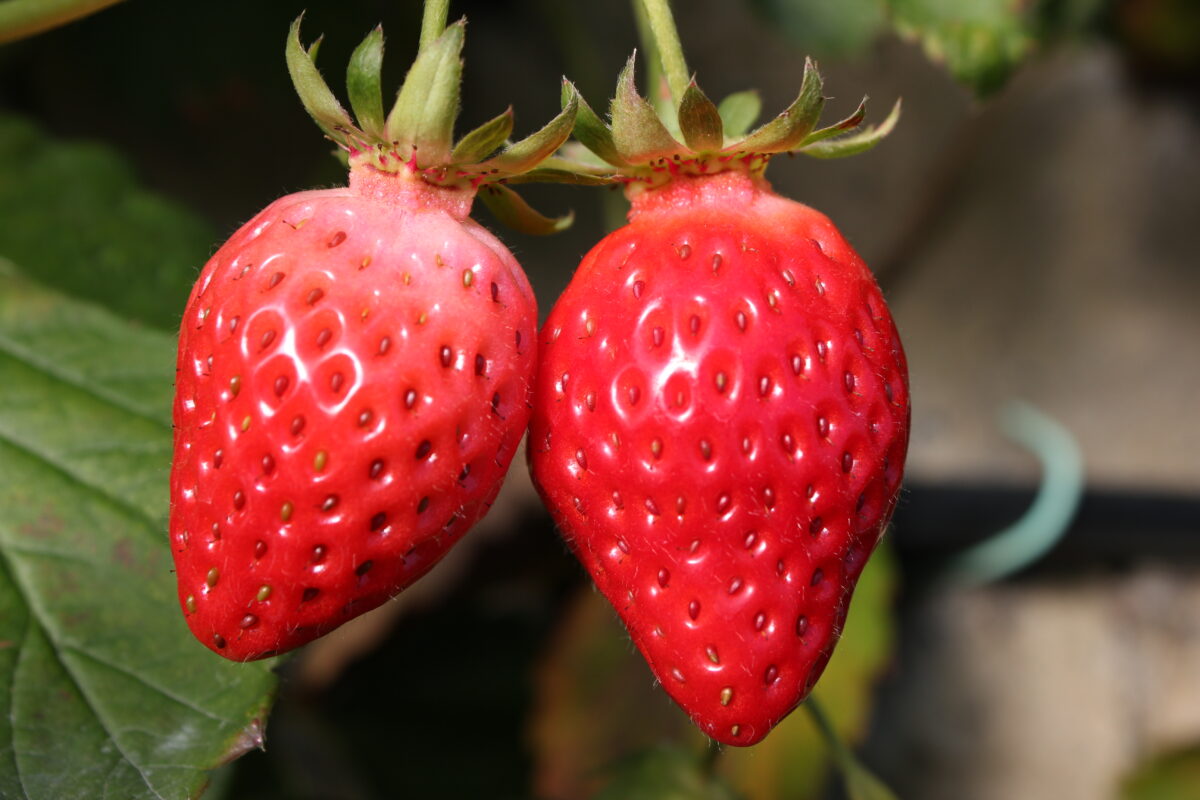
Located in Izunokuni City, where strawberries are locally produced, “Strawberry Bon Bon BERRY Izunokuni Factory ” is a store that specializes in strawberries that can be found in the “Izu-no-Heso Roadside Station” and offers delicious strawberries all year round. Here at Bon Bon Berry Cafe, you can enjoy the “Tea Party in the Land of Strawberries,” a buffet filled with strawberry desserts! The colorful and cute desserts made primarily of strawberries are lined up in a narrow space, allowing you to taste strawberries with all five senses until your heart and stomach are filled with joy from the delicious flavors. We hope you will have a happy time and satisfy your “love of strawberries” to the fullest.
In Minami-izu Town, located at the southern tip of the Izu Peninsula, “hot spring melons” are grown using the hot spring heat generated by the Shimokamo Onsen hot springs. Here at Ogiya Seika, you can enjoy a variety of Japanese and Western sweets made from “hot spring melons”! This exquisite dish is the melon tart, made with plenty of fresh melon! We recommend eating in at the café space which offers a charming atmosphere. For a souvenir, try the “melon monaka”.
“Mont-Saint-Fuji,” which opened in November 2019 in Fujinomiya City, Shizuoka Prefecture, at the foot of Mt. Fuji, is a French pastry store that has been garnering a lot of attention locally for its beautiful, instagrammable sweets that use various ingredients produced in Fujinomiya. The most popular item is the “Mt. Fuji,” a financier made from peanuts, a local specialty of Fujinomiya City. It has a rich, heavy flavor to go with the savory scent of peanuts. Don’t forget to enjoy at the beautiful layers when you slice it in half! Each one is individually wrapped, making it the perfect souvenir. Please enjoy the variety of exquisite sweets together with the spectacular view of Mt. Fuji.
The “Shime Parfait” dessert trend started in Sapporo and is spreading rapidly to Tokyo and Nagoya. In Shizuoka City, the “Shime Parfait promotion committee” has taken the lead in developing the “Shizuoka Shime Parfait” sister city tie-up with the city of Sapporo. The exquisite parfaits made using ingredients that are unique to Shizuoka and are both visually appealing and delicious, are offered at participating stores throughout Shizuoka City. A “Shime Parfait” is a parfait to end the day after a night out of eating or drinking, but the “Shizuoka Shime Parfait” is offered both at night and as a daytime treat for those who have worked hard, or for children who have excelled in their studies or sports. What kind of “shime” would you like to enjoy the “Shizuoka Shime Parfait” with?
Nakajimaen in Shizuoka City offers exquisite sweets such as parfaits filled with fresh strawberries only during the season when fresh strawberries can be harvested. The sweets made with freshly picked strawberries also offer great value for your money! The immensely popular store has a huge line of customers every day. From frozen strawberry sweets offered during the off-season when fresh strawberries are not available to melon parfaits made with half a melon, all the sweets offered at Nakajimaen are superb! We hope you’ll try them for yourself someday!
Marutamaen, located in Yaizu City, offers a new way to enjoy tea through their “SANOWA” brand, which was created with the hope that people and tea will be connected like a circle. The delectable “green tea tiramisu” is available at the Torota branch store’s cafe. This authentic tiramisu is made with a generous amount of Shizuoka matcha green tea and mascarpone cheese, and is an excellent way to experience the delicious taste of matcha green tea! Also, don’t miss out on the shaved ice served only during the summer months, lavishly flavored with handmade syrup made from tea leaves produced in Shizuoka Prefecture! We hope you will enjoy these amazing treats.
○Western Area Pancakes made by a long-established Japanese confectionery shop (Iwata City)
“Mataikkotabetai Café” was opened in the flagship store of “Mataichian,” a long-established Japanese confectionary shop in Iwata City. The cafe is currently attracting a lot of attention for its new sweets made with anko (red bean paste), which only a Japanese-style confectionery shop can offer. This mouthwatering dish is the “whipped cream anko pancake”. The fluffy pancakes are served with their special “koshian” (strained bean paste), “tsubuan,” (sweet red bean paste), whipped cream and whipped butter, making for a hearty meal! Enjoy the delicious taste of anko in this delicious and unique pancake dessert. We also recommend that you try the “Fluffy Kintsu Pancake,” inspired by Mataichian’s signature confection “Kintsuba” (made from sweet Azuki red bean paste coated in a thin layer of wheat flour dough), and share it with your friends and family.
At the teahouse located on the second floor of the “Japanese Tea Kimikura Main Shop,” run by a long-established tea shop in Kakegawa City, the home of deep steamed tea, you can enjoy the finest Japanese tea, snacks, and various seasonal sweets. This ever popular “matcha anmitsu” dish is called the “Matcha Zukushi,” which is served with your choice of tea and consists of homemade green tea jelly, green tea bean paste, warabimochi (dessert made with bracken starch) and shiratama (rice flour dumplings). Please relax and enjoy the view of the Japanese garden from the large window.
“Fruit Cafe NiJi” is a cafe that is attached to the “Nagura Melon Farm” that produces specialty melons in Fukuroi City, and is open only on weekends and holidays, offering fresh melons and melon sweets. The most popular item here is the “melon parfait,” which is not only made with perfectly ripe fresh melon, but also homemade melon sherbet and melon chiffon, making it a melon lover’s dream come true. The delicious taste of the parfait has been picked up by various media, and many tourists from overseas visit the shop when it is open. Enjoy the variety of melon-inspired dishes here at this charming cafe that gets plenty of sunlight directly from the greenhouse!
“Tsuyuhikari,” produced mainly in Omaezaki City, is a refreshingly sweet tea with a bright color and a gentle astringency that enhances its flavor and sweetness. The “tsuyuhikari terrine ,” which is made from carefully selected tsuyuhikari tea and the finest quality chocolate, is available at “Maruyo-chaya,” a teahouse located in Omaezaki City. The balance between the strong tea flavor and the moderately sweet chocolate is so good you’ll be able to eat as much as you want, and in addition to tsuyuhikari, the hojicha and Japanese black tea terrine is also deliciously tasty. Be sure to try the parfait with terrine served in the annexed cafe.
Did you know that there is a cafe that serves “unagi pie,” (eel-flavored confection) a classic Shizuoka souvenir? The “Unagi Pie Café” is located in the “Unagi Pie Factory” near Lake Hamana, where visitors can observe the unagi pie production process. Here you can enjoy a variety of sweets made from unagi pie. Our top recommendation is the “Unagi Pie V.S.O.P. Tea Parfait,” which contains an entire premium “Unagi Pie V.S.O.P.”! Not only is it the perfect dish to post on SNS, but the crispy unagi pie goes great with the whipped cream and black tea ice cream! Please enjoy a brand new way to taste unagi pie.
Mikkabi Town, Kita Ward, Hamamatsu City, which is located north of Lake Hamana, is a region that produces “Mikkabi mikan,” a brand variety of mandarin orange. The “Mikkabi mikan” shaved ice, which is only available during the summer season, is an exquisite product available at “Mikan Kobo,” which sells freshly picked mikan oranges, mikan juice, and various processed mikan products in the town of Mikkabi. The shaved ice served with homemade syrup made from 100% Mikkabi mikan juice, marmalade and plenty of Mikan fruit extract is a gem that allows you to enjoy the flavor of “mikan” as it is, with a good balance of refreshing sweetness and a slight bitterness from the orange peels. We also recommend the “Mikkabi mikan soft serve ice cream,” which is filled with Mikkabi mikan extract and is available year-round.
For more information, click here.
Marugoto Mikan Daifuku (Hamamatsu City)
Hamamatsu City is a major producer of mikan oranges, and “Mikkabi mikan” is one of the most popular mikan orange brands in Tokyo. Mikkabi Seika sells the exquisite “Marugoto Mikan Daifuku ,” (whole mikan orange daifuku) which is made by wrapping carefully selected whole Mikkabi mikan oranges in white bean paste and wrapping them again in Habutae mochi (traditional glutinous rice cake confection of Fukui Prefecture). It is a frozen product, and if you let it thaw a little and eat it right after the mochi has softened, you can enjoy the crispy texture of the mikan orange, and if you let it thaw completely, it has a lighter and juicier flavor. If you visit Lake Hamana and Kanzanji Onsen, we highly recommend this famous confectionery as a souvenir.
Kakegawa Castle stands majestically on the hill protectively watching over the historic castle town of Kakegawa. It’s a lovely picture, like a stereotypical postcard of Japan.
You might think you’ve seen this view before in other parts of Japan, or you’ve already been to a bigger, more famous castle before, but you should still take a closer look, because Kakegawa Castle is truly special.
Kakegawa Castle was originally built between the Meio Era and the Bunki Era (1497-1501) by a retainer of the powerful Imagawa Clan. The Imagawa Clan ruled the Western Region of what is now Shizuoka Prefecture until the famous defeat of Imagawa Yoshimoto by Oda Nobunaga at the Battle of Okehazama in 1560.
Kakegawa Castle was then surrendered to Tokugawa forces and around 1590 it was transferred to a retainer of Toyotomi Hideyoshi named Yamauchi Kazutoyo who completely rebuilt the castle.
The current layout of the castle and some of the stone walls and moat date back to this period.
Kakegawa Castle was kept in repair throughout the Tokugawa Era (1600-1868).
However, the tenshukaku (keep tower) was destroyed in 1854 by the Ansei Tōkai earthquake and not rebuilt.
After the Meiji Restoration, parts of Kakegawa Castle were used as administrative offices and the castle grounds were turned into a public park.
Although there are over 100 castles still extant in Japan, Kakegawa Castle was the first castle restored with wood and traditional Japanese building techniques instead of steel-reinforced concrete.
In 1994, Kakegawa Castle underwent extensive renovations with funds raised largely from public donations.
The tenshukaku (keep tower) was rebuilt from original plans that had survived through the ages using traditional Japanese carpentry and shiro-shikkui plaster (made with straw and lime).
The view from castle tower
Displays in the tenshukaku detail the painstaking restoration process.
Another unique aspect of Kakegawa Castle is that the Ni-no-Maru Goten, daimyo’s living quarters, have been preserved and are open to the public.
The Ni-no-Maru Goten
Along with Nijo Castle in Kyoto, Kakegawa Castle is one of only four castles where the daimyo’s living quarters have been preserved.
The daimyo’s living quarters were used for ceremonies, administrative offices and well as private living quarters, so they offer a valuable historical window into a daimyo’s daily life in the Tokugawa Period.
The historical accuracy and attention to detail in Kakegawa Castle’s preservation and restoration are impressive.
Walking through a castle tour, you will really feel that you have slipped back through time.
A testament to this is that Kakegawa Castle has been used time and time again in period pieces in Japanese cinema and television.
Many scenes from the 1999 Japanese and French film After The Rain (Ame Agaru), an award winning film based on the last script written by Akira Kurosawa were filmed at Kakegawa Castle.
If you are a fan of Japanese cinema, there is an exhibition at the Goten about the filming of the movie.
Kakegawa Castle is also known as Kumokirijō (雲霧城) — “The Castle Shrouded in Mist.”
Legend has it that during Japan’s Warring States Period, when Tokugawa Ieyasu attempted to attack Kakegawa Castle, mist arose from one of the castle wells and shrouded the castle in a cloud, protecting the castle from attack.
The mist spraying well at the entrance of the castle tower
This supernatural event gave Kakegawa Castle its nickname. Be sure to pay a visit to the mystical well, located next to the tenshukaku (keep tower), when you visit.
Long stretches of coastline, fresh seafood and friendly locals in an ‘off the beaten track’ beach town. Just 30 mins from Kakegawa bullet train station, Omaezaki is a relaxed oceanside town.
FRESH SEAFOOD, SURF BEACHES, FRIENDLY LOCALS
Omaezaki Beach is off the radar for many visitors to Japan.
As they bullet pass on the Tokaido Line Bullet train, most people don’t realise that just 30 minutes from Kakegawa Station is a sleepy surf town built around its fish market. Omaezaki provides visitors with unique opportunity to experience a different side of Japan and enjoy a local beach culture.
In many ways Omaezaki aspires to be like surf beach towns around the World such as Byron Bay in Australia or Raglan in New Zealand – but with a very Japanese vibe.
Blessed with a long stretch of South West facing coastline, Omaezaki is well known as a surf destination.
In the late summer, typhoons forming in the Pacific push swell toward Japan and provide local surfers with excellent waves.
In late winter / early spring, Omaezaki is a Mecca for windsurfers and kite boarders who enjoy the combination of strong onshore breeze and good swells to test some of the best wind / wave riders around.
One thing that stands out when doing research on Omaezaki is that there is not a lot of accommodation to choose from in the area – especially in English.
You need to dig a little deeper to find some of the smaller accommodation providers in the area but it is well worth the effort.
For many visitors to Japan, staying at a Minshuku (family-run guesthouses) is often a surprise highlight of their trip. Minshuku are family run accommodation that provide a more personal experience and give visitors a glimpse into Japanese life and culture.
The moment you step into a Minshuku in Omaezaki, you almost feel like you have come home – the owners generally go out of their way to make you feel comfortable.
The owner will often buy fresh fish from the local market for your meals and provide a seafood feast.
Enjoy freah, locally sourced seafood.
HOW TO GET THERE & AROUND
Even though it is located very close to Kakegawa Station, it is a little bit challenging to get to if you do not have a car.
Also, once you are in Omaezaki not having a car limits the options available in the area. Therefore, renting a car at Kakegawa Station is highly recommended.
For cyclists, the ride from Kakegawa through the green tea fields of Makinohara is a great way to get to Omaezaki.
Having a bike is a great way to get around the Omaezaki coastal area. After staying the the area a couple of days, the coastal road from Omaezaki down to Hamamatsu is also great for cycling.
Lake Hamana is a large brackish lake just West of Hamamatsu City that is a popular destination for many of the locals due to the large array of activities and attractions in the area.
Here are 5 ways to enjoy this glorious lake and great reasons to add it to your Shizuoka adventure.
WATER SPORTS & ACTIVITIES
Some call Lake Hamana a mecca for wind surfing.
The cycling route around the lake is approx. 65 kilometers.
Most of the attractions and activities around the lake understandably are linked to the water.
Fishing, kayaking, wind surfing and wake boarding are all popular activities on the lake.
Off the water cycling, hiking and paragliding are popular attractions for the more active types whilst flower gardens, onsen resorts and temples are big attractions for those looking for a more relaxed holiday.
If you are looking for a truly unique experience while you are in Japan, don’t miss the Takiya-Ryo Night Spearfishing experience on Lake Hamana.
Setting out from the local boat dock at dusk, the experience starts with a short cruise out to the lake enjoying the sunset from the water.
For about 1.5 hours, the boat cruises around the shallows of the lake and using 8-foot long traditional trident-like spears to spike a wide variety of sea creatures – fish, crab and shrimp if they are in season.
Your catch is then cooked by the fisherman, while you relax on a floating dining raft close to shore.
Kanzanji Temple is said to have been established in 810.
View from Mt. Okusa Observatory
Kanzanji Temple is a Zen temple located on the hillside of Mt. Tate, facing Uchiura Bay.
The temple shares its origins with Shuzenji Temple on the Izu Peninsula as it is said to have been established by the famous Zen Buddhist Monk Kobo Daishi.
The hot springs were drilled in the 1950s and the area quickly established itself as a onsen destination with many large resort hotels and ryokan being built.
The Kanzanji Onsen area is compact and offers many interesting attractions, restaurants and hot springs.
Take Kanzanji Ropeway to Mt. Okusa to take in spectacular views of the lake.
LOCAL DINING
Fresh oysters from Lake Hamana
Farming on Lake Hamana has been practiced for generations.
Lake Hamana is also famous for its food – eel and oysters are particularly popular in the area.
The rivers flowing into the lake bring nutrients that mix with the water from the nearby ocean to provide an abundance of seafood.
The warm climate is perfect for growing fruit such as mandarins and strawberries as well.
Just a short journey from South of Mishima Station, the West Coast of Izu peninsula (Nishi Izu) offers intrepid travelers a chance to get off the beaten track and experience a real Japanese adventure.
Ready to get away from the cities? Had enough of temples and shrines?
Have a strong sense of adventure or want to enjoy some authentic Japanese hospitality? How about hot springs with views of the ocean, some of the freshest seafood you will ever eat, stunning sunsets, and views of Mt.Fuji?
Nishi Izu has all this and more.
TOI PORT & ONSEN TOWN
TOI PORT
In the age of Tokugawa, there were 2 main gold mines in Japan – the largest is found on the Sado Island and the 2nd largest was on the West Coast of Izu in the small coastal town of Toi.
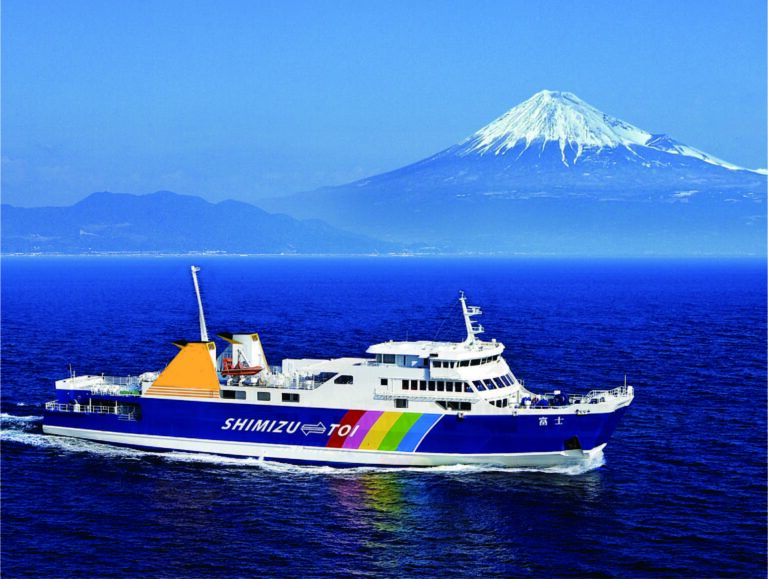
Perfect access from the ocean and great proximity across Suruga Bay to Tokugawa’s residence in Shizuoka City turned this fishing port into a bustling Gold Mining Town.
Today there is very little to remind you of the town in its heyday of geisha entertaining merchants and miners but a visit to the mines is a great way to get an appreciation for the work that was done to build elaborate tunnels into the mountain in search of riches.
KOIBITO MISAKI (Lover’s Cape) & KOGANEZAKI
KOIBITO MISAKI(Lover’s Cape)
Not far down the coast from Toi Port is Koibito Misaki or Lover’s Cape which is a great lookout spot that offers spectacular views out over Suruga Bay and, on a clear day, unobstructed views of Mt.Fuji in the distance.
It is a short walk out to the Cape from the bus stop and is particularly beautiful around sunset.
For the best chance to get clear views of Mt. Fuji, Winter and early Spring or late Autumn when the weather is a little cooler are recommended.
The nearby Koganezaki, which was named after its golden rocks under the setting sun is also a scenic spot to capture the perfect photo opportunity.
DOGASHIMA
DOGASHIMA TENSODO CAVE
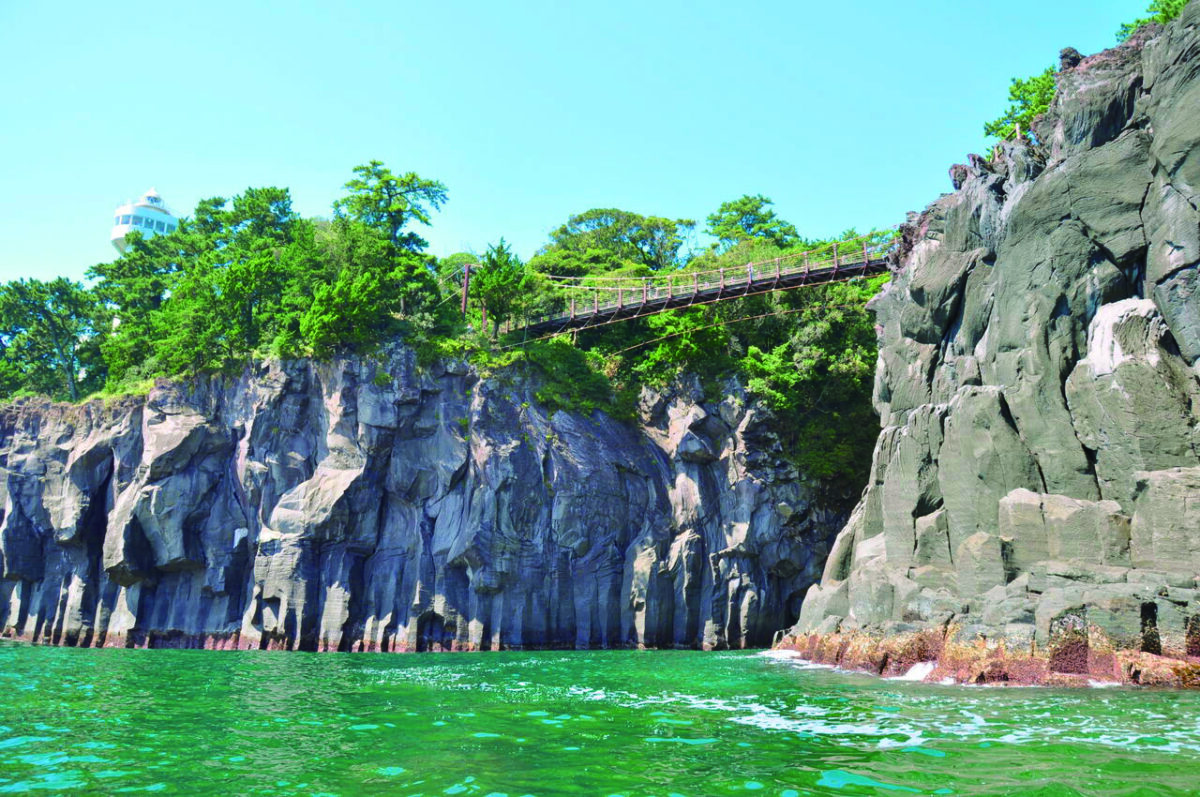
20 minutes down the Coast by bus from Koganezaki is Dogashima Park which is probably Nishi Izu’s most famous tourist spot due to the accessibility of the steep coastal cliffs and the popularity of the Dogashima Tensodo Cave Cruising boat tours.
Sightseeing boats leave from Dogashima and are a great way to get a greater appreciation for the dramatic stone formations and cliffs that line the coastline – most boat trips culminate with the boat entering the Tensodo Cave.
MATSUZAKI
MATSUZAKI TOWN
As you venture further down the Western Coast of Izu things become more and more remote and you get a real sense of leaving civilization behind.
The small port town of Matsuzaki is worth exploring for an hour or two – the town is easy to get around by foot and offers a relaxed atmosphere with its Namako walls and traditional style buildings.
Around the Matsuzaki area, there are a number of great activities and experiences to choose from cruising, mountain biking, scuba diving, sea kayak fishing, snorkeling, or stand-up paddleboarding.
ISHIBU RICE TERRACES
About 20 minutes drive from Matsuzaki’s town center is the picturesque Ishibu Rice Terraces.
Stop at this popular spot if you have a car and enjoy the walk through terraced rice fields and take in the breathtaking views of the rice paddies that stretch down the valley to the ocean below.
The paddy fields are filled with water from mid-May to early June at which time early morning and dusk are great times to get those perfect shots for your social media account.
Not as famous as the onsen monkeys of Nagano, this stony beach is home to about 300 Japanese Macaque monkeys and you are able to walk amongst them and even feed them – a fun experience for young and old.