Home Blog Page 6

5 Magical Spots in Mishima

Spare a couple of days on your journey through Japan to explore Mishima City and its surrounds.

5 REASONS WHY STOPPING AT MISHIMA STATION & TAKING TIME TO LOOK AROUND IS WORTH YOUR WHILE

MISHIMA TAISHA SHRINE, RAKUJUEN PARK, GENBE RIVER, KAKITA RIVER PARK & MISHIMA SKYWALK

If you are using the Tokaido Bullet Train to travel through Japan Mishima Station is a great stop along the way.

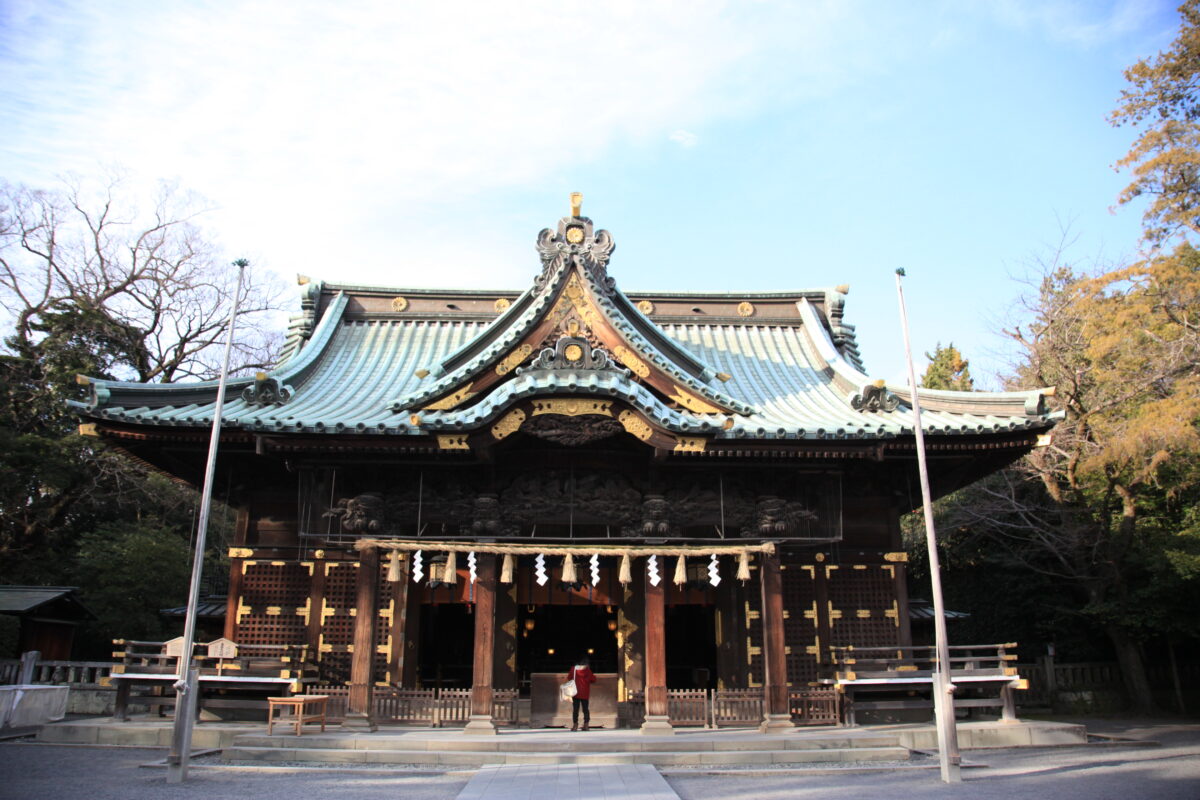
MISHIMA TAISHA SHRINE

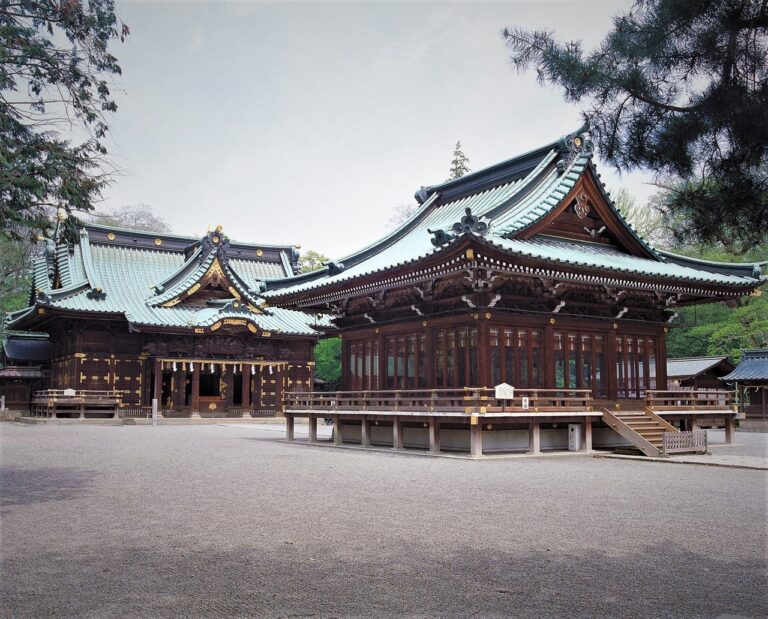
The main shrine of Mishima Taisha

With a history dating as far back as the Nara period nearly 1200 years ago, Mishima Taisha Shrine is one of the most revered Shinto shrines in Japan.

The shrine has been patronized by some of the most famous of Japanese rulers over the years.

As a key stop on the Tokaido Highway when Hiroshige created his masterpiece woodblock prints of the 53 Stations of the Tokaido Highway he depicted Mishima with the Torii Gate of Mishima Taisha Shrine.

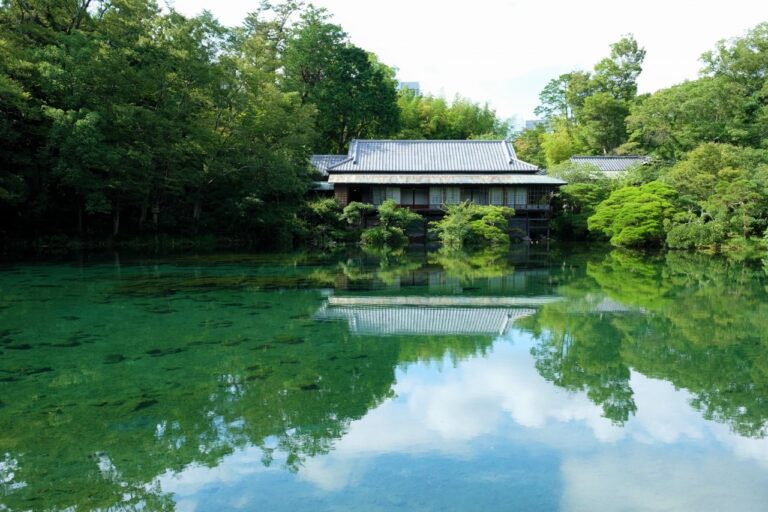
RAKUJUEN PARK 

The Chrysanthemum Festival takes place at Rakujuen Park in November.

An easy 3 minute walk from Mishima Station South Exit is Rakujuen Park.

Once the second home and grounds for Prince Akihito of Komatsu in the 19th century the park is now open to the public for a small fee.

The expansive grounds of the Park are a great way to spend a couple of hours enjoying the Japanese gardens.

If you have kids the park also has a small amusement park and zoo that is home to a very popular red panda and other cheeky critters.

GENBE RIVER

You can walk along the paving stones down the stream.

The Rakujuen Park is the source of the Genbe river which flows for about 1.5 km through the city of Mishima.

A clear walking path has been created that follows the river through the town to Mishima Taisha Shrine with stepping stones placed in the river to allow you to almost walk on water.

Fireflies have recently started to return to the river and can be seen on warm nights in May to mid-June making for a magical experience.

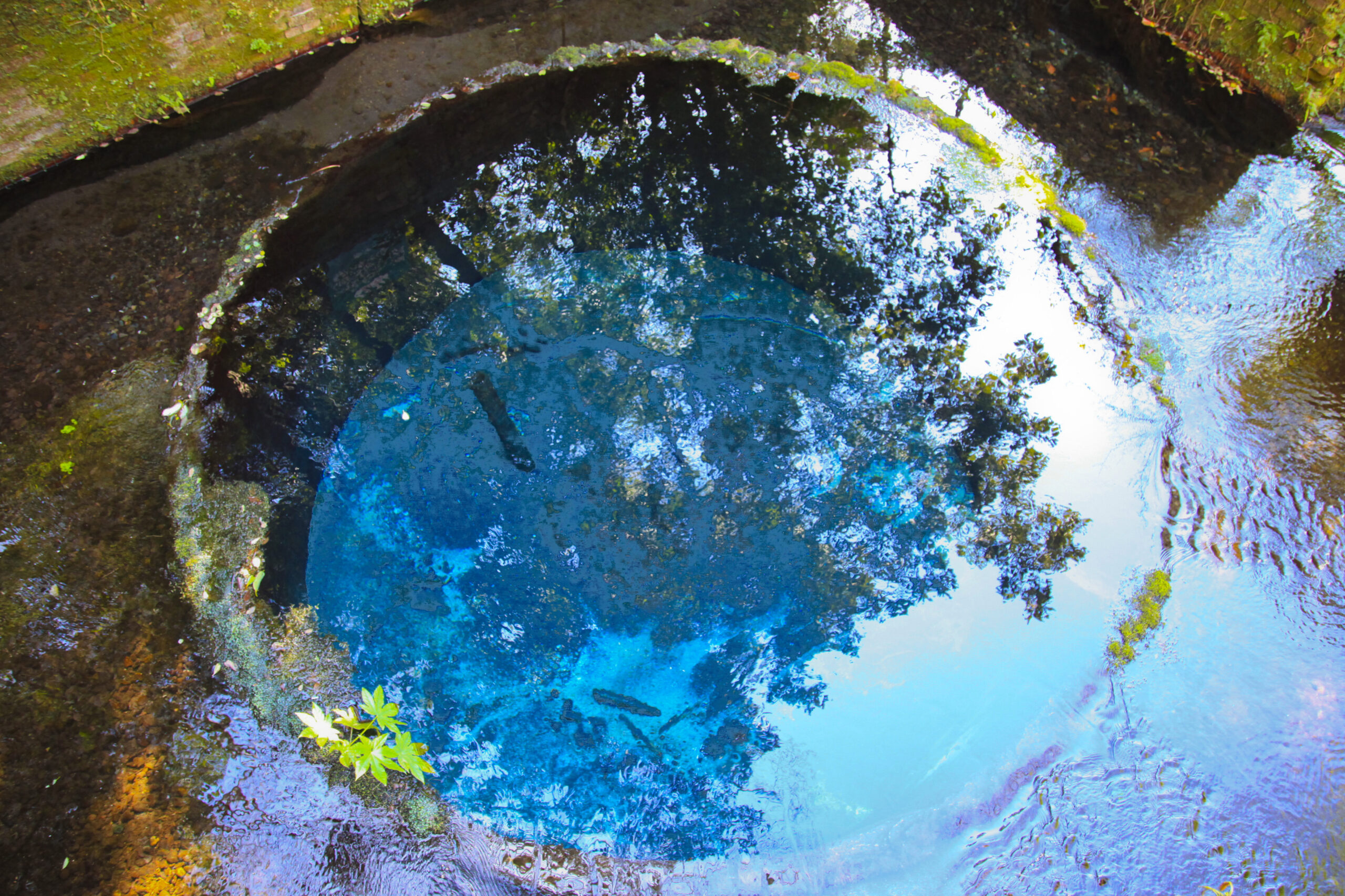
KAKITA RIVER PARK

A lot of snow-melted water from Mt. Fuji spring up in Kakita River Park.

A short bus trip from Mishima station takes you to Kakita River park. Kakita river is famous for its clearity and designated as a national natural treasure. In many places in the park, a lot of snow-melted water from Mt. Fuji springs up all year round and you can see it from the decks.

From the South exit of Mishima Station, it takes about 15 mins by bus or 30 mins on foot.

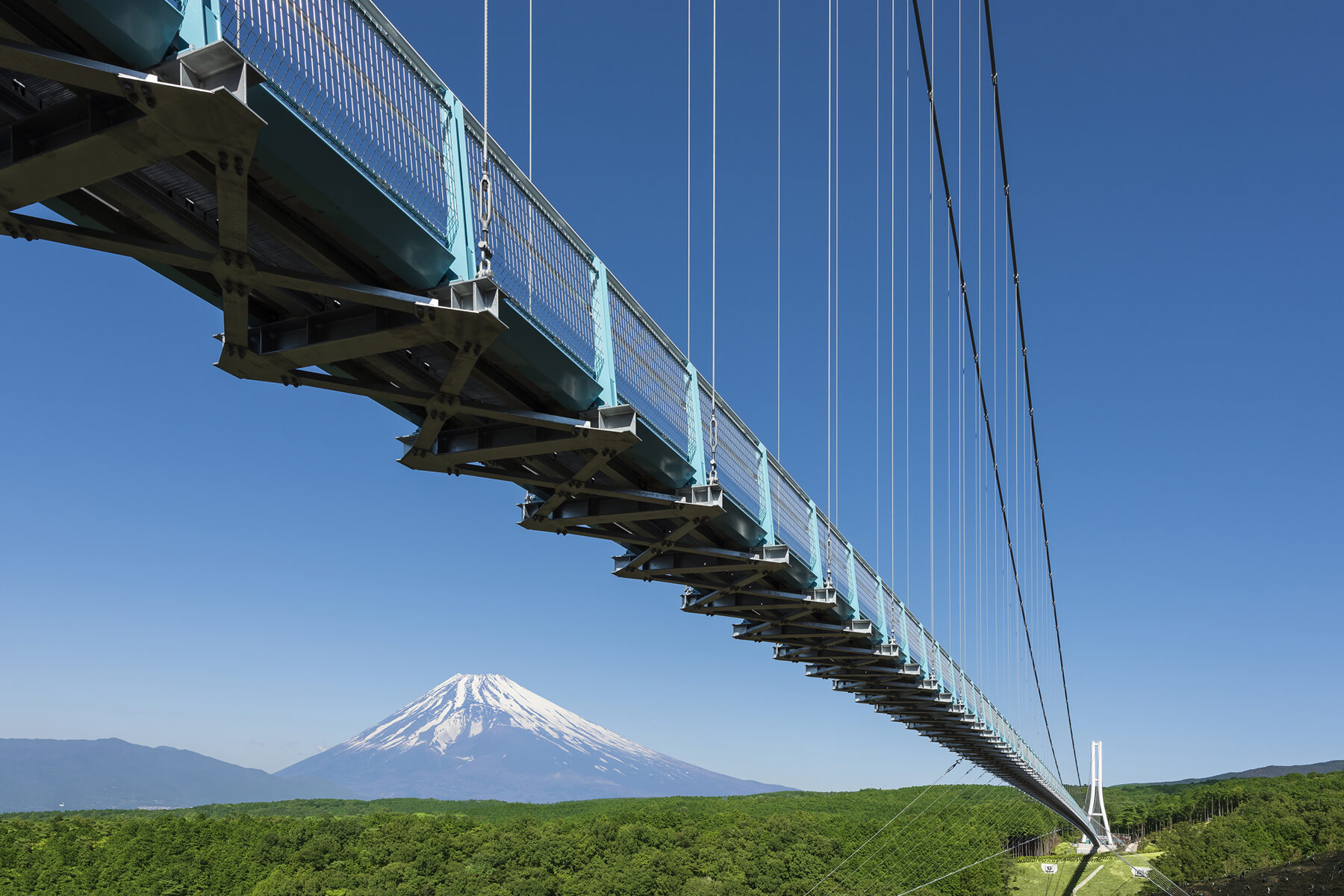
MISHIMA SKYWALK

A view of Mt. Fuji from Mishima Skywalk is breathtaking.

A popular attraction in Mishima is the Mishima Skywalk.

One of the longest pedestrian suspension bridges in Japan Mishima Skywalk offers awe-inspiring views of Mt. Fuji and with sky garden, cafes, restaurants, Segway tours, dog run, zip line and adventure park also part of the facilities there is something for everyone.

[blogcard url=”https://exploreshizuoka.jp/activities/places/forest-adventure-mishima-skywalk/”]

MORE INFORMATION

Mishima Tourism Website

[blogcard url=”https://mishima-tourism.jp/?hl=en”]

Mishima – A City made for Walking tour courses

[blogcard url=”https://www.mishima-scc.jp/model-walking-tours.html”]

EXPLORE IZU

[blogcard url=”https://www.explore-izu.com/destinations/mishima/”]

Izunokuni – The Gateway to Izu Peninsula

0

At the Gateway to Izu Peninsula the Small Town of Izunokuni is a hidden Gem.

Before starting your journey into Izu Peninsula, take a moment to discover the hidden gems in this historic town.

150 YEAR OLD CANON SMELT, CRAFT BREWERY, SPECTACULAR VIEWS OF MT. FUJI, TRADITIONAL GEISHA PERFORMANCES

Just over 20 minutes South of Mishima Station on the Izuhakone Railway is the modest city of Izunokuni.

Easy to overlook on a trip to better known Shuzenji or on a trip to Izu Peninsula, this area is easily worth at least a day to explore or even spend a night in one of the famous ryokan (Japanese inn) with onsen (hot springs).
Grab a rental bicycle and check out some of the sights.

MERIDA X BASE

MERIDA X BASE
MERIDA X BASE

Renting a bike is a great way to get around Izunokuni and thanks to Merida you can do that in style with some of the best bikes available at MERIDA X BASE a short walk from Takyo Station.

[blogcard url=”https://goo.gl/maps/iJP1NjT1LXiy7bfK9″]

 If you are a serious cyclist, this place is a crazed dream come true as you are able to pick up a top of the line model Merida bike to use for a very reasonable price.

For the novice, there is also a range of e-bikes available and something for everyone.

IZU PANORAMA PARK

Izu Panorama Park
Izu Panorama Park

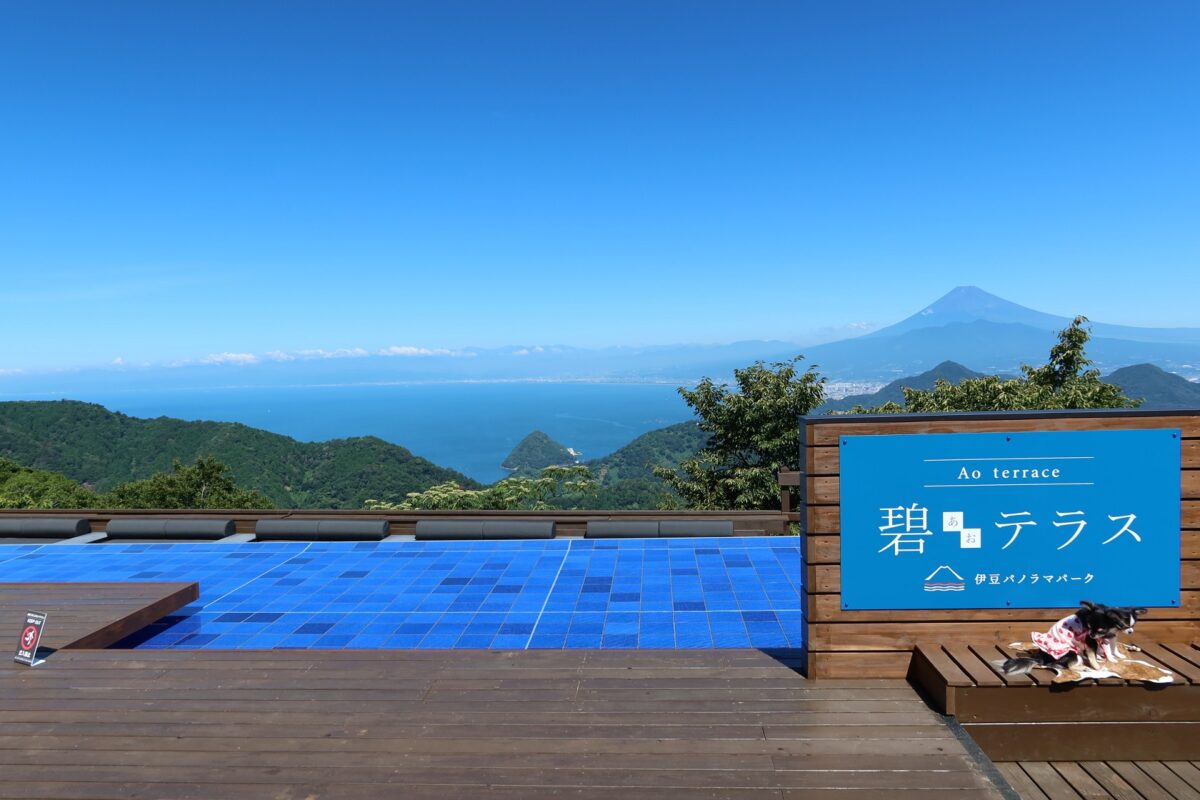
A great place to spend a couple of hours relaxing while you enjoy a morning coffee or Green Tea and Japanese sweets while you take in the expansive view of Suruga Bay and, on a clear day, majestic Mt. Fuji in all her glory is Izu Panorama Park.

[blogcard url=”https://www.panoramapark.co.jp/en”]

NIRAYAMA REVERBERATORY FURNACES

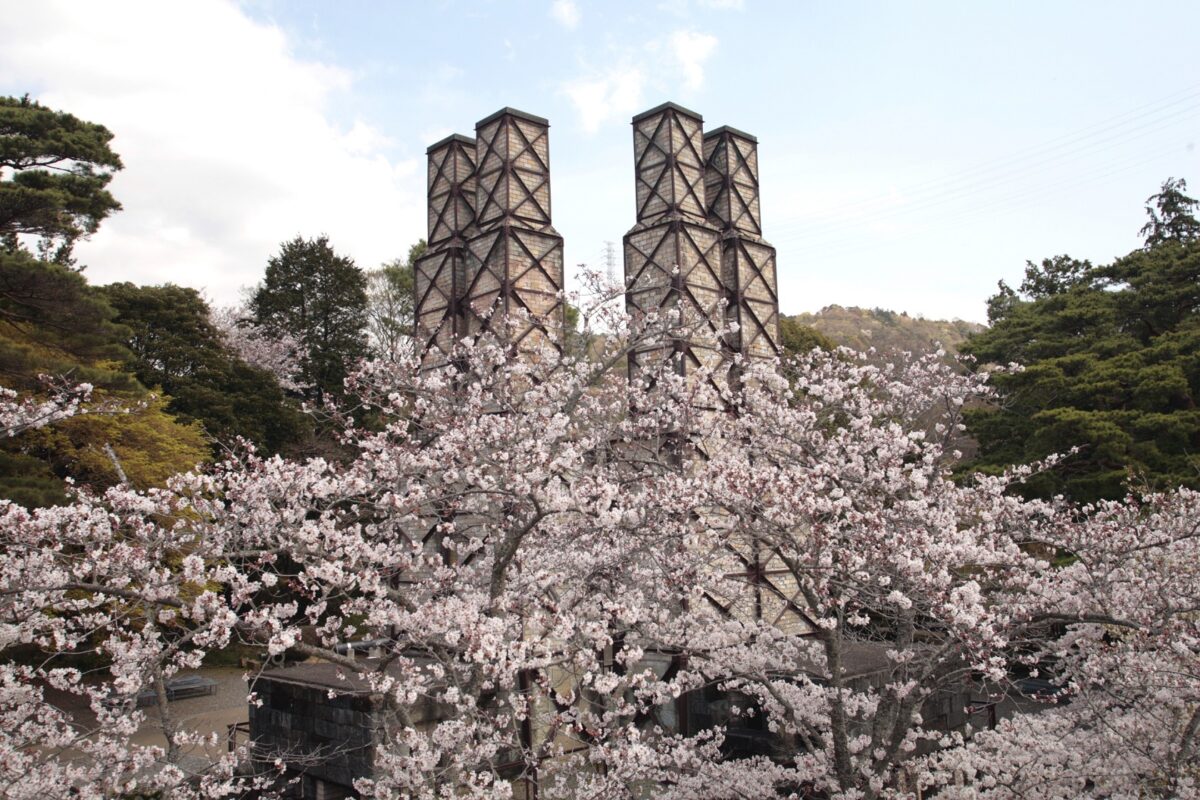
Nirayama Reverberatory Furnaces with cherry blossoms

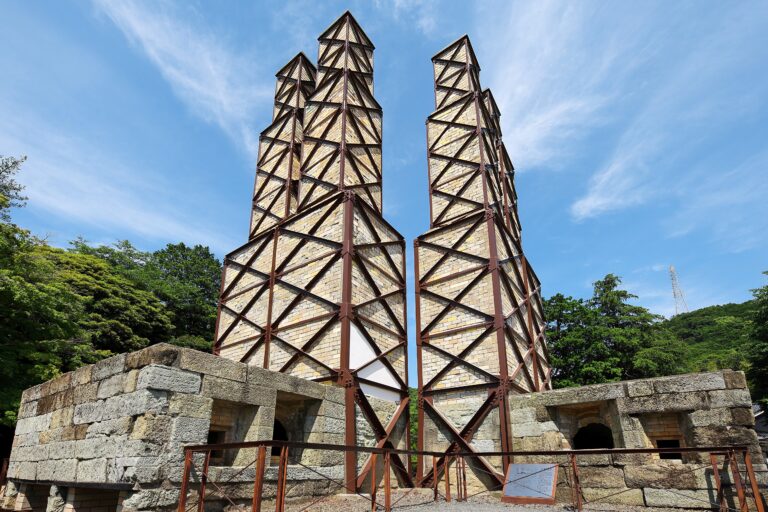
In 1857 the Tokugawa government built an iron smelting facility in Izunokuni in order to construct canons to help defend Japan in the time when foreign vessels such as the Black Ships in Commodore Perry’s fleet had started to arrive at nearby Shimoda further south in Izu Peninsula in an attempt to open Japan after 200 years of self-isolation.

Today the remaining chimneys from the original Reverberatory Furnace are classified as a World Heritage Site.

[blogcard url=”http://www.japansmeijiindustrialrevolution.com/en/site/nirayama/component.html”]

Next to the furnace, Kuraya Narusawa offers a Japanese BBQ restaurant, craft beer brewery and small green tea plantation where visitors can get dressed in traditional green tea picking attire and pick green tea.

[blogcard url=”https://exploreshizuoka.jp/en/inspirations/stories/best-picks/6-great-shizuoka-green-tea-destinations/#KURAYA_NARUSAWA_%E2%80%93_IZU_NO_KUNI_CITY_MISHIMA_STATION”]

IZU NAGAOKA GEISHA

There used to be official geisha schools in only two prefectures in Japan – one is in Kyoto and the other is in Izunokuni – Izu Nagaoka Onsen area.

When the Tokaido Bullet train was completed in 1964, Izu Nagaoka Onsen area was home to more than 400 geisha that welcomed visitors to the many ryokan in the area and entertained guests. 

Today there are only approximately 10 geisha in the area but they still strictly adhere to geisha tradition and culture.

If you are interested in this fascinating art form and way of life, Izunokuni offers an authentic opportunity to better understand the traditional Japanese geisha way of life.

[blogcard url=”https://exploreshizuoka.jp/activities/places/experience-traditional-geisha-performance/”]

[blogcard url=”https://exploreshizuoka.jp/activities/places/authentic-geisha-experience/”]

GET ACTIVE IN IZUNOKUNI

From cycling to abseiling, hiking to golf there are plenty of ways to get active and outdoors in Izunokuni.

For anyone looking for a chance to get outdoors and get active Izunokuni has a surprising number of very easily accessible options in a small area. 

[blogcard url=”https://exploreshizuoka.jp/activities/places/rappelling-tour-in-izu-mt-jyo/”]

HOW TO GET THERE

From Mishima Station, the Izunokuni is an easy 20-minute train ride on the Izuhakone Railway.

The Izuhakone Line 2-Day Pass gives you the freedom to jump off and on the train between Mishima and Shuzenji and catch some of the buses in the area.

A 3 Day 2 night trip from Mishima to Izunokuni and Shuzenji is a great way to relax, unwind and enjoy some real Japanese hospitality.

BEST TIME TO VISIT

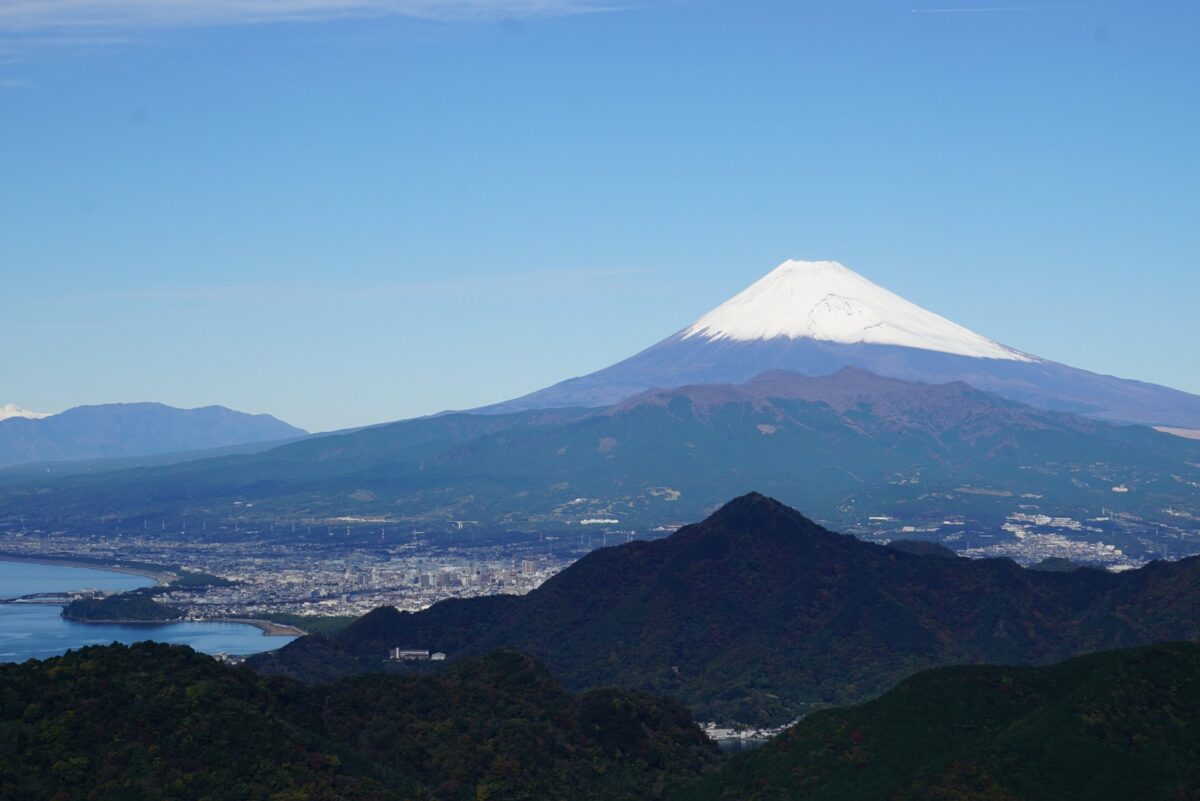
For clear views of Mt. Fuji, the cooler months between November and March give you the best chance of making the most of your trip to Izu Panorama Park.

view from Izu Panorama Park
View of Mt. Fuji from Izu Panorama Park

If you like to get out and active, hiking or on the bike, aim for early Spring from April to May or later in the year from Sep to late November.

MORE INFORMATION

Izunokuni City Tourism Association

[blogcard url=”https://izunotabi.com/”]

Ganjoujuin Temple

[blogcard url=”https://ganjoujuin.jp/english.html”]

The Izunokuni Area is a collection of once thriving hot spring towns that still has geisha culture, a World Heritage site and access to a wide range of outdoor activities.

Tokaido Highway – Hakone Hachiri

0

HAKONE HACHIRI

HIGHLIGHTS OF THE AREA Heritage Area, Cedar Lined cobblestones, Amazake, Yamanaka Castle Ruins, Mishima Skywalk, Mishima Taisha Shrine

INTRODUCTION

The old Tokaido highway was a vital route that connected the Tokyo with Kyoto. Along the road were over 50 post towns, important resting points where travelers could stop for a bite to eat or stay for the night. 

Hachiri literally means 8 Ri, a distance of approximately 32 kilometres(20 mile). It refers to the stretch of the ancient Tokaido Highway between Odawara (Tokaido Juku #9) and Mishima (Juku #11), via Hakone (Juku #10).

During the Edo Period, this stretch was a two day walk over some very mountainous terrain, but rewarded by spectacular views of Mt.Fuji, Lake Ashi, and the Pacific Ocean.

Some parts of this stretch of Tokaido have been preserved and are enjoyed by many visitors today.

Please wear comfortable walking shoes for the day (about 8 km walking total) and bring a jacket in case of rain.

SUGGESTED ITINERARY

MORNING

0830 Meet Odawara Station
– Train from Odawara to Hakone Yumoto / Hakone Tozan Bus to Amazake Chaya

Amazake Chaya

– Walk from Amazake Chaya down ancient Tokaido (about 2km) to MotoHakone
– Walk along Cedar Avenue to Hakone Checkpoint (1km)
– Lunch at Hakone Machi

AFTERNOON

– Bus from Hakone Machi to Settai Chaya cobblestones
– Walk Ancient Tokaido(Settai Chaya cobblestones / Yamanaka Shinden cobblestones) to Yamanaka Castle Ruins

Yamanaka castle was destroyed in 1590, just before the Tokaido Highway came to prominence, but travelers on the old road would have passed by these ruins as they made their way to and from Hakone.

Yamanaka Castle Ruins

– Bus to Mishima Skywalk

Mishima Skywalk, Japan’s longest pedestrian suspension bridge is a great place to take in the view of Mt. Fuji and Suruga Bay (weather permitting). It is also good to stop there for a coffee or lunch and maybe a thrilling zipline ride, and a walk through the hydrangea garden.

Mishima Skywalk

– Bus to Mishima Taisha Shrine

Mishima Taisha Shrine was located right next to the path of the Tokaido Highway. The shrine is dedicated to the father of Konohana Sakuyahime, the goddess of Mt. Fuji and is known as one of the most prestigious shrines in Japan.

Mishima Taisha Shrine

– Walk to Mishima Station

Stay in Mishima overnight and enjoy this charming small town.

MORE INFORMATION

[blogcard url=”https://exploreshizuoka.jp/en/blog/reasons-to-travel-to-shizuoka-japan-hike-500-year-old-tokaido-to-experience-ancient-and-modern-japan/”]

[blogcard url=”https://exploreshizuoka.jp/activities/places/hike-hakone-hachiri/”]

[blogcard url=”https://exploreshizuoka.jp/activities/places/five-day-tokaido-tour/”]

Tokaido Highway – Mishima Juku

0

MISHIMA JUKU

Mishima City, a garden city with streams of snowmelt from Mt. Fuji, flourished as one of the post towns on the Old Tokaido Highway.

Today, travelers can easily explore the town with a number of attractions within walking distance from Mishima Station along the Tokaido Shinkansen.

INTRODUCTION

The Old Tokaido Highway became firmly established in the early 17th century as the main thoroughfare for travelers between the new capital of Edo (Tokyo) and Kyoto.

The 11th Post Town of Mishima was home to 2 “Honjin” (official lodging for feudal lords, priests and aristocrats), 3 Waki-Honjin(lodging for second ranking official travelers) and 74 other inns for everyone else.

Depending which way you were traveling, Mishima was the first or last Post Station in what is known today as Shizuoka Prefecture. After, or before, traveling over the Hakone Hachiri Pass, which was one of the steepest parts of the Tokaido Highway, many of the Feudal Lords and their entourage would stay in Mishima.

The town of Mishima was perhaps most famous for Mishima Taisha Shrine which was located right next to the path of the Tokaido Highway. The shrine is dedicated to the father of Konohana Sakuyahime, the goddess of Mt. Fuji and is known as one of the most prestigious shrines in Japan.

Japan’s first Shogun , Minamoto no Yoritomo, was said to worship at the Mishima Taisha Shrine after he was exiled to Izu.

When the famous 19th Century artist Hiroshige painted his depiction of the Mishima Post Station in his series ‘The Fifty-three Stations of the Tokaido’, he depicted travelers on the highway walking past the front Torii Gate with a silhouette of Mishima Taisha Shrine visible in the background.

Mishima Juku by Hiroshige
Mishima Juku depicted by the Ukiyoe artist Hiroshige Utagawa

SUGGESTED ITINERARY IN MISHIMA

MORNING – TAKE IN VIEWS LIKE ANCIENT TRAVELERS

Before visiting Mishima, travelers that are really interested in the Old Tokaido Highway should first travel from Odawara to Mishima. Walking the Hakone Hachiri section of the Tokaido to get a real feel for what travelers 300 years ago experienced.

[blogcard url=”https://exploreshizuoka.jp/activities/places/hike-hakone-hachiri/”]

If the weather is kind in the morning, the Yamanaka Castle Ruins (30 min bus ride from Mishima Station) is highly recommended for some morning exercise, fresh air and amazing views of Mt. Fuji (weather permitting).

Yamanaka Castle Ruins in spring
Azaleas in bloom at Yamanaka Castle Ruins Park in May

The castle was destroyed in 1590, just before the Tokaido Highway came to prominence, but travelers on the old road would have passed by these ruins as they made their way to and from Hakone.

Located close to Yamanaka Castle Ruins, Mishima Skywalk, the picturesque pedestrian suspension bridge is a great place to take in the view of Mt. Fuji and Suruga Bay (weather permitting). It is also good to stop there for a coffee or lunch and maybe a thrilling zipline ride, and a walk through the hydrangea garden.

[blogcard url=”https://exploreshizuoka.jp/activities/places/forest-adventure-mishima-skywalk/”]

Mishima Skywalk Forest Adventure
Mishima Skywalk offers many exciting activities.

After lunch and a look around, head back to Mishima Station.

AFTERNOON – FOLLOW MISHIMA’S WATERWAY

After returning to Mishima Station, keep the walking shoes on and head to Rakujuen Park (just a few minutes’ walk from the South exit of the Station).

Kohama Pond at Rakujuen Park
Kohama Pond, the centerpiece of the park, is where snowmelt water from Mt. Fuji springs out.

In the park, you will find sprawling Japanese gardens that used to be the holiday villa of Prince Akihito Komatsunomiya in the 19th century, as well as local artifacts dating back 30,000 years in the small museum.

From the park, keep walking South and follow the signposts for the Genbe River. The source of the water in this river comes directly from snow melt on Mt. Fuji that is filtered over decades before it reaches the streets of Mishima.

After 10 minutes or so, you will come to the road that used to be the Tokaido Highway. Turn left here and you will soon come across Mishima Taisha Shrine.

Cherry trees at Mishima Taisha Shrine

After a long day of exploring, why don’t you treat yourself to a local delicacy – Unagi (eel)? Their famous charbroiled eel is prepared and washed in Mt. Fuji water and said to have fresh and clean taste. Find restaurants here.

MORE INFORMATION

Detailed map of Mishima and Tokaido related attractions in English

[blogcard url=”http://www.shizuoka-tokaido.biz/en/map/pdf/map02en.pdf”]

Tokaido Guided Tours available on our website

[blogcard url=”https://exploreshizuoka.jp/activities/activities-search/?geodir_search=1&stype=gd_place&s=Tokaido&snear=&snearest_station%5B%5D=&sgeo_lat=&sgeo_lon=”]

Activities in and around Mishima City

[blogcard url=”https://exploreshizuoka.jp/activities/activities-search/?geodir_search=1&stype=gd_place&s=Mishima&snear=&snearest_station%5B%5D=&sgeo_lat=&sgeo_lon=”]

Mishima City Official Tourism Website

[blogcard url=”https://mishima-tourism.jp/?hl=en”]

5 Places to Enjoy Omaezaki & Makinohara

0

If you are looking for things to do in Omaezaki and Makinohara and want to take things slow here, this is a good place to start.

THINGS TO DO IN OMAEZAKI & MAKINOHARA

Want to get away from the city, hit the beach, meet the locals and chill? Then the coastal towns of Makinohara and Omaezaki, just 30 mins from Kakegawa Bullet Train Station, are worth a visit.

OMAEZAKI LIGHTHOUSE & COAST

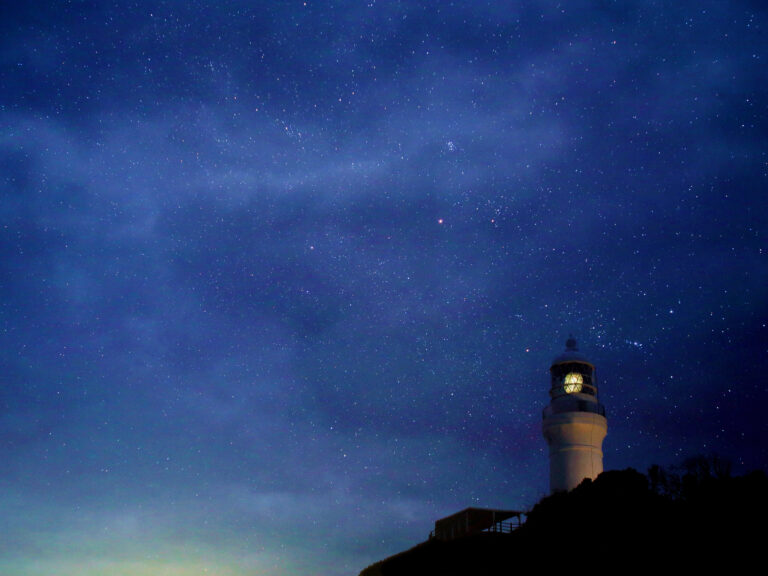
The iconic Omaezaki Lighthouse

Marine activities are popular here.

As a starting point, and visual landmark, you can’t go past a lighthouse.

The Cape Omaezaki is where the mighty Pacific Ocean meets the deep waters of Suruga Bay. Therefore, the Omaezaki lighthouse has played an important role in ensuring that boats find safe harbor since it was built by English engineers in 1874.

The lighthouse is open to the public and offers spectacular views up and down the coast.

HAMAOKA SAND DUNES & CHERRY BLOSSOM FESTIVAL

Hamaoka Sand Dunes are known for their beautiful patterns made by the wind.

Early blooming cherry trees

The Hamaoka Sand Dunes are a 15 min drive along the coast from the Omaezaki Lighthouse.

The dunes are a popular tourist spot and represent the start of a long stretch of Pacific Ocean coastline.

The best time to visit is mid-February / early March when the early blooming Kawazu cherry blossoms are in full bloom.

During this time, the locals have a cherry blossom festival and set up stalls selling local delicacies and locally sourced produce.

MAKINOHARA GREEN TEA EXPERIENCES

The Makinohara green tea plantation

Try freshly brewed local green tea.

Shizuoka is one of the biggest green tea producers with tea plantations and farms dotted throughout the prefecture.

The Makinohara green tea plantation is one of the biggest in Japan with acres of neatly trimmed rows of green tea plants stretching off into the distance.

Grinpia Makinohara is one of the biggest producers of green tea in the area and offer visitors a chance to experience and learn about every aspect of the green tea harvesting procedure.

Green tea picking is available for visitors during the harvesting season.

If you would like a more immersive experience, visit one of local tea farmers in the area.

HIT THE BEACH

On a clear day, Mt. Fuji can be seen in the distance from some of the beaches in the area.

Locals and visitors enjoy the family friendly beaches.

The most popular beach in the Omaezaki / Makinohara area is probably Shizunami Beach.

The beach is fairly protected from the wind by the Cape Omaezaki and is not as exposed to the Pacific Ocean as many of the other beaches along the coast.

This makes it popular with beach goers and families in the summer months and many businesses and beach shacks pop up along the beach area.

Possibly a little more than the Omaezaki area, this part of the area has a more traditional surfer beach vibe.

There are a number of surf shops in the area where you can rent a board and wetsuit and will provide lessons (unfortunately most of the information is in Japanese).

CHILL OUT LIKE LOCALS

HAZ Cottage offers a comfortable stay.

Enjoy local craft beer at HAZ Beer Stand.

In recent years, a number of new cafes, bars and beach-house style accommodations have popped up around the Makinohara beach areas of Sagara, Katahama & Shizunami.

One example of this is HAZ Cottage which is only 15 mins walk from Sagara Sun Beach.

The cottage is a renovated old Japanese style house that has been given a modern beach house feel.

Sit back and relax with local beer in hand while listening to the sound of waves.

5 Japanese Spring Festivals to enjoy in Shizuoka

0

As the weather starts to get warmer in Japan, local residents of Shizuoka awaken from their Winter slumber and enjoy a number of Spring Festivals to celebrate.

Every station on the Tokaido Bullet Train line provides access to different festivals in Shizuoka.

5 SUPER SPRING FESTIVALS IN SHIZUOKA

Spring is a time of rebirth and renewal as the weather starts to warm, flowers begin to blossom and many wake from their winter hibernation.

Rice paddy fields start to fill with water, the grass turns from brown to green and the sound of frogs and bugs get louder.

To celebrate this time, there are numerous festivals around Japan designed to bring good fortune and bless the crops that are to be planted – here are 5 Super Spring Festivals in Shizuoka worth checking out.

FUJINOMIYA YABUSAME FESTIVAL – SHIN-FUJI STATION

Yabusame Festival at Fujisan Hongu Sengen Taisha Shrine
Crowds flock together to see the dynamic actions of horseback archery.

Fujisan Hongu Sengen Taisha Shrine

The ancient practice of horseback archery (Yabusame) dates as far back as the 6th century in Japan when warriors would compete against each other in a way that is reminiscent of ancient jousting duels between knights in medieval England.

The ritual of ‘Yabusame’ evolved from this as a way to encourage the gods to bless the land, people, and new harvest.

This ritual continues at Fujisan Hongu Sengen Taisha Shrine in Fujinomiya with a festival, Yabusame Festival taking place each year over 3 days during the Golden Week Holiday (May 4th – 6th).

The festival is more than 800 years old and the main festival is held on May 5th when the crowds gather to witness skillful riders aimig for the target.

There are many food stalls lined up on the grounds of the shrine to add a festive mood.

HAMAMATSU KITE FESTIVAL – HAMAMATSU STATION

Hamamatsu Festival
Babies’ names are written on the kites.

Hamamatsu Festival at night
The parade of the floats takes place at night.

Also taking place during Golden Week each year is the famous Hamamatsu Festival (May 3rd – 5th).

Shizuoka has many different festivals each year throughout the Prefecture but the Hamamatsu Festival is possibly the largest of them all with about 2 million visitors.

The festival is primarily held to pray for the health and good fortune of children (Children’s day is May 5th) and the tradition of flying a kite is said to have started more than 450 years ago when, to celebrate the birth of his first son, advisers of the lord of Hamamatsu castle flew kites with the child’s name on them.

During the day people flock out to the Nakatajima Sand Dunes to witness groups battling against each other with huge kites.

When the sun goes down the festival moves into downtown Hamamatsu City where large colorful floats are pulled through the streets to the accompaniment of drums and flutes.

SHIMODA BLACKSHIP FESTIVAL – ATAMI STATION

Shimoda Blackship Festival
The festival started in 1934.

FIreworks at Shimoda Blackship Festival
Fireworks display at Shimoda Port

Celebrating American Japanese relations over close to 170 years since Commodore Perry first entered the port of Shimoda in 1854.

After Commodore Perry forced the Japanese government to open its borders to trade, the first American consulate was established in Shimoda at which diplomat Townsend Harris was based while negotiating the terms of the first Japan / US bilateral trade agreement.

To celebrate the significance of this time in Japanese and US political history, the Shimoda Blackship (Kurofune) Festival is held over 3 days from the 3rd Friday of May each year.

The festival traditionally kicks off with a fireworks display and sunset concert on Friday night and also includes memorial parades, a number of music and dance performances, an open market, and a re-enactment play.

SHIZUOKA FESTIVAL – SHIZUOKA STATION

Hanami Parade at Shizuoka Festival
Hanami Parade

Shizuoka Festival at night
The main street of the city is heated up by dancers.

As the home of Japan’s most famous Samurai and Shogun Tokugawa Ieyasu, it is not surprising that Shizuoka City developed some of the Prefecture’s most elaborate festivals.

Held in conjunction with the blossoming of cherry trees on the first weekend of April, this 3-day celebration of spring has been loved by locals and visitors for decades.

The highlight of the festival is the Hanami Parade that was inspired by the story about the legendary Tokugawa Ieyasu who took his retainers to view cherry blossoms. Participants in various costumes parade through the town.

At night, thousands of dancers gather in the main street and dance energetically to boost the mood for Ieyasu’s great blossom viewing party.

A number of ‘yatai’ or temporary outdoor eateries set up around the town will fill up any foodie.

The Shizuoka Festival also has a Spanish flavor – which is said to acknowledge the connection between Tokugawa Ieyasu with Spain – so flamenco dancers and paella also play a role in the Festival.

KANAYA TEA FESTIVAL – KAKEGAWA STATION

 Kanaya Tea Festival
Tea Girl Parade

 Kanaya Tea Festival
The floats come out in the evening.

The Kanaya / Shimada Area of Shizuoka is situated right in the middle of some of the highest producing tea plantations in all of Japan so it is not surprising that it would hold a Green Tea Festival.

The Kanaya Tea Festival is held every 2 years on the 2nd weekend in April which coincides with the first picking of the new green tea leaves (known as Shin-Cha).

This Green Tea flavored festival includes green tea-themed food stalls, green tea tasting and preparation demonstrations, traditional floats with music, and over 1,000 Kanaya Tea Girl dancers dressed in Kanaya Tea Girl costumes parading through the streets.

Kakegawa City-Small castle town with a big heart

If you are traveling along the Tokaido Bullet Train and looking for a way to fill in a day, Kakegawa is a great option that has something for the whole family.

CHARMING CASTLE TOWN WITH A ETERNAL HISTORY

Step off the Tokaido Shinkansen and you are in Kakegawa City one of the more important Post Stations on the Ancient Tokaido Road due to its strategic positioning, its well established castle and as its importance as a trading post for salt, a valuable commodity at the time, being transported up to Nagano from the Pacific Ocean.

Shizuoka Prefecture grows about 40% of all green tea produced in Japan and many of the green tea fields in the Prefecture are in close proximity to Kakegawa City.

GREEN TEA – Higashiyama Ippukudokoro

If you would like to enjoy green tea, there is no better place to go on your journey through Japan. Kakegawa is one of Japan’s leading tea producing areas and there are a number of experiences around the station. You can learn more about how green tea is grown, harvested and processed from local tea farmers staying at a traditional Japanese Farm House.

If you are interested in purchasing or drinking locally grown green tea, there are a number of stores and cafes that sell green tea and related products. One of the tea shop is “Higashiyama Ippukudokoro”. The “Fukamushi-cha” (deep steamed green tea) of Kakegawa is well-known, with its deep taste and a rich natural sweetness. Inside the shop, visitors can find those Kakegawa tea made from the “Shizuoka’s Traditional Tea-Grass Integrated System” along with other agricultural products and handmade processed goods. Please enjoy a pleasant time with friendly shop assistants while sipping on delicious tea.

<Access>

30 minutes by bus Higashiyama Line from JR Kakegawa station, get off at the last stop “Higashiyama”.

CASTLE GROUNDS

Kakegawa Castle was originally built in the 15th century and was a strategic fortified region for centuries. During the Edo Period the castle helped manage travelers on the Ancient Tokaido Highway as the made their way between Kyoto and the Capital of Edo (Tokyo).

Unfortunately, the original castle was destroyed by the Ansei earthquake in 1854.

The Castle was rebuilt in 1994 and is one of the only Japanese castles restored using traditional Japanese carpentry.

Today you are able to visit Castle and it is free to stroll through the castle grounds.

You get the chance to immerse yourself in a time of samurai.

Pick up a Kakegawa Experience – Day Passport to get discounts on the Castle, Museums and other attractions in the area.

<Access>

Kakegawa Castle and the castle grounds are all a short walk from JR Kakegawa station.

A great way to get around is to rent a free bicycle.

KAKEGAWA FLOWER AND BIRD PARK

Kakegawa Flower and Bird Park (Kachoen) is a large flower and bird park just South of the Bullet Train Station. It houses a large number of different birds including flamingoes, emu, penguins, colorful toucan and other exotic birds.

Many of the birds are flying free through the indoor greenhouse which also houses a large water lily pond. Many of the birds are happy to perch on your arm and be feed with food for sale.

With a restaurant on site and daily bird shows in which staff demonstrate the owls and other birds (in a controlled environment).

The park is a fun half day especially for young ones and families.

Kakegawa Flower and Bird Park Website

<Access>

Around 15 minutes on foot from JR Kakegawa station (3 minutes by taxi).

A great way to get around is to rent a free bicycle.

MORE INFORMATION

If you are looking for things to do in Kakegawa, please visit here.

There are a number of different stores in Kakegawa City -including Japanese sweets, crafts, sake and souvenirs

[blogcard url=”https://www.bt-r.jp/kakegawa/english/shop/”]

If you are looking for local restaurants and cafes, please also check the following web sites.

[blogcard url=”https://www.bt-r.jp/kakegawa/english/food/”]

For many traveling on the Tokaido Bullet Train, Kakegawa is just another brief stop on their journey between Tokyo and Kyoto.

Those who stop discover a delightful castle town steeped in history and famous for its World Class green tea that offers something for the whole family.

5 Areas to Check Out Near Kakegawa Station

Take a short trip from Kakegawa Station and Explore Shizuoka’s Green Tea, Surf Beaches and Hidden Valleys.

The Kakegawa region of Shizuoka has plenty to offer visitors to Japan that are looking for unique Japanese experiences.

Easily accessible from Kakegawa Bullet Train Station are Kakegawa City, Fukuroi City, Makinohara, Omaezaki and Kawane.

[blogcard url=”https://exploreshizuoka.jp/en/stations/kakegawa-station/”]

KAKEGAWA CITY

There are a number of great green tea experiences accessible from Kakegawa Station.

A short walk from the station and next to Kakegawa Castle is the Ninomaru Tea Room where you can try a traditional Japanese tea ceremony.

Grab a Kakegawa Marutoku Passport, with which some tourism spots entrance fees and bus fares are discounted, and spend a day enjoying this authentic castle town.

A short taxi ride from Kakegawa Station is Kiwi Fruit Country Japan– a 10 hectare family owned kiwifruit farm that grows 80 varieties of the fruit and offers green tea experiences and also has BBQ facilities under kiwifruit vines.

FUKUROI 

A short train ride from Kakegawa Station on the JR Tokaido Line is Fukuroi.

A 10 minute taxi ride from the Fukuroi Station is Akiha Sohonden Kasuisai – over 600 year old Zen Buddhist Temple.

As soon as you walk on to the hallowed grounds of Kasuisai Temple you are immersed in Japanese Zen spiritualism and wandering through the halls gives you a sense of the minimalistic lifestyle Zen practitioners have adhered to for centuries.

For those who wish to gain a deeper understanding of life in a Zen Temple try the Zazen experience or enjoy a special vegetarian meal.

Visit in Spring to see the peony blossoming in the traditional Japanese Garden.

KAWANE

Kawane is located in the foothills of the Southern Alps. It is about an hour and a half train journey from Kakegawa Station.

The journey to Kawane is as impressive as the destination – for the train ride from shin-Kanaya Station to Kawane area is a fantastic experience and you can choose to travel by Steam Locomotive.

Once you are in the mountains, there are a number of different experiences available. The most popular destination for visitors is Sumatakyo Onsen and the “Yume no Tsuribashi” (Bridge of Dreams).

MAKINOHARA

The Makinohara Tea Field plantations are a sight to behold. Neatly trimmed Green Tea bushels that stretch for as far as the eye can see.

Makinohara is a short trip from Kakegawa Station but to access the tea fields you will either need to travel by car, taxi, or bicycle.

Visit the Grinpia Makinohara and try your hand at picking green tea leaves and enjoy trying the different green tea ice cream flavors at the shop.

OMAEZAKI

The coastal area of Omaezaki is a 40 minute drive from Kakegawa Station and when you get there it feels as though you are totally off the grid.

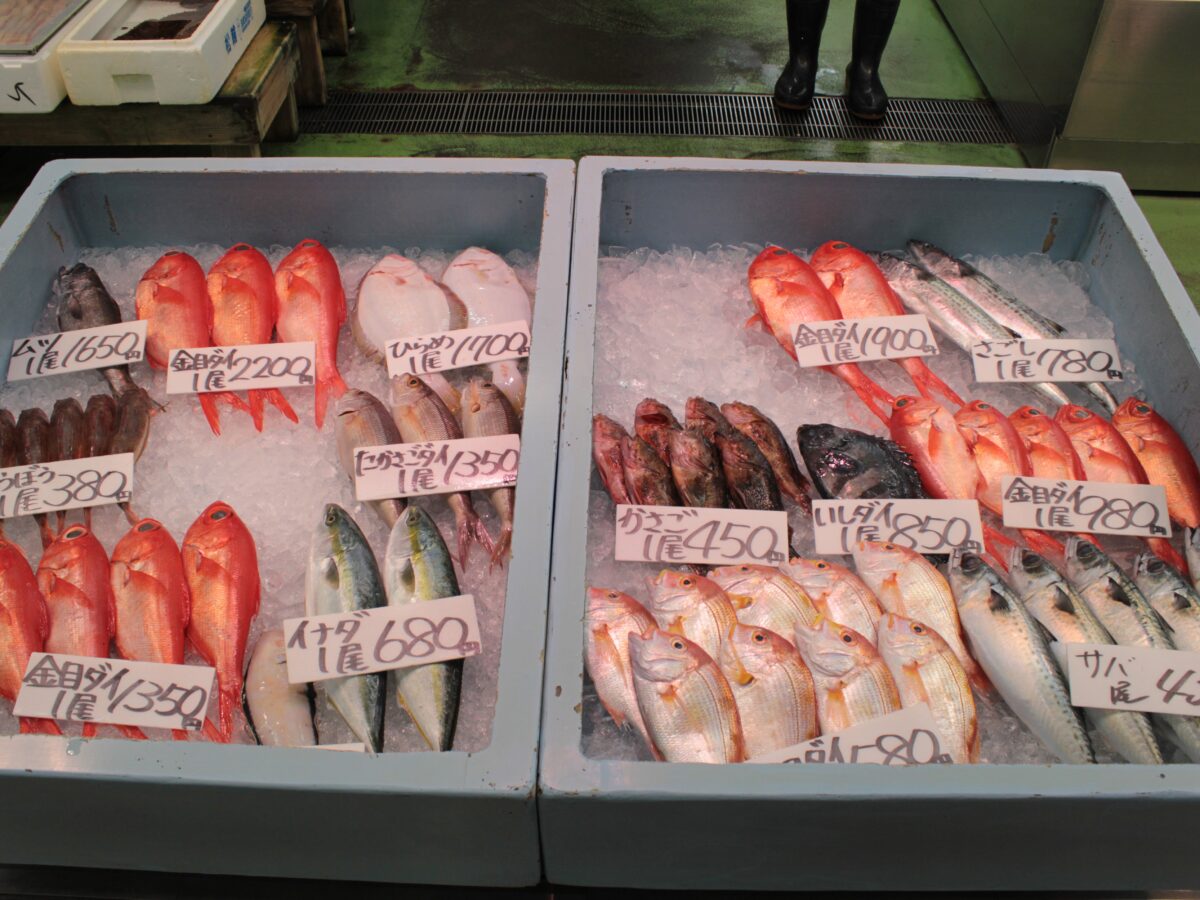
Omaezaki is primarily a fishing town that is situated at the entrance to the nutrient rich Suruga Bay, where it meets the Pacific Ocean.

The local accommodation in the area take pride in serving the freshest seafood from the local markets.

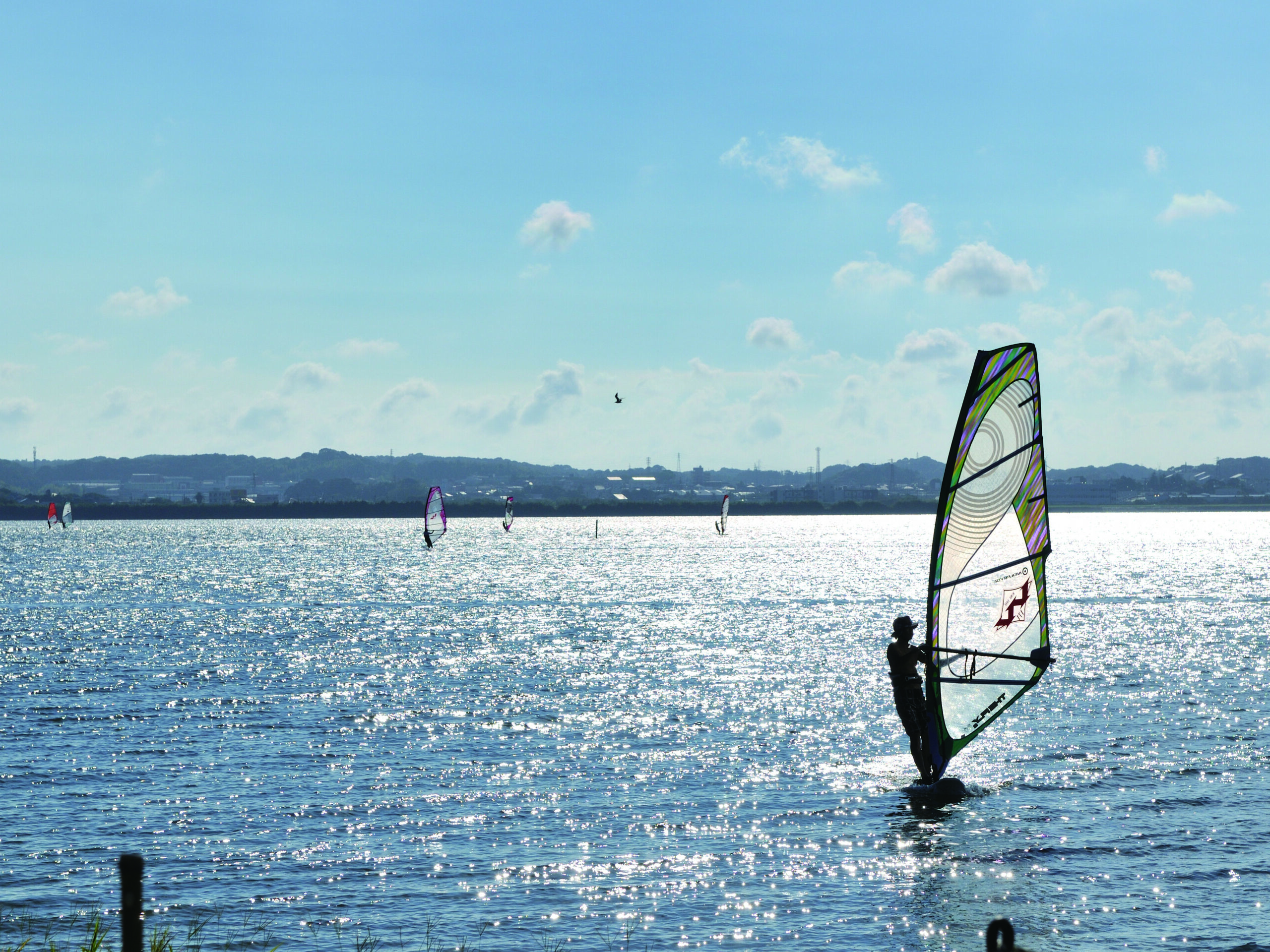
The area is also famous for its annual International Windsurfing Tournament (Omaezaki Japan Cup), long surf beaches and sand dunes.

Omaezaki has the feeling of a sleepy beach town with a growing surf culture that is reflected in the new cafes and various events reminiscent of surf towns in other countries.

Fuji-Hakone-Izu National Park – Japan’s most visited national park

0

Japan’s most visited national park, the Fuji-Hakone-Izu National Park area offers something for everyone.

Established in 1936, the Fuji-Hakone-Izu National Park is a collection of reserves stretching from volcanic islands in the Pacific Ocean, the Izu Peninsula, the Hakone crater area, and the iconic Mt. Fuji.

MT. FUJI – GET CLOSE TO THE SYMBOL OF JAPAN

At the northern end of the park stands Mt. Fuji, Japan’s highest peak at 3,776 meters, a sacred mountain deeply rooted in the hearts of Japanese people and well-known throughout the world as a symbol of Japan.

The tallest mountain in Japan was designated a cultural World Heritage Site in June 2013. For centuries, its outstanding figure has inspired numerous artists and poets and been a object of faith.

Mt. Fuji Summit
The official clibming season to Mt. Fuji is limited – usually from mid-July to mid-September.

In the foothills lies Fujinomiya City, which offers a number of activities and experiences with Mt. Fuji as the backdrop.

Take deep dive into the rich history at the Mt. Fuji World Heritage Centre, Shizuoka. The museum showcases all things about Mt. Fuji from the artistic qualities of the mountain to the history of faiths surrounding it, and its development as a volcano.

Mt. Fuji World Heritage Centre, Shizuoka.

Hiking to the Hoei crater is available from May to November.

For those who would like to challenge themselves to aim for the summit, the Fujinomiya trail one of the shortest routes to climb Mt. Fuji from the 5th station, taking 4 to 7 hours. With the official climbing season limited to the summer months, another suggested hike to experience the grand mountain is a guided hike of Mt. Hoei crater that takes in the primeval forest of the lower slopes.

[blogcard url=”https://exploreshizuoka.jp/activities/places/mt-fuji-hiking-and-shrine-ecotour/”]

Wander through the magical grounds of Fujinomiya City’s Fujisan Hongu Sengen Taisha Shrine.

Take a bicycle ride down from Shiraito Falls through the surrounding rural area and immerse yourself into the local life.

One of the World Heritage assets – Shiraito Falls.

Biking through the idyllic villages.

[blogcard url=”https://exploreshizuoka.jp/activities/places/village-cycling-ecotour-at-foot-of-mt-fuji/”]

Stop in to meet the local award-winning sake brewer or enjoy some of the local craft beer made with fresh Mt. Fuji water.

Enjoy fantastic views of Mt. Fuji flying high above the ground in a paraglider, or while sitting quietly by a calm lake.

Paragliding in front of Mt. Fuji
Paragliding with Mt. Fuji as the back drop.

[blogcard url=”https://exploreshizuoka.jp/activities/places/mt-fuji-paragliding-experience/”]

HAKONE – FOLLOW IN THE FOOTPRINTS OF THE ANCIENT TRAVELLERS

The Hakone area of the park is by far the most visited park in the country.

While today’s Tokaido is a modern arterial trunk line with speeding Shinkansen bullet trains and multilane expressways, you can still catch a glimpse of a bygone era.

Take a walk and explore the ancient cedar-lined cobblestone paths and stop for a cup of ‘Amazake’ (a sweet non-alcoholic sake) to recharge before descending via the Yamanaka Castle Ruins into Mishima.

Amazake – nutritious and soothing

Yamanaka Castle Ruins offer great views on a clear day

‘Hakone Hachiri’ offers a fantastic interpretive day walk to experience sections of the ancient Tokaido highway.

[blogcard url=”https://exploreshizuoka.jp/activities/places/hike-hakone-hachiri/”]

IZU PENINSULA – GEOPARK FULL OF NATURAL WONDERS

To the south of Mt. Fuji is the Izu Peninsula, once an island atop the Philippine plate, through tectonic activity it collided with the Pacific and Eurasian plates.

Izu has been a hot spot of volcanic activity for millennia – today is it a designated Geopark offering fascinating “columnar joints” that can be seen along the spectacular Nanadaru Falls – an easy day hike in central Izu.

Impressive columnar joints in Shimoda

Sunset at the western coast of the Izu Peninsula

If soaking in an onsen, wandering the halls of centuries-old ryokan in a Japanese Yukata and slippers, and feasting on fresh seafood with grated wasabi root paired with Japanese sake is your idea of the best way to refresh then the Izu Peninsula is for you.

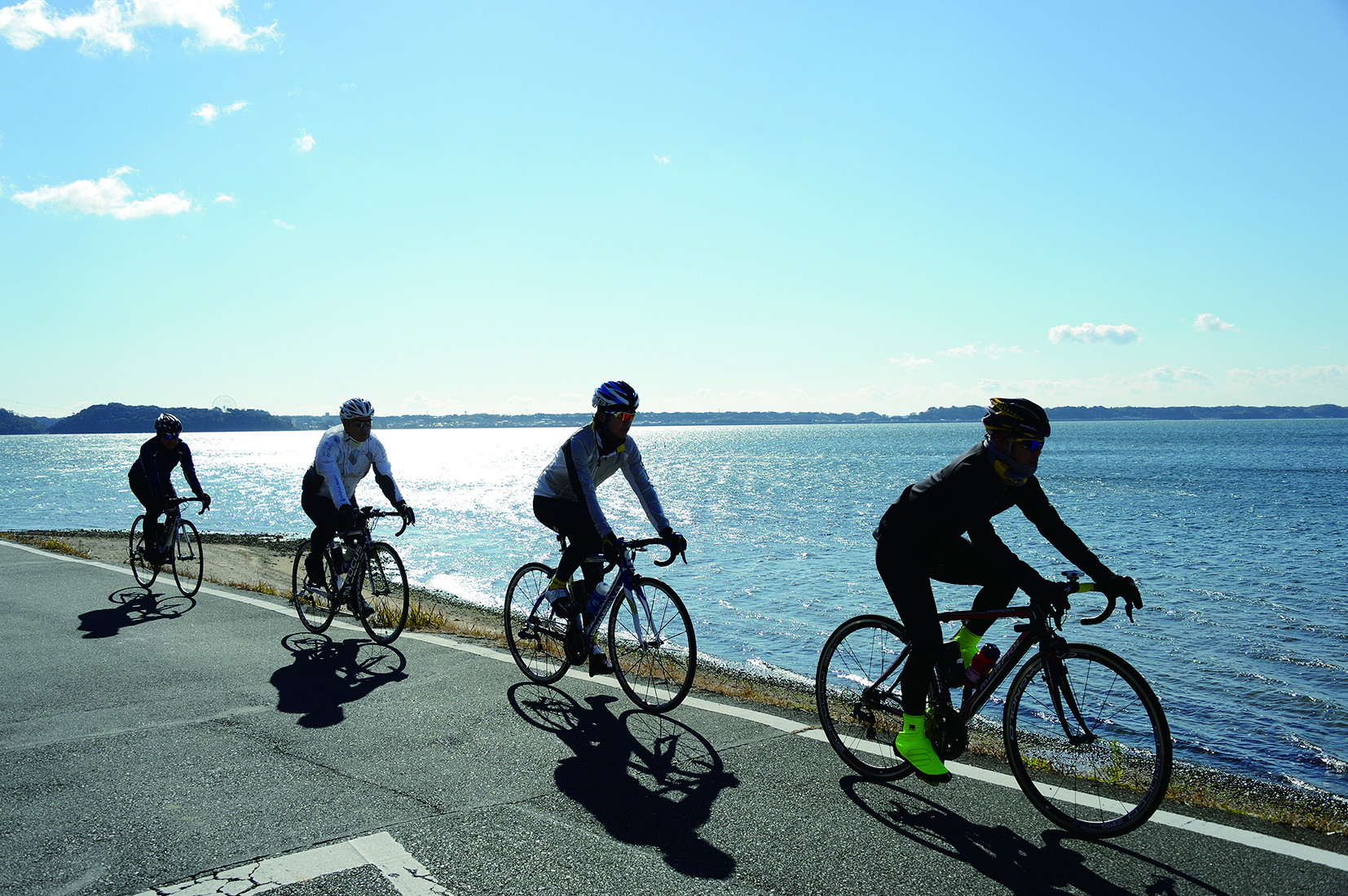
Cycling is by far one of the best ways to explore Izu, with guided tours and quality bike rentals available.

Guided kayak trips along Izu’s stunning coast exploring the sea caves and unique rock features that look like serpents rising from the sea are also very popular.

If visiting in February, Kawazu in Southern Izu offers the earliest cherry blossom viewing.

Izu Peninsula is known as one of the cycling destinations.

Early blooming cherry trees.

One of the biggest appeals of the Izu Peninsula is that, despite its proximity to Tokyo, there is a real sense that you are in a way off the grid and exploring somewhat uncharted areas of Japan.

This is especially true along the rugged West Coast of the Peninsula which offers stunning views of Mt. Fuji around every corner.

Ito City – Explore Natural Wonders on Izu Peninsula’s Rugged East Coast

0

Stretching out along Izu Peninsula’s rugged East Coast, Ito City is famous for its abundant nature, stunning coastlines and onsen-loving Capybara.

IZU PENINSULA’S EAST COAST

Making up a long stretch of the East Coast of Izu Peninsula, just South of Atami Onsen is Ito City – a popular tourist destination for Japanese due to the wide variety of attractions, hot spring options and spectacular nature.

The Ito City area is made up of the famous onsen area around Ito Station, Kawana (which is famous for its stunning golf course) and the Izu Kogen area that boasts Mt. Omuro and the Jogasaki Coast.

ITO ONSEN TOWN

Tokaikan
Tokaikan adds a nostalgic feel to the onsen town.

The area around Ito Station is a popular hot spring town which showcases not only touches of modern influences but retains some of its historical buildings in the centre like Tokaikan.

A former, historic ryokan, Tokaikan is one of the few remaining hot spring ryokan constructed from wood during the early Showa era.

It is now a historical and cultural sightseeing spot, where one can indulge in Japanese sweets and tea after enjoying the public baths on the premises.

The baths are only open on the weekend and public holidays at an additional cost.

HIKE JOGASAKI COAST

Jogasaki Coast
Enjoy the dynamic views of the coastline from the Kadowaki Suspension Bridge.

Located in the Izu Kogen area, is the beautiful Jogasaki Coast, a stretch of coastline which has a popular hiking trail that traverses for about 10kilometers.

The trail showcases the stunning jagged cliffs and craggy stone formations of the coastline.

A highlight of the trail is the pretty Kadowaki Suspension Bridge (which is about 48m long and 23m high) and the lighthouse not far from it.

If you’re not up for walking the entire 10km trail, there are shorter routes available and a few parking spots in between if you want to break it up – LEARN MORE

MT. OMURO – “MT FUJI’S BIG SISTER”

Mount Omuro
Mt. Omuro looks like an upside-down rice bowl.

South of central Ito, is Mt. Omuro, an extinct volcano known for its beautiful silhouette which is reminiscent of an inverted rice bowl.

The peak of the volcano offers breathtaking 360 degree views of the area, including that of Mt. Fuji & Oshima Island on clear days.

Mt. Omuro is about 580m high and its Caldera’s diameter is about 300m which you can walk around in roughly 20-30mins – to go up ot the top, take the chairlift.

If you’re feeling adventurous, participating in archery down in the bowl of the crater – LEARN MORE.

MT. KOMURO AND RIDGE WALK “MISORA”

Mount Komuro
Take in the exhilarating views from “MISORA”.

Another popular mountain to visit in Ito is Mt. Komuro which is known for its gorgeous azaleas in spring.

At the summit of 321m is Mt.Komuro ridge walk “MISORA“, a loop-shaped promenade which offers spectacular 360 degree views of Mt. Fuji, Sagami bay, Boso Peninsula, Izu islands, and Amagi mountain range.

Drinks are available at “Café 321” which also is a picturesque spot.

BATHING CAPYBARA AT IZU SHABOTEN ZOO

Capybara at Izu Shoboten Zoo
Capybara soaking in the onsen

Izu Shaboten Zoo lies near the base of Mt. Omuro, a fusion of a botanical and zoological garden.

The botanical garden features over one thousand cactus and succulent varieties, of which visitors can select and purchase to take home.

However perhaps the most popular attraction of the Zoo is the adorable Capybara relaxing or snoozing away in their onsen baths.

Originating from South America, the Capybara is the world’s largest rodent, and has been known to squeal like a guinea pig and purr like a cat when stroked.

Depending on when you visit, you may be able to see some baby Capybara happily wandering around the zoo in search of treats – LEARN MORE.

MORE INFORMATION

Activities in and around Ito

[blogcard url=”https://exploreshizuoka.jp/activities/activities-search/?geodir_search=1&stype=gd_place&s=%20&snear=&snearest_station%5B%5D=Atami%20Station&sgeo_lat=&sgeo_lon=”]

Ito City Official Site

[blogcard url=”https://travel-ito.com/”]

Official Izu Travel Guide

[blogcard url=”https://b-izu.com/en/area/ito/”]