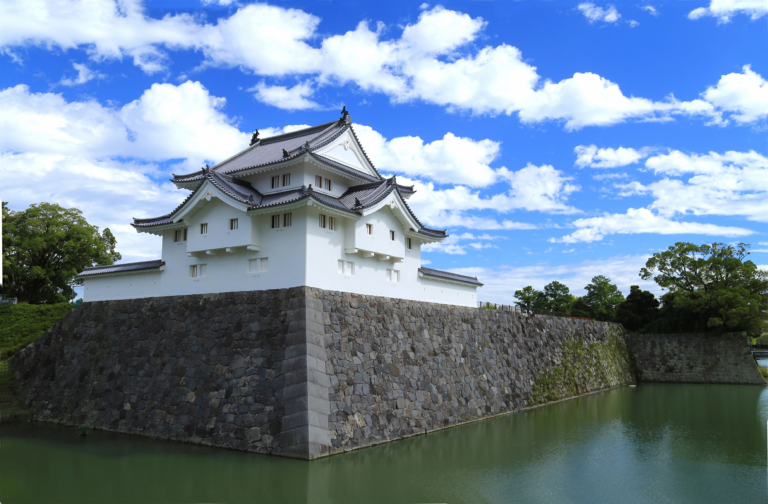
Located smack bang in the middle of Japan, Shizuoka is home to Japan’s world-famous Shogun culture. Three Shogun in particular that have shaped the nation through the second millennium AD, have strong roots here in Shizuoka. This three-part article series explores the influence of these mighty Shogun, and where you can immerse yourself in their footprints.
How to walk around the hometown of Mt. Fuji! Enjoy the best local cheap eats and shopping!
| Time of Day | Itinerary | ||||||||
|---|---|---|---|---|---|---|---|---|---|
| 1 | Fujinomiya Station | Mt. Fuji World Heritage Centre, Shizuoka | Fujinomiya Yakisoba noodles (Lunch) | Scheduled Bus | Shiraito Falls | Scheduled Bus | Fuji Station (Hotel) | ||
| Walking Distance | Walking Distance | 30 minutes | 30 minutes | ||||||
| 2 | Fuji Station (Hotel) | Shuttle Bus | Grinpa | Shuttle bus | Gotenba Station | Free Shuttle Bus | Gotemba Premium Outlets | HOTEL CLAD (Hotel) | |
| 80 minutes (weekends only) | 50 minutes | 10 minutes | Walking Distance | ||||||
| 3 | HOTEL CLAD (Hotel) | Charcoal grill restaurant Sawayaka (Lunch) | Shuttle Bus | Shinjuku | |||||
DAY1
Fujinomiya Station
Walking Distance
Mt. Fuji World Heritage Centre, Shizuoka
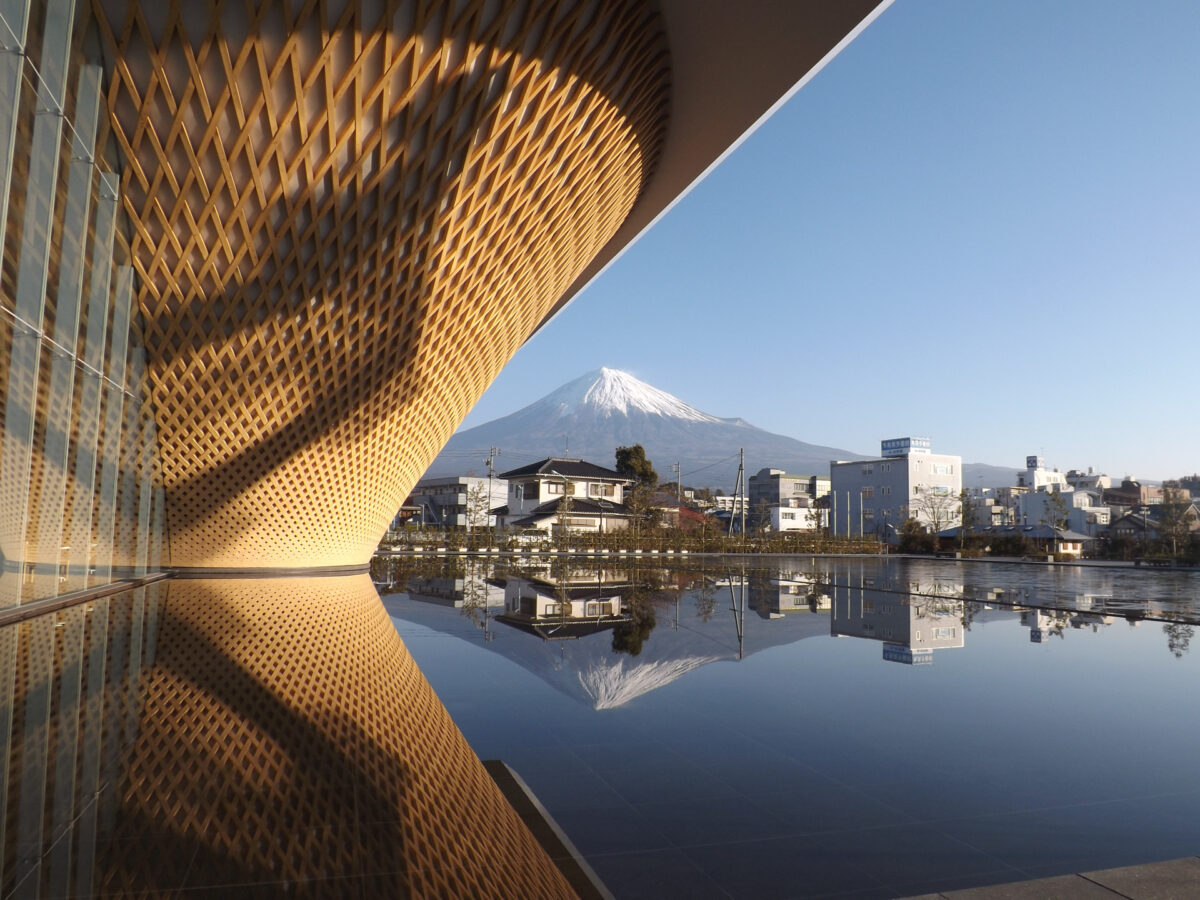
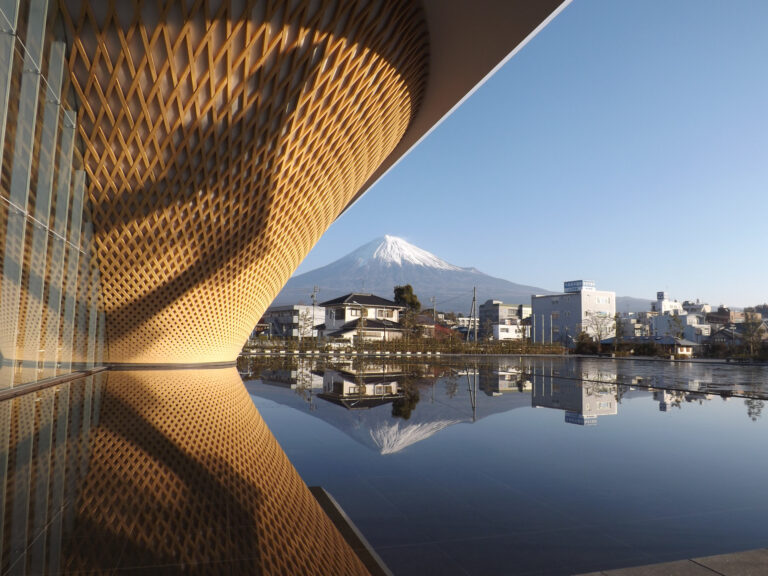
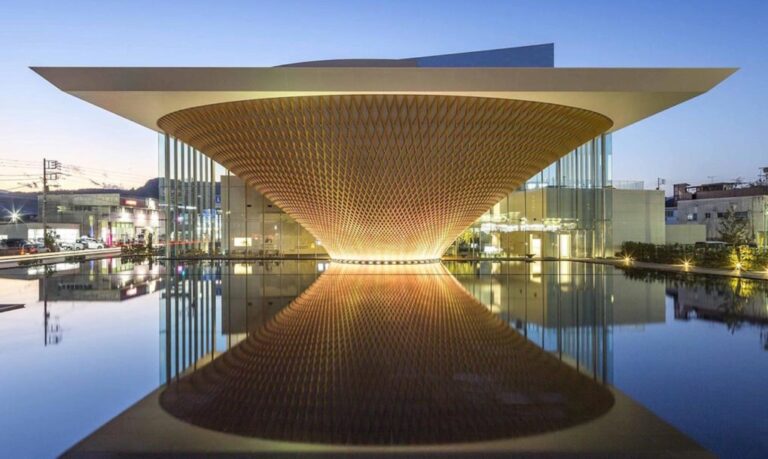
The Mt. Fuji World Heritage Centre is a facility where you can learn about the cultural World Heritage Site Mt. Fuji. Made with delicately assembled Fuji cypress wood, the building is distinguished by its unique, inverted conical form, and it has been designed so that its reflection on the surface of the water out front looks like Mt. Fuji.
Inside the building is a slope that spirals gently upward, allowing visitors to simulate climbing Mt. Fuji as the projections on the walls show the changing scenery one would see if one were to actually ascend the mountain. As visitors walk, they can learn about the artistry of Mt. Fuji, the history of its beliefs, and its origins as a volcano through a variety of displays. On the rooftop, there is an observation hall and terrace with a panoramic view of Mt. Fuji and Fujinomiya City. The rooftop is a great place to take a photograph, and the Mt. Fuji seen from the hall is as beautiful as a picture.

Walking Distance
Fujinomiya Yakisoba noodles
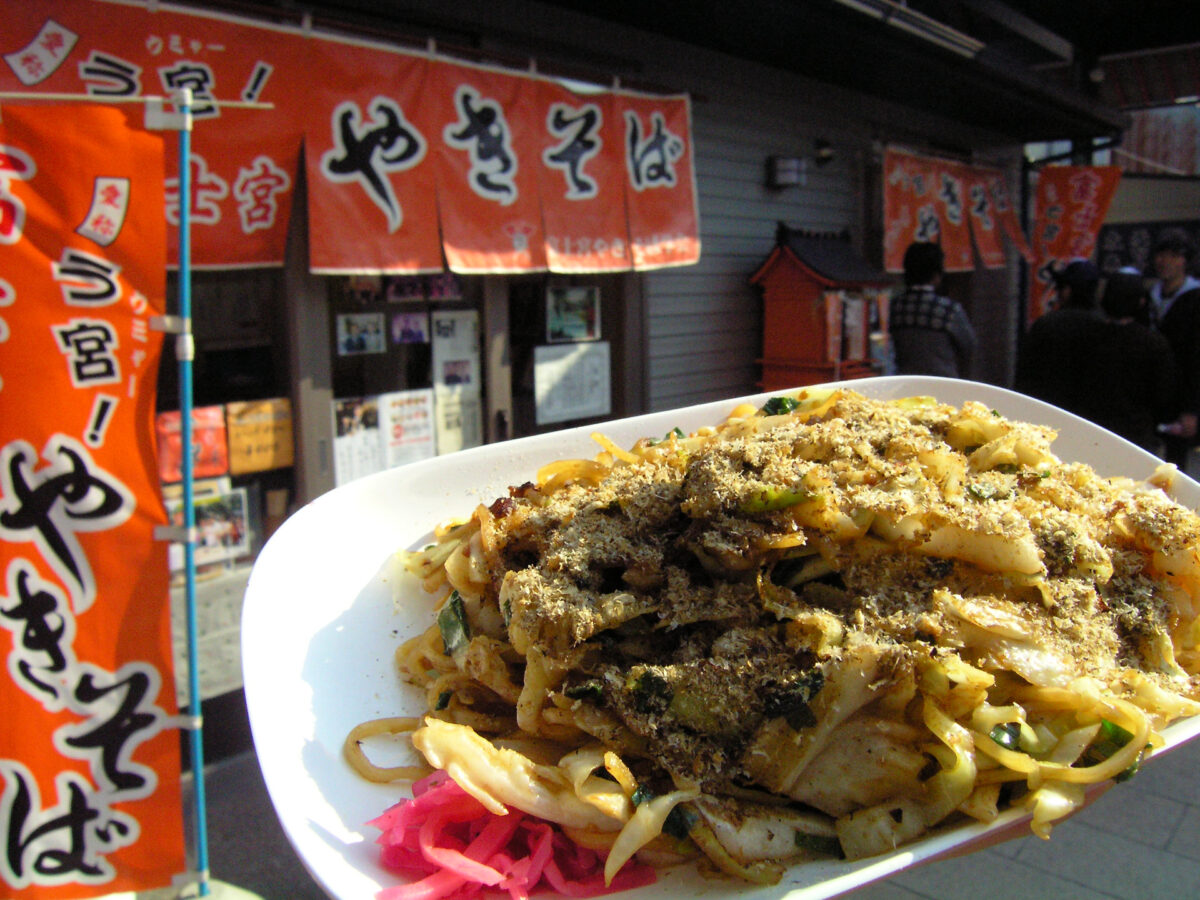
When it comes to the local cuisine in the Fuji region, Fujinomiya Yakisoba noodles are famous as a budget gourmet option, and something that any visitor must try. Made with firm, locally-made noodles, fragrant sauce, and unique toppings consisting of Nikukasu meat residue and sardine shavings, this dish will have you hooked with the first taste. You can find Fujinomiya Yakisoba in the Omiya Yokocho food district beside Fujisan Hongu Sengentaisha Shrine, or at any of the myriad yakisoba noodle shops in the city. Just look for the telltale orange flag.
Scheduled Bus 30 minutes
Shiraito Falls
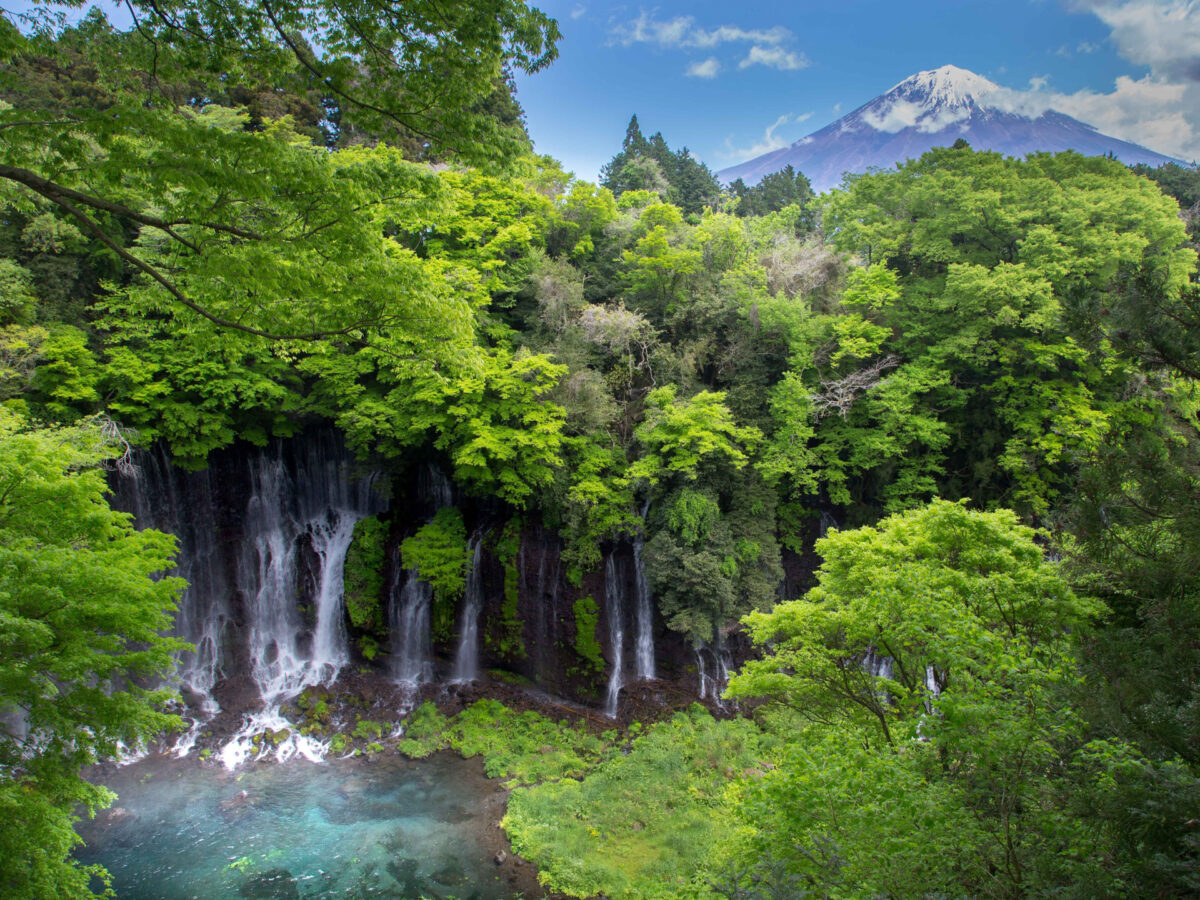
Shiraito Falls literally means, “waterfalls of white thread,” and the beautiful waterfalls got their name from the way that the subterranean water coming from Mt. Fuji looks like innumerable strands of silk as it flows over the lava cliffs. It is said that 1.5 tons of spring water flows out every second. Full of negative ions produced by the meltwater from Mt. Fuji, the Shiraito Falls is popular as a potent “power spot.” On the way down to the waterfall basin, there are two observation areas, one of which offers a view of the waterfalls with Mount Fuji in the background.
Scheduled Bus 30 minutes
Fuji Station (Hotel)
Shuttle Bus 80 minutes (weekends only)
Grinpa
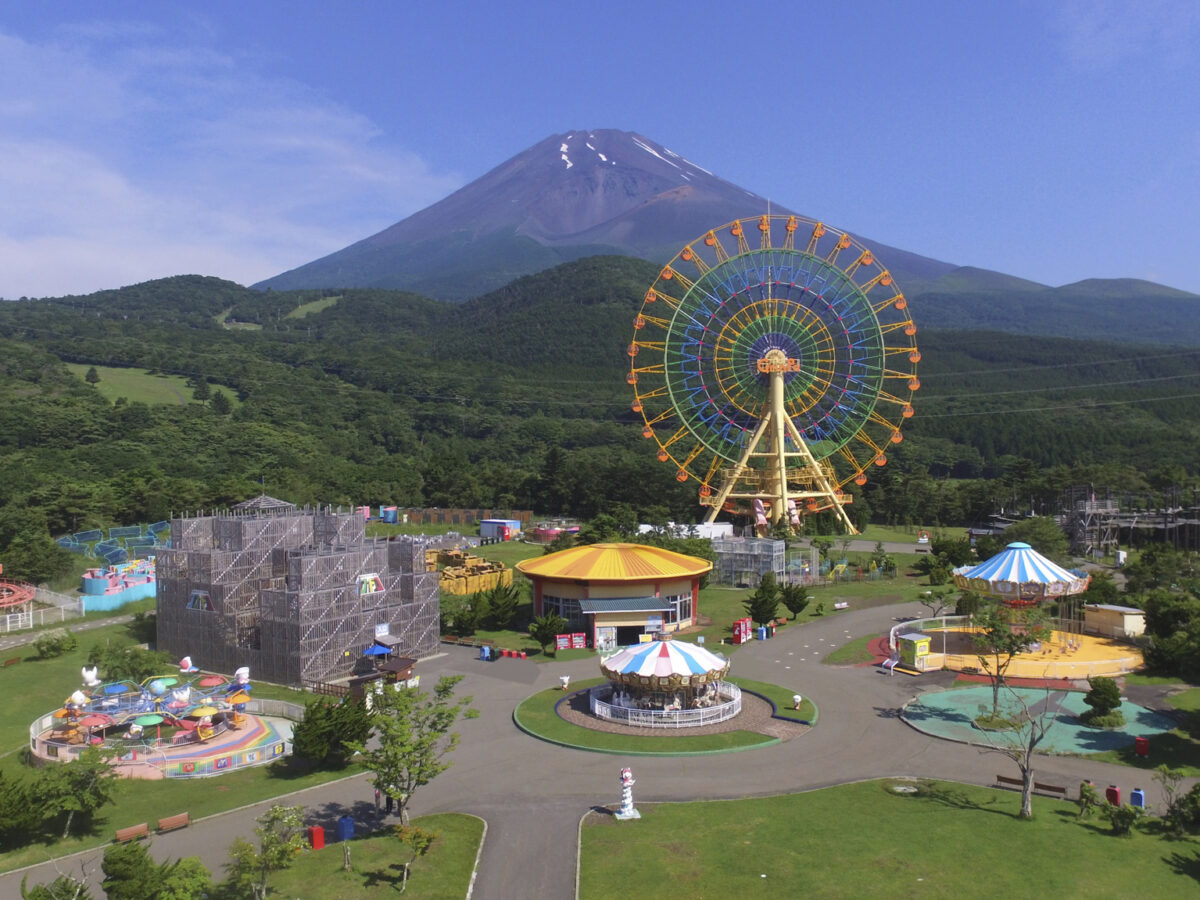
Grinpa is an amusement park in the middle of nature at the Second Station of Mt. Fuji. The expansive amusement park has 21 self-directed athletic activities, including a very popular five-storey giant labyrinth. Other attractions include the “Sylvanian Village” where you can meet life-sized characters from the Sylvanian Families series of toys. It’s a lot of fun! In the winter, you can go sledding or ice skating, making Grinpa a fun amusement park all year round.
Shuttle Bus 50 minutes
Gotemba Station
Free Shuttle Bus 10 minutes
Gotemba Premium Outlets
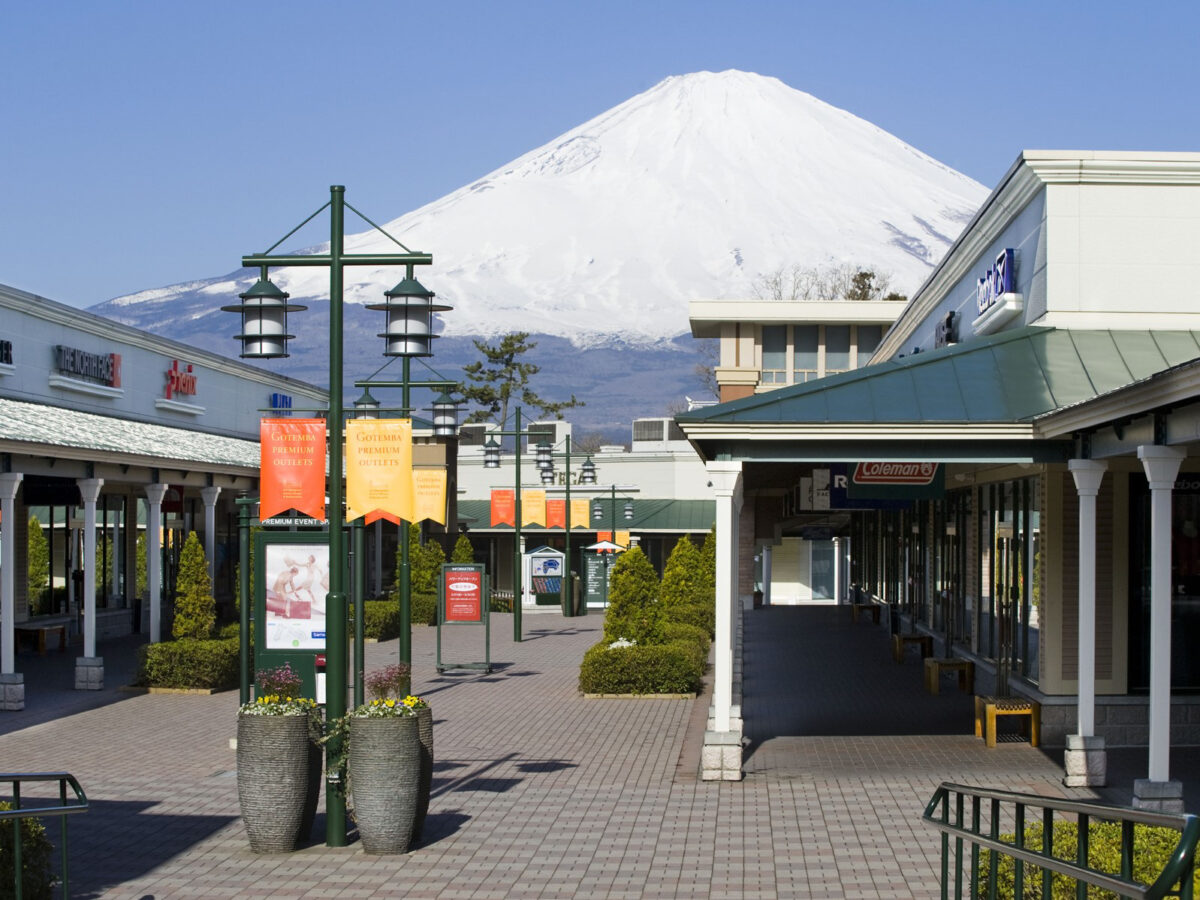
Gotemba Premium Outlets is one of Japan’s leading shopping resorts, with many famous brands from Japan and abroad. The expansive area offers a view of Mt. Fuji and contains about 290 shops, including fashion, jewelry, sporting goods, hobbies, everyday sundries, and restaurants. Within the facilities you can not only enjoy daily deals on shopping, but also relax all day long in an extraordinary space that is rich in greenery. HOTEL CLAD and the day trip hot spring resort Konohana no Yu are also attached to the outlets, so you can enjoy a relaxing hot spring bath while enjoying the splendid view of Mt. Fuji.

Walking Distance
HOTEL CLAD(Hotel)
Walking Distance
Charcoal grill restaurant Sawayaka
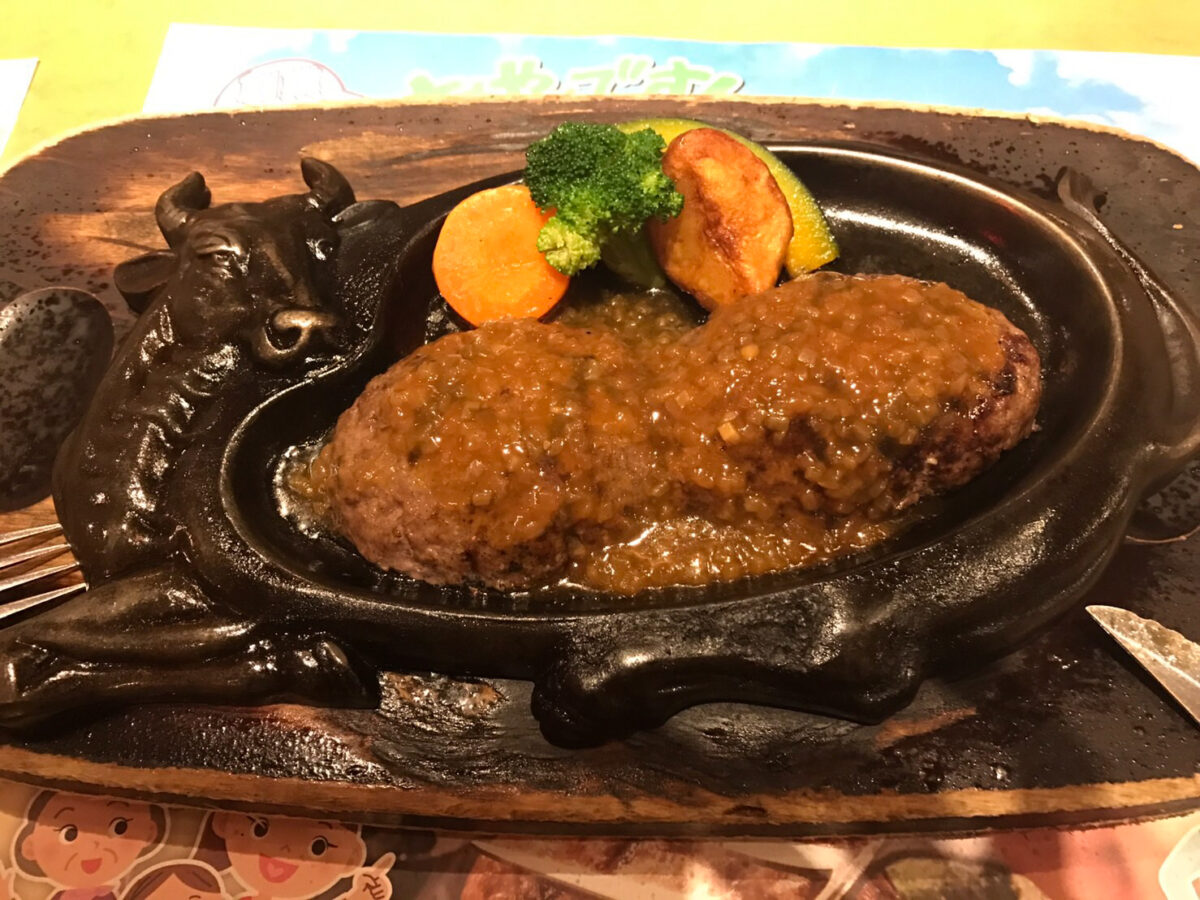
The charcoal grill restaurant Sawayaka is a chain of restaurants specializing in hamburg steaks. They only operate within Shizuoka Prefecture, where there are 30 outlets across the prefecture. The chain is so popular that not only locals, but even people from outside the prefecture come to eat at its restaurants. On weekends, long lines form, so you sometimes have to wait for two hours. Their most popular dish is called the Genkotsu Hamburg (literally, fist hamburg steak). If you visit Shizuoka, it’s definitely worth a try. We recommend you visit on a weekday.
Shuttle Bus
Shinjuku
A trip to experience the local cuisine and unexplored areas of the western part of the prefecture
| Time of Day | Itinerary | ||||||||
|---|---|---|---|---|---|---|---|---|---|
| 1 | Kakegawa Station | JR Tokaido Line | Kanaya Station | Oigawa Railway | Senzu Station | Oigawa Railway | Oku-oi Kojo Station | Oigawa Railway | |
| 15 minutes | 75 minutes | 65 minutes | 65 minutes | ||||||
| Senzu Station | Scheduled Bus | Sumatakyo Onsen (Hotel) | |||||||
| 40 minutes | |||||||||
| 2 | Sumatakyo Onsen (Hotel) | Bridge of Dreams (Sumatakyo) | Sumatakyo Onsen | Scheduled Bus | Senzu Station | Oigawa Railway | |||
| Walking distance | Walking Distance | 40 minutes | 65 minutes | ||||||
| Kanaya Station | JR Tokaido Line | Hamamatsu Station | Eel (Hamamatsu), Hamamatsu Gyoza dumplings, Craft beer Mein Schloss | Hamamatsu Museum of Musical Instruments | Hamamatsu Station | ||||
| 75 minutes | Walking Distance | Walking Distance | Walking Distance | ||||||
DAY1
Kakegawa Station
JR Tokaido Line 15 minutes
Kanaya Station
Oigawa Railway 75 minutes
Senzu Station
Oigawa Railway 65 minutes
Oku-oi Kojo Station
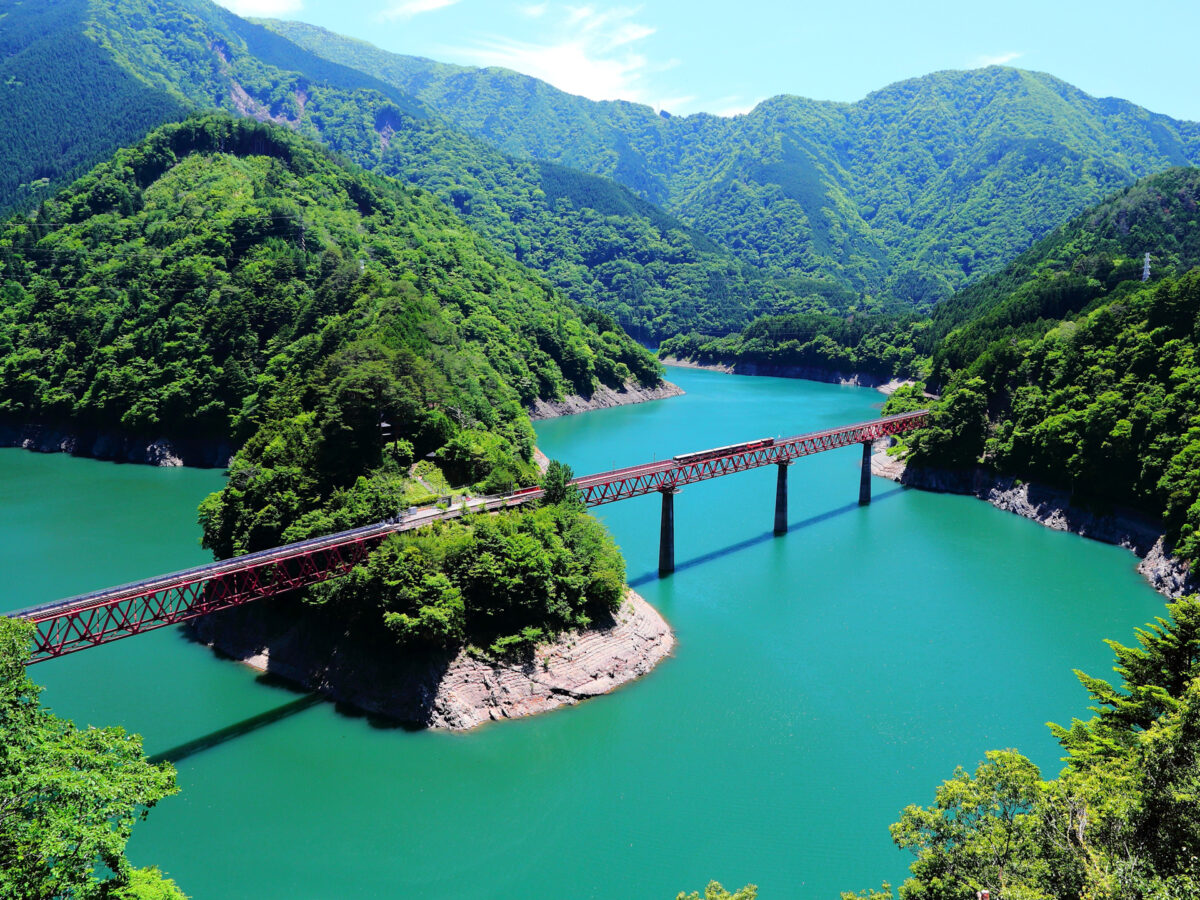
Oku-oi Kojo Station is an unmanned station of the Oigawa Railway. In 2019 it was awarded the COOL JAPAN AWARD by a jury of 100 non-Japanese judges. It is a picturesque location gaining attention both at home and abroad. There is a promenade beside the railroad bridge that spans the dam lake, and when you take the promenade, it feels as if you are walking in the air over the lake.
Oigawa Railway 65 minutes
Senzu Station
Scheduled Bus 40 minutes
Sumatakyo Onsen
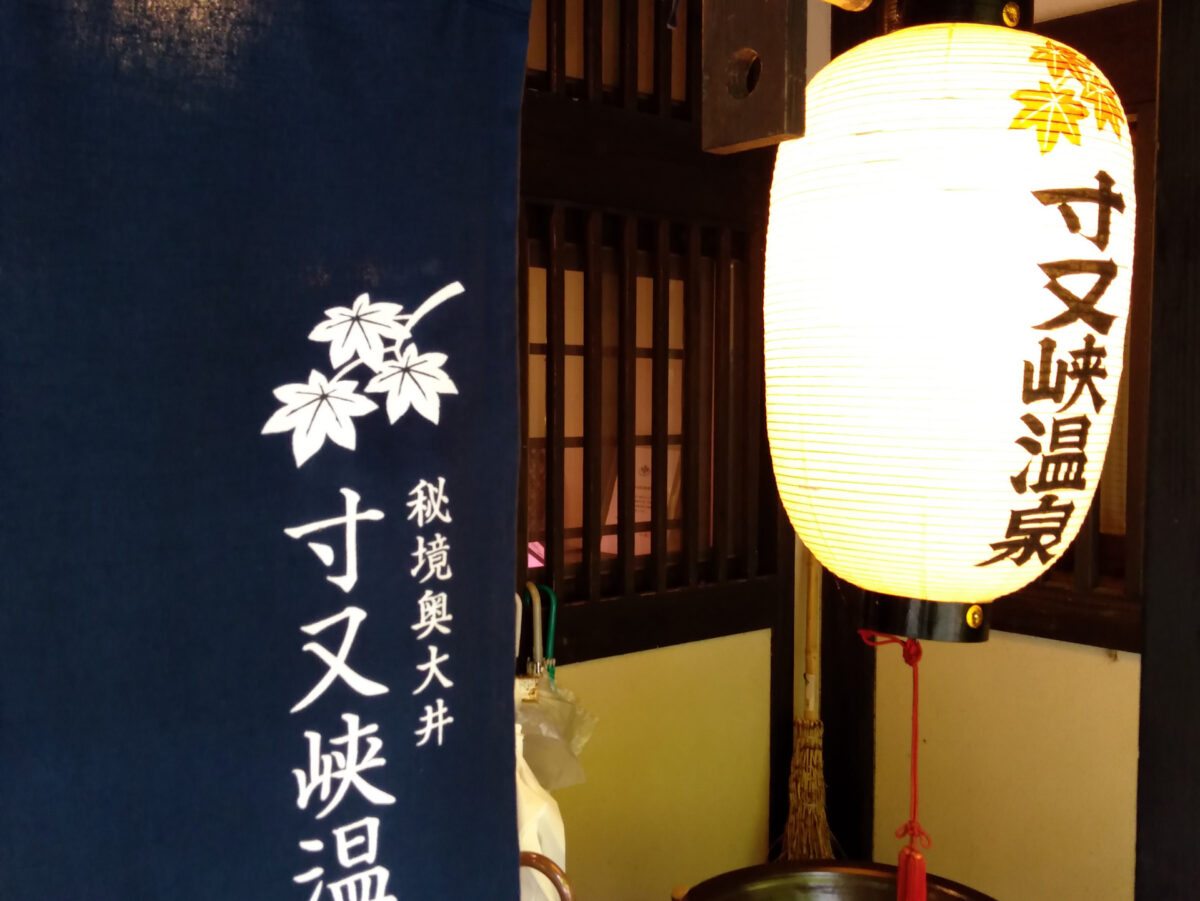
The Sumatakyo Onsen is a natural hot spring coming forth from the base of the southern Alps. The popular hot spring is referred to as a “beautifying hot spring” for the way it leaves the skin feeling silky smooth the day after you take a bath in its slippery waters. You can soothe your tired body after a long day of travel by relaxing in the hot spring baths and enjoying a meal made with plenty of mountain delicacies.
Walking distance
Bridge of Dreams (Sumatakyo)
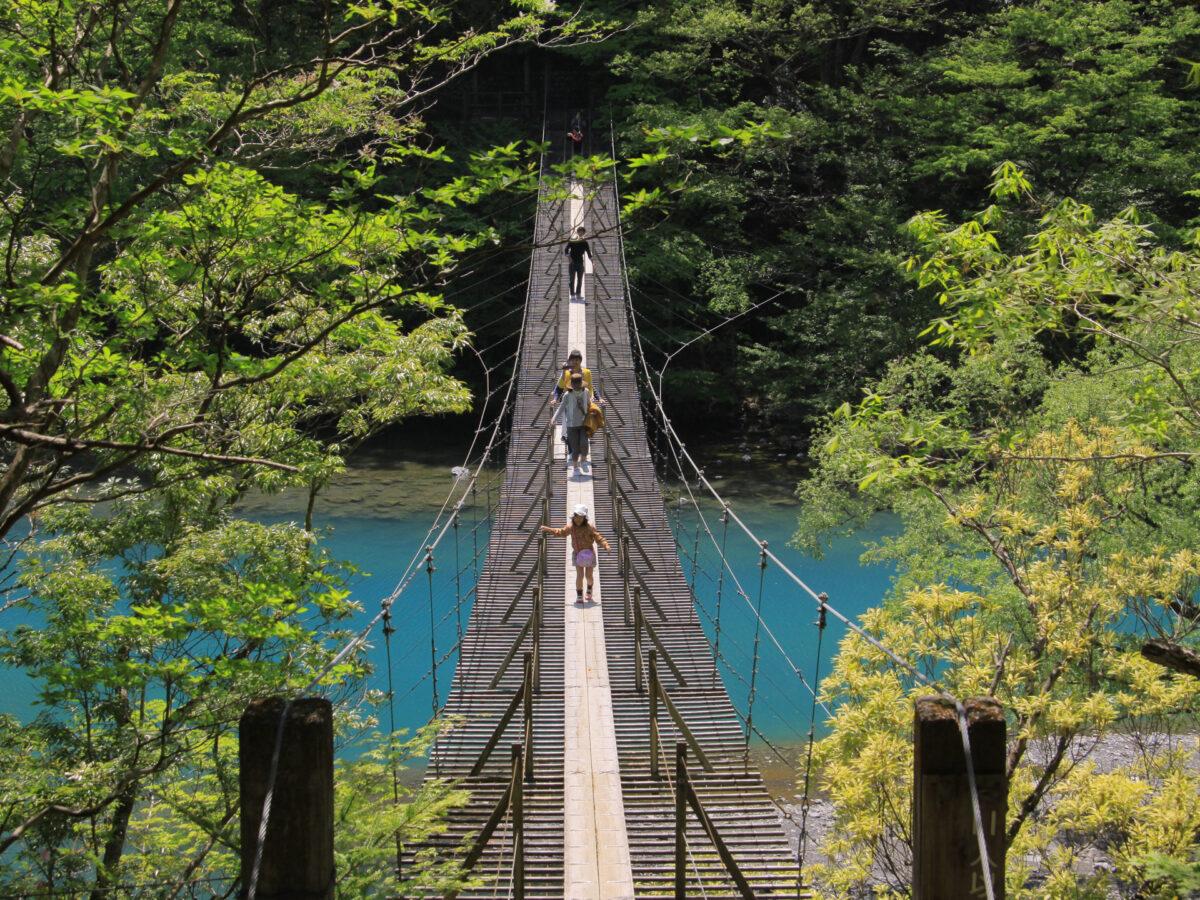
Bridge of Dreams is a 90-meter suspension bridge stretching over a beautiful lake with a surface shimmering in emerald green and cobalt blue. There is an old saying that if you wish for love near the center of the bridge, your wish will come true, making the bridge a popular “power spot” among young women and couples. In autumn, the leaves of the trees turn red and yellow, and you can enjoy the beautiful autumn colors. Late October to early December is the best time to visit. In 2012 it was selected by Trip Advisor among the world’s “top 10 suspension bridges you have to walk across before you die,” and tourists from all over the world now come to see the bridge.
Walking distance
Sumatakyo Onsen
Scheduled Bus 40 minutes
Senzu Station
Oigawa Railway 65 minutes
Kanaya Station
JR Tokaido Line 75 minutes
Hamamatsu Station
Walking distance
Eel (Hamamatsu)
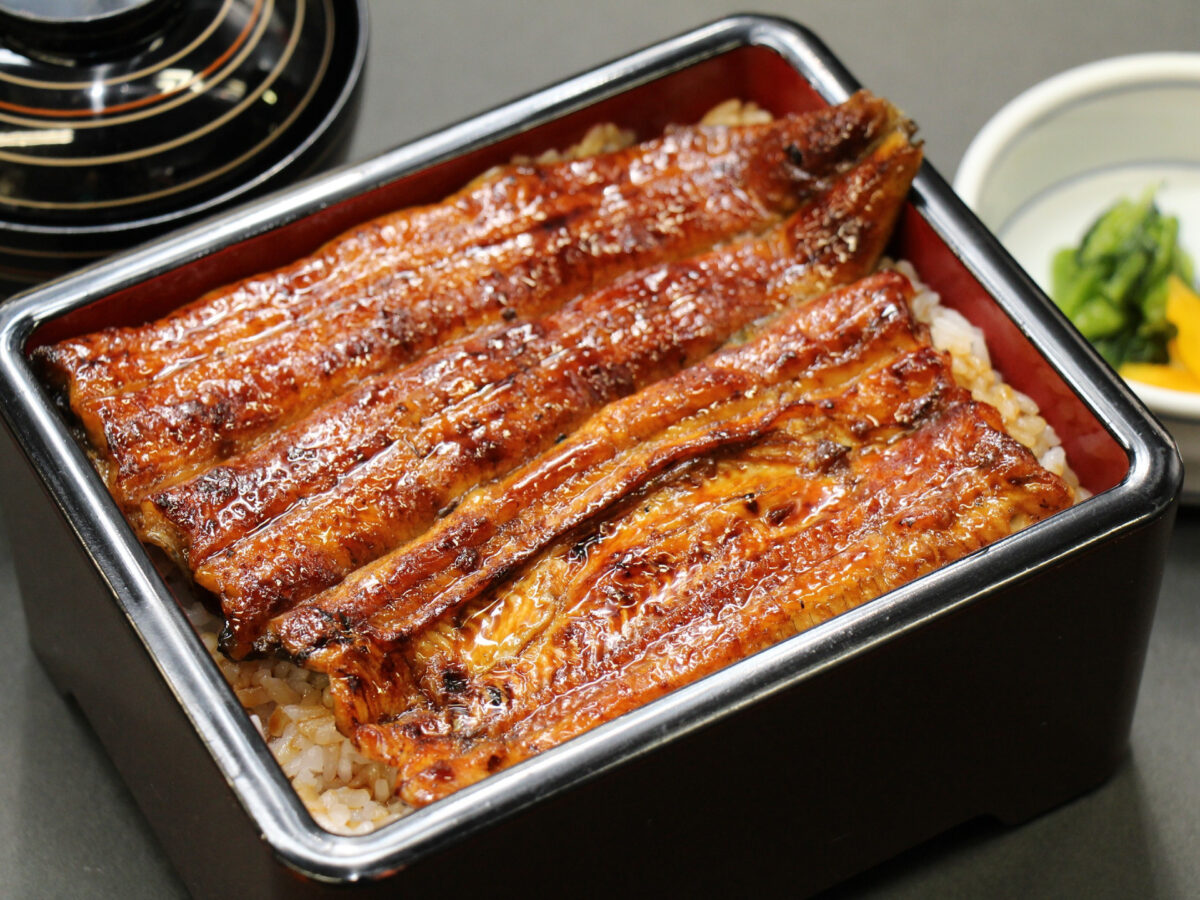
Many Japanese people have the idea that Hamamatsu = eel, and for good reason. Blessed with a mild climate and abundant groundwater, Lake Hamana is the “birthplace of eel farming” with a history of more than 120 years since Japan’s first successful eel farming in 1900. It is a representative eel production area in Shizuoka Prefecture.
Walking distance
Hamamatsu Gyoza dumplings
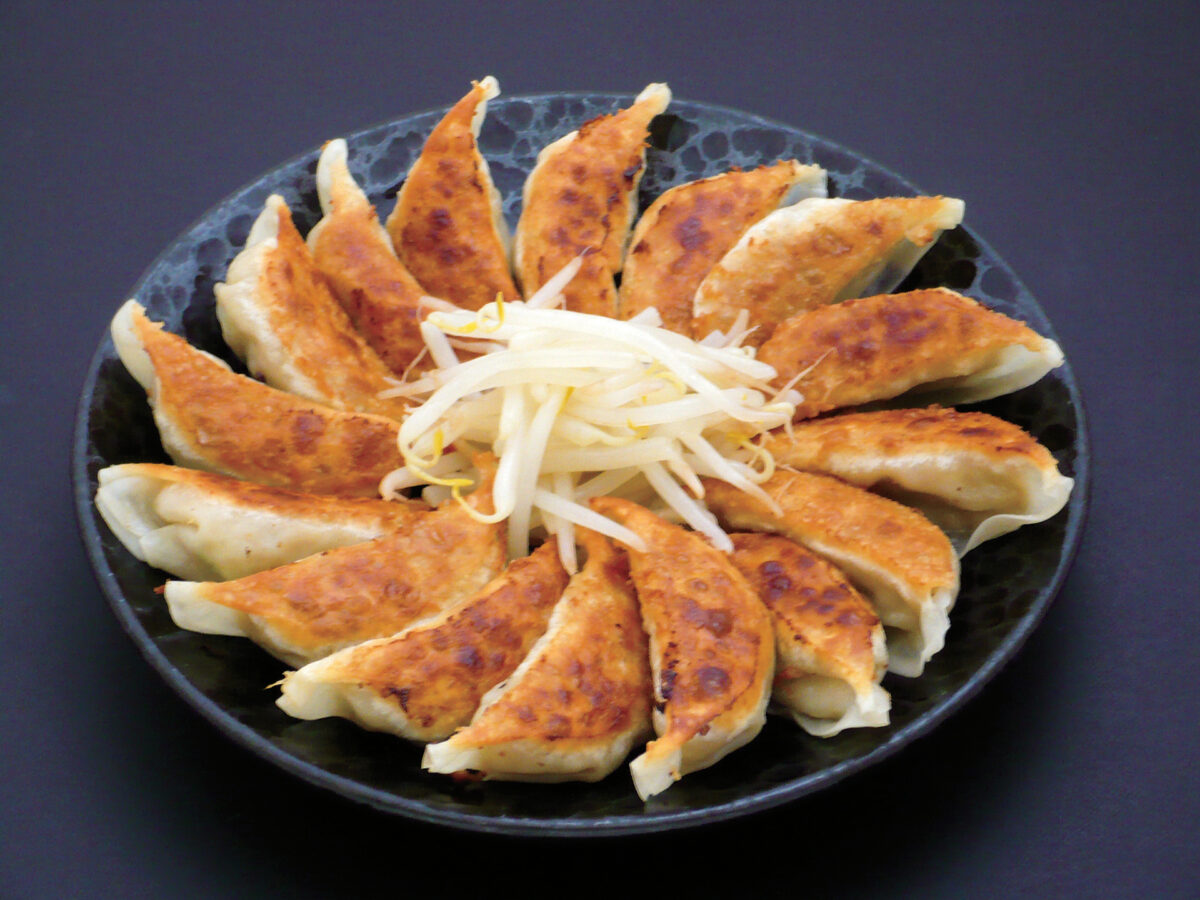
Along with eel, another Hamamatsu delicacy you cannot miss is the Gyoza dumplings. Stuffed full of locally grown cabbage and other vegetables, these dumplings strike an exquisite balance between the sweetness of the vegetables and the richness of the pork. They come in a characteristic serving arrangement, with the dumplings arranged in a circle with freshly boiled bean sprouts in the middle.
Walking distance
Craft beer Mein Schloss
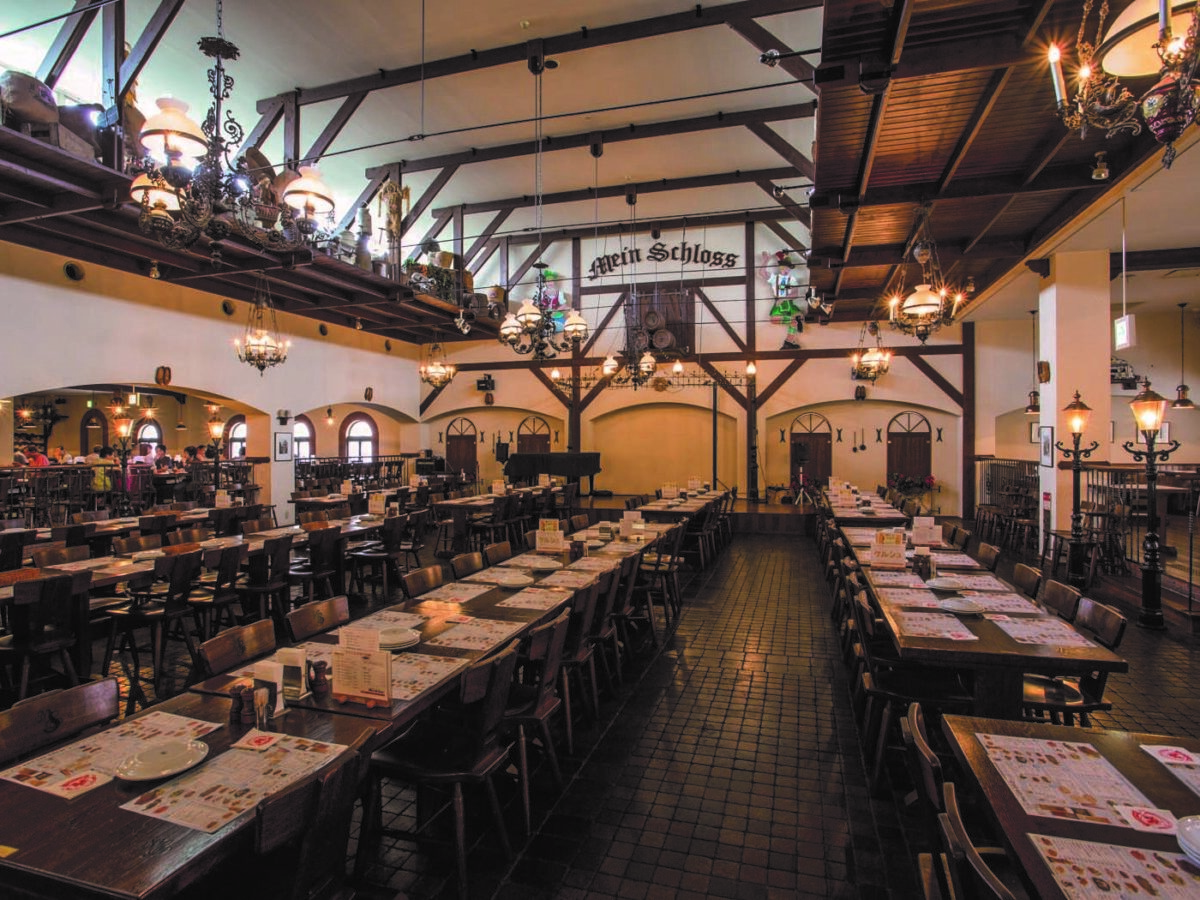
Mein Schloss is an authentic beer restaurant where you can enjoy craft beer brewed according to the strict standards of the German Reinheitsgebot. There are four beer types available year-round, along with other beers available for a limited time only.
The restaurant offers a wide variety of meals and specializes in German cuisine. In this building reminiscent of an old German castle, you can enjoy a beer and imagine you have taken a short trip to Europe.
Walking distance
Hamamatsu Museum of Musical Instruments
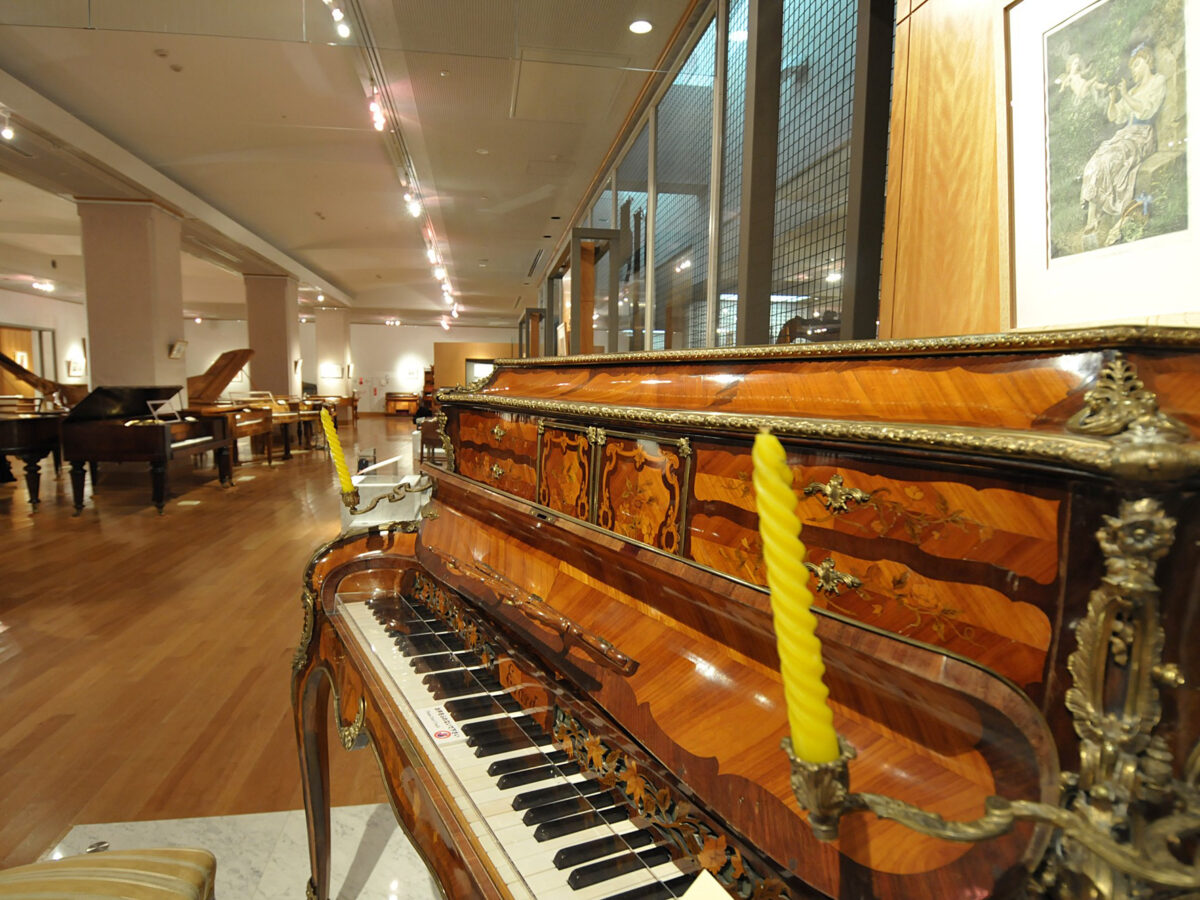
The Hamamatsu Museum of Musical Instruments is one of the largest musical instrument museums in the world, with about 3,300 instruments from around the world in its collection, 1,500 of which are on permanent display. Its concept is to “exhibit the world’s musical instruments from an unbiased and equal perspective, and explore human wisdom and sensibility through musical instruments.” It is a museum where you can “see, hear, and touch” sound by looking at exhibitions, listening to sounds and hearing explanations with the audio-visual equipment, and playing instruments in the hands-on room.
Walking distance
Hamamatsu Station
Enjoy a trip around the foothills of Mt. Fuji while taking in the local cuisine and activities!
| Time of Day | Itinerary | |||||||
|---|---|---|---|---|---|---|---|---|
| 1 | Shinjuku | Express Bus | Gotemba Premium Outlets | Charcoal grill restaurant Sawayaka (Lunch) | Taxi | Toraya Kobo | Taxi | |
| 95 minutes | Walking Distance | 10 minutes | 15 minutes | |||||
| Gotenba Station | Free shuttle bus | Gotemba Kogen Beer Buffet Restaurant Mugibatake (Dinner) | Gotemba Kogen Resort Toki no Sumika (Hotel) | |||||
| 15 minutes | Walking Distance | |||||||
| 2 | Gotemba Kogen Resort Toki no Sumika (Hotel) | Free Shuttle Bus | Mishima Station | Scheduled Bus | Izu Fruit Park | Scheduled Bus | Mishima Skywalk | Scheduled Bus |
| 40 minutes | 15 minutes | 10 minutes | 25 minutes | |||||
| Mishima Station | Mishima Eel | Genbei River | Mishima Station | |||||
| Walking Distance | Walking Distance | Walking Distance | ||||||
DAY1
Shinjuku
Express Bus 95 minutes
Gotemba Premium Outlets
Gotemba Premium Outlets is one of Japan’s leading shopping resorts, with many famous brands from Japan and abroad. The expansive area offers a view of Mt. Fuji and contains about 290 shops, including fashion, jewelry, sporting goods, hobbies, everyday sundries, and restaurants. Within the facilities you can not only enjoy daily deals on shopping, but also relax all day long in an extraordinary space that is rich in greenery. HOTEL CLAD and the day trip hot spring resort Konohana no Yu are also attached to the outlets, so you can enjoy a relaxing hot spring bath while enjoying the splendid view of Mt. Fuji.
Walking Distance
Charcoal grill restaurant Sawayaka
The charcoal grill restaurant Sawayaka is a chain of restaurants specializing in hamburg steaks. They only operate within Shizuoka Prefecture, where there are 30 outlets across the prefecture. The chain is so popular that not only locals, but even people from outside the prefecture come to eat at its restaurants. On weekends, long lines form, so you sometimes have to wait for two hours. Their most popular dish is called the Genkotsu Hamburg (literally, fist hamburg steak). If you visit Shizuoka, it’s definitely worth a try. We recommend you visit on a weekday.
Taxi 10 minutes
Toraya Kobo
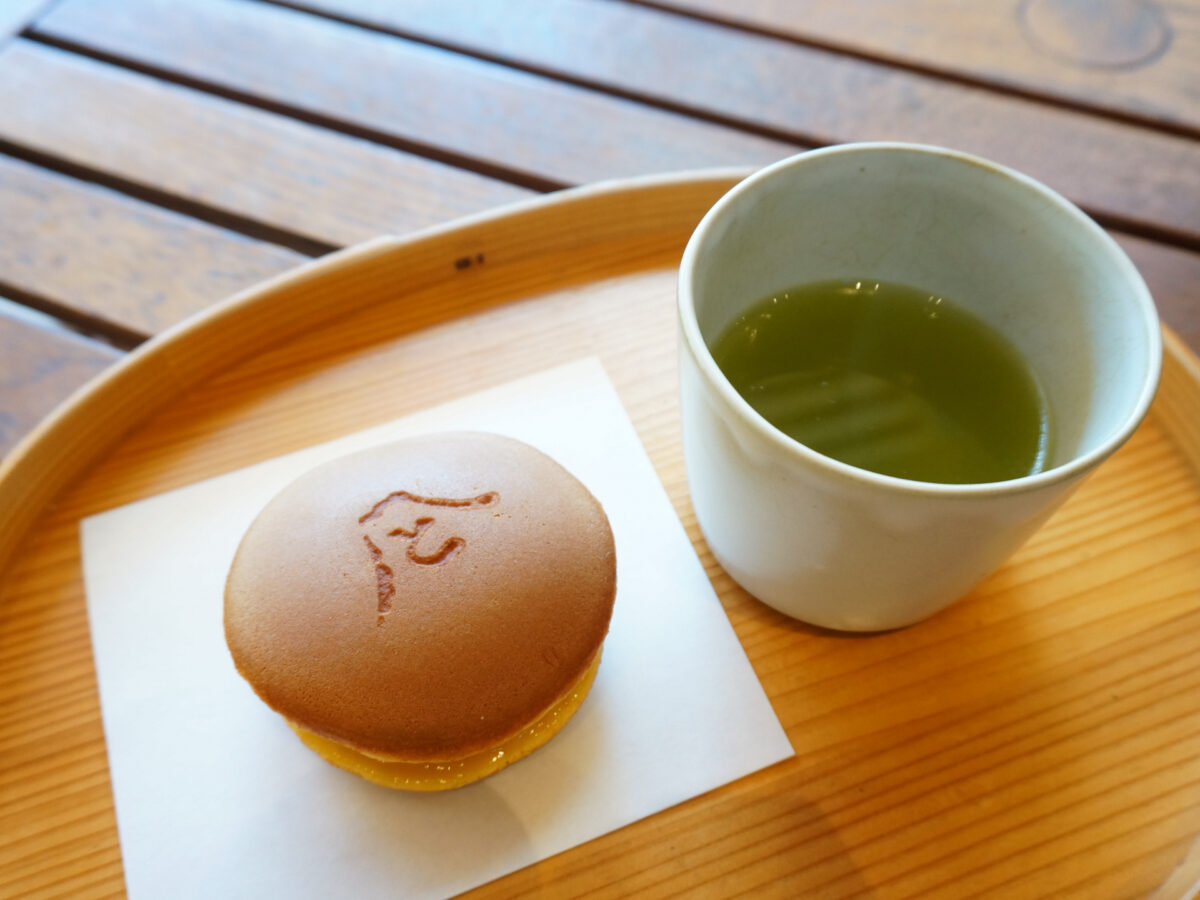
Toraya Kobo is the only workshop of the Japanese confectionery shop Toraya, which has a history of over 500 years. At the modern cafe you can enjoy a variety of Japanese sweets that bring out the characteristics of their locally sourced, seasonal ingredients, such as their popular dorayaki cakes. Known for their elegantly sweet red bean paste and baked crust made with plenty of yolk from locally-sourced Sakura eggs, these dorayaki are a perfect companion for sencha tea.
Taxi 15 minutes
Gotemba Station
Free Shuttle Bus 25 minutes
Gotemba Kogen Beer Buffet Restaurant Mugibatake
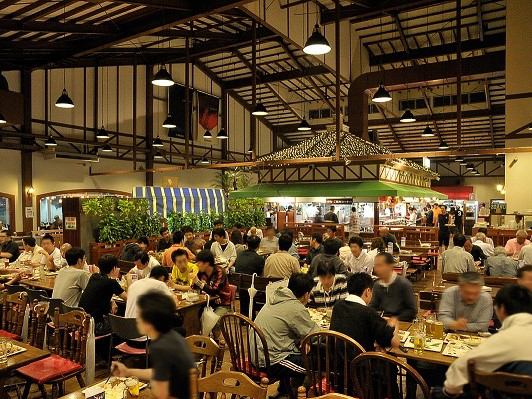
The Gotemba Kogen Beer Buffet Restaurant Mugibatake is an all-you-can-eat and all-you-can-drink buffet restaurant offering over forty dishes, including meat, Japanese food, Chinese food, and an abundance of desserts, along with six local beers from the on-site brewery. You can enjoy delicious food and local beer with your family and friends. At the main teppan grill area, the chefs prepare steaks and other dishes right in front of the guests. The seafood donburi section is also popular, and you can load your bowl with ingredients of your choice.
Walking Distance
Gotemba Kogen Resort Toki no Sumika

Gotemba Kogen Resort Toki no Sumika is a leisure facility with overnight accommodation, hot spring baths and restaurants. It is especially famous for its craft beer and illuminations. When it comes to accommodation, we particularly recommend the two-storey cottages that can be rented out. They have an open atrium living room filled with the scent of wood, a wooden deck, a functional island kitchen, and a hammock in the room. There are many activities on the facility grounds as well, such as kayaking, mountain biking, goat petting and a fountain show. An additional benefit is that you can use the day hot spring Natural Hot Spring Kirakubo within the facility as well.
Free Shuttle Bus 40 minutes
Mishima Station
Scheduled Bus 15 minutes
Izu Fruit Park
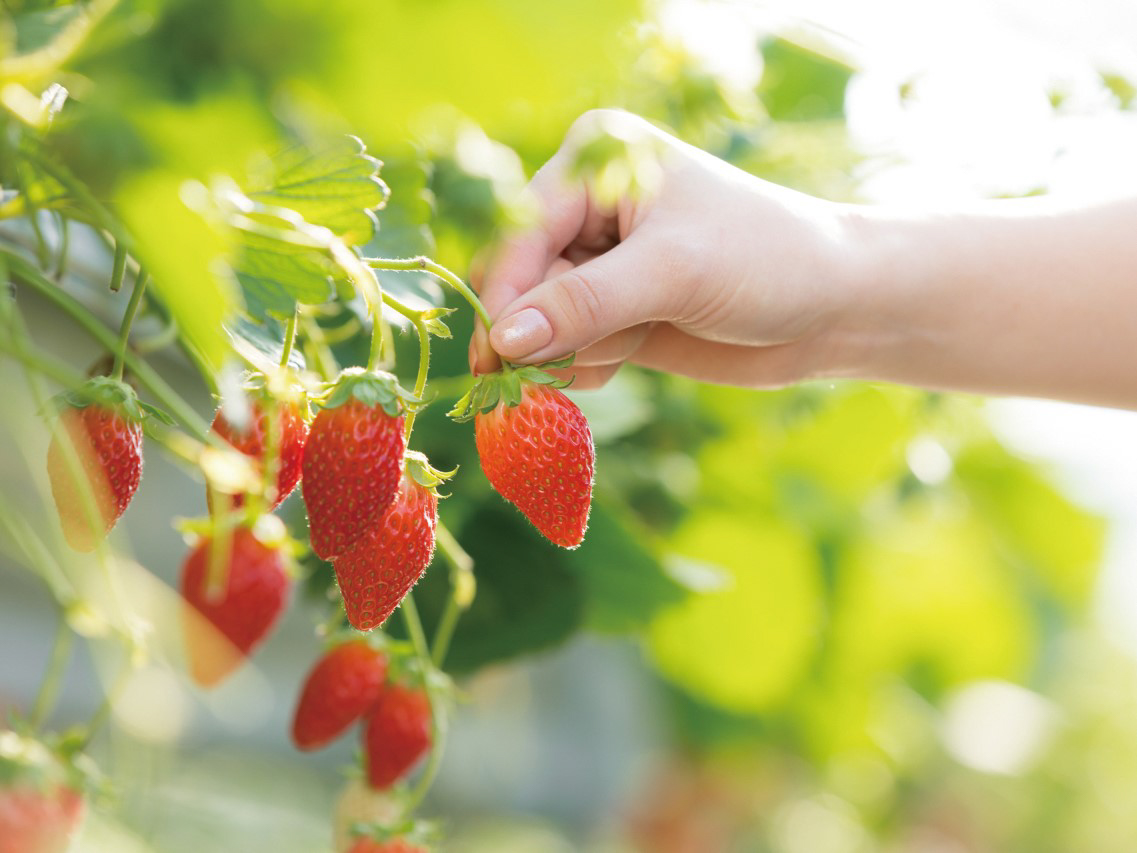
All throughout the year at the Izu Fruit Park, you can enjoy picking strawberries, melons and mandarin oranges, depending on what’s in season. In the main building you can buy a variety of sweets and gift souvenirs made from seasonal fruits, making it a popular spot for children and couples.
Scheduled Bus 10 minutes
Mishima Skywalk
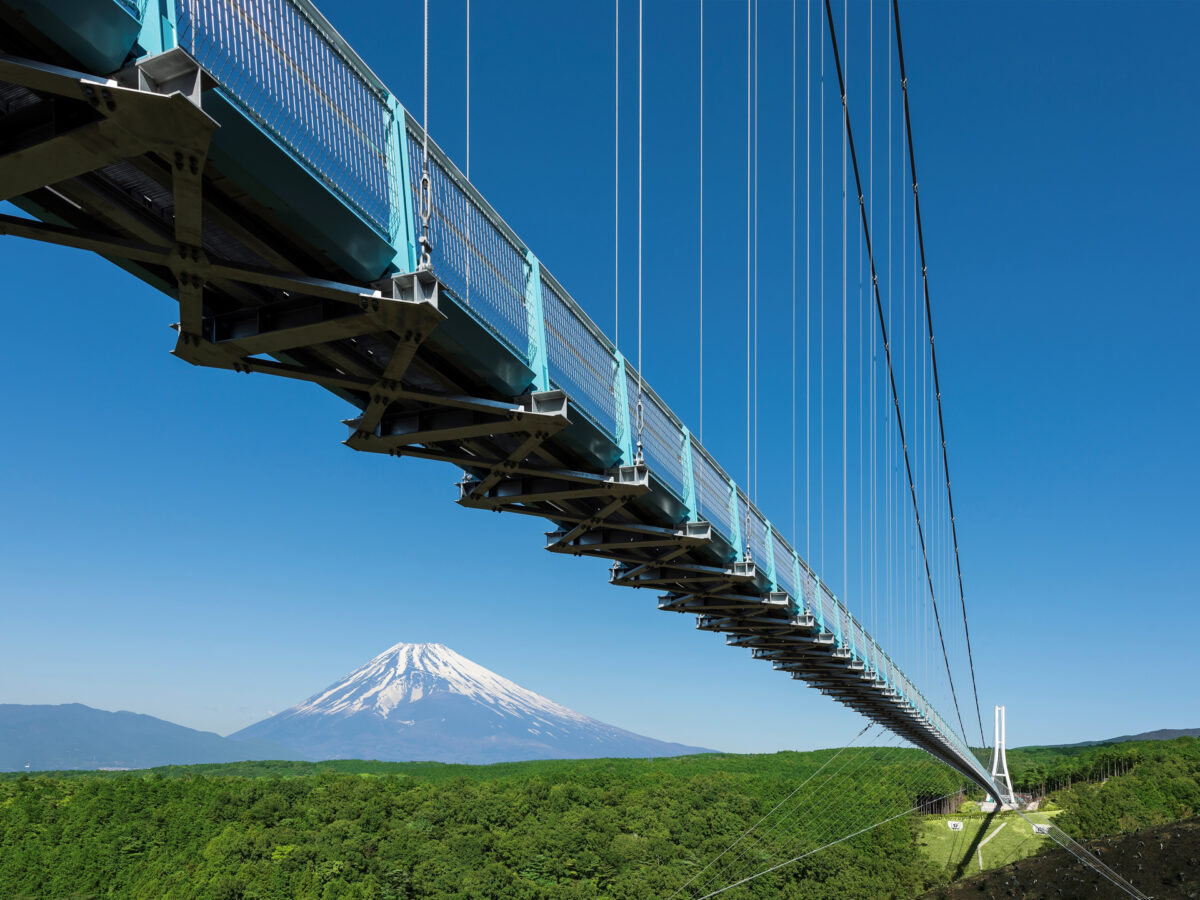
At 400 meters, the Mishima Skywalk is the longest pedestrian suspension bridge in Japan. From atop the bridge, one can get a wonderful view of Mt. Fuji, Suruga Bay and the Izu mountains. After walking across the bridge, you can visit the Forest Adventure – very popular among children – and partake in the latest activities such as zip lining.
Scheduled Bus 25 minutes
Mishima Station
Walking Distance
Mishima Eel
When people think of eel in Japan, the first place that comes to mind is Hamamatsu City, but Mishima is in fact also famous for its eel. Unlike in Hamamatsu, eel is not actually raised in Mishima, but keeping the eel in the subterranean waters of Mt. Fuji for four to five days eliminates the fishy, muddy odors, making the eel very tasty. This is why Mishima eel are famous.
Walking Distance
Genbe River
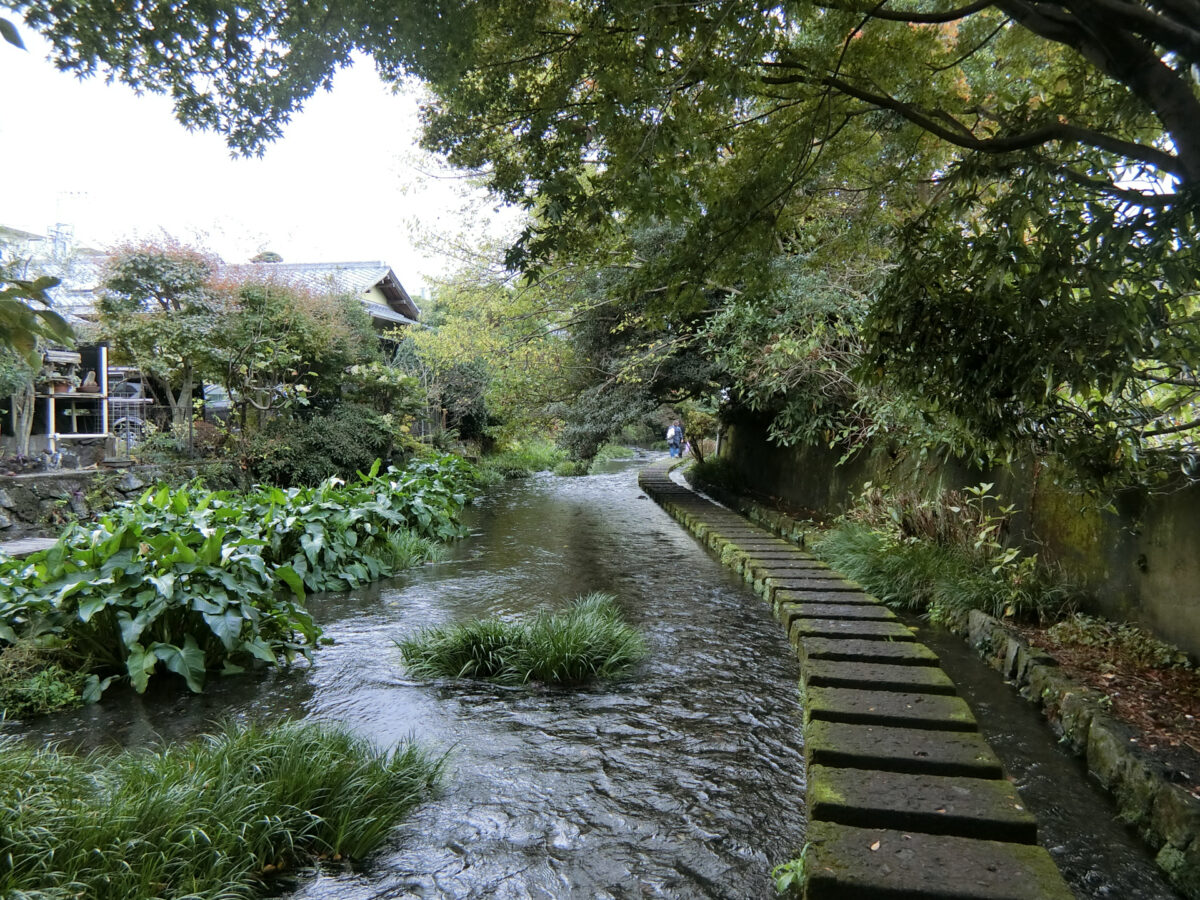
Seseragi or the murmuring of the river can be heard in every corner of Mishima City, and you can take a leisurely stroll around the tourist attractions. Among these, the Genbe River is a stream formed by the coming together of various springs. You could call it the symbol of Mishima. Stepping stones have been placed in the river along the Genbe River Waterside Promenade, and you can enjoy a “Seseargi Walk” while feeling the clear spring water. In the summer, it is a popular place to relax and enjoy playing in the water.
Walking Distance
Mishima Station
Enjoy yourself around Mt. Fuji
1 Tourist attractions around Mt. Fuji
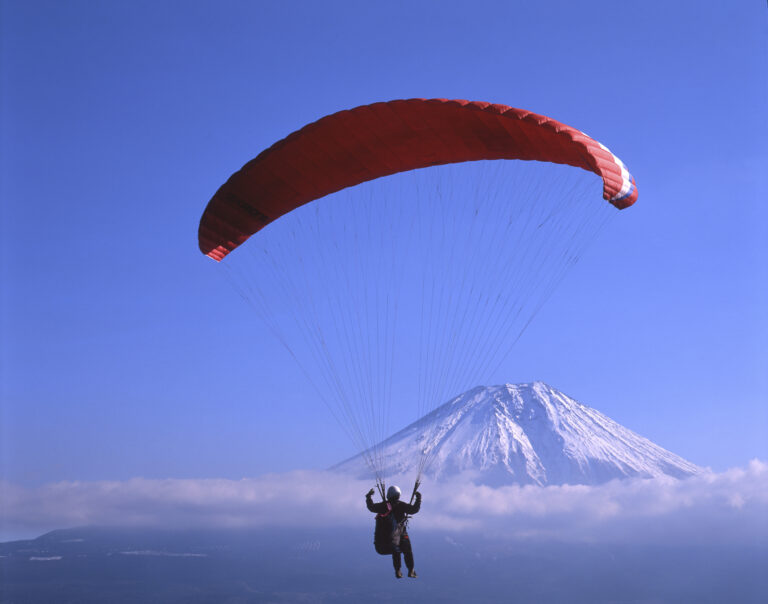
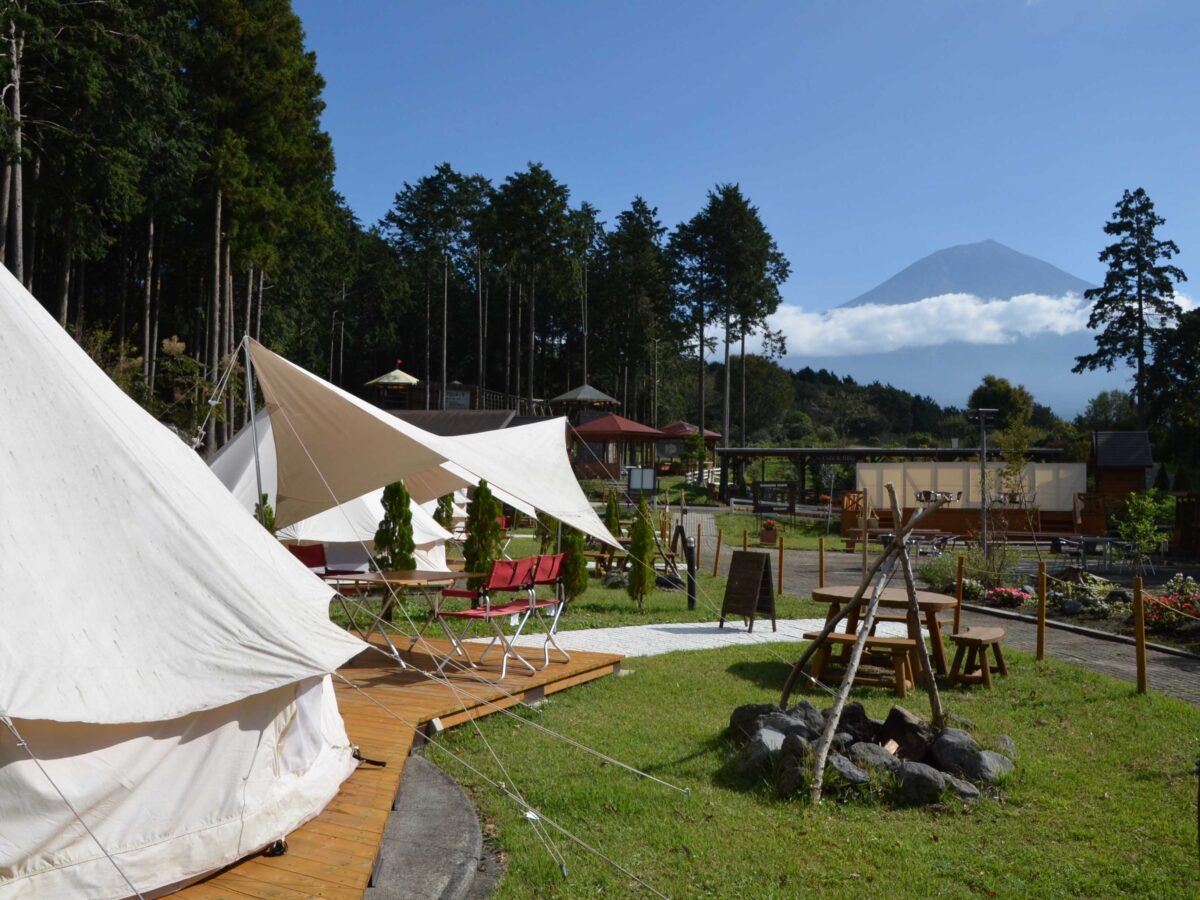
There are many activities to enjoy around Mt. Fuji, such as ranching, camping, glamping, cycling, and paragliding. You can visit the Shiraito no Taki Waterfalls, a clear waterfall where subterranean water from Mt. Fuji gushes out of the lava walls; the large amusement park Grinpa, located at the Second Station of Mt. Fuji; Mt. Fuji Children’s World, spreading out at the foot of Mt. Fuji; and various other attractions to gain the full experience of everything Mt. Fuji has to offer.
43-1200x900.jpg)
2 Activities around Mt. Fuji
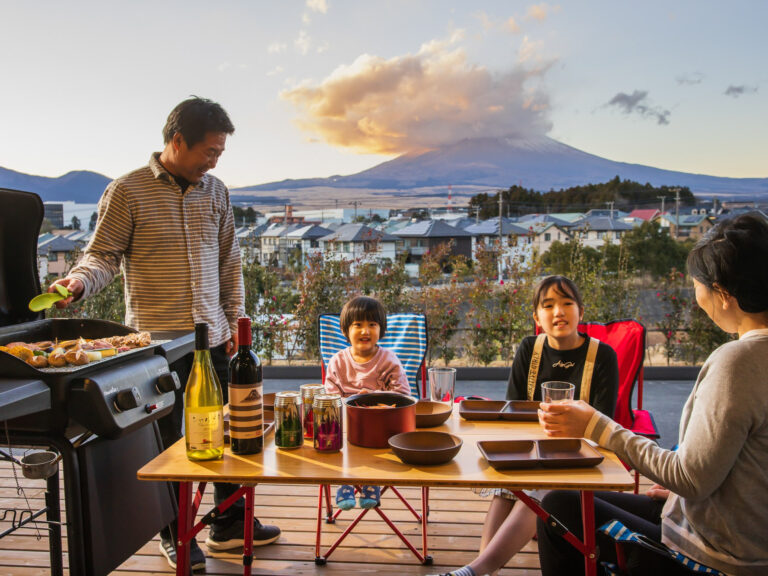
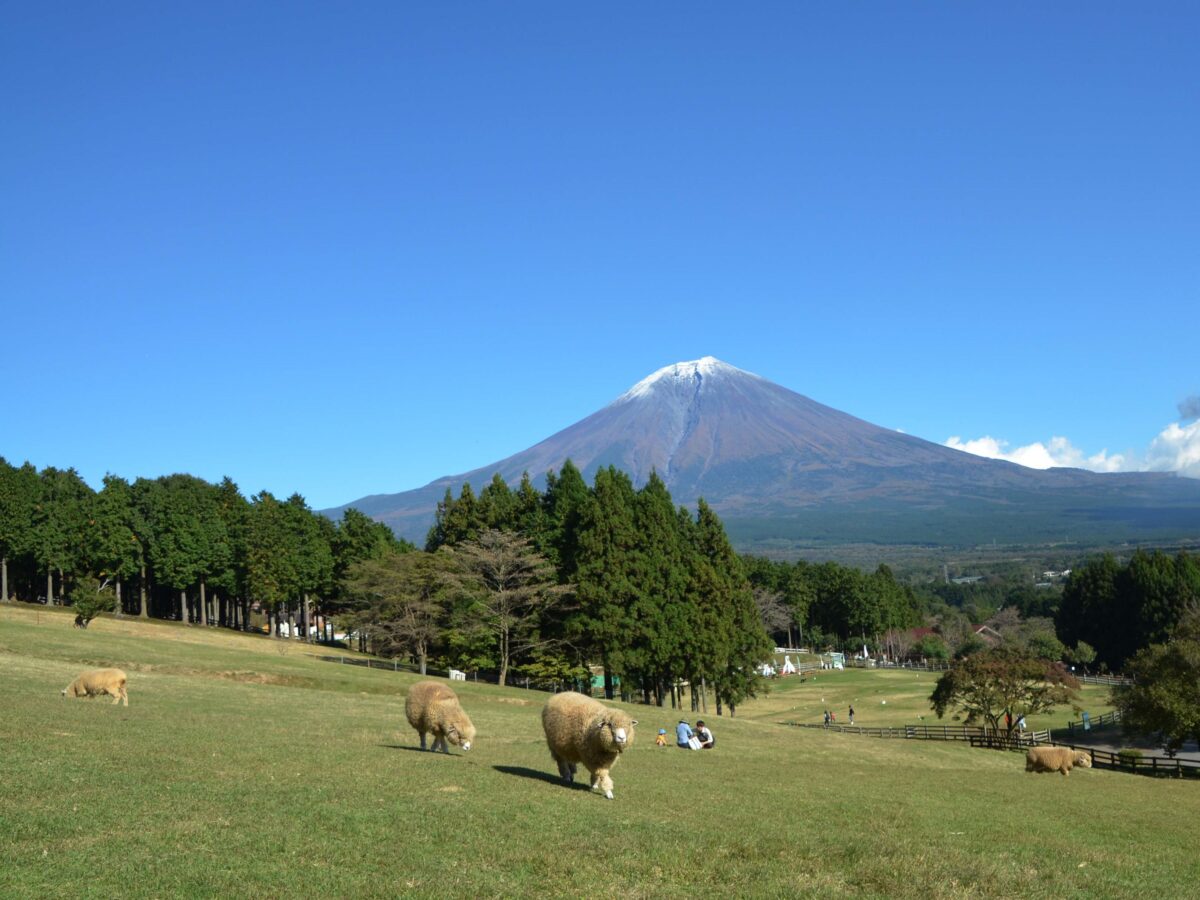
A great spot for families to visit is the Makaino Farm Resort spread out in the Asagiri Highland at the foot of Mt. Fuji. In addition to interacting with the animals by milking the cows or giving milk to their calves, you can ride horses, make butter and have other fun experiences. You can also enjoy Jingisukan and other barbecue dishes out in the open space of the terrace.
At Lake Tanuki, which is known for the reflection of Mt. Fuji shown on the lake’s surface, we recommend camping, cycling, and, of course, barbecue. The time you spend looking out over the beautiful lake shore will be an unforgettable memory. If you buy a fishing permit, you can also catch Japanese carp, black bass and other types of fish.
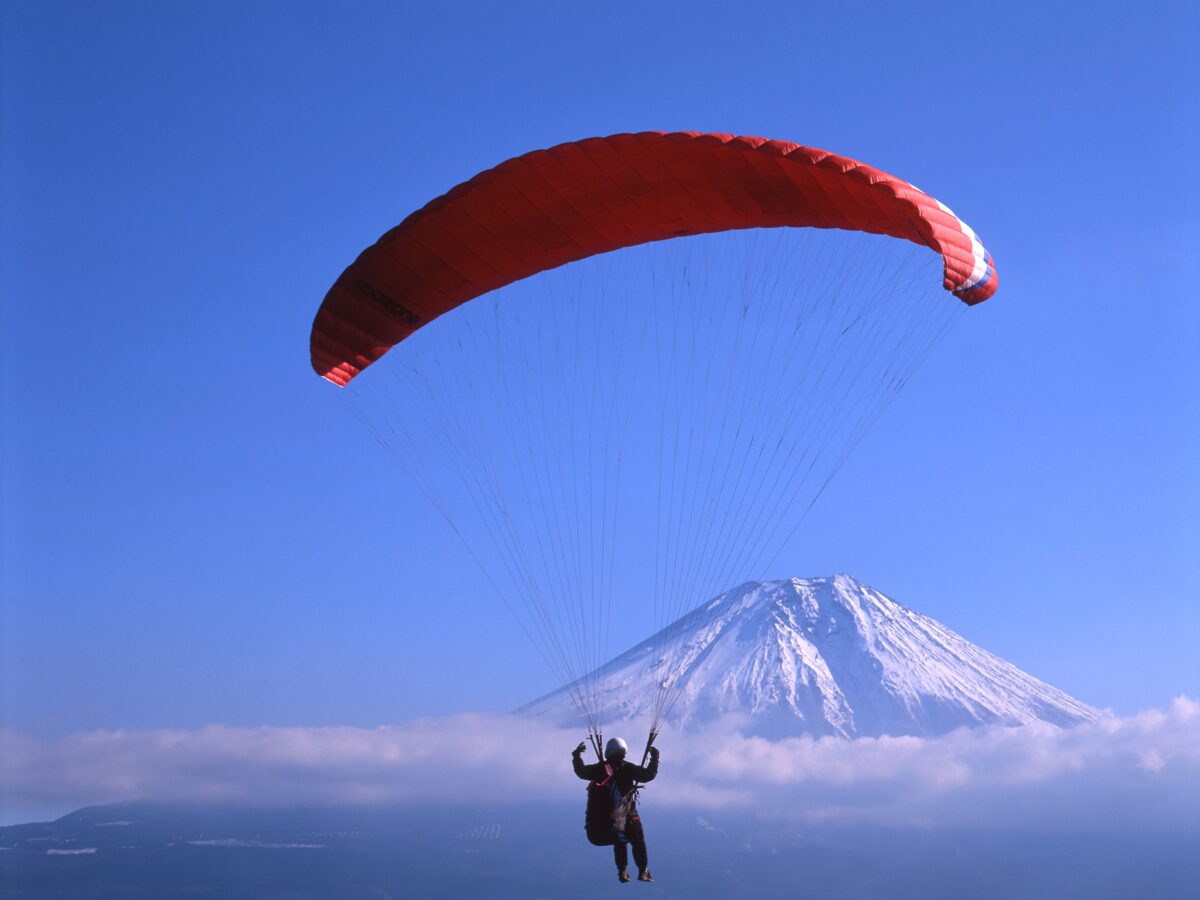
E-bikes are available for rent in the city of Fujinomiya, and the ascending slopes are gentle. Moving leisurely toward Mt. Fuji while enjoying the glory of the surrounding area will be a truly memorable experience. There are also facilities around Mt. Fuji where you can try paragliding. Beginners welcome!
43-1200x900.jpg)
3 Climbing Mt. Fuji
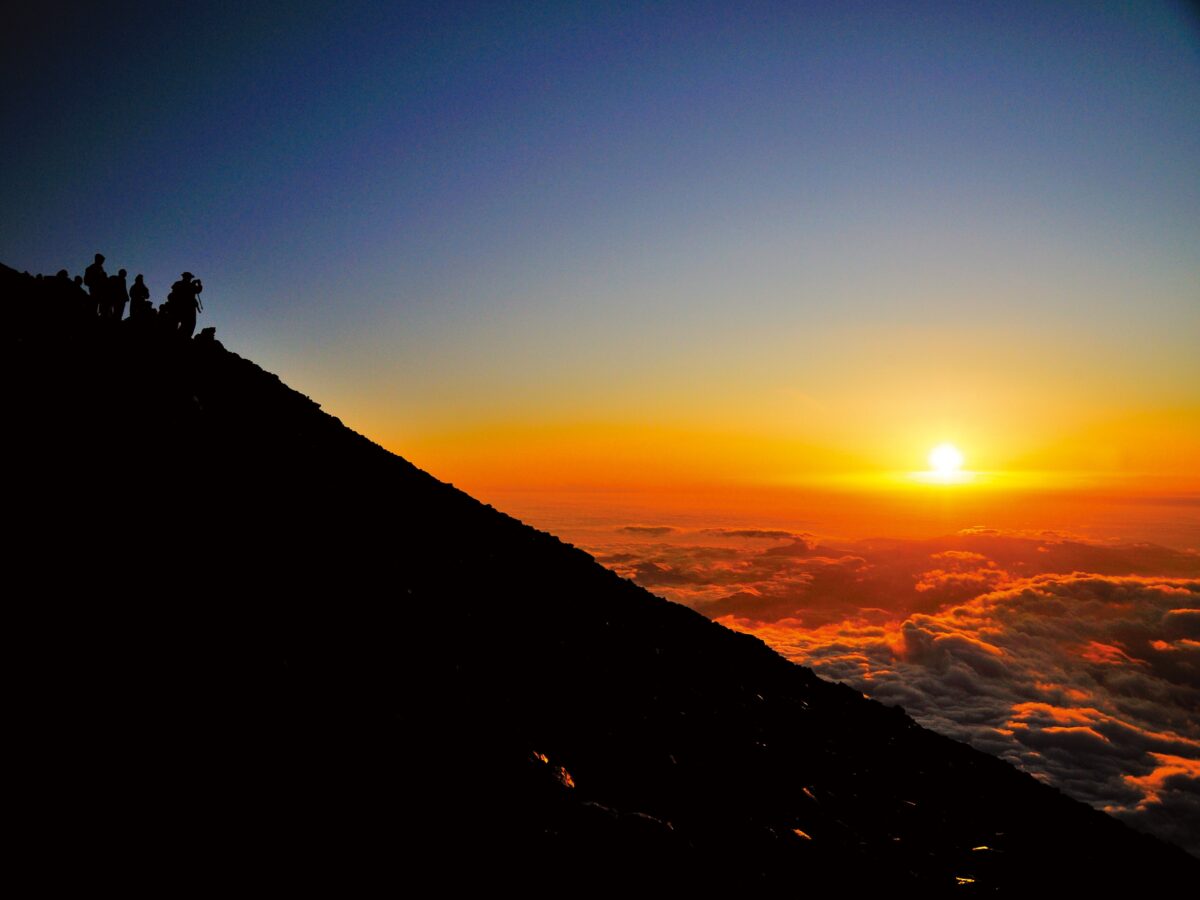
At least once in your life, you should try ascending Mt. Fuji. Climbing the mountain is extremely popular both in Japan and abroad. However, it is by no means an easy mountain to climb. You need to be fully equipped and have the courage to come down the mountain if you are not feeling well. Especially those who have no prior experience of climbing mountains, or who lack the physical stamina, should never go alone. Make sure to follow the basics of safe mountaineering, such as keeping abreast of weather information and following rules and manners, to have fun and safely climb the mountain.

Learn about the profound appeal of Mt. Fuji
1 Mt. Fuji World Heritage Centre, Shizuoka
Mt. Fuji is both an active volcano and the highest mountain in Japan, with an elevation of 3,776.12 meters. It began its volcanic activity between 200,000 and 700,000 years ago, and is believed to have acquired the beautiful, conical shape it has today around 10,000 years ago due to repeated eruptions. It was designated a cultural World Heritage Site in June 2013. The Mt. Fuji World Heritage Centre, Shizuoka was opened in 2017 with the four key missions of “preserve forever,” “enjoy and learn,” “broadly interact,” and “thoroughly investigate.” Made with delicately assembled Fuji cypress wood, the building is distinguished by its unique, inverted conical form that looks like Mt. Fuji turned upside down. Visitors to the center can learn about the artistry of Mt. Fuji, the history of its beliefs, and its origins as a volcano while simulating a climb up the mountain. Why not take the time to learn about the profound appeal of Mt. Fuji?

2 Cultural World Heritage Site Mt. Fuji
Mt. Fuji is known as a cultural World Heritage Site, and it has a wide range of constituent assets. On the Shizuoka side of the mountain, the assets are mainly at an elevation over 1,500 meters, including the mountain-top worship sites, Omiya-Murayama Ascending Route, Subashiri Ascending Route and Suyama Ascending Route.
Other constituent assets include the Fujisan Hongu Sengen Taisha Shrine and Fuji Sengen Jinja shrine (Subashiri Sengen Jinja shrine), which form the core of Mt. Fuji-related faith; the Hito-ana Fuji-ko Iseki ruins at the western base of the mountain; the Shiraito Falls, which are famous as a water scenery spot; and Miho no Matsubara, which is known as a beautiful spot from which to look up at Mt. Fuji from a distance.

富士山本宮浅間大社43-1200x900.jpg)
The great view of Mt. Fuji
Of all the countless places in Shizuoka Prefecture to catch a spectacular view of Mt. Fuji, these are the ones we particularly recommend. May the magnificent views of Mt. Fuji be forever etched in your mind, along with the memories of your trip!
Miho no Matsubara
Miho no Matsubara, which stretches along the eastern shore of the Miho Peninsula in Shimizu Ward, Shizuoka City, has been known as a scenic spot since the time when the Man’yoshu poetry anthology was compiled in the 8th century. The view one gets when looking up at the sacred Mt. Fuji – with the interwoven scenery of the green pine forests, blue sea and white waves lapping on the shore – is as beautiful as a painting, and in 2013 it was registered as a constituent asset of the World Heritage “Fujisan, sacred place and source of artistic inspiration.”
In Miho no Matsubara, there is a pine tree called the Hagoromo no Matsu, renowned as the setting for the Hagoromo (feathered robe) legend. According to the tale, a female deity hung her feathered robe on the branch of a pine tree in order to take a bath. A fisherman found the robe and tried to take it home, so the deity performed a celestial dance for him in order to get it back. Over the centuries the original pine has been replaced, and the current Hagoromo no Matsu is the third generation.
Nearby you can visit the Shizuoka City Miho no Matsubara Culture & Creativity Center Miho Shirube, where you can learn about the history, culture and charms of Miho.

Nihondaira Yume Terrace
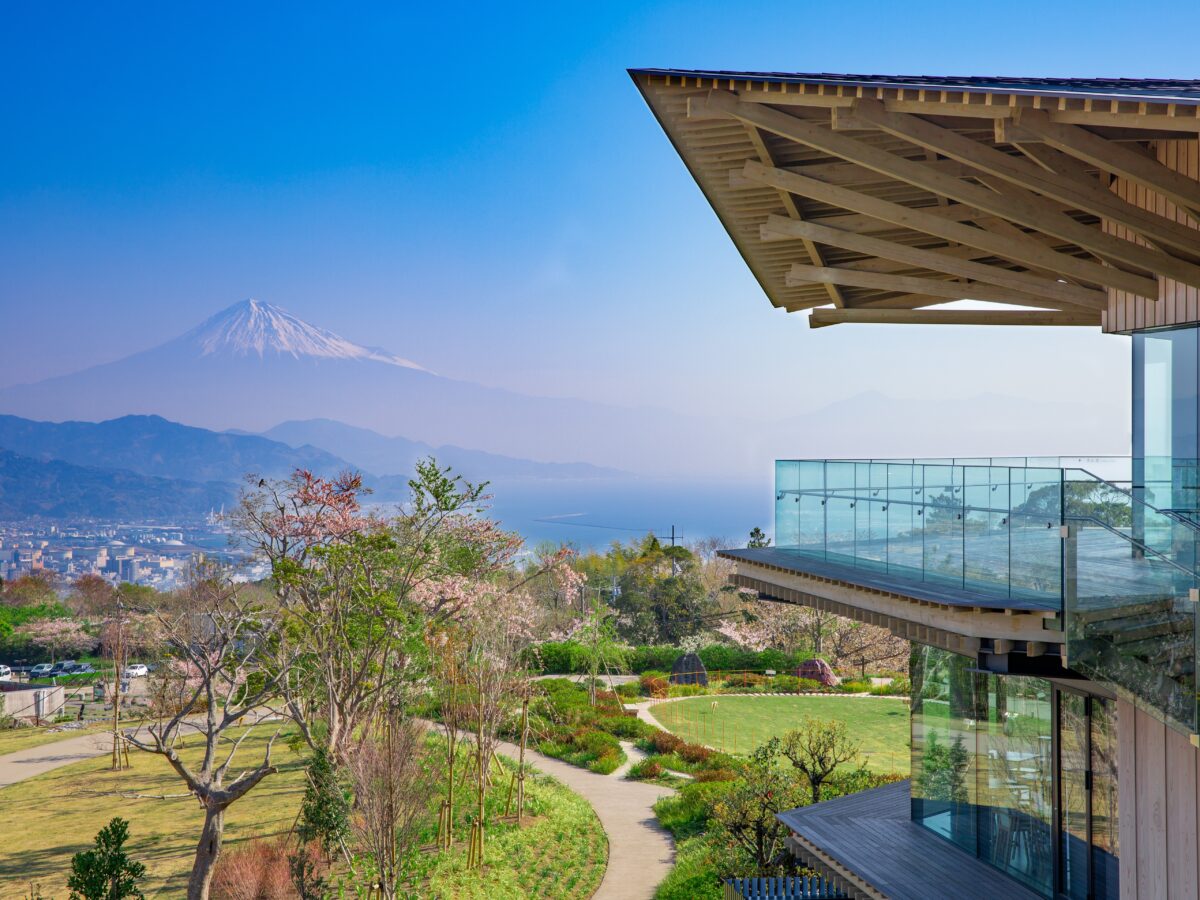
Nihondaira is one of the most scenic spots in Japan and once took first place in a competition for the top 100 sightseeing destinations in the country. From Nihondaira Yume Terrace, newly opened in 2018, visitors can enjoy a beautiful 360-degree panoramic view of Mount Fuji, the Port of Shimizu just below, Suruga Bay, the Izu Peninsula, Shizuoka City, and the southern Alps. Through projection mapping displays, they can also learn about the history, origins, and cultural value of Nihondaira.
From the peak of Nihondaira, visitors can ride a ropeway connecting Nihondaira to the National Treasure Kunozan Toshogu Shrine, enjoying the seasonally changing scenery of Suruga Bay and the Byobu-dani Valley.

Obuchi Sasaba
Located in the northern part of Fuji City, Obuchi Sasaba is blessed with a lush, natural environment where high-quality tea is produced from vast tea plantations covering more than two hectares (five acres). Across the terraced tea plantations one can enjoy a magnificent view of Mt. Fuji.
It is also known as a spectacular spot to take pictures of Mt. Fuji over the tea plantations, without power lines or other any man-made objects obstructing the view. Every year at the time of the new tea season (around the Golden Week holidays in late April and early May), the media and photographers come here to line up their cameras and snap a shot of the beautiful landscape.

Satta Pass
Satta Pass offers a breathtaking view of the towering, sheer cliffs with Suruga Bay spread out in the foreground and Mount Fuji over the sea. It is a spectacular spot for views of Mt. Fuji, also depicted in the woodblock print Yui from the Fifty-three Stations of the Tokaido by Utagawa Hiroshige.
In the past it was known as a perilous pass connecting the Yui-shuku and Okitsuku-juku stations of the Tokaido Highway. It was even referred to as the “Oyashirazu Koshirazu Pass of Tokai” in reference to another famously perilous pass in Niigata Prefecture. Today, the transportation arteries that connect the east and west of Japan – the JR Tokaido Main Line, National Route 1 and the Tomei Expressway – are bundled together along the narrow coastline between Suruga Bay and Mt. Satta jutting out into the sea.
There is now an observatory at the Satta Pass, where visitors can still see for themselves the spectacular scenery that Hiroshige depicted, along with the main transportation arteries of modern-day Japan.

Lake Tanuki
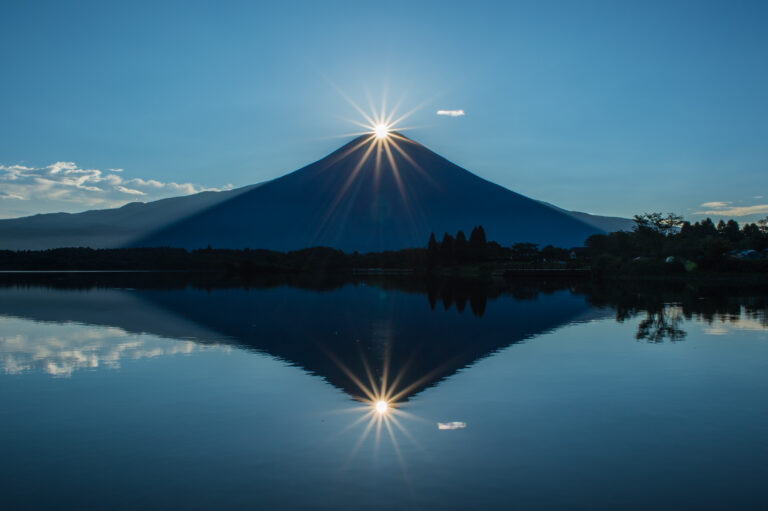
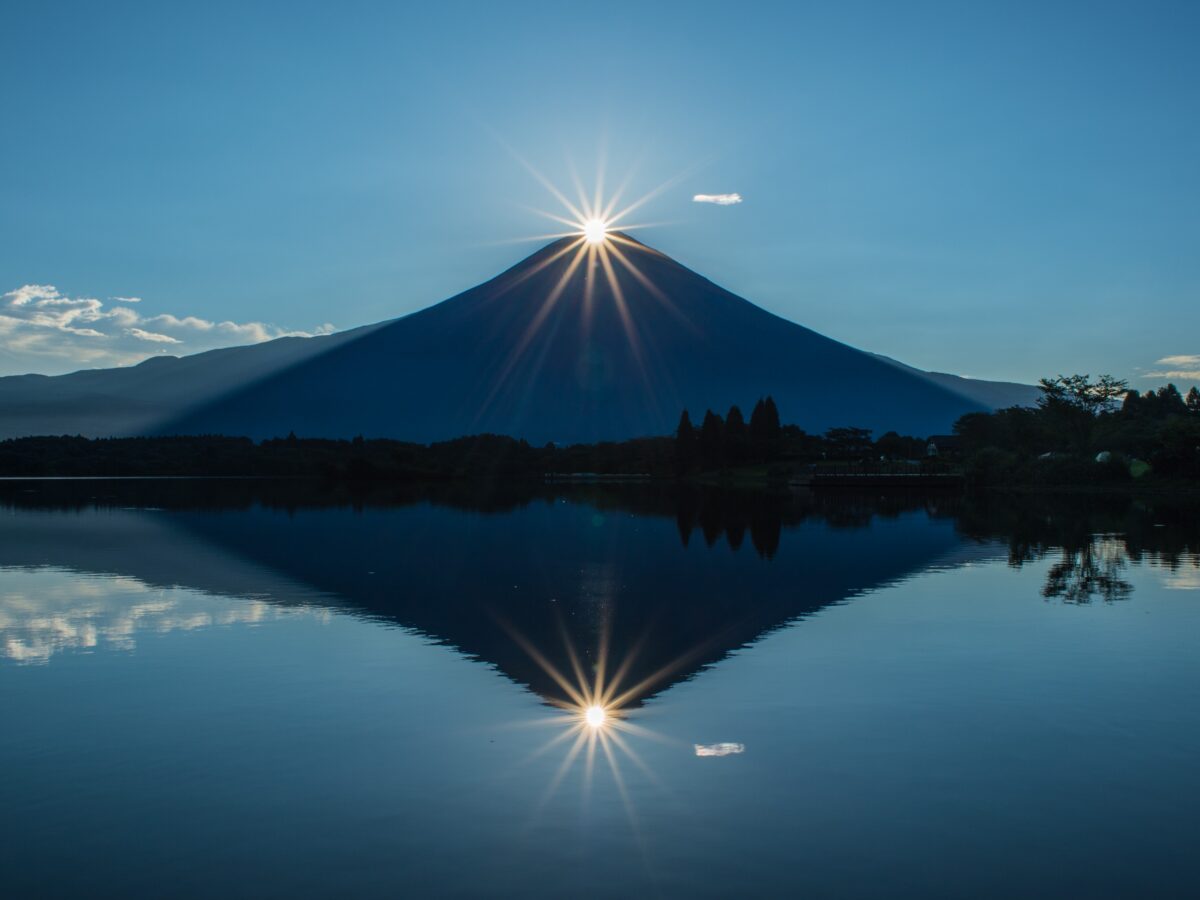
Lake Tanuki is located at the western foot of Mt. Fuji in a corner of the vast Asagiri Highland, and has a circumference of about four kilometers. With a magnificent view of Mt. Fuji directly to the east, the lake shore offers beautiful seasonal scenery such as cherry blossoms and azaleas in the spring and autumn leaves in the fall. You can also enjoy camping, boating, fishing and cycling within this blessed natural environment.
If you are fortunate with respect to the weather, then you might be able to catch a phenomenon known as Double Diamond Fuji in the weeks before and after April 20 and August 20. As the morning sun rises over the peak of Mt. Fuji, it shines in the sky while simultaneously being reflected on the surface of the lake. One could say it is a true example of the art that arises from Earth’s natural bounty interwoven with the universe.
Cape Ose
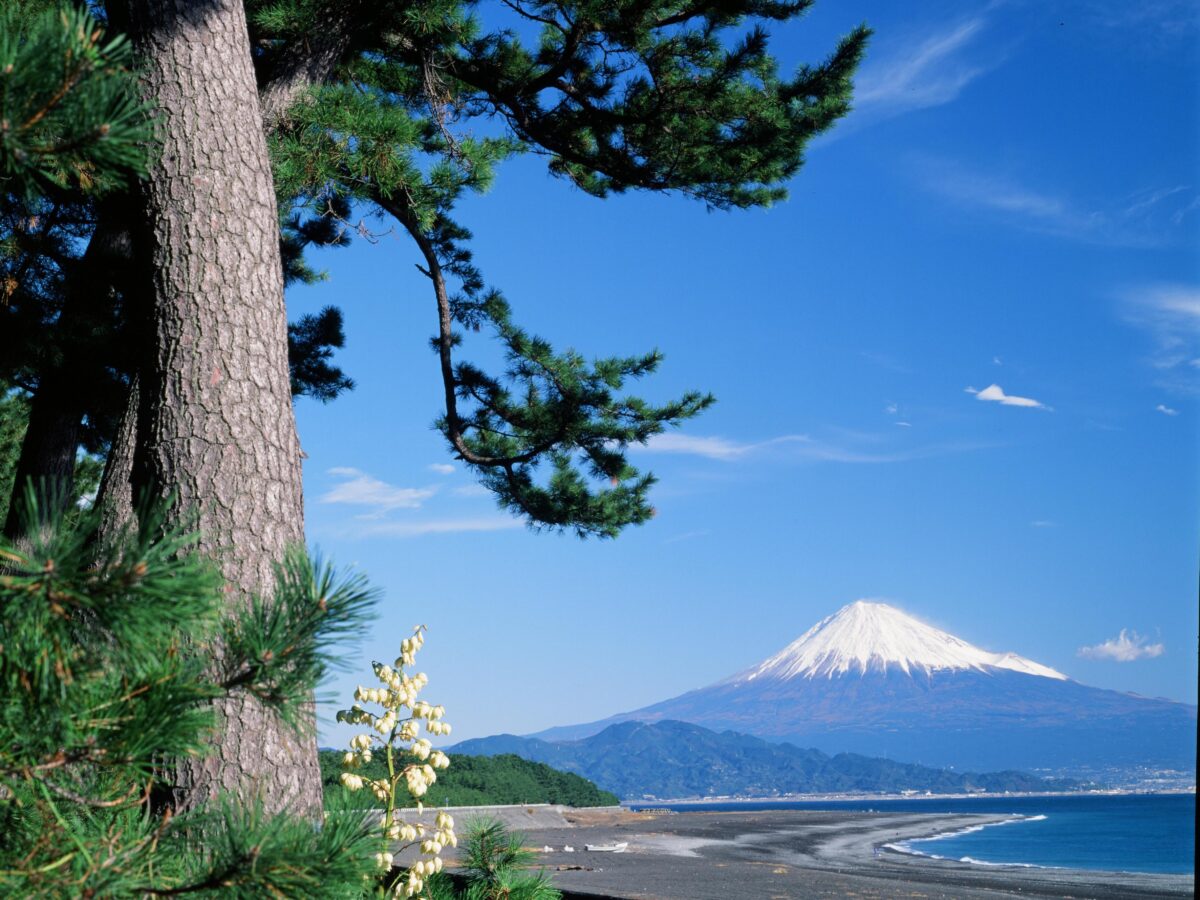
Cape Ose juts out around 800 meters into Suruga Bay from the southern end of the Nishinoura coast, and has long been known as a place of scenic beauty for its spectacular view of Mount Fuji over Suruga Bay. At the tip of the cape is the Kami-ike Pond, a mysterious and sacred place with an ethereal landscape. Despite its proximity to the sea, it is a freshwater lake, and is counted among the Seven Wonders of Izu.
With its gentle waves and shallow water far out into the sea, the coast offers one of the best beaches in Japan for swimming, and is also known as a mecca for scuba diving, with beautiful coral flowers blooming under the sea.

Kumomi Coast
Kumomi Coast is famous not only for the view you can get of Mt. Fuji across the boulders floating in the sea, but also because it is the southernmost point in the Izu Peninsula where you can get a full view of the sacred mountain. In the summer it flourishes as a picturesque swimming beach where you can get a frontal view of Mt. Fuji, and in recent years, it has prospered year-round as a famous spot for scuba diving and water sports. It is also popular as a camping ground.

Mizugatsuka Park
Located halfway up Mt. Fuji at an altitude of 1,450 meters, Mizugatsuka Park offers an overpowering view of the mountain spreading out before one’s eyes. It is an entirely different appearance from the Mt. Fuji seen from afar. Right in front of you is the Hoei Crater, which was born of the massive eruption in 1707, reminding you that Mt. Fuji is undoubtedly an active volcano.
There is a cross-country course in the park, where visitors can enjoy sports in the cool climate and lush, natural surroundings. Additionally, when personal cars are restricted during the summer, the Mizugatsuka parking lot provides space for climbers using the Fujisan Skyline road (Fujinomiya Tral) Fifth Station to leave their cars. This makes it an entrance to climbing Mt. Fuji.

Mt. Fuji Shizuoka Airport
Mt. Fuji Shizuoka Airport is Shizuoka Prefecture’s gateway to the sky, and as the name would suggest, it is also the closest airport to Mt. Fuji. We recommend you visit the Sekiun-in observation deck built on the east side of the airport terminal building, where you can see airplanes landing and taking off with Mt. Fuji in the background. On weekends, events are held in cooperation with surrounding cities, towns, and flight destinations, making it a place of relaxation not only for air travelers but also for visitors.
43-1200x900.jpg)
Suruga Bay Ferry
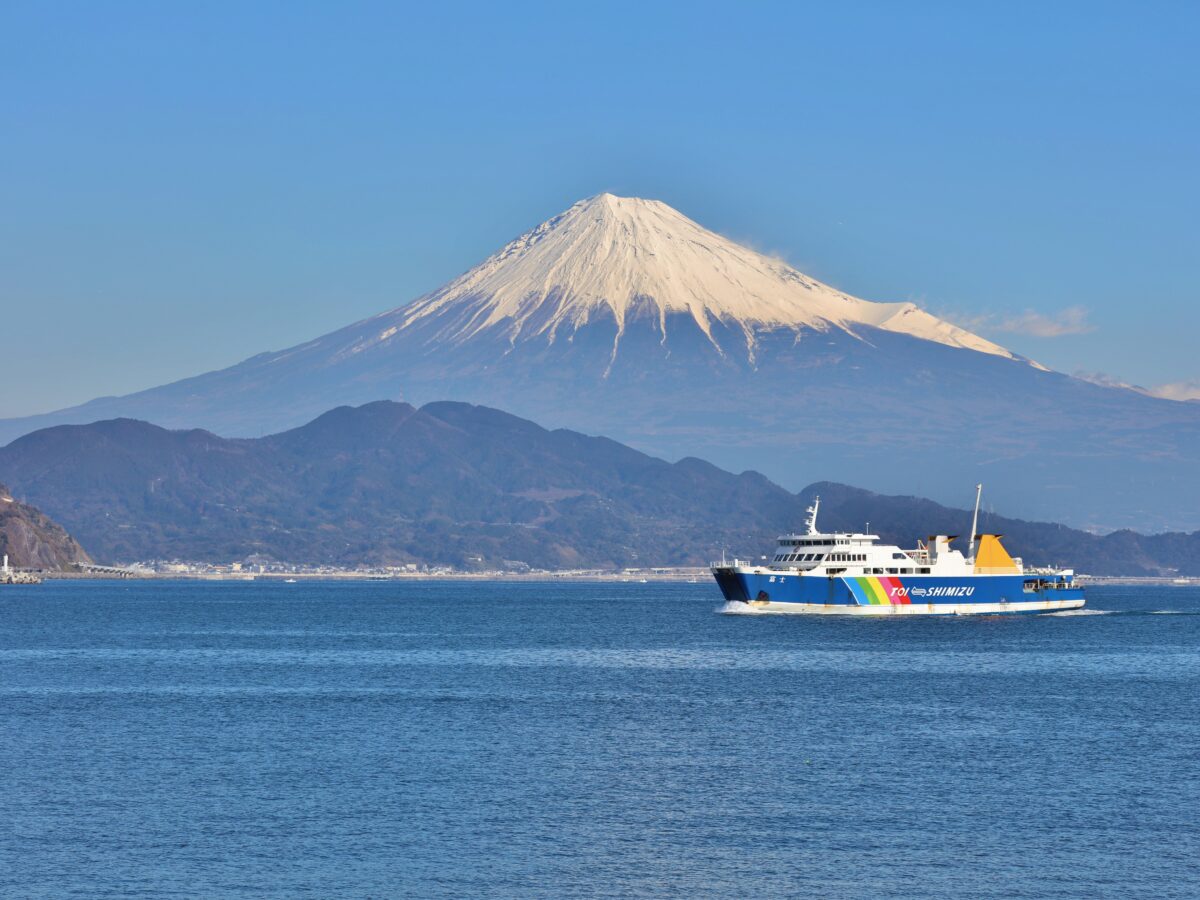
The Suruga Bay Ferry crosses Suruga Bay between Shimizu Port in Shizuoka City and Toi Port in Izu City, passing between the World Heritage Site Mt. Fuji and Miho no Matsubara, one of its constituent assets. The magnificent view of Mt. Fuji from the sea and the 360-degree panoramic view of Suruga Bay is a spectacular sight that can only be experienced from aboard this ferry.

Golf Tourism in Western region
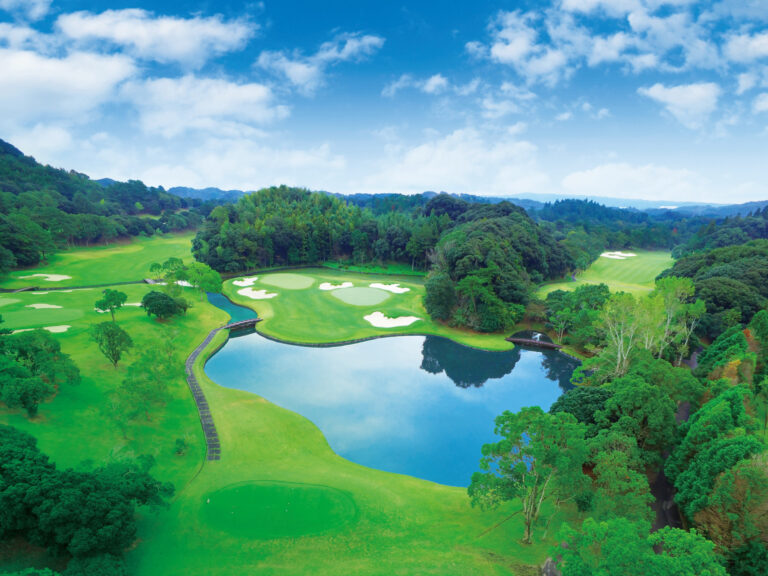
The western region of Shizuoka prefecture faces the Pacific Ocean and is blessed with abundant natural landscapes including mountains and plains. Famous global brands such as Suzuki and Yamaha are headquartered here. Access by bullet train and freeways, Japan’s main arteries, is excellent. Enjoy golf through four seasons in Shizuoka’s mild climate.
Golf Courses
Katsuragi Golf Club
Fukuroi city, Shizuoka
Yamana Course
Holes: 18 | Par: 72 | Length: 6,960 y | Course Rate: 73.5 | Type: Private
Course Designer: Seiichi Inoue
Ugari Course
Holes: 18 | Par: 72 | Length: 6,912 y | Course Rate: 72.8 | Type: Private
Course Designer: Seiichi Inoue

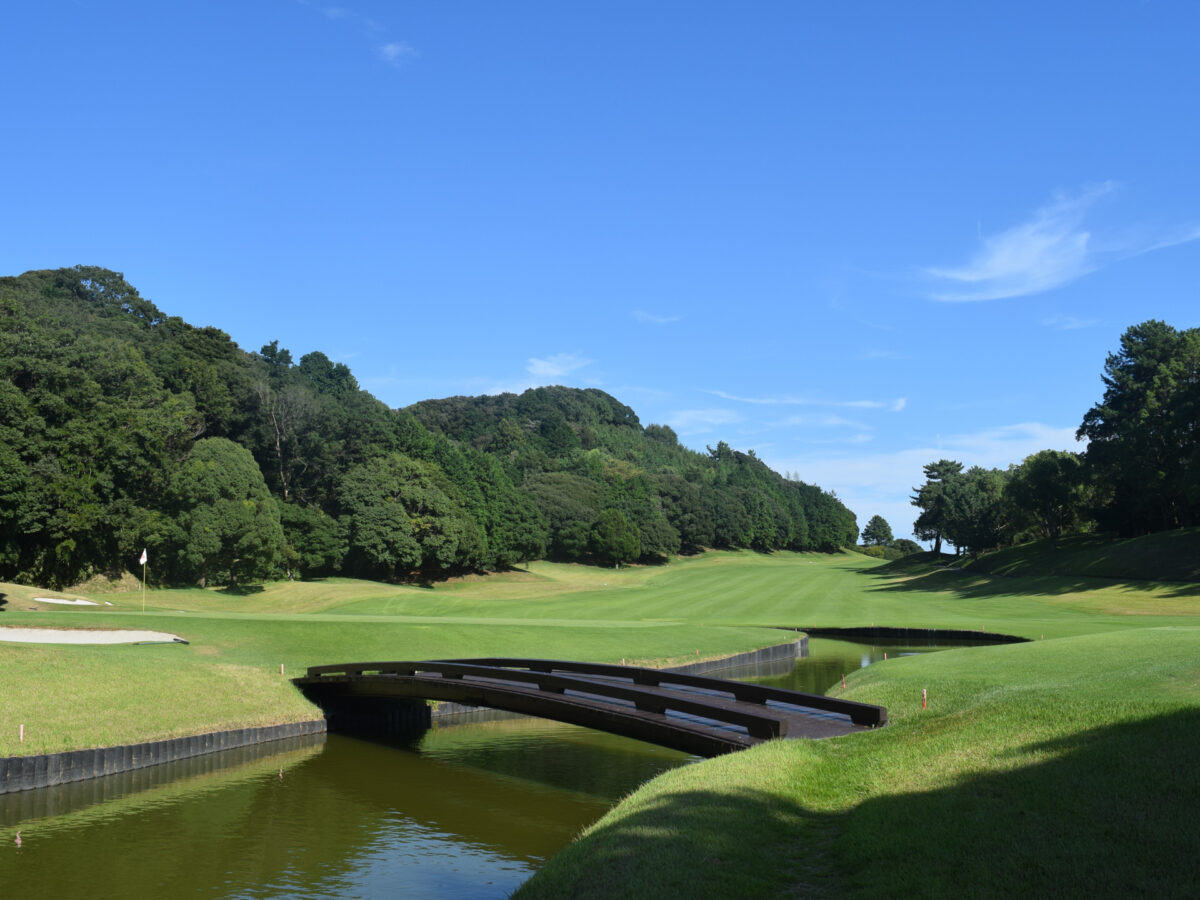
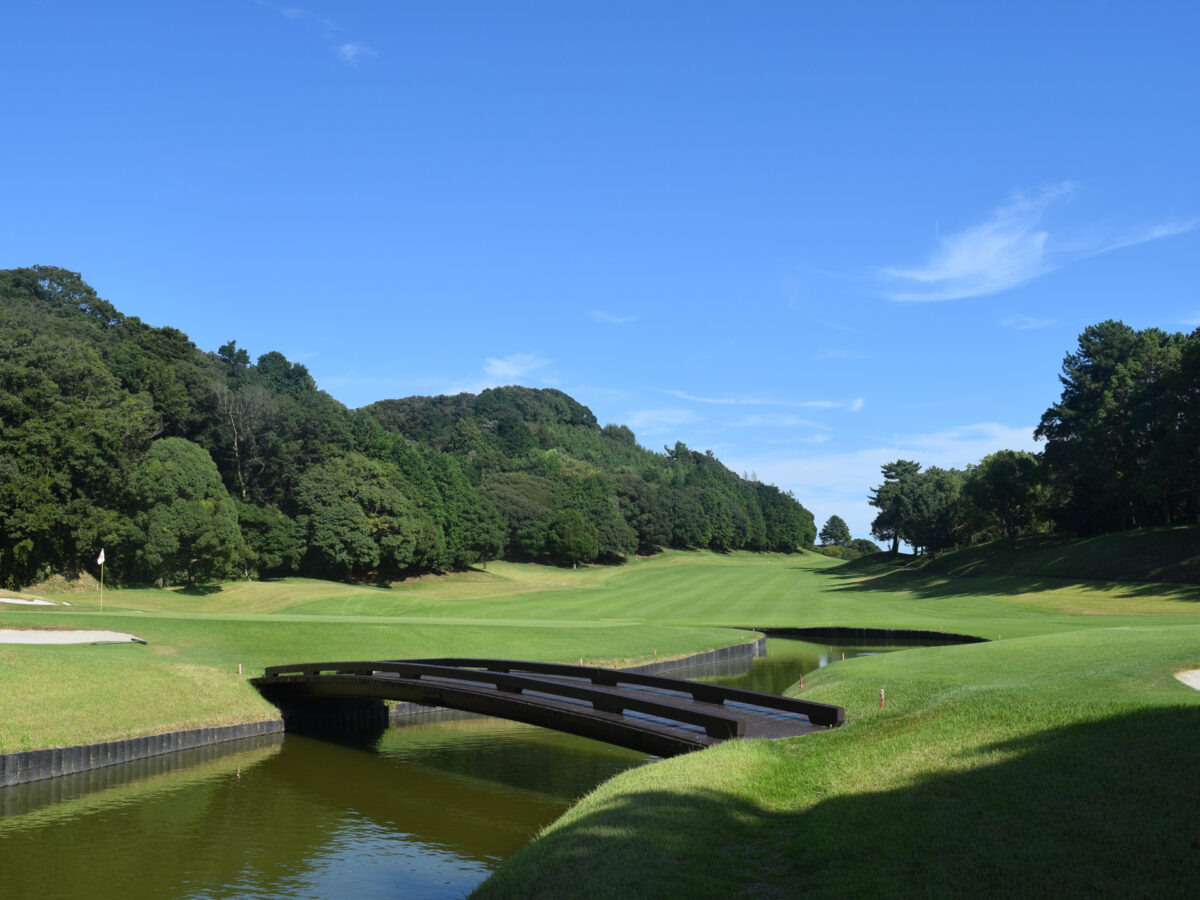
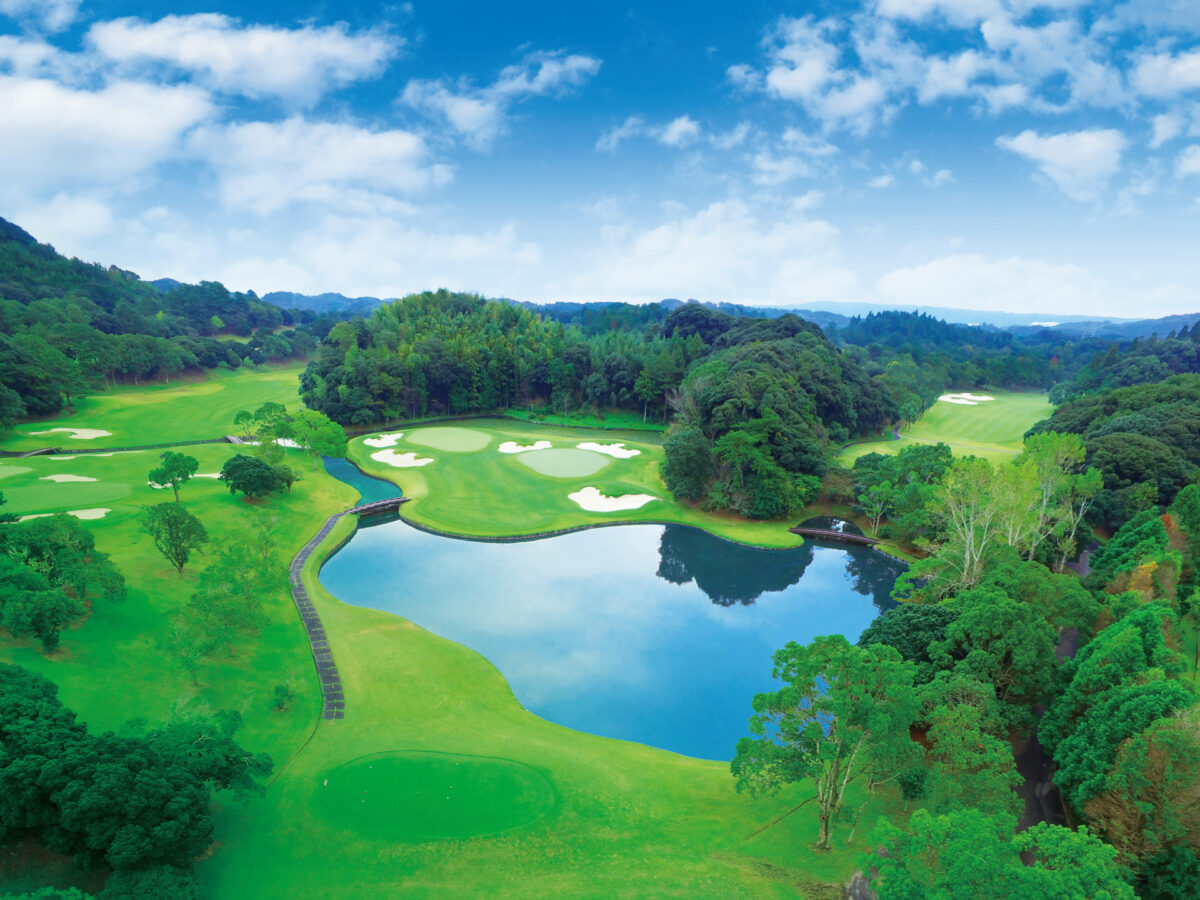
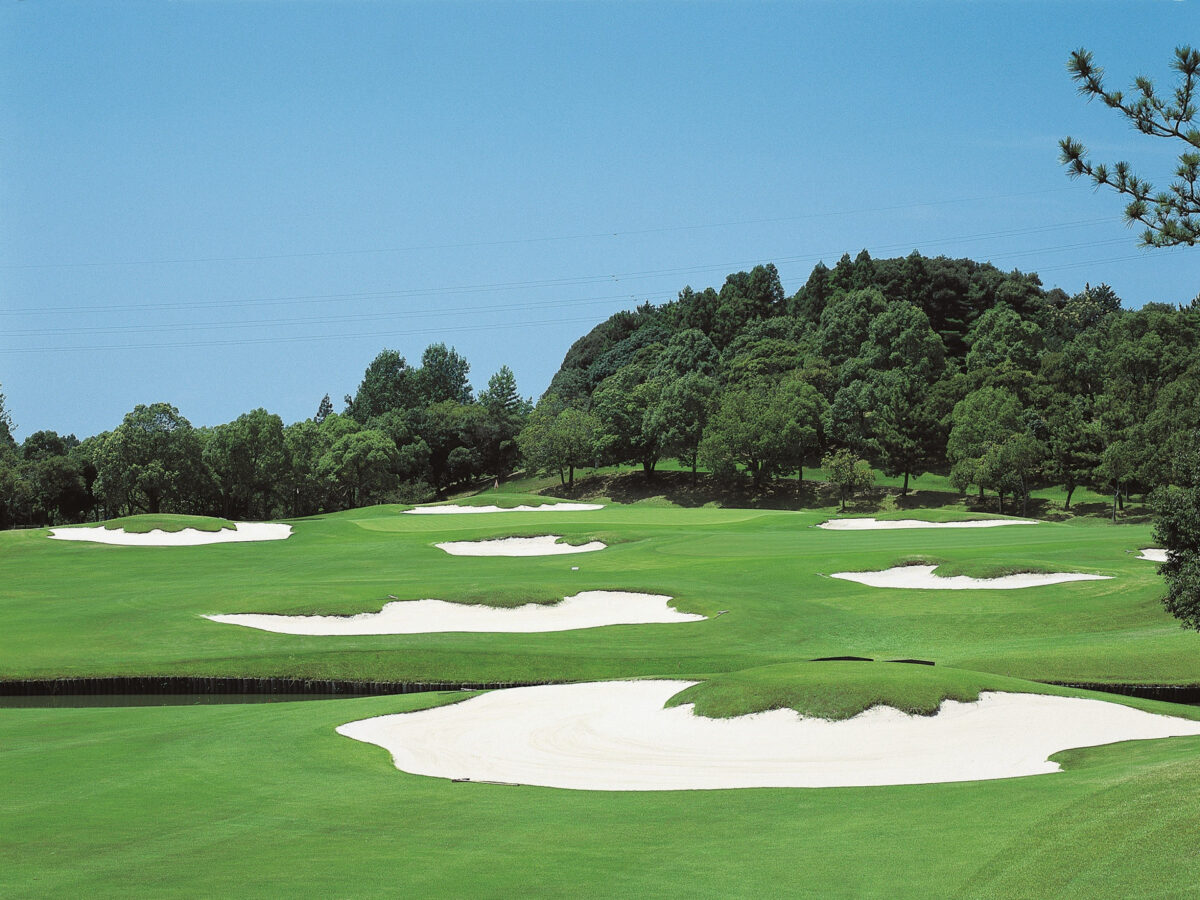
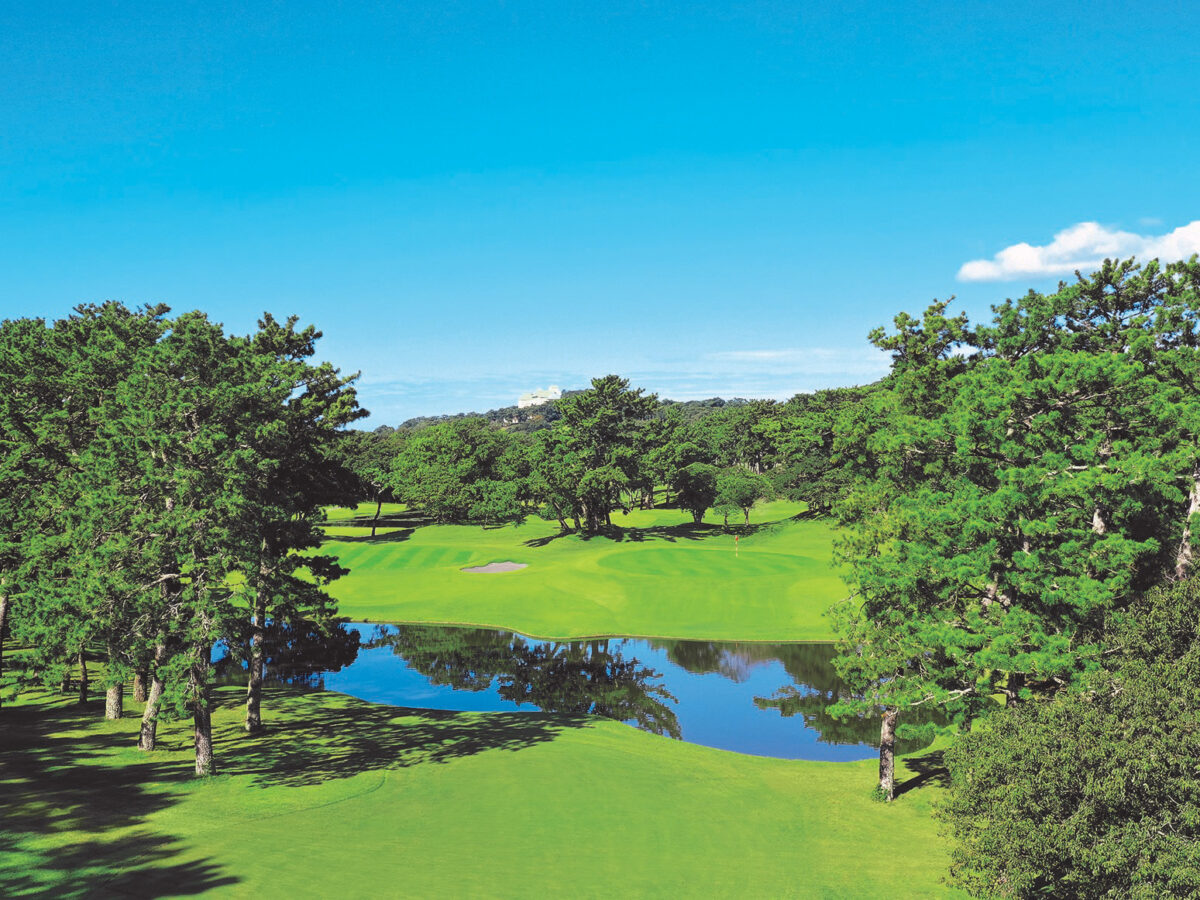
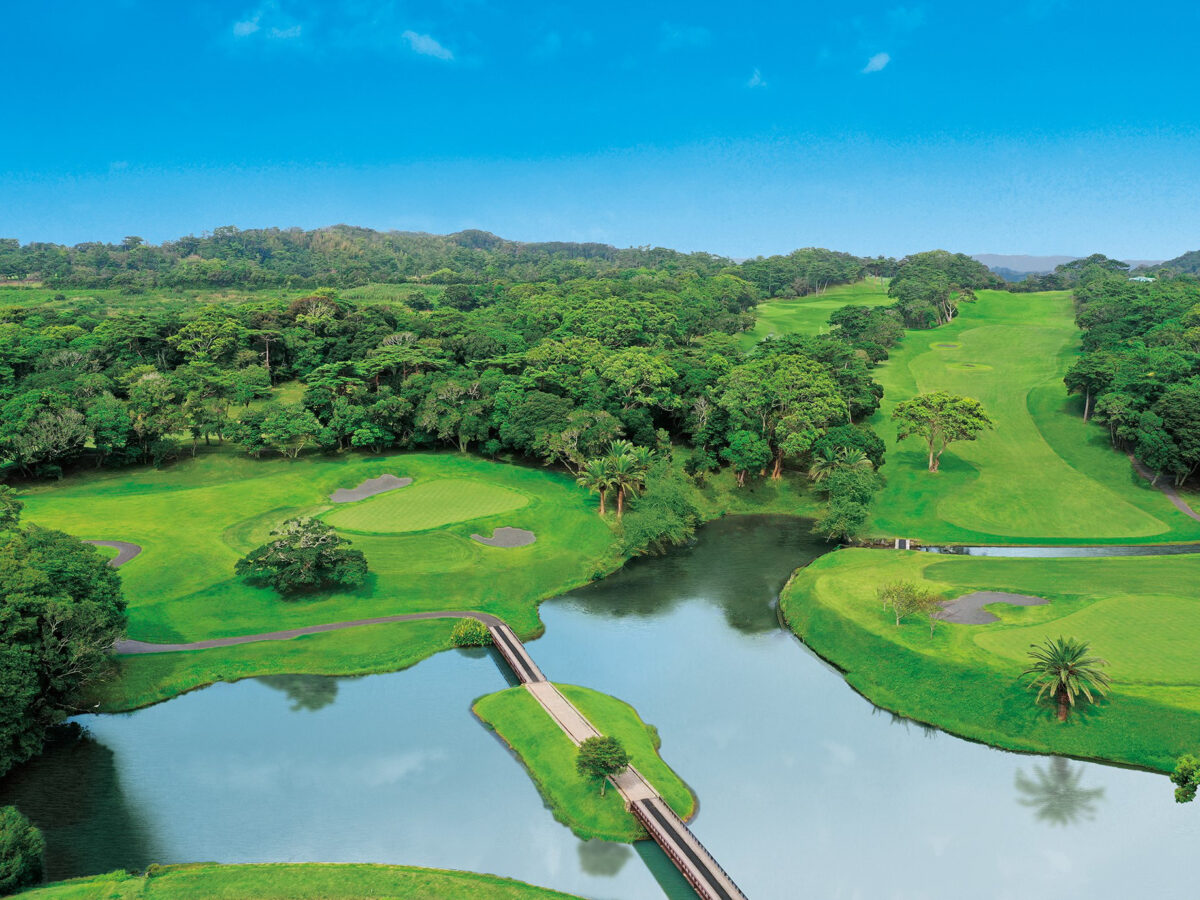
Katsuragi Golf course has 36 holes created by one of Japan’s top course designers, Seiichi Inoue. These are the highly strategic “Yamana Course”, and the “Ugari Course” that spreads over gentle hills. Choose your course to suit your style.
Yamana Course: Surrounded by lush forest, this course not only offers fine views, but also the unique layout of ponds and bunkers challenges a golfer’s desire to conquer. It is also the venue for an annual ladies’ open tournament on the Ladies Professional Golfers’ Association of Japan, JLPGA, Tour.
Ugari Course: Ugari Course is a long hill course with well-balanced holes that demands accuracy.
Shizuoka Country Hamaoka Courses
Omaezaki city, Shizuoka
Takamatsu Course
Holes: 18 | Par: 72 | Length: 6,590 y | Course Rate: – | Type: Private
Course Designer: Rees Jones
Ogasa Course
Holes: 18 | Par: 72 | Length: 6,621 y | Course Rate: – | Type: Private
Course Designer: Rees Jones

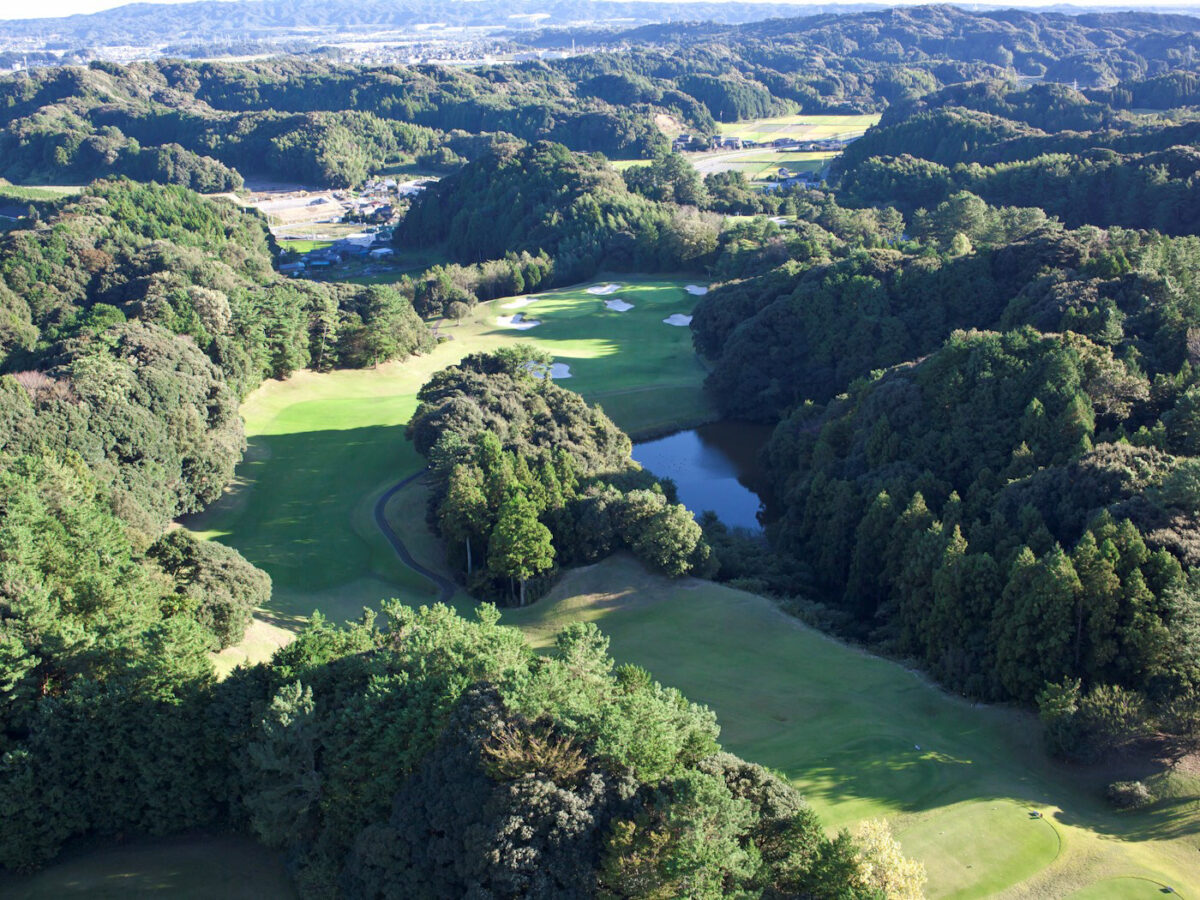
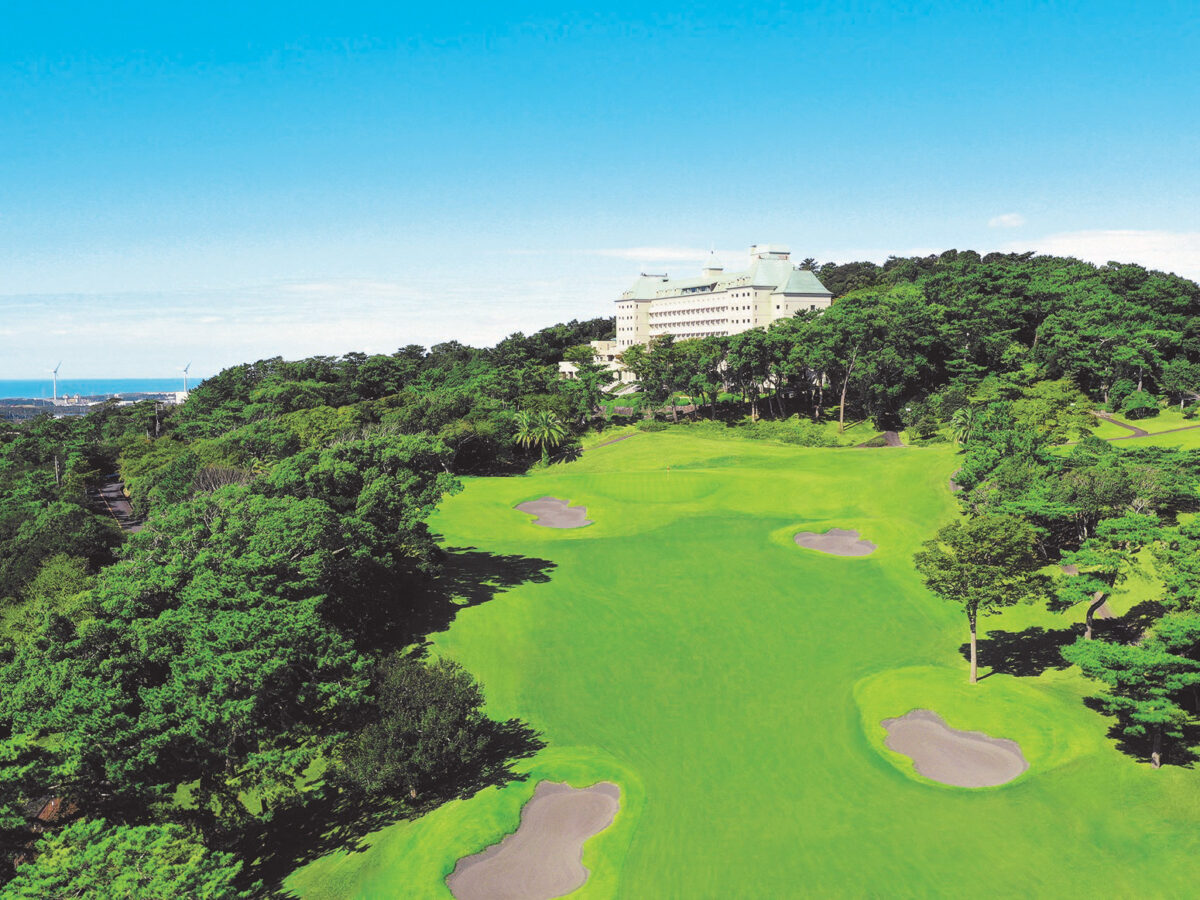
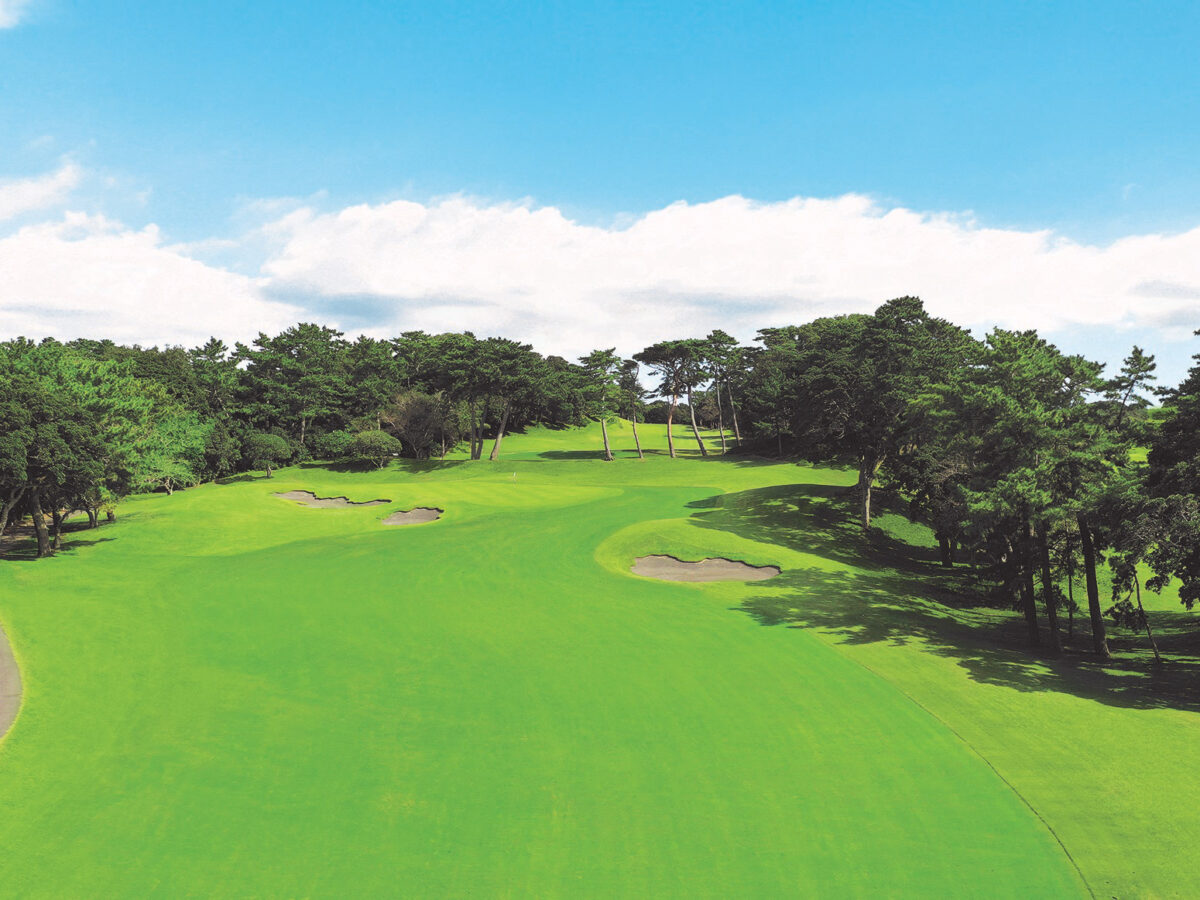
At Shizuoka Country Hamaoka Courses, you can enjoy two diverse courses that are rich in strategy, while admiring the beautiful scenery overlooking the Pacific Ocean. Both Takamatsu Course and Ogasa Course were completely renovated in 2020 by world-famous Rees Jones, who has worked on numerous courses that have hosted the US Open and PGA Tour. The Hamaoka courses are well known all over the country for having hosted the Professional Golfers’ Association of Japan tour.
ACCOMMODATION
Katsuragi Hotel Kitanomaru
Fukuroi city, Shizuoka

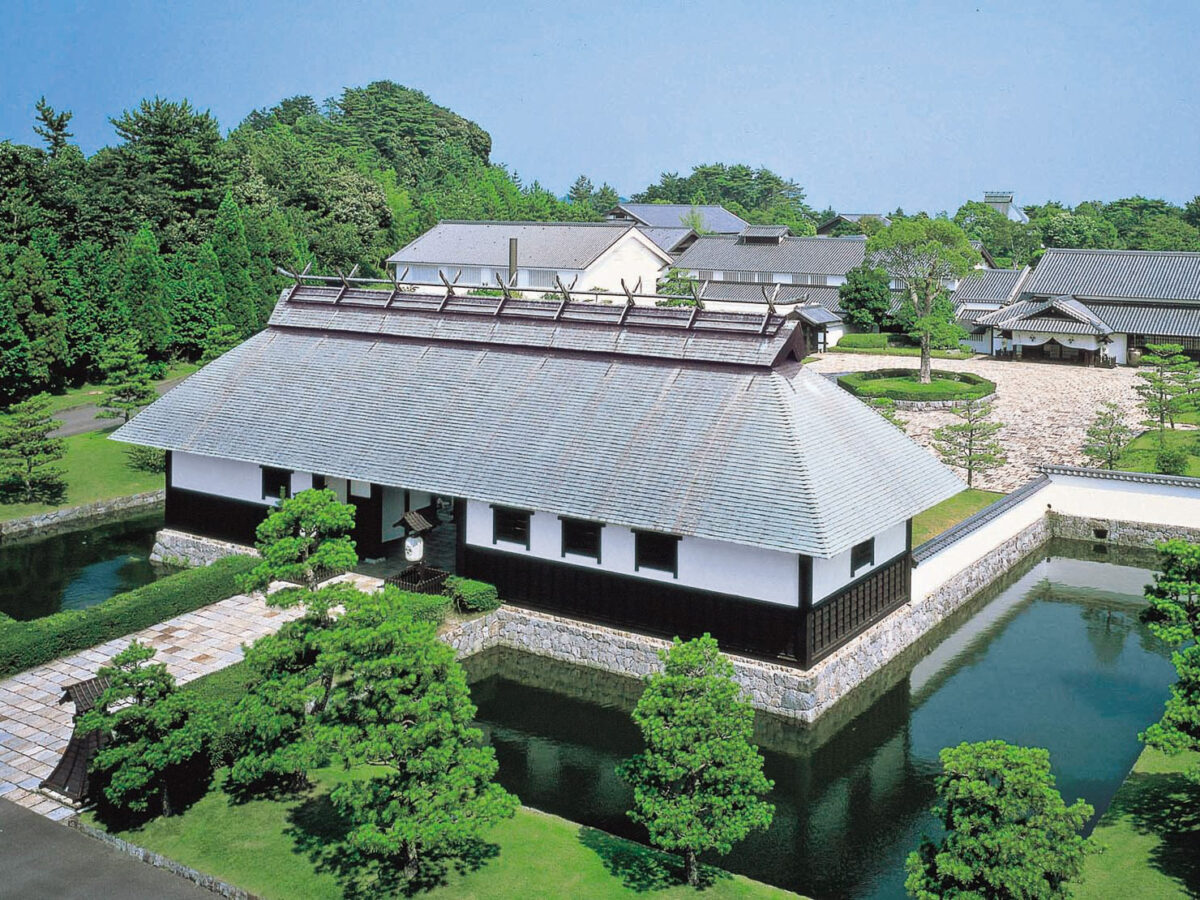
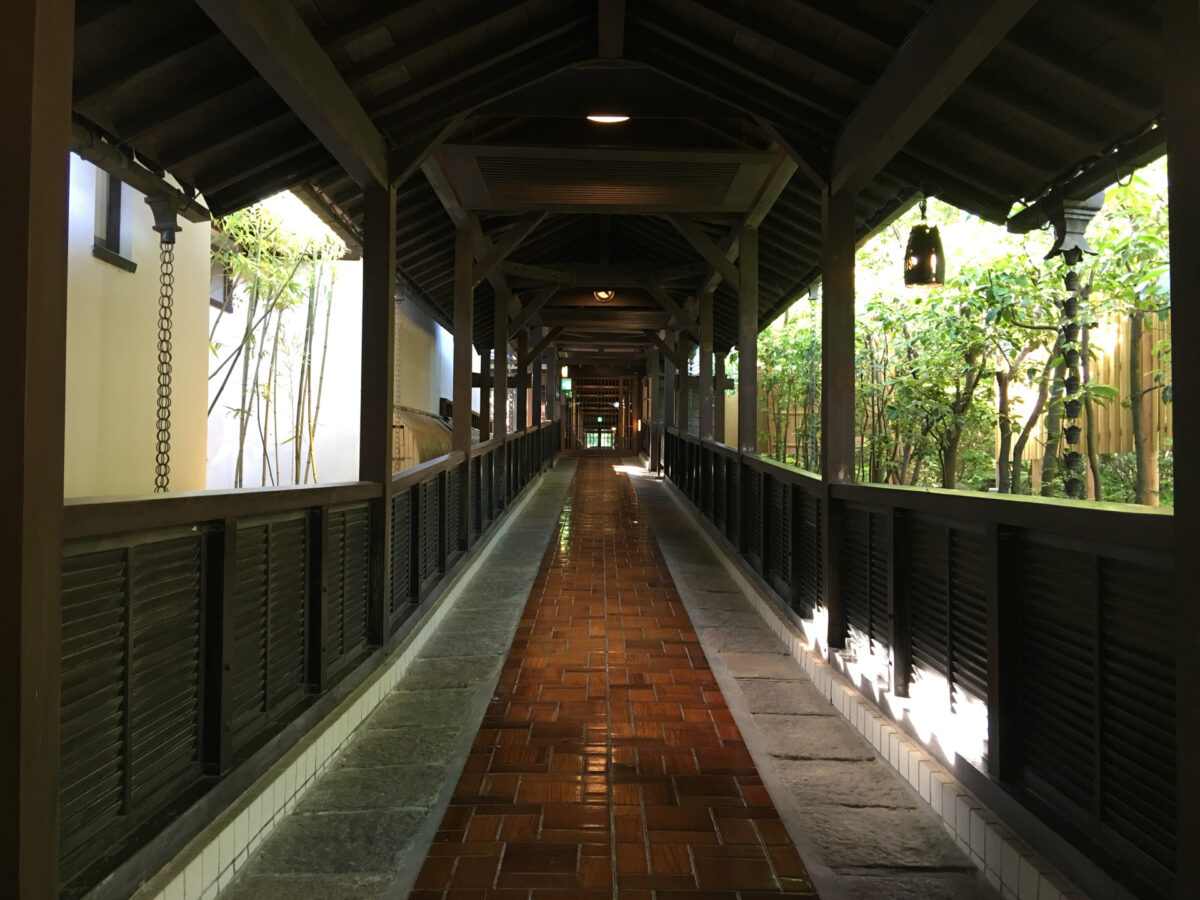
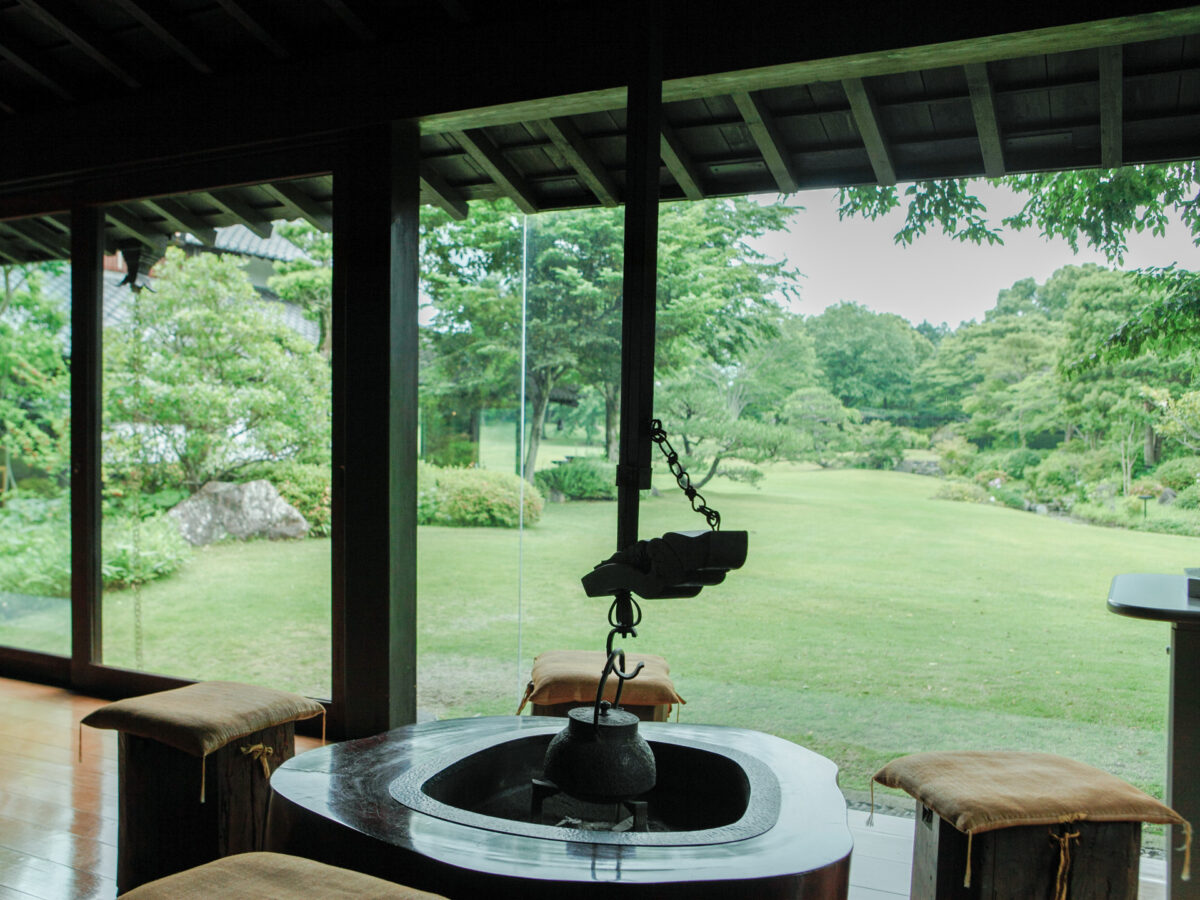
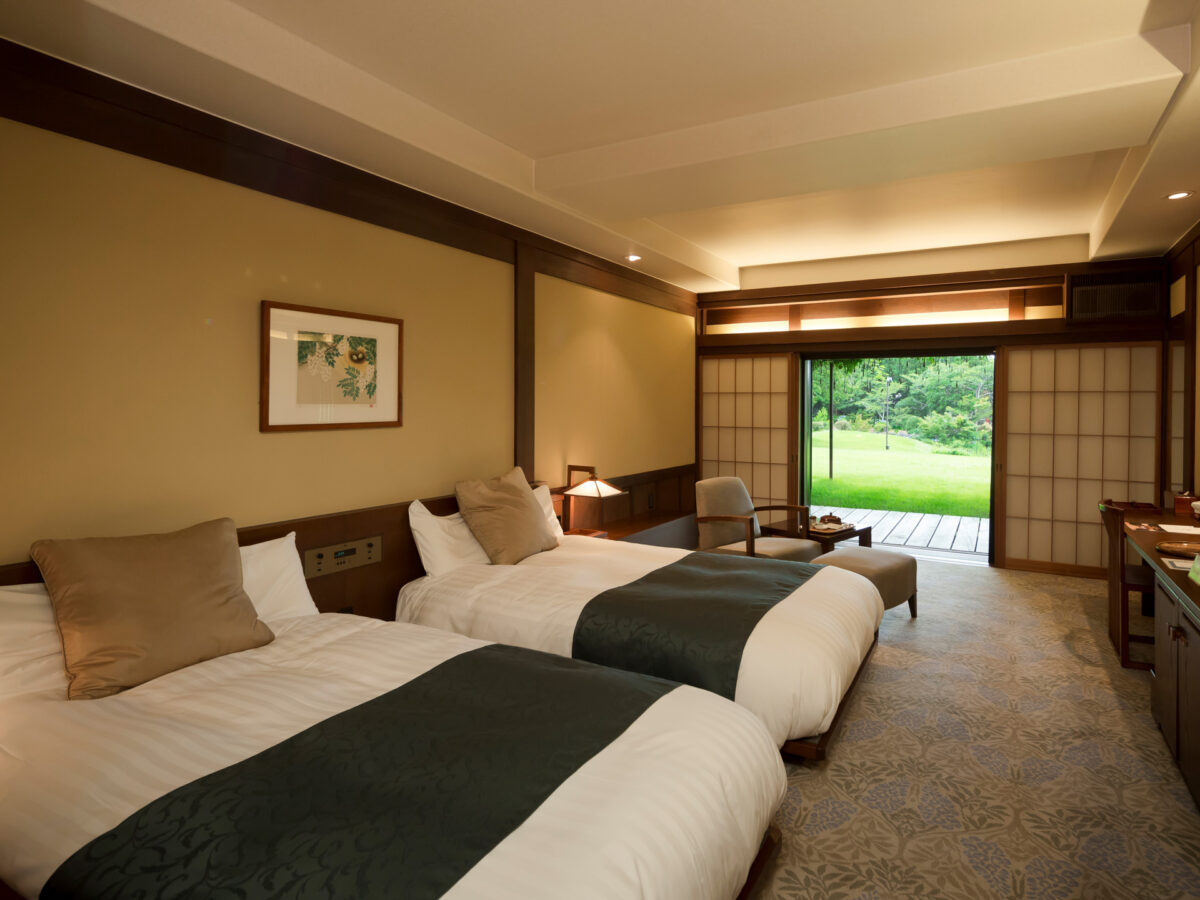
”Katsuragi Hotel Kitanomaru” is an extraordinary modern-day Japanese castle created and developed by the Yamaha Group. The finest of Japan is expressed with luxurious space and traditional beauty through master craftmanship relocation of a historic mansion. With attention to every detail, the mansion has been transformed into luxury accommodation that combines Japanese traditional aesthetic ideals with modern conveniences. Relax and unleash your mind and body at Katsuragi Hotel Kitanomaru, where sensitivity that Yamaha has cultivated through sound and music dwells. Enjoy how nature changes with the seasons.
Shizuoka Country Hamaoka Course & Hotel
Omaezaki city, Shizuoka
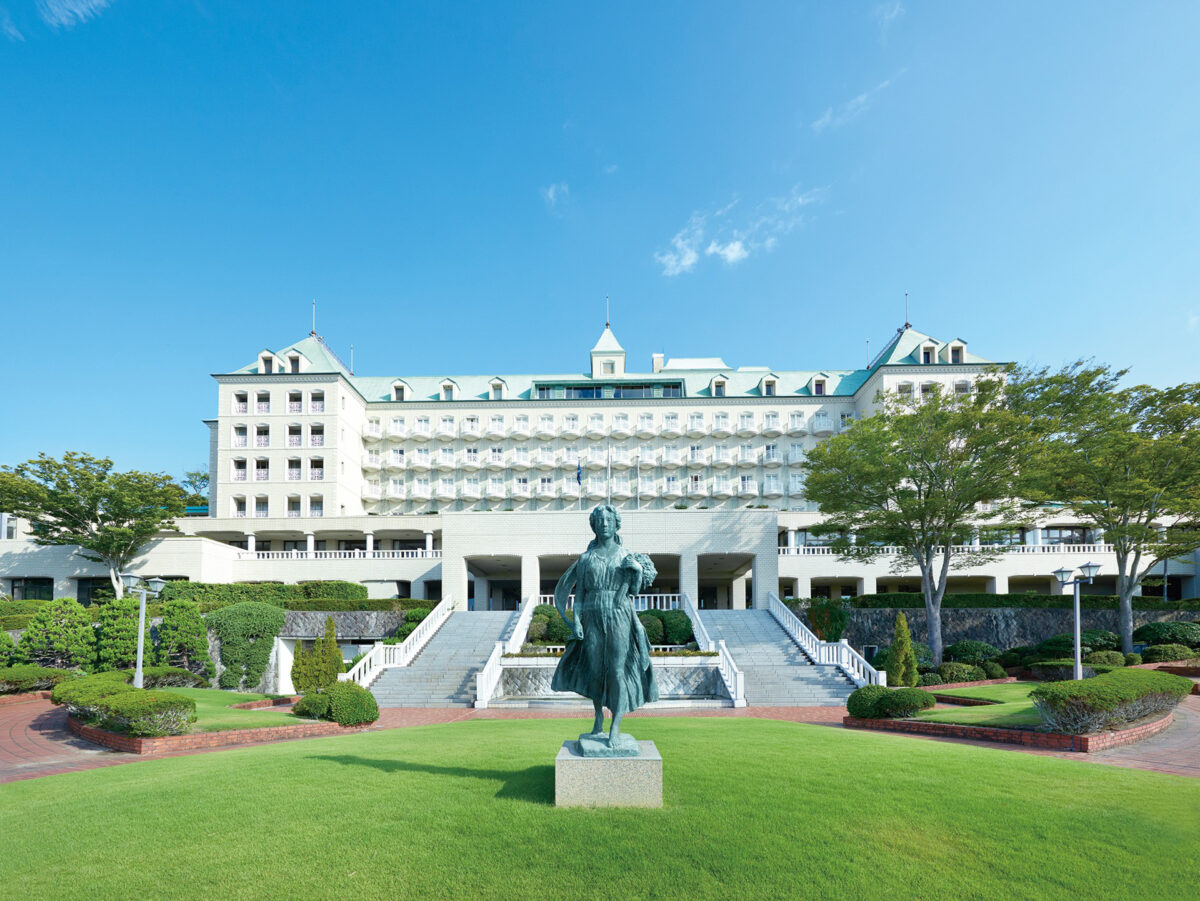
Shizuoka Country Hamaoka Course & Hotel is a white-walled hotel located on a gentle hill above the Pacific Ocean. While enjoying this magnificent scenery, relax on the classical furniture in a spacious high-quality atmosphere.
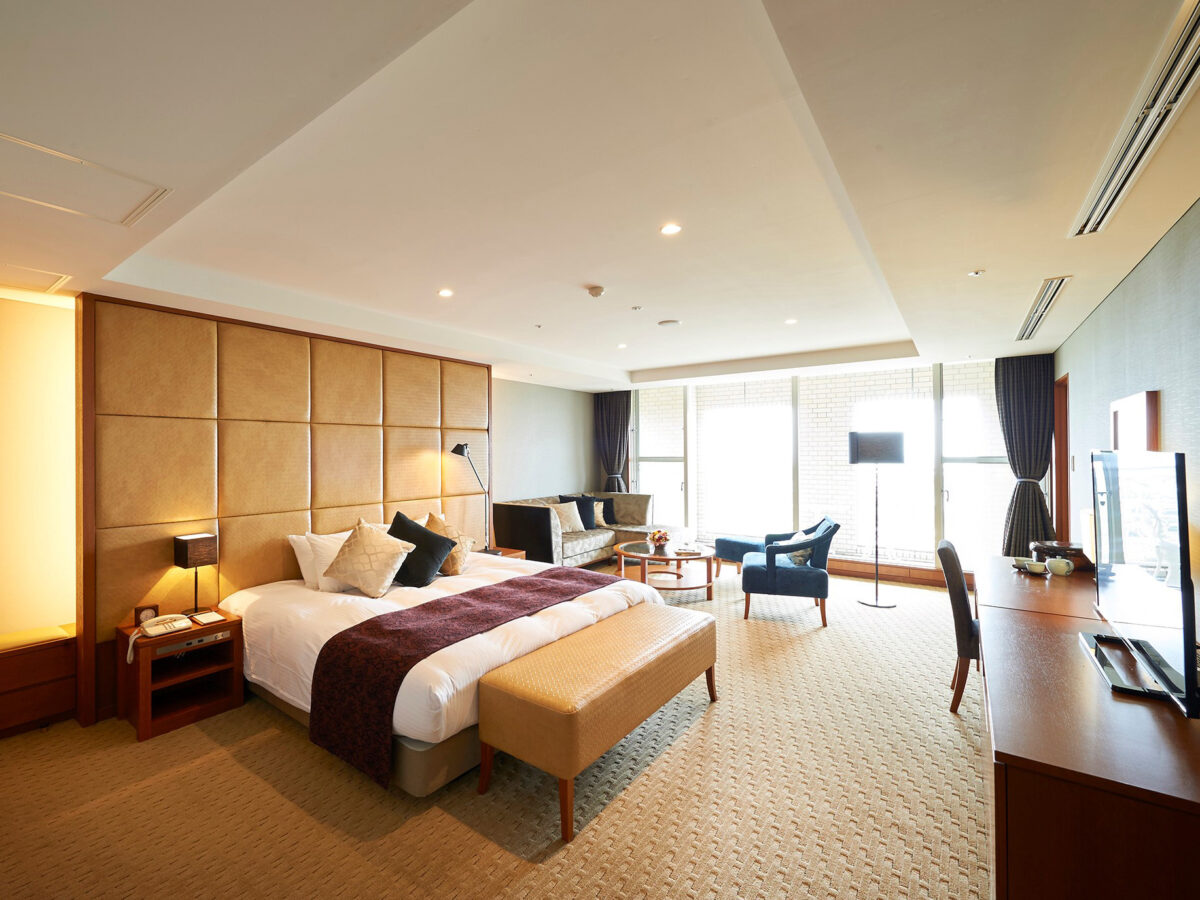
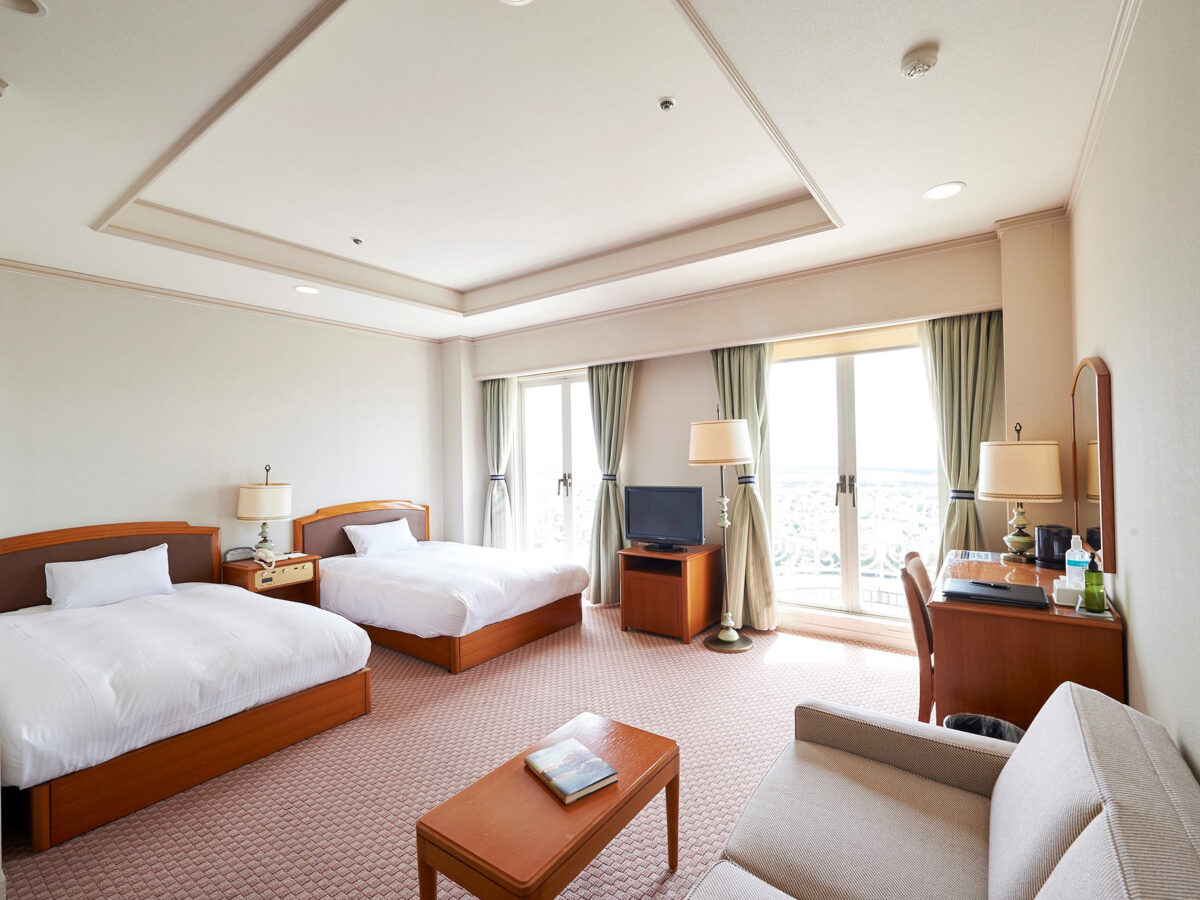
The hotel is adjacent to a golf course and features a heliport, a museum, and a sauna facility. There are many types of rooms, including Suite, Deluxe, Japanese tatami room and Single room. They have ocean view side room and golf course side room, and guests can change into their golf shoes and access the course directly from their rooms. Relax and soothe away the tiredness of your round in the authentic Finnish sauna overlooking the Pacific.