Home Blog Page 3

Tokaido Highway – Hamamatsu Juku

0

HAMAMATSU JUKU

Highlights of the Area: GOSHA SHRINE/SUWA SHRINE, HAMAMATSU CASTLE & PARK, JAPANESE TEA ROOM & YAMAHA INNOVATION ROAD

INTRODUCTION
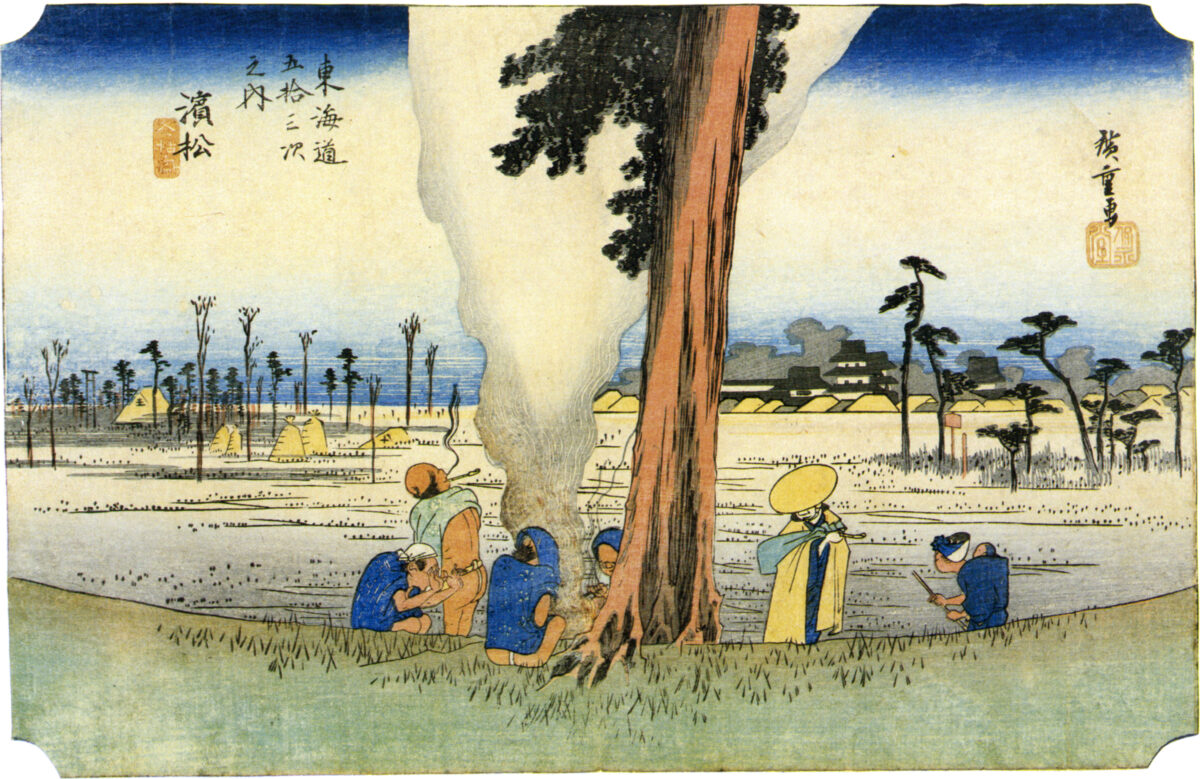
Hamamatsu depicted in Utagawa Hiroshige’s “Fifty-three Stations on the Tokaido” 

The Old Tokaido Highway became firmly established in the early 17th century as the main thoroughfare for travelers between the new capital of Edo (Tokyo) and Kyoto.

The 29th Post Town of Hamamatsu was the largest of the Post Stations in Shizuoka and remains the biggest city in the prefecture.

Famous Shogun Tokugawa Ieyasu lived in Hamamatsu for 17 years of his life just before he unified the country under his rule and established the Tokugawa regime that continued for about 260 years.

Hamamatsu was also the birthplace of Ieyasu’s son Tokugawa Hidetada who would go on to succeed his father and become the 2nd Shogun of the Tokugawa regime.

Hamamatsu City today – like many of the bigger cities on the Old Tokaido Highway – does not have many remnants from the time but there is still enough to justify stopping at Hamamatsu Station as you travel along the modern Tokaido Bullet Train line.

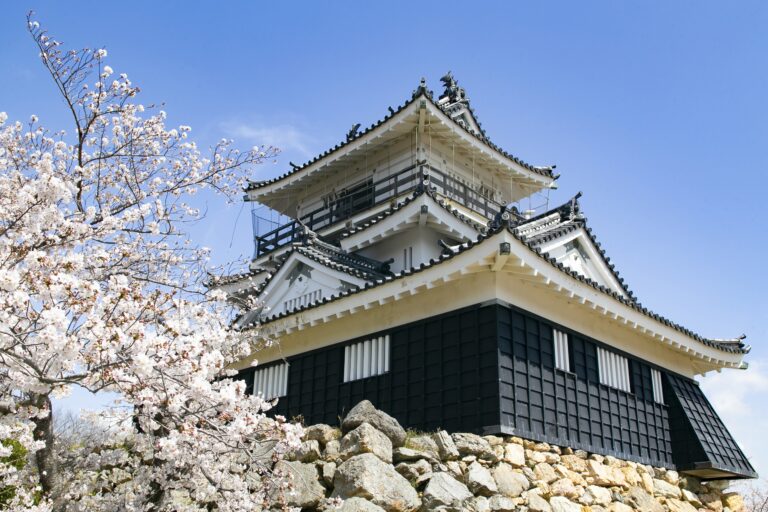
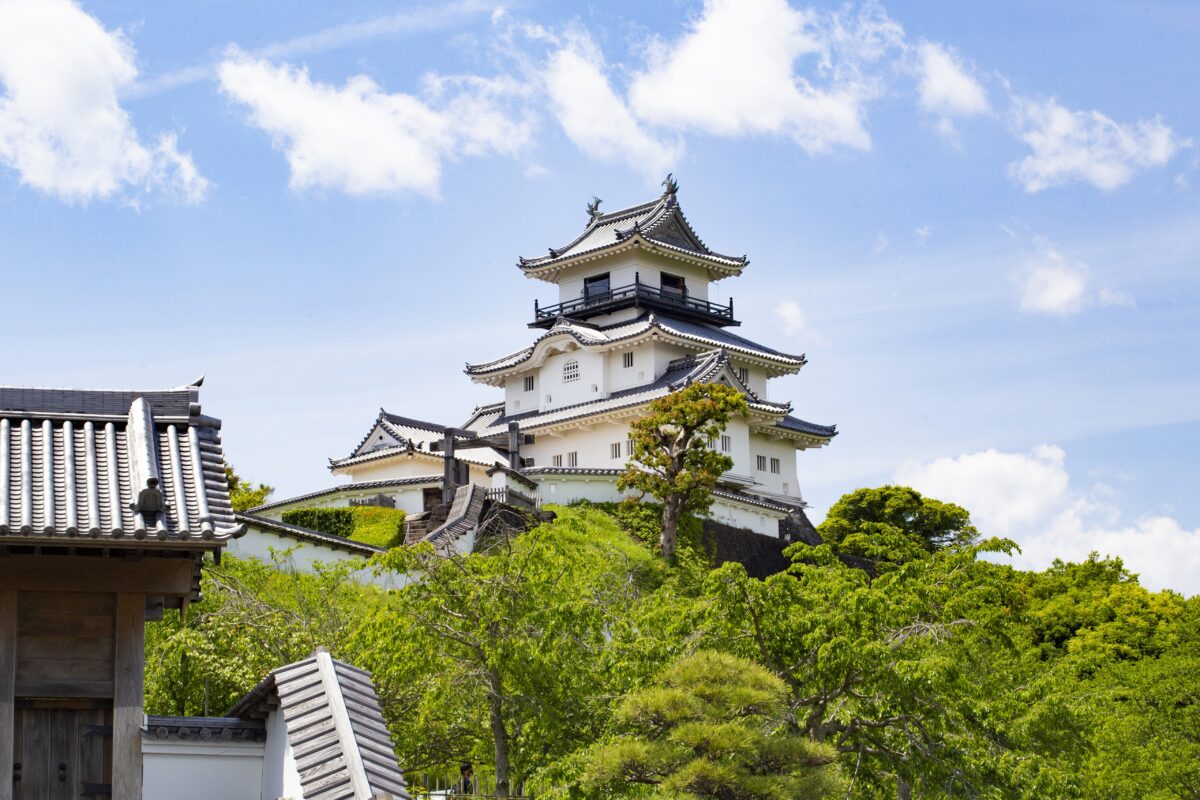
For visitors interested in the Old Tokaido Highway the highlight of Hamamatsu City is undoubtedly Hamamatsu Castle.

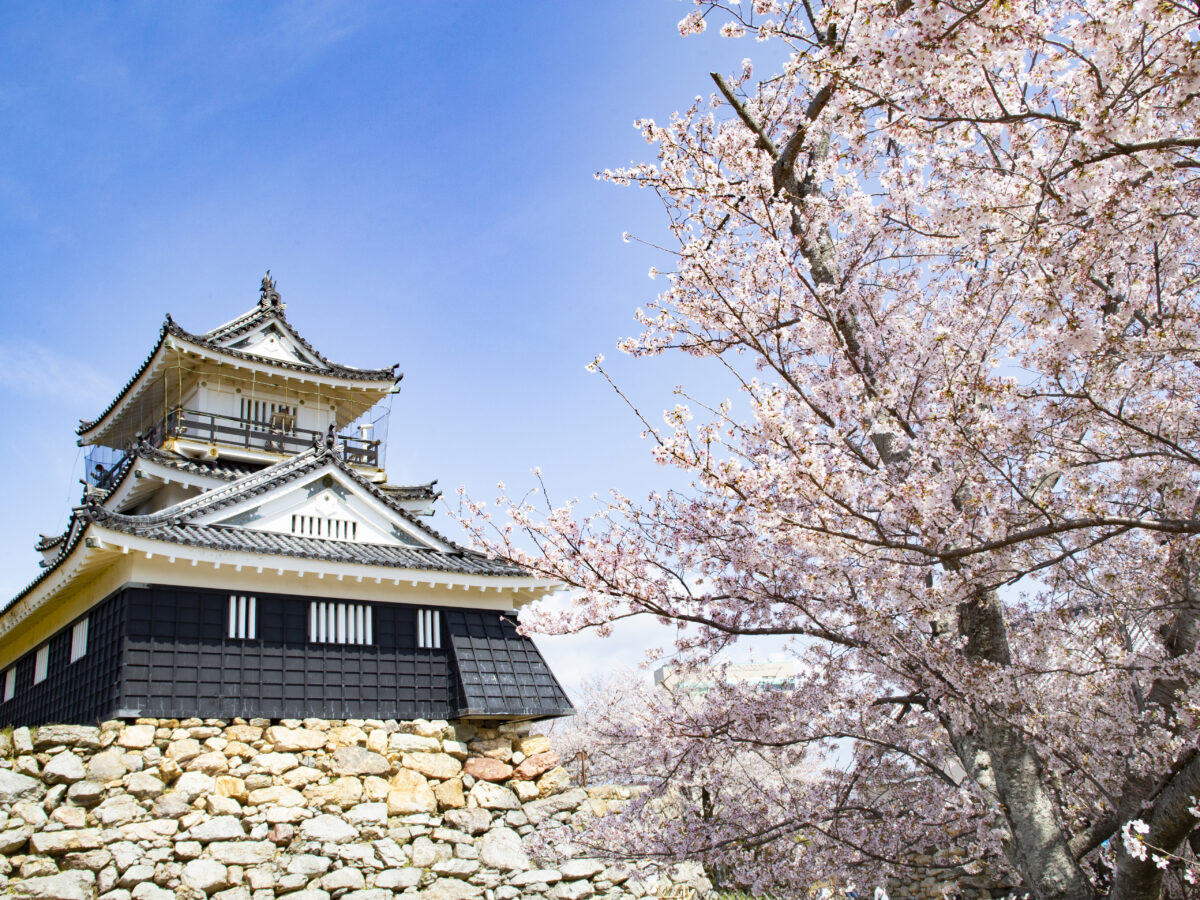
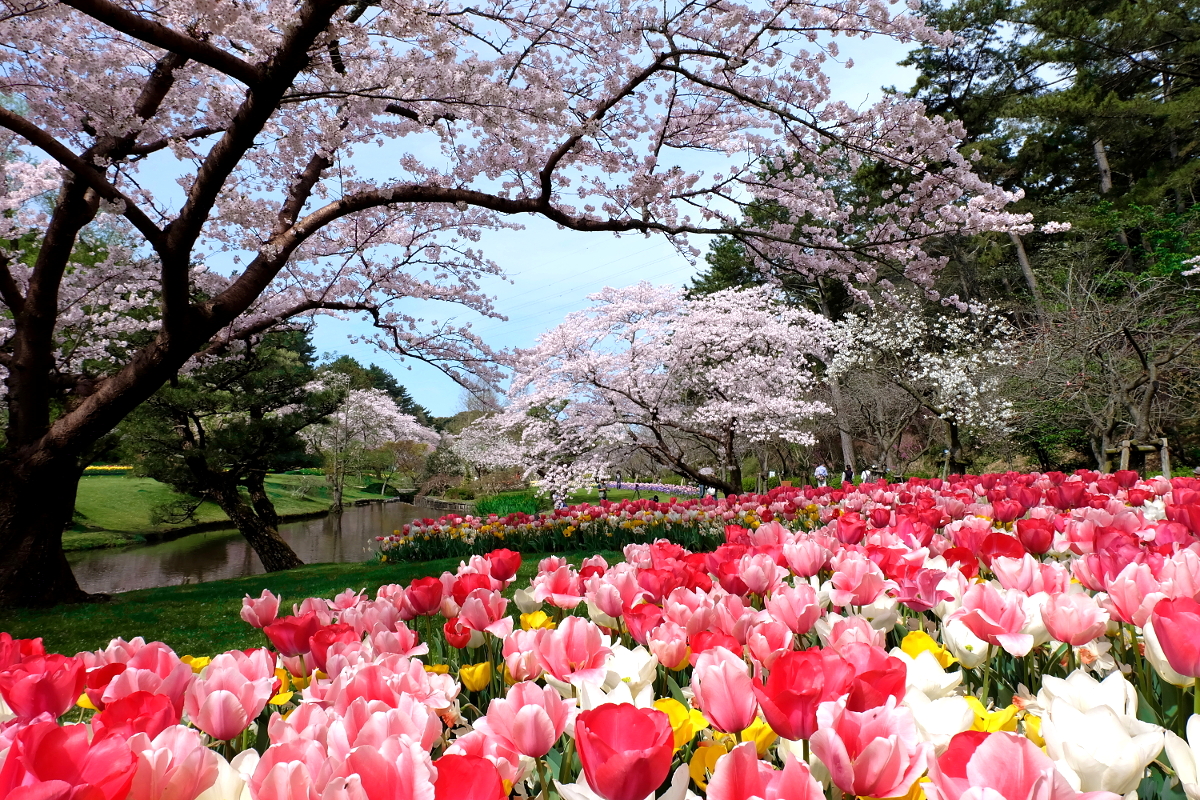
Hamamatsu Castle and cherry blossoms.

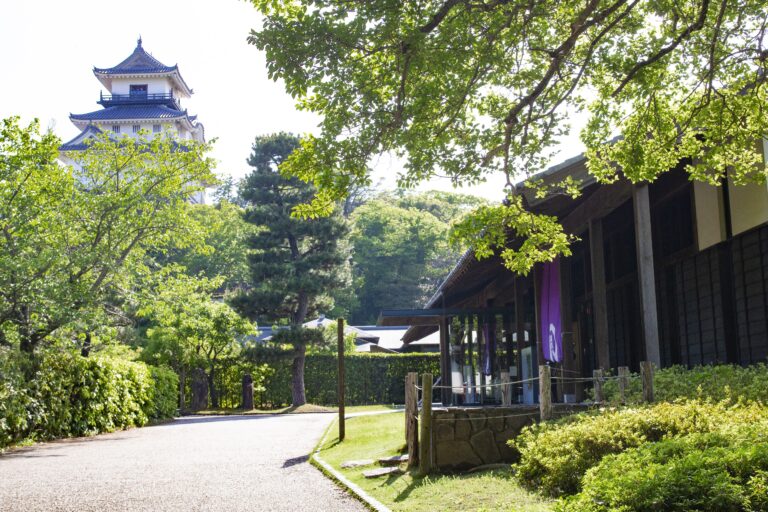
The castle and its surrounding gardens are within walking distance of Hamamatsu Station and can be easily enjoyed by visitors that only have a couple of hours to spare.

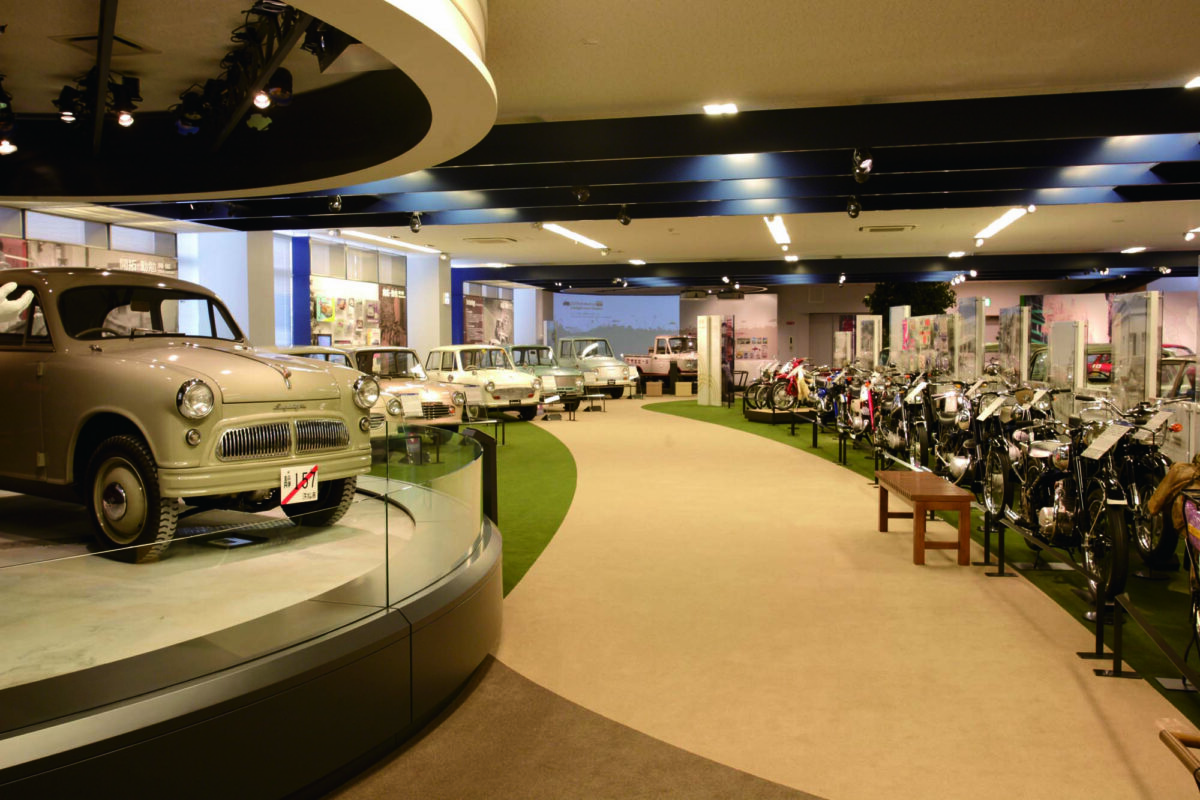
For visitors with more time other attractions close to the station including the Yamaha Innovation Road and Suzuki Plaza are well worth a visit and there are plenty of reasons to stretch out your stay in Hamamatsu City. (Both facilities require reservations.)

SUGGESTED ITINERARY

HALF-DAY ITINERARY

Hamamatsu is an easy city to cycle around with large roads, ample footpaths, and a fairly straightforward layout to ensure you can never get to lost.

From Hamamatsu Station you can quickly meet up with part of the Old Tokaido Highway and visit ruins of old accommodation Honjin and Gosha Shrine/Suwa Shrine.

Both shrines were revered as guardian shrines protecting the place where Tokugawa Ieyasu’s son, Hidetada, was born. Today, it is a popular place for new parents to receive blessings for their own children.

Hamamatsu Castle today is one part of the Hamamatsu Castle Park which also includes a Japanese Garden, tea room, and Museum of Art – the park is particularly lively during the cherry blossom season of late March to early April.

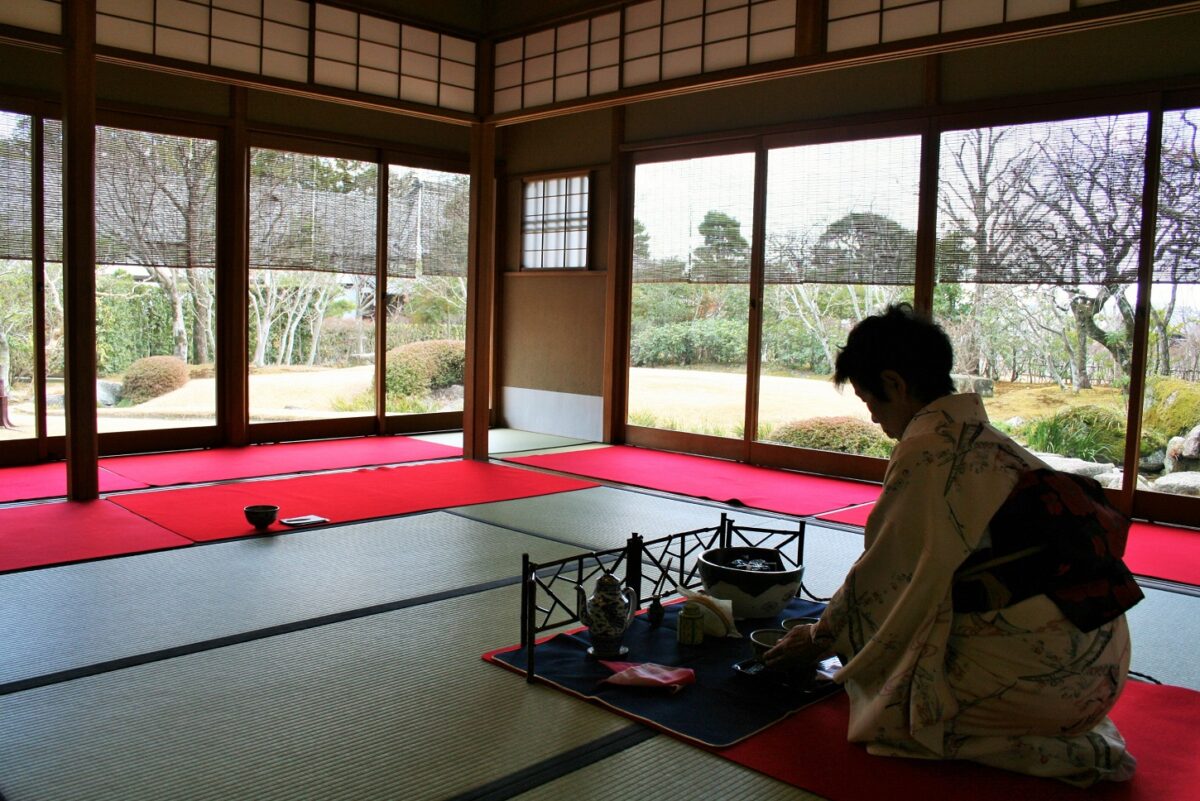
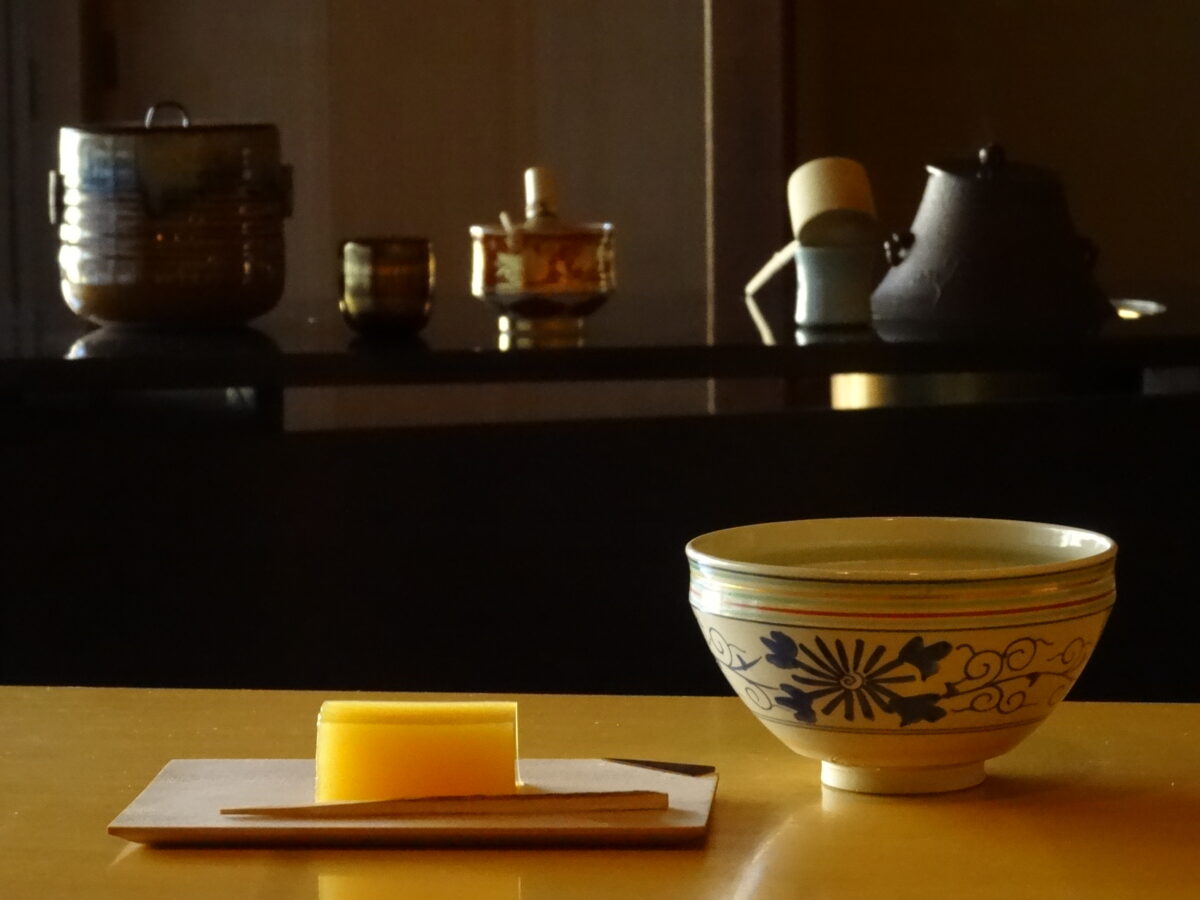
Close to the park, there is a beautifully designed Starbucks for visitors that need a coffee fix but if Japanese green tea and gardens are more your style be sure to visit the Teahouse Shointei in the park to find some Zen.
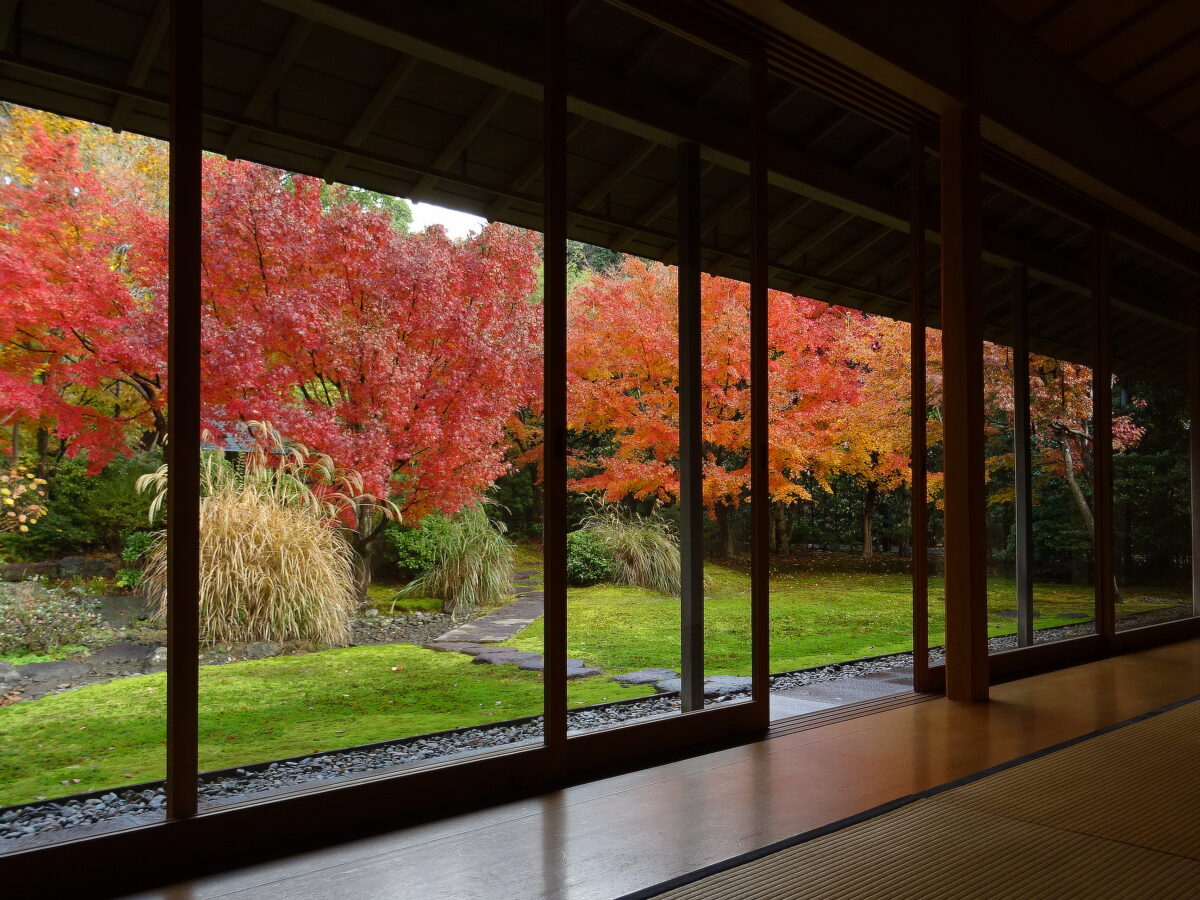
The autumn view from Teahouse Shointei.
Tea experience at the teahouse.

After a couple of hours exploring the Castle Park jump on the bicycle and cycle 10 minutes to the Yamaha Innovation Road (reservation necessary).

Yamaha is one of many successful companies that have strong roots in Hamamatsu (a list that also includes Suzuki, Honda, Kawai, and Roland) and Yamaha Innovation Road is a testament to nearly 140 years of the company’s innovation and technological development since its inception in 1887.
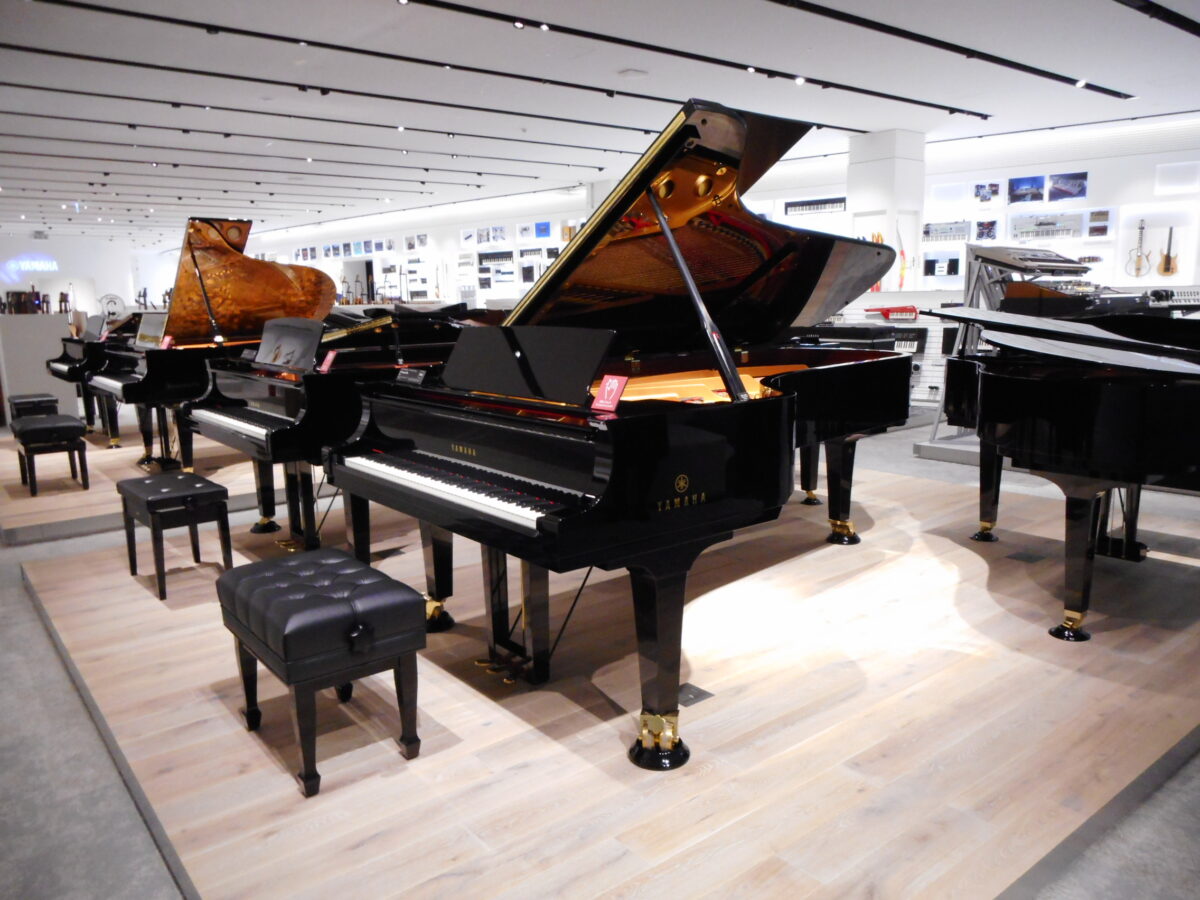
Yamaha Innovation Road

From Yamaha, it is a 10-minute cycle back to the station and a stop at one of the many gyoza restaurants in the area before continuing along the Tokaido to the next stop.

MORE INFORMATION

For more information on Tokaido related attractions in English check www.shizuoka-tokaido.biz

Hamamatsu & Lake Hamana Tourism Bureau 

More Travel ideas in Hamamatsu City
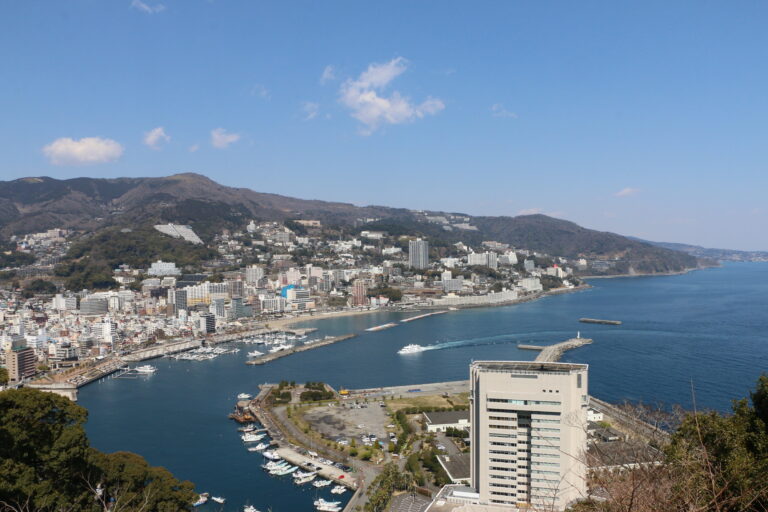
Atami – Hot Spring Getaway

0

A HOT SPRING RESORT TOWN BY THE SEA, EASILY ACCESSIBLE FROM TOKYO

The seaside hot spring resort town of Atami is just 45 minutes from Tokyo Station by Shinkansen bullet train. Atami has been a popular getaway for centuries as one of the best hot spring resort towns in Japan.

Atami boasts a large number of hot spring sources and abundant water supply. The onsen (hot spring) was loved by Shogun Tokugawa Ieyasu in 17th century. Today, it continues to be loved by many people.

If you are looking for a convenient seaside Japanese hot spring experience out of the big city, Atami provides you with everything you should expect in terms of Japanese hot spring experience and more.

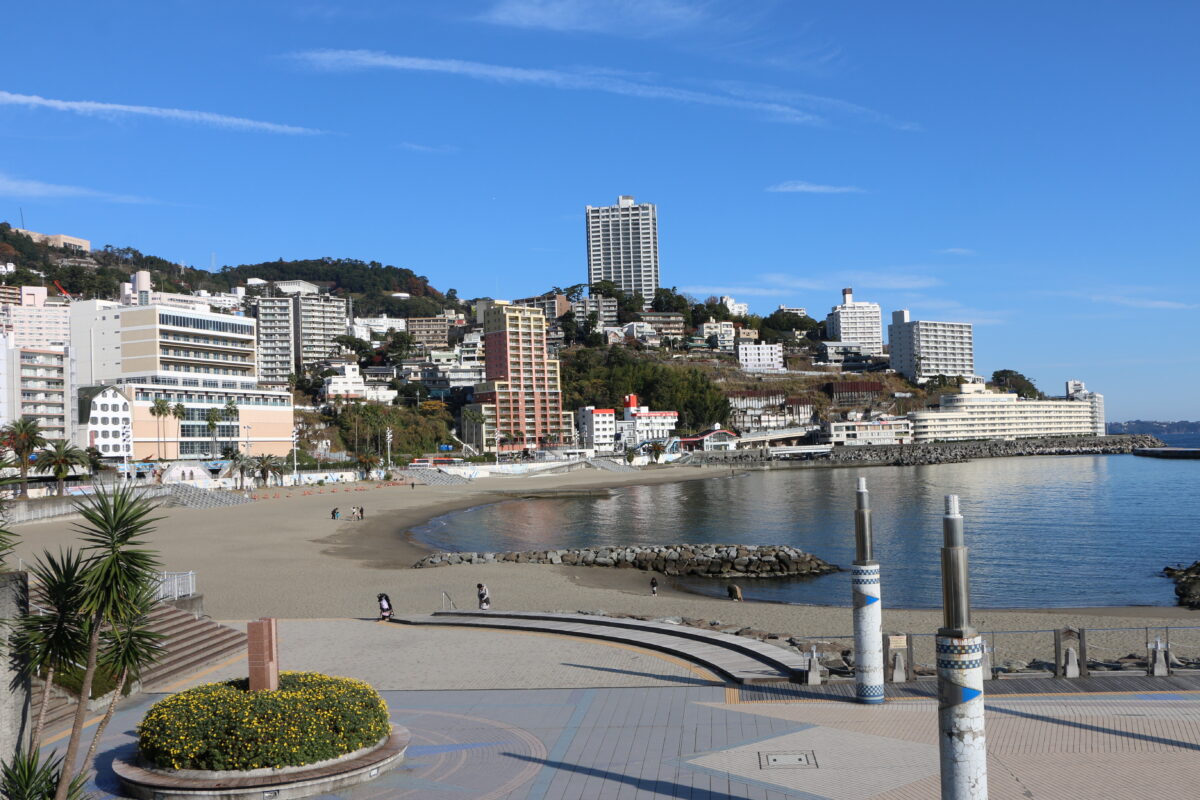
Atami Sun Beach

SOAK IN ONSEN AND REJUVENATE YOURSELF

Atami Onsen
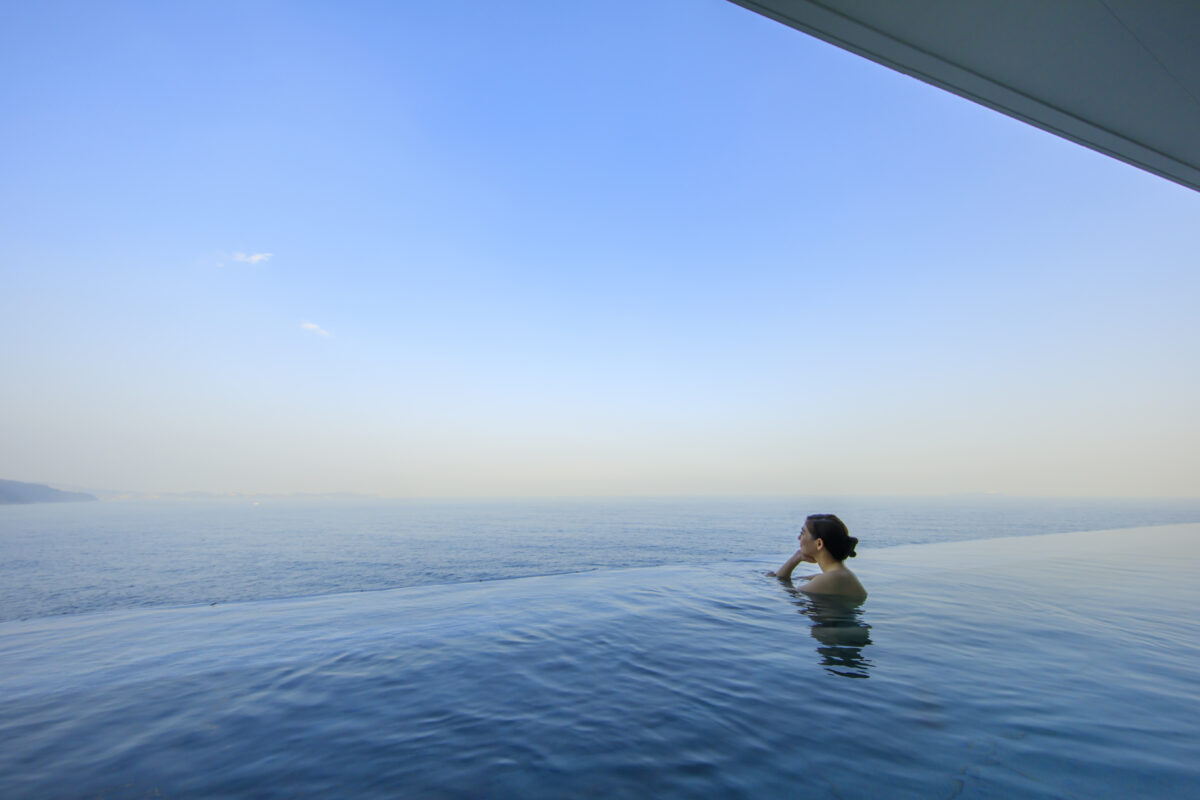
Take in the ocean view soaking in Atami onsen hot spring.

It is said that Atami Onsen became famous in Japan when Shogun Tokugawa Ieyasu came to the town in the early 17th century and was so impressed with the healing powers of the water. His successors also loved Atami Onsen so much that they took the water back to the new capital of Edo (Tokyo).

Atami is still rich with the amount of hot spring water that flows out. Once operated as inns, many older hot spring hotels have wonderful atmosphere and bathing facilities that have warmed people of the city for a long time. There are even public baths and bathing facilities to be enjoyed just for a day, so come and enjoy yourself.

One of Japan’s leading onsen areas, it boasts an abundance of hot spring options, and a vast number of bathing facilities.

There is a foot spa outside of Atami Station dedicated to this great Shogun himself – Ieyasu no Yu – which is a great way to refresh after a day of traveling.

Immerse yourself into the local culture here, enjoy delicious fresh seafood during your stay and relax in the many onsens overlooking the ocean.

A JAPANESE FEAST FOR THE EYES

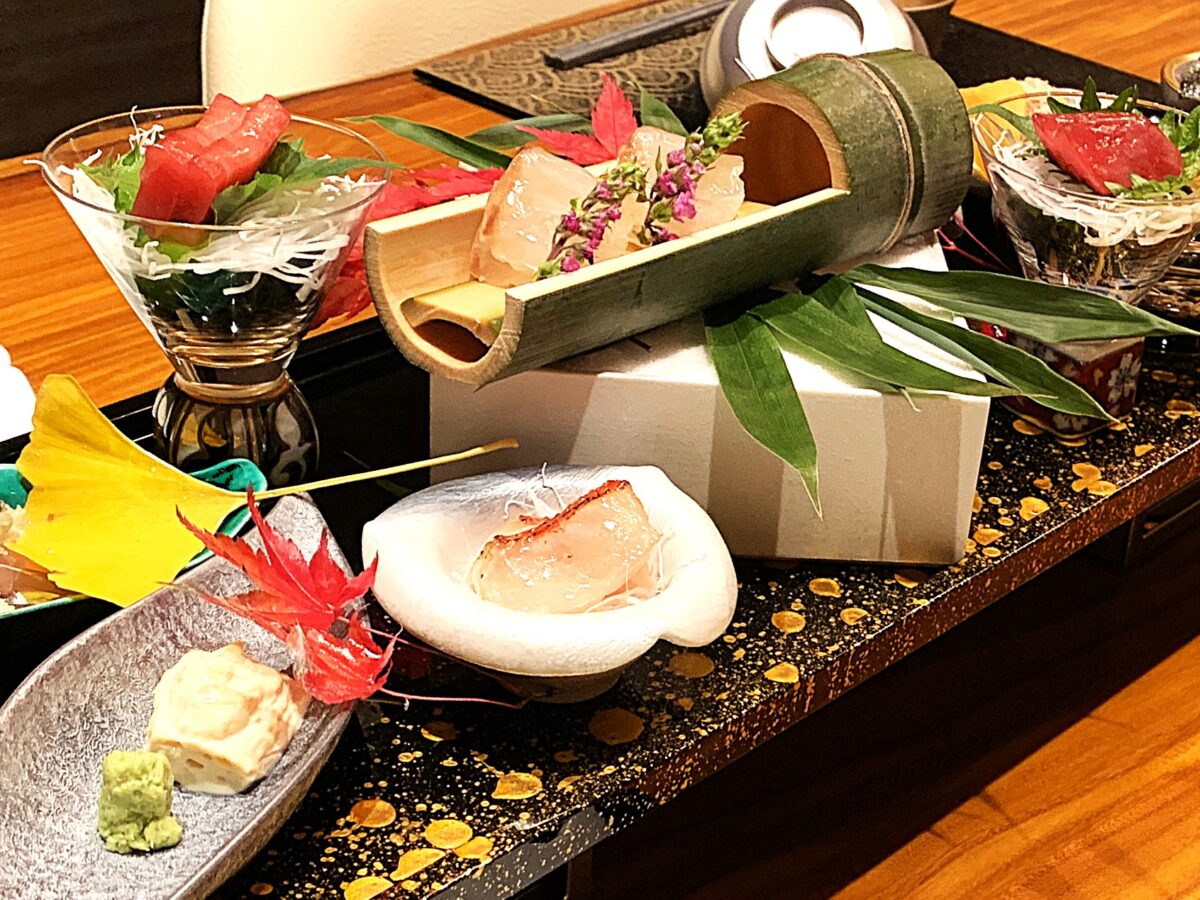
locally caught seafood at the ryokan in Atami
Enjoy fresh, locally caught seafood at the ryokan.

With its close proximity to the ocean, Atami Onsen is blessed with being able to provide the freshest seafood possible with the evening meal often consisting of an array of seasonal seafood caught that day.

There is something special about arriving at your destination, soaking in an onsen with views of the ocean followed by a feast of seafood and sake before sliding into a comfortable bed with freshly cleaned sheets.

You instantly feel as though you are miles away from all of the everyday stress of the world.

OTHER ATTRACTIONS

MOA MUSEUM OF ART
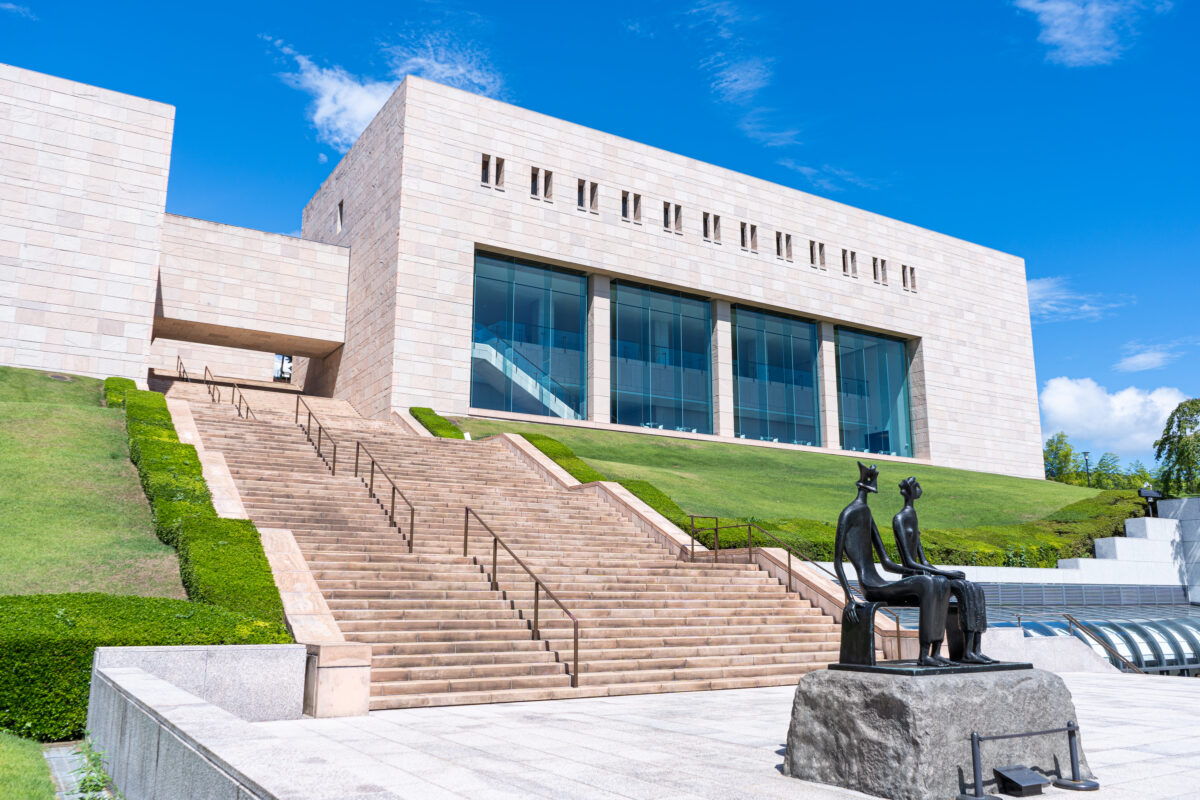
MOA MUSEUM OF ART

Atami has a number of easily accessible attractions to help you fill in a day or two in between soaking in the onsen or enjoying the local cuisine.

Some of the more popular attractions include the Museum of Art, Atami Castle, a historic villa Kiunkaku or a picturesque garden ACAO FOREST.

At MOA MUSEUM OF ART, you will be amazed not only by their broad collection of artwork but also its architectural charms and designs. The museum uses traditional Japanese materials like Yakusugi, Gyōja cedar, black plaster, and tatami to create exhibition spaces that enhance the beauty of the displayed works.

The museum is also known as “museum with ocean view”. At the café on the first floor, you can enjoy a panoramic vista of Sagami Bay.

The museum also boasts several restaurants, offering a variety of dining options to enhance your visit. Hana-no-Chaya serves Japanese cuisine made with locally sourced ingredients and organic, naturally grown produce. At La Pâtisserie du musée par Toshi Yoroizuka produced by world-famous pastry chef offers light meals, cakes, and other desserts, and with a view of their beautiful garden.

HOW TO GET THERE

On the Tokaido Bullet Train from Tokyo Station you can get to Atami Station in 45 minutes. You can easily reach Atami Station without changing trains.

BEST TIME TO VISIT

If your main purpose for visiting Atami Onsen is purely to enjoy one of the many Onsen Hotels and Ryokan in the area, each season brings with it a different menu of locally caught seafood.

If you are in Japan in the Winter months and want to enjoy some of Japan’s famous plum blossoms Atami Baien has a Plum Blossom Festival from mid-Jan to early March.

Summer is hot in Atami and it is a great time to enjoy ocean activities and spend some time on Atami Sun Beach, take a trip to Hatsushima or enjoy the famous Atami fireworks display throughout the year.

MORE INFORMATION

If you are looking for local restaurants and cafes – LINK

Atami City Tourism Association

Discover the Shizuoka Prefectural Museum of Art: A Cultural Highlight in Shizuoka, Japan

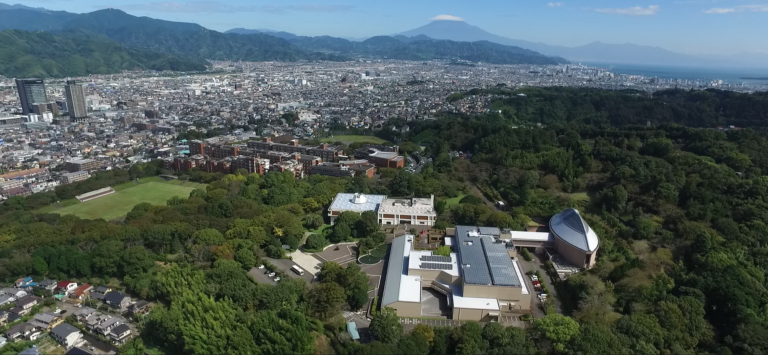
Nestled in the heart of Shizuoka Prefecture, the Shizuoka Prefectural Museum of Art is a must-visit destination for art lovers and cultural enthusiasts.

Located at the foot of the scenic Nihondaira Plateau that offers breathtaking views of Mt. Fuji, the museum provides an enriching artistic experience that blends Japanese and Western influences.

Whether you are an avid art connoisseur or a casual traveler, this museum has something unique to offer.

A Rich Collection of Masterpieces

The Shizuoka Prefectural Museum of Art boasts a diverse collection that spans multiple artistic styles and historical periods.

One of its key highlights is the Rodin Wing, dedicated to the works of the renowned French sculptor Auguste Rodin. This gallery features an impressive display of Rodin’s masterpieces, including “The Thinker” and “The Gates of Hell,” allowing visitors to appreciate his remarkable talent up close.

Shizuoka Prefectural Museum of Art
The Thinker  

Shizuoka Prefectural Museum of Art
The Gates of Hell

Beyond Rodin, the museum houses a broad range of paintings and sculptures from both Japanese and international artists. The collection includes works from the Edo period to contemporary pieces, showcasing the evolution of Japanese art and its interaction with Western techniques. The museum frequently updates its exhibitions, ensuring that each visit offers something new and exciting.

Special Exhibitions and Events

The museum hosts special exhibitions throughout the year, featuring works from renowned artists worldwide. These temporary displays provide visitors with fresh insights into different art movements and cultural expressions. From classical Japanese ink paintings to modern European masterpieces, the exhibitions highlight a wide array of artistic influences.

Additionally, the museum organizes workshops, lectures, and guided tours time to time, offering visitors a deeper understanding of the artworks on display. These events provide a fantastic opportunity to engage with the museum’s curators and fellow art enthusiasts.

Shizuoka Prefectural Museum of Art
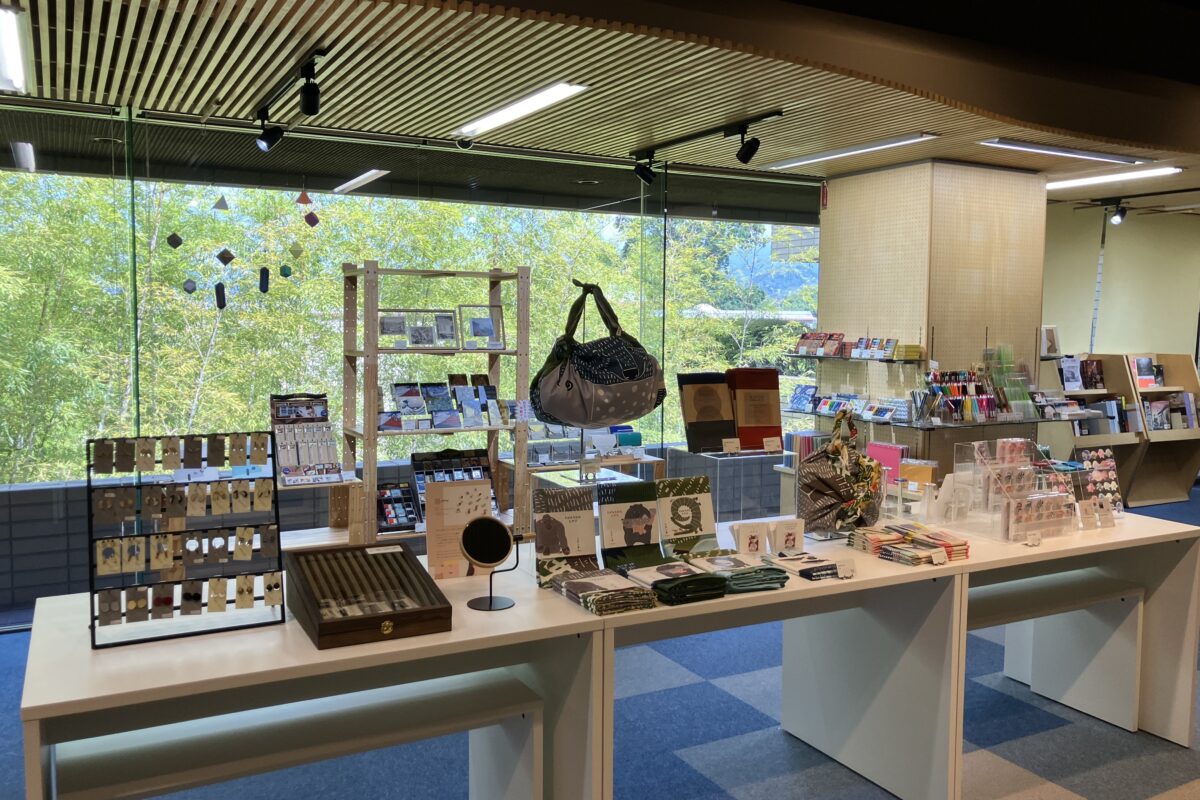
Find your favorite at the museum shop   

Shizuoka Prefectural Museum of Art
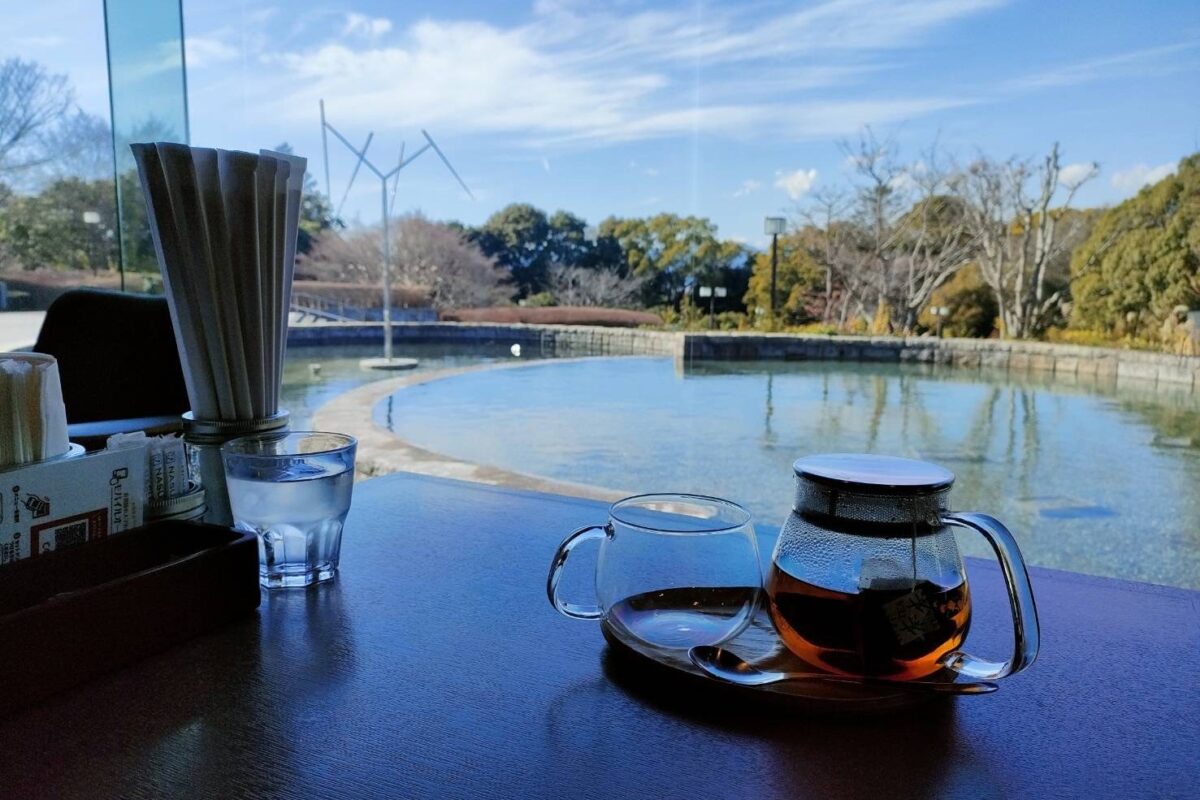
Take a break at the café

An Idyllic Setting

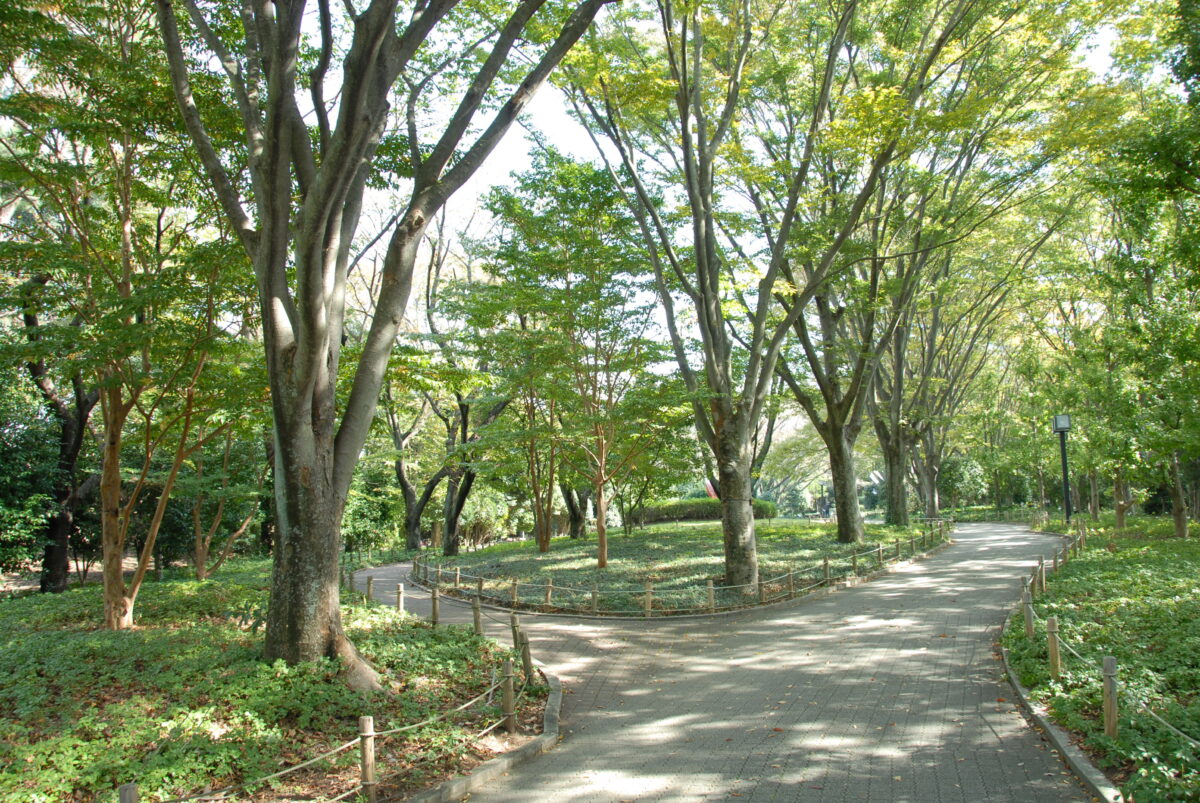
One of the most captivating aspects of the Shizuoka Prefectural Museum of Art is its beautiful surroundings. The museum is set amidst lush greenery, making it a perfect spot for a relaxing stroll before or after your visit. The Nihondaira Plateau, famous for its panoramic views of Mt. Fuji and Suruga Bay, is just a short distance away if you are driving. Visitors can enjoy nature trails, scenic viewpoints, and even a ropeway ride to Kunōzan Toshogu Shrine, a historic site dedicated to Tokugawa Ieyasu, the founder of the Tokugawa shogunate.

Shizuoka Prefectural Museum of Art
The leafy promenade leading to the museum

Nihondaira
The picturesque Nihondaira

Accessibility and Visitor Information

The museum is easily accessible from JR Shizuoka Station, with a direct bus service available. Alternatively, visitors can take a taxi ride or drive to the location, where parking is provided. It is also within walking distance from JR Kusanagi Station. The museum offers multilingual information, making it a convenient destination for international tourists.

Conclusion

The Shizuoka Prefectural Museum of Art is more than just an art museum—it is a cultural landmark that offers an inspiring blend of art, history, and nature. Whether you are drawn to Rodin’s sculptures, traditional Japanese paintings, or modern art, the museum provides a rich and immersive experience. Don’t miss this cultural gem during your trip to Shizuoka and witness the beauty of Shizuoka’s cultural heritage firsthand.

Hamamatsu City – A city of craftsmen and music

0

Traditional Crafts, Museum of Musical Instruments, Yamaha Innovation Road, Suzuki Plaza and Honda Soichiro Craftsmanship Center

Hamamatsu City has a long and storied history of craftsmanship, entrepreneurial spirit, innovation and tradition that make it a fascinating place to visit.

A CITY OF CRAFTSMEN

Hamamatsu City is well known worldwide as the factory hometown for many famous brands like Yamaha, Suzuki, Honda, Kawai, and Roland.

The city’s positive spirit of “Yaramaika” (“Let’s give it a try” in the local dialect) has helped foster creativity and innovation as they actively embrace new challenges to keep moving forward.
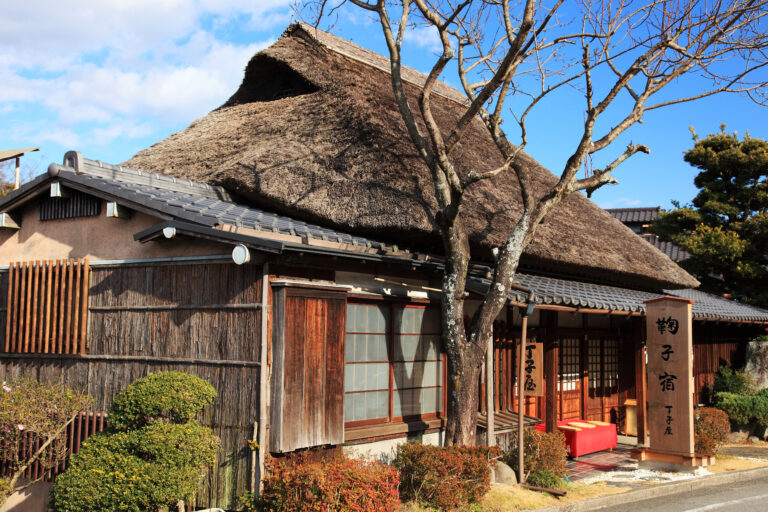
Today visitors to Hamamatsu City can experience local craftsmanship and traditional skills that have been passed down through generations which encapsulate the entrepreneurial spirit and manufacturing prowess the people of Hamamatsu still pride themselves on.

From traditional crafts to modern technology, Hamamatsu still produces everything from Taiko drums, harmonica, hand-dyed ‘Tenugui‘ towels, and soy sauce.

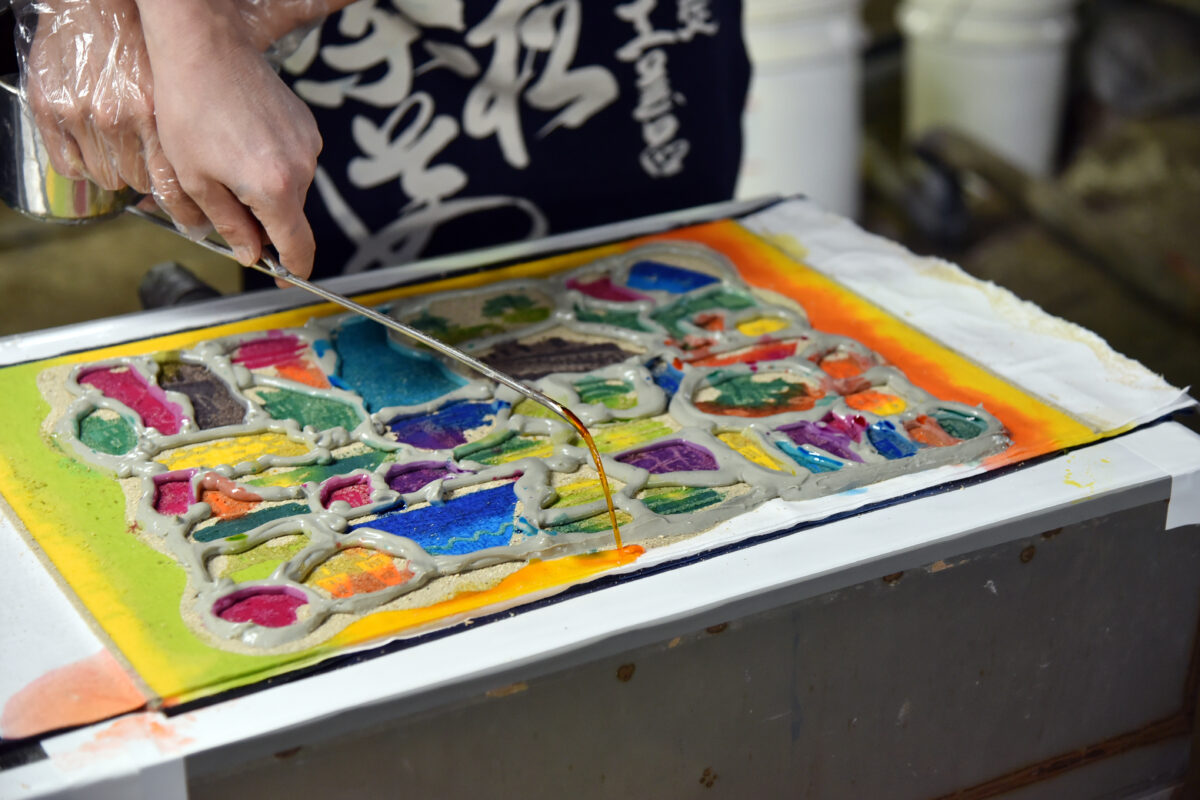
Traditional ‘Chusen Some’ workshop 

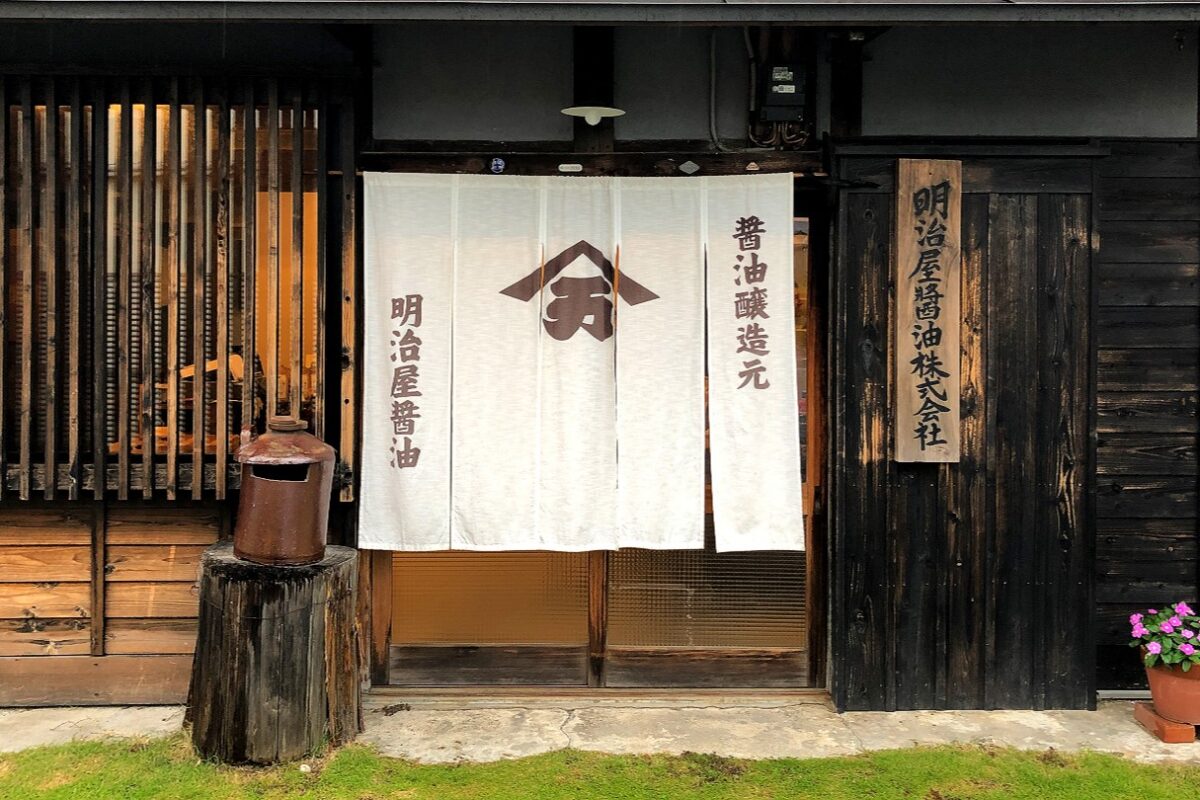
Make your own bottle of soy sauce at a historical brewery.

THE SOUND OF MUSIC

Hamamatsu City is often called a town of “Monozukuri” (creative manufacturing) and is renown as a town of music hailing back to it’s cultural history of producing some of the best world-class musical instruments.

In testament to its musical roots, Hamamatsu City have actively organized musical events such as the Hamamatsu International Piano Competition, leading the city to become recognized at the forefront of Japan’s musical aspirations.

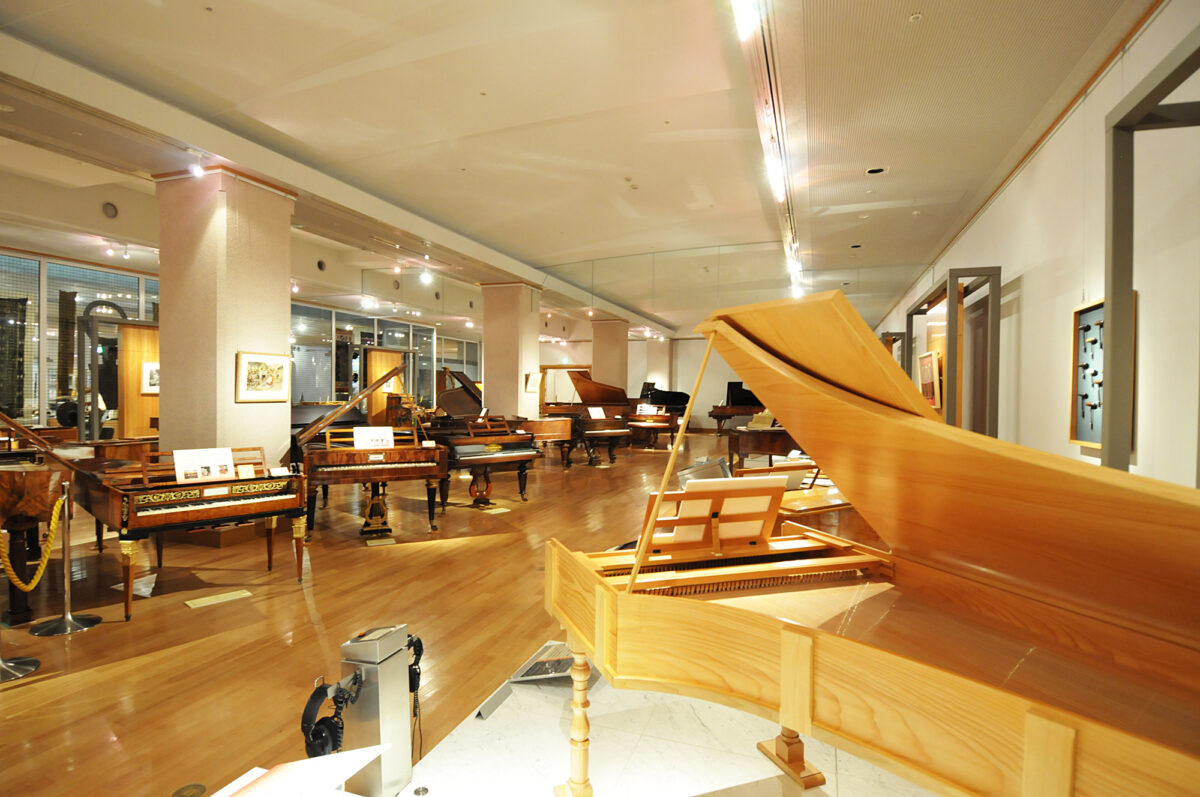
To appreciate Hamamatsu City’s love of music stop in at the Museum of Musical Instruments, visit the fantastic Yamaha Innovation Road, take a tour of the Yamaha Piano Factory, or visit a local Japanese drum maker or Showa Musical Instrument Factory and meet a master harmonica maker.

Hamamatsu Museum of Musical Instruments

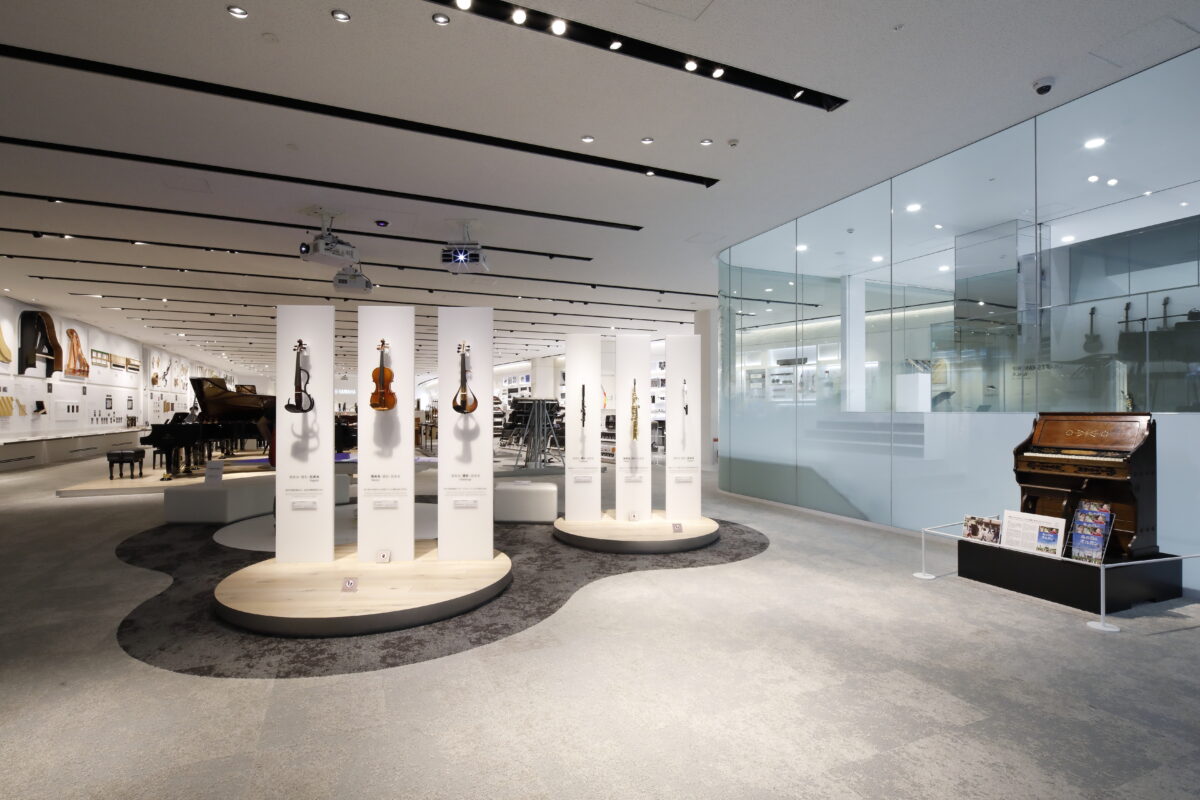
Yamaha Innovation Road

A STORIED HISTORY OF CRAFTSMANSHIP

Hamamatsu City has a long and rich history of nurturing entrepreneurship and innovation headlined by The Big 3 – Yamaha, Honda and Suzuki.

TORAKUSU YAMAHA

Torakusu Yamaha established Nippon Gakki Co., Ltd. (Gakki means instrument in Japanese) in Hamamatsu City in the late 1800s to produce pianos and reed organs.

The company would later become Yamaha Corporation and become one of the most recognized brands in the world.

Torakusu had an apprentice by the name of Koichi Kawai who eventually went on to found a company by the name of Kawai Musical Instruments.

Today you can visit the Yamaha Innovation Road in Hamamatsu City to learn more about the company and its progression from reed organs to DJ mixing desks, to electronic violins, and more.

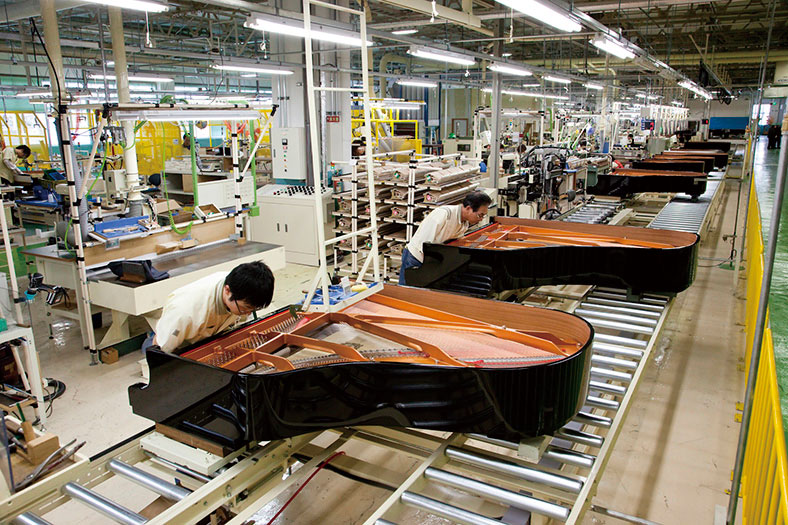
Although it is in neighboring Kakegawa City, for piano lovers, a tour of the Yamaha Piano Factory will give you insights, and a new level of appreciation of the craftsmanship that goes into every Yamaha piano.

Innovation Road introduces Yamaha’s history in creation and developments.

Observe the process of constructing grand pianos.

HONDA SOICHIRO

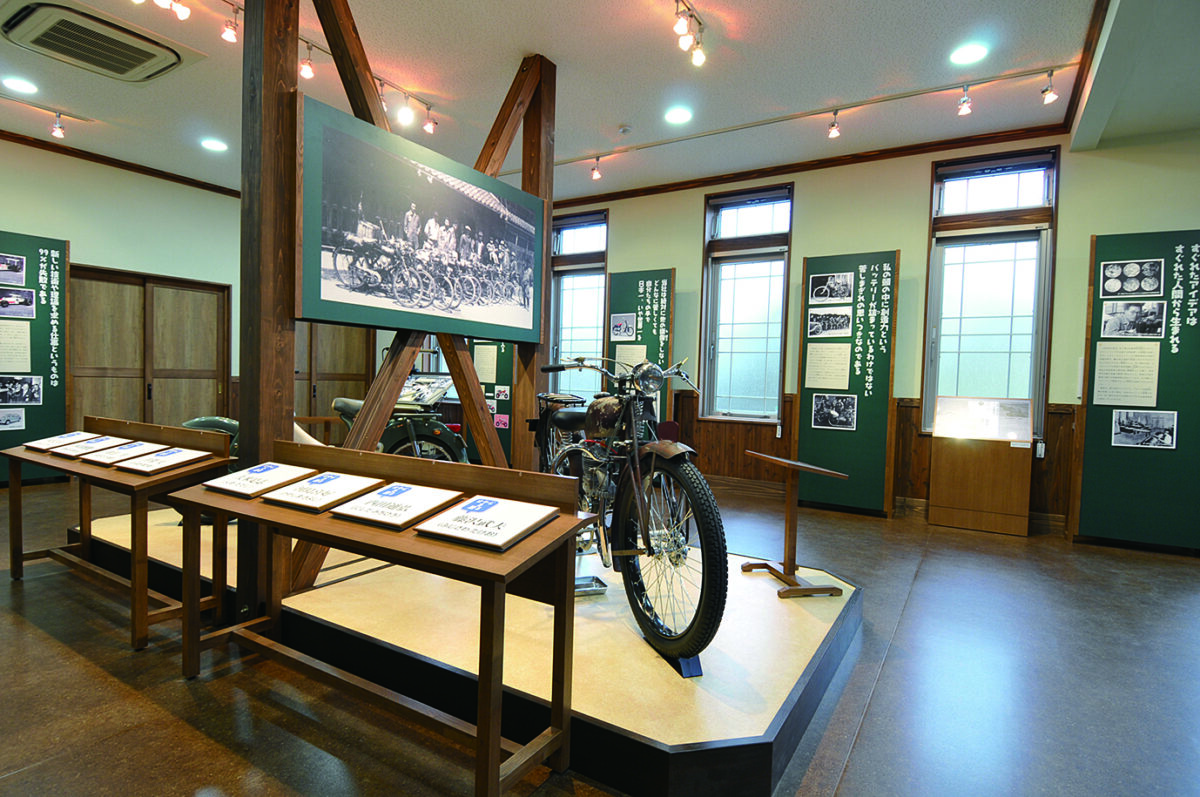
Born in a small village in the outskirts of Hamamatsu City in 1906, Honda Soichiro became fascinated when he first saw a motorized vehicle at the age of 8 years old.

He set up an auto repair shop in Hamamatsu in his early 20s and gained a reputation for his craftsmanship and abilities – nearly 100 years later the company that bears his name is one of the biggest automakers in the World – Visit the Honda Soichiro Craftsmanship Center.

The center commemorates Honda Soichiro, the founder of HONDA.

MICHIO SUZUKI

The Suzuki Loom Works company was established in 1909 by Hamamatsu local Michio Suzuki to build weaving looms for the Japanese fabric industry.

After 40 years of innovation and pioneering of the weaving machine business, Michio turned his craftsmanship talents to the burgeoning motor vehicle industry, no doubt inspired by what Soichiro Honda had achieved.

Nearly 100 years later, this iconic Hamamatsu-born company, just like Yamaha and Honda, through innovation and a focus on craftsmanship, is still going strong and you can visit the Suzuki Plaza in Hamamatsu City to learn more.

A great number of Suzuki’s creation over the years are on display at Suzuki Plaza.

MORE INFORMATION

Hamamatsu City official tourism site

Activities in and around Hamamatsu

Spotlight – Shizuoka Port Towns

0

ALL ALONG SURUGA BAY – YUI, SHIMIZU, MOCHIMUNE AND YAIZU

Hop off the Tokaido Bullet train at Shizuoka Station and take a day or two to explore one of Shizuoka’s port towns located on the shores of Suruga Bay.

YUI (Shizuoka City)

Yui is a charming Shizuoka port town located along the Tokaido Main Line.

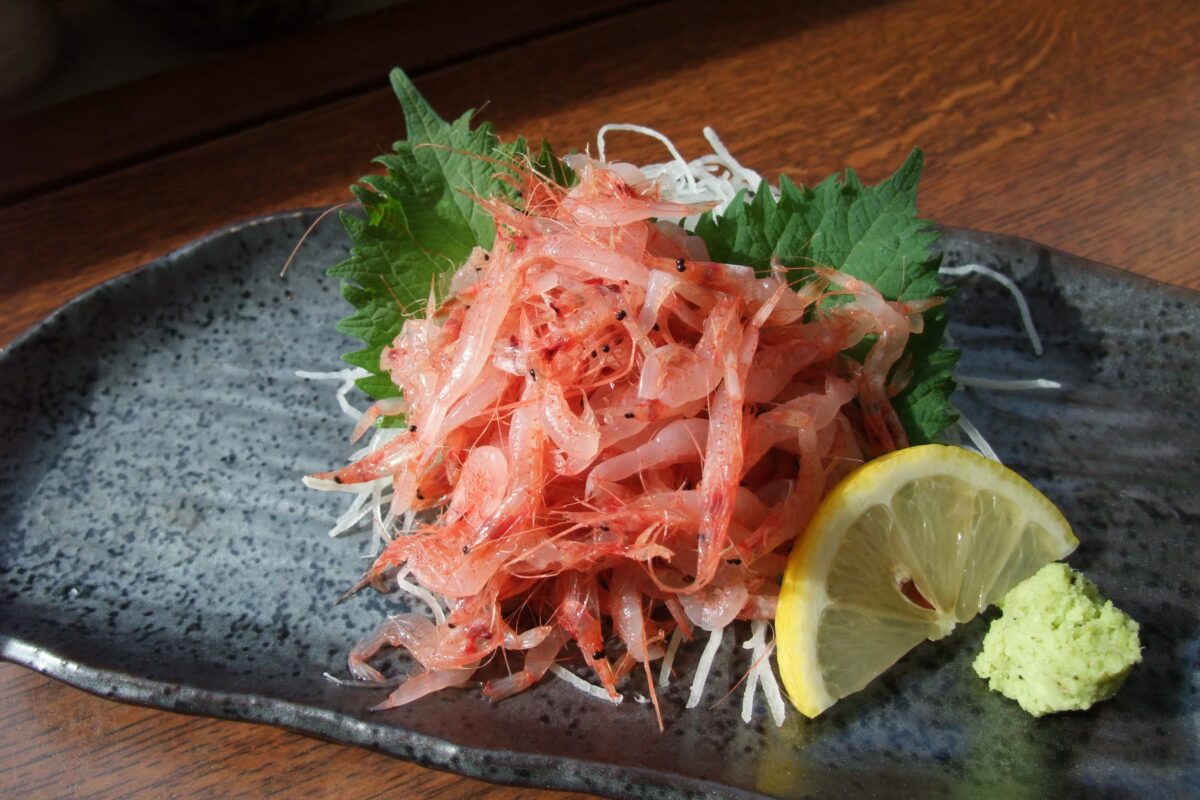
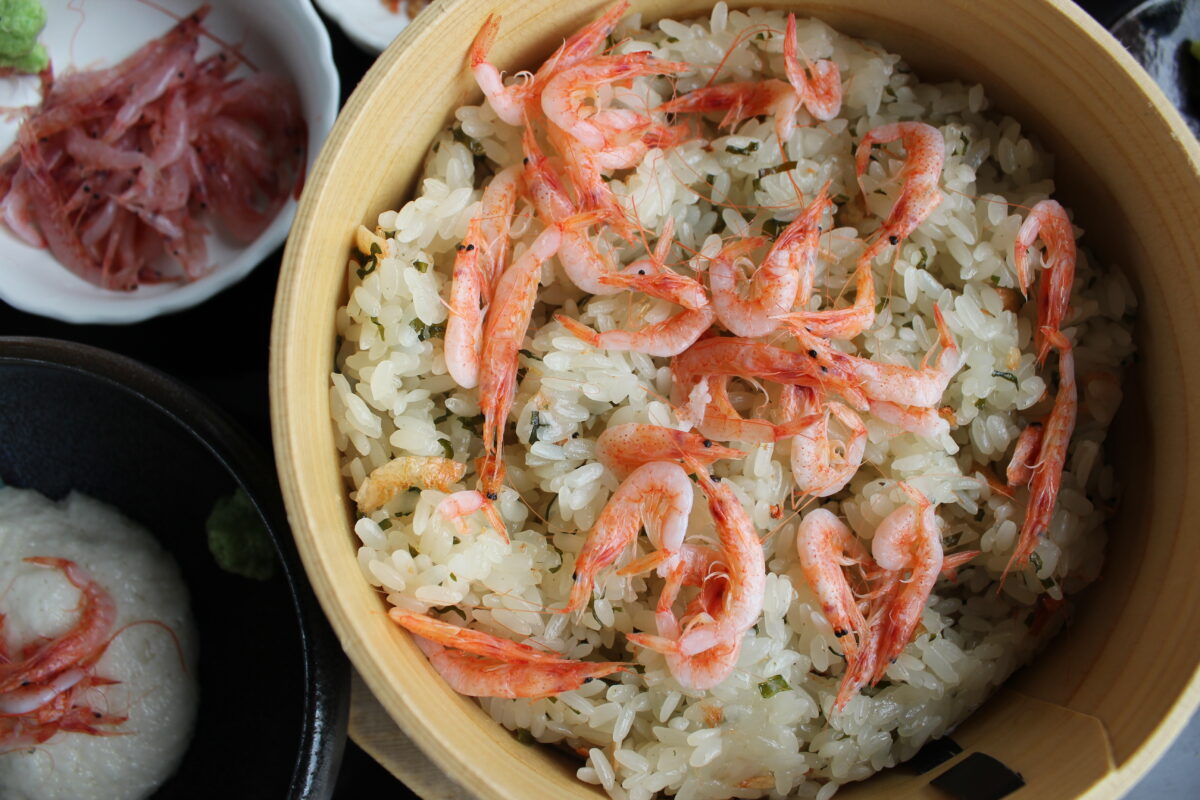
Famed for its delicious Sakura Ebi (cherry shrimp) that are harvested during late Spring (mid-March to early June) and Fall (late October to late December).

To savor the fresh catch, visit Hama no Kakiage-ya at Yui fishing port that offers raw and pot-boiled Sakura shrimp, and popular Kakiage Tempura. You can also visit one of many restaurants in the area for more Sakura Ebi dishes and other local delicacies.

Sakura Shrimp
Sakura Shrimp are called “Jewels of Suruga Bay”.

Sakura Shrimp
Raw, boiled or fried – Pick your favourite

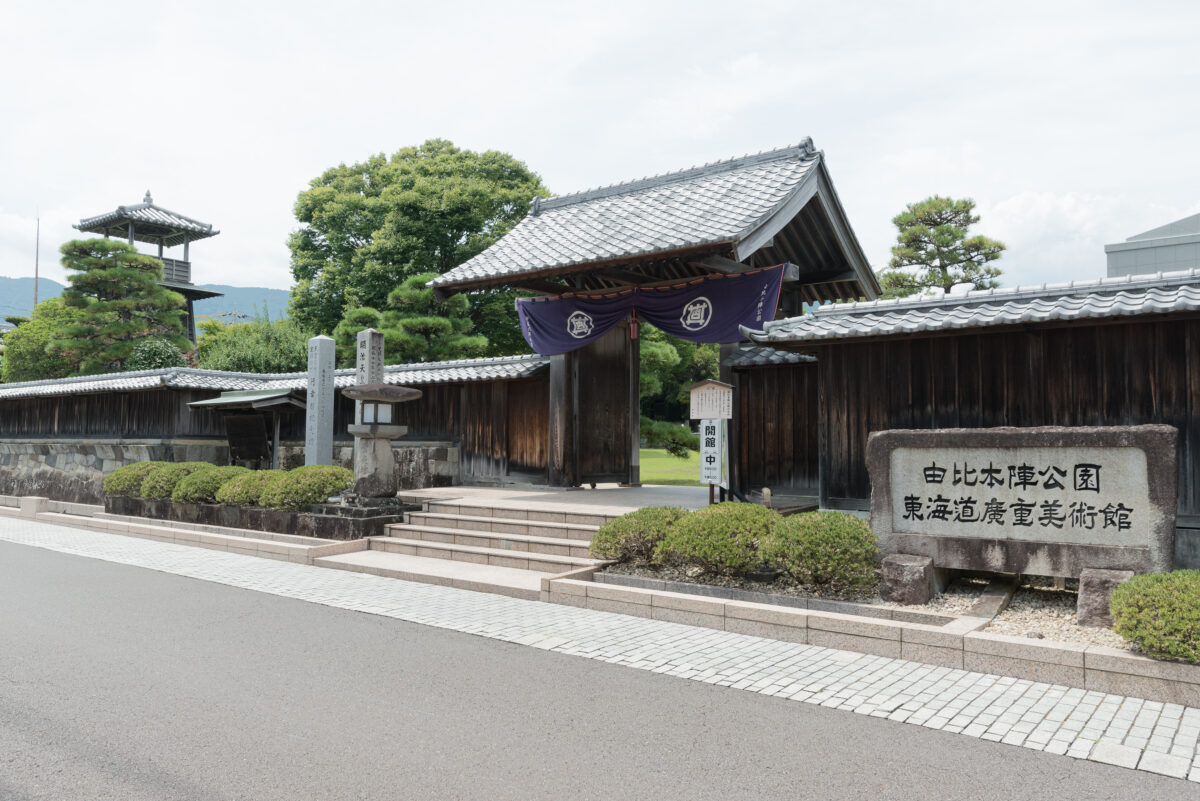
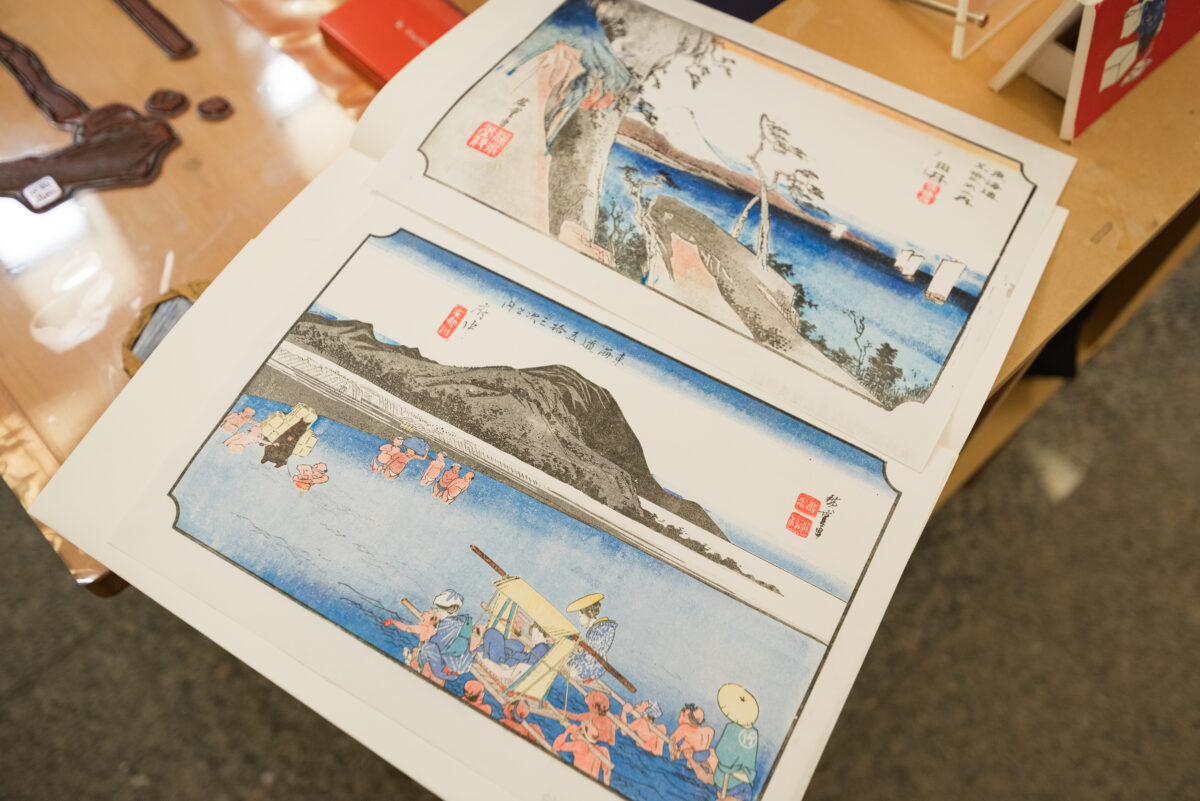
After your bellies are full, take a stroll through the many traditional houses lining the narrow streets. At Shizuoka City Tokaido Hiroshige Museum of Art, try the hands-on Ukiyo-e woodblock print workshop.

Yui Honjin Park
Yui Honjin Park is a landmark of Yui

Tokaido Hiroshige Museum of Art
Ukiyo-e workshop at Tokaido Hiroshige Museum of Art

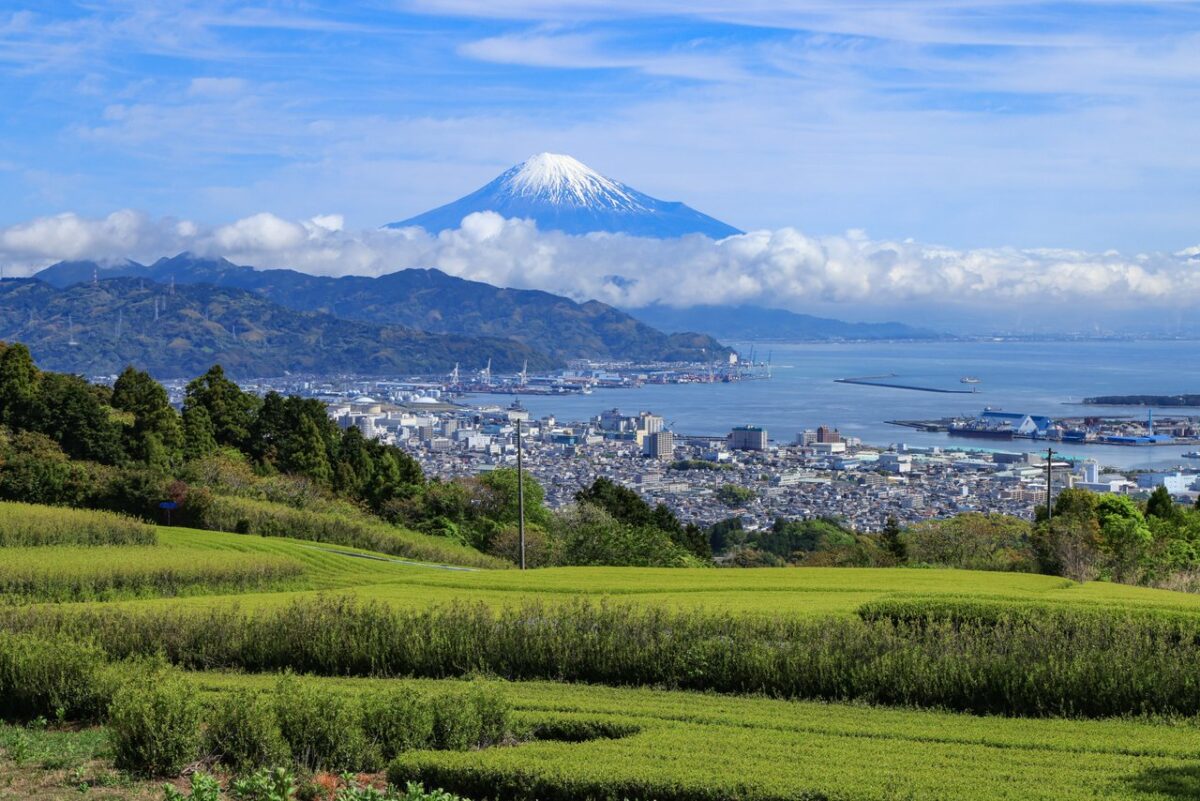
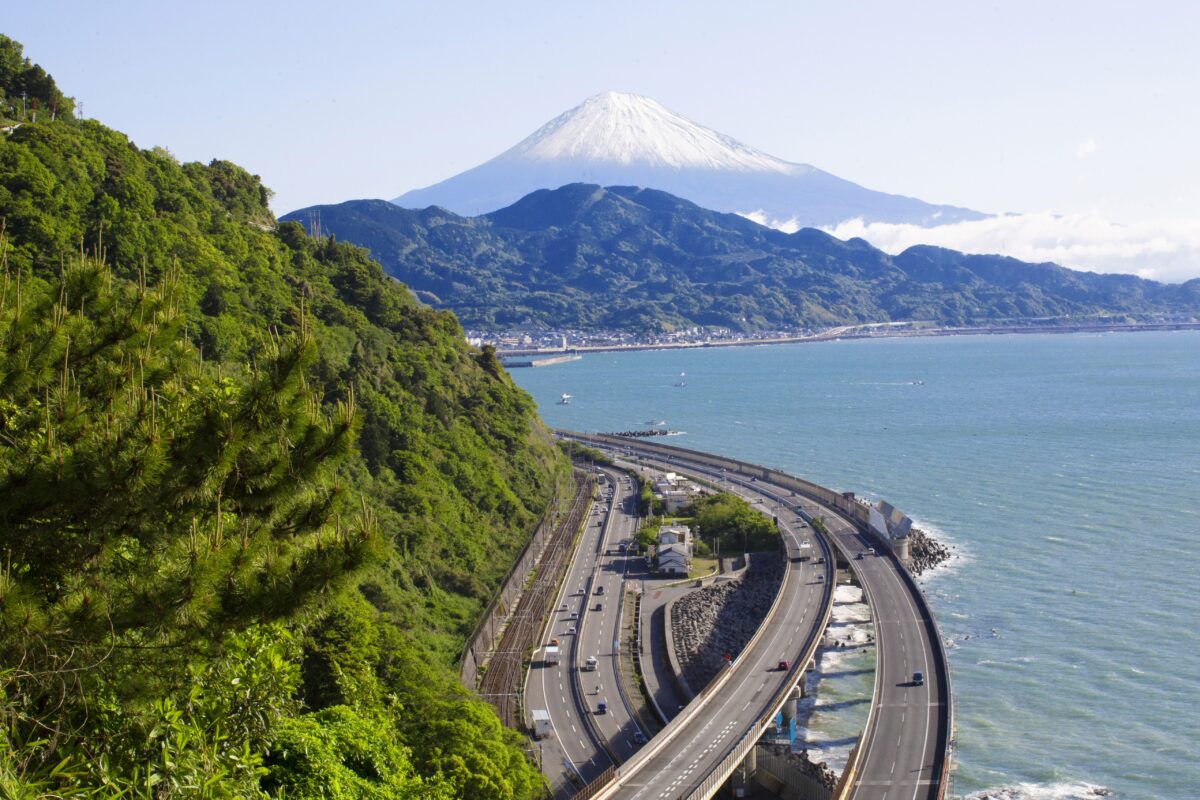
If you’re still up for some more sightseeing, head to Satta Pass to view Mt. Fuji in all her majesty and take in the famous scene from Hiroshige’s famous The Fifty-three Stations of the Tokaido.

Satta Pass
Satta Pass boasts the scenery that was depicted in Hiroshige’s Ukiyo-e series.

SHIMIZU (Shizuoka City)

Shimizu Port is known as one of Japan’s three most beautiful shipping ports and is the biggest Shizuoka port – the history of the port can be traced back to the 7th century.

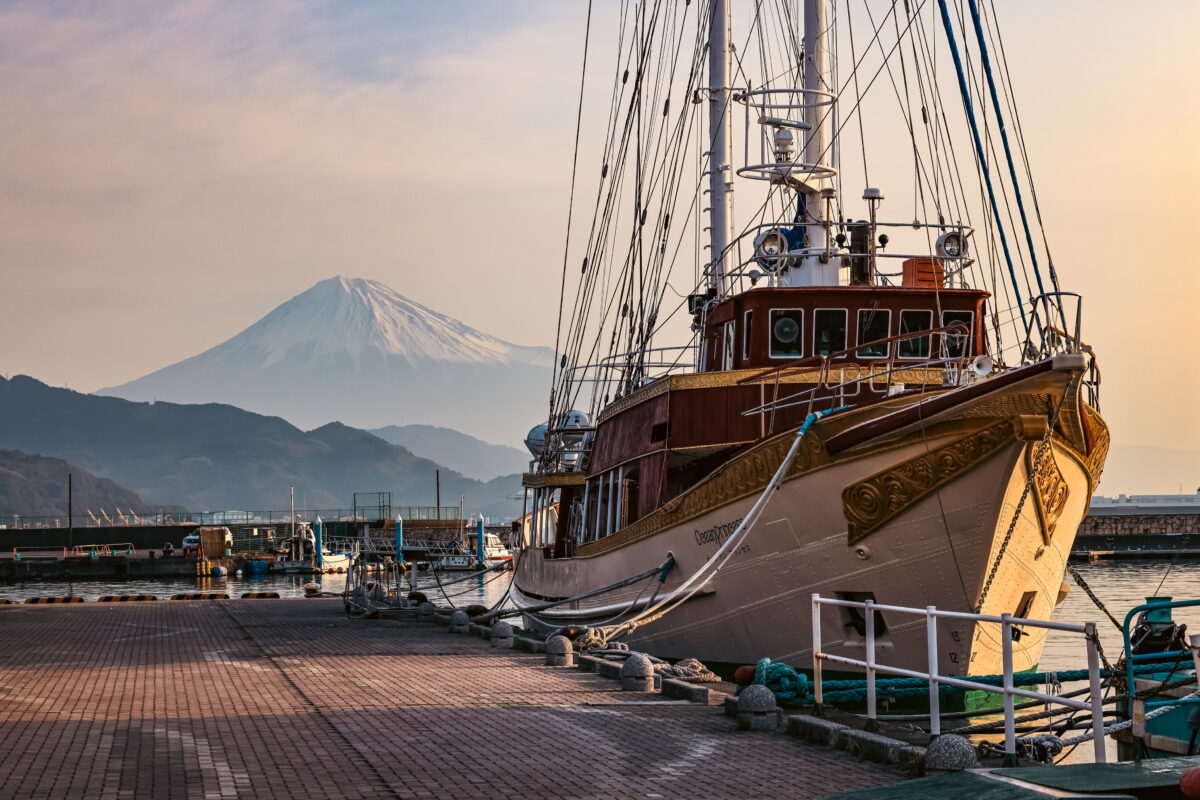
It is a popular destination for cruise ships as the gateway to Mt. Fuji, offering stunning views of the mountain as a majestic backdrop as you enter its waters.

Shimizu Port
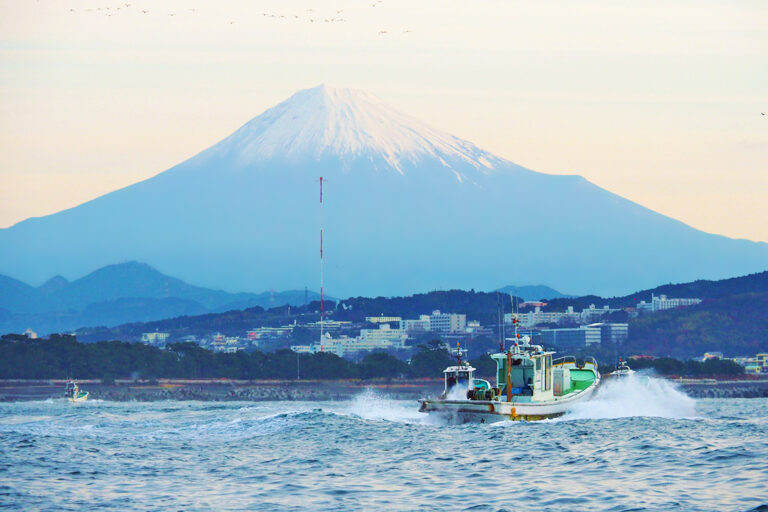
Mt. Fuji seen from Shimizu Port on a clear day.

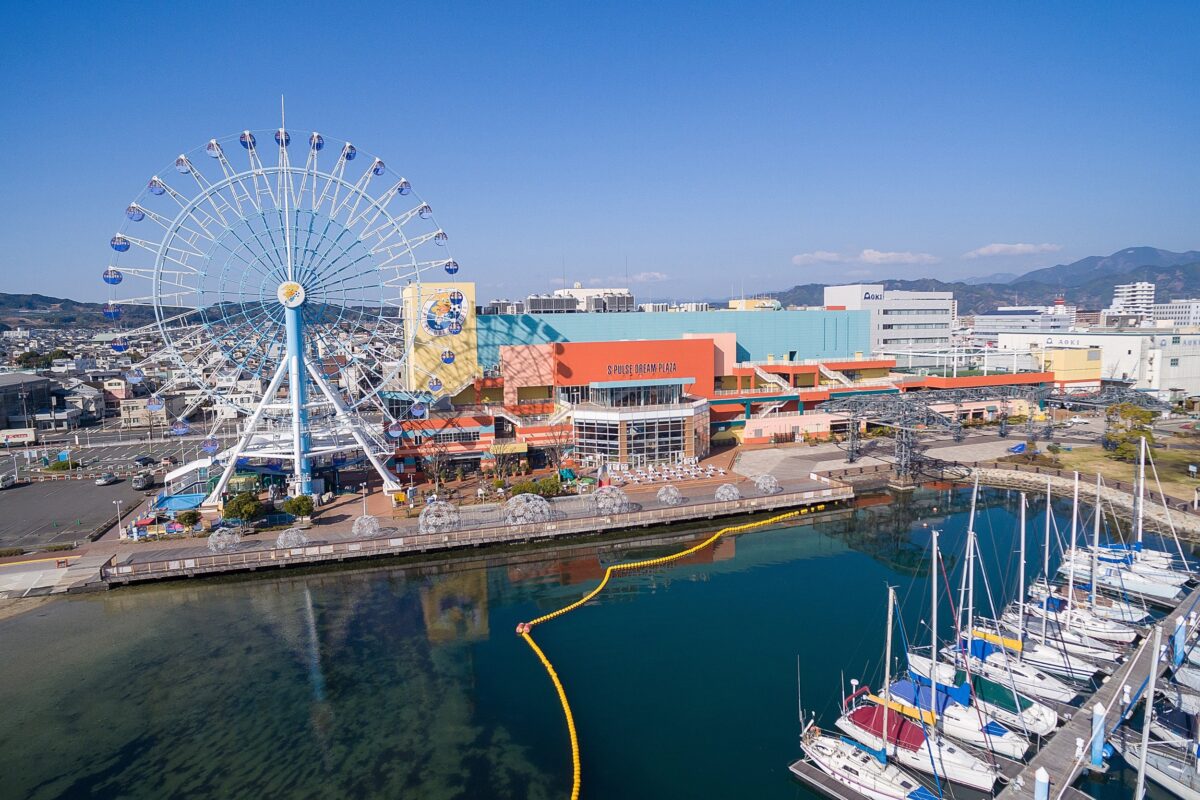
When you arrive, pop into the S-Pulse Dream Plaza which offers a movie theatre, restaurants, a mini amusement park, and a museum dedicated to all things sushi.

S-Pulse Dream Plaza
S-Pulse Dream Plaza

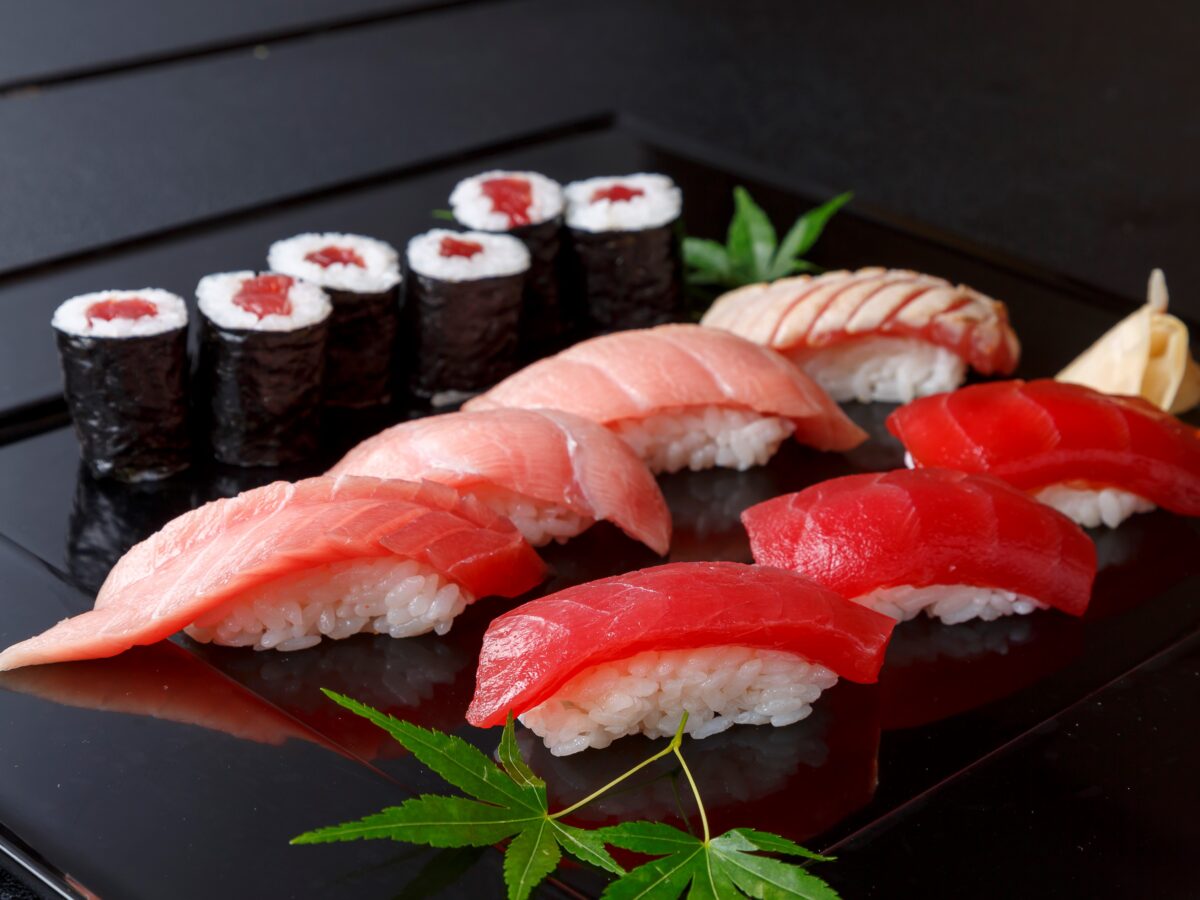
Shimizu Tuna
Savor some of the best Tuna in Japan

The sushi museum is a mecca to all and any information regarding sushi, as well as several sushi restaurants to ease your hunger.

However if you prefer an even more local experience, walk over to Kashi-no-Ichi Market, Shimizu Port’s fish market to select the freshest catch of the day.

MOCHIMUNE (Shizuoka City)

Located about 7mins train ride away from Shizuoka Station, the port town of Mochimune is famous for its extremely fresh Shirasu (whitebait) fished almost every day.

Mochimune Port
Fishing boats at Mochimune Port

The Mochimune beach facing Suruga Bay is a popular summer’s day trip. This quaint beach town has recently been a hot spot for those who are looking for more relaxed getaway from the cities, with local craft beer brewery, a unique gelato shop, many other dining spots.

Pz-LinkCard
- Incorrect URL specification.
- URL=

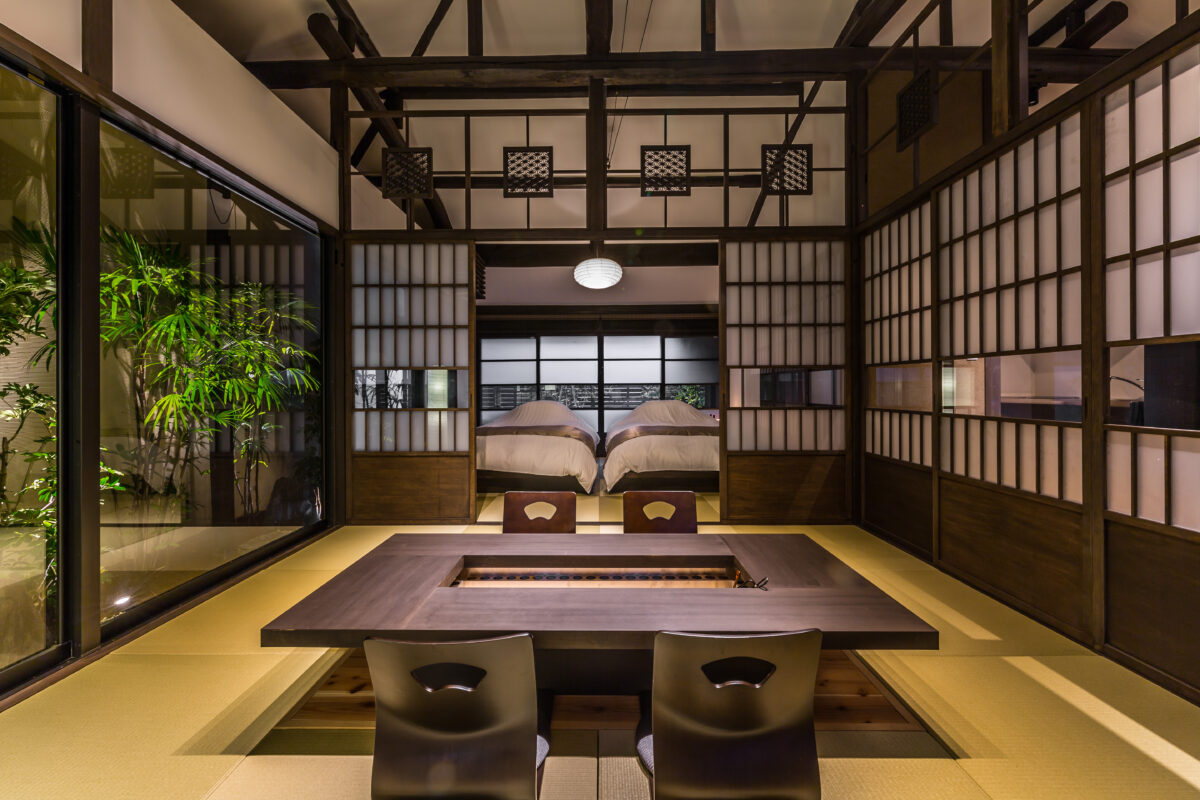
Stay nearby, in one of the eight stunning Nihon Iro renovated traditional Japanese homes, where you can relax on their beautiful tatami floors, zen like gardens and enjoy a delicious breakfast made by local mothers.

Nihon Iro
One of the houses at Nihon Iro.

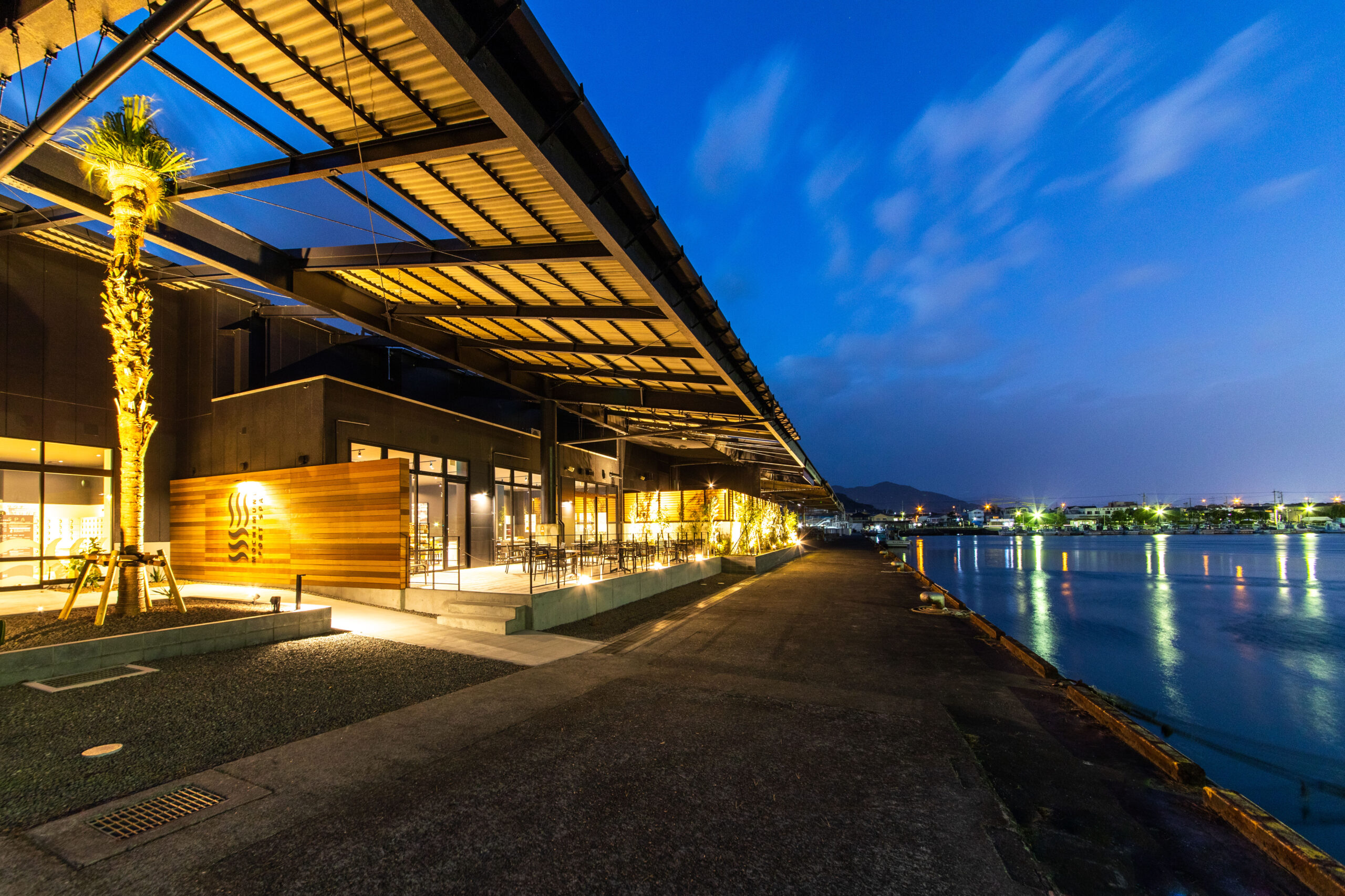
Mochimune Minato Onsen
Mochimune Minato Onsen is located right by the water

Relax the day away at Mochimune Minato Onsen, a former tuna factory refurbished into a relaxing public onsen with views of the local fishing port and Mt. Fuji from it’s open-air baths.

The onsen waters are drawn from 1,000m underground and are weak alkaline sodium/calcium chloride springs which provide a “cleansing effect” to the skin.

YAIZU (Yaizu City)

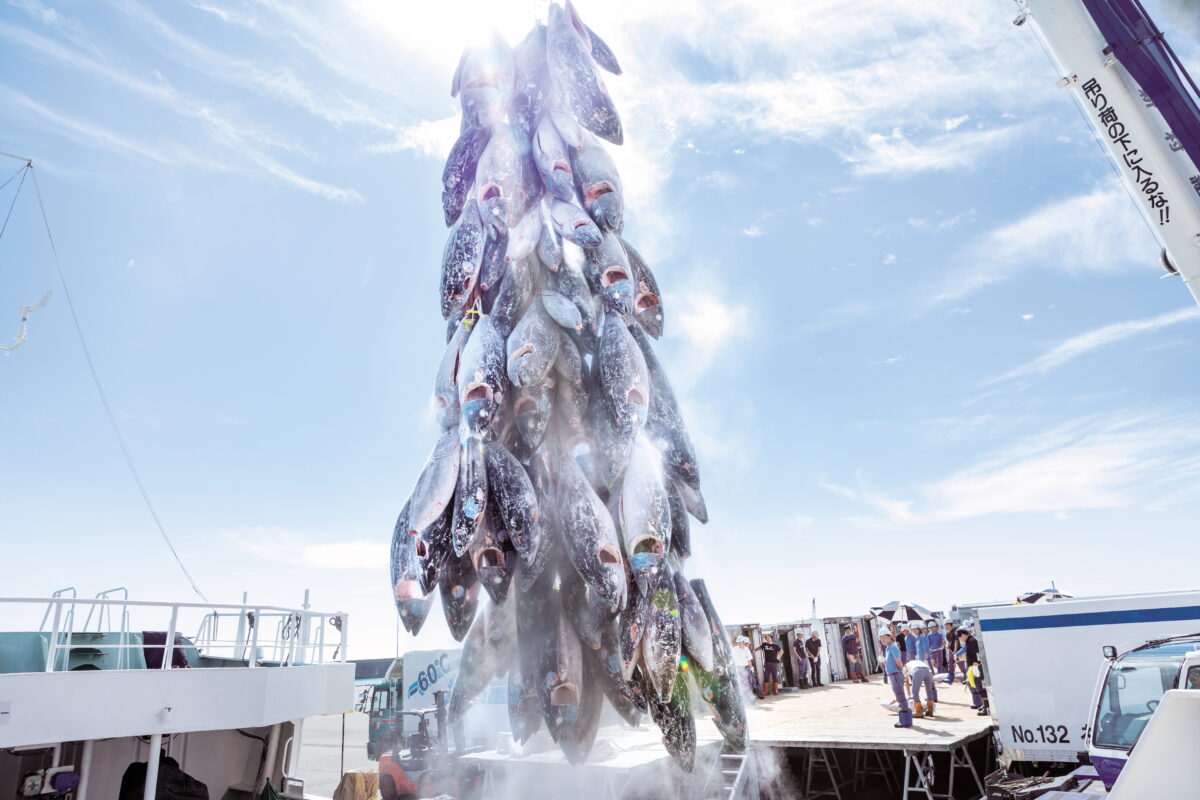
One of the most famous commercial fishing ports in Japan, Yaizu is well known for it’s delicious seafood produce.

Tuna at Yaizu port
Tuna landed at Yaizu Port

Yaizu Sakana Center Fish Market is a popular spot where you can grab yourself a mini feast to taste all the amazing fresh seafood.

Yaizu Sakana Center
Yaizu Sakana Center

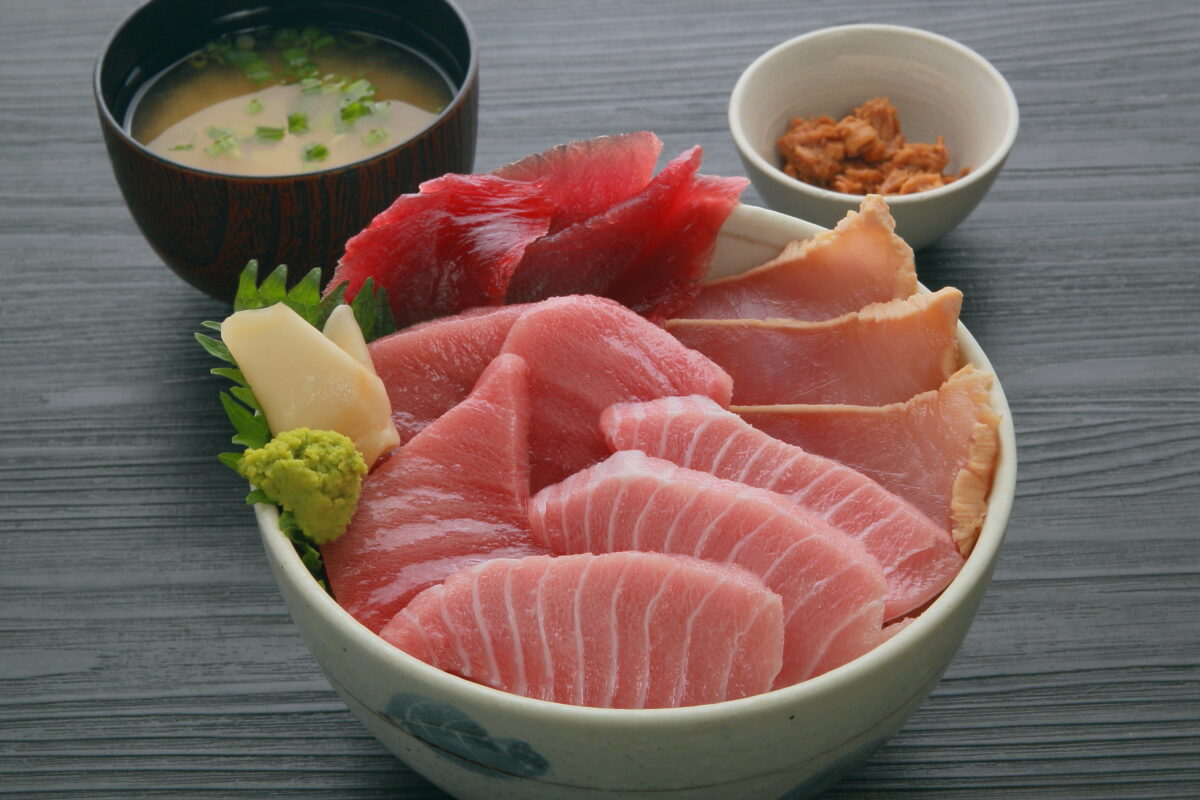
Tuna bowl
Tuna bowl is a popular menu item.

When you’ve had enough seafood, wander the city and explore Yaizu’s ancient history.

Yaizu Shrine is said to have been founded in the 5th century, enshrining the legendary Yamato Takeru. Since then, the shrine has been venerated especially by those involved in the fishing industry. Every summer on August 12 and 13, the shrine hosts a grand festival which is also known as “Ara Matsuri”, literally translates to harsh or rough festival, where dynamic Mikoshi (portable shrine) actions and parades will take place within the town’s limits.

Whilst you’re walking around, make sure to pick up some delicious homemade treats from Yuruk Bakeshop, and don’t forget to take home some Shizuoka green tea from 3rd generation family run Sanowa Tea.

FOLLOW IN THE FOOTSTEPS OF SHOGUN

0

Located smack bang in the middle of Japan, Shizuoka is home to Japan’s world-famous Shogun culture.
The most famous Shogun of all, Tokugawa Ieyasu, who shaped the nation through the 16th to 17th century, has strong roots here in Shizuoka.

Explore the influence of the mighty Shogun and immerse yourself in his footsteps.

Discover Mikkabi,
A Town with Shogun Stories

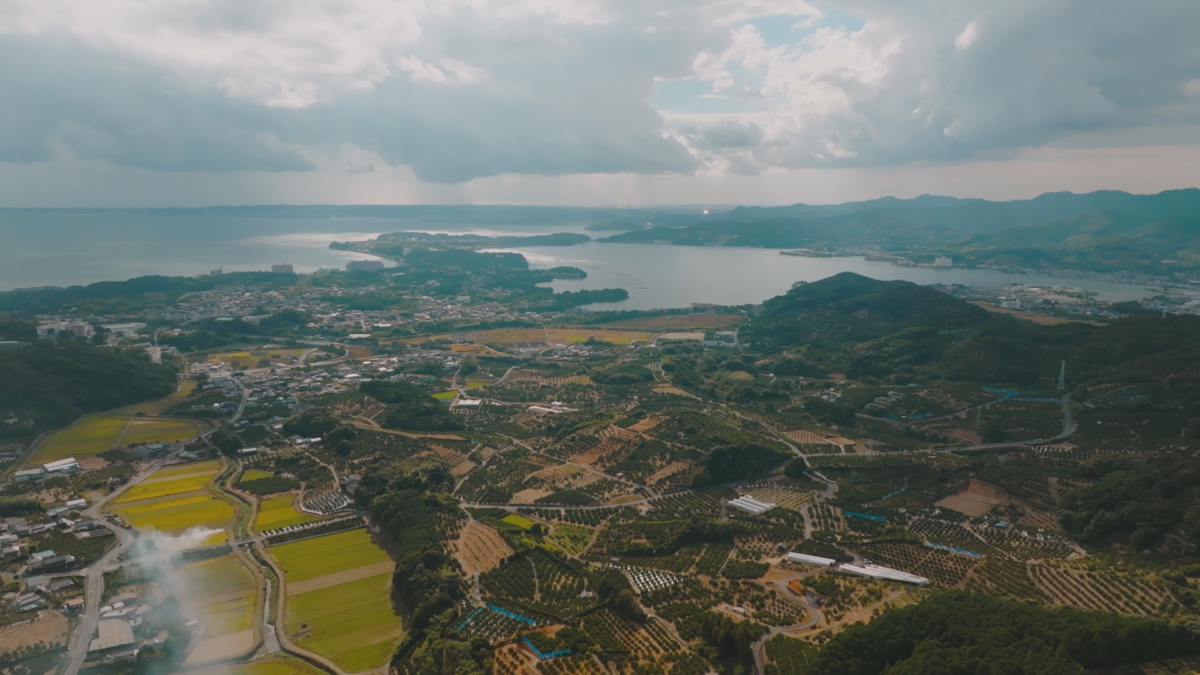
Mikkabi is tucked away at the idyllic northern shore of the picturesque Lake Hamana in Hamamatsu City.
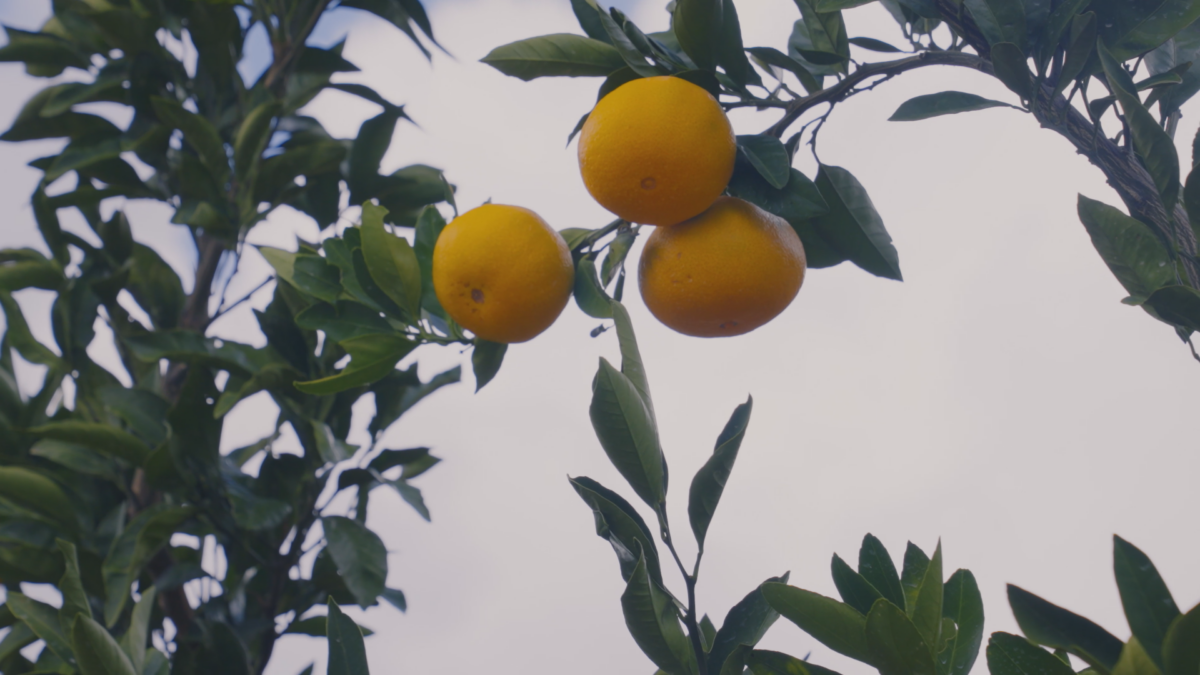
Famed for its delicious Mikkabi mandarin oranges, this sun-drenched town welcomes those who would like to delve deeper into the diverse array of charms in the Japanese countryside beyond the popular travel route.

Mikkabi’s contribution to Japan’s history is significant as Tokugawa Ieyasu spent his formative years in this region as a young man, which shaped the character of the man who would later unify Japan.

Shogun Ieyasu loved this region and bounty from Lake Hamana and its mountains.

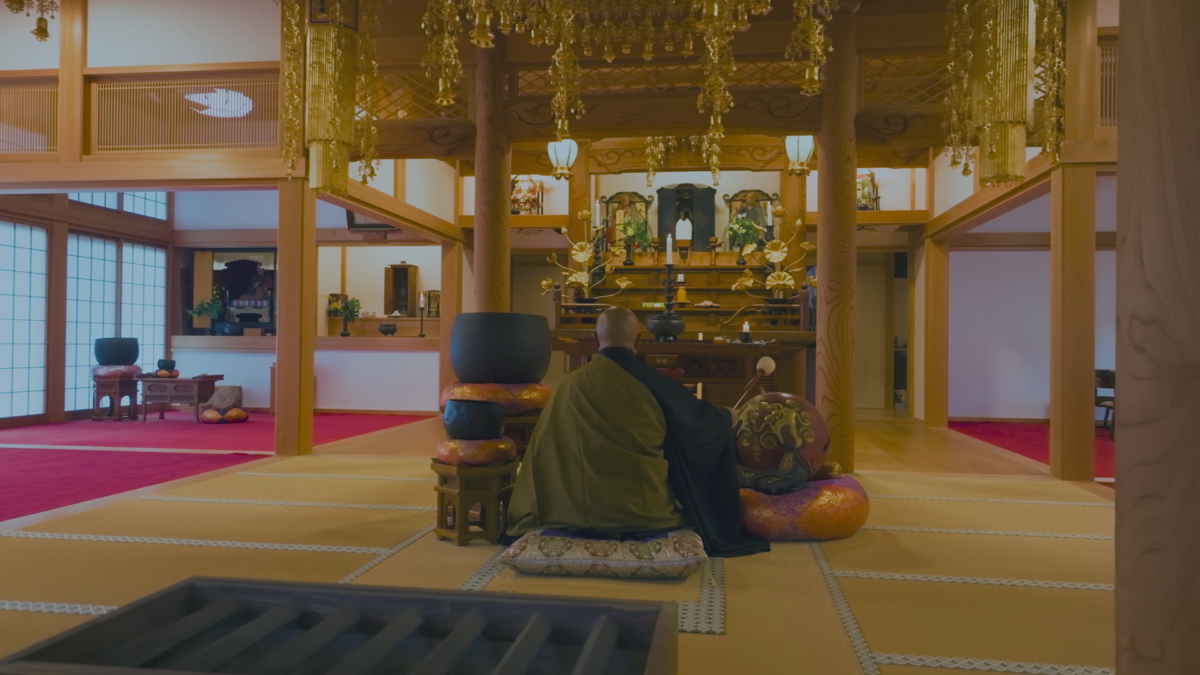
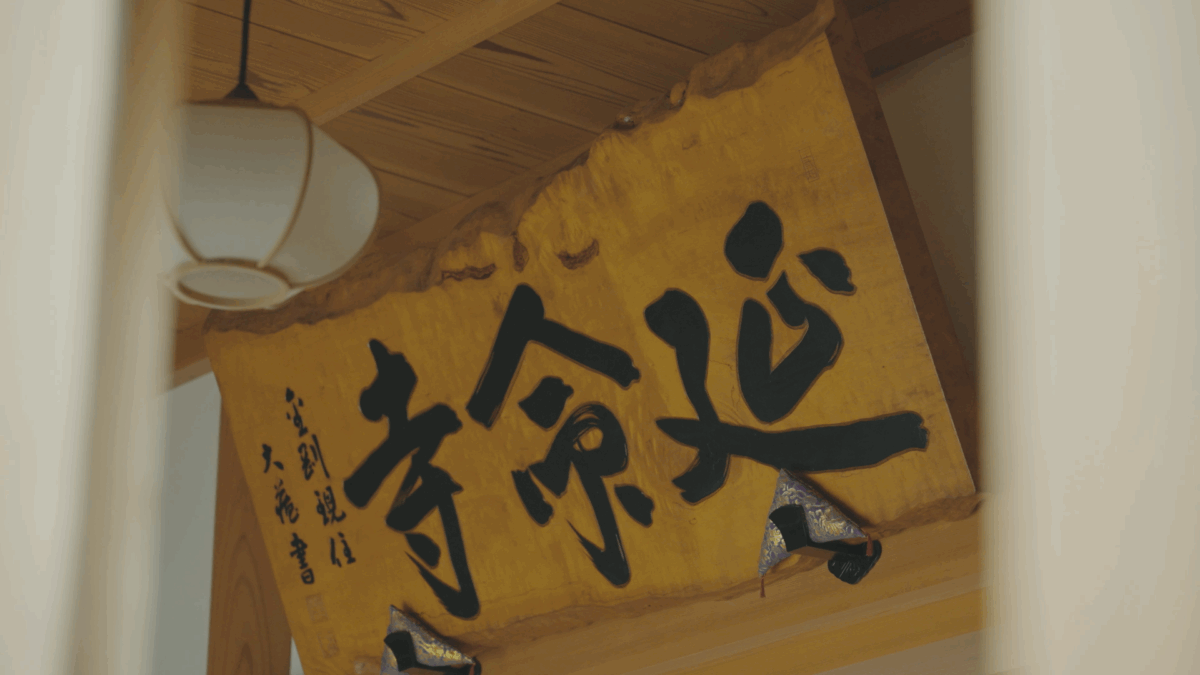
Enmeiji is a temple of the Soto Zen sect of Buddhism, founded in 1595.

Here, step back in time while tranquility fills the halls.

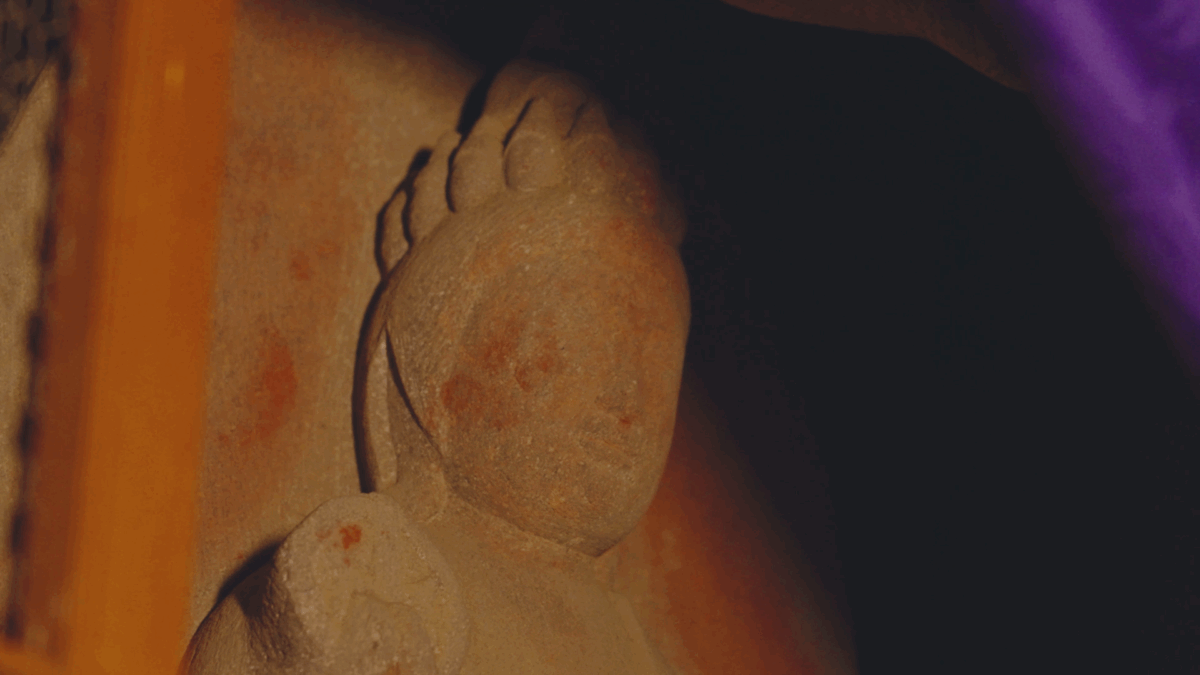
Meet the Kannon statue Shogun Ieyasu prayed to for victory in battle there.
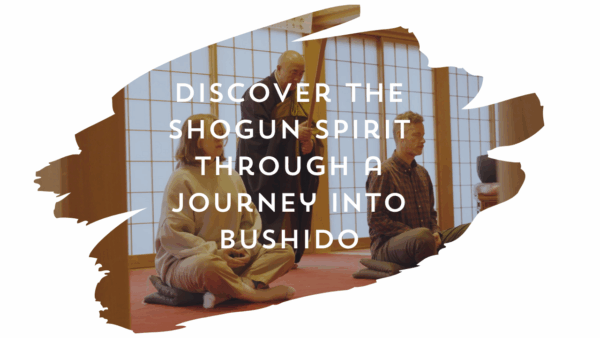
Guided by the welcoming head priest, focus on yourself in Zazen meditation and empty your mind for mindfulness.
Try on genuine Shogun armor and imagine those bygone years.

Book your experience – A unique journey into the spirit of Bushido and Zen in the land of Tokugawa Ieyasu. Experience the minds of a samurai and a shogun through zazen, armor trial, and sword-drawing.

Tokaido Highway – Mariko Juku

0

MARIKO POST STATION

Highlights of the Area: Chojiya Restaurant, Craft Center, Utsunoya Pass

INTRODUCTION

The Old Tokaido Highway became firmly established in the early 17th century as the main thoroughfare for travelers between the new capital of Edo (Tokyo) and Kyoto.

The 20th Post Town of Mariko is a small village on the outskirts of Shizuoka City that is working hard to protect what remains of the Old Tokaido Highway and preserve the town’s heritage.

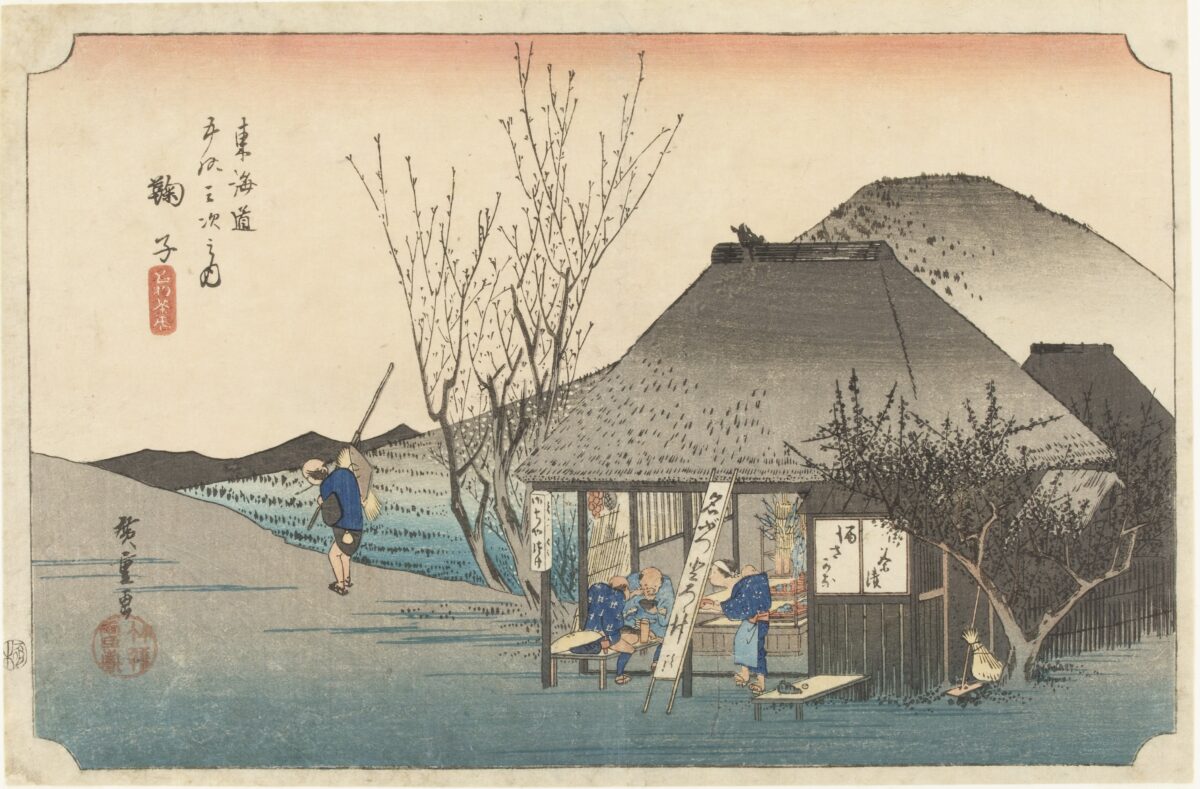
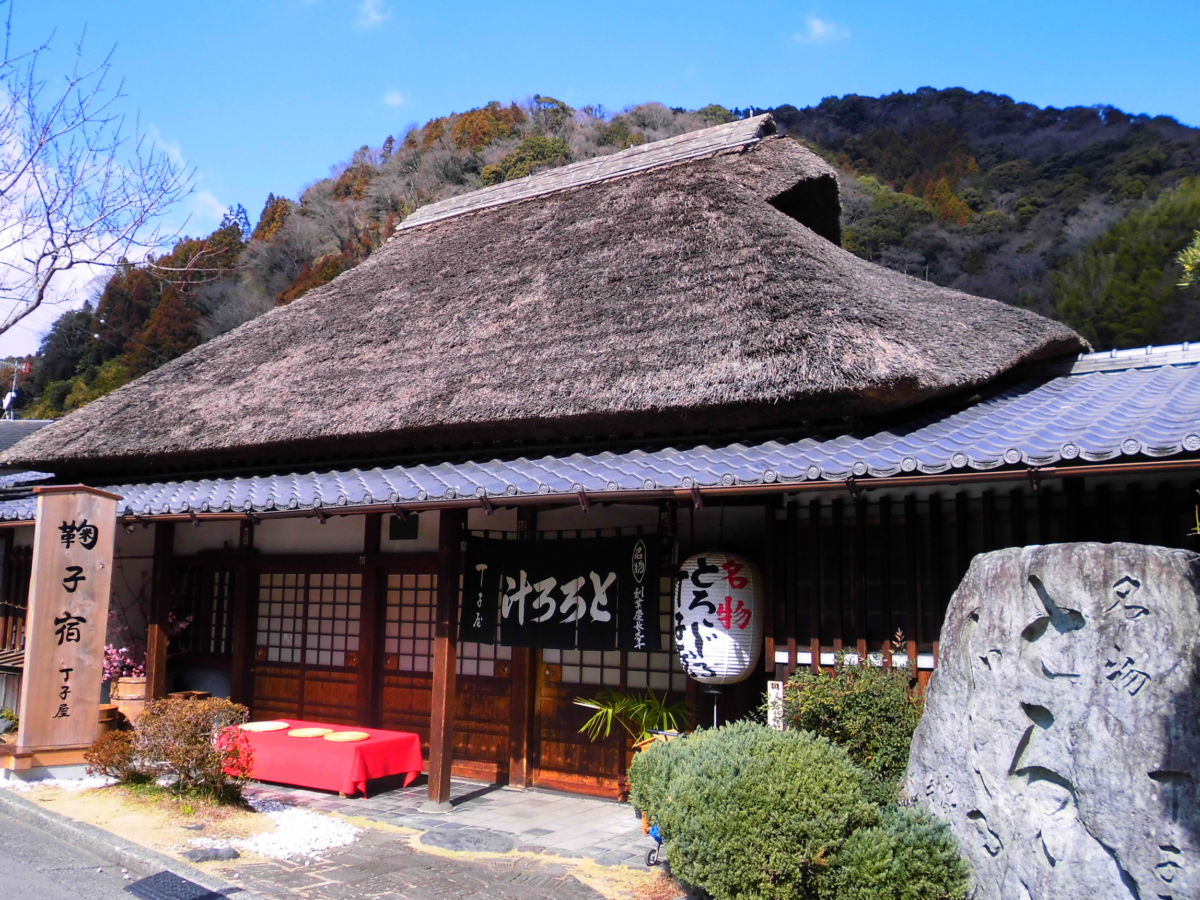
The town of Mariko is perhaps most famous for the iconic Chojiya Restaurant, established in 1596, that was immortalized in Hiroshige’s woodblock print image of the restaurant and its patrons.

Mariko Post Town on Tokaido
Mariko depicted in Utagawa Hiroshige’s “Fifty-three Stations on the Tokaido” 

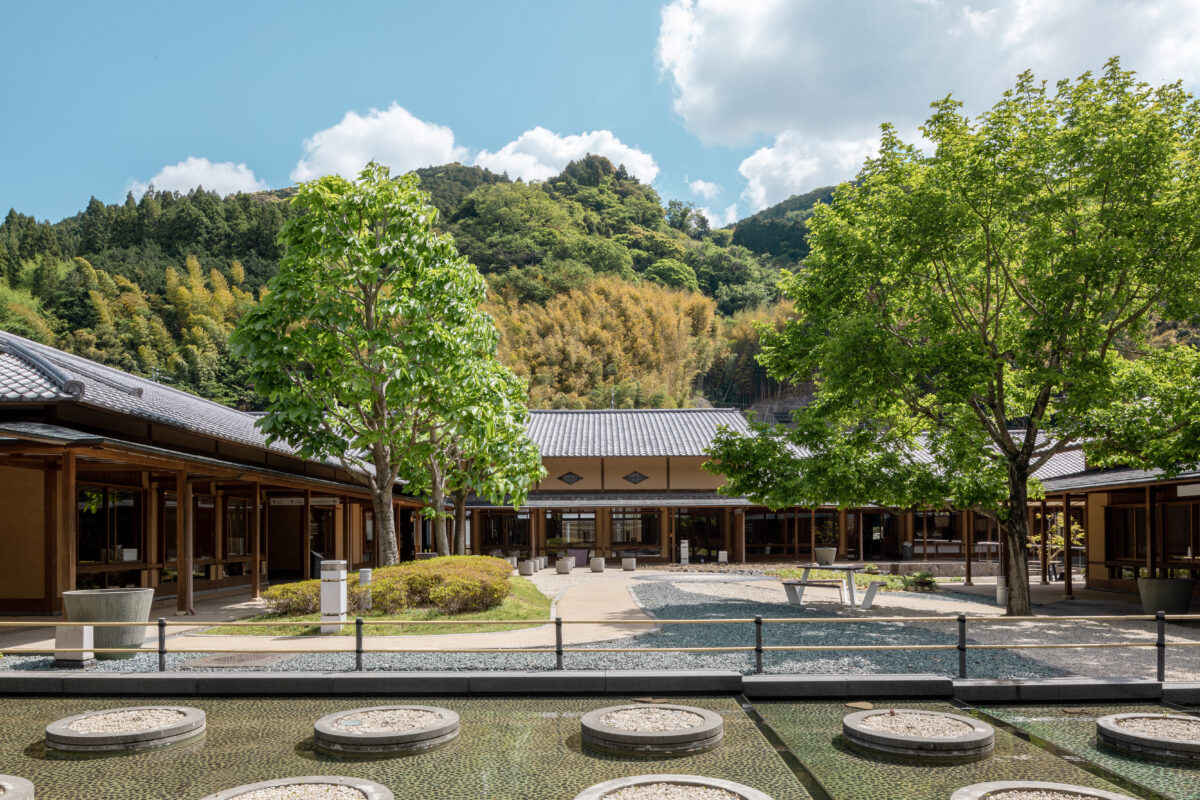
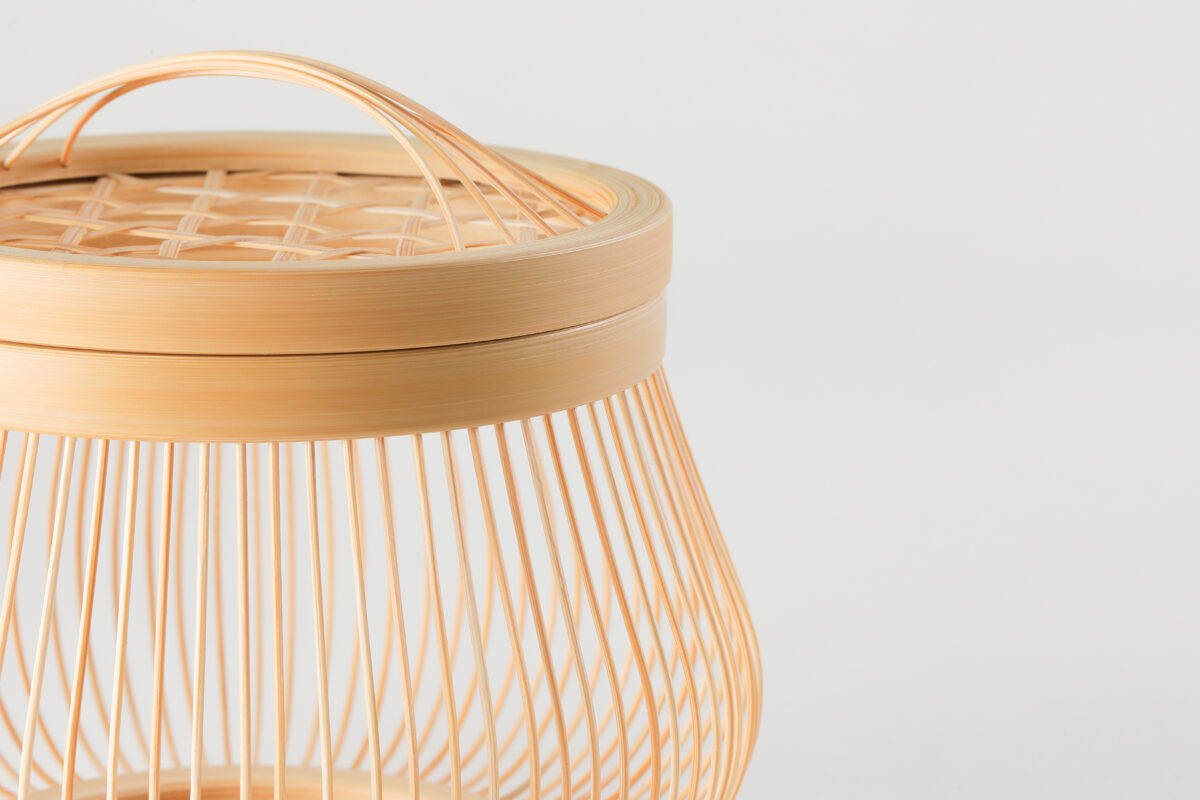
Close to Chojiya Restaurant is the Takumishuku Traditional Hand Craft Arts Center which preserves local handicraft traditions such as Suruga Bamboo Crafts.

For visitors with limited time, it is possible to do a half day tour to both Chojiya and Takumi Shuku, get a great insight into life during the time of the Tokaido Highway, and learn a new craft, and enjoy a new culinary experience.

For the more energetic visitors to Shizuoka that would like to stretch their legs and gain a deeper experience into what life would have been like on the Tokaido Highway 400 years ago, take a day to explore.

SUGGESTED ITINERARY

Take a bus or taxi to Takumi Shuku from Shizuoka Station on the Tokaido Main Line.

The Center opens at 10am and it is worth allocating at least a couple of hours to try some of the craft experiences on offer and grab a coffee at the cafe. For younger children, there is an indoor wooden playground featuring locally sourced timber.

Takumishuku is nestled in the idyllic outskirts of Shizuoka City.
Try a hands-on craft activity

From Takumishuku, the Chojiya Restaurant is within walking distance and it is a great place to enjoy the traditional mountain yam (Tororo) meal and view the small Tokaido themed gallery.

Traditional thatched building of Chojiya
Nutritious “Tororo” meal

For visitors that are interested in stretching their legs and exploring more of the Old Tokaido Highway, after enjoying a meal at Chojiya it is time to follow in the footsteps of past travelers and head to the infamous Utsunoya-toge Pass.

It’s a 3.5km walk to the Utsunoyatoge Rest Area (Shizuoka side) from the town of Mariko – it is a relatively uneventful walk so taking a taxi ride will save your legs for the rest of the trail and save some time.

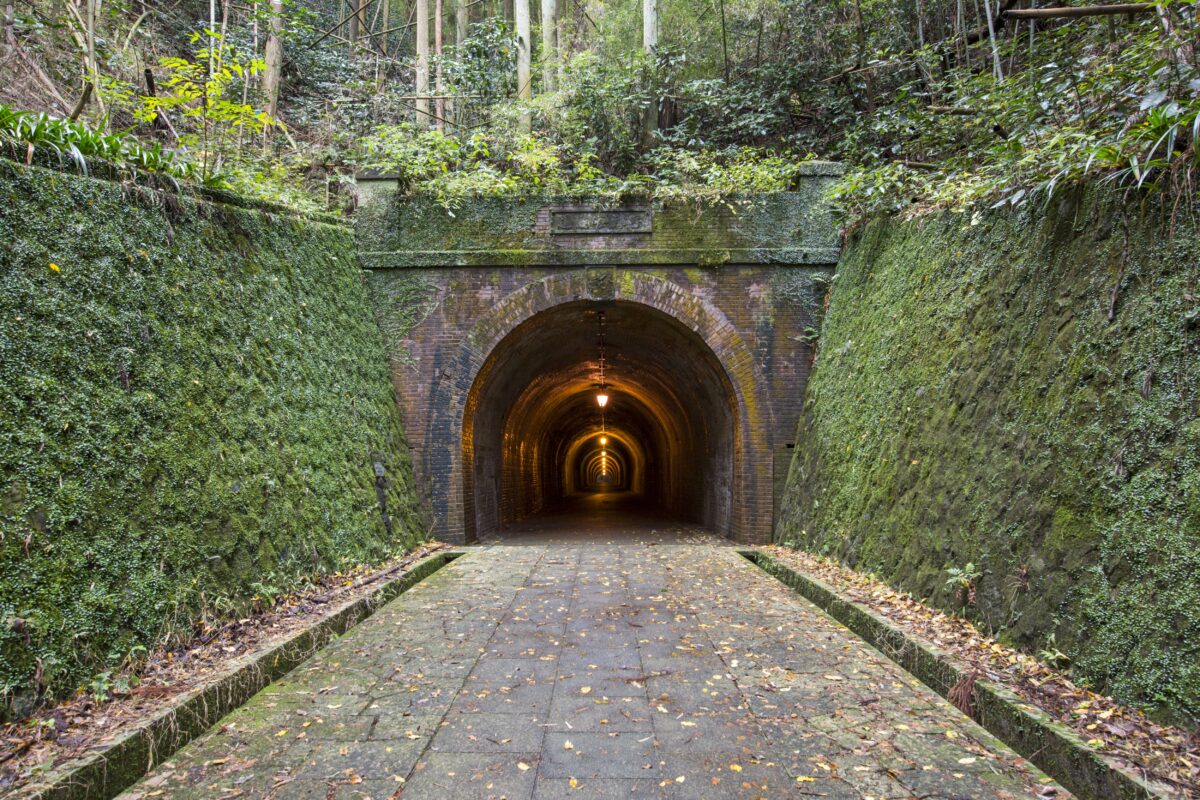
From there, make your way to the Utsunoya area that preserves the essence of a historic highway town. Make sure to visit the “Meiji Tunnel”, Japan’s first toll tunnel.

The brick-built Meiji Tunnel, exuding a nostalgic charm, has become a popular spot for hikers.

Before you realize the residential area gives way to mountains and nature and it becomes easier to get a picture of what traveling in this area would have been like during the peak of the Tokaido Highway.

A short walk from the Rest Area and you arrive at the Utsunoya Pass. You can then make a further hike on the ancient Tsuta no Hosomichi road back to the roadside station or take a bus to Shizuoka Station.

MORE INFORMATION

For more information on Tokaido related attractions in English check here.

Check Mariko Juku Area PDF

Tokaido tour in Shizuoka City

More Travel ideas in Shizuoka City

Spotlight – Kanzanji Onsen

0

On the shores of Lake Hamana is the relaxed Hot Spring Town of Kanzanji.

LAKESIDE HOTSPRING RESORT

KANZANJI IS A RESORT TOWN PERFECTLY SET UP TO HELP YOU RELAX

ONSEN, KANZANJI TEMPLE, STUNNING SUNSETS, GREAT FOOD

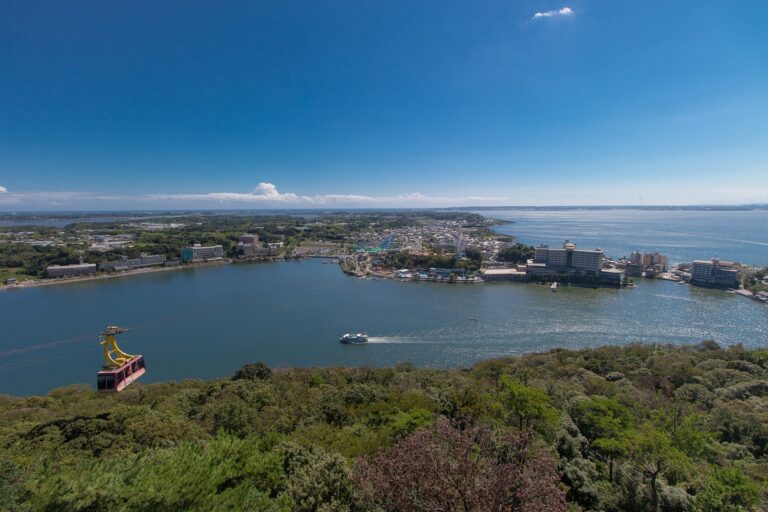
Kanzanji Onsen located on the eastern shores of Lake Hamana is Shizuoka Prefecture’s largest onsen resort area – easily accessible from Hamamatsu Station.

Kanzanji became popular in the 1950’s when a hot spring was discovered and drilled.

Kanzanji features hotels and ryokan with hot spring baths, the Hamanako Pal Pal fun park, a ropeway up to Mt. Okusa Sightseeing Platform, Kanzanji Temple, Hamamatsu Zoological Gardens, Hamamatsu Flower Park and lots of places to pick your own fruit in season.

In summer, Kanzanji Onsen also draws wind surfers, sea kayakers and parasailing enthusiasts.

A PLACE TO FIND YOUR ZEN

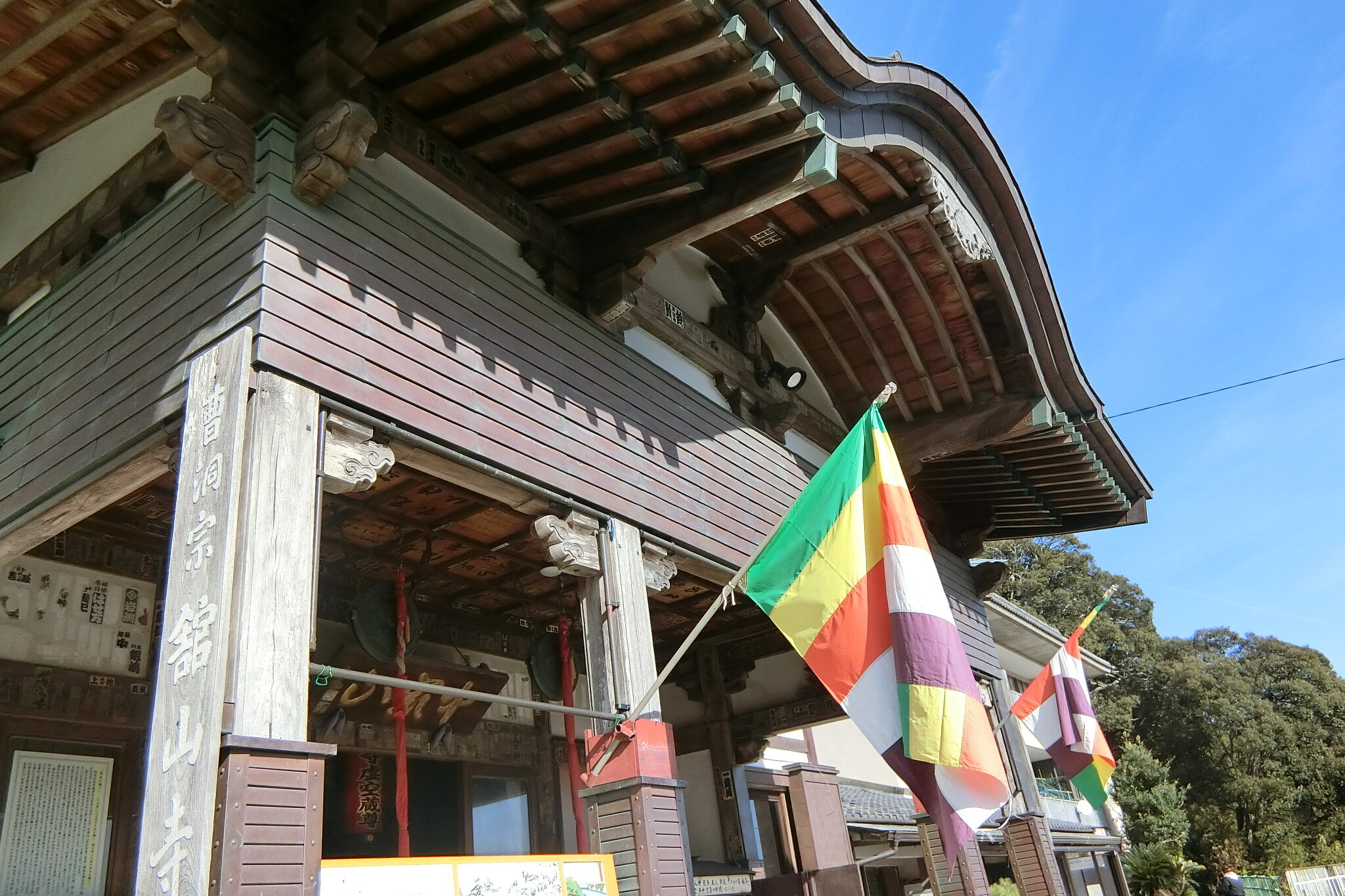
Kanzanji Temple

Kanzanji Temple is said to have been founded by famous Buddhist Monk Kobo Daishi (Kukai) in the 9th Century.

Kobo Daishi remains one of the most influential buddhist monks in Japanese history, famous for establishing the temples on Mt. Koya in Wakayama Prefecture.

Kanzanji Temple is located on Mt. Tateyama, a small hill on the coast of Lake Hamana.

Tateyama is only about 50m high so it is a great place to wander around – there are a number of attractions to discover.

Kanzanji Temple itself is a classic Buddhist temple and the centerpiece of Mt. Tateyama – other attractions include a 16m tall Kannon Statue and a shrine within a cave (Ana Daishi) in which it is said Kobo Daishi practiced.

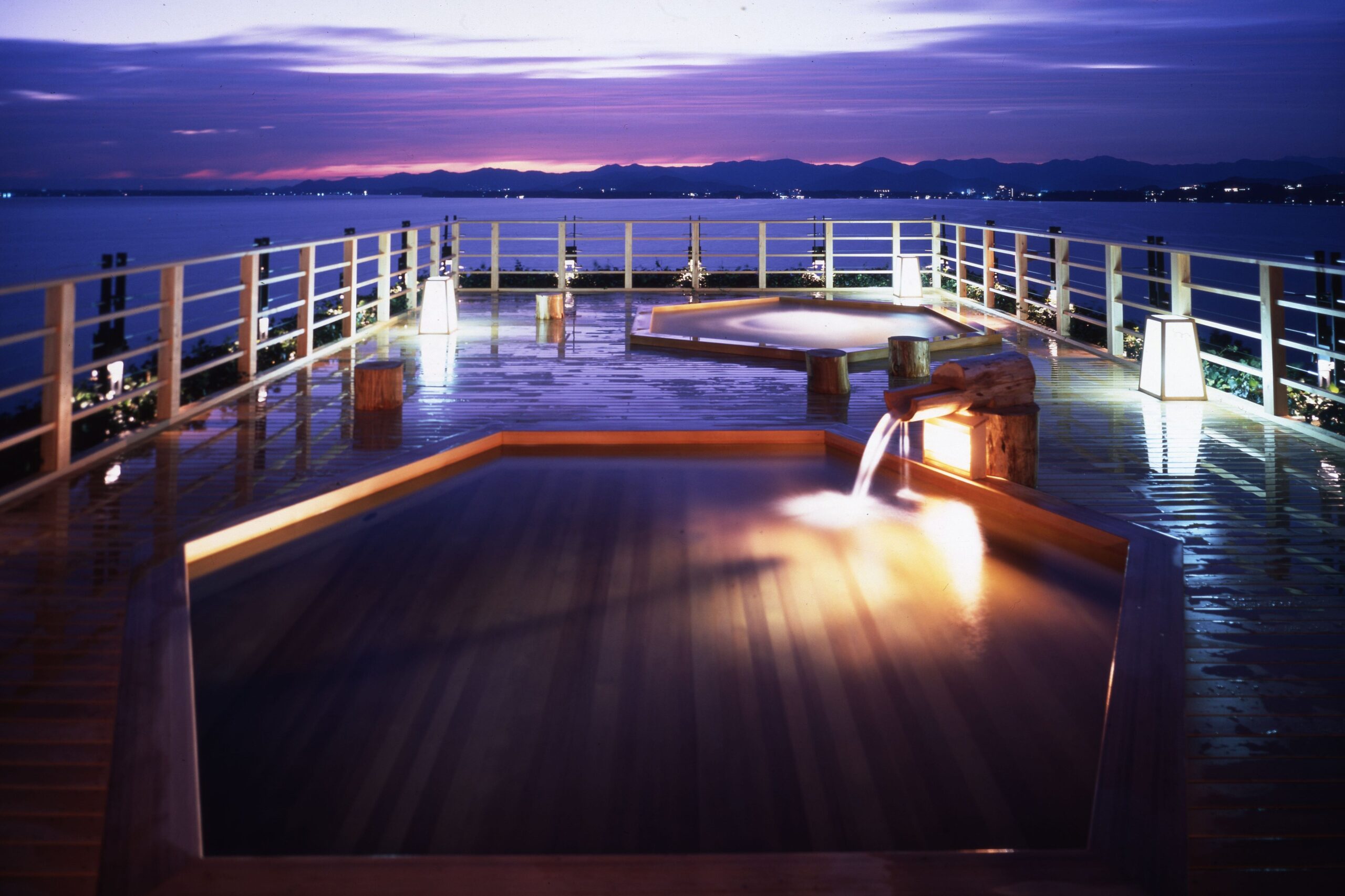
But perhaps the biggest attraction of Mt. Tateyama is the tranquility of walking through the woods and finding zen sitting on the coast and taking in a famous Lake Hamana Sunset.

Sunset from SAGO Royal Hotel

A PLACE TO STAY & PLAY OR CHILL

Like many Hot Spring Resorts in Japan, Kanzanji is set up to help you relax and forget about your daily life as soon as you arrive.

But comfortable rooms, fantastic food and great hot spring options are just the beginning to your stay in Kanzanji.

Kanzanji gives you the option to either stay indoors, soak away your worries or venture out to explore the local township and surrounding areas.

In the Kanzanji area Hamanako Pal Pal, a small amusement park with rides, has a pool in summer, a roller coaster and other attractions that the kids will love.

There is also a short cable car ride to Mt. Okusa Observatory which provides a great view of the lake.

If you want to get out on the water, Fantom Marine offers a number of great on water experiences such as parasailing, jet boat rides or sunset cruises.

The Hamamatsu Flower Park is a 30,000 sq meter flower park, which is extremely popular with a wide range of different flowers blooming through the year.

Hamamatsu Flower Park

HOW TO GET THERE & AROUND

From Hamamatsu Station many of the Hotels in Kanzanji have free shuttle buses and this is possibly the best way to get there.

If you have a car Kanzanji is easily accessible from the Tomei Expressway.

Lake Hamana prides itself on its cycling routes, aid stations and rental bike options. It is a great destination for all levels of cyclists and bikes are a great way to explore the area.

MORE INFORMATION

Check iN HAMAMATSU website for more information and community-based experiences in Hamamatsu area.

Tokaido Highway – Kakegawa Juku

0

KAKEGAWA POST STATION

Highlights of the Area: KAKEGAWA CASTLE, NINOMARU TEA HOUSE & PALACE GROUNDS

INTRODUCTION

The town that grew around the Kakegawa Post Station was one of the most important on the Ancient Tokaido Highway.

In the early 17th century, the Old Tokaido Highway was firmly established as the main thoroughfare for travelers between the new capital of Edo (Tokyo) and Kyoto.

Kakegawa Castle had been built in the 15th century and had helped establish the town as an important stop on the “Shio no Michi” (Salt Road) used to transport salt from the ocean up into the Nagano region.

Kakegawa Castle – Japan’s First Restored Wooden Castle

Today a replica of Kakegawa Castle built in 1994 stands in place of the original.

It is notable as one of the only replica Japanese castles to have been reconstructed in wood using traditional building techniques.

During the peak of travel on the Ancient Tokaido Highway, Kakegawa was a bustling town and an important stop for merchants trading in salt and green tea. The town grew around this bustling trade.

Although not much remains of the original Kakegawa post town in Kakegawa exists today, if you spend a day in this charming castle town, there are a few ways that you can catch a glimpse of what life may have been like 400 years ago.

SUGGESTED ITINERARY

MORNING – CASTLE, TEA CEREMONY AND MUSEUMS

Upon arriving at Kakegawa Train Station in the morning be sure to pick up a Kakegawa Experience Day Passport at the South Exit Visitor Center and then take a walk up to the castle (about 10 mins from the station).

Start your morning with a traditional green tea ceremony experience at the Ninomaru Tea House.

Ninomaru Tea House
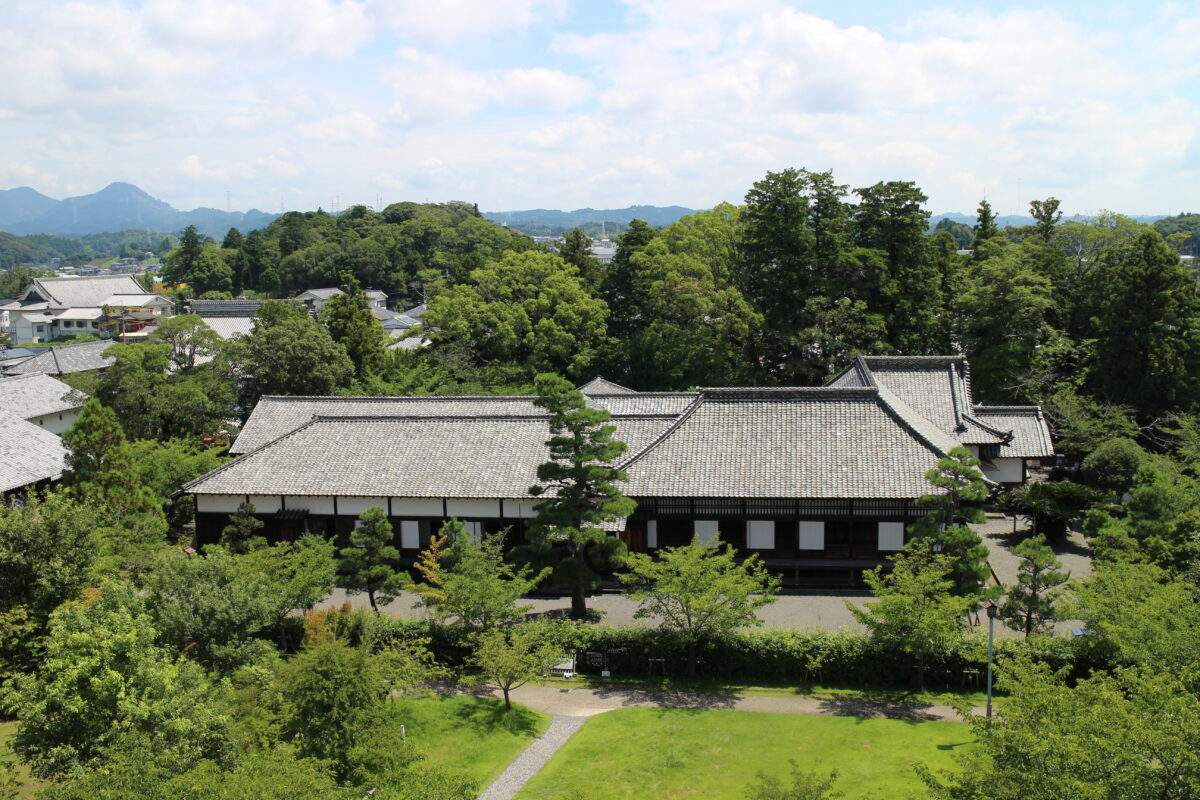
Ninomaru Palace – daimyo’s living quarters have been preserved and are open to the public.

Then spend the rest of the morning exploring the Castle and Ninomaru Palace where you will be able to see displays of Samurai armor, weaponry and other exhibitions that provide a glimpse into what life was like traveling on the Tokaido Road.

Be sure to visit the Kakegawa Ninomaru Museum, Take-No-Maru residence and Stained Glass museum while you are there to complete the experience.

AFTERNOON – SAMURAI ARMOR, GREEN TEA AND BIRD PARK

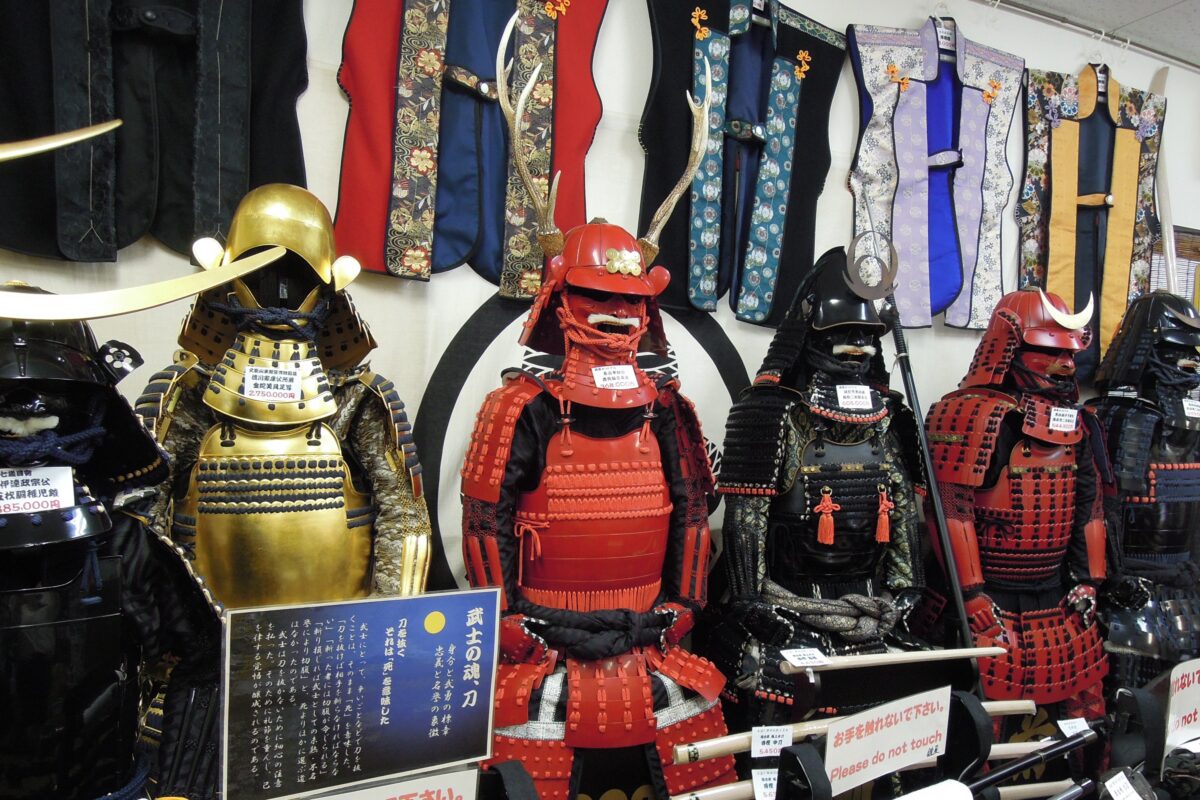
After Lunch at one of the restaurants close to the castle, pop into the Samurai outfitters shop Yoroiya across from the castle and get your photo taken wearing one of the replica samurai armers. *reservation required

Samurai armors on display at Yoroiya
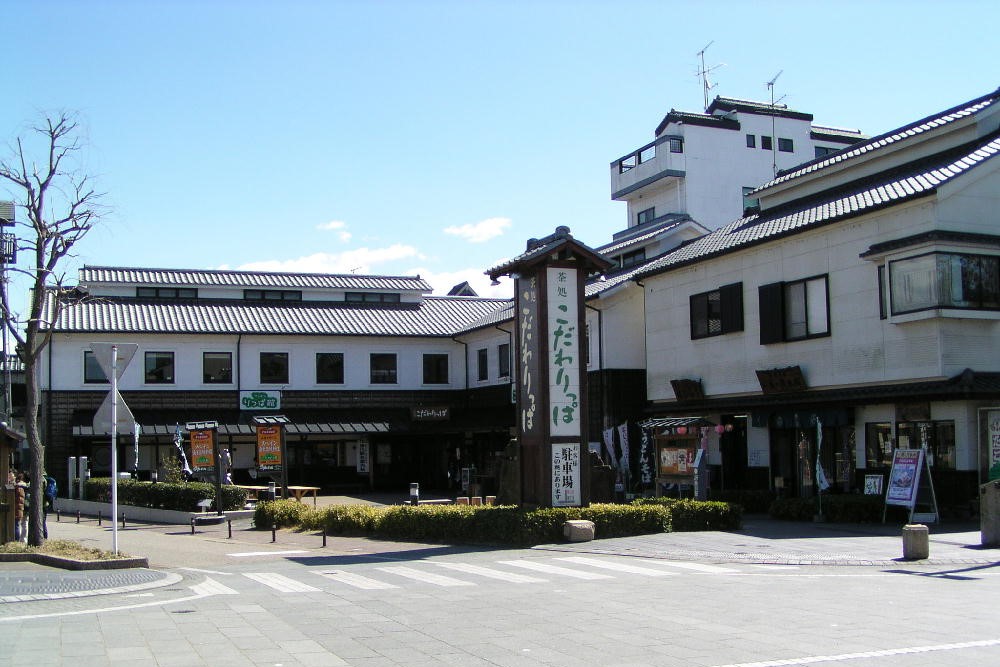
 You can find a wide range of teas and specialty items produced in Kakegawa at Kodawarippa

A trip to Kakegawa is not complete without trying some of the local Japanese sweets or buying some Kakegawa Green Tea from one of the local stores.

For a family fun, Kakegawa Flower and Bird Park (Kachoen) is a large flower and bird park just South of Kakegawa Station. It houses a large number of different birds including flamingoes, emu, penguins, colorful toucan and other exotic birds.

If you are still in the city in the evening make sure to visit the Honjin Dori food alley in the evening to experience local street food and meet some of the friendly locals.

Honjin Dori at night
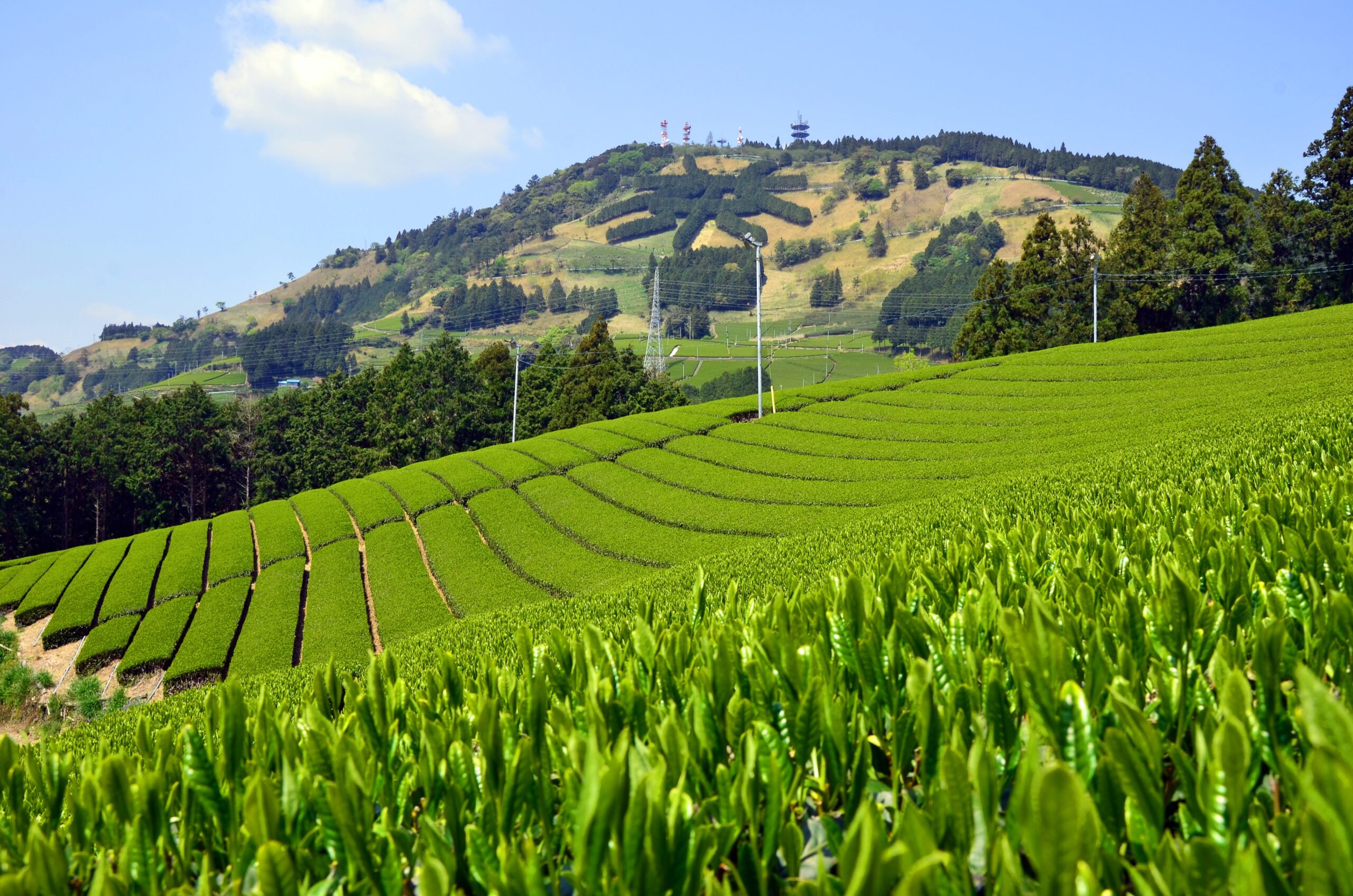
Kakegawa Tea Plantation
Kakegawa is known for its tea production

For a detailed map of Kakegawa and Tokaido Related attractions in English check www.shizuoka.biz

MORE INFORMATION

Kakegawa City Official Tourism Webiste

Activities in and around Kakegawa City