Home Blog Page 5

Discover Hidden Gems in the Alps

3 Nights / 4 Days Helicopter Tour to The Japan Southern Alps

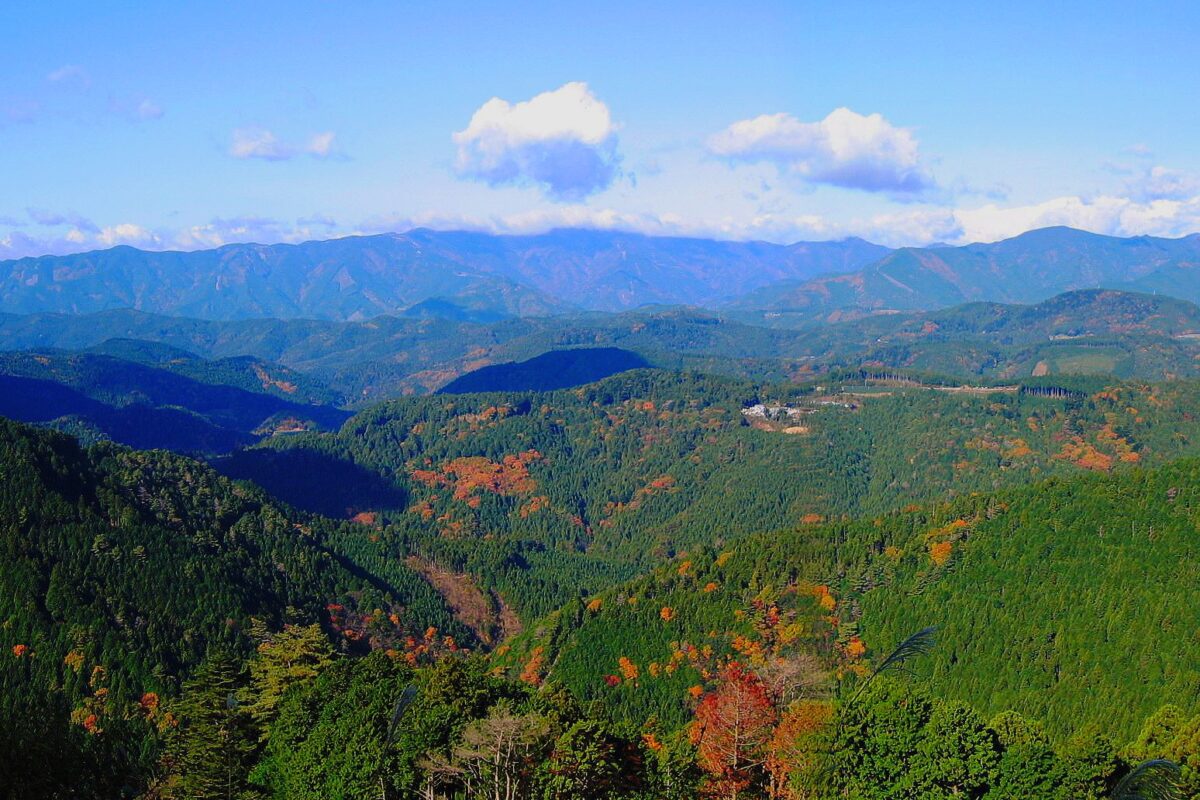
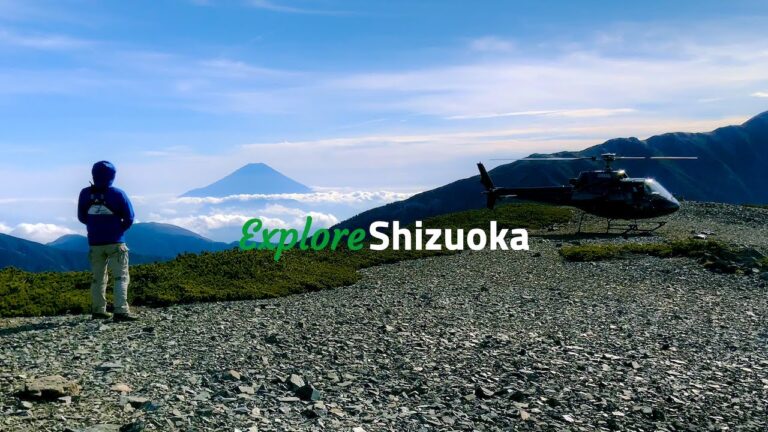
The Japan Southern Alps are truly hidden gems. A helicopter in “The Japan Southern Alps National Park Adventure Tour” will whisk you to the Mt. Ogochidake area (elevation: 2,802m) in only about 20 minutes, a journey that would typically take three days each way. From there you can enjoy an elegant stroll. This is the first helicopter hiking tour in Japan to the Japan Southern Alps National Park Class 1 Special Area. Weather permitting, it will be an unforgettable and special experience, as spectacular views of Mt. Fuji and the Japan Alps spread out before you.

Click here to make a reservation.

GET READY FOR THE ADVENTURE

After meeting the staff at Shizuoka Station, you will travel to Nihondaira Yume Terrace. Mt. Fuji can be admired on clear days. After that, check-in at Nippondaira Hotel. Dinner at the hotel.
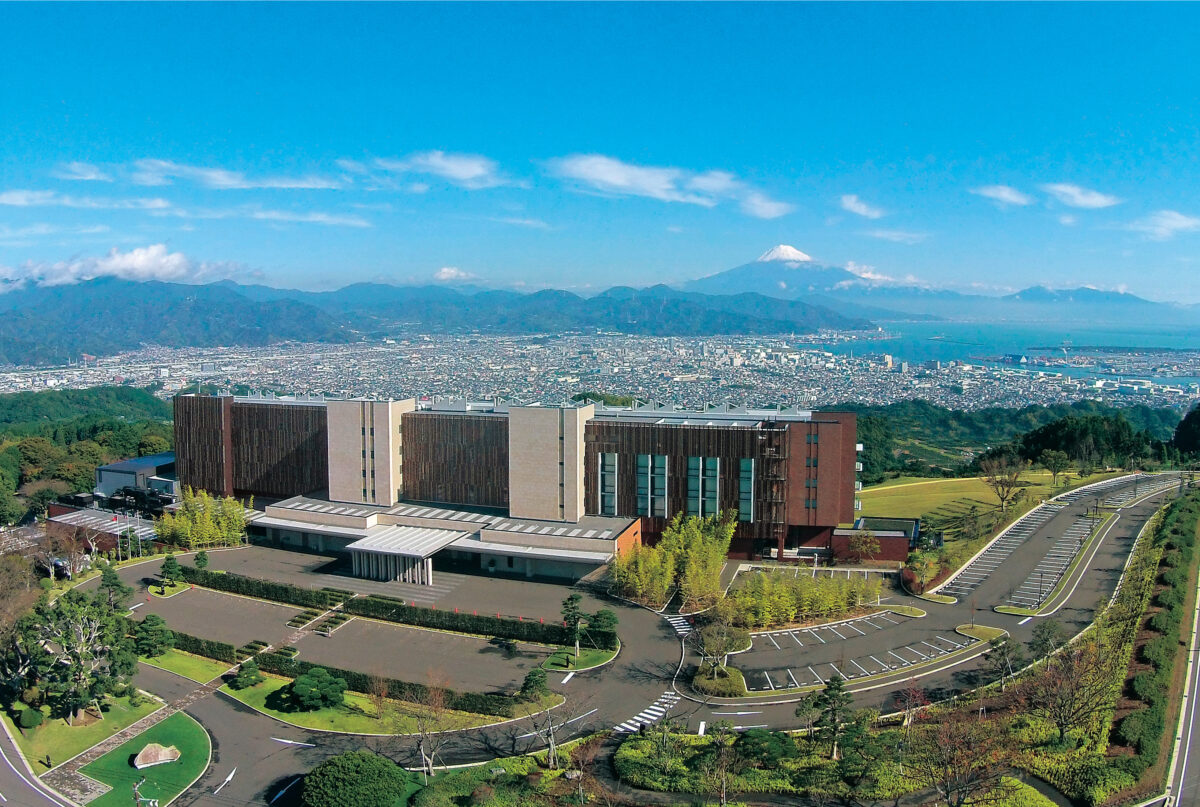
Nippondaira Hotel

FLY TO THE MIGHTY JAPAN SOUTHERN ALPS

Depart from the heliport on the Nippondaira Hotel grounds for the Japan Southern Alps. In just 20 minutes, you will touch down near the summit of Mt. Ogochidake located in the Japan Southern Alps National Park.
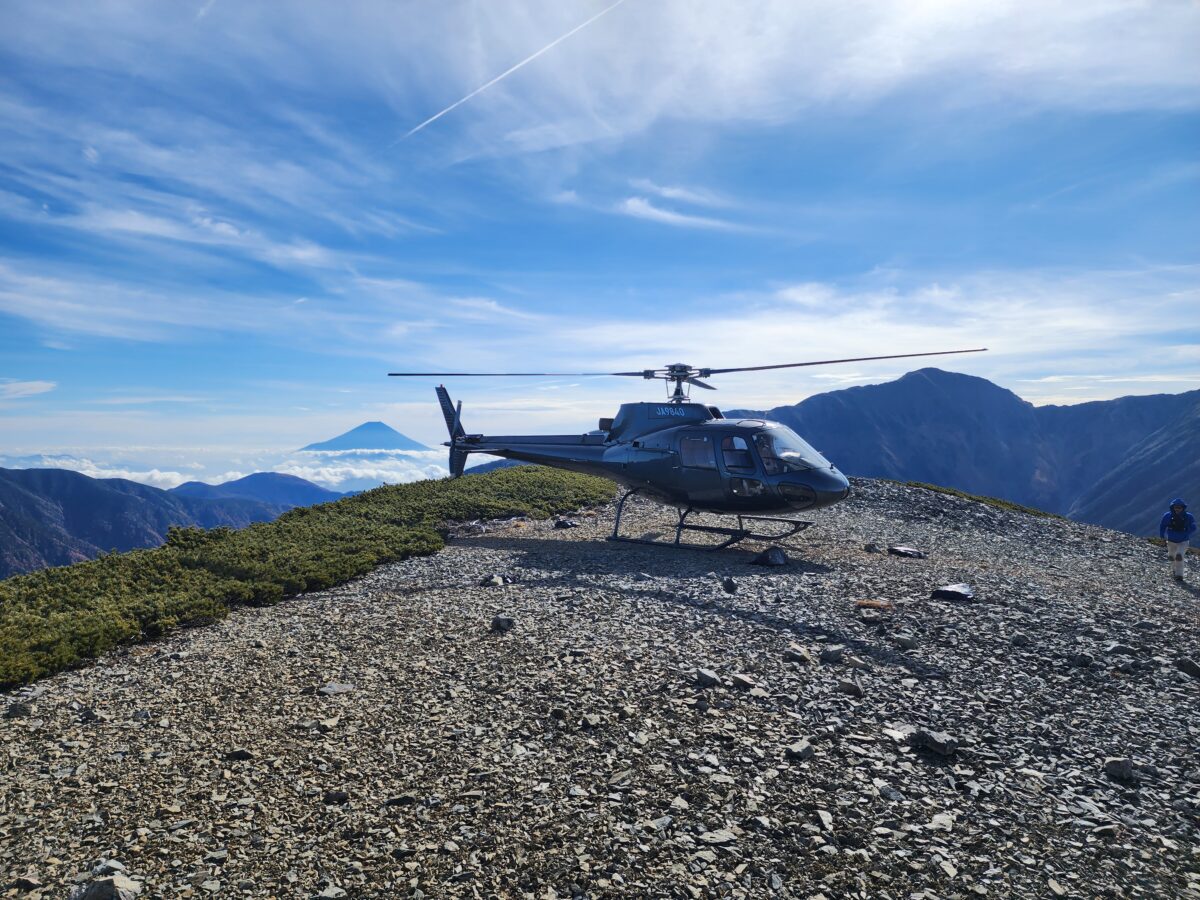
Summit of Mt. Ogochidake

After descending by helicopter from Mt. Ogochidake to an elevation of around 1,000m, a private car will take you to the photo gallery at Sawarajima Lodge. At this gallery, you can see pictures of the splendor of the Japan Southern Alps in all four seasons. This is followed by lunch at Sawarajima Lodge.

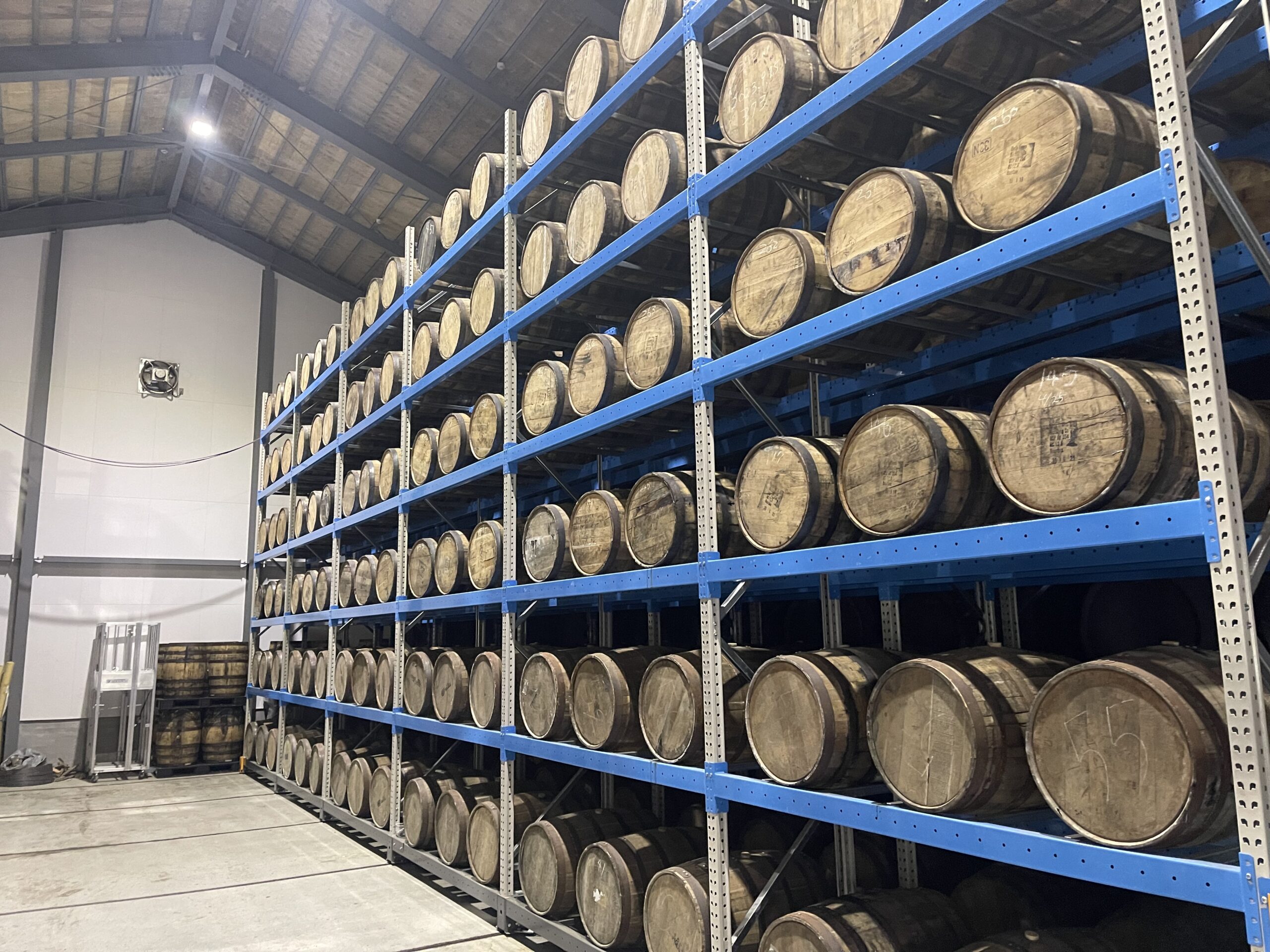
You will tour the Ikawa Distillery. Whisky is made at a high altitude that is rare in the world, and this national park area is the source of its mother water. This is the most remote distillery in Japan and is not open to the public, but this tour’s participants are offered a special visit.
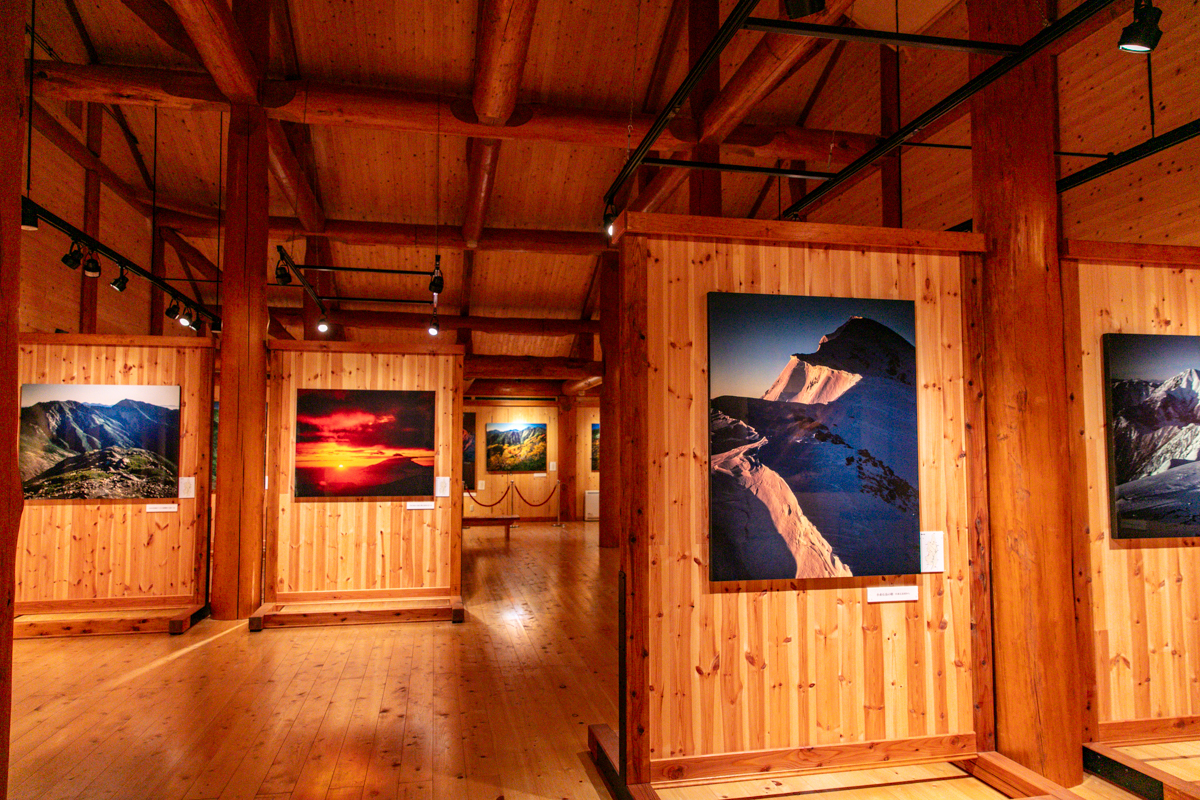
The photo gallery at Sawarajima Lodge
The Ikawa Distillery

GO ON A SPECTACULAR HIKE TO MT. SENMAIDAKE

You will aim for Senmai-goya Hut at an elevation of 2,500m. This tour takes you on a special one-hour ride in a private car on a route that is normally only accessible on foot. After arriving at Senmai-goya Hut, you will prepare for the ascent.

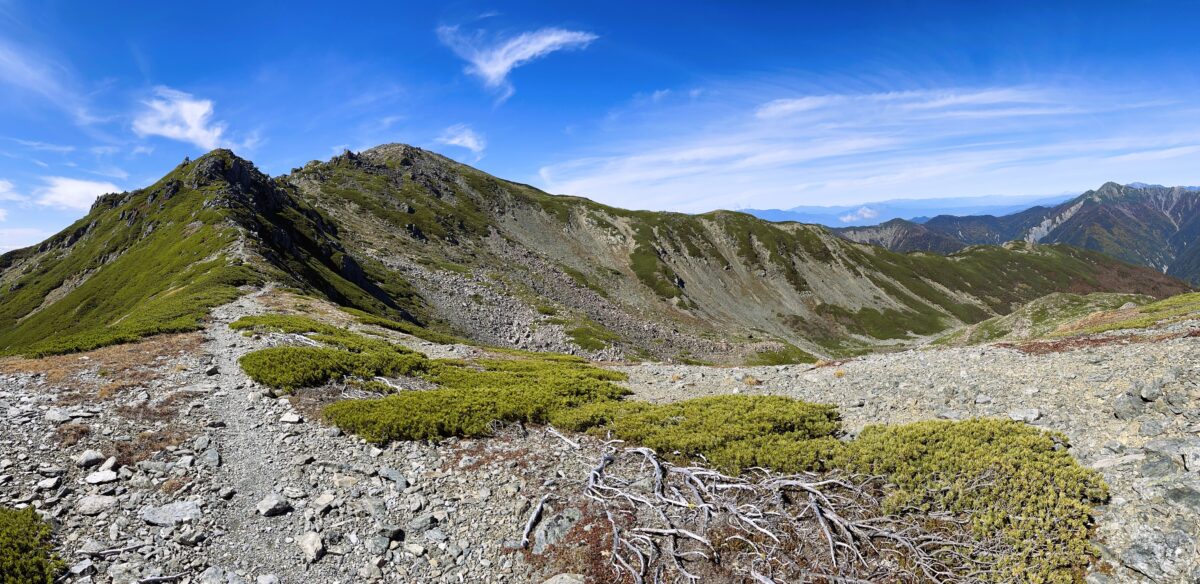
You will start climbing in top condition. You head for the summit of 2,880m Mt. Senmaidake together with an English-speaking mountain guide while taking in the great nature of the Japan Southern Alps.
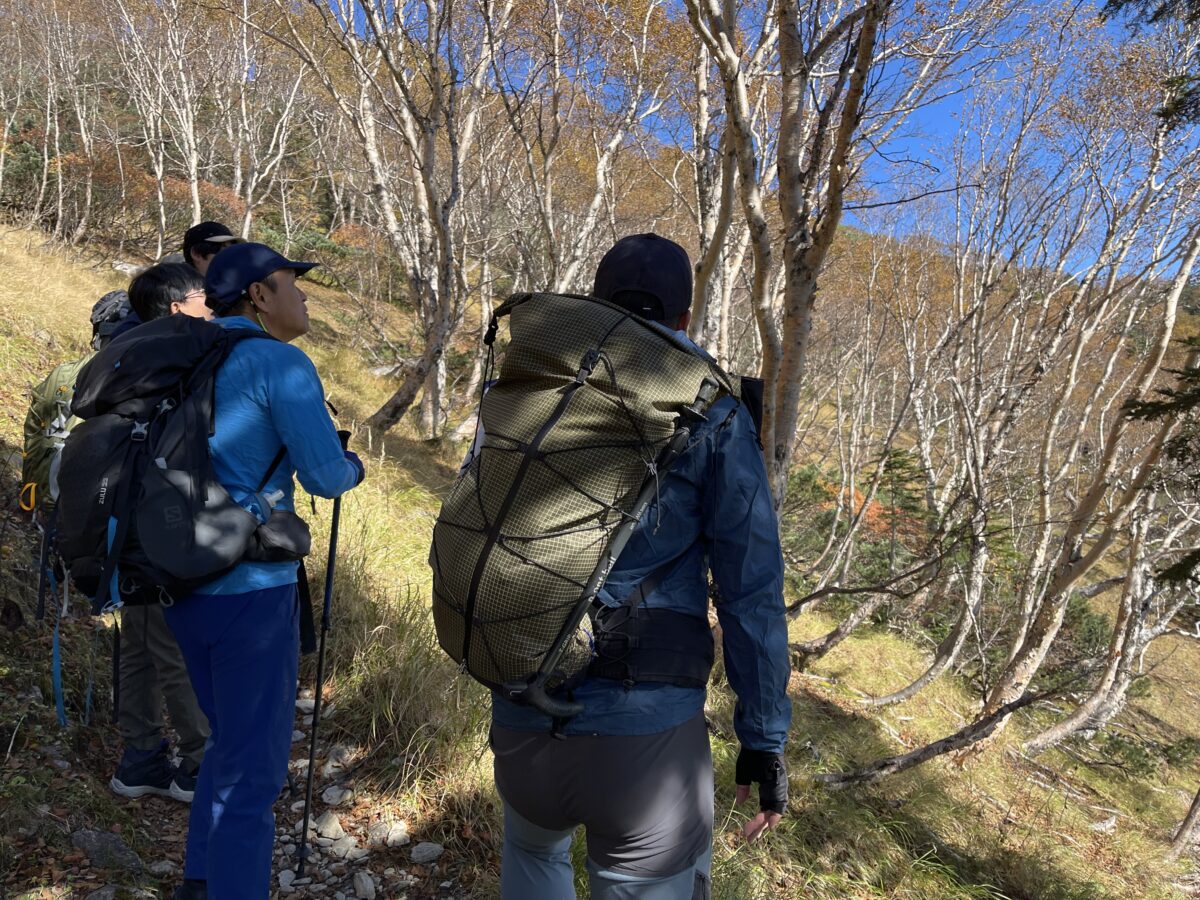
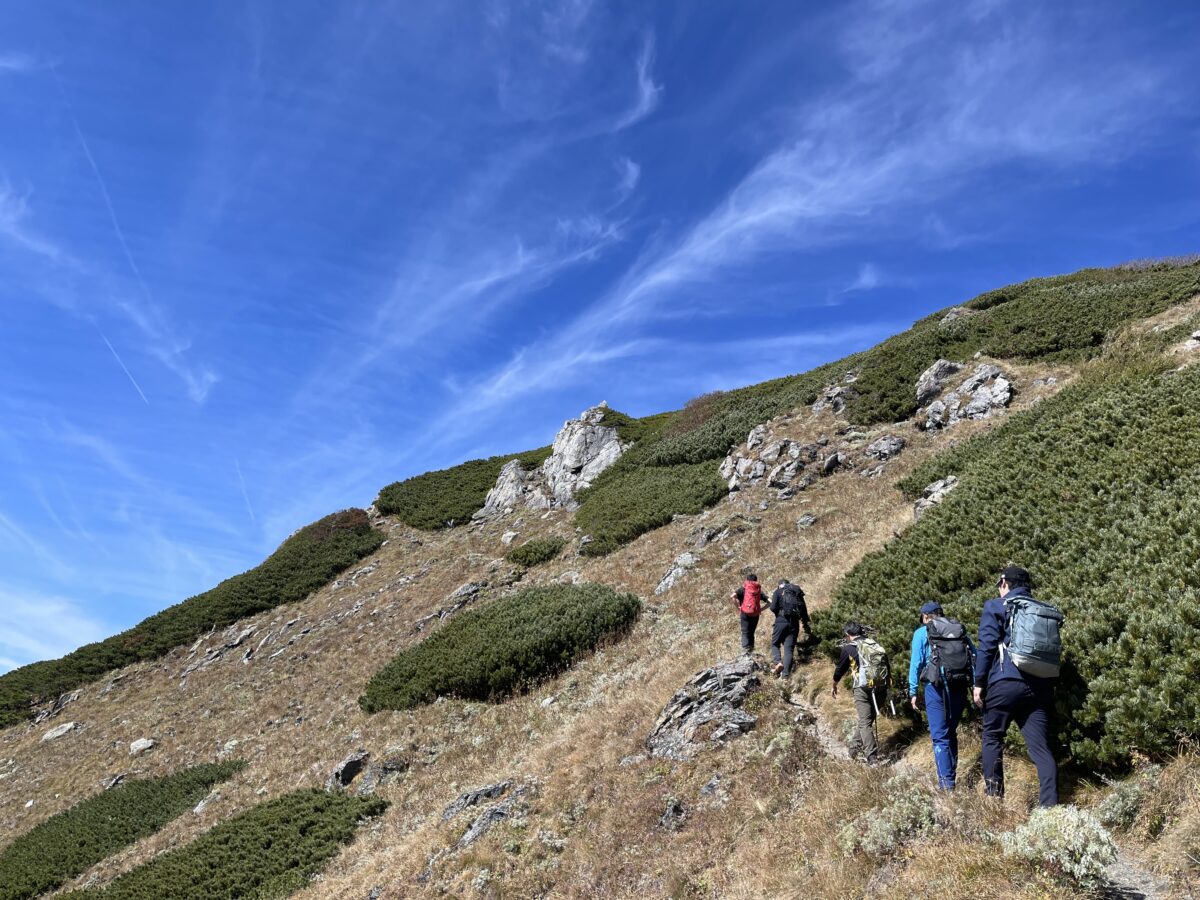
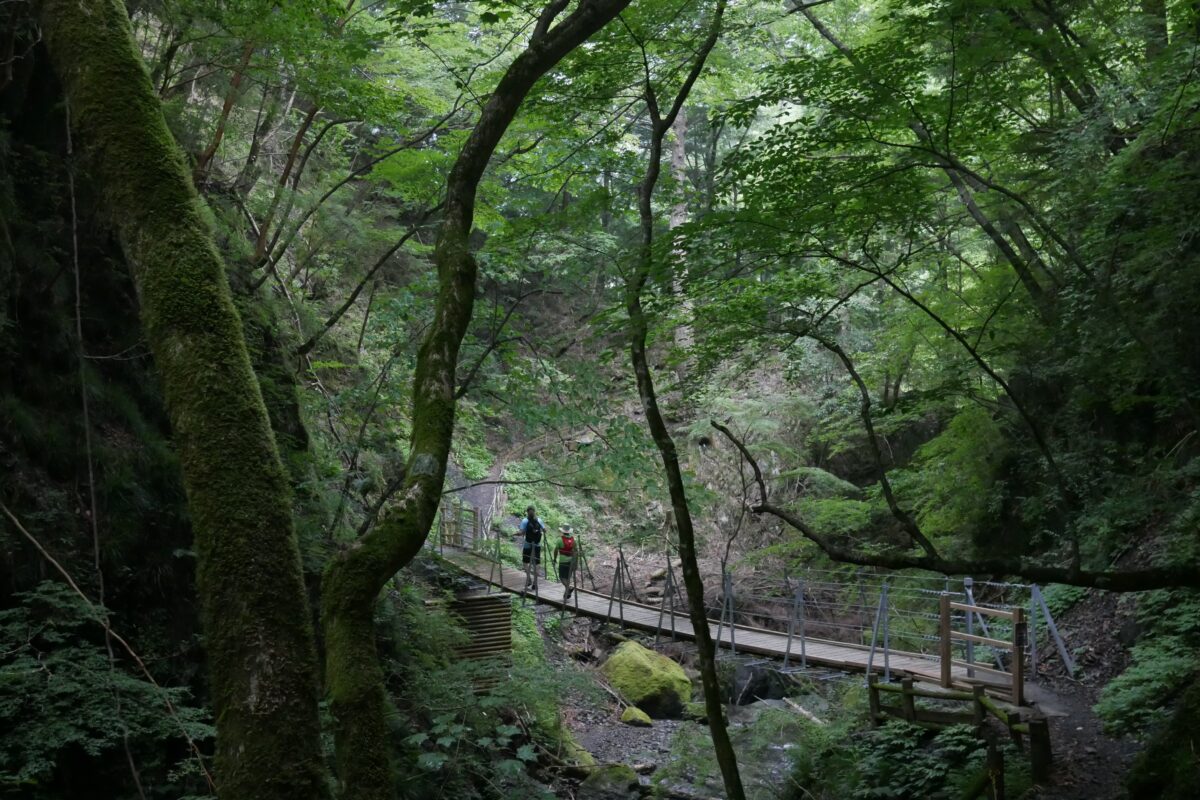
On the way to the top of the mountain

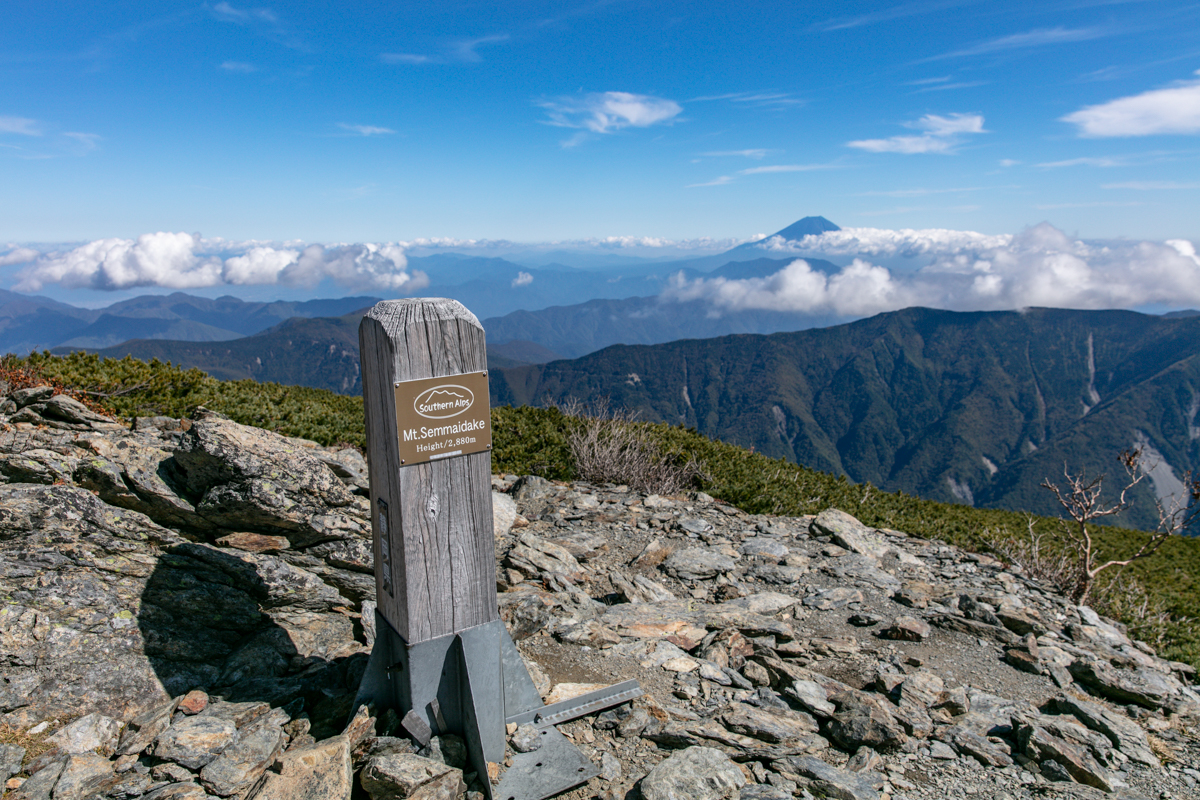
At the summit awaits a spectacular view of the Japan Southern Alps, and Mt. Fuji can be admired on clear days.
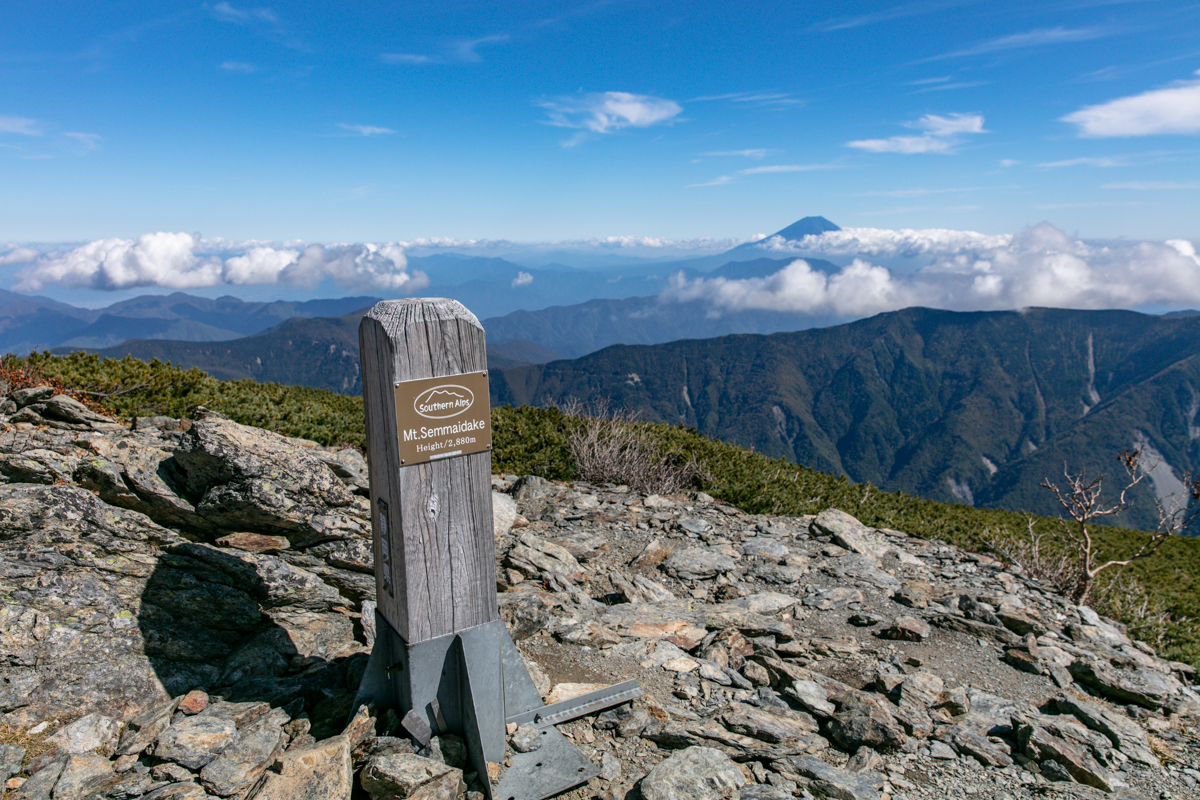
The summit of Mt. Senmaidake

After climbing, you will take a private car down to Sawarajima Lodge from Senmai-goya Hut and take a rest. After that, you will head to the Sumatakyo Onsen (hot spring). You will soak in the hot springs and rejuvenate from the fatigue of climbing. Dinner will be served at a ryokan.
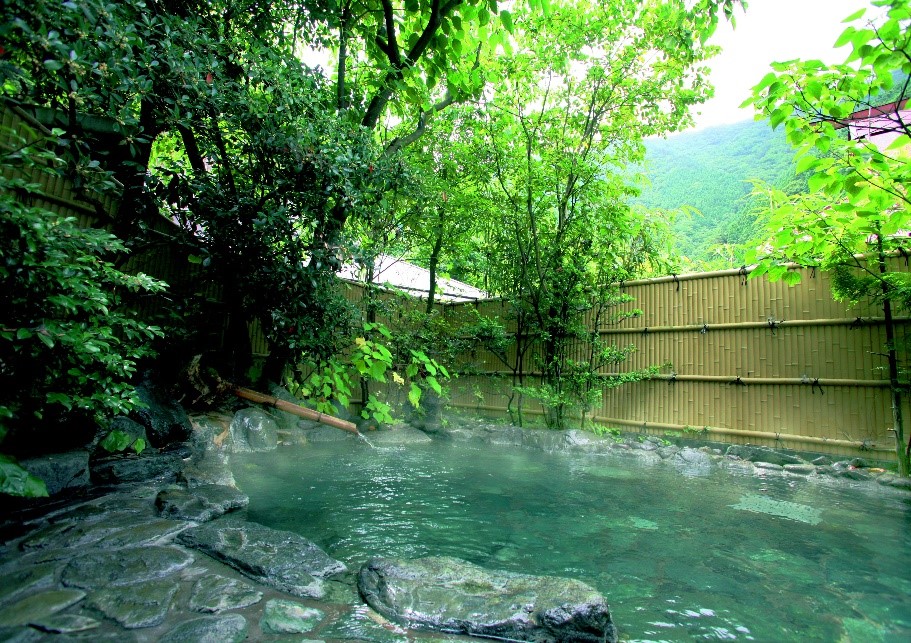
Sumatakyo-Onsen SUIKOEN

EXPLORE THE AWE-INSPIRING SUMATA GORGE

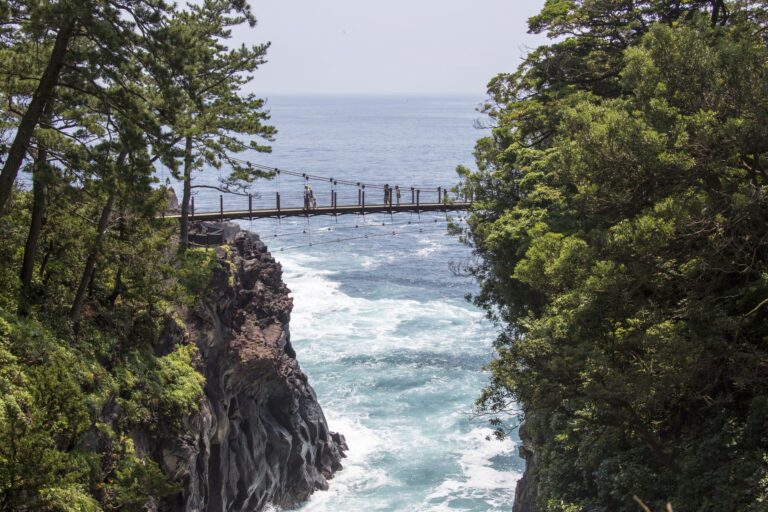
Taking a stroll in Sumatakyo. You will visit the Yume no Tsuribashi Suspension Bridge, selected by Tripadvisor as one of the “10 Pedestrian Suspension Bridges You Must Cross Before You Die”. After lunch, you will take a taxi to Shizuoka Station. The tour ends upon arrival at Shizuoka Station.
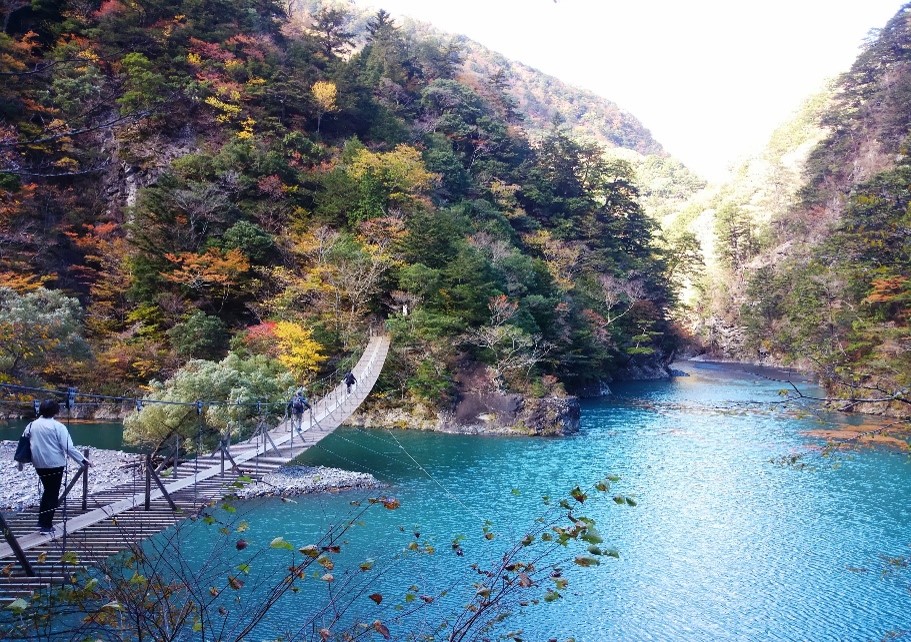
The Yume no Tsuribashi Suspension Brigge

In the majestic Japan Southern Alps, which are almost inaccessible to the public, enjoy the expansive natural wonder that is the pride of Shizuoka through a varied sightseeing itinerary including mounatin climbing, hiking, touring a whisky distillery, and soaking in hot springs.

ADDITIONAL INFORMATION

・3 nights/4 days Active Plan Price (tax included): 920,000 yen (per adult/based on double occupancy) /670,000 yen (per adult/based on triple occupancy)

・The itinerary can be adjusted.
・The price includes one-way helicopter ride, one-way tax ride, accommodation at Nippondaira Hotel (incl. one dinner and one breakfast), accommodation at Sawarajima Lodge (incl. one dinner, one breakfast, and two lunch boxes), accommodation at Suikoen (or equivalent class ryokan) (incl. one dinner and one breakfast), transportation within the Japan Southern Alps (private car), guide fee, and environmental conservation and maintenance donation.

・A Basic Plan for 2 nights/3 days is also available.

CONTACT FOR INQUIRIES

Local Network Service Shizuoka Japan : Nihonyanagi Satoshi

Mail : s-nihonyanagi@local-networks.net

Click here to make a reservation.
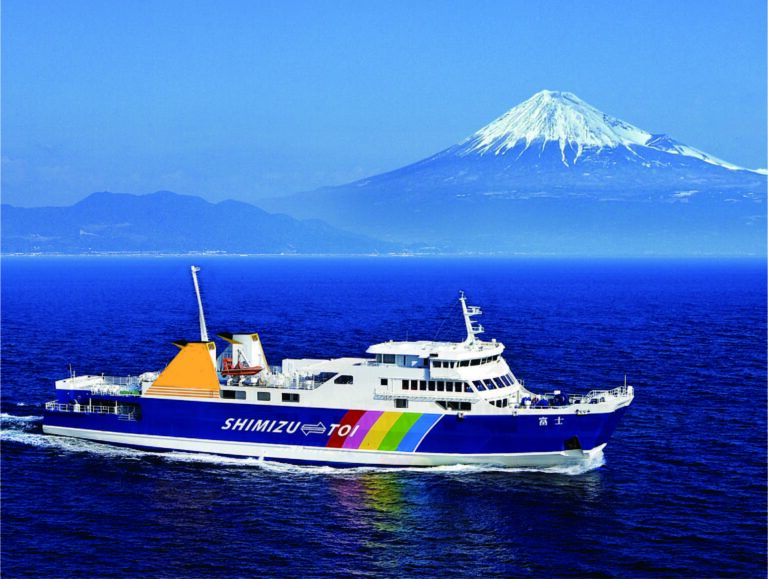
5 Things To Do Around Shizuoka City

0

Shizuoka City is the capital and 2nd largest city of Shizuoka Prefecture. Located on the coast of Suruga Bay, easily accessible from Shizuoka Station, are the fishing towns of Shimizu and Mochimune.

There are many great attractions in this small area and here are 5 of the best on offer.

Shimizu Port

Shimizu S-Pulse Plaza

It is a short train ride from Shizuoka Station to Shimizu Station on the local Tokaido Train Line to Shimizu Port Area which is famous for Kashinoichi fish market – a seafood lovers dream come true!! An amazing array of seafood options but specifically tuna – try the all you can eat Tuna bowls.

From there it is a short bus, or water bus, ride to S-Pulse Dream Plaza Shopping area which has restaurants cafes, sushi museum, sushi making school advance reservation required and ferris wheel with spectacular views of Mt. Fuji.

Do you love sushi? If yes, then Japan’s first sushi themed museum is for you!

Comprised of Shimizu Sushi Yokocho for eating all types of sushi and an educational area where you can learn the history of sushi and get some hands on experience.

Miho no Matsubara

Miho no Matsubara

From Shimizu Port or S-Pulse Dream Plaza it is easy to jump on a waterbus to explore the Miho area and grab a photo on famous Miho no Matsubara beach with Mt. Fuji in the background.

Miho no Matsubara was registered as a part of Mt. Fuji’s world heritage site in June of 2013.

There are over thirty-thousand pine trees growing along the 7km beach, which along with the white waves, blue ocean, and Mt. Fuji, has been expressed through Japanese art for centuries.

If stunning views of Mt. Fuji, beautiful pine forests, the deep blue water of Suruga Bay, and long walks down a 7 km beach are your thing, then look no further!

Nihondaira & Kunozan Toshogu Shrine

Kunozan Toshogu Shrine

One of the best things to do around Shizuoka City is to head for the hills and spend a day around Nihondaira.

Jump on the cable car and visit Kunozan Toshogu Shrine which is said to be the last resting place of Tokugawa Ieyasu, and closely connected with the Nikko Toshogu Shrine. #kunosantoshogu

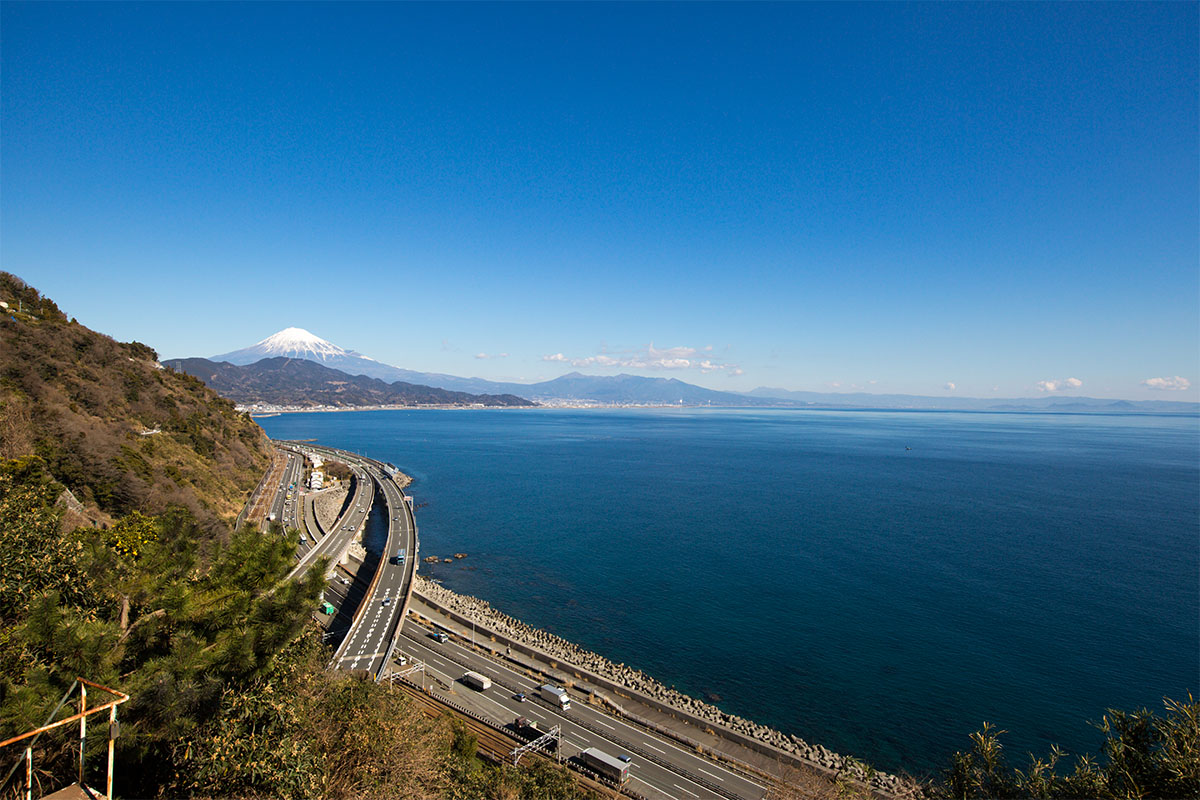
Visit the architecturally stunning Nihondaira Yume terrace for, on a good day, some of the best and most famous views of Mt. Fuji.

For the kids the Nihondaira Zoo is a fun place to spend the day visiting the famous red panda. #nihondairazoo

Enjoy lunch, afternoon tea or green tea cocktails at the bar at Nippondaira Hotel while you watch the outstanding views of Mt. Fuji – many of the rooms in this hotel have large windows that face toward this iconic mountain and you will be tempted to stay the night so you can enjoy the views of Mt. Fuji, which changes from moment to moment.

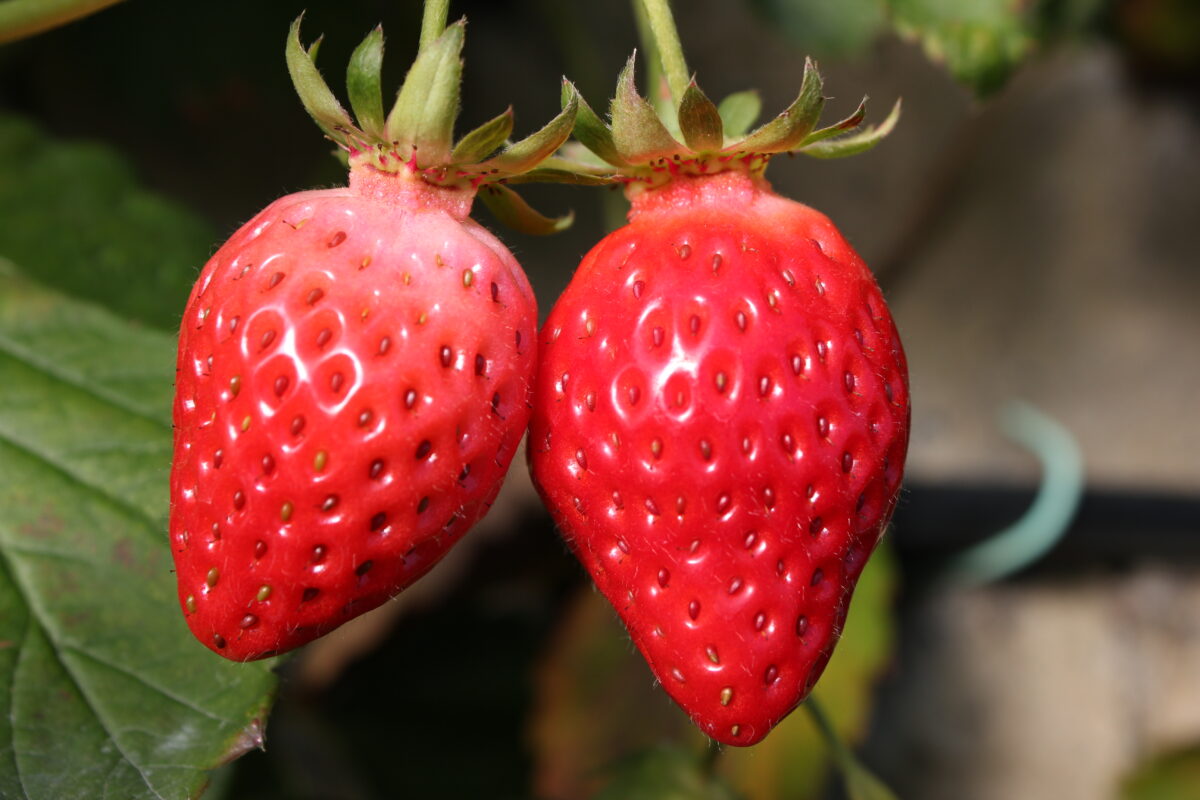
Strawberry Coastal Road

At the foot of Mt. Kunozan and Kunozan Toshogun Shrine is a stretch of road known as “Ichigo Kaigan Douri” which translates to Strawberry Coastal Road.

Shizuoka Prefecture is well known for its production of Green Tea around the world but the fact that the prefecture grows some of the biggest and best strawberries is still relatively unknown to anyone outside of Japan.

With the greenhouses warmed by all day sun thanks to the relatively stable winter weather and fed by the mineral rich water coming down from the hills you get some of the biggest, sweetest, most amazing strawberries you will ever eat.

From January to May each year you can indulge in an all you can eat picking session for a fraction of the cost that these berries would be in stores – grab a punnet and some condensed milk and enjoy!

Mochimune

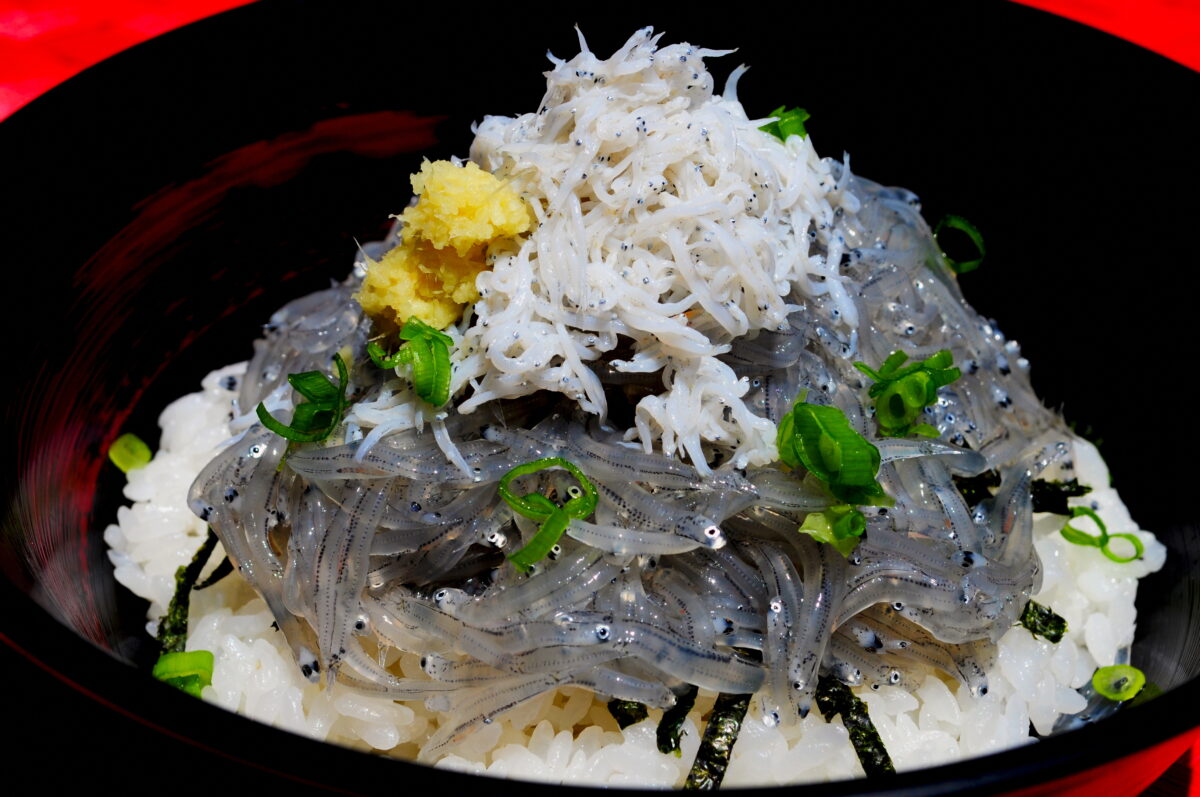
Shirasu (Whitebait)

Mochimune is a small coastal fishing village in Suruga Ward just 6 minutes on the local train from Shizuoka Station. It is located at the point where the mighty Pacific Ocean meets nutrient rich Suruga Bay.

This small, tranquil coastal town and is famous for its ‘Shirasu’ (Whitebait) and particularly its ‘Nama’ (Raw) Shirasu. It is said that to really experience Whitebait, it needs to be eaten within an hour of being caught and eaten raw.

This obviously makes it difficult to do unless you go to the source. To ensure freshness the fishing boats that catch whitebait have support boats that travel back and forth from the main dock bringing the whitebait catch back to dock as soon as possible.

If you enjoy whitebait then Mochimune is a must visit on your trip to Japan, and even if you are not a big whitebait fan, brand new facilities such as the spectacular Nihoniro accommodation, Mochimune Port Onsen and the fantastic Mochimune Yokocho and of course, West Coast Brewing tap room – that will make your stay here unforgettable!


5 Ways to Get Active in Gotemba

0

There are more things to do in Gotemba than just Mt. Fuji – get outdoors and enjoy golf, glamping and even horse riding.

THINGS TO DO IN GOTEMBA

HIKING MT. FUJI

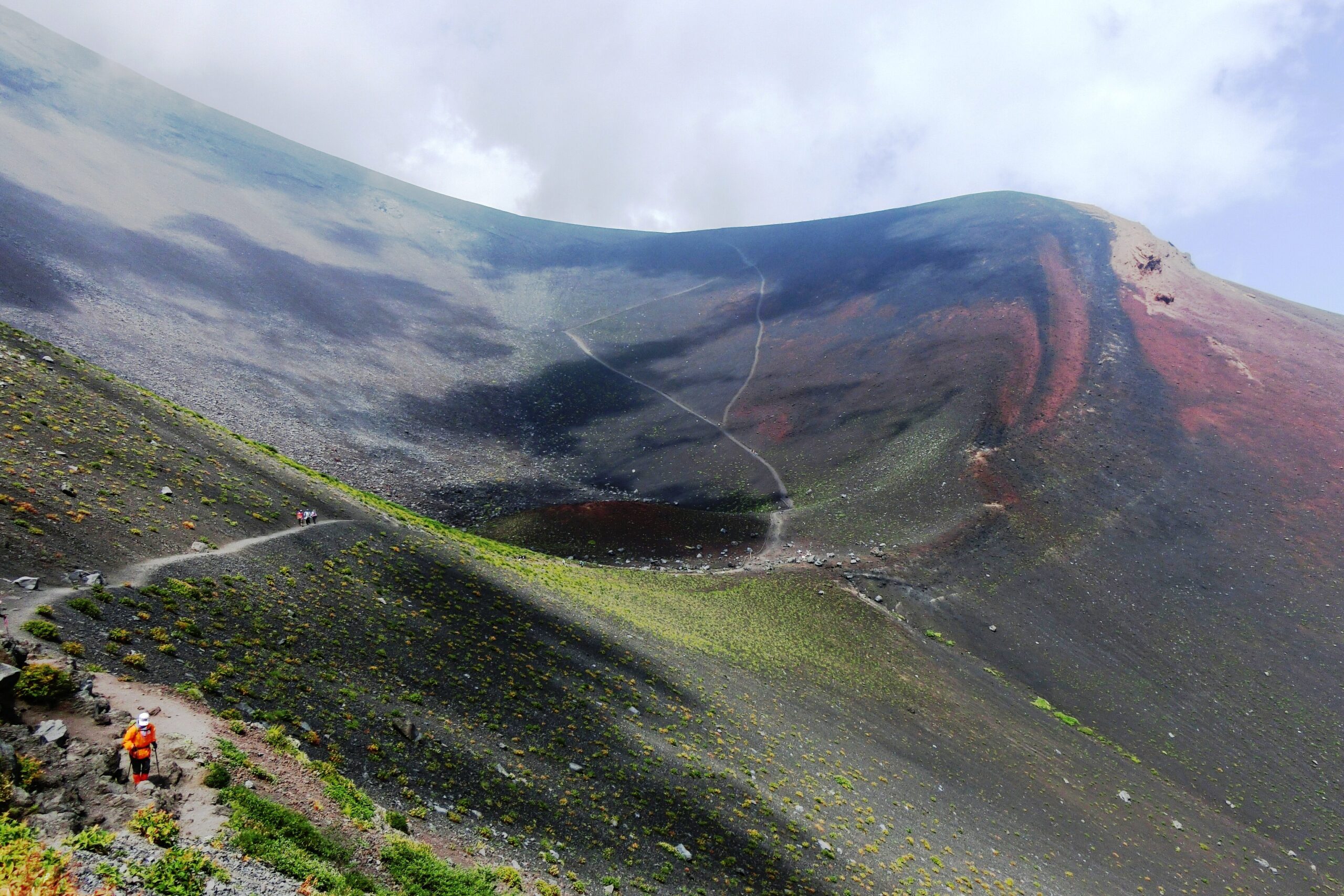
Hoei Crater

Gotemba is one of the popular destinations at the base of Mt. Fuji and located just 2 hours from Tokyo.

Every year Gotemba see thousands of visitors arriving to climb Mt. Fuji via the Gotemba Trail.

The Gotemba trail is the longest of the trails up Mt. Fuji as it starts at 1400 meters above sea level.

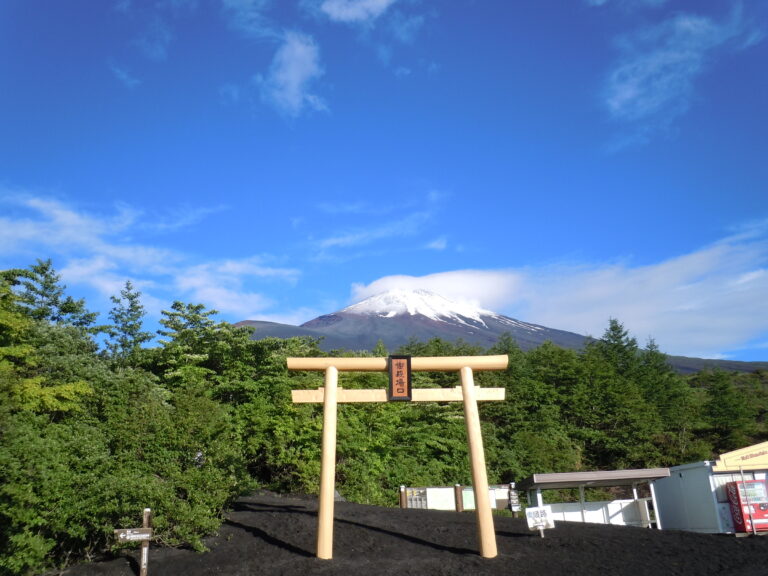
Recently The Prince Route has gained in popularity as a new way to climb Mt. Fuji offering hikers a chance to not only avoid the Summer crowds but also hike at Hoei Crater.

The Prince Route typically involves climbing to the crater of Mt. Fuji via the Hoei Crater from the Fujinomiya 5th Station and the descending on the Gotemba trail and enjoying the “great sand run” down the mountain.

Once you are down in Gotemba, there are a number of great Onsen available to soak your weary bones, and maybe enjoy a cold beer.

HORSEBACK RIDING

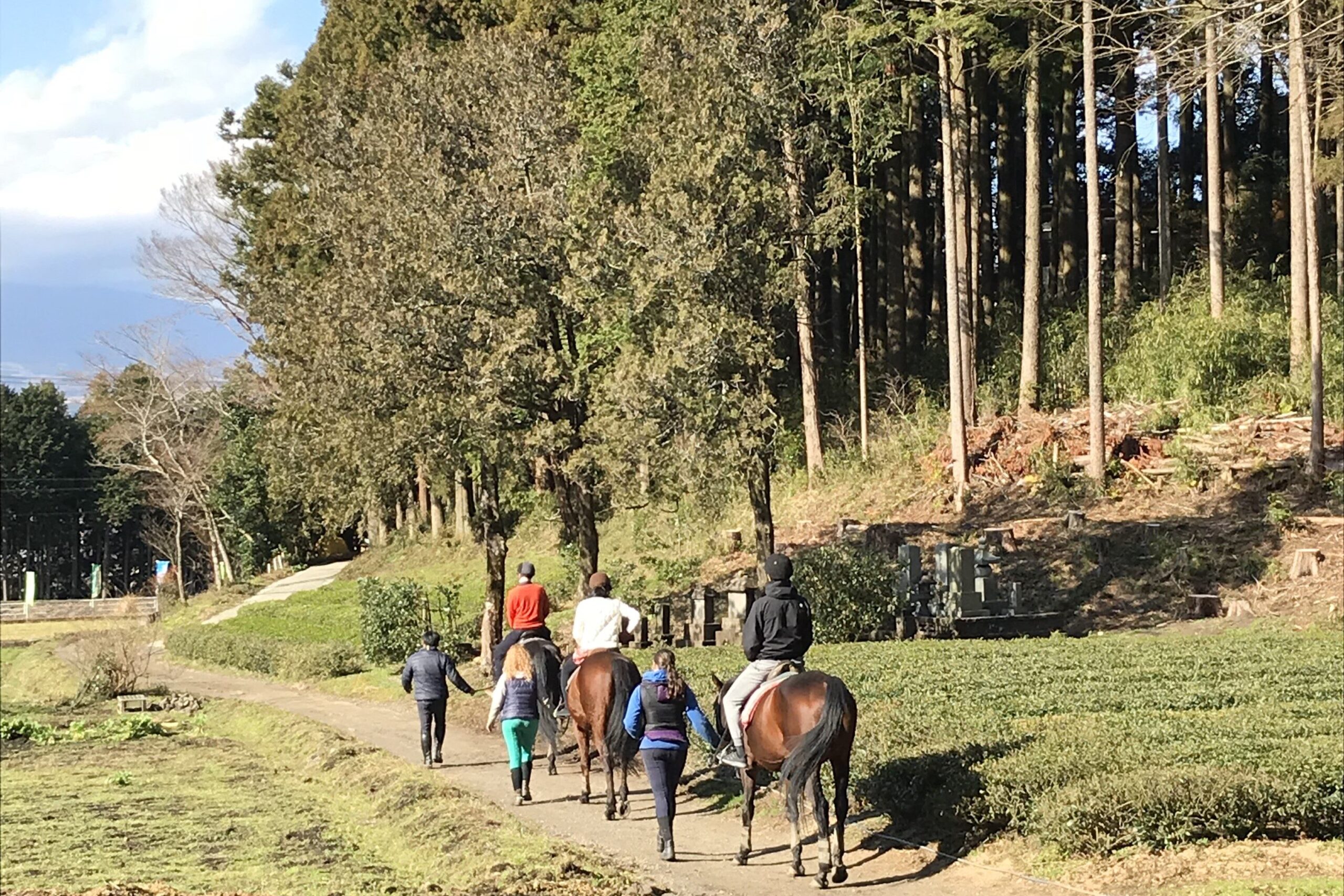
Okamoto Riding Club Japan

If you are looking for a unique Japanese experience, something to keep the kids happy or need a stunning social media photo to impress your friends then horseback riding with Mt. Fuji as a backdrop could be for you.

Okamoto Riding Club Japan offers experiences for English speakers.

This club caters for beginners and advanced riders with friendly well-trained horses and experienced trainers that will help you feel comfortable on the horse and master the basics.

Horse riding through a field and forest with stunning views of Mt. Fuji is a great way to make long lasting memories of your trip to Japan – don’t forget your cowboy hat!

KOMAKADO KAZA-ANA CAVES

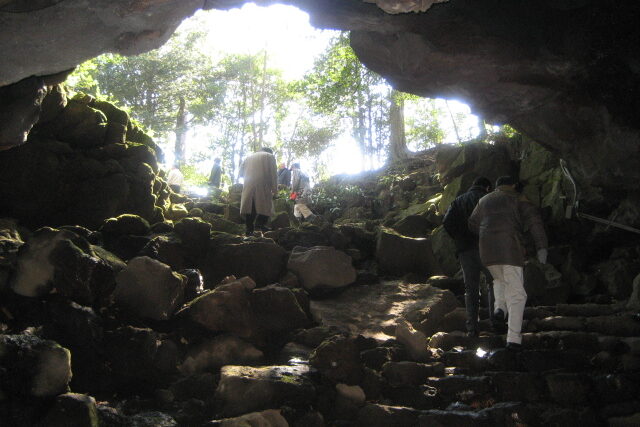
Komakado Kaza-Ana Caves

The Komakado Kaza-Ana Caves is the largest lava tube near Mt. Fuji and has been designated as a natural national treasure.

Located near Fujioka Station (20 minute walk) which is 2 stations from Gotemba Station on the JR Gotemba Train Line.

A small fee is charged at the entrance and you are free to wander through the caves formed by lava from a Mt. Fuji eruption over 10,000 years ago.

The temperature in the caves is steadily 13 degrees so it is a great place to escape the heat of a Japanese Summer.

FUJINOKIRAMEKI GLAMPING

Fujinokirameki Glamping

Glamping (Glamourous Camping) is another overseas trend that Japan has embraced and made its own.

Around the Mt. Fuji area there have been many glamping locations that offer visitors a chance to enjoy the concept of camping with all the comforts of home – and more.

If there is such a thing as 5 star camping then Fujinokirameki would be it – comfortable beds, heated rooms, outdoor jacuzzi and even a chef prepared BBQ.

Enjoying all this with magnificent views of Mt. Fuji.

In the morning wake up early, layout your yoga mat and start the day with a stretch before enjoying another breakfast feast.

Check the Fujinokirameki Website

PLAYING GOLF

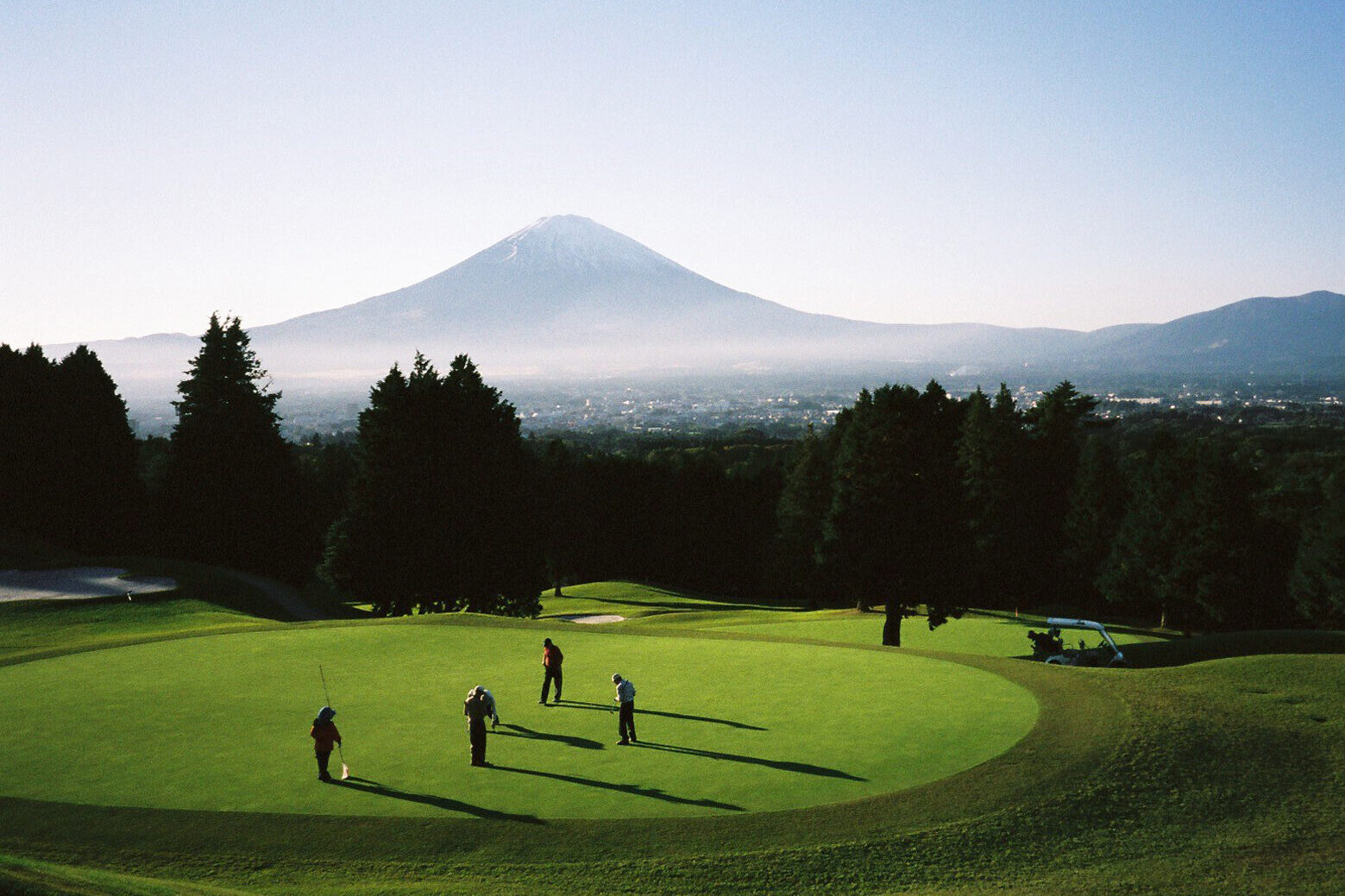
Fuji Country Club

Gotemba has about 10 golf courses in the area, many of which were designed by some of the most famous golfers.

Gotemba golf courses are famous for their outstanding views of Mt. Fuji.

Odakyu Railway operates a Romance Car from Shinjuku Station to Gotemba at 06:40am every morning.

Many of the clubs are conveniently located – short taxi ride from Gotemba station and provide rental clubs, shoes and gear – making it possible to be on the first tee by 9 am with Mt. Fuji as your backdrop for what may be the best round of your life.

In addition, if any in your group is not a golfer they may want to spend a day of shopping, onsen or some of the activities and meet up in the afternoon making Gotemba a great way to get away from Tokyo for a day or two.

Minami Alps and Tenryu National Park

EXPLORE STUNNING NATIONAL PARKS IN SHIZUOKA, JAPAN

Located in the Central & Southern areas of Shizuoka, these two mountainous National Parks offer nature and biodiversity.

MINAMI ALPS NATIONAL PARK

Mountain Hiking, Onsen, Steam Trains, and the Bridge of Dreams

The Southern Japanese Alps, or Minami Alps National Park, is a vast mountain range that spans across the prefectures of Nagano, Yamanashi and Shizuoka.

Designated as a UNESCO Eco Park in 2014, the Minami Alps is a pristine alpine environment with great biodiversity and cultural heritage.

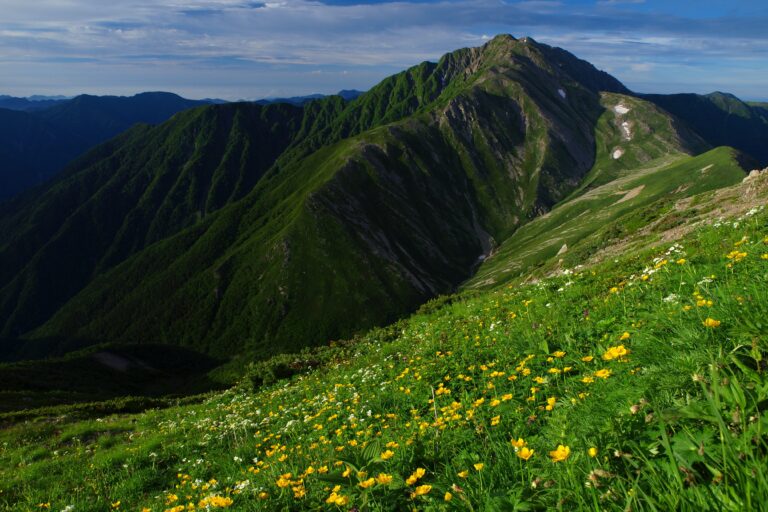
There are 13 alpine peaks over 3,000 meters in altitude. 10 of Japan’s 100 most famous mountains are found throughout the park, making it a haven for alpine hiking and climbing.

Hike on mountain ranges above 3000m.

The most southern end of the alps reaches Shizuoka, where the Oi River begins its journey and is flanked by rugged mountains and ridgelines, including the Arakawa Three Mountains, Mt. Akaishi and Mt. Tekari – Japan’s southernmost peak over 2,500-meters high.

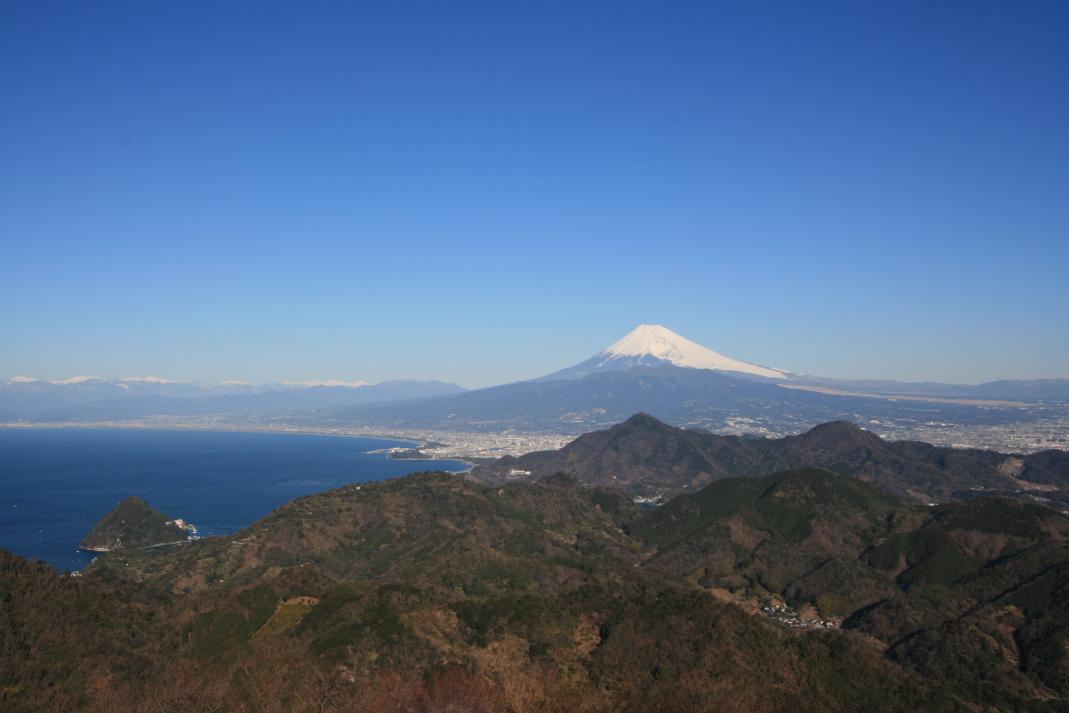
These peaks offer amazing panoramas looking back at Mt. Fuji, especially at dawn or dusk if you are planning to overnight in one of the mountain huts.

Mt. Fuji seen from the summit of Mt. Semmaidake

The park is a hiking paradise during the Summer and Autumn months with options ranging from short day walks and overnight stays at local onsen inns, through to multi-day treks along the network of trails and mountain huts that connect the alpine peaks.

Detailed information in English on hiking these trails can be limited, but a good resource is the YAMAP app, a handy tool to have on your smartphone that has an English interface with detailed maps, user-generated routes, and GPS functions to find trailhead locations anywhere in Japan.

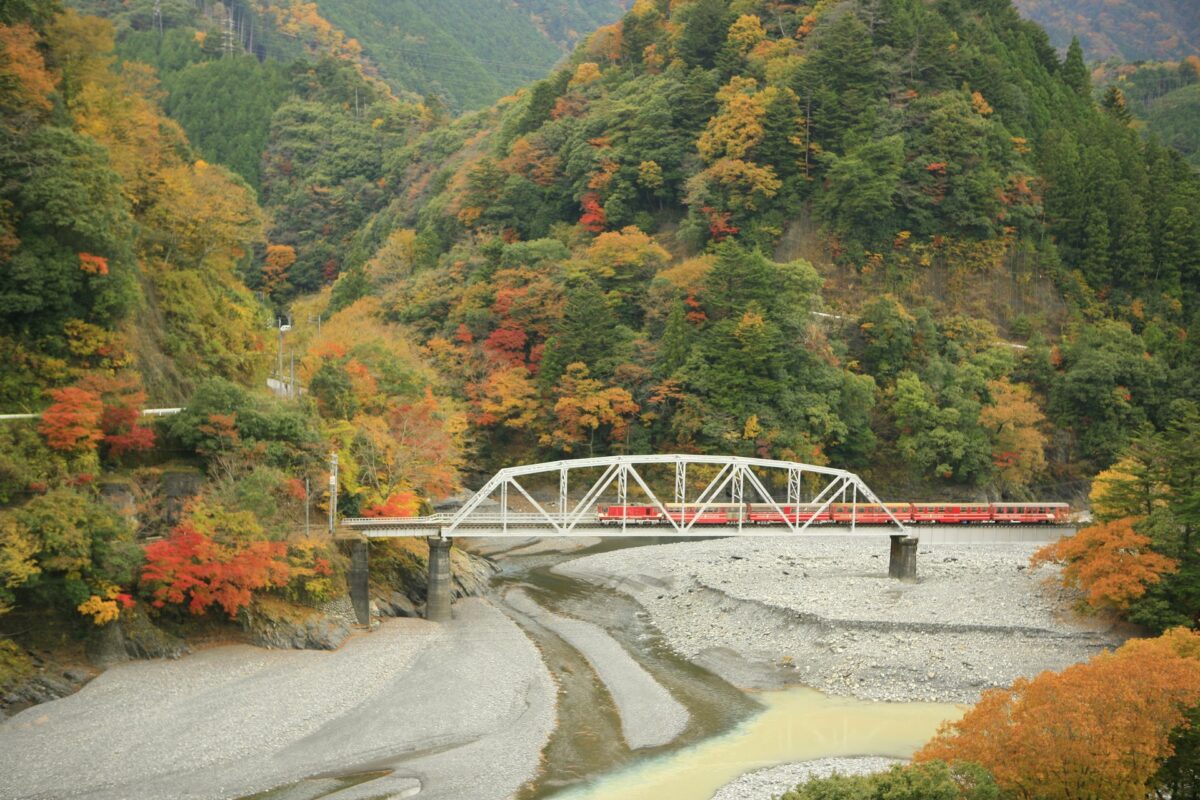
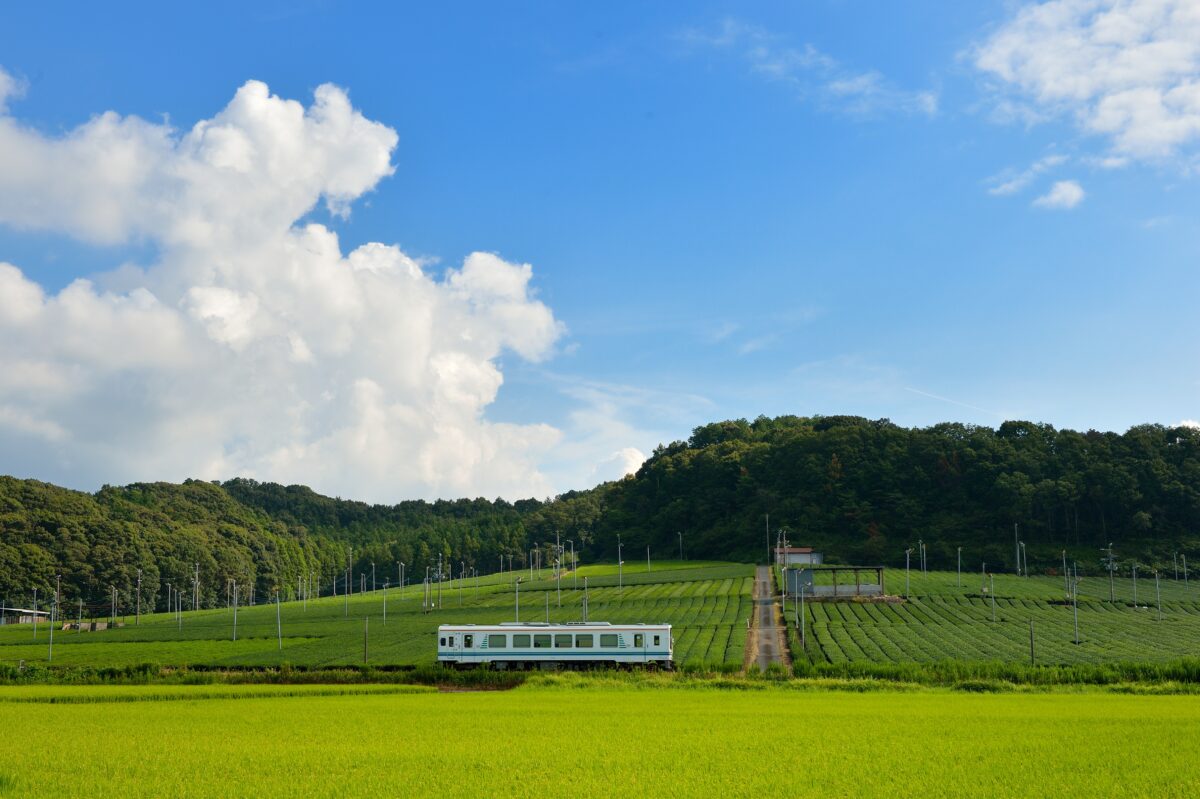
Follow the Oi River upwards, and there are some lovely day hikes, onsens and farm stays around the Kawane area. Getting there is half the fun with a nostalgic steam train journey on Oigawa Railway deep into the mountains. Enjoy the view of the vast green tea fields along the river and take a slow trip through the countryside. Engaging conductors will show you the sights from the train window – You may also be entertained with a tune on their harmonica!

Apt Train on Oiwaga Railway

From the terminus in Senzu, you can take the ‘Apt System’ mountain train further into the Oku-Oi river region. Sumatakyo Onsen and the Bridge of Dreams are also worth a trip.

Here are 6 ways to explore the Minami Alps.

TENRYU-OKUMIKAWA QUASI-NATIONAL PARK

Mighty Rivers, Slow Trains, Idyllic Countryside and Hunters’ Life

Nearby Tenryu-Okumikawa Quasi-National Park sits on the western border of Shizuoka and is managed by the local municipalities, hence its ‘Quasi’ status.

The centrepiece of this park is the mighty Tenryu River that flows down from neighbouring Nagano prefecture. This part of Shizuoka interior is popular with hikers, cyclists, kayakers, fisherman, campers and other outdoor enthusiasts due to its abundant nature.

A popular journey to the southern Tenryu region is via the Tenryu Hamanako Railroad.

Tenhama Line Train on Tenryu Hamanako Railroad

This rail journey runs along the north coast of Lake Hamana from Kakegawa Station to Shinjohara Station for a total of 67 km and 39 stations.

The beloved little train’s wheels began rolling in 1935 and many of the charming stations have been used in films and television shows, preserving a quintessential slice of countryside life.

Mountains in Haruno, Hamamatsu City

Further north, Haruno is an idyllic village with a rich hunting history – wild game management is important and Haruno hunters have been proactive in creating a sustainable hunting model and now many local restaurants that have deer or wild boar on the menu are becoming more ubiquitous.

A rental vehicle or camping-car is the best way to explore this almost ‘secret’ Quasi-National park in Shizuoka.

Make your own authentic Wasabi pickles and Tofu – essentials to Japanese cuisine

What do you look forward to when you travel abroad? I think many people think of food. Even if there is food you can eat in your home country, you still want to get that freshly made, authentic flavor. Many people will mention sushi as Japanese food they are familiar with. Sushi is typically served with wasabi, which has a spicy flavor and distinct aroma, so why not visit one of the places where wasabi is produced? In fact, there are other ways to enjoy wasabi besides eating it with sushi. Come and try making “wasabi pickles” using locally produced wasabi. And besides wasabi, you can try Japanese food that you have never heard of before.
We offer programs that will pique your curiosity. Please come visit Izu City in Shizuoka Prefecture!

Meet your guide

If you are driving your own rental car, please meet your guide at Kitara.
You can get there in about one hour drive from Mishima Station.
There are freshly harvested vegetables and handmade side dishes for sale, and the shop is usually crowded with locals. A Shuzenji SGG guide will be waiting for you at the parking lot.
If you are taking this tour without using a rental car, please meet at Shuzenji Station.
Get off the Shinkansen at JR Mishima Station, transfer to the Izu-Hakone Railway, and ride for about 30 minutes to your destination. Meet your guide at Shuzenji Station and take a taxi together.

Visit wasabi fields

Izu is a major producer of wasabi.
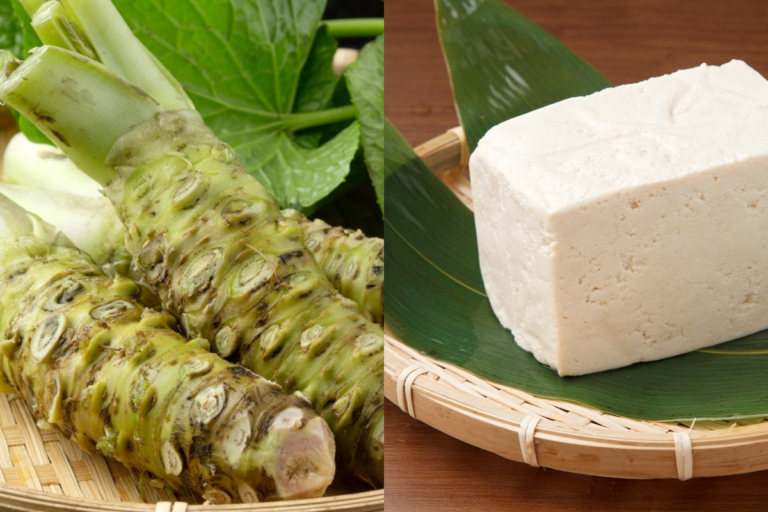
First you will visit Ikadaba, a beautiful wasabi field. Here, farmers continue to produce high-quality genuine wasabi, known as “honwasabi”, in harmony with nature, using cultivation methods that have been certified as a World Agricultural Heritage.
You may have seen wasabi being sold in tubes at supermarkets, etc., but in fact, most of the cheap products for sale are not made with honwasabi, which is native to Japan, but are made with horseradish to mimic the taste.
Later in this program, you will get to try making “wasabi pickles” that use the fine qualities of honwasabi. You’re going to have a lot of fun.

For the cultivation of honwasabi, it is essential to have a large volume of clean water that does not exceed 25˚ C even in summer and soil that drains well. Ikadaba is a wonderful farm that exactly meets these conditions. Here, spring water at a temperature of 13˚ C to 16˚ C flows through the terraced fields year-round, ensuring that the honwasabi is always exposed to clean water. Izu is a land formed by volcanic activity, so the soil is rich in minerals and pumice that allow water to pass through easily.

There are many other things that go into cultivating honwasabi.
Please come and learn all about it!

Try making Wasabi pickles!

Honwasabi offers many benefits to the body, including disinfection, detoxification, improved blood flow, and suppressing development of cancer.
Come to Omiya a wasabi shop run by wasabi farmers by car and make “wasabi pickles” so you can enjoy wasabi even more!

Honwasabi served with sushi is made by grating the stem, which has a strong aroma, but when making wasabi pickles, the leaves, stems, and roots are all finely chopped. Honwasabi is a wonderful ingredient, with no part that you should throw away.

Start by chopping the honwasabi harvested here. Even the parts other than the stem have a nice scent.
What is that white lump in the bag? It is the dregs left over from the process of making sake, called sake lees.
It is interesting to see how ingredients for sake can be transformed into other dishes!
Mix this well with chopped honwasabi and salt and it’s ready to use.

Let this sit for a while, and the scent of wasabi and sake will blend together, and create a texture similar to pungent cream cheese.
Just wait and see what the wasabi pickles that you made yourself will taste like! You can also pack it up and take it away with you.
In Japan, wasabi pickles are generally eaten with white rice or fish cakes, but it also tastes delicious when spread on toast or steak.

There is also a wasabi field on the premises of Omiya. If you go at the right time, you can see wasabi up close before it is harvested.

Try making Tofu!

Next, head back to Kitara, where you will try making and eating tofu using whole Fukuyutaka soybeans harvested in Izu City.
Tofu is a simple yet very healthy food that is commonly eaten in Japanese households. How does each individual soybean change?

In the pot is soy milk made from soybeans that have been soaked overnight in the delicious water provided by Mt. Amagi. Cook this soy milk over low heat and mix until the temperature reaches 80˚C.

When the temperature reaches 80˚ C, quickly add the clear liquid “nigari” (bittern) and stir quickly 3 times in each direction, left and right. The secret to getting a delicious flavor is to do this quickly. Nigari is a liquid produced when making salt from seawater, and here we use all local nigari from Heda on the Izu Peninsula. You’ll be surprised to see the contents of the pot, which had been liquid until a moment ago, had solidified like pudding!

Pour the contents of the pot into a wooden container, put a lid on it, and press forcefully down on the lid with your hands to remove any water. If you are participating in a group, take turns pressing. It will taste better if you remove a lot of water. Can you press it well?

Once the water has been pressed out, the tofu is ready. Try eating some freshly made warm tofu. What is the flavor of this pure white block of nature’s blessings? Come participate for yourself and see how it tastes!
After you try tofu making and tasting, you will return to the place where you met your guide in the morning and the tour will be over.

Shuzenji, a town full of charm

Izu City has many other programs for you to enjoy. Here we will introduce one of them, “Syakyo,” copying sutras at a Buddhist temple. You will head to Shuzenji Temple, located in the center of Shuzenji, a hot spring town in Izu City. Shuzenji is a Zen Buddhist temple that has been popular among locals since it was opened in 807 AD. Here, you will copy the Buddhist sutras, the written teachings of the Buddha, and dedicate them to the temple.
Learn the spirit of Zen and discipline your mind.

Normally, general visitors to the temple stand outside the main hall to pray, but those participating in this program will have special access to the main hall. The principal image of worship, Dainichi Nyorai (Mahavairocana, the Bliss Body of the historical Gautama Buddha), is enshrined in the main hall in a solemn atmosphere, but it is not easily visible from the outside. Gaze upon the gentle face of the statue of the Buddha. Sit right in front of the statue and pray quietly with your hands together while listening to sutras chanted by the chief priest. After you finish praying, try copying the sutras!
Write down the same sutra that was chanted by the chief priest earlier.
Use a pen to trace the letters printed in light ink.

Inside the main hall is so quiet you can hear the sound of the leaves rustling in the wind. Just for the moment, put your smartphone in your bag and concentrate on copying the sutras. It doesn’t matter if you can’t trace them very well. As you write, you will begin to feel your mind growing calmer, like when meditating.
In addition to the sutras, you can also choose one wish to the Buddha to write on the paper. You can choose one from a variety of wishes to make, such as travel safety, physical health, or passing exams. What will you wish for?

Once you have finished writing your sutra, you will get a stamp as proof that you have copied the sutra.
At the end, you can enjoy tea and sweets while looking out at the garden.

How to make reservations

Make a reservation at least 3 weeks before the day you want to go.
https://exploreshizuoka.jp/activities/places/wasabi-fields-and-tofu-making-workshop/
Check the tour details on this website!

Information about copying sutras is available on this site.
https://shuzenji-sgg.com/

5 Great Hikes in Shizuoka, Japan

0

Hiking in Shizuoka is so much more than just Mt. Fuji – throughout the Prefecture there are many great hikes to choose from.

HIKING IN SHIZUOKA

Mt. Fuji is by far the most popular destination for hiking in Shizuoka as a bucket list experience for many visitors to Japan. However, don’t miss some of the other great hikes on offer in the prefecture.

From the Izu Peninsula in the east to the foothills of the Japanese Minami Alps in the west, there are many great hikes in Shizuoka.

JOGASAKI COAST TRAIL – Atami Station

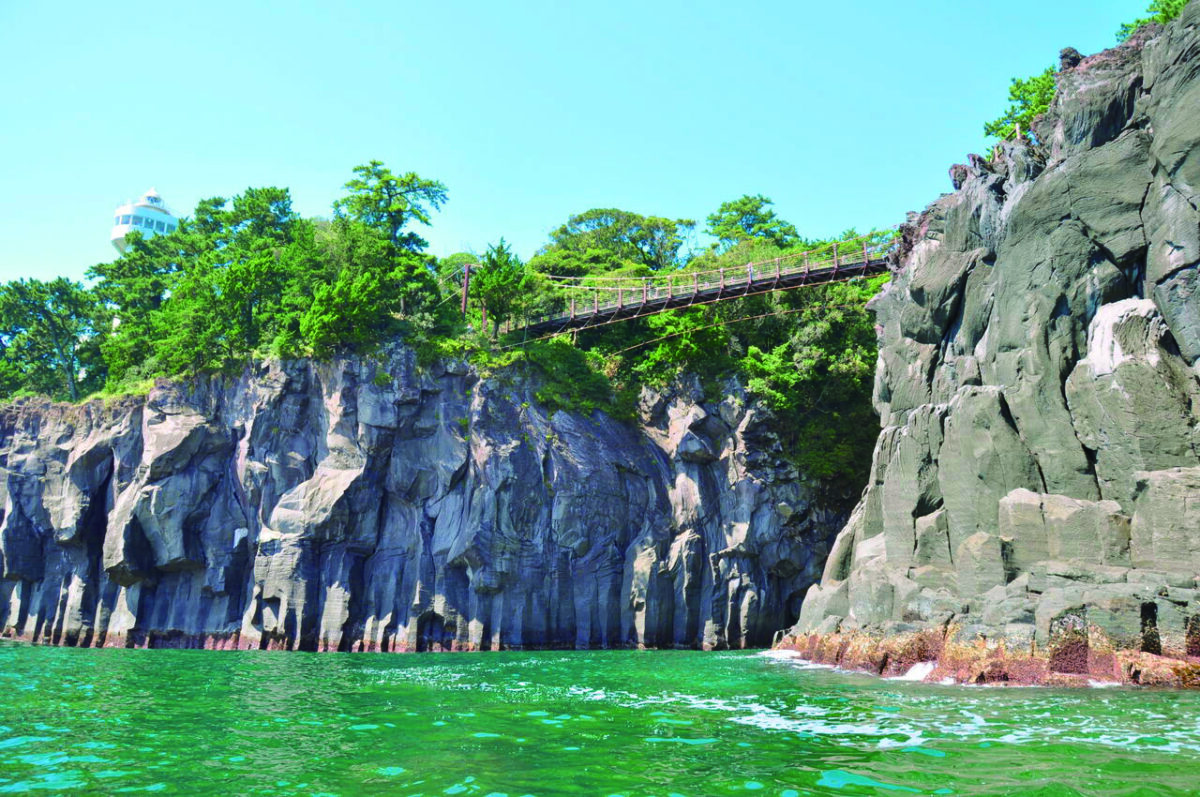
Hiking at Jogasaki Coast Trail

Easily accessible from Tokyo (approx. 100 minutes), the Jogasaki (Kaigan) Coast Trail is a great option for all ages and fitness levels.

The 9km trail follows a stunning stretch of coast on the Eastern side of Izu Peninsula starting at Izu Kogen Station and following the coastline all the way up to Jogasaki-Kaigan Station and take about 2-3 hours.

The highlight of the hike is the Kadowaki Suspension Bridge over the ocean and the Lighthouse.

The lighthouse and suspension bridge are a popular tourist destination and can get a bit crowded on the weekend – but is a great place to stop for some snacks and water.

UMEGASHIMA – Abe Great Falls – Shizuoka Station

Hiking in Umegashima

Looking to get into the mountains and cool down? Enjoy waterfalls?

Head North of Shizuoka Station into the mountains and explore what is known as ‘Oku Shizu’.

Umegashima is a hot spring town about 1 hour drive (2 hour bus ride) to the North of Shizuoka Station following the Abe River.

Umegashima is a great starting point to explore many of the local hiking courses such as Abe Toge and Abe Great & Akamizu Waterfall tracks.

If you have a couple of days to spare, make sure to also stop off at the small town of Utogi and visit the wasabi streams that are said to have been established in the 1600s as Japan’s first commercial wasabi fields.

Another highlight of the area is the Gaia Flow Shizuoka Distillery – a local distillery that is making a name for itself.

MT. MANKANHO – Shizuoka Station

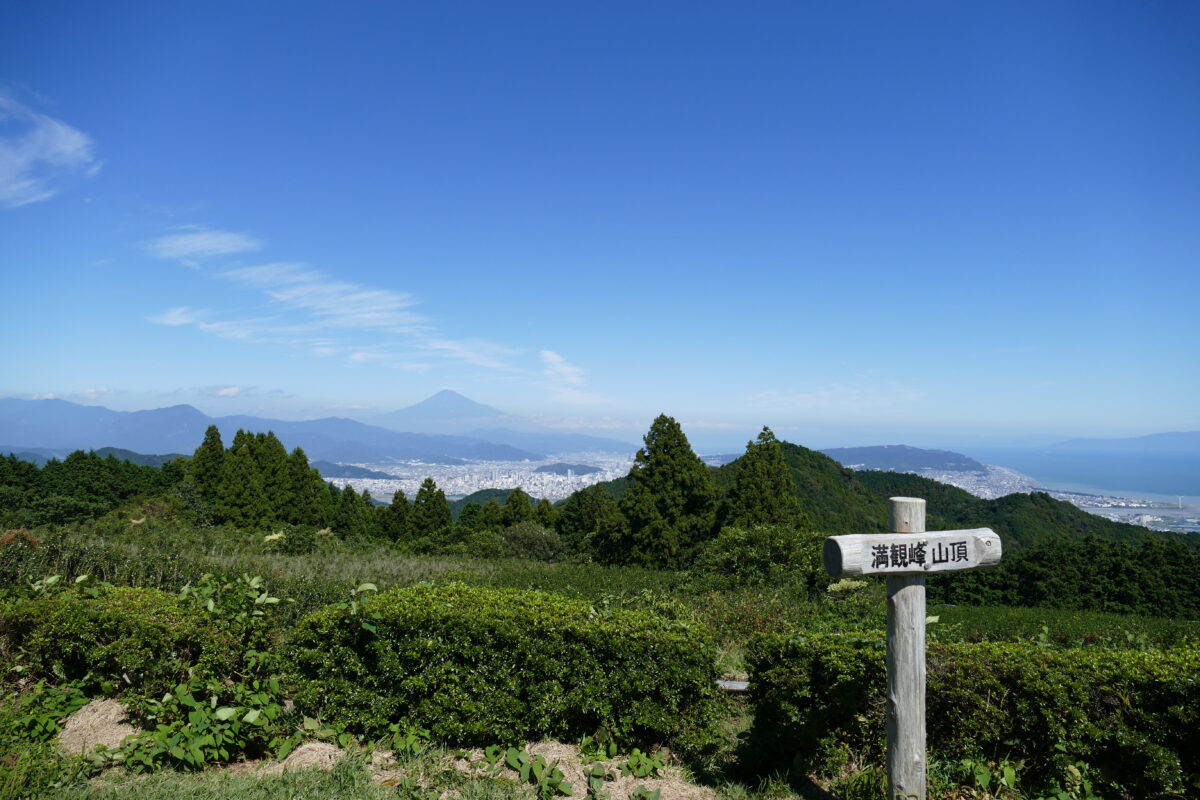
Hiking on Mt. Mankanho

On a clear day, the views of Mt. Fuji, Suruga Bay and Shizuoka City are stunning from the top of Mt. Mankanho (sometimes pronounced Manganho).

At 470m, to the top this hike is not too daunting and takes between 2-3 hours to get to the top.

A great option for this hike is to spend a night at the fantastic modern interpretation of traditional Japanese accommodation in Mochimune (a short train ride from Shizuoka Station) and set off early to get to the top for a sunrise view (proper hiking gear required).

MT. KATSURAGI – Mishima Station

Mt. Katsuragi

The hiking route around Mt. Katsuragi is easily accessible thanks to the Izu Panorama Park Ropeway.

This gives hikers the option of taking the ropeway up in the morning, enjoying a cup of tea and wonderful views of Mt. Fuji at the top.

Or, if you are keen, hike for about 60 minute to the top which is just over 450m in elevation.

You then have the option of taking the ropeway back down or continuing your hike down to Uchiura Bay.

There are many wildflowers that bloom in the area and, if the weather co-operates, the views of Mt. Fuji at the top are well worth the effort.

SATTA PASS – Shizuoka Station

Satta Pass

The hike to Satta Pass is less of a traditional hike and more of a walk through history.

The hike follows the path of the Old Tokaido Highway which was the main thoroughfare between Tokyo and Kyoto from the 17th through the 19th century.

Satta Pass is located between Yui and Okitsu Stations east of Shizuoka Station along the Suruga Bay Coast.

The goal of the hike is to get to Satta Pass which offers breathtaking views of Mt. Fuji that were made famous in the Ukiyoe Painting by Hiroshige.

From the old post station towns of Yui or Okitsu it is about a 1 hour walk to Satta Pass and along the way, there are glimpses of the Old Tokaido Highway.

It is possible to drive right to Satta Pass if you don’t wish to walk, but you will miss the journey.

*The observation deck is temporarily closed. There is a detour on the trail.

Last Shogun

0

Tokugawa Yoshinobu returned power to the Emperor without a fight. What did Yoshinobu, the last shogun, think about in Shizuoka and what did he bring to the city?

Introduction

Tokugawa Yoshinobu, the last shogun, was the one to close the curtain on the Edo shogunate, which was reputed to be an exceptionally long period of government even by world standards. Yoshinobu, who was the 15th shogun, returned power to the Emperor peacefully without a fight. With the so-called “Taisei Hokan” (transfer of power back to the Emperor), Tokugawa Yoshinobu drew the curtain on the 260-year Tokugawa shogunate and chose to put down the sword, ending the samurai government that existed for nearly 700 years since the founding of the Kamakura shogunate. His decision would eventually open the door to a new era for the country of Japan.

Adventure and interactive activities to visit places associated with Tokugawa Yoshinobu

Learn about the character of Tokugawa Yoshinobu at his residence, Fugetsuro

Why did Yoshinobu, the 15th shogun, return power to the Emperor without fighting?

This is considered one of the greatest mysteries of the Edo shogunate.

Fugetsuro, the residence where Yoshinobu spent about 20 years after the Taisei Hokan, still has a beautiful garden and is now used as a traditional Japanese restaurant, wedding hall, and event hall.

The chairman of Fugetsuro describes the character of Yoshinobu as follows.
“He never in his life spoke of the reasons for his great historical decision of returning the power without a fight. Yoshinobu kept all politics out of his life and devoted himself to his hobbies and was well-liked by the citizens of Shizuoka. I feel that he was a wise and brilliant ruler who paved the way for the modernization of Japan, despite the turbulent times at the end of the Edo period.”

There are many stories that are not mentioned in the history books, both in the city of Shizuoka and in Fugetsuro, and these give us a sense of the warmth of Yoshinobu as a human being.

Without Yoshinobu, tea in Shizuoka would not be what it is today!?

Shizuoka is a major producer of tea known throughout Japan. There are many tea-producing regions throughout the prefecture, each producing distinctive teas depending on the climate.

Tea, now the face of Shizuoka, is very closely associated with Yoshinobu.

At the beginning of the Meiji Era, Yoshinobu was placed under house arrest in Shizuoka and spent about 20 years in the area. When Yoshinobu moved to Shizuoka, some 300 vassals who served as Yoshinobu’s bodyguards lost their status and property, and became unemployed as soon as they arrived there.

After much consideration, they decided to replace the sword with a hoe to grow tea.

These samurai-turned-farmers pioneered the Makinohara Plateau, and tea became Shizuoka’s leading agricultural product.

In the Kawane region that is famous for its Kawane-cha (green tea), the Oigawa Railway’s steam locomotive runs through the tea plantations. Visitors can enjoy a spectacular view of the tea plantations from the windows of the train.

A culture of enjoying tea developed at the same time as the production of tea.

There are teashops in the prefecture that offer new ways to enjoy tea, such as drinks and sweets made with tea, in addition to the more conventional ways of drinking tea. Another attraction is the calligraphy experience, in which participants write their own names in Japanese kanji characters using matcha green tea under the guidance of a professional instructor. Visitors can experience the art culture that combines traditional Japanese calligraphy and tea ceremony, and take home a one-of-a-kind souvenir.

Yoshinobu, a man of many interests

Tea was not the only thing that Yoshinobu brought to Shizuoka. He was known as a man of many interests, and led a life devoted to photography, oil painting, poetry, hunting, net casting, noh singing, and many other hobbies.

Known for his love of new things, Yoshinobu was also the first person to ride a bicycle in Shizuoka. According to the diaries kept by the stewards of Tokugawa Yoshinobu, he rode his bicycle across the Abe River to Mariko. In Mariko, there is an old restaurant called “Chojiya,” which has been in business for 400 years, and you can enjoy its famous tororo jiru (Japanese wild yam soup). Perhaps Yoshinobu, who took great care of his health, may have eaten it as well.

Why not try the local specialties in an old private house that takes you back in time to the Tokaido route during the Edo period?

Yoshinobu was also a foodie

“Yoshinobu would have enjoyed all the delicacies of Shizuoka,” explains the chairman of Fugetsuro.

Soba, one of Shizuoka’s signature traditional dishes, was also one of Yoshinobu’s favorite meals.
It is said that Tokugawa Ieyasu brought the culture of soba noodles from Shizuoka to Edo, and later, Yoshinobu brought it back to Shizuoka from Edo.

Summary

Tokugawa Yoshinobu spent his life working for Japan as a shogun and quietly watched over the country after the Taisei Hokan.

Yoshinobu left the following words.
“Lord Ieyasu established the shogunate to rule Japan. I became a shogun to bury that shogunate.”

After moving to Shizuoka, Yoshinobu never again entered the political arena, even after being released from house arrest. While Ieyasu vowed to make his subjects happy, Yoshinobu watched over the future of Japan, protected peace, and wished for the development of the nation from Shizuoka that was one step removed from Tokyo.

Most Famous Shogun

0

Tokugawa Ieyasu, who was defeated by Takeda’s army, gained strength in Hamamatsu and would eventually unify the country as the most famous shogun. What did the land of Hamamatsu provide Ieyasu?

Introduction

The Sengoku period was a time when powerful warring feudal lords ruled the country. Ieyasu, who was steadily improving his military and intellectual prowess while competing with neighboring feudal lords and being supported by his vassals, finally took over the country and ended the warring age that continued through the Onin War. However, the journey to that point was extremely challenging: his early childhood, when he was only three years old and spent time as a prisoner after he was separated from his mother; his adolescence, when he lived in Hamamatsu from the age of 29 to 45; and his later years until his death. Ieyasu, who spent about one-third of his life in Shizuoka, also chose the area as his final resting place. Let’s unravel the charms of Shizuoka that Ieyasu loved so much.

Adventure and interactive activities to visit places associated with Tokugawa Ieyasu

Ieyasu and Hamamatsu

During the time Ieyasu spent in Hamamatsu from the ages of 29 to 45, he experienced his greatest defeat at the Battle of Mikatagahara. He was attacked by the Takeda clan and fled back to Hamamatsu Castle, but in an attempt to take revenge, he made a desperate attack on the Takeda clan who were camped at Saigagake with only a handful of men. Although the soldiers of the Takeda clan were pushed to the bottom of the cliff and severely damaged, it was not enough to overturn the defeat, and Ieyasu suffered a humiliating defeat. Ieyasu was devastated by the large number of casualties, including many powerful vassals who died in place of Ieyasu.

Ieyasu left the following words.

“Winning isn’t always a good thing, and losing is important, too.” Ieyasu would use this experience in Hamamatsu as a lesson for his life and would go on to lay the foundations for the unification of Japan.

Bountiful Lake Hamana and Ieyasu
Hamamatsu, where Ieyasu spent 17 years of his life, is known for its rich agriculture, including fruits, vegetables, and flowers, as it is one of the sunniest cities in Japan.

Lake Hamana, the symbol of Hamamatsu, is connected to the Enshu Sea and is a brackish lake with seawater from the Pacific Ocean flowing in. Rich in nutrients and biodiversity, the area has a thriving natural fishing industry, as well as farmed eels, seaweed, oysters, and soft-shelled turtles.

The “kaki-kaba don” is a special dish filled with fresh oysters, a typical winter specialty of the region, seasoned with the sauce of the famous broiled eel, along with local ingredients such as seaweed from Lake Hamana, onions from Enshu, and tangerines also from Enshu.

Lake Hamana, where the waves are calm, offers a variety of marine activities in summer in addition to swimming.

Among them, pedal SUP (stand-up paddleboard) is available at Lake Okuhamana, where legend has it that Ieyasu took a boat and escaped from his pursuers by taking a route on the sea.

Paragliding is also a great way to see Lake Okuhamana from above, where one can also enjoy the view of Lake Hamana. The spectacular view of the lake and the sky may make you feel like Ieyasu who unified the entire country.

Tours of the paragliding grounds are also available, so those who do not wish to fly or children under the weight limit can also enjoy the spectacular scenery. The monorail travels up the slope of the mountain, allowing visitors to arrive in only 10 minutes where it would take an hour on foot. Depending on the time of year, sunset plans are also available, allowing you to enjoy the fantastic view of the setting sun reflected on the surface of Lake Hamana.

The head of the Mikkabicho Tourist Association had the following to say: “There are many legends associated with Tokugawa Ieyasu at Lake Okuhamana in Mikkabicho. There are good reasons to believe that Ieyasu took the sea route to successfully escape his pursuers, and it is very interesting to trace the route from the perspective of what Ieyasu was thinking at the time. Enjoying Lake Okuhamana from the air and sea is like reliving history, and it is full of historical romanticism.”

Indeed, Lake Hamanako is said to have played an important role in transporting rations and arms to the Hamamatsu Castle at that time, and the area possessed overwhelming convenience in terms of waterways and overland routes. It was an important lake that supported the rapid progress of Tokugawa Ieyasu, who would later become the ruler of Japan.

Summary

Hamamatsu was a land of many hardships, with many days spent in battle. Ieyasu was able to unify the country thanks to the support of his vassals and the days he spent here. Even after the death of Ieyasu, who fulfilled his dream of unifying Japan, the Edo shogunate continued for more than 260 years, maintaining an era of peace and tranquility for a long period, which is said to be unprecedented in the world.

Ieyasu, who vowed to live a long life and make his subjects happy, achieved the peaceful happiness not only of his own subjects, but also of future generations.

6 Superb Cycling Areas in Shizuoka

Shizuoka offers an amazing range of experiences for all cycling levels throughout the Prefecture – here are 6 to check out.

CYCLING IN SHIZUOKA

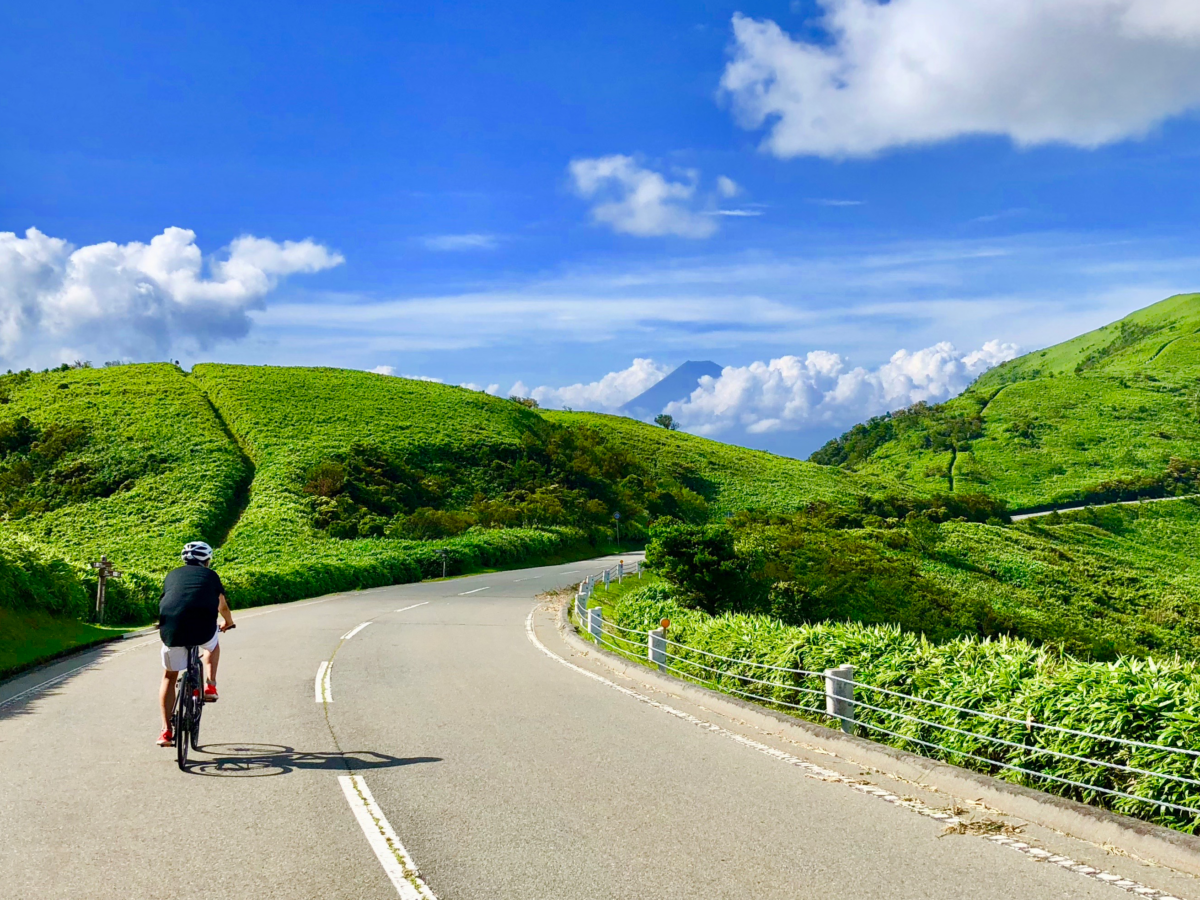
Cycling through rice paddies, green tea fields or along the coast are great options for cycling in Japan – quite often with Mt. Fuji as your backdrop making for outstanding cycling experiences.

KAKEGAWA

Kakegawa Castle – Japan’s First Restored Wooden Castle

The Kakegawa & Kikugawa areas are perhaps best known for the production of some of the best green tea in the World.

As one of the 6 stations on the JR Tokaido Bullet train line in Shizuoka, this quaint castle town is a very convenient starting point for any cycling adventure in the Prefecture.

After starting your day by sampling some of the local green tea and visiting Kakegawa Castle & some of the other attractions there are a number of different routes available for all levels of cyclists.

Head up into the green tea fields in the mountains, cruise down to Omaezaki and ride along the coast or follow the Old Tokaido Highway and visit some of the shrines in Fukuroi.

Course Details

OIGAWA

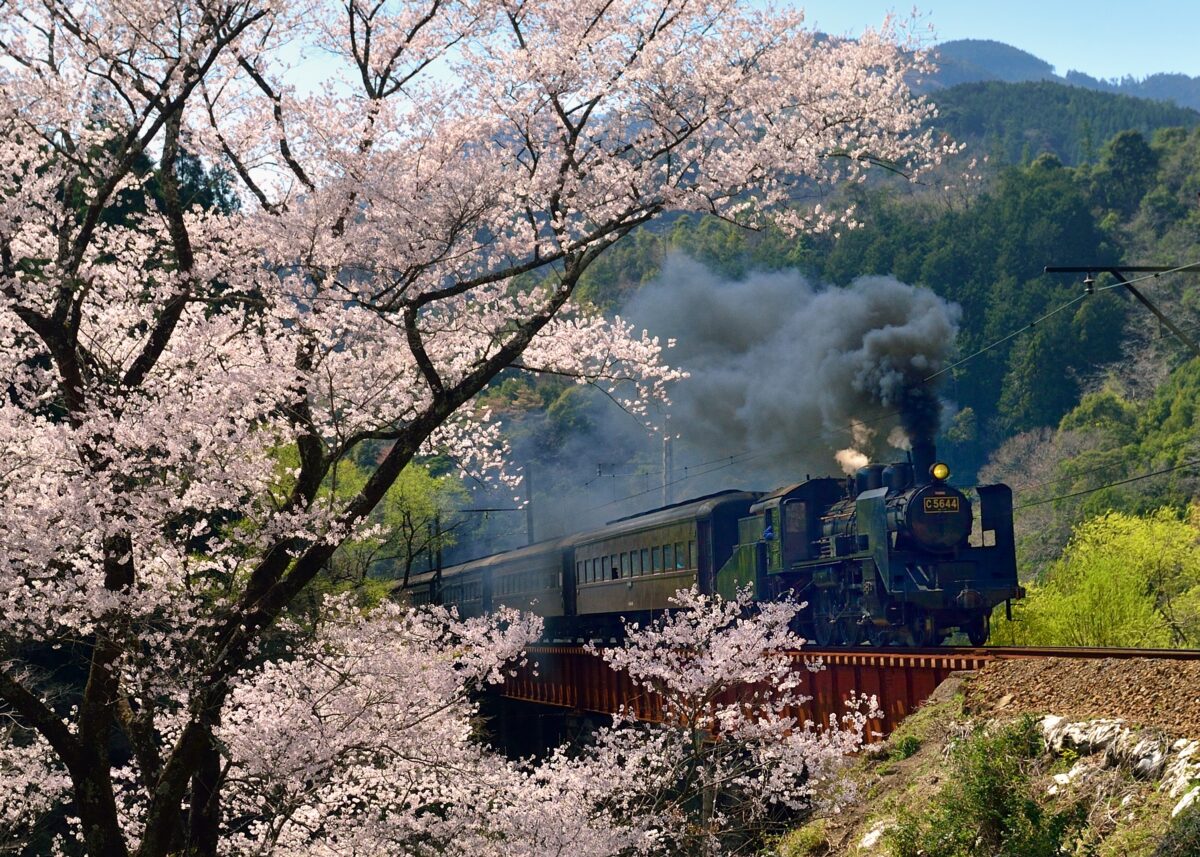
Steam locomotive and cherry blossoms

Take the local JR Tokaido Line from Kakegawa Station 3 stops to Shimada Station to take a journey following the Oigawa (Oi River) up into the foothills of Japan’s Southern Alps.

Ride from Shimada Station over the Horai Bridge to Shin Kanaya Station cross back over the river and follow it upstream into the mountains to Senzu Station in Kawane Honcho.

This is a popular cycling route especially in Late March / Early April when the cherry blossoms are in bloom, or again in November when the hills are ablaze with Reds, Yellows, and Brown from the Fall leaves.

All along the way, there are restaurants, cafes, and hot springs so that you can take your time and enjoy the journey.

Stay with one of the locals and enjoy a farm-to-table experience and stay a couple of days to explore Sumatakyo Onsen and Ikawa Lake Area – for serious cyclists there are some challenging rides once you get up into the mountains.

IZU PENINSULA

Nishi-izu skyline – the wonderful cycling route

The Izu Peninsula is arguably Shizuoka’s most popular cycling destination.

You can cruise along the coast and enjoy stunning views of the rugged coastline, enjoy amazing sunsets and catch amazing views of Mt. Fuji across Suruga Bay.

Or you can head inland and challenge some of the mountains and hills that rise from sea level up to 1,400 meters.

MAKINOHARA

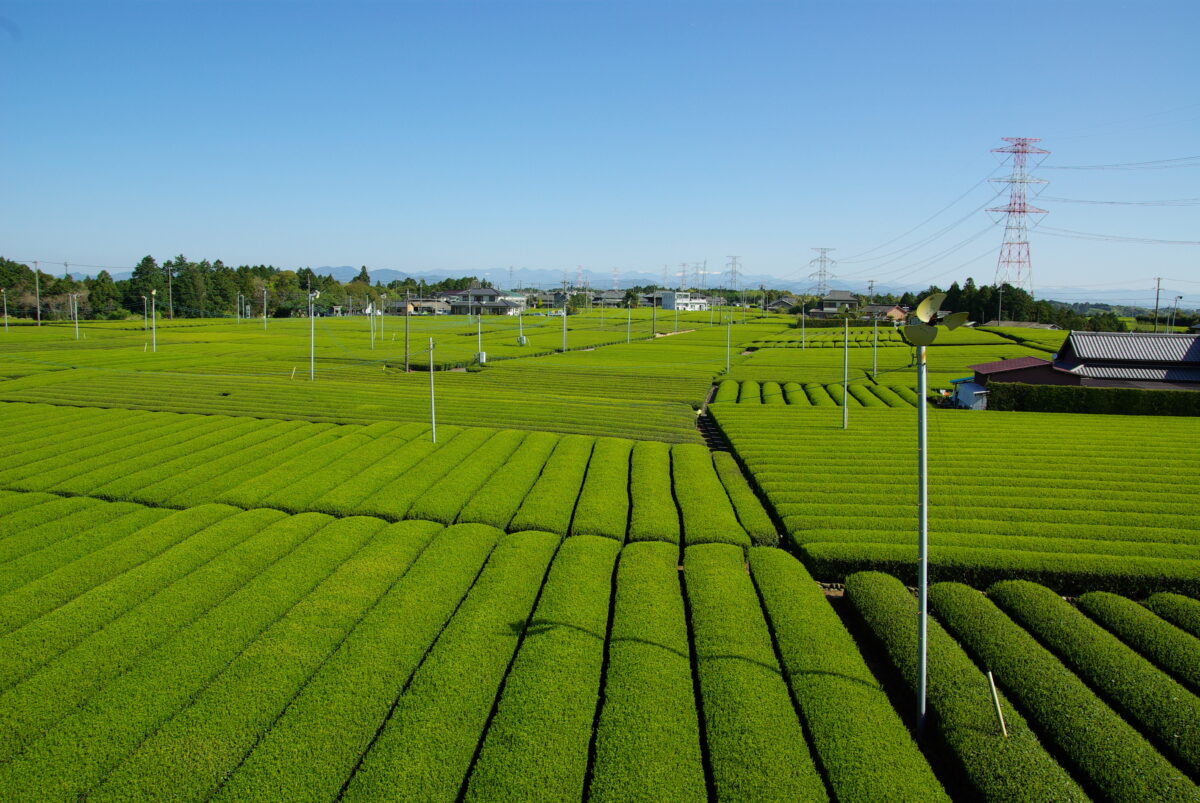
 green tea plantations in Makinohara Plains

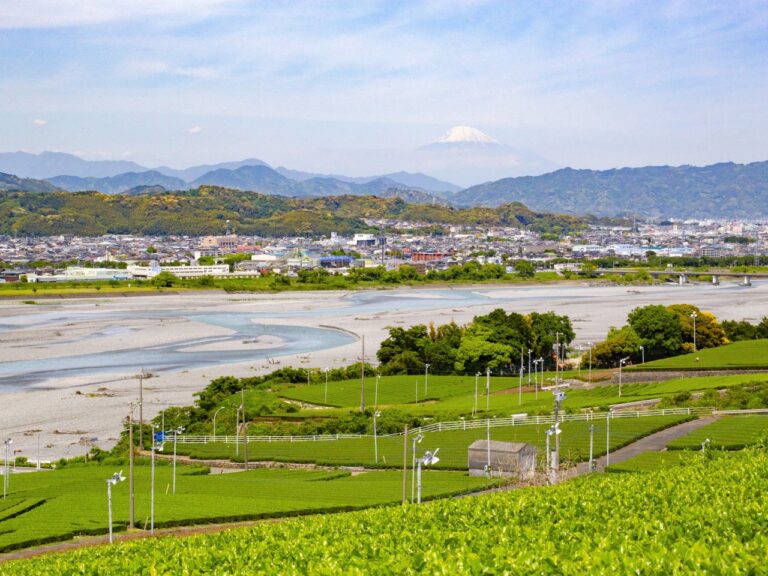
The Makinohara Plains is one of the major producing areas of green tea. It stretches from Shimada Station down to the ocean covering more than 12,000 acres (5,000 hectares).

By their very definition the Makinohara Plains are fairly level so even for beginners the cycling does not present too many challenges.

Cycling through the endless green tea fields all the way down to Sagara Sun Beach on the coastline is a great Shizuoka experience.

Spend a couple of days near the beach and then cycle down the coast to your next destination.

LAKE HAMANA

Sunset at Bentenjima beach park

Take the local JR Tokaido line from Hamamatsu Station to Maisaka or Araimachi Stations to get to the Brackish Lake Hamana.

There are a wide array of different cycling courses available from a full 82 km circumnavigation of the lake to more relaxed rides for beginners from the hot spring resort town of Kanzanji.

FUJINOMIYA

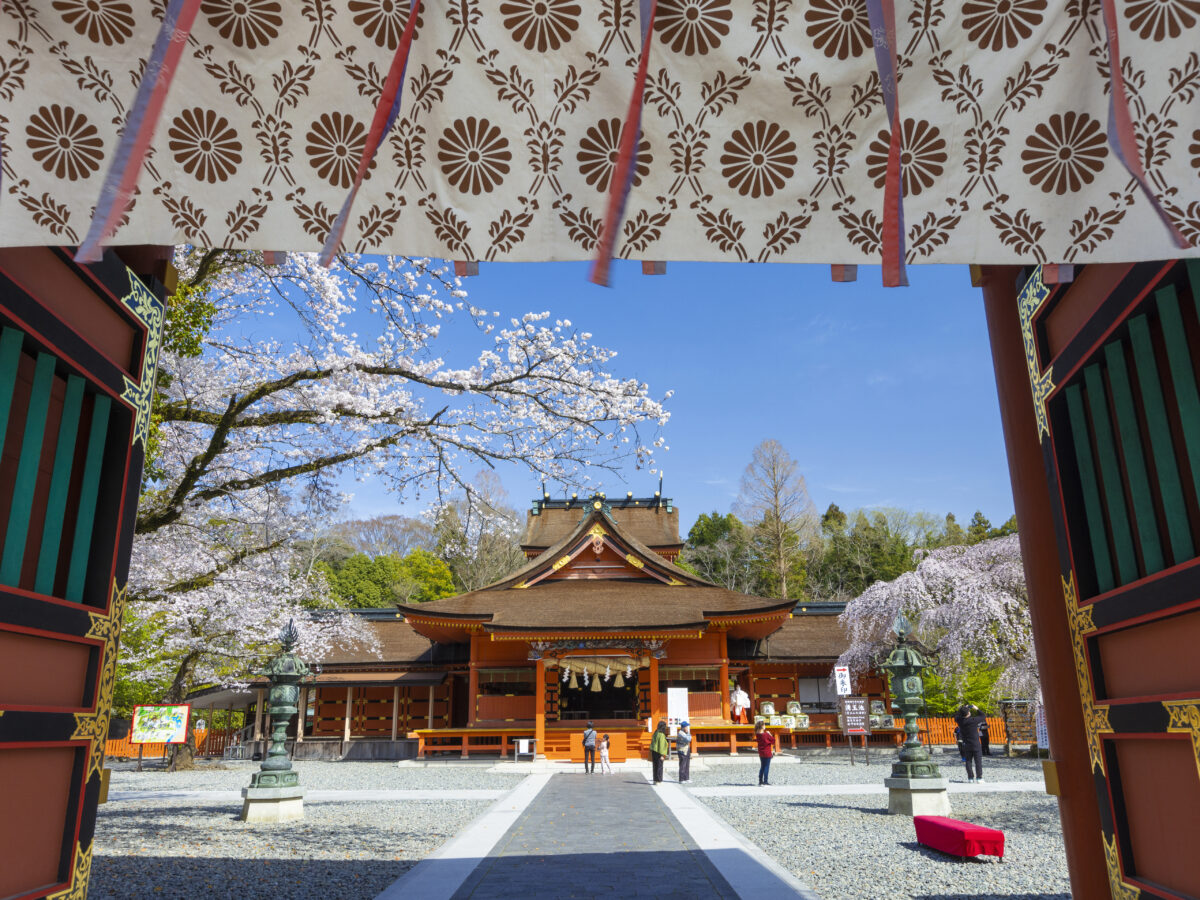
Fujisanhongu Sengentaisha Shrine

Take the local JR Tokaido line from Shin-fuji station to Fujinomiya – the closest city to Mt. Fuji.

Once you are in Fujinomiya you are spoiled for choice as a cyclist.

For those that are up for the challenge, and enjoy the pain, jump in the saddle and head straight to the Fujinomiya 5th Station via the Fujisan Skyline Road (opened from May to October) – a grueling 5 hour ride to an elevation of 2,400m.